
LPN Schools 2026 September: Complete Guide to Programs, Costs, and Career Launch
🎯 Compare LPN schools, program lengths, tuition, NCLEX-PN pass rates, and admissions requirements. Launch your practical nursing career fast.
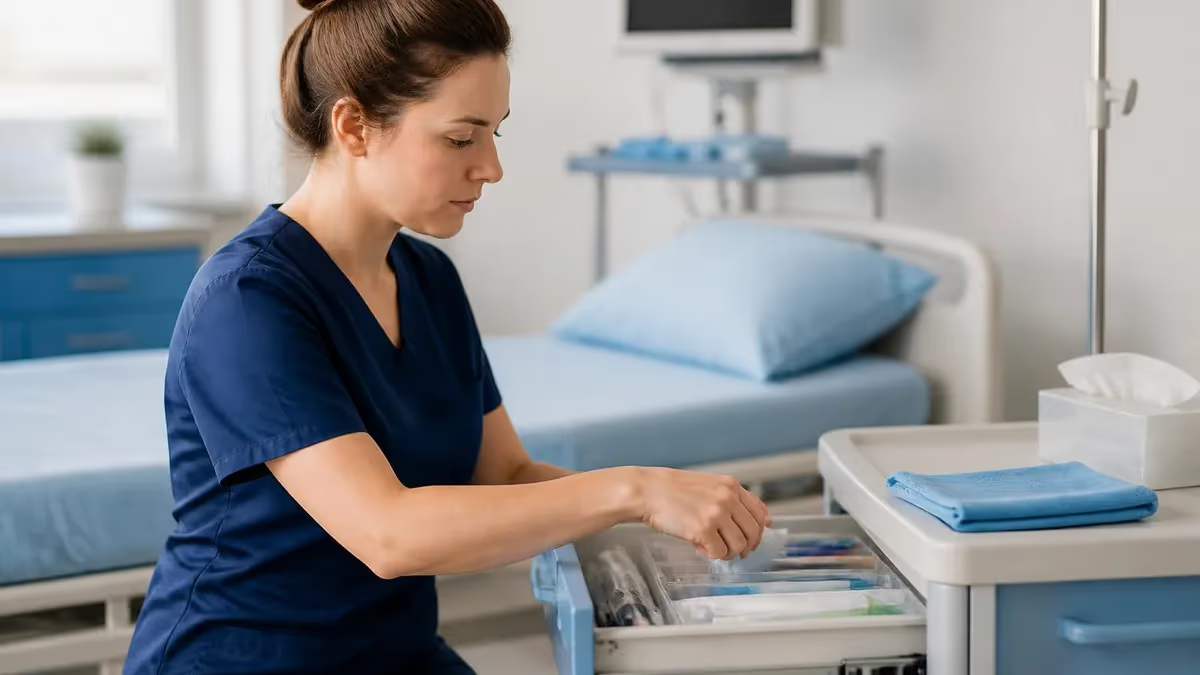
Choosing among LPN schools is the single most important decision you will make on your journey into practical nursing, and the right program can shave months off your timeline while dramatically improving your NCLEX-PN pass rate. In 2026, there are more than 1,200 accredited LPN schools operating across the United States, ranging from community colleges and technical centers to hospital-based diploma programs and a small number of private career colleges. Each pathway leads to the same license, but the cost, schedule, clinical quality, and job placement support differ wildly.
The good news is that practical nursing remains one of the fastest entry points into healthcare. Most accredited LPN schools run between 12 and 18 months full-time, and graduates routinely walk into starting wages of $24 to $32 per hour depending on region and setting. The Bureau of Labor Statistics still projects roughly 54,400 new openings each year through 2032, driven mostly by long-term care, home health, and outpatient clinics that lean heavily on licensed practical nurses for direct bedside work.
But picking a program is harder than it sounds. State board approval, ACEN or CNEA accreditation, NCLEX-PN first-time pass rate, clinical hour quality, and total cost of attendance all matter — and a school that excels in one category may fail badly in another. A program with a beautiful campus and a 48% pass rate is not actually cheap, no matter what the brochure says. You have to weigh the full picture before you sign a tuition agreement or apply for federal aid.
This guide walks through everything you need to compare and choose a program with confidence: what makes an LPN school legitimate, what tuition really costs once you add fees and uniforms, how long different formats take, what the admissions process looks like, and which red flags should make you walk away. We also cover the bridge options that let you move from LPN to RN or BSN later, so you can pick a school that supports the long version of your career — not just the first license.
If you are already past the research stage and ready to study, you can start drilling with our free LPN practice questions while you finalize applications. Most successful candidates spend the last six to eight weeks of their program working through several thousand NCLEX-style items, and the earlier you build that habit the better your final exam scores will be.
Throughout this article we lean on data from state boards of nursing, the National Council of State Boards of Nursing (NCSBN), the Integrated Postsecondary Education Data System (IPEDS), and direct comparisons across program catalogs published for the 2025-2026 academic year. Where numbers vary by state — and they vary a lot — we flag the range rather than pretending one figure fits everyone. The goal is to give you a realistic picture, not a marketing pitch.
By the end, you should know exactly how to shortlist three to five LPN schools that match your budget, schedule, and learning style, what questions to ask in your campus tour, and how to spot the programs that will actually get you licensed and hired. Practical nursing is a fantastic career, but it starts with the right school. Let's make sure you pick one.
LPN Schools by the Numbers
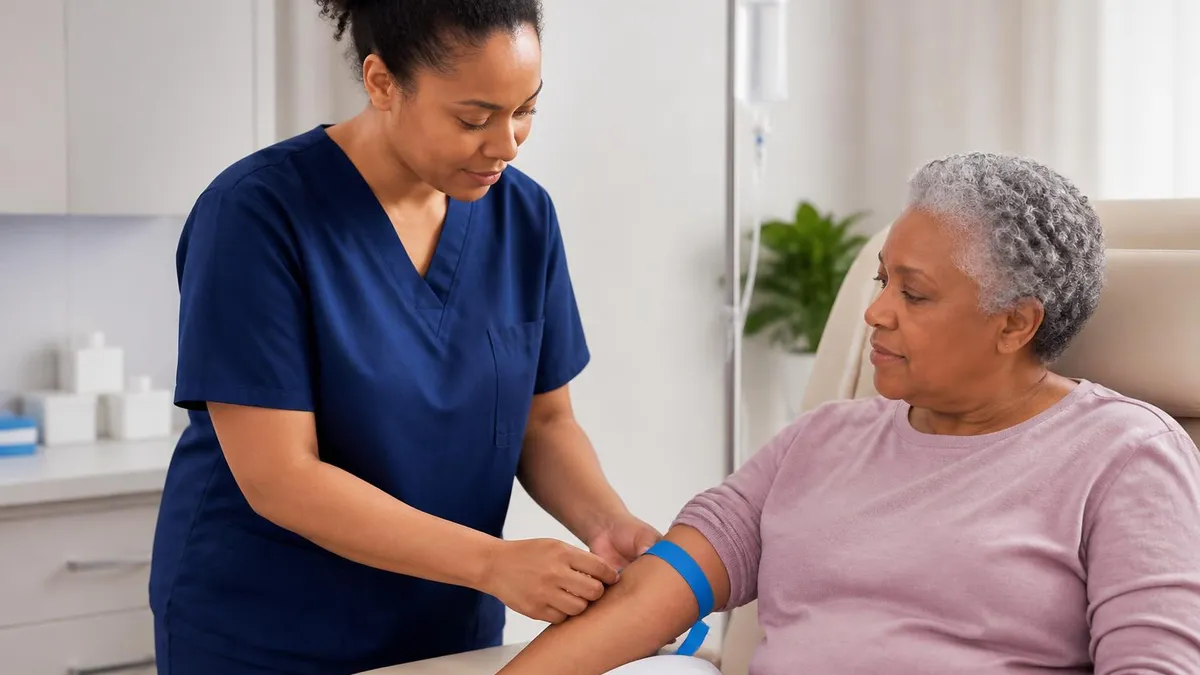
Types of LPN Programs You Can Choose From
Typically 12-15 month diploma or certificate tracks costing $6,000-$15,000 total. Best for affordability and credit transfer if you plan an LPN-to-RN bridge later. Most include strong clinical partnerships with local hospitals and nursing facilities.
State-run technical centers offer 11-14 month programs, often the fastest legitimate route. Tuition runs $4,000-$12,000 for in-state residents. Schedules are rigid but completion rates are high because cohorts move together through every clinical rotation.
A shrinking but excellent option where a hospital system trains you onsite, often with conditional hiring agreements. Clinical exposure is exceptional, but seats are limited and you may sign a 1-2 year work commitment after graduation.
Accelerated 12-month programs costing $20,000-$35,000. Convenient evening or weekend schedules attract working students, but verify state board approval and recent NCLEX-PN pass rates before enrolling — quality varies enormously.
Lecture content runs online while skills labs and clinicals happen in person locally. Genuinely online-only LPN programs do not exist for licensure purposes — every state requires supervised in-person clinical hours, usually 400-700 of them.
Talking about LPN school cost without breaking down what you actually pay is misleading, because the sticker price on a website is almost never the real number. Tuition itself is just the largest line item. You also need to budget for application fees, uniforms and shoes, a stethoscope and watch, textbooks, lab kits, background checks, drug screens, immunizations, malpractice insurance, NCLEX-PN application fees, state licensure fees, and review courses. Together these extras typically add $1,500 to $3,500 on top of tuition, and most students underestimate them badly.
For a public community college LPN program, in-state students often pay $6,000 to $12,000 in tuition for the full diploma. Add fees and supplies and you are looking at $8,000 to $15,000 all-in. Technical or vocational centers can run even lower for state residents — some Florida and Texas technical centers charge under $5,000 total — while out-of-state students at the same schools may pay double. Private career colleges sit at the top end, frequently $25,000 to $35,000 for the identical credential, which is why accreditation and pass rate verification matter so much before signing.
Financial aid changes the picture significantly. LPN programs that are Title IV eligible accept Pell Grants, which cover up to $7,395 per year for the 2025-26 award cycle for full Pell-eligible students. Federal direct loans, state nursing scholarships, employer tuition reimbursement from hospitals and long-term care companies, workforce development grants, and the National Health Service Corps Scholarship Program can all reduce out-of-pocket costs to nearly zero for the right applicant. Always file the FAFSA before assuming you cannot afford a particular school.
Hidden costs deserve their own paragraph. Many students do not realize that NCLEX-PN review courses like Kaplan, ATI, or UWorld run $300-$700, that the NCLEX-PN exam itself costs $200 to register, and that state licensure fees range from $50 to $200 depending on jurisdiction. Background checks and fingerprinting through your state board typically add another $50-$100. If you need to repeat a clinical course because of an absence or grade issue, the cost can balloon by $2,000 or more.
Time also has a cost. Most full-time LPN students cannot work more than 15-20 hours a week during the program because clinical days run 8-12 hours and clinical sites assign rotating shifts including weekends. If you currently earn $40,000 a year and have to cut your hours in half during school, you are effectively spending another $15,000-$20,000 in lost wages. This is why some students choose accelerated 12-month tracks even at higher tuition — the shorter the program, the smaller the income gap.
The good news is that the return on investment is excellent. With a median LPN wage around $59,730 in 2024 and faster growth in long-term care and home health, most graduates recover their full tuition in the first year of work. Sign-on bonuses of $2,500 to $10,000 are common in regions with nursing shortages, and many employers will repay your student loans if you commit to a year or two of full-time employment. Read our detailed guide on how to become an LPN for the full timeline.
One final cost consideration: think about credit transferability. If there is any chance you will pursue an LPN-to-RN bridge later, a community college LPN program is almost always the smarter spend, because anatomy, microbiology, psychology, and English credits transfer cleanly into an ADN or BSN program. A career-college diploma may not transfer at all, forcing you to retake general education courses and adding $5,000-$10,000 to your eventual RN degree. The cheapest LPN program upfront is not always the cheapest career path.
LPN Practice Test Questions
Prepare for the LPN - Certified Practical Nurse exam with our free practice test modules. Each quiz covers key topics to help you pass on your first try.
LPN - Certified Practical Nurse Basic Care...
LPN Exam Questions covering - Certified Practical Nurse Basic Care and Comfort. Master LPN Test concepts for certification prep.
LPN - Certified Practical Nurse Coordinate...
Free LPN Practice Test featuring - Certified Practical Nurse Coordinated Care. Improve your LPN Exam score with mock test prep.
LPN - Certified Practical Nurse Health Pro...
LPN Mock Exam on - Certified Practical Nurse Health Promotion and Maintenance. LPN Study Guide questions to pass on your first try.
LPN - Certified Practical Nurse Pharmacolo...
LPN Test Prep for - Certified Practical Nurse Pharmacological Therapies. Practice LPN Quiz questions and boost your score.
LPN - Certified Practical Nurse Physiologi...
LPN Questions and Answers on - Certified Practical Nurse Physiological Adaptation. Free LPN practice for exam readiness.
LPN - Certified Practical Nurse Psychosoci...
LPN Mock Test covering - Certified Practical Nurse Psychosocial Integrity. Online LPN Test practice with instant feedback.
LPN - Certified Practical Nurse Reduction ...
Free LPN Quiz on - Certified Practical Nurse Reduction of Risk Potential. LPN Exam prep questions with detailed explanations.
LPN - Certified Practical Nurse Safety and...
LPN Practice Questions for - Certified Practical Nurse Safety and Infection Control. Build confidence for your LPN certification exam.
LPN Ethical, Legal & Professional Standards
LPN Test Online for Ethical, Legal & Professional Standards. Free practice with instant results and feedback.
LPN Health Evaluation & Monitoring
LPN Study Material on Health Evaluation & Monitoring. Prepare effectively with real exam-style questions.
LPN School Admissions Requirements Explained
Nearly all LPN schools require a high school diploma or GED with a minimum GPA somewhere between 2.0 and 2.75. Competitive programs at community colleges may set the bar at 3.0 or higher because seats are limited. Most also require completion of high school biology, English, and basic math with grades of C or better, and some prefer applicants who have taken chemistry or anatomy as well.
Many schools accept developmental coursework if your transcript is weak — taking one semester of college-level English or introductory math at the community college level often clears the gap. If you have been out of school for several years, expect to take a placement exam in reading, writing, and arithmetic. Scoring below program cutoffs usually means a few prerequisite courses before formal admission, not outright rejection.

LPN Schools: Is This Path Right for You?
- +Fastest legitimate route to a nursing license, typically 12-18 months
- +Lower total tuition than ADN or BSN programs, often by $20,000 or more
- +Strong job market with 54,400 annual openings projected through 2032
- +Hands-on clinical work begins early — often within the first semester
- +LPN-to-RN bridge programs allow career progression without starting over
- +Steady demand in long-term care, home health, and outpatient clinics
- +Sign-on bonuses and tuition reimbursement common in shortage regions
- −Scope of practice is narrower than RN — fewer hospital opportunities in some states
- −Schedule is intense — full-time programs often equal 40-50 hours weekly
- −Limited part-time work possible during clinical rotations
- −Some private career college programs are overpriced and underperforming
- −NCLEX-PN failure means delayed licensure and added review costs
- −Career ceiling lower than RN unless you bridge to ADN or BSN
- −Physical and emotional demands of bedside care can lead to burnout
LPN School Selection Checklist
- ✓Verify the program is approved by your state board of nursing
- ✓Confirm accreditation through ACEN, CNEA, or a regional accreditor
- ✓Check NCLEX-PN first-time pass rate for the last three years — aim for 80% or higher
- ✓Compare total cost of attendance, not just sticker tuition
- ✓Confirm Title IV eligibility if you need federal financial aid
- ✓Review clinical site partnerships and the hours of supervised practice
- ✓Ask about employment placement rates and graduate employer lists
- ✓Verify credit transferability if you plan to bridge to RN later
- ✓Tour the campus and skills lab in person before applying
- ✓Read recent student reviews on multiple independent platforms
- ✓Speak directly with at least two current students or recent graduates
- ✓Confirm the program fits your schedule, transportation, and childcare needs
NCLEX-PN pass rate above 85% is the single best quality signal
If a program's first-time NCLEX-PN pass rate sits below 75%, walk away — no matter how convenient the schedule or attractive the campus. The top LPN schools in the country consistently graduate cohorts with 90%+ first-time pass rates because their curriculum, clinical hours, and faculty support actually prepare students for the exam and for real patient care. Your license depends on this number, so weigh it more heavily than any other factor.
Accreditation is one of those words schools love to throw around without explaining what it actually means, and the difference between approved, accredited, and certified can decide whether your diploma is worth anything. State board approval is the absolute minimum — every legitimate LPN program must be approved by the state board of nursing where it operates, and graduates of unapproved programs cannot sit for the NCLEX-PN. Approval just means the program meets the basic legal requirements to exist, nothing more.
Accreditation is the next level up and is voluntary. The two recognized accreditors for practical nursing in the United States are the Accreditation Commission for Education in Nursing (ACEN) and the National League for Nursing Commission for Nursing Education Accreditation (NLN CNEA). Programs that earn one of these accreditations have demonstrated quality across faculty credentials, curriculum, clinical experiences, student outcomes, and continuous improvement. While accreditation is not required for licensure in most states, it almost always signals a stronger program.
Why does accreditation matter to you personally? Three reasons. First, accredited programs nearly always have higher NCLEX-PN pass rates because they have to maintain measurable outcomes to keep their status. Second, credits from accredited programs transfer more reliably into LPN-to-RN bridges and other healthcare pathways. Third, some employers — particularly large hospital systems and the federal government — only hire graduates of accredited programs, which can limit your job options if you choose a non-accredited school.
Pass rate transparency is the other non-negotiable. Every state board of nursing publishes annual NCLEX-PN pass rates by program, and you should pull this data directly from the board's website rather than trusting numbers printed in school brochures. The national first-time pass rate for NCLEX-PN in 2024 hovered around 83% for U.S.-educated candidates. A program that consistently lands above 85% is doing something right. One that hovers near 60-65% is failing its students, regardless of how nice the campus tour was.
You should also look at trend lines, not just last year's number. A program that posted 92%, 88%, and 90% over three years is consistently strong. A program that posted 78%, 65%, and 81% is volatile, and the spike could mean a small cohort of seven students rather than genuine improvement. Ask the program director directly: how many students started the most recent cohort, how many graduated, and how many passed NCLEX-PN on the first try? Those three numbers tell you almost everything.
Clinical hours are another differentiator. Most state boards require 400-700 hours of supervised clinical practice, but the best programs exceed the minimum and rotate students through diverse settings: medical-surgical units, long-term care, pediatrics, maternal health, mental health, and home health. Programs that send every student to the same skilled nursing facility for the entire clinical sequence are technically compliant but leave graduates underprepared for jobs outside long-term care. Diversity of clinical exposure expands your future hiring options enormously.
Finally, check faculty credentials. The strongest LPN programs employ instructors who hold at least a BSN, with many holding MSN or doctoral degrees, and who maintain active clinical practice. Instructor-to-student ratios in lab and clinical settings should not exceed 1:10. If you visit a program and the skills lab is taught by a single instructor supervising twenty students working in pairs on mannequins, the educational quality is going to suffer, and you will feel it on every clinical exam and on the NCLEX-PN itself.

Some online and for-profit programs market themselves as LPN training while operating without state board approval. Graduates of these programs cannot sit for the NCLEX-PN and have no path to licensure, no matter how much tuition was paid. Always verify approval directly on your state board of nursing website before enrolling, and never trust a school that pressures you to sign before you finish your due diligence.
Once you graduate and pass the NCLEX-PN, the real career begins, and where your school placed in the rankings starts to fade in importance compared to your skills, references, and willingness to work shifts. The vast majority of new LPNs start in long-term care, skilled nursing facilities, rehabilitation centers, or home health agencies, because these settings hire actively and offer structured orientations for new graduates. Hospital positions for LPNs exist but vary widely by state — in some markets hospitals hire dozens of LPNs onto med-surg and step-down units, while in others they have phased the role out entirely.
Salary expectations should be realistic. The 2024 median annual wage for licensed practical nurses was $59,730 according to the BLS, with the lowest 10% earning under $45,000 and the top 10% earning above $77,000. Geography matters enormously: an LPN in California or Massachusetts can earn $75,000+, while the same role in Alabama or West Virginia may pay $42,000-$48,000. Shift differentials for nights and weekends typically add 10-20% to base pay, and overtime is widely available because most facilities are chronically short-staffed.
If you want to climb fast, the LPN-to-RN bridge is the most popular next step. Most ADN bridge programs accept LPNs with one to two years of experience and award credit for prior clinical training, allowing completion of an associate degree in 12-18 months. RN graduates immediately qualify for the broader scope and higher pay associated with registered nursing — median $93,600 annually in 2024. Many employers will pay 80-100% of your bridge tuition in exchange for a one- or two-year service commitment.
Specialty certifications are another route to higher pay without leaving the LPN credential. Wound care certification (WCC), IV therapy certification, long-term care nursing certification, and gerontological nursing certification all add credibility and often unlock pay bumps of $1-$3 per hour. Some states allow certified LPNs to perform expanded skills like IV push medications under supervision, which makes you significantly more valuable in hospital and home health roles.
Job hunting works differently for new LPN graduates than for experienced nurses. Use indeed.com, ZipRecruiter, and direct hospital and nursing home career pages — but also tap your clinical sites. Many students get hired by the facilities where they completed clinical rotations because managers already know their work ethic. Treat every clinical day as an audition. For more on this, see LPN jobs near me for current opportunities in your area.
Resume tips for new graduates: lead with your license number and graduation date, list your clinical rotation sites and hours, highlight any preceptor relationships or strong evaluations, and add CPR/BLS certification near the top. Cover letters should mention specific facilities by name and explain why you want to work there beyond just needing a job. Personalized applications get callbacks; generic mass-applied resumes get ignored.
Finally, plan for continuing education from day one. Every state requires renewal of your LPN license every two to three years, with continuing education hours ranging from 12 to 30 per renewal period. Topics like pain management, infection control, ethics, and elder abuse identification are commonly mandated. Build CEUs into your routine early — putting them off until the month before renewal is a recipe for license lapses, fines, and unnecessary stress.
Practical preparation makes the difference between barely surviving LPN school and finishing strong. Once you have enrolled, the first thirty days set the tone for the entire program. Build a study schedule that blocks specific hours for reading, practice questions, skills review, and rest — and treat those blocks like clinical shifts, not optional events. Most successful students spend two hours studying for every hour of lecture, plus dedicated time each week working through NCLEX-style questions to build pattern recognition early rather than cramming at the end.
Get comfortable with the NCLEX-PN test plan from week one. The exam is organized around four client need categories: safe and effective care environment, health promotion and maintenance, psychosocial integrity, and physiological integrity. Every lecture, lab, and clinical you complete maps to one of these areas. If you align your study notes to the test plan rather than to chapter numbers in your textbook, you build a mental framework that pays off massively when exam day arrives and the questions stop looking like classroom material.
Form a small, serious study group of three to five classmates within the first month. Larger groups become social hangouts; smaller groups stay focused. Rotate who leads each session, divide difficult topics among members, and meet at the same time each week. The act of teaching content to peers cements your own understanding far better than re-reading notes. Some of the strongest correlations in nursing education research connect peer teaching to higher first-time NCLEX-PN pass rates.
Take care of your physical and mental health aggressively. Sleep deprivation will tank your grades faster than any single bad professor. Aim for seven to eight hours nightly during didactic weeks and prioritize sleep especially before clinical days, because medication errors and patient safety failures correlate strongly with fatigue. Eat real meals, hydrate, and move your body even if just a 20-minute walk. Burnout in LPN students is real, and the students who manage stress thoughtfully have markedly better completion rates.
When clinicals start, treat every shift as a chance to be visible and useful. Show up 15 minutes early, ask your preceptor what they need help with, document carefully, and never disappear into the break room before your work is done. Charge nurses notice diligent students, and references from clinical instructors and preceptors are gold when you start applying for jobs. Many programs report that 40-60% of graduates receive job offers from their clinical sites before they even sit for the NCLEX-PN.
About 60 days before graduation, transition into dedicated NCLEX-PN prep mode. Most successful candidates work through 2,000-3,500 practice questions across topics, with rationales reviewed for every wrong answer. Programs like UWorld, Kaplan, ATI, and Saunders all have proven track records — pick one and stick with it rather than jumping between resources. Track your scores by category so you know exactly where to focus your remaining time, and aim for consistent 65%+ scores on practice tests before scheduling the real exam.
Finally, give yourself permission to celebrate small wins. Finishing a dosage calculation exam, nailing a difficult patient assessment, getting a positive evaluation from a tough clinical instructor — these moments deserve recognition. LPN school is hard, but tens of thousands of people complete it every year and go on to build genuinely meaningful careers. With the right program, a clear plan, and consistent effort, you will be one of them. The license is closer than it feels right now.
LPN Questions and Answers



About the Author

Registered Nurse & Healthcare Educator
Johns Hopkins University School of NursingDr. Sarah Mitchell is a board-certified registered nurse with over 15 years of clinical and academic experience. She completed her PhD in Nursing Science at Johns Hopkins University and has taught NCLEX preparation and clinical skills courses for nursing students across the United States. Her research focuses on evidence-based exam preparation strategies for healthcare certification candidates.
Join the Discussion
Connect with other students preparing for this exam. Share tips, ask questions, and get advice from people who have been there.
View discussion (7 replies)