
BOCES LPN Nursing Program: Complete 2026 Training Guide & Requirements
🗨️ Everything about the BOCES LPN nursing program: requirements, costs, curriculum, and how to pass the NCLEX-PN on your first attempt.
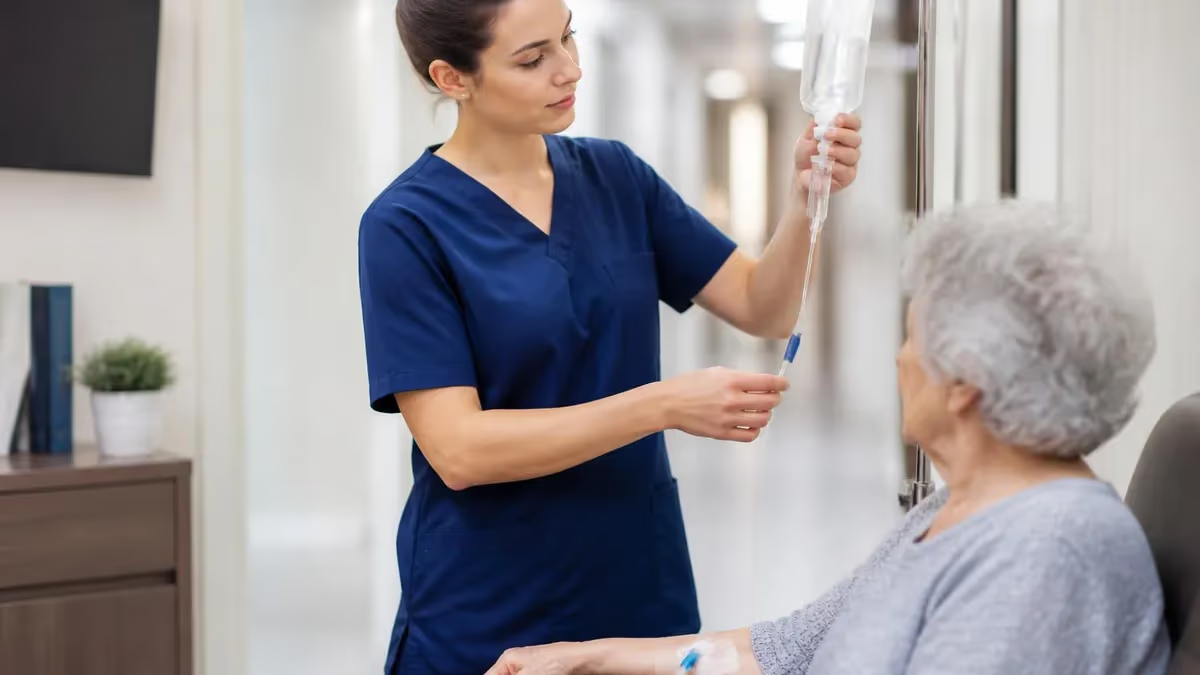
The BOCES LPN nursing program is one of the most accessible and career-focused pathways into practical nursing in the United States, particularly for students in New York and surrounding states. BOCES — the Board of Cooperative Educational Services — operates a network of regional vocational and technical education centers that partner with local school districts to deliver high-quality, affordable healthcare training. Unlike traditional college-based LPN programs, BOCES programs are designed to get students working quickly, with most completing their training in 12 to 18 months and sitting for the NCLEX-PN shortly after graduation. Practice with the free Certified Practical Nurse practice test on PracticeTestGeeks (550+ questions with answer explanations).
Choosing the right lpn nursing program is one of the most important decisions a prospective practical nurse will make, and BOCES stands out for several compelling reasons. Tuition is significantly lower than many private vocational schools, often ranging from $5,000 to $12,000 for the complete program.
Class sizes are typically small — often 15 to 25 students — which allows instructors to provide individualized attention during both classroom instruction and clinical rotations. BOCES programs are also tightly integrated with local hospitals, nursing homes, and community health centers, giving students a real-world clinical experience that is hard to replicate in larger institutions.
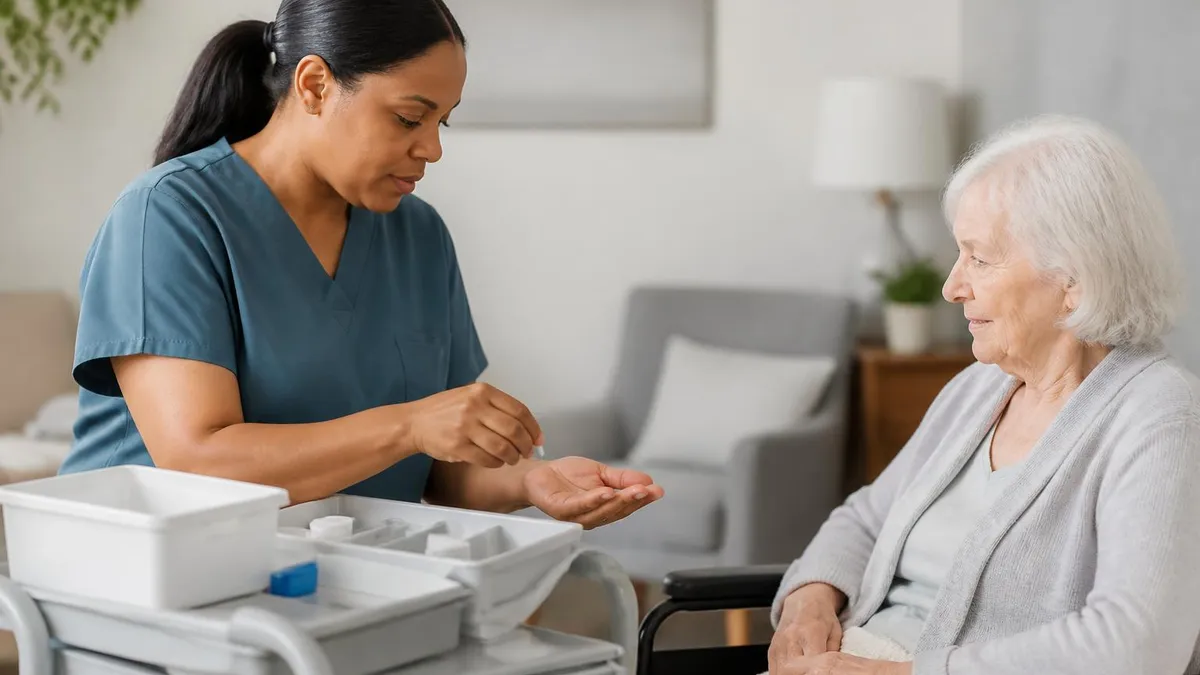
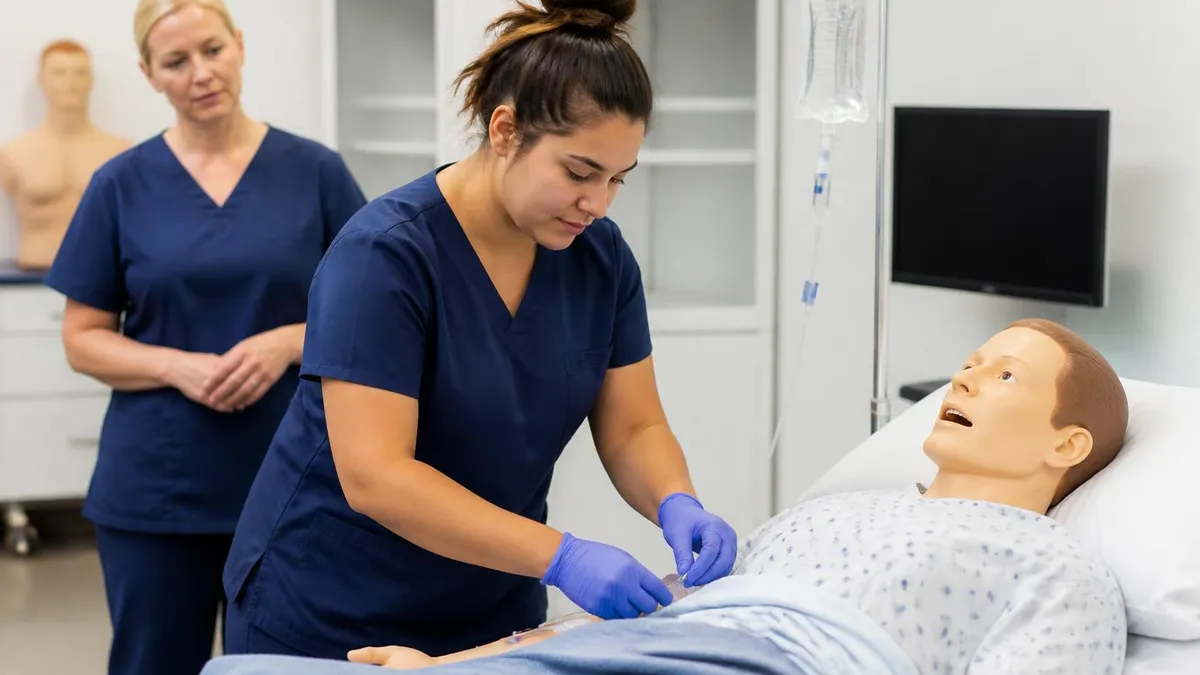
Understanding the full scope of what the BOCES LPN nursing program entails helps prospective students set realistic expectations. The curriculum covers core nursing fundamentals including anatomy and physiology, pharmacology, medical-surgical nursing, pediatric and maternal health, mental health nursing, and gerontology. Students spend a significant portion of their training in supervised clinical environments, where they practice skills like vital sign monitoring, wound care, medication administration, catheter insertion, IV therapy assistance, and patient documentation. These hands-on experiences are critical preparation for the rigors of entry-level nursing employment.
Admission into a BOCES LPN program typically requires a high school diploma or GED, a minimum GPA (often around 2.5 on a 4.0 scale), passing scores on an entrance exam such as the TEAS or HESI, proof of immunizations, a background check, and sometimes a healthcare-related work or volunteer experience. Some BOCES centers also conduct personal interviews to assess a candidate's communication skills and commitment to the profession. Requirements can vary slightly between BOCES regions — Nassau, Suffolk, Erie, and Onondaga each have their own admissions offices and specific intake timelines.
Once enrolled, students move through a structured sequence of courses that build on one another. The first semester typically focuses on nursing fundamentals, basic patient care, and introductory pharmacology. The second semester deepens clinical skills and introduces specialized areas like pediatrics, obstetrics, and mental health. Clinical rotations are usually scheduled in the second half of the program and can take place at a variety of local healthcare facilities. Most programs require students to complete between 300 and 500 hours of supervised clinical practice before they are eligible to graduate and apply for the NCLEX-PN.
The NCLEX-PN is the national licensing examination that all LPN candidates must pass to legally practice as a Licensed Practical Nurse. The exam uses computerized adaptive testing (CAT), which means the number of questions varies based on each candidate's performance, ranging from a minimum of 85 to a maximum of 205 questions. BOCES programs typically integrate NCLEX-PN preparation into their curriculum, assigning practice question sets, holding review sessions, and simulating test conditions so that graduates feel confident on exam day. First-time pass rates at well-regarded BOCES programs frequently exceed 80 to 85 percent.
Graduates of the BOCES LPN nursing program are well-positioned to enter the healthcare workforce immediately. LPNs in New York and neighboring states earn competitive wages, with the median annual salary hovering around $58,000 to $65,000 depending on specialty and employer type. Nursing homes and long-term care facilities are the largest employers of LPNs, but hospitals, physician offices, home health agencies, correctional facilities, and schools also hire practical nurses in significant numbers. With experience, LPNs can pursue bridge programs to become Registered Nurses, expanding both their scope of practice and earning potential.
Free Certified Practical Nurse Study Tools
Interactive Certified Practical Nurse resources on PracticeTestGeeks, free to start:
- Certified Practical Nurse practice test — 550+ questions with instant scoring and answer explanations
- Certified Practical Nurse flashcards — review key terms and concepts card by card
- Certified Practical Nurse study guide — topic-by-topic overview of what the exam covers
- Certified Practical Nurse cheat sheet — one-page printable summary for last-minute review
BOCES LPN Nursing Program by the Numbers

BOCES LPN Nursing Program: Step-by-Step Pathway
Meet Admission Prerequisites
Complete Nursing Fundamentals (Semester 1)
Advanced Coursework & Specialty Rotations (Semester 2)
Complete 300–500 Clinical Hours
Graduate & Apply for NCLEX-PN
Pass NCLEX-PN & Begin Your Career
Gaining admission to a BOCES LPN nursing program is a competitive process, and understanding the specific requirements for your regional BOCES center is essential. While requirements vary somewhat between counties and districts, most programs share a common framework of prerequisites that applicants must fulfill before an interview or acceptance letter is issued. Starting your application process at least three to six months before the intended program start date gives you adequate time to gather documents, schedule your entrance exam, and address any deficiencies in your academic record.
The academic prerequisites for most BOCES LPN programs begin with a high school diploma or recognized equivalency credential such as the GED or HiSET. Applicants who attended college but did not graduate may be able to substitute college transcripts for a high school diploma in some cases. Coursework in biology and chemistry at the high school or college level is strongly recommended, and some BOCES centers list these as formal prerequisites. A minimum cumulative GPA of 2.5 (on a 4.0 scale) is commonly required, though competitive programs may set the bar higher when demand for seats exceeds availability.
The entrance examination is one of the most critical components of the BOCES application. The two most commonly accepted tests are the ATI TEAS (Test of Essential Academic Skills) and the HESI A2 (Health Education Systems Incorporated Admissions Assessment). Both exams assess reading comprehension, mathematics, science, and English language skills. Competitive TEAS scores for LPN program admission typically fall at or above the 60th percentile, while HESI scores of 75 or higher are generally considered competitive. Most BOCES centers allow applicants to retake the entrance exam once after a waiting period of 30 to 60 days.
Health and background requirements are non-negotiable for all healthcare training programs. BOCES applicants must provide documentation of up-to-date immunizations including MMR (measles, mumps, rubella), varicella, hepatitis B (full three-dose series), influenza (annual), and Tdap. A two-step tuberculin (TB) skin test or an IGRA blood test result is also required before beginning clinical rotations. A criminal background check through the New York State Justice Center or equivalent state agency is mandatory; certain felony convictions may disqualify applicants from nursing licensure under state law, so reviewing your state's nursing practice act before applying is advised.
Many BOCES programs also require applicants to hold or obtain CPR certification at the Basic Life Support (BLS) level through the American Heart Association before the first day of class. Some centers issue conditional acceptances and allow students to complete CPR certification during orientation week. Additionally, several BOCES regions have implemented structured interviews as part of their selection process.
Interviews typically last 20 to 30 minutes and assess professional communication, problem-solving ability, and genuine motivation for entering the nursing profession. Being able to articulate why you chose practical nursing — and why BOCES specifically — can make a meaningful difference in a competitive applicant pool.
Financial aid availability is an important consideration for many BOCES applicants. While BOCES programs are tuition-friendly compared to private vocational schools, costs still represent a significant investment. Federal financial aid through FAFSA may be available if your BOCES center participates in Title IV funding, which varies by region.
New York State residents may also qualify for the Excelsior Scholarship, TAP (Tuition Assistance Program), or healthcare workforce development grants administered through the New York State Department of Labor. Workforce Investment Opportunity Act (WIOA) funding is another avenue worth exploring through your local Department of Labor office — it can cover tuition and fees for eligible displaced workers or career changers.
Transfer credits and advanced standing are occasionally available for applicants who have completed prior healthcare coursework or hold credentials such as Certified Nursing Assistant (CNA) or Emergency Medical Technician (EMT). BOCES centers evaluate transfer credit requests on a case-by-case basis, and in some instances, CNA-certified applicants may receive credit for clinical hours or be allowed to skip certain fundamental skills modules. Discussing your background with the admissions coordinator before applying can help you understand whether advanced placement is an option and how it might shorten your time to completion.
LPN Practice Test Questions
Prepare for the LPN - Certified Practical Nurse exam with our free practice test modules. Each quiz covers key topics to help you pass on your first try.
LPN - Certified Practical Nurse Basic Care...
LPN Exam Questions covering - Certified Practical Nurse Basic Care and Comfort. Master LPN Test concepts for certification prep.
LPN - Certified Practical Nurse Coordinate...
Free LPN Practice Test featuring - Certified Practical Nurse Coordinated Care. Improve your LPN Exam score with mock test prep.
LPN - Certified Practical Nurse Health Pro...
LPN Mock Exam on - Certified Practical Nurse Health Promotion and Maintenance. LPN Study Guide questions to pass on your first try.
LPN - Certified Practical Nurse Pharmacolo...
LPN Test Prep for - Certified Practical Nurse Pharmacological Therapies. Practice LPN Quiz questions and boost your score.
LPN - Certified Practical Nurse Physiologi...
LPN Questions and Answers on - Certified Practical Nurse Physiological Adaptation. Free LPN practice for exam readiness.
LPN - Certified Practical Nurse Psychosoci...
LPN Mock Test covering - Certified Practical Nurse Psychosocial Integrity. Online LPN Test practice with instant feedback.
LPN - Certified Practical Nurse Reduction ...
Free LPN Quiz on - Certified Practical Nurse Reduction of Risk Potential. LPN Exam prep questions with detailed explanations.
LPN - Certified Practical Nurse Safety and...
LPN Practice Questions for - Certified Practical Nurse Safety and Infection Control. Build confidence for your LPN certification exam.
LPN Ethical, Legal & Professional Standards
LPN Test Online for Ethical, Legal & Professional Standards. Free practice with instant results and feedback.
LPN Health Evaluation & Monitoring
LPN Study Material on Health Evaluation & Monitoring. Prepare effectively with real exam-style questions.
Clinical Training in the LPN Nursing Program
Medical-surgical nursing forms the largest component of clinical training in virtually every LPN nursing program. During med-surg rotations, students are assigned to acute care units where they assist in the management of post-operative patients, individuals recovering from strokes or cardiac events, and patients with chronic conditions like diabetes or COPD. Students practice wound assessment, sterile dressing changes, nasogastric tube care, and electronic documentation under the direct supervision of licensed RNs and clinical instructors.
BOCES students typically spend four to six weeks in a med-surg clinical setting, completing 8- to 12-hour shifts that mirror actual nursing schedules. This immersive experience helps students develop time management, clinical decision-making, and therapeutic communication skills in a high-stakes environment. By the end of their med-surg rotation, most students can independently perform 80 to 90 percent of standard LPN nursing tasks within the scope of practice defined by their state's nursing practice act.
Is the BOCES LPN Nursing Program Right for You?
- +Lower tuition ($5K–$12K) compared to private vocational schools charging $15K–$30K for the same credential
- +Shorter timeline — most programs complete in 12 to 18 months, getting you earning faster
- +Small class sizes (15–25 students) provide individualized instructor attention and mentorship
- +Strong clinical partnerships with local hospitals, nursing homes, and community health centers
- +NCLEX-PN preparation is integrated throughout the curriculum, not added as an afterthought
- +Regional employer relationships often translate into direct job placement assistance after graduation
- −BOCES programs are primarily available in New York State, limiting geographic access for out-of-state students
- −Daytime schedules at many BOCES centers may conflict with full-time work obligations
- −Limited online or hybrid delivery options compared to accredited college-based LPN programs
- −Waitlists at popular regional centers can extend six to twelve months, delaying program entry
- −LPN scope of practice is narrower than RN, which may limit advancement without further bridging education
- −Some employers in high-acuity hospital settings prefer RNs, reducing LPN opportunities in those environments
Pros and Cons at a Glance
| Pros | Cons |
|---|---|
| Strong clinical partnerships with local hospitals, nursing homes, and community health centers | BOCES programs are primarily available in New York State, limiting geographic access for out-of-state students |
| NCLEX-PN preparation is integrated throughout the curriculum, not added as an afterthought | Daytime schedules at many BOCES centers may conflict with full-time work obligations |
| Regional employer relationships often translate into direct job placement assistance after graduation | Limited online or hybrid delivery options compared to accredited college-based LPN programs |
NCLEX-PN Preparation Checklist for BOCES LPN Graduates
- ✓Complete all required clinical hours and obtain your official transcript from your BOCES center.
- ✓Submit your nursing board application and pay the $200 NCLEX-PN registration fee through Pearson VUE.
- ✓Wait for your Authorization to Test (ATT) letter before scheduling your exam appointment.
- ✓Create a structured eight-week study plan targeting all eight NCLEX-PN client needs categories.
- ✓Complete at least 1,500 to 2,000 NCLEX-style practice questions using a high-yield question bank.
- ✓Review pharmacology mnemonics and drug classification charts for the top 50 most-tested medication classes.
- ✓Study the NCLEX-PN test plan PDF published by the NCSBN and align your review topics accordingly.
- ✓Take at least three full-length timed practice exams under simulated test conditions before exam day.
- ✓Review rationales for every incorrect answer — understanding the WHY is more important than memorizing answers.
- ✓Schedule your exam for morning when your focus and recall are strongest, and arrive 30 minutes early.
Prioritization Questions Are the Most Commonly Missed
Nearly 20 percent of NCLEX-PN questions test prioritization and delegation — deciding which patient to see first or which task to assign to an unlicensed assistive personnel. BOCES graduates who practice Maslow's hierarchy and the ABC (Airway, Breathing, Circulation) framework during clinical rotations score significantly higher on this category. Build this habit on the floor, and the exam questions will feel familiar.
Understanding the full cost picture of the BOCES LPN nursing program is essential for making a sound financial decision. Tuition at BOCES centers is generally broken down by the county or region you reside in, with in-district residents paying the lowest rates — often $5,000 to $8,000 for the full program — and out-of-district students paying slightly higher fees, typically in the $8,000 to $12,000 range. These figures compare favorably to private LPN programs, which commonly charge $15,000 to $30,000 for equivalent training. However, it is important to factor in additional costs beyond tuition when budgeting for your BOCES education.
Supplies and equipment represent a meaningful line item in your BOCES LPN budget. Students are expected to purchase a nursing kit containing a stethoscope, blood pressure cuff, bandage scissors, penlight, and clinical reference guides — typically $150 to $300 depending on brand preferences. Uniforms, including scrubs and clinical shoes, add another $100 to $200. Textbooks for a full LPN program commonly run $400 to $600 for a new set, though buying used or renting through digital platforms can reduce this significantly. Budget an additional $50 to $100 for miscellaneous classroom supplies and printed study materials throughout the program.
Examination and licensing fees are a fixed cost all BOCES graduates must account for. The NCLEX-PN examination fee through Pearson VUE is currently $200. State licensure application fees vary from $40 to $150 depending on the state where you plan to practice. If you choose to practice in multiple states, you may need to obtain endorsement licenses, each carrying its own fee. The Nurse Licensure Compact (NLC) allows LPNs to hold a multistate license in participating states, which can reduce ongoing endorsement costs if you anticipate relocating or travel nursing opportunities.
Financial aid options for BOCES LPN students are more varied than many applicants realize. FAFSA-eligible BOCES centers allow students to access Pell Grants (up to $7,395 per year for the 2025–2026 award year), subsidized federal student loans, and potentially work-study funding.
New York State residents may qualify for TAP (Tuition Assistance Program) grants of $500 to $5,165 per year based on household income, and the New York State STEM scholarship now includes healthcare programs, providing additional support for qualifying applicants. Workforce development programs funded through WIOA can pay full tuition and fees for eligible unemployed or underemployed workers seeking in-demand healthcare credentials.
From a return-on-investment perspective, the BOCES LPN program delivers impressive value. The median annual salary for LPNs in New York State is approximately $62,000 based on the most recent Bureau of Labor Statistics data, with top earners in specialized settings like IV infusion therapy or correctional nursing exceeding $75,000. In high-cost-of-living regions such as New York City and Long Island, LPN salaries regularly reach $70,000 to $80,000 with overtime and shift differentials included. Given a total program investment of $6,000 to $14,000, graduates typically recoup their educational costs within three to five months of starting full-time employment.
Scholarship opportunities specifically targeting LPN students deserve special mention. The National League for Nursing (NLN) Foundation offers scholarships for students enrolled in accredited practical nursing programs. The American Association of Medical Assistants (AAMA) and local hospital foundations also periodically offer healthcare student scholarships open to LPN candidates. Checking with your BOCES financial aid office, local Community Foundation, and regional hospital HR departments can uncover additional funding sources that are not widely advertised. Many BOCES centers maintain an internal scholarship fund supported by alumni donations and local healthcare employer contributions.
Employer tuition reimbursement is another financial strategy worth considering, particularly for students who are already working in healthcare as CNAs, medical assistants, or patient care technicians. Larger healthcare systems — including Northwell Health, NewYork-Presbyterian, and Montefiore Medical Center in New York — offer tuition reimbursement programs of $2,000 to $5,250 per year for employees pursuing nursing credentials. Some employers provide direct tuition payment in exchange for a post-graduation employment commitment of one to two years. This model effectively eliminates out-of-pocket cost while allowing students to remain employed during training, though it does require careful schedule management.
A criminal record does not automatically disqualify you from LPN licensure, but certain offenses — particularly those involving fraud, theft, controlled substances, or patient abuse — can result in denial or conditional licensure. Before investing tuition dollars in a BOCES LPN program, review your state's nursing practice act and contact your State Board of Nursing to request a declaratory order regarding your eligibility. Acting proactively can save you significant time and money.
Career pathways after completing the BOCES LPN nursing program are diverse, rewarding, and increasingly flexible. While many new LPN graduates begin their careers in long-term care facilities — where LPNs make up a substantial portion of the nursing workforce — the profession has expanded significantly into acute care, ambulatory settings, home health, and specialty nursing over the past decade. Understanding the full landscape of LPN employment opportunities helps graduates make strategic early-career decisions that align with their personal goals, schedule preferences, and long-term professional aspirations.
Long-term care and skilled nursing facilities (SNFs) remain the primary employer of LPNs nationally, accounting for approximately 38 percent of all LPN jobs according to Bureau of Labor Statistics data. In these settings, LPNs often serve as the primary point of care for residents, managing medication administration, wound care, care plan implementation, and coordination with interdisciplinary team members.
LPNs in SNFs frequently supervise CNAs and medication aides, taking on informal leadership responsibilities that build valuable management skills. Shift differential pay for evenings, nights, and weekends can boost annual earnings by 10 to 20 percent above the base salary in these settings.
Home health nursing is one of the fastest-growing sectors for LPN employment, driven by an aging population and the broader healthcare system's push toward community-based care. Home health LPNs visit patients in their own residences to perform skilled nursing tasks like wound care, IV antibiotic administration, ostomy maintenance, and vital sign monitoring.
The autonomy and one-on-one patient relationships inherent in home health are highly valued by many LPNs who find the acute care environment too fast-paced. Home health agencies in metropolitan areas often offer per-visit pay structures that allow motivated LPNs to earn $70,000 or more annually by managing a full caseload.
Physician offices and outpatient clinics represent another major employment sector, with LPNs assisting with patient intake, vital signs, wound care, patient education, and administrative documentation. These settings typically offer daytime-only Monday-through-Friday schedules, making them attractive to LPNs seeking work-life balance. Specialty practices — including orthopedics, dermatology, oncology, and gastroenterology — frequently employ LPNs and may offer training in specialty procedures that enhance long-term marketability. While base pay in outpatient settings is sometimes slightly lower than in hospitals or nursing homes, the predictable schedule and lower physical demands are significant quality-of-life benefits.
For LPNs interested in advancing their scope of practice and earning potential, bridge programs offer a structured pathway from LPN to Registered Nurse (RN) or even Nurse Practitioner (NP) over time. LPN-to-RN bridge programs — available both online and on-campus — typically award advanced standing to working LPNs, allowing them to complete their Associate Degree in Nursing (ADN) in as little as 12 to 18 months rather than the two to three years required for students entering without prior nursing credentials.
BOCES LPN graduates who continue to an ADN and then a BSN through an RN-to-BSN completion program can ultimately achieve the full Registered Nurse credential within four to five years of their initial BOCES enrollment.
Travel LPN positions are an exciting and financially lucrative option for experienced practical nurses who have flexibility in where they live and work. Travel LPN contracts typically run 13 weeks and place nurses in facilities across the country that face staffing shortages. Compensation packages often include a base hourly rate plus a tax-free housing stipend, meals allowance, and travel reimbursement, with total compensation frequently reaching $1,200 to $1,800 per week.
Most travel nursing agencies require a minimum of one year of recent clinical experience in the specialty area before placing a travel assignment, making it a realistic option within 12 to 18 months of BOCES graduation for motivated nurses who build strong foundational skills early in their careers.
Correctional nursing is another specialty area that often features higher-than-average pay, strong job security, and unique clinical challenges that attract experienced LPNs. Correctional LPNs work in state and federal prisons, county jails, and immigration detention centers, providing acute sick call triage, chronic disease management, mental health monitoring, and emergency response.
The patient population is often medically underserved with a high burden of chronic illness, substance use disorders, and mental health conditions — making correctional nursing both clinically demanding and deeply meaningful for nurses drawn to serving vulnerable populations. Salaries in state correctional systems frequently include civil service benefits, pension plans, and union protections that rival or exceed those in traditional hospital settings.
Succeeding in the BOCES LPN nursing program — and on the NCLEX-PN that follows — requires a disciplined approach to studying that goes beyond simply attending class and completing assignments. The most successful LPN students develop consistent daily study habits early in the program, treating nursing school like a full-time job even when their scheduled classes occupy only 20 to 30 hours per week. Allocating two to three hours of independent study for every hour of classroom instruction is a reasonable benchmark recommended by most LPN program directors and NCLEX prep experts.
Active learning strategies consistently outperform passive review methods when it comes to nursing education. Rather than re-reading textbook chapters or highlighting notes, top-performing BOCES LPN students engage with the material through practice questions, concept mapping, and teaching-back to study partners.
NCLEX-style practice questions are particularly valuable because they train you to apply nursing knowledge to clinical scenarios — exactly the cognitive process the exam tests. Committing to 50 to 100 practice questions per day during the final four to six weeks before your NCLEX-PN exam is a widely endorsed preparation strategy that has demonstrably improved pass rates in numerous outcome studies.
Pharmacology is the subject area that most LPN students find most challenging, and for good reason: the NCLEX-PN tests medication knowledge across virtually every question category, not just in dedicated pharmacology questions. Building a solid framework for organizing drugs by classification — rather than memorizing individual drugs in isolation — is the most efficient study approach.
Create reference cards grouping drugs by class (beta-blockers, ACE inhibitors, diuretics, opioids, benzodiazepines, anticoagulants, antibiotics) with common side effects, contraindications, and nursing considerations for each class. Reviewing these cards during idle moments — during commutes, lunch breaks, or before bed — produces remarkable retention over time through spaced repetition.
Time management during clinical rotations is a practical skill that students often underestimate until they are overwhelmed by their first six-patient assignment. Developing a systematic approach to beginning your shift — including conducting a brief report review, prioritizing assessments by acuity, mapping your medication administration times, and identifying tasks that can be delegated — turns a chaotic experience into a manageable workflow.
Most experienced LPN instructors recommend creating a simple paper brain sheet at the start of each shift listing patient room numbers, diagnoses, scheduled medications, and priority care items. This habit transfers directly to real-world nursing practice and reduces the risk of missed treatments or documentation errors.
Wellness and stress management deserve equal attention alongside academic preparation during LPN school. Nursing education is emotionally and physically demanding — students regularly encounter death, suffering, and morally complex situations during clinical rotations that can trigger compassion fatigue if not properly processed. BOCES programs typically offer access to student support counselors and faculty advisors who can provide guidance when the emotional weight of patient care becomes difficult. Building a support network of classmates who can debrief after challenging clinical days is equally important, as shared experience normalizes the emotional responses that are a natural part of entering the nursing profession.
Building professional relationships during BOCES clinical rotations can directly accelerate your job search after graduation. Many LPN students receive job offers from the facilities where they completed their clinical hours, particularly if they demonstrated reliability, professionalism, and clinical competence.
Treating every clinical day as an extended job interview — showing initiative, asking thoughtful questions, volunteering for challenging tasks, and communicating respectfully with all members of the care team — creates a positive reputation that travels quickly in regional healthcare communities. Ask your clinical supervisor for a reference letter before you leave your rotation, while your performance is still fresh in their memory.
Continuing education after licensure is not only a regulatory requirement — most states mandate 20 to 30 continuing education hours per two-year renewal cycle — but a genuine opportunity to deepen your clinical expertise and expand your career options. Specialty certifications available to LPNs include the Certified Long Term Care (CLTC) credential, IV therapy certification, wound care certification, and hospice and palliative care certification.
Each certification signals to employers that you have invested in professional development and taken initiative beyond the minimum required for licensure. In competitive job markets, these credentials can mean the difference between two otherwise comparable candidates, and they frequently support a higher starting salary negotiation.
Sample Certified Practical Nurse Practice Questions
Try these questions from our free Certified Practical Nurse practice tests. The correct answer and an explanation follow each question.
A patient reports pain rated 7/10 with movement and 3/10 at rest. Which nursing action is most appropriate before administering PRN analgesics?
- A. Administer the maximum PRN dose immediately
- B. Assess the character, location, and precipitating factors of pain
- C. Wait until the pain is consistently rated above 5/10
- D. Apply a cold pack to the area without further assessment
Answer: B. Assess the character, location, and precipitating factors of pain
A thorough pain assessment including character, location, and triggers guides safe and effective pain management decisions.
A client with heart failure develops sudden-onset dyspnea, pink frothy sputum, and severe anxiety. The priority nursing intervention is:
- A. Obtain a stat 12-lead ECG
- B. Place the client in high Fowler's position and apply oxygen
- C. Prepare for immediate intubation
- D. Administer oral furosemide as prescribed
Answer: B. Place the client in high Fowler's position and apply oxygen
Pink frothy sputum and sudden dyspnea indicate acute pulmonary edema. The immediate priority is positioning to reduce venous return and applying high-flow oxygen to treat hypoxia.
A newborn is born at 32 weeks gestation and requires admission to the NICU. Which nursing action is the most important to support parental bonding?
- A. Limit parental visitation to designated hours to prevent infection risk
- B. Encourage skin-to-skin (kangaroo) care as soon as medically stable
- C. Discourage parents from touching the infant until the infant is stable
- D. Maintain parents outside the NICU during procedures
Answer: B. Encourage skin-to-skin (kangaroo) care as soon as medically stable
Skin-to-skin (kangaroo) care promotes bonding, stabilizes neonatal temperature, heart rate, and oxygenation, and supports breastfeeding and parental confidence.
Which organization is responsible for investigating complaints of nursing misconduct and can revoke an LPN's license?
- A. The American Nurses Association (ANA)
- B. The State Board of Nursing
- C. The Joint Commission (TJC)
- D. The National Council of State Boards of Nursing (NCSBN)
Answer: B. The State Board of Nursing
State Boards of Nursing have the legal authority to investigate complaints and take disciplinary action, including license revocation.
LPN Questions and Answers
LPN Program Online: Complete 2026 Guide to Accredited Online LPN Programs

LPN Practice Test PDF (Free Printable 2026)
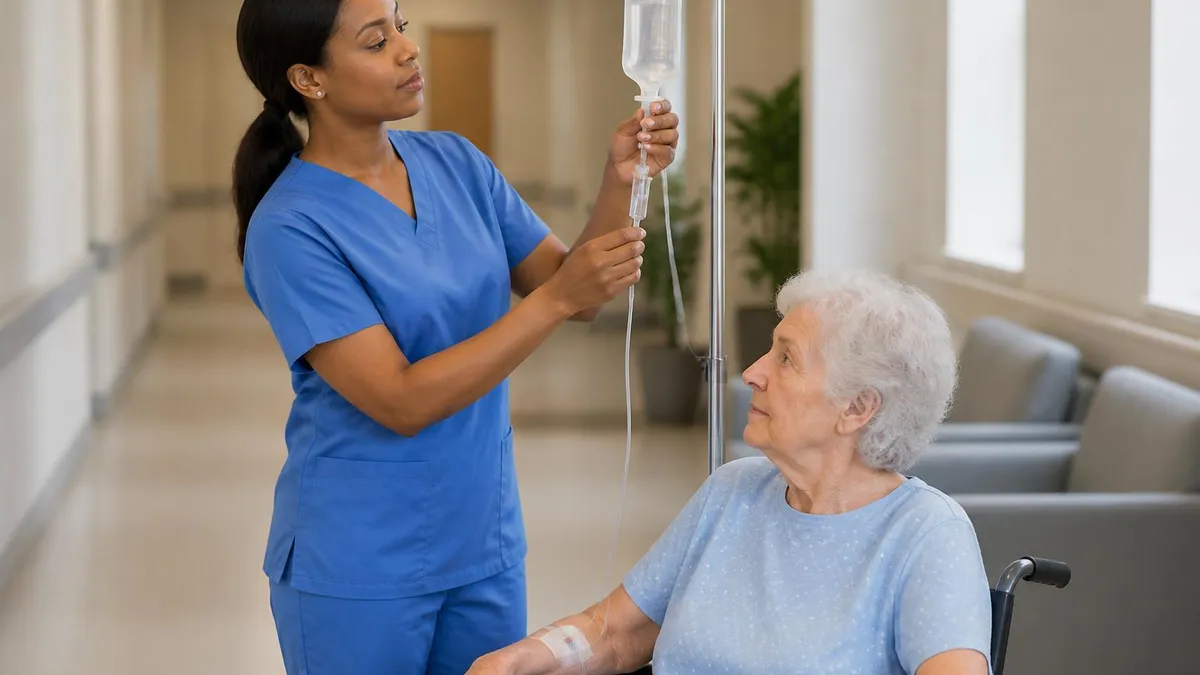
LPN to RN Bridge Programs Online: Complete 2026 Guide
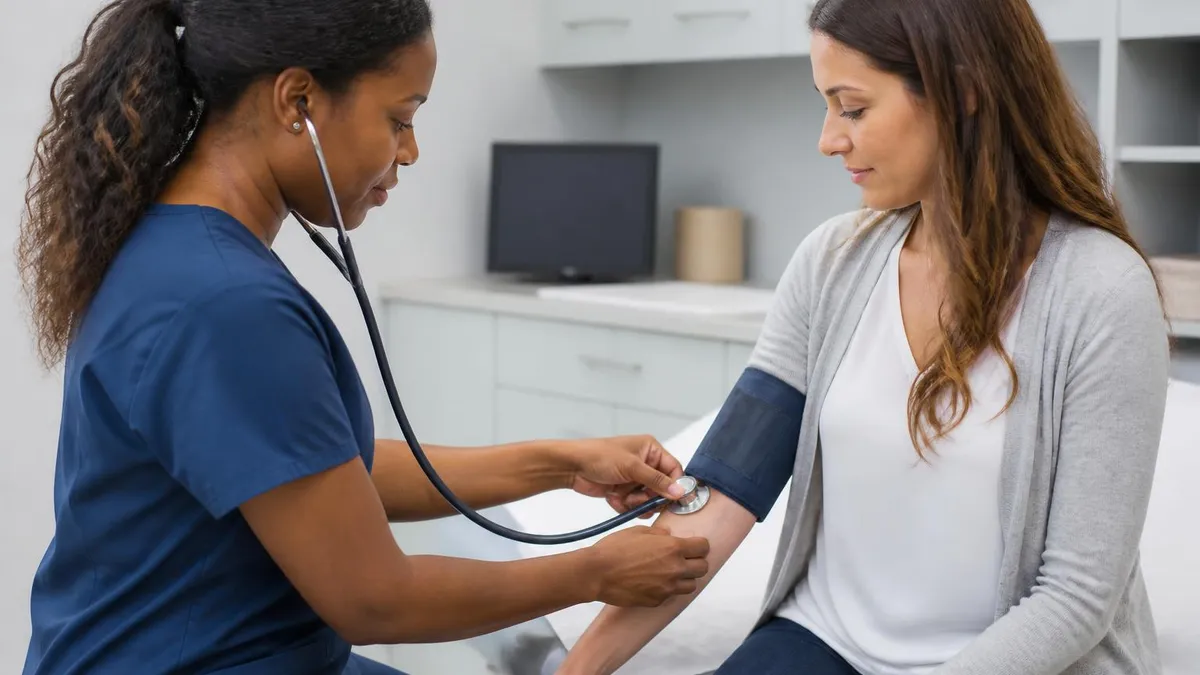
Travel LPN: Complete 2026 Guide to Becoming a Travel Licensed Practical Nurse
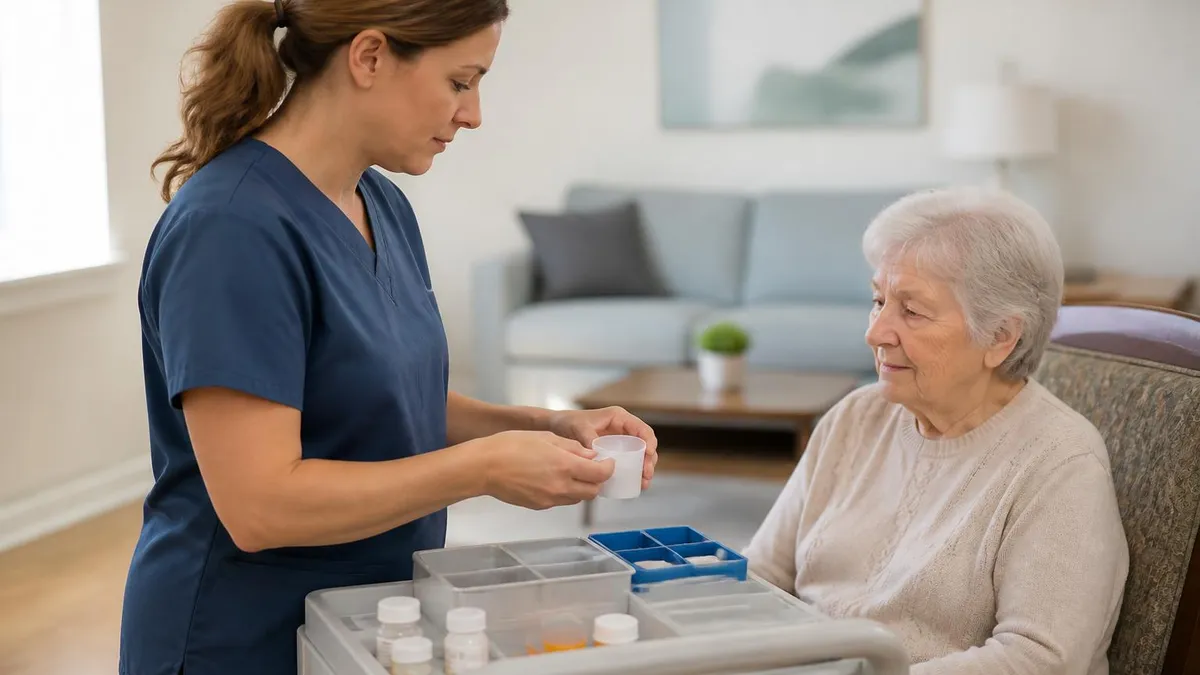
Online LPN Schools: Complete 2026 Guide to Accredited Programs, Requirements & NCLEX-PN Prep
About the Author

Registered Nurse & Healthcare Educator
Johns Hopkins University School of NursingDr. Sarah Mitchell is a board-certified registered nurse with over 15 years of clinical and academic experience. She completed her PhD in Nursing Science at Johns Hopkins University and has taught NCLEX preparation and clinical skills courses for nursing students across the United States. Her research focuses on evidence-based exam preparation strategies for healthcare certification candidates.