
LPN Telehealth Jobs: Complete Guide to Remote Nursing Opportunities in 2026
Discover LPN telehealth jobs — salary ranges, top employers, required skills, and how to land remote nursing work in 2026. ✅
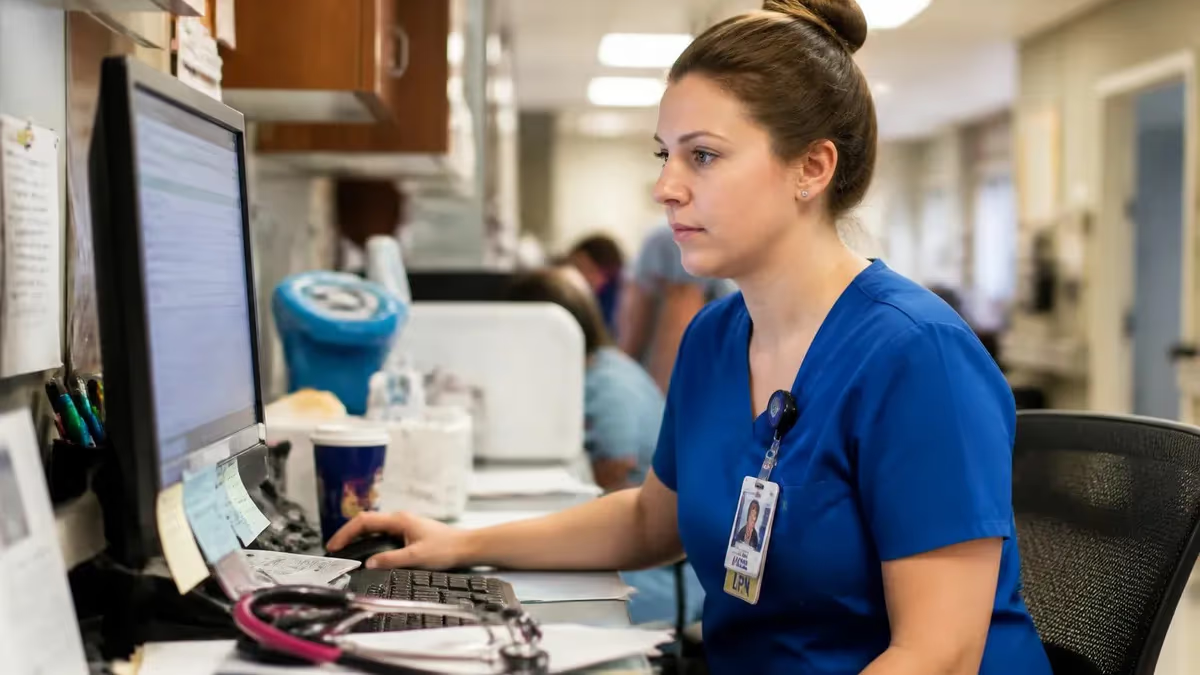
LPN telehealth jobs have emerged as one of the most exciting frontiers in modern nursing, offering licensed practical nurses the opportunity to deliver patient care remotely using video conferencing, phone consultations, and digital health platforms. As healthcare systems across the United States continue investing in virtual care infrastructure, demand for LPNs with telehealth skills has grown significantly — with job postings for remote LPN roles increasing by more than 40 percent between 2022 and 2025. If you are considering a shift to virtual nursing, understanding how this career path works is essential before you apply.
Telehealth nursing is not simply traditional nursing done over a phone call. It requires a distinct skill set that combines strong clinical judgment with excellent verbal communication, digital literacy, and the ability to triage patients without the benefit of hands-on physical assessment. LPNs in telehealth roles routinely handle medication education, chronic disease monitoring, post-discharge follow-up calls, and care coordination tasks — all from a home office or employer-designated remote workspace. This makes the role intellectually demanding but also deeply rewarding for nurses who thrive in technology-driven environments.
The scope of LPN telehealth work spans many healthcare sectors. Insurance companies hire LPNs to conduct utilization reviews and prior authorization calls. Home health agencies use telehealth LPNs for remote patient monitoring, especially for elderly patients managing conditions like congestive heart failure, diabetes, and COPD. Hospitals employ telehealth LPNs in nurse triage hotlines that serve thousands of patients every day. Understanding which sector fits your clinical background and personal preferences will help you focus your job search effectively and land a position that matches your strengths.
Salary expectations for LPN telehealth jobs compare favorably to traditional bedside roles in many states. The national average for telehealth LPN positions hovers around $54,000 to $64,000 per year, with experienced nurses at large insurance companies or hospital systems sometimes earning $70,000 or more. Remote work also eliminates commuting costs and allows for greater schedule flexibility, which many nurses factor into total compensation when comparing offers. Some employers offer fully remote positions with benefits including health insurance, paid time off, and continuing education reimbursement.
Getting started in telehealth nursing typically requires at least one to two years of clinical experience in a hands-on nursing role. Employers want LPNs who have already developed sharp assessment skills and clinical confidence, because remote settings offer less real-time support from physicians or supervising nurses. Specialties that translate particularly well to telehealth include medical-surgical nursing, primary care clinic work, home health, and pediatric outpatient care. If you have spent time working in any of these areas, you already have a strong foundation for making the transition to virtual nursing roles.
Before pursuing lpn telehealth jobs, it is worth reviewing your state's nursing practice act to understand the scope of practice allowed for LPNs in telehealth settings. Regulations vary significantly: some states permit LPNs to conduct independent triage calls under broad protocols, while others require physician or RN oversight for nearly all telehealth interactions. Familiarizing yourself with your state board's guidance — and verifying that potential employers comply with those rules — protects both your license and your patients.
This guide covers everything you need to know about LPN telehealth jobs in 2026, including the top employers, required credentials, typical duties, pay ranges by state, and practical strategies for breaking into this growing field. Whether you are a new LPN exploring career options or an experienced nurse ready for a change, the information here will help you make an informed, confident decision about pursuing remote nursing work.
LPN: upcoming dates and official changes
- Apr 1, 2026: The 2026 NCLEX-PN Test Plan became effective April 1, 2026, and applies through March 31, 2029. (National Council of State Boards of Nursing (NCSBN); state nursing regulatory bodies issue LPN/LVN licenses)
Facts verified Oct 16, 2026 against National Council of State Boards of Nursing (NCSBN); state nursing regulatory bodies issue LPN/LVN licenses. Dates that have passed are removed automatically.
- The NCLEX-PN is a computerized adaptive examination containing between 85 and 150 items. (ncsbn.org)
- The NCLEX-PN passing standard is -0.18 logits through March 31, 2029. (National Council of State Boards of Nursing (NCSBN); state nursing regulatory bodies issue LPN/LVN licenses)
- The NCLEX-PN registration fee for U.S. licensure is currently $200 USD, separate from state licensure fees. (National Council of State Boards of Nursing (NCSBN); state nursing regulatory bodies issue LPN/LVN licenses)
- NCLEX-PN retakes require the same registration fee as initial attempts, determined by the registration date. (National Council of State Boards of Nursing (NCSBN); state nursing regulatory bodies issue LPN/LVN licenses)
- NCSBN permits up to eight NCLEX-PN attempts annually with at least 45 test-free days between examinations, subject to stricter jurisdictional restrictions. (National Council of State Boards of Nursing (NCSBN); state nursing regulatory bodies issue LPN/LVN licenses)
- The NCLEX-PN is delivered at domestic and international test centers. (National Council of State Boards of Nursing (NCSBN); state nursing regulatory bodies issue LPN/LVN licenses)
- NCLEX-PN candidates must meet the eligibility requirements established by the nursing regulatory body where they seek licensure. (ncsbn.org)
- Official NCLEX-PN results are sent by the nursing regulatory body within six weeks after the examination. (National Council of State Boards of Nursing (NCSBN); state nursing regulatory bodies issue LPN/LVN licenses)
Facts verified Oct 16, 2026 against National Council of State Boards of Nursing (NCSBN); state nursing regulatory bodies issue LPN/LVN licenses. Dates that have passed are removed automatically.
LPN Exam at a Glance
Facts verified Oct 16, 2026 against National Council of State Boards of Nursing (NCSBN); state nursing regulatory bodies issue LPN/LVN licenses. Dates that have passed are removed automatically.
LPN Telehealth Jobs by the Numbers
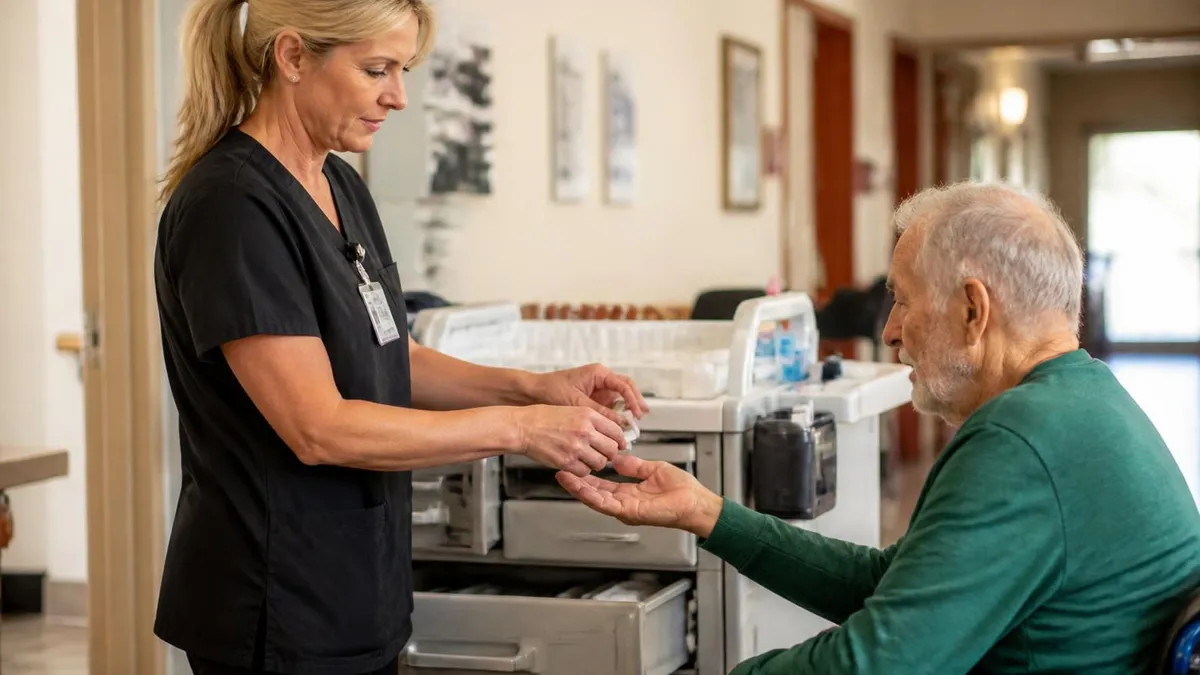
Types of LPN Telehealth Jobs
LPNs answer inbound patient calls and use standardized protocols to assess symptoms, provide self-care guidance, and direct patients to the appropriate level of care — emergency department, urgent care, or home management.
LPNs review data from wearable devices and home monitoring equipment for patients with chronic conditions like hypertension, diabetes, and heart failure, then contact patients to address concerning readings and reinforce care plans.
Insurance companies employ telehealth LPNs to review prior authorization requests, verify clinical necessity of procedures, and communicate coverage determinations to providers and patients under RN or physician supervision.
LPNs assist registered nurse case managers by making follow-up calls, coordinating referrals, confirming appointments, and documenting patient progress in electronic health record systems during post-discharge transition periods.
Virtual clinics use LPNs to intake patients before physician or NP video visits, gather medication lists and chief complaints, update health histories, and handle post-visit medication education and scheduling tasks.
Landing a telehealth LPN job requires more than a valid nursing license — employers look for a specific combination of clinical competence, communication ability, and technical readiness that separates strong candidates from the rest of the applicant pool. Clinical experience is the foundation: most telehealth employers require at least one to two years working in a direct patient care setting where you developed assessment skills, learned to recognize urgent versus non-urgent symptoms, and built confidence communicating with patients from diverse backgrounds. Without that hands-on grounding, the transition to remote care delivery becomes significantly harder.
Equally important is your ability to communicate clearly and confidently over the phone or video without relying on visual or tactile cues. In bedside nursing, you can observe a patient's breathing pattern, skin color, and body language directly. In telehealth, you must gather the same clinical picture using targeted verbal questions, careful listening, and structured assessment protocols. Employers often test this skill during the interview process by presenting clinical scenarios and asking how you would assess and advise a patient remotely. Practicing these scenarios before your interview is time well spent.
Technology proficiency is a non-negotiable requirement for telehealth LPN roles. Most positions require comfort with electronic health records such as Epic, Cerner, or proprietary insurance platforms, plus the ability to troubleshoot basic connectivity issues during patient calls. Some employers provide formal EHR training, but candidates who already have experience with major platforms have a clear advantage. Typing speed matters too — many telehealth LPNs document in real time during calls, and slow documentation can create bottlenecks that affect patient throughput and job performance reviews.
Certifications can strengthen your candidacy considerably. The American Academy of Ambulatory Care Nursing offers a Certified Ambulatory Care Nurse credential that is highly regarded in telehealth settings. Some employers also value Basic Life Support certification, although the hands-on component is less directly applicable to remote work. Disease-specific certifications — such as a Certified Diabetes Care and Education Specialist credential — can open doors to specialized telehealth programs focused on chronic disease management, which often pay higher salaries than general triage roles.
Strong documentation skills are critical in telehealth nursing because written records serve as the primary evidence of clinical decision-making in the absence of in-person assessment. Every call or video visit must be documented thoroughly, accurately, and in a timely manner. LPNs who struggle with documentation in clinical settings will find telehealth even more demanding in this area, as there is no paper chart or bedside assistant to help fill in gaps. Developing efficient documentation habits before transitioning to telehealth will save significant frustration after you start.
Home office setup is a practical requirement that many aspiring telehealth LPNs overlook when preparing their applications. Most employers require a dedicated, private workspace with a reliable broadband internet connection of at least 25 Mbps download speed, a quality headset for call clarity, and a computer that meets minimum system requirements for their telehealth platforms. Some employers provide equipment; others expect you to supply your own. Before accepting a remote LPN offer, clarify the technology requirements and factor any equipment costs into your total compensation calculation.
Understanding the regulatory landscape is also an essential skill for telehealth LPNs. If you hold a license in a Nurse Licensure Compact state, you may be able to provide telehealth services to patients in other compact member states without obtaining additional licenses. However, non-compact states require their own licensure, and practicing telehealth nursing across state lines without proper licensure can jeopardize your career. Many employers handle multi-state licensure for their staff, but verifying this during the hiring process is always your responsibility as the licensed professional.
Top Employers Hiring for LPN Telehealth Jobs
Major health insurance companies represent the single largest source of telehealth LPN employment in the United States. Companies like UnitedHealth Group, Humana, CVS Health (Aetna), Cigna, and Elevance Health hire thousands of LPNs annually for roles in utilization management, disease management programs, and member services. These positions typically offer structured schedules, strong benefits packages, and clear career advancement pathways into case management or supervisory roles, making them attractive to LPNs seeking stability in remote work.
Insurance telehealth roles for LPNs often involve reviewing clinical documentation, conducting telephonic health assessments for high-risk members, and educating patients about covered preventive services. Salaries at major insurers typically range from $52,000 to $68,000 per year depending on specialty and experience level. Many of these positions are fully remote from day one, with no requirement to commute to a physical office, which makes geographic flexibility a significant benefit for nurses in rural areas or states with fewer traditional LPN job markets.
Pros and Cons of LPN Telehealth Jobs
- +Eliminate daily commute and associated transportation costs
- +Greater schedule flexibility with many employers offering shift options
- +Reduced physical strain compared to bedside nursing roles
- +Opportunity to serve patients across a wide geographic area
- +Growing field with increasing job availability and advancement paths
- +Better work-life balance reported by majority of telehealth LPNs
- −Limited scope of practice in some states for LPNs in telehealth
- −Requires dedicated home office space and reliable internet connection
- −Less peer interaction and potential for professional isolation
- −Cannot perform hands-on assessment, limiting clinical decision-making
- −Technology failures can interrupt patient care and create liability concerns
- −Some employers require multi-state licensure which involves added cost and paperwork
Pros and Cons at a Glance
| Pros | Cons |
|---|---|
| Eliminate daily commute and associated transportation costs | Limited scope of practice in some states for LPNs in telehealth |
| Greater schedule flexibility with many employers offering shift options | Requires dedicated home office space and reliable internet connection |
| Reduced physical strain compared to bedside nursing roles | Less peer interaction and potential for professional isolation |
| Opportunity to serve patients across a wide geographic area | Cannot perform hands-on assessment, limiting clinical decision-making |
| Growing field with increasing job availability and advancement paths | Technology failures can interrupt patient care and create liability concerns |
| Better work-life balance reported by majority of telehealth LPNs | Some employers require multi-state licensure which involves added cost and paperwork |
How to Land an LPN Telehealth Job: Action Checklist
- ✓Confirm your nursing license is active, in good standing, and current in your primary state
- ✓Apply for the Nurse Licensure Compact if your state participates and you plan to serve multi-state patients
- ✓Gather at least two years of direct patient care experience before applying to most telehealth roles
- ✓Create a dedicated home office with broadband internet meeting employer minimum speed requirements
- ✓Build proficiency with major EHR platforms — Epic and Cerner experience is especially valued
- ✓Update your resume to highlight triage experience, patient education skills, and phone or video communication
- ✓Obtain a certified ambulatory care nursing credential to strengthen your telehealth candidacy
- ✓Practice clinical scenario interviews using telehealth triage protocols before your job interviews
- ✓Research each prospective employer's supervision model to ensure LPN scope of practice compliance
- ✓Join professional nursing associations like AAACN to access telehealth job boards and networking events
Nurse Licensure Compact Membership Can Double Your Job Options
LPNs licensed in one of the 38 Nurse Licensure Compact member states can legally provide telehealth services to patients in all other compact states without obtaining separate licenses. This dramatically expands the pool of employers you can work for and significantly increases your earning potential by enabling employment at national telehealth companies that serve patients coast to coast. If your state is a compact member, ensure your multistate privilege is active before applying to multi-state telehealth roles.
Salary is one of the most important considerations when evaluating LPN telehealth jobs, and the compensation landscape is more varied than many nurses expect. At the national level, telehealth LPNs earn between $48,000 and $70,000 annually, with the median sitting around $59,000 as of 2025. However, these averages mask significant variation by employer type, geographic location, experience level, and specialty area. Insurance company roles tend to pay at the higher end of the range, while hospital system telehealth positions often align with regional clinical pay scales that may be lower in rural markets.
Geographic location continues to influence telehealth LPN pay even though the work is remote, because many employers anchor salaries to the cost of living in their headquarters city or adjust pay based on the nurse's home state. LPNs in California, Massachusetts, Washington, and New York who work for telehealth companies headquartered in high-cost metros typically earn more than equally qualified nurses in lower-cost states doing the same work. Negotiating salary based on your local market conditions versus the employer's pay band is a legitimate strategy, especially if you bring specialized clinical experience or multi-state licensure to the table.
Experience level has a predictable and significant effect on telehealth LPN compensation. Entry-level nurses with two to three years of experience typically start between $48,000 and $54,000 in most markets. Mid-career LPNs with five or more years of clinical experience, particularly in high-acuity settings like ICU step-down or emergency triage, can negotiate starting salaries in the $58,000 to $65,000 range. Nurses who also bring specialty certifications — such as chronic care management credentials or telephonic triage training — often receive additional compensation in the form of higher base pay or performance bonuses.
Benefits packages for telehealth LPN positions at established employers are generally comparable to in-person clinical roles and sometimes superior. Full-time remote LPN positions at large insurers and hospital systems typically include health, dental, and vision insurance; paid time off ranging from 15 to 25 days per year; 401(k) with employer matching; and continuing education reimbursement. Some employers also provide technology stipends of $500 to $1,000 annually to offset home office equipment and internet costs, which meaningfully adds to total compensation in a way that base salary comparisons alone do not capture.
Overtime and shift differential pay also factor into total earnings for telehealth LPNs at some employers. Evening, overnight, and weekend shifts often carry differential pay of 10 to 15 percent above base hourly rates at hospital triage lines and insurance companies that operate 24 hours a day. LPNs willing to work non-traditional hours can meaningfully boost annual earnings by $5,000 to $8,000 through consistent shift differential income. Triage hotlines in particular rely heavily on evening and overnight staffing, making this a practical strategy for maximizing compensation in the first years of a telehealth career.
Contract and per diem telehealth LPN roles offer yet another compensation structure worth understanding. Travel nursing agencies and staffing firms increasingly fill telehealth positions with contract LPNs who work 13-week assignments at set bill rates. Contract rates for telehealth LPN roles typically range from $28 to $38 per hour, translating to gross annual earnings of $58,000 to $79,000 for full-time hours — often higher than permanent employee salaries. The tradeoff is that contract nurses receive fewer or no employer-sponsored benefits, so they must account for self-funded health insurance, retirement savings, and paid time off in their total compensation analysis.
Long-term earning potential in telehealth nursing is also worth considering alongside immediate salary. LPNs who build telehealth experience often find it opens doors to roles in healthcare technology, clinical operations, and patient engagement program management — positions that blend nursing knowledge with business and technology skills and can command salaries well above traditional LPN pay ceilings. Some telehealth LPNs also use their remote nursing experience as a stepping stone toward bridge programs that lead to RN licensure, which dramatically expands both scope of practice and compensation in virtual care settings.
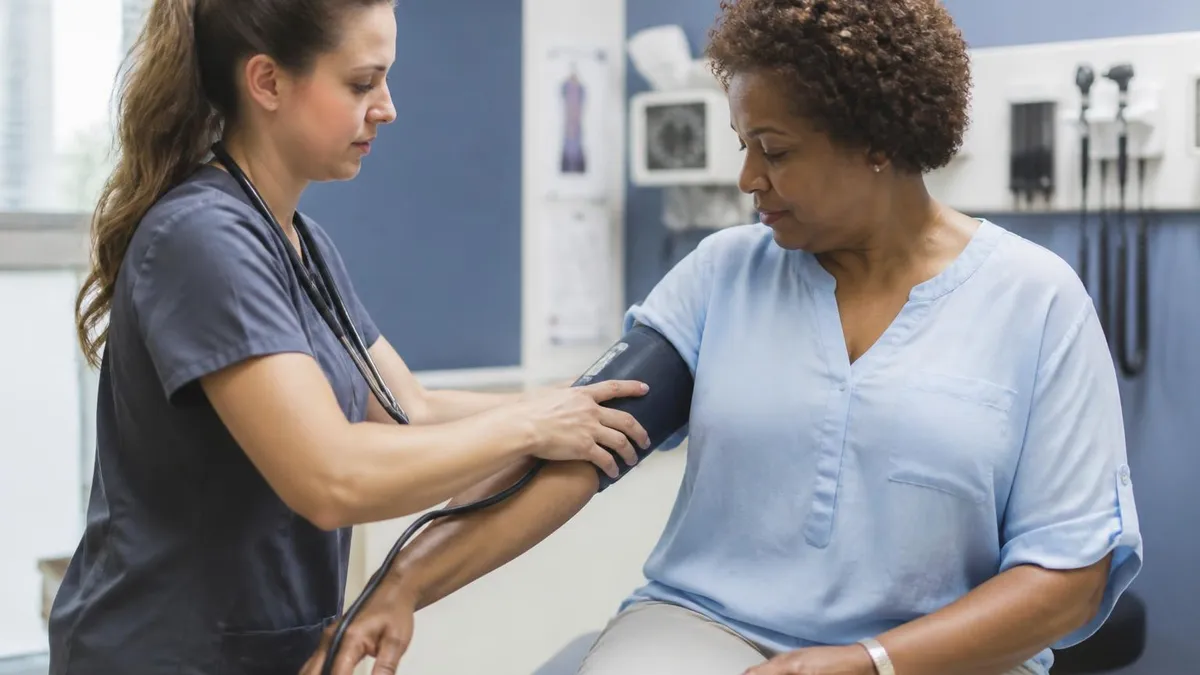
LPN scope of practice in telehealth settings varies significantly by state, and some states restrict LPNs from independently triaging patients or providing health advice without direct RN or physician supervision in the clinical chain. Before accepting a telehealth LPN position, verify that the employer's supervision model complies with your state board of nursing's regulations. Practicing outside your defined scope — even remotely — puts your nursing license at serious risk.
The future of LPN telehealth careers looks genuinely strong, driven by demographic trends, technology investment, and ongoing policy shifts that have made virtual care a permanent fixture in the American healthcare system rather than a pandemic-era workaround. The aging of the Baby Boomer generation is producing an enormous and growing population of older adults with multiple chronic conditions who require frequent monitoring, medication management, and care coordination — all areas where telehealth LPNs add significant value at lower cost than physician or RN-led alternatives. This demographic tailwind will sustain demand for LPN telehealth jobs well into the 2030s.
Reimbursement policy has played a crucial role in making telehealth financially viable for healthcare organizations, and recent congressional action has made several pandemic-era telehealth flexibilities permanent. Medicare now reimburses a broad range of audio-only and video telehealth services, and many commercial insurers have followed suit with expanded telehealth coverage in their plan offerings. For telehealth employers, this stable reimbursement environment makes it economically rational to invest in telehealth staffing — including LPN roles — rather than retreating to in-person care models once emergency regulations expired.
Technology is also reshaping what LPN telehealth jobs look like and what nurses in these roles can accomplish. Artificial intelligence-assisted documentation tools are reducing the time LPNs spend on charting after each call, freeing capacity for more patient interactions per shift.
Remote monitoring devices are becoming more accurate and easier for patients to use at home, improving the quality of data available to telehealth nurses during chronic disease management calls. Asynchronous communication platforms allow LPNs to respond to patient messages on a structured schedule rather than only handling live calls, creating new flexible work arrangements that suit a wider range of personal scheduling needs.
Integration of behavioral health support into general telehealth programs is creating new specialty niches for LPNs interested in mental health-adjacent work. Programs that address medication adherence for psychiatric conditions, substance use disorder monitoring, and depression screening through telephonic outreach are expanding rapidly, driven by insurer interest in reducing mental health-related emergency department utilization. LPNs with experience in behavioral health settings or who obtain additional training in motivational interviewing and mental health first aid will find themselves well positioned for these emerging specialty telehealth roles.
International opportunities represent a less-discussed but emerging dimension of the telehealth LPN career landscape. Some US-based telehealth companies serve American expatriate populations abroad, and licensing compacts with certain territories may eventually expand the geographic reach of US-licensed nurses. While international telehealth nursing for LPNs remains a niche category today, it is worth monitoring as global digital health infrastructure matures and as the US Nursing Compact continues to evolve. Nurses with foreign language skills — particularly Spanish — are already in high demand for domestic telehealth programs serving diverse patient populations.
Career advancement from LPN telehealth positions is more structured than many nurses realize before entering the field. Experienced telehealth LPNs commonly move into lead or supervisor roles managing teams of junior nurses, clinical quality coordinator positions reviewing call documentation for accuracy and compliance, or program coordinator roles overseeing specific disease management initiatives.
These mid-level positions typically pay between $65,000 and $80,000 and require the same clinical expertise as frontline telehealth nursing combined with organizational and coaching skills. Documenting your clinical contributions, quality metrics, and patient satisfaction data throughout your telehealth career creates the portfolio you need to compete for these advancement opportunities.
Staying current with telehealth technology and clinical protocols is an ongoing professional responsibility that successful telehealth LPNs take seriously. The American Telemedicine Association offers educational resources and annual conferences where nurses can learn about emerging platforms, regulatory changes, and best practices. State nursing associations frequently publish guidance on telehealth scope of practice updates that affect LPN practice. Continuing education in areas like health informatics, digital health literacy, and patient engagement strategies will differentiate you in a competitive and rapidly evolving job market where employers increasingly look for nurses who can adapt and innovate alongside the technology they use every day.
Building a successful telehealth LPN career requires intentional preparation that goes beyond submitting applications and hoping for callbacks. The most effective approach starts at least six to twelve months before your target start date, using that time to systematically develop the skills, credentials, and professional network that telehealth employers value most.
Begin by honestly evaluating your current clinical experience against the requirements listed in job postings for roles that interest you, then create a concrete plan to close any gaps before you apply. Waiting until you feel completely ready can delay progress indefinitely — strategic preparation is the goal, not perfection.
Networking within the telehealth nursing community accelerates job searching in ways that cold applications rarely can. LinkedIn is an underutilized tool among LPNs but is actively used by telehealth hiring managers and recruiters at major employers.
Updating your LinkedIn profile to highlight triage experience, patient education accomplishments, and any telehealth-adjacent work you have done — even informal telephone follow-up calls in a clinic setting — signals readiness to recruiters who search for candidates with virtual care competencies. Connecting with LPNs already working in telehealth roles and asking about their experience at specific employers provides insider perspective that job postings simply do not offer.
Tailoring your resume and cover letter for telehealth LPN applications is a step many candidates skip, submitting the same generic documents to every employer. Telehealth hiring managers specifically look for evidence of communication skills, independent clinical judgment, EHR proficiency, and experience with protocols or standardized assessment tools like Schmitt-Thompson triage guidelines. Mentioning specific EHR platforms you have used, the volume of patient interactions you managed in previous roles, and any remote work experience — even if not in a clinical setting — makes your application materially stronger than a resume focused only on traditional bedside nursing duties.
Interview preparation for telehealth LPN positions should include extensive practice with clinical scenario questions delivered in a simulated phone or video format. Many employers conduct initial interviews entirely by phone to assess how candidates communicate without visual cues, which is directly relevant to the job itself. Record yourself answering practice scenarios and listen back critically — focus on clarity, pace, and the logical structure of your clinical reasoning. Ask a colleague or mentor to play the role of a confused or anxious patient and practice keeping calls organized and reassuring under that realistic pressure.
Once you receive an offer, negotiate thoughtfully rather than accepting the first number presented. Research comparable salaries using resources like the Bureau of Labor Statistics Occupational Employment Statistics, Indeed Salary tool, and Glassdoor before your offer conversation. If an employer's initial offer is below market for your experience level, presenting specific data points — rather than simply saying you want more — is a professional and effective negotiation strategy. Many telehealth employers have moderate salary flexibility, especially for candidates who bring multi-state licensure, specialty certifications, or prior telehealth or triage experience that reduces their onboarding investment.
Once you start a telehealth LPN role, managing your performance and professional development proactively will determine how quickly you advance. Most telehealth employers track key performance metrics including average handle time per call, documentation accuracy scores, patient satisfaction ratings, and protocol adherence rates. Understanding which metrics your employer weights most heavily and consistently meeting or exceeding benchmarks in those areas is the fastest route to performance reviews that support raises, promotions, and expanded autonomy. Ask your supervisor early in your tenure which metrics matter most and how top performers approach them.
Finally, do not neglect your own wellbeing as you transition into telehealth nursing. Remote work offers significant lifestyle benefits but also removes some of the natural social interaction and physical movement that bedside nursing provides. Schedule regular breaks during shifts, maintain physical activity outside of work, and stay connected to professional communities of other nurses to avoid the isolation that some remote workers experience.
Telehealth nursing is a genuinely demanding clinical role — caring for your own health and professional satisfaction ensures you can continue delivering excellent patient care over the long term and build the kind of sustained career that pays dividends for decades.
Sample Certified Practical Nurse Practice Questions
Try these questions from our free Certified Practical Nurse practice tests. The correct answer and an explanation follow each question.
Why is health assessment important in nursing?
- A. To provide medication
- B. To gather information that guides care planning
- C. To monitor vital signs only
- D. To offer treatment recommendations
Answer: B. To gather information that guides care planning
Health assessment is the foundational step in the nursing process, serving to systematically gather comprehensive information about a patient's health status. This data, both subjective and objective, is critical for identifying actual and potential health problems. The insights gained directly guide the development of individualized and effective care plans, ensuring patient-centered interventions.
A nurse is caring for a client in active labor. The fetal heart rate tracing shows late decelerations with minimal variability. What is the priority nursing action?
- A. Reposition the mother to the left lateral position
- B. Prepare for immediate cesarean delivery
- C. Increase the rate of oxytocin infusion
- D. Administer oxygen via non-rebreather mask at 10 L/min
Answer: A. Reposition the mother to the left lateral position
Repositioning to the left lateral position relieves aortocaval compression and is the first intervention for late decelerations.
The LPN is caring for a 2-year-old child in a mist tent. Which nursing action is most important?
- A. Keep the tent temperature warmer than the room for comfort
- B. Change the child's clothing and bed linens frequently to prevent hypothermia
- C. Ensure the tent remains fully sealed at all times to maintain humidity
- D. Encourage the child to sleep in the tent without parental presence
Answer: B. Change the child's clothing and bed linens frequently to prevent hypothermia
Mist tents create a cool, moist environment that can cause hypothermia in young children. Frequent changes of wet clothing and linens are essential to maintain temperature.
A client with heart failure develops sudden-onset dyspnea, pink frothy sputum, and severe anxiety. The priority nursing intervention is:
- A. Obtain a stat 12-lead ECG
- B. Place the client in high Fowler's position and apply oxygen
- C. Prepare for immediate intubation
- D. Administer oral furosemide as prescribed
Answer: B. Place the client in high Fowler's position and apply oxygen
Pink frothy sputum and sudden dyspnea indicate acute pulmonary edema. The immediate priority is positioning to reduce venous return and applying high-flow oxygen to treat hypoxia.
LPN Questions and Answers

LPN Requirements 2026: Complete Guide to Becoming a Licensed Practical Nurse
LPN IV Certification: Complete 2026 Guide to Training, Requirements & Cost

LPN Programs in Florida: Complete 2026 Guide to Accredited Schools, Costs, Requirements & Licensure

LPN Salary Wisconsin 2026: Average Pay, Top Cities, and How to Earn More
LPN Duties: Complete Guide to Daily Responsibilities and Scope of Practice
About the Author

Registered Nurse & Healthcare Educator
Johns Hopkins University School of NursingDr. Sarah Mitchell is a board-certified registered nurse with over 15 years of clinical and academic experience. She completed her PhD in Nursing Science at Johns Hopkins University and has taught NCLEX preparation and clinical skills courses for nursing students across the United States. Her research focuses on evidence-based exam preparation strategies for healthcare certification candidates.