
HVAC Service Company: The Complete Guide to Choosing, Hiring, and Working With a Professional Heating and Cooling Contractor in 2026 October
Find the right HVAC service company with this 2026 October guide covering licensing, 🎓 pricing, contracts, maintenance plans, red flags, and how to vet contractors.
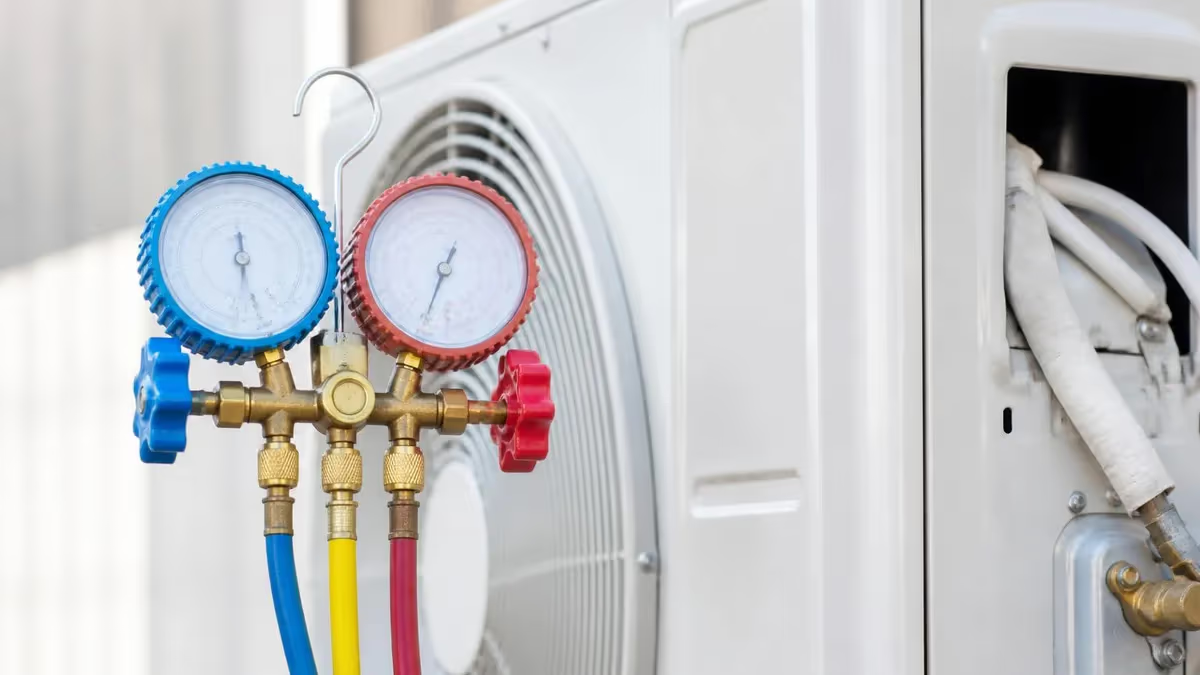
Choosing the right hvac service company is one of the most consequential decisions a homeowner or building manager makes, because the contractor you hire determines the comfort, energy bills, indoor air quality, and equipment lifespan of your home for the next ten to fifteen years. Unlike a one-time purchase, your relationship with an HVAC company often spans decades and includes annual maintenance, emergency repairs, warranty work, refrigerant handling, and eventually full system replacement. The wrong choice can mean inflated invoices, voided warranties, unsafe gas connections, and equipment that fails years before it should.
The HVAC industry in the United States is a $130 billion market employing over 415,000 technicians, yet quality varies dramatically from one shop to the next. Some companies operate with NATE-certified technicians, EPA Section 608 universal certifications, manufacturer factory training, and transparent flat-hvac flat rate pricing. Others are uninsured one-truck operations running on cash, cutting corners on permits, and disappearing the moment a warranty claim arises. Understanding the difference between these tiers is the foundation of smart hiring.
A professional HVAC service company should do more than swap out broken parts. The best contractors perform Manual J load calculations before recommending equipment, conduct static pressure testing on ductwork, measure superheat and subcooling on every refrigerant charge, and pull permits for every installation that legally requires one. They explain options without high-pressure sales tactics, document their findings with photos and numbers, and honor labor warranties for at least one year, often two or five on premium installations.
This guide walks you through every aspect of selecting and working with an HVAC contractor in 2026. You will learn how to verify licensing in your state, decode the alphabet soup of industry certifications, compare maintenance plans, recognize the warning signs of a bad bid, and negotiate fair pricing on everything from a $189 diagnostic visit to a $14,000 heat pump installation. The information here applies whether you live in a single-family home, manage a small commercial property, or operate a multi-unit residential building.
Many homeowners only call an HVAC company when something has already broken, which is the worst possible time to vet a contractor. Emergency repairs in July or January come with markups of 30 to 50 percent, limited equipment availability, and pressure to decide quickly. Building a relationship with a reputable shop during the shoulder seasons of spring and fall gives you time to compare quotes, check references, tour their facility, and meet the technicians who will actually show up at your door.
The technical complexity of modern HVAC equipment has also grown substantially. Variable-speed inverter compressors, communicating thermostats, multi-stage furnaces, refrigerant blends like R-454B and R-32 that replaced R-410A in 2025, and integrated heat pump water heaters all require specialized training. A contractor who was excellent on 1990s single-stage equipment may not be competent on a 2026 cold-climate heat pump with a vapor injection circuit. Asking the right questions filters out shops that have not kept pace with the trade.
By the end of this guide you will know exactly what to look for in licensing, insurance, certifications, pricing structures, contracts, and post-installation service, plus how to spot the red flags that signal a contractor will cost you money in the long run. Pair this with the practical checklist at the end and you will hire with confidence rather than crossing your fingers.
The HVAC Service Industry by the Numbers

Types of HVAC Service Companies You Will Encounter
Brands like One Hour Heating, Aire Serv, and Horizon Services operate locally-owned franchises under a national umbrella. They offer consistent pricing menus, 24/7 dispatch, and strong warranty backing but typically charge 15 to 25 percent above local independents.
Family-owned shops with five to fifty trucks, a fixed brick-and-mortar location, and ten-plus years in business. These often deliver the best balance of price, expertise, and accountability, with senior techs who know local building codes intimately.
Carrier Factory Authorized Dealers, Trane Comfort Specialists, Lennox Premier Dealers, and Bryant Factory Authorized Dealers have completed manufacturer training and can offer extended labor warranties of five to ten years on qualifying installations.
Solo licensed contractors with one or two helpers. Can offer excellent pricing and personal attention, but limited capacity for emergencies, vacations, or large projects. Verify insurance carefully since coverage gaps are more common at this scale.
Companies focused on geothermal, hydronic, VRF, or commercial rooftop units. Hire these for complex projects rather than routine residential work. Hourly rates run $145 to $225 but expertise on specialty systems is unmatched by general residential shops.
Before any technician sets foot on your property, verify the contractor's state license, general liability insurance, and workers' compensation coverage. Forty-seven states require a state-issued HVAC contractor license, and the requirements vary widely. Texas issues an Air Conditioning and Refrigeration Contractor License through TDLR. California requires a C-20 Warm-Air Heating, Ventilating and Air-Conditioning license through CSLB. Florida issues Class A and Class B HVAC certifications through DBPR. Always request the license number and verify it on the state board website rather than accepting a photo or business card.
General liability insurance should carry a minimum $1 million per occurrence and $2 million aggregate. This protects you if a technician accidentally starts a fire while brazing copper, floods your basement during a coil change, or damages your roof while running a refrigerant line set. Workers' compensation coverage is equally critical because if an uninsured technician is injured on your property, you can be held personally liable for medical bills and lost wages. Ask for current certificates of insurance with your name listed as a certificate holder.
EPA Section 608 certification is federally required for any technician who handles refrigerant. The four levels are Type I (small appliances), Type II (high-pressure systems including residential AC and heat pumps), Type III (low-pressure systems), and Universal (all three combined). Any technician who opens a refrigerant circuit on your equipment must hold the appropriate certification or they are breaking federal law. With the 2025 phasedown of R-410A, properly certified handling is more important than ever.
NATE certification, issued by North American Technician Excellence, is the gold standard for voluntary industry credentials. NATE-certified technicians have passed rigorous exams in specialties like air hvac digital gauges, heat pump service, gas heating, and air distribution. Only about one in three working technicians hold NATE credentials, so a shop where most field staff are NATE-certified signals serious commitment to training. Senior or master-level NATE certifications indicate ten-plus years of demonstrated expertise.
Manufacturer training matters as much as third-party credentials. Carrier, Trane, Lennox, Daikin, Mitsubishi, and Bryant each run extensive dealer training programs covering their specific control boards, communicating protocols, and warranty procedures. A shop that is a Carrier Factory Authorized Dealer has met requirements for training, customer satisfaction scores above 90 percent, and proper installation procedures. These designations come with extended warranties that non-dealers cannot offer. If you are looking for help finding qualified pros, certified HVAC contractors with these manufacturer credentials are typically the safest bet for premium equipment installations.
Background checks and drug testing policies are reasonable questions to ask in 2026. The best companies run criminal background checks, motor vehicle record checks, and ongoing random drug testing on every field employee. They provide uniformed technicians in marked vehicles, photo identification, and advance notice including a photo of the tech who will arrive. Some now send real-time GPS tracking links so you know when your technician is ten minutes out.
Finally, check Better Business Bureau accreditation, Google reviews with at least 100 ratings averaging 4.5 stars or higher, and complaint history with your state's consumer protection office. A handful of negative reviews is normal for any busy shop, but look for patterns: repeated complaints about unauthorized charges, no-show appointments, or pressure sales tactics are deal-breakers regardless of the overall star rating.
HVAC Practice Test Questions
Prepare for the HVAC - Heating Ventilation and Air Conditioning exam with our free practice test modules. Each quiz covers key topics to help you pass on your first try.
HVAC Air Conditioning
HVAC Exam Questions covering Air Conditioning. Master HVAC Test concepts for certification prep.
HVAC Code Compliance
Free HVAC Practice Test featuring Code Compliance. Improve your HVAC Exam score with mock test prep.
HVAC Electrical Controls
HVAC Test Prep for Electrical Controls. Practice HVAC Quiz questions and boost your score.
HVAC Energy Efficiency
HVAC Questions and Answers on Energy Efficiency. Free HVAC practice for exam readiness.
HVAC Heating Systems
HVAC Mock Test covering Heating Systems. Online HVAC Test practice with instant feedback.
HVAC Load Calculations
Free HVAC Quiz on HVAC Load Calculations. HVAC Exam prep questions with detailed explanations.
HVAC Tools and Equipment
HVAC Practice Questions for HVAC Tools and Equipment. Build confidence for your HVAC certification exam.
HVAC Refrigeration
HVAC Test Online for Refrigeration. Free practice with instant results and feedback.
HVAC Safety Practices
HVAC Study Material on Safety Practices. Prepare effectively with real exam-style questions.
HVAC System Design
Free HVAC Test covering System Design. Practice and track your HVAC exam readiness.
HVAC Thermodynamics
HVAC Exam Questions covering Thermodynamics. Master HVAC Test concepts for certification prep.
How HVAC Service Companies Price Their Work
Diagnostic or service-call fees in 2026 typically range from $89 on the low end to $250 for premium urban markets, with $149 to $189 as the national average. This fee covers the truck roll, the technician's time to identify the problem, and a written estimate for repair. Many companies waive the diagnostic fee if you authorize the repair on the spot, while others apply it as a credit toward the repair total. Emergency, after-hours, weekend, and holiday calls carry surcharges of $75 to $250 above standard rates.
A legitimate diagnostic includes static pressure measurement, refrigerant superheat and subcooling readings, electrical amp draws, capacitor microfarad testing, temperature split across the coil, and a complete combustion analysis on gas equipment. Be skeptical of any technician who arrives, looks at the equipment for ten minutes, and immediately recommends replacement without showing you measurement data. The diagnostic fee should buy you documented findings, not a guess.
National Franchise vs Local Independent: Which is Better?
- +Consistent pricing menus published in advance with no surprise charges
- +24/7 dispatch with guaranteed response times and trained call center staff
- +Strong warranty backing with corporate support if local franchise closes
- +Standardized technician training programs and uniform service procedures
- +Larger parts inventory means same-day repairs on common failures
- +Financing options through national lending partners with promotional rates
- +Professional marketing and digital scheduling tools improve customer experience
- −Pricing typically runs 15 to 25 percent above established local independents
- −Franchisees may rotate technicians, so you rarely see the same tech twice
- −Heavy sales culture with commissions can push unnecessary replacements
- −Corporate scripts limit technician flexibility on creative custom solutions
- −Smaller residential focus means less expertise on complex commercial work
- −Less local knowledge of regional permit quirks and inspector preferences
- −Higher overhead costs are passed directly to customer in every invoice
Pros and Cons at a Glance
| Pros | Cons |
|---|---|
| Consistent pricing menus published in advance with no surprise charges | Franchisees may rotate technicians, so you rarely see the same tech twice |
| Strong warranty backing with corporate support if local franchise closes | Heavy sales culture with commissions can push unnecessary replacements |
| Standardized technician training programs and uniform service procedures | Corporate scripts limit technician flexibility on creative custom solutions |
| Larger parts inventory means same-day repairs on common failures | Smaller residential focus means less expertise on complex commercial work |
| Financing options through national lending partners with promotional rates | Less local knowledge of regional permit quirks and inspector preferences |
| Professional marketing and digital scheduling tools improve customer experience | Higher overhead costs are passed directly to customer in every invoice |
Vetting Checklist Before You Hire an HVAC Service Company
- ✓Verify the state HVAC contractor license number on the official state licensing board website
- ✓Request a current certificate of insurance showing $1M general liability and active workers' comp
- ✓Confirm all field technicians hold EPA Section 608 certification at the appropriate type level
- ✓Ask how many NATE-certified technicians are on staff and request specialty credentials
- ✓Check Google, Yelp, and BBB ratings looking for patterns rather than isolated complaints
- ✓Request three local references from jobs completed within the past twelve months
- ✓Confirm the company pulls permits for installations and provides a permit number in writing
- ✓Get written quotes from at least three contractors using identical equipment specifications
- ✓Verify manufacturer dealer status if extended labor warranties are being promised
- ✓Read the full service agreement including cancellation, transfer, and dispute resolution terms
Will you perform a Manual J load calculation before sizing my replacement equipment?
Contractors who simply replace your old 4-ton system with a new 4-ton system are guessing. ACCA Manual J is the industry-standard load calculation that accounts for insulation, window area, orientation, infiltration, and occupancy. Roughly 60 percent of existing residential systems are oversized, which causes short cycling, poor humidity control, and premature compressor failure. A contractor who refuses to perform Manual J is telling you they do not care if your new equipment actually fits your home.
Maintenance plans, sometimes called service agreements, comfort club memberships, or planned maintenance contracts, are the recurring revenue backbone of most HVAC service companies. A typical plan costs $180 to $360 per year and includes two seasonal tune-ups, priority scheduling during peak demand, a discount of 10 to 20 percent on repairs, waived diagnostic fees, and sometimes a small parts inclusion like capacitors or contactors. For homeowners who would otherwise forget annual maintenance, these plans pay for themselves.
The value of a maintenance plan depends entirely on what the technician actually does during the visit. A real precision tune-up takes 60 to 90 minutes per system and includes coil cleaning, condensate drain treatment, blower wheel inspection, electrical connection torque check, capacitor testing in microfarads compared to nameplate rating, refrigerant superheat and subcooling measurement, static pressure across the coil, temperature split, gas pressure measurement, and a combustion analysis with CO and oxygen readings on gas furnaces. If the tech is in and out in 25 minutes, you got a sticker on the unit and nothing more.
Multi-year prepaid plans often offer additional discounts and lock in pricing against annual inflation. Some companies bundle plumbing and electrical service into combination memberships that drop the effective per-trade cost. Be cautious of plans that auto-renew with credit card on file and require 60-day written cancellation notice, because these can be difficult to exit. A clear month-to-month or one-year plan with transparent cancellation is more consumer-friendly.
Beyond routine maintenance, consider what extended labor warranties are included with new equipment. Most manufacturers cover parts for ten years on registered equipment, but labor warranties are sold separately by the installing contractor. Standard labor warranties are one to two years, while manufacturer-authorized dealers can offer five or ten-year labor coverage on qualifying premium equipment.
The cost of replacing a compressor under parts-only warranty can still run $1,800 to $2,800 in labor, so extended coverage has real financial value. Comprehensive hvac maintenance service documentation also keeps your manufacturer warranty intact, since most manufacturers can deny parts claims if you cannot prove annual professional maintenance.
Indoor air quality add-ons are heavily marketed in maintenance plans and replacement quotes. Media air cleaners, UV lights, ionizers, ERV ventilators, and whole-house humidifiers each have legitimate applications, but they should be recommended based on documented air quality testing or specific health concerns, not sold as a default upgrade. A reputable company will measure particulate counts, humidity levels, and CO2 before recommending IAQ equipment. High-pressure pitches to add four IAQ products to every quote are a sign of a sales-driven rather than service-driven shop.
Ductwork inspections are another underrated maintenance benefit. Studies consistently show that 20 to 30 percent of conditioned air is lost through duct leaks in typical homes. A maintenance technician who measures static pressure, identifies disconnected boots in the attic, and recommends mastic sealing or Aeroseal treatment is providing real value. Companies that only look at the equipment and ignore the duct system miss the biggest single energy waste in most homes.
Finally, consider how the company handles repeat issues. If you call back about the same problem within 30 days, will they waive the diagnostic fee? If a part installed three months ago fails, is replacement covered under their workmanship warranty? The best companies stand behind their work with one-year labor warranties on all repairs and lifetime guarantees on installation craftsmanship. These policies separate the professionals from the part-changers.
Readers who want more detail usually continue with hvac service company.

Unsolicited home visits from technicians offering free inspections, government rebate verification, or utility-sponsored audits are almost always sales schemes. Legitimate HVAC service companies do not canvas neighborhoods door to door. These visits frequently end with manufactured problems, scare tactics about cracked heat exchangers or refrigerant leaks, and high-pressure same-day financing for $15,000+ replacements that may not be necessary. Always send these visitors away and call a vetted contractor for an independent second opinion.
Recognizing red flags in HVAC contracts and bids will save you thousands of dollars and years of frustration. The first warning sign is vague paperwork. A legitimate contract specifies equipment by manufacturer, model number, capacity in BTU or tons, efficiency rating in SEER2 or AFUE, and the matched indoor and outdoor AHRI certificate number. If your contract says only "new 3-ton AC system installed," you have no protection against the contractor delivering builder-grade equipment when you paid for premium.
Pressure to sign immediately is the second classic red flag. Phrases like "this price is only good today," "we have one unit left at this rebate level," or "the manufacturer rebate ends tonight" are sales tactics, not facts. Real rebates from manufacturers, utilities, and federal tax credits like the 25C program for heat pumps have published end dates that you can verify independently. Any contractor pressuring you to sign within hours rather than days is prioritizing their commission over your decision quality.
Refusal to pull permits is a third deal-breaker. Most jurisdictions require permits for any equipment replacement, gas line work, electrical service modifications, or ductwork additions. Skipping permits saves the contractor $150 to $400 in fees and inspection time, but it leaves you exposed when you sell the home, file an insurance claim after a fire, or experience a code-related failure. A contractor who suggests skipping the permit to save you money is admitting they fear an inspector reviewing their work. Reviewing comprehensive HVAC solutions documentation should always include the permit and inspection sign-off as part of the deliverable package.
Cash-only or check-only payment requirements, especially with large deposits, are a fourth concern. Reputable contractors accept credit cards, offer financing through legitimate lenders, and request reasonable deposits of 10 to 30 percent on installations. Demands for 50 percent or more cash up front, with the balance due on a vague completion date, are a setup for either contractor abandonment or quality shortcuts. Use your credit card whenever possible for the chargeback protection it provides.
Refrigerant top-offs without leak detection are a fifth red flag, especially in the post-R-410A era. R-454B and R-32 are the dominant residential refrigerants in 2026, both still costly at $80 to $180 per pound wholesale. A technician who adds refrigerant without electronic leak detection, nitrogen pressure testing, or UV dye injection is taking your money and guaranteeing you will pay again next year. EPA regulations actually require leak repair on systems above certain charge thresholds before adding refrigerant.
Boilerplate warranty language that excludes "normal wear," "environmental conditions," "unauthorized adjustments," or "acts of God" effectively voids all coverage. Read the fine print on every warranty offered and ask for specific examples of what is and is not covered. Manufacturer parts warranties are generally transparent and consumer-friendly, while contractor labor warranties are where most weasel words appear. Get specific answers in writing before signing.
Finally, contractors who badmouth competitors aggressively, refuse to provide written estimates, claim proprietary diagnostic tools no one else has, or insist on "their" brand without explaining why are showing you their character. The HVAC trade is large and competitive, but ethical contractors compete on craftsmanship, not on disparaging others. Trust your instincts: if something feels wrong during the sales process, it will feel worse when you are six months into a problem installation.
Putting all this into practice begins with timing. The best season to hire an HVAC service company for a planned replacement is March through May or September through October, when contractors are not buried in emergency calls. Off-season pricing can be 10 to 15 percent below peak summer or peak winter quotes, scheduling flexibility is much higher, and you can take time to compare quotes carefully. Avoid emergency replacements in July and January whenever possible by planning ahead during shoulder seasons.
When the first technician arrives, observe their professionalism. Did they wear shoe covers, lay down drop cloths, and explain what they were going to test before touching anything? Did they show you readings on their meters, photographs of problems they identified, and a written report before quoting repairs? A professional service call generates documentation: serial numbers, capacitor microfarad readings, refrigerant pressures, temperature splits, and combustion analysis printouts. If your only paperwork is a credit card receipt, you hired the wrong company.
Negotiating is appropriate on replacement quotes but unusual on diagnostic and small repair charges. On a $14,000 quote, asking for a 5 to 10 percent discount, an extended labor warranty, free first-year maintenance, or upgraded thermostat at no charge is reasonable. Multiple competing quotes give you use. Be polite but direct: "I have a written quote from a licensed competitor at $12,800 with the same equipment. Can you match that?" Most contractors with margin to give will respond constructively.
Financing deserves careful evaluation. Promotional 0 percent financing for 12 to 60 months can be excellent if you pay off the balance before the promotional period ends, but be aware that many such programs charge retroactive interest from day one if you miss the payoff date.
The dealer also typically receives a 5 to 15 percent buy-down fee that gets baked into the equipment price. Sometimes paying cash and negotiating a discount of 5 to 8 percent is the better total deal. Look for solid HVAC parts and supply documentation in your quote to confirm the equipment line items match retail and wholesale benchmarks for your area.
Once installation is complete, walk the job with the technician before signing the completion paperwork. Confirm the outdoor unit is level on its pad, refrigerant line set is properly insulated and supported, condensate drain has a trap and termination, electrical disconnect is within sight of the unit, thermostat is programmed and connected to Wi-Fi if applicable, and all old equipment has been removed. Demand the AHRI certificate, startup commissioning report, and permit number in writing before final payment.
Register your equipment warranties yourself rather than relying on the contractor to do it. Most manufacturers require online registration within 60 to 90 days of installation to qualify for the full ten-year parts warranty, otherwise coverage defaults to five years. Save copies of your invoice, AHRI certificate, registration confirmation, permit, and inspection sign-off in a single folder. These documents are essential when you sell the home, file an insurance claim, or pursue a warranty repair years later.
Maintain the relationship year-round, not just when something breaks. Schedule spring AC and fall heating tune-ups during shoulder seasons. Tip technicians who do exceptional work, leave a positive Google review, and refer friends who need service. The customers who build long-term relationships with reputable contractors get priority during heat waves and cold snaps, faster response on warranty issues, and occasional courtesy gestures like free capacitor swaps that would be billed to one-time customers.
Sample HVAC Practice Questions
Try these questions from our free HVAC practice tests. The correct answer and an explanation follow each question.
Which documentation is essential when working with ventilation design in HVAC?
- A. Only verbal notes
- B. Detailed technical specifications and as-built diagrams
- C. Marketing materials
- D. General descriptions without specifics
Answer: B. Detailed technical specifications and as-built diagrams
Detailed technical specifications and as-built diagrams provide the accurate reference information needed for maintenance and troubleshooting.
What safety precaution is essential when working with refrigerant cylinders in an enclosed space?
- A. Wear insulated gloves only
- B. Ensure adequate ventilation to prevent oxygen displacement or toxic concentration
- C. Always work with cylinders lying on their side
- D. Refrigerant cylinders pose no special risk in enclosed spaces
Answer: B. Ensure adequate ventilation to prevent oxygen displacement or toxic concentration
Refrigerant vapors are heavier than air and can displace oxygen in poorly ventilated spaces, creating an asphyxiation hazard. Some refrigerants also pose toxicity risks at elevated concentrations.
Sick Building Syndrome (SBS) is most directly associated with which HVAC-related cause?
- A. Excessively high supply air temperatures
- B. Inadequate ventilation and accumulation of indoor pollutants
- C. Oversized cooling equipment causing short-cycling
- D. High static pressure in ductwork
Answer: B. Inadequate ventilation and accumulation of indoor pollutants
SBS symptoms — headaches, fatigue, and irritation — are most commonly linked to poor ventilation that allows indoor pollutants to accumulate.
A technician must repair a leak in a comfort cooling system with more than 50 lbs of refrigerant within how many days of discovery?
- A. 14 days
- B. 30 days
- C. 45 days
- D. 60 days
Answer: B. 30 days
EPA 608 requires repairs to comfort cooling systems exceeding 50 lbs of refrigerant to be completed within 30 days of discovering the leak.
HVAC Questions and Answers
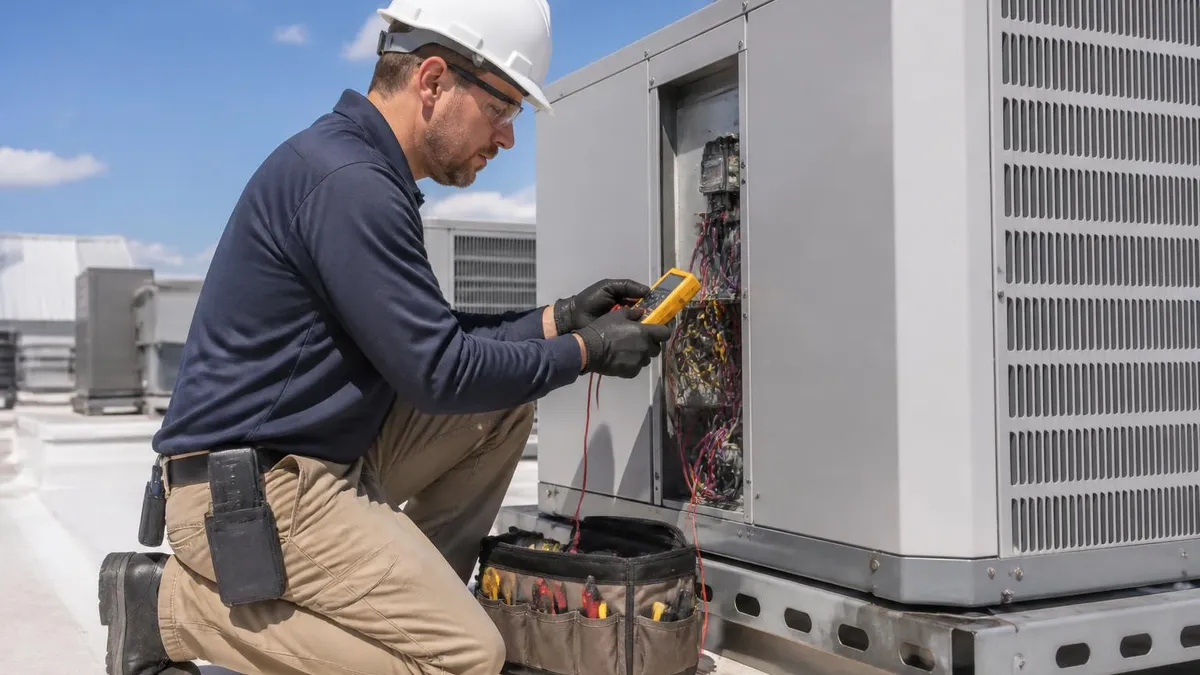
HVAC Repair Portland: The Complete 2026 Homeowner's Guide to Furnace, AC, and Heat Pump Service in the Rose City

HVAC Tune Up Service: The Complete Guide to Professional HVAC Maintenance and Why It Pays for Itself
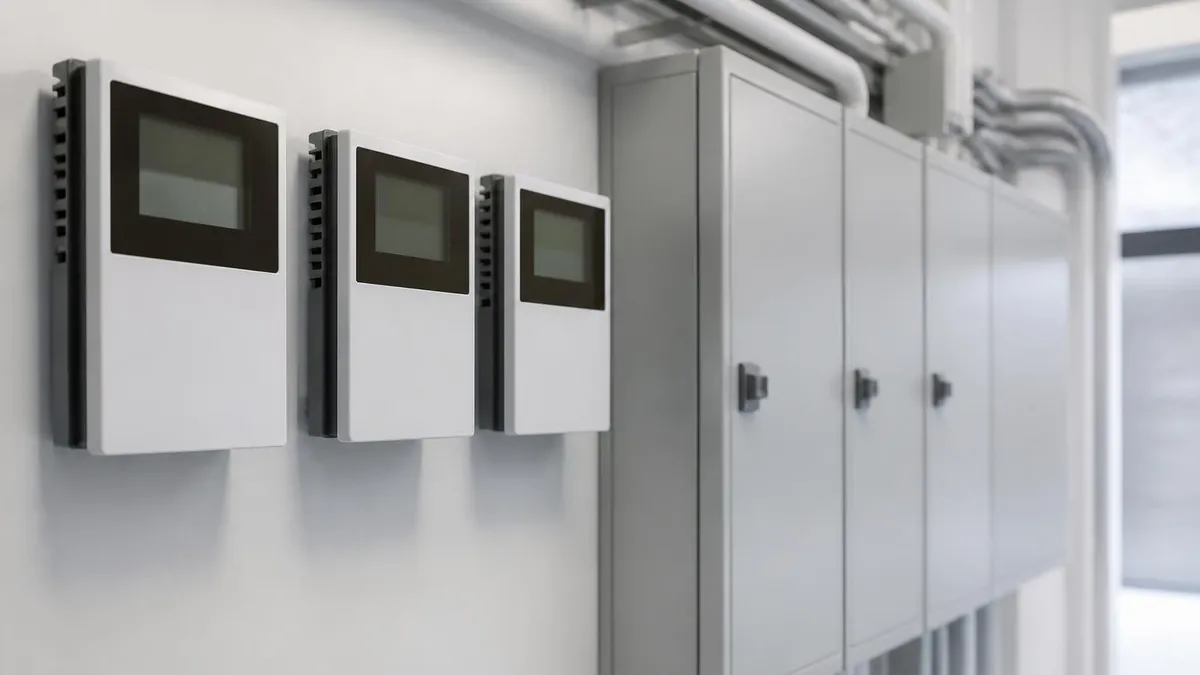
HVAC Solutions: The Complete Guide to Heating, Cooling, and Indoor Air Quality Systems for Homes and Buildings
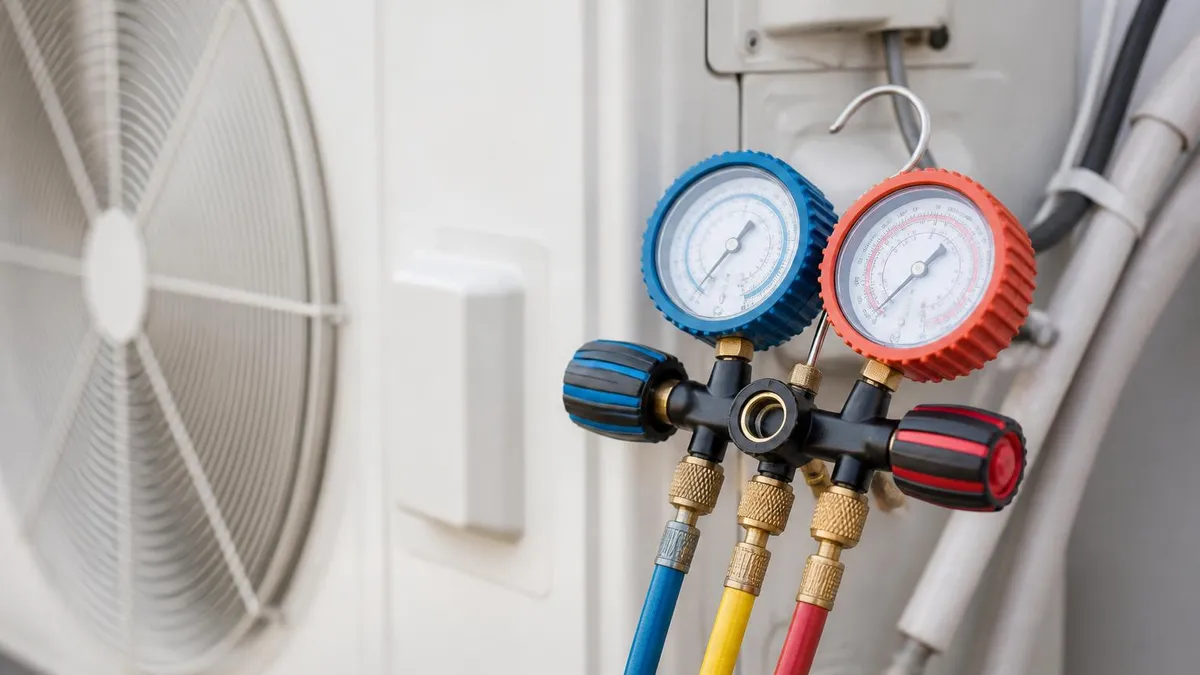
Certified HVAC Contractors: How to Find, Vet, and Hire the Right Professional for Your Home or Business

HVAC Parts and Supply: The Complete Guide to Sourcing, Identifying, and Buying Heating and Cooling Components in 2026
About the Author

NATE Certified HVAC Technician & Licensing Exam Trainer
Universal Technical InstituteMike Johnson is a NATE-certified HVAC technician and EPA 608 universal-certified refrigerant handler with a Bachelor of Science in HVAC/R Technology. He has 19 years of commercial and residential HVAC installation and service experience and specializes in preparing technicians for NATE certification, EPA 608, A2L refrigerant safety, and state HVAC contractor licensing examinations.