
HVAC Industry: Complete Guide to Careers, Certifications, Salaries, and Growth in Heating, Ventilation, and Air Conditioning
Explore the HVAC industry — ❓ job outlook, average salaries, certifications, and how to start a rewarding career in heating and cooling.
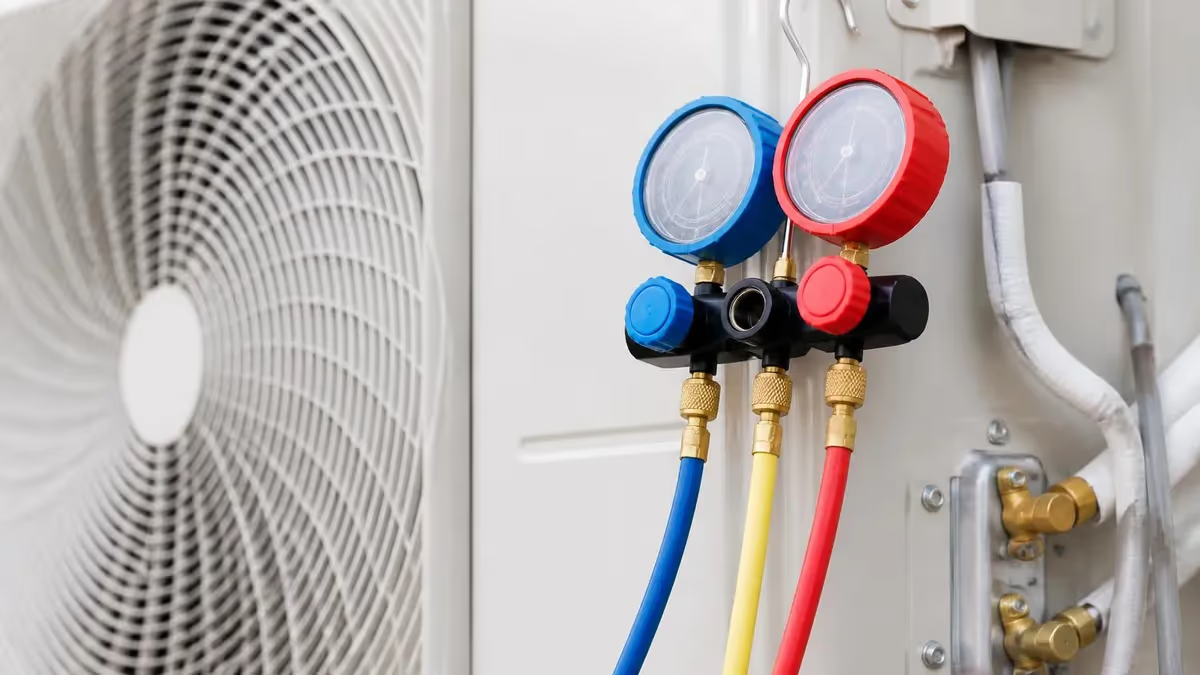
The HVAC industry is one of the most stable and fast-growing skilled trades in the United States, employing more than 376,000 technicians and projected to add tens of thousands of new jobs over the next decade. Heating, ventilation, and air conditioning systems keep homes comfortable, maintain safe indoor air quality in hospitals and schools, and protect sensitive equipment in data centers.
Whether you are considering entering the trade, advancing your career, or simply trying to understand how this massive sector works, this guide covers everything you need to know about the modern HVAC industry from certifications and salaries to emerging technology and career pathways.
HVAC technicians are among the most in-demand tradespeople in America today. The Bureau of Labor Statistics projects employment growth of roughly 9 percent through 2033, outpacing the average for all occupations. This demand is driven by the aging housing stock that requires system replacements, stricter building energy codes that mandate more efficient equipment, and the ongoing construction of commercial facilities across the country. Homeowners and businesses alike depend on trained HVAC professionals to install, maintain, and repair equipment that represents a significant capital investment, often worth tens of thousands of dollars per building.
Understanding how the hvac industry is structured helps newcomers choose the right entry point. The trade spans residential service, commercial installation, industrial refrigeration, and specialty applications like cleanroom climate control. Each segment has distinct skill requirements, licensing expectations, and earning potential. A technician who starts in residential tune-ups can build toward commercial project management, refrigeration engineering, or even entrepreneurship by opening an independent HVAC contracting business after several years of hands-on experience and business development skills.
Licensing and certification requirements vary by state, but most jurisdictions require technicians to hold at least an EPA Section 608 certification before handling refrigerants. Beyond that federal baseline, states like California, Texas, and Florida impose additional contractor licensing exams that test knowledge of electrical theory, load calculations, code compliance, and business law. Passing these exams demonstrates professional competency to customers and positions technicians for higher-paying roles. Preparation through practice tests and structured study is consistently the most effective approach used by candidates who pass on their first attempt.
Technology is reshaping what it means to be an HVAC professional. Smart thermostats, variable-speed compressors, and building automation systems now communicate over internet protocols, meaning modern technicians must understand both mechanical systems and basic networking concepts. Heat pump adoption is accelerating because of federal incentives under the Inflation Reduction Act, and heat pumps require different diagnostic approaches than traditional furnaces or split systems. Technicians who invest in training on these emerging platforms are commanding premium hourly rates and are the first called when employers need reliable talent for high-value projects.
The financial rewards of a career in HVAC are substantial and reachable without a four-year college degree. Entry-level apprentices typically earn between $18 and $22 per hour, while experienced journeymen average $28 to $38 per hour depending on region and specialization. Master technicians and HVAC engineers in commercial or industrial roles frequently earn six-figure annual incomes. When you factor in the relatively low cost of trade school compared to a university degree, the return on investment for HVAC training is among the highest of any vocational path available to young Americans entering the workforce today.
This guide is organized to walk you through the HVAC industry from the ground up: industry size and statistics, career pathways, required certifications, the pros and cons of working in the trade, and practical study tips for the exams that gate entry into higher-paying roles. Use the table of contents to jump to the sections most relevant to your situation, and take advantage of the free practice tests linked throughout to test your knowledge as you prepare for certification exams.
HVAC Industry by the Numbers
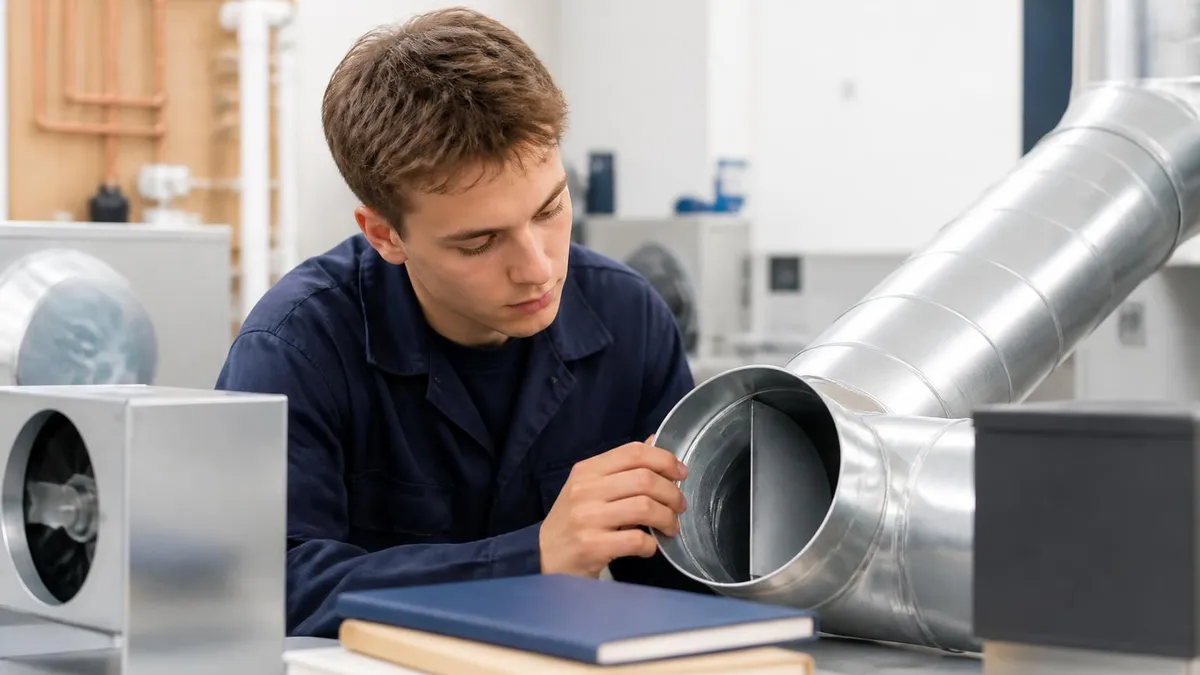
Career Pathways in the HVAC Industry
Install, maintain, and repair heating and cooling systems in single-family homes and apartments. Entry-level roles are abundant, and experienced residential techs often earn premium wages through service call volume and upselling maintenance agreements.
Work on large rooftop units, chillers, and building automation systems in offices, retail centers, and hospitals. Commercial roles demand stronger electrical and controls knowledge but reward technicians with steady work and higher project-based compensation.
Maintain ammonia and CO2 refrigeration systems in food processing plants, cold storage warehouses, and pharmaceutical facilities. This niche requires specialized licensing and pays among the highest wages in the entire HVAC trade.
Program and troubleshoot building automation systems (BAS), smart thermostats, and variable air volume controllers. This hybrid role blends IT skills with mechanical knowledge and is rapidly growing as smart building adoption accelerates nationwide.
Lead installation crews, manage subcontractor relationships, and prepare bid estimates for construction projects. Senior technicians often transition into this role after five or more years in the field, earning salaries well above the trade average.
Certifications are the backbone of professional credibility in the HVAC industry. The most universally required credential is the EPA Section 608 certification, which the Environmental Protection Agency mandates for any technician who purchases, handles, or recovers regulated refrigerants. There are four types: Type I covers small appliances, Type II covers high-pressure systems, Type III covers low-pressure systems, and Universal covers all categories. Most employers require Universal certification because it demonstrates competency across the broadest range of equipment, making technicians more versatile and deployable on any job site regardless of system type.
Beyond the federal EPA requirement, a range of voluntary industry certifications signal deeper expertise to employers and customers. NATE — the North American Technician Excellence certification — is the most widely recognized voluntary credential in the residential and light commercial segment. NATE exams are rigorous and cover specialty areas including air conditioning, heat pumps, gas heating, hydronics, and air distribution. Many HVAC contractors actually require NATE certification for senior technicians because certified techs statistically complete jobs faster, make fewer callbacks, and generate higher customer satisfaction scores than non-certified peers.
State contractor licensing is a separate layer that HVAC business owners and lead technicians must navigate carefully. Requirements differ dramatically by jurisdiction. Texas requires separate HVAC contractor and technician licenses administered through the Texas Department of Licensing and Regulation, complete with supervised hours and written exams. Florida requires both a state contractor license and local municipality permits for most installation work. California has among the most stringent requirements, demanding passage of both a trade exam and a business and law exam administered by the Contractors State License Board before any HVAC work can be performed under a company's own license.
Refrigerant handling rules are evolving quickly in response to environmental regulations. The phase-down of R-22 (Freon) is complete, and the industry is now mid-transition away from high-global-warming-potential HFCs like R-410A toward lower-GWP alternatives including R-32, R-454B, and R-32 blends. Technicians who understand the flammability classifications, pressure differentials, and recovery procedures for these newer refrigerants are commanding a wage premium in markets where equipment with the new refrigerants is already being installed. EPA Section 608 is being updated to cover refrigerants like R-290 (propane), which requires additional safety training due to its flammability characteristics.
Apprenticeship programs remain the most reliable pipeline into the HVAC trade for newcomers without prior experience. The two main national pathways are HVAC Excellence's apprenticeship framework and programs run through UA Local unions affiliated with the United Association of Plumbers and Pipefitters.
Both combine on-the-job training with classroom instruction, typically over four to five years, and result in journeyman status upon completion. Apprentices earn wages that increase with each year of the program, so there is no need to take on debt while learning — a major advantage compared to traditional college degree programs that require tuition payments before any income is earned.
Continuing education keeps certified technicians current with code changes and technology advances. The International Mechanical Code (IMC) and ASHRAE standards are updated on regular cycles, and many states require proof of continuing education hours to renew contractor licenses. Online platforms, manufacturer training programs, and community college courses all count toward these requirements. Manufacturers like Carrier, Trane, and Lennox offer factory-certified training that also carries marketing value — customers often seek out contractors whose technicians are certified to work on specific equipment brands, giving these credentials a direct commercial benefit beyond just regulatory compliance.
Preparing for HVAC certification exams requires a structured approach rather than passive reading. Candidates consistently report that working through practice questions under timed conditions is far more effective than reviewing textbooks alone. The EPA Section 608 exam in particular rewards pattern recognition: the same refrigerant pressure-temperature relationships, recovery procedures, and leak detection rules appear across many questions in slightly different forms. Taking targeted practice tests exposes these patterns quickly, builds confidence, and identifies weak areas that need additional study before exam day.
HVAC Practice Test Questions
Prepare for the HVAC - Heating Ventilation and Air Conditioning exam with our free practice test modules. Each quiz covers key topics to help you pass on your first try.
HVAC Air Conditioning
HVAC Exam Questions covering Air Conditioning. Master HVAC Test concepts for certification prep.
HVAC Code Compliance
Free HVAC Practice Test featuring Code Compliance. Improve your HVAC Exam score with mock test prep.
HVAC Electrical Controls
HVAC Test Prep for Electrical Controls. Practice HVAC Quiz questions and boost your score.
HVAC Energy Efficiency
HVAC Questions and Answers on Energy Efficiency. Free HVAC practice for exam readiness.
HVAC Heating Systems
HVAC Mock Test covering Heating Systems. Online HVAC Test practice with instant feedback.
HVAC Load Calculations
Free HVAC Quiz on HVAC Load Calculations. HVAC Exam prep questions with detailed explanations.
HVAC Tools and Equipment
HVAC Practice Questions for HVAC Tools and Equipment. Build confidence for your HVAC certification exam.
HVAC Refrigeration
HVAC Test Online for Refrigeration. Free practice with instant results and feedback.
HVAC Safety Practices
HVAC Study Material on Safety Practices. Prepare effectively with real exam-style questions.
HVAC System Design
Free HVAC Test covering System Design. Practice and track your HVAC exam readiness.
HVAC Thermodynamics
HVAC Exam Questions covering Thermodynamics. Master HVAC Test concepts for certification prep.
HVAC Industry Salaries by Role and Region
Entry-level HVAC apprentices typically earn between $18 and $22 per hour in most U.S. markets, translating to roughly $37,000 to $46,000 annually. In high-cost metro areas like San Francisco, New York City, and Seattle, starting wages can reach $24 to $28 per hour due to local prevailing wage rules and intense competition for qualified labor. Apprentices in union programs often receive structured wage increases every six months, making the financial ramp-up predictable from day one of training.
The advantage of entering the HVAC trade over other entry-level paths is that wages start well above the federal minimum and grow steadily with demonstrated competency. Many employers also offer signing bonuses in markets where technician shortages are acute, particularly in the Sun Belt states of Florida, Texas, Arizona, and Georgia where construction activity and aging housing stock create year-round demand for both installation and service technicians regardless of season.
Pros and Cons of a Career in the HVAC Industry
- +High and stable job demand driven by climate change, construction growth, and aging infrastructure nationwide
- +No four-year degree required — apprenticeships and trade programs provide job-ready training in two to five years
- +Strong earning potential with median wages exceeding $57,000 and senior roles reaching six figures
- +Entrepreneurship pathway is clear — experienced technicians can launch independent HVAC businesses with relatively low startup capital
- +Work is physical and varied — each service call or installation presents unique diagnostic challenges rather than repetitive tasks
- +Federal incentives for heat pumps and energy-efficient systems are generating strong new demand from homeowners and commercial clients
- −Physical demands are significant — work often involves cramped crawlspaces, hot attics, and heavy equipment lifting that can lead to long-term injuries
- −Seasonal income fluctuations affect residential technicians — summers and winters are peak seasons while spring and fall may bring reduced hours
- −Refrigerant regulations and technology transitions require continuous education investment to stay current and employable
- −On-call emergency service requirements are common, especially for commercial accounts that cannot tolerate system downtime overnight or on weekends
- −Licensing requirements vary by state, complicating career moves across state lines for technicians who must requalify in new jurisdictions
- −Heat and cold exposure during fieldwork creates challenging working conditions, particularly for technicians in extreme climate regions
HVAC Career Readiness Checklist
- ✓Obtain EPA Section 608 Universal certification before applying for any technician role.
- ✓Complete a formal HVAC apprenticeship or accredited trade school program of at least two years.
- ✓Research your state's contractor licensing requirements early so you can plan your hours and exam timeline.
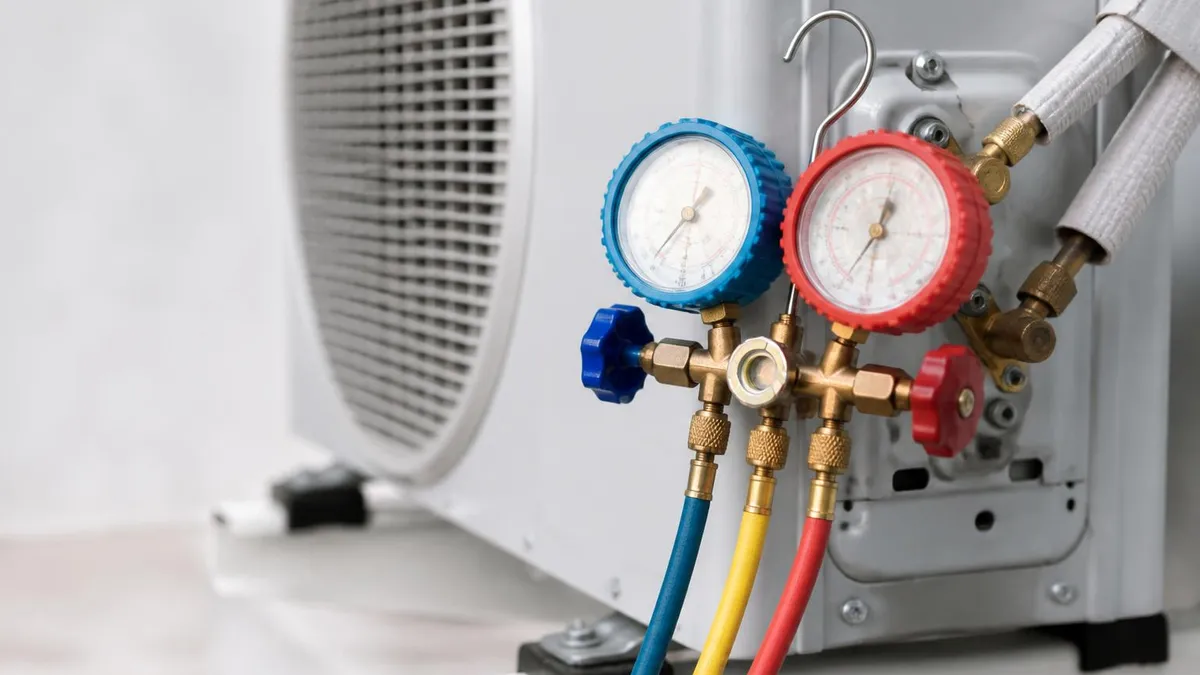
- ✓Purchase a quality set of hand tools including manifold gauges, refrigerant recovery equipment, and multimeter.
- ✓Study NATE certification objectives and take at least two practice exams before sitting for the live test.
- ✓Build working knowledge of at least two major equipment brands through manufacturer training programs.
- ✓Learn to read and interpret electrical wiring diagrams for control boards and safety circuits.
- ✓Familiarize yourself with the International Mechanical Code and your local jurisdiction's adopted amendments.
- ✓Create a continuing education plan to accumulate required CEU hours before your first license renewal date.
- ✓Shadow an experienced technician on commercial jobs to observe BAS controls, chiller operation, and large-tonnage equipment.
Heat Pump Demand Is Creating a Skills Gap
Federal Inflation Reduction Act rebates of up to $8,000 per household for qualifying heat pump installations are driving a surge in demand that is outpacing the supply of technicians trained on heat pump diagnostics. HVAC professionals who complete heat pump-specific training now are entering one of the highest-demand and best-compensated segments of the trade, with many contractors paying a ten to fifteen percent wage premium for heat pump-certified technicians in markets where the technology is already mainstream.
Emerging technologies are transforming the HVAC industry faster than at any previous point in its history. The shift toward smart, connected systems is not a distant forecast — it is already happening in new residential construction and commercial retrofits across the country. Modern thermostats from manufacturers like Ecobee and Google Nest collect occupancy data, learn household patterns, and communicate over Wi-Fi to optimize runtime efficiency. Technicians who can configure these devices, troubleshoot their firmware, and integrate them with smart home ecosystems are performing tasks that did not exist in the trade just ten years ago.
Variable refrigerant flow (VRF) systems represent another major technology shift that is reshaping commercial HVAC installation and service. VRF systems from manufacturers like Mitsubishi, Daikin, and LG use inverter-driven compressors to modulate refrigerant flow precisely to each zone of a building, achieving efficiencies that traditional constant-volume systems cannot match. Installing and commissioning a VRF system requires mastery of multi-port branching, refrigerant piping design, and manufacturer-specific software tools. Technicians with VRF certification are in short supply nationally, creating a meaningful wage premium for those who invest in this training.
Heat pumps — including air-source, ground-source, and water-source variants — are central to the decarbonization of building heating in the United States. Air-source heat pumps have improved dramatically in cold-weather performance, with modern units capable of maintaining heating output down to minus fifteen degrees Fahrenheit. This technology improvement has made heat pumps viable in northern markets like Minnesota, Maine, and Michigan for the first time. Technicians in these regions who previously focused entirely on gas furnace service must now build competency in heat pump refrigerant circuits, defrost cycles, and auxiliary heat integration to serve their evolving customer base.
Indoor air quality (IAQ) has risen to prominence since the COVID-19 pandemic heightened public awareness of airborne transmission risks. Building owners, school administrators, and healthcare facility managers are investing heavily in ultraviolet germicidal irradiation (UVGI) systems, high-MERV filtration upgrades, and energy recovery ventilators (ERVs) that provide fresh air without the energy penalty of exhausting conditioned air. HVAC technicians who can conduct IAQ assessments, recommend appropriate solutions, and perform proper filter and ventilation balance work are tapping into a growing service category that commands premium pricing and generates strong customer loyalty.
Building automation systems are growing more sophisticated as the Internet of Things (IoT) connects HVAC equipment with lighting, access control, fire suppression, and elevator systems into integrated facility management platforms. Companies like Johnson Controls, Siemens, and Honeywell deploy BAS software that enables facility managers to monitor energy consumption, schedule preventive maintenance, and receive real-time alerts for equipment faults. HVAC technicians who earn certifications in specific BAS platforms become highly sought-after by large commercial facilities that need professionals capable of working across both the mechanical and digital layers of their building infrastructure.
Energy codes are tightening at both the state and federal levels, pushing minimum efficiency requirements higher with each code cycle. The Department of Energy updated minimum efficiency standards for central air conditioners and heat pumps in 2023, retiring older SEER ratings in favor of the new SEER2 metric that accounts for external static pressure in real-world installations.
Technicians must understand SEER2 ratings, how to verify equipment compliance during installation, and how to explain the financial benefits of higher-efficiency equipment to customers making purchase decisions. This knowledge creates natural upselling opportunities that increase ticket size and improve company profitability on every job.
Sustainability and green building certification programs like LEED (Leadership in Energy and Environmental Design) and WELL are influencing how HVAC systems are designed and commissioned in commercial construction. Mechanical engineers specifying systems for LEED-certified buildings require contractors to demonstrate commissioning procedures, outdoor air measurement verification, and energy modeling compliance. HVAC technicians who understand these commissioning protocols and can provide the documentation that green building certifications require are accessing a higher-value segment of the commercial market where competition is less price-sensitive and relationships with mechanical engineering firms produce long-term project pipelines.

R-410A production and import limits are being phased down starting in 2025 under EPA regulations implementing the AIM Act. Technicians who stock up on recovery cylinders, update their manifold gauges for A2L refrigerants, and complete safety training for mildly flammable refrigerants now will avoid the equipment scrambles and training gaps that plagued the industry during the earlier R-22 phaseout. Contractors who are unprepared may face service delays and compliance risks that could result in EPA fines of up to $44,539 per day per violation.
Advancing your career in the HVAC industry requires a deliberate strategy that combines technical skill development with business acumen and professional networking. Many technicians plateau at the journeyman level not because they lack technical ability but because they have not invested in the soft skills and credentials that employers use to identify candidates for lead technician, supervisor, and project management roles. Understanding how to advance means understanding what decision-makers at HVAC companies actually look for when promoting from within or hiring for senior positions.
The single most impactful career advancement step for working technicians is earning NATE certification, which provides third-party validation of technical competency that carries weight with both employers and customers. NATE-certified technicians are prominently featured in many contractors' marketing materials because customers respond positively to the credential, viewing it as a proxy for quality and reliability.
Beyond NATE, pursuing manufacturer certifications from brands with large installed bases in your local market — whether that is Trane, Carrier, Lennox, or a regional brand — creates specialized expertise that makes you the go-to person for that equipment and generates employer loyalty through difficult-to-replace knowledge.
Leadership development is the bridge between field technician and management roles. HVAC companies are small businesses for the most part, and owners need supervisors who can manage crews, communicate professionally with general contractors, and handle challenging customer interactions without escalation. Technicians who volunteer to mentor apprentices, take on dispatcher coordination responsibilities during busy seasons, or represent their employer at trade association meetings are demonstrating the leadership qualities that get rewarded with promotions and salary increases. Joining organizations like ACCA (Air Conditioning Contractors of America) or ASHRAE provides both continuing education and networking access to industry leaders.
Starting your own HVAC business is a realistic aspiration for experienced technicians who develop the necessary business knowledge alongside their trade skills. The barriers to entry are meaningful — you need a contractor's license, general liability and workers' compensation insurance, a service vehicle, tools, and enough working capital to cover payroll and materials before customer payments arrive — but they are not prohibitive compared to starting a business in many other industries.
Many successful HVAC business owners began with a used service van, a cell phone, and a strong reputation built over years of excellent work for a previous employer whose customers followed them when they went independent.
Financial literacy is an underappreciated skill for HVAC professionals at every level. Understanding job costing — knowing the real cost of labor, materials, overhead, and desired profit margin on every job — is essential for estimators and business owners. Even employed technicians benefit from understanding how their productivity and callbacks affect company profitability, because that understanding enables more persuasive conversations about compensation increases. Reading books like Contractor's Success System or taking small business courses through local community colleges gives HVAC professionals a financial vocabulary that pays dividends throughout their careers regardless of whether they eventually start their own company.
Online presence and reputation management have become important career tools for HVAC technicians and contractors in the digital age. Customers routinely check Google reviews, Yelp ratings, and company websites before booking service calls, meaning that technicians who generate positive reviews through excellent communication and clean, thorough work are directly contributing to employer revenue. For independent contractors, maintaining an optimized Google Business Profile, responding to all reviews professionally, and building a service area website with helpful educational content can generate a steady stream of inbound calls that reduces or eliminates dependence on expensive lead generation platforms like Angi or HomeAdvisor.
Mentorship is a powerful and often underutilized career accelerant in the skilled trades. Identifying experienced HVAC professionals who are willing to share their knowledge — whether through formal apprenticeship programs, industry associations, or informal relationships cultivated at trade shows and training events — provides access to hard-won experiential knowledge that would take years to develop independently.
Equally important is paying that mentorship forward by guiding newer entrants into the trade, because teaching reinforces your own knowledge, builds your professional reputation, and creates loyalty among the next generation of technicians who will remember who helped them when they were starting out in the field.
Preparing for HVAC certification exams is a skill in itself, and candidates who approach exam preparation strategically consistently outperform those who rely on job experience alone. Real-world field experience is valuable, but exam questions are written to specific standards documents — the EPA 608 exam references specific regulations, NATE exams reference manufacturer specifications and ASHRAE standards, and state contractor licensing exams reference specific code editions adopted by that jurisdiction. Knowing which source materials an exam draws from lets you study with precision rather than reviewing everything indiscriminately.
Practice tests are the most efficient study tool available for HVAC certification exams. Simulating the test-taking experience under realistic time pressure activates different cognitive processes than passive reading, causing your brain to encode information more durably.
When you miss a practice question, the moment of confusion followed by the correct explanation creates a memory anchor that significantly increases the likelihood you will recall that information correctly on exam day. Candidates who complete 200 or more practice questions before their EPA 608 exam consistently report passing with confidence, while those who only study notes often struggle with the specific wording and scenario-based questions on the live exam.
Time management during the actual exam is often underestimated as a performance factor. Many HVAC certification exams include questions that require multi-step calculations — such as converting between pressure and temperature using refrigerant tables, or calculating load using the sensible heat formula.
Spending too long on difficult questions early can create time pressure on easier questions later. A useful strategy is to answer every question you are confident about first, mark uncertain questions for review, and then return to the harder items with the remaining time, ensuring you capture every point you have already earned before tackling the ones that require more deliberation.
Study groups are an underutilized resource for HVAC exam candidates. Studying alongside other technicians preparing for the same exam surfaces different perspectives on confusing concepts and creates accountability that helps candidates maintain preparation momentum through busy work schedules. Many HVAC trade schools, union halls, and community colleges offer structured exam prep courses that combine instructor-led review with group practice sessions. If a formal group is not available locally, online forums and social media groups dedicated to HVAC certification preparation provide similar benefits and are accessible from any location.
Physical hands-on practice complements written study in ways that are difficult to replicate with books alone. If you have access to training equipment — whether through an employer, a trade school lab, or a personal practice setup — spend time recovering refrigerant, reading pressure-temperature charts on actual equipment, and wiring control boards to real components. The muscle memory and visual association built through hands-on practice makes abstract concepts from the study materials concrete and memorable. Candidates who combine hands-on practice with targeted written study routinely achieve the highest exam scores among their cohort.
Mental and physical preparation on exam day matters more than most candidates acknowledge. Arriving at the testing center well-rested, having eaten a substantial meal, and having reviewed key formulas and concepts the morning of the exam puts you in the optimal state for performance. HVAC certification exams are not designed to trick you — they are designed to verify that you have achieved a defined level of competency.
Approaching the exam with calm confidence rather than anxiety makes a measurable difference in how accurately you recall the material you have studied and how clearly you can work through scenario-based questions that require applying multiple concepts simultaneously.
After passing your initial certification, maintain the habit of continuous learning that got you there. The HVAC industry changes rapidly enough that technicians who stop studying after earning their first credential find themselves behind the technology curve within five years. Subscribe to trade publications like ACHR News, attend regional HVACR Expo events, and complete manufacturer webinars on new product releases.
Each of these activities takes modest time individually but compounds into a substantial knowledge advantage over the span of a career, making you the technician that employers call first when a new technology arrives on a job site and someone needs to figure it out fast.
HVAC Questions and Answers
HVAC Sales: The Complete Guide to Selling Heating and Cooling Systems, Building Customer Trust, and Closing More Deals

HVAC Air Duct Sealing: The Complete Homeowner and Contractor Guide to Sealing Ductwork for Efficiency, Comfort, and Indoor Air Quality
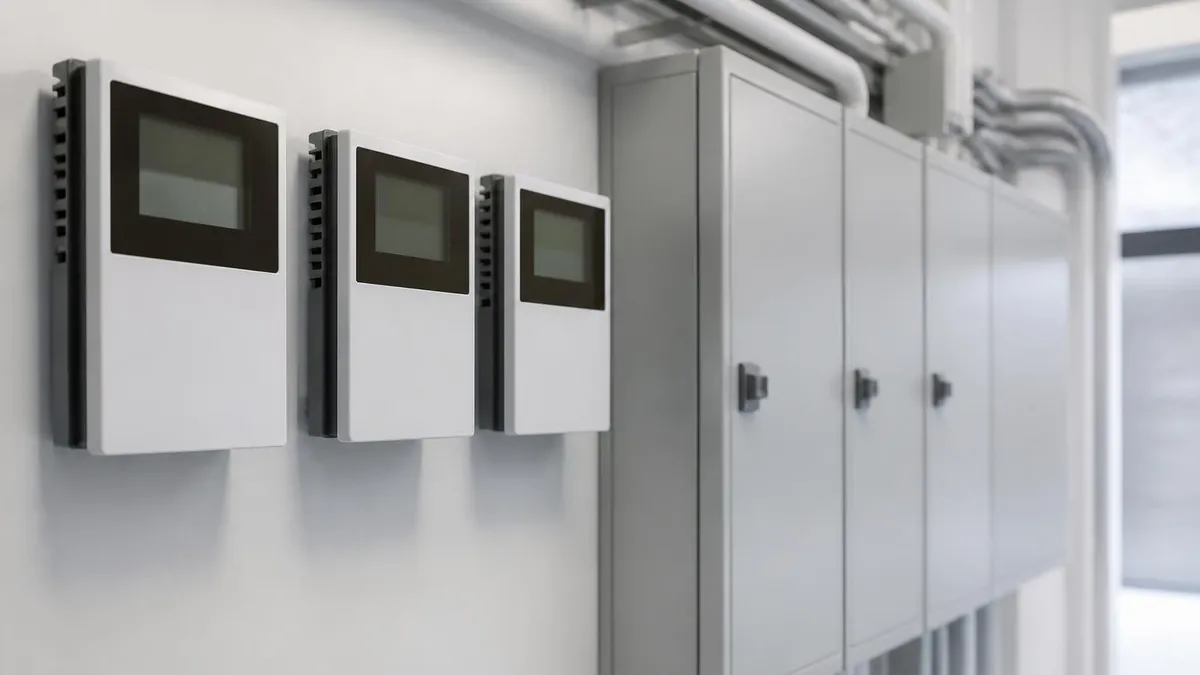
HVAC Solutions: The Complete Guide to Heating, Cooling, and Indoor Air Quality Systems for Homes and Buildings

Commercial HVAC Repair: Systems, Costs, and Service Strategies
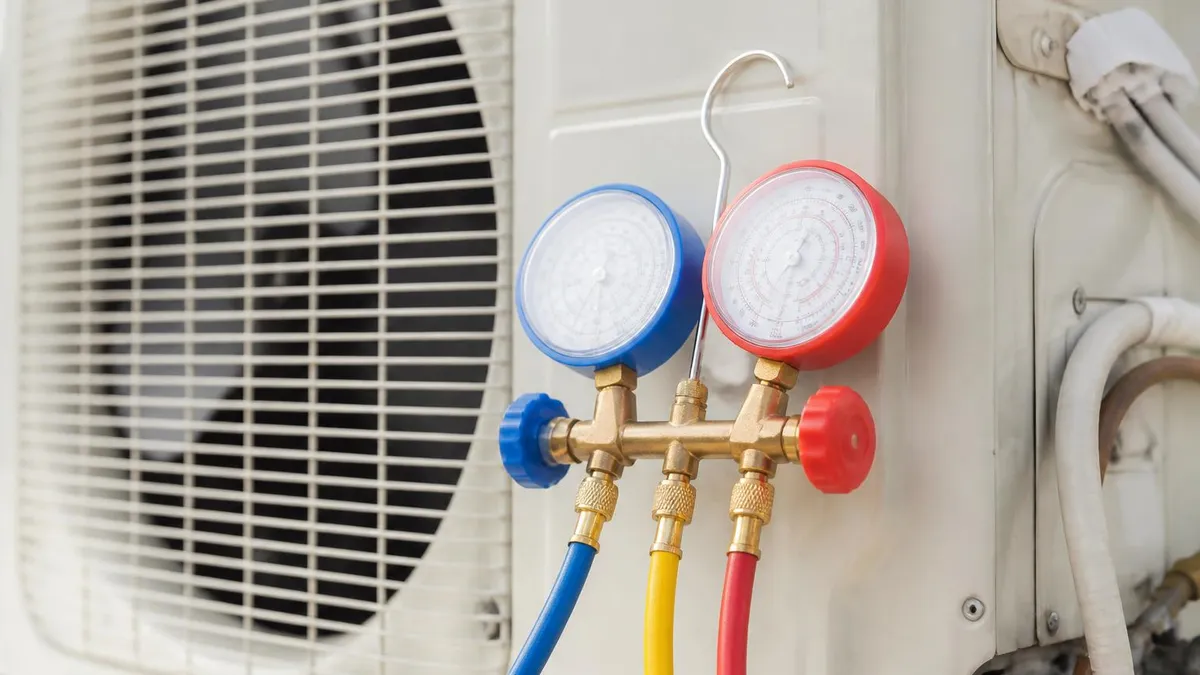
HVAC Apprenticeship Programs: Your Complete Guide to Starting a Hands-On Career in Heating, Ventilation, and Air Conditioning
About the Author

NATE Certified HVAC Technician & Licensing Exam Trainer
Universal Technical InstituteMike Johnson is a NATE-certified HVAC technician and EPA 608 universal-certified refrigerant handler with a Bachelor of Science in HVAC/R Technology. He has 19 years of commercial and residential HVAC installation and service experience and specializes in preparing technicians for NATE certification, EPA 608, A2L refrigerant safety, and state HVAC contractor licensing examinations.