
How to Get HVAC Certified: The Complete Training and Licensing Guide for 2026 September
✍🏼 Learn how to get HVAC certified step by step. Covers EPA 608, state licenses, apprenticeships, costs, and exam prep tips for 2026 September.
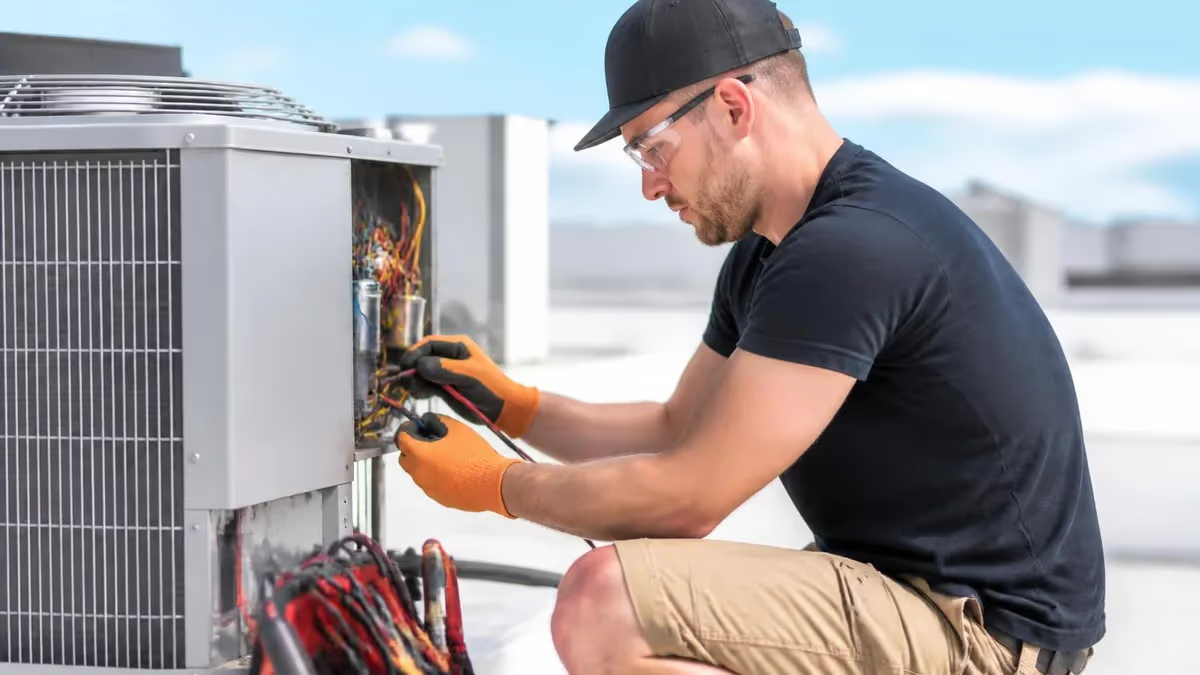
Understanding how to get HVAC certified is the first step toward one of the most stable and well-paying skilled trades in the United States. The HVAC industry employs over 400,000 technicians nationwide, and the Bureau of Labor Statistics projects 9% job growth through 2033 — faster than most other occupations. Whether you are switching careers, just finishing high school, or looking to formalize skills you already have on the job, certification opens doors to higher pay, better employers, and legally required work in most states. This guide walks you through every stage of the process from enrollment to exam day.
The certification pathway typically begins with enrolling in a formal training program at a community college, vocational school, or trade school. Programs range from six-month certificate courses to two-year associate degree programs, and costs typically run between $1,200 and $15,000 depending on the institution and duration. Community colleges tend to be the most affordable option, often offering evening classes so students can continue working during training. During this phase you will cover refrigerant handling, electrical theory, sheet metal fabrication, combustion principles, and load calculation — the foundational knowledge the industry expects every technician to master.
After completing a training program most technicians pursue an apprenticeship. The HVAC Excellence and NCCER both offer nationally recognized apprenticeship tracks, but many technicians enter apprenticeships through local union halls affiliated with SMART (Sheet Metal, Air, Rail and Transportation Workers) or UA (United Association of Plumbers and Pipefitters). Apprenticeships typically last four to five years and combine paid on-the-job hours with classroom instruction. Apprentices start earning a percentage of journeyman wages — usually 40 to 50 percent — that increases as they advance through the program, making this an earn-while-you-learn path that many prefer over full-time schooling.
The EPA 608 certification is the only federally mandated credential in the HVAC trade, and no technician may legally purchase or handle refrigerants without it. The exam is administered by dozens of approved organizations including ESCO Institute, HVAC Excellence, and Mainstream Engineering. It covers four sections: Core (universal refrigerant rules), Type I (small appliances), Type II (high-pressure systems), and Type III (low-pressure systems). Most technicians who work on residential and commercial equipment aim for the Universal certificate, which covers all four sections. Passing scores require 70% or better on each section and results are available immediately after computer-based testing.
Beyond the EPA 608, most states require a separate state-issued contractor or journeyman license to perform work legally. Requirements vary widely: Texas requires separate licenses for each trade specialty, California requires passing the C-20 exam through the CSLB, and Florida requires passing the HVAC contractor exam administered by Pearson VUE. Some states like Arizona have both a registrar-level and a contractor-level credential with different experience thresholds. Before you plan your certification path, research your specific state's licensing board requirements so you can sequence your credentials correctly and avoid delays.
Industry certifications from organizations like NATE (North American Technician Excellence) are not legally required but carry enormous professional weight. Many major employers — including Carrier, Trane, and large regional contractors — require NATE certification as a condition of employment or for working on warranty equipment. NATE offers specialty certifications in Air Conditioning, Heat Pumps, Gas Heating, Oil Heating, and more, each requiring a passing score of 70% on a proctored exam. Holding a NATE certification typically translates to a $2 to $5 per hour wage premium and signals to customers that you have been independently tested on current industry standards.
If you are exploring how certifications connect to broader career moves in the industry — including transitioning into a sales or account management role — it is worth reading about how to get hvac certified skills translate into business development opportunities. Many experienced technicians leverage their technical credentials to move into consultative sales roles, where the combination of hands-on expertise and product knowledge commands six-figure incomes. Understanding the full career landscape from the start helps you make smarter decisions about which certifications to prioritize and how to position yourself for long-term advancement in the trade.
HVAC Certification by the Numbers
Step-by-Step Path to HVAC Certification
Complete a Formal Training Program
Enter an Apprenticeship
Pass the EPA 608 Exam
Obtain State Licensure
Pursue NATE or Specialty Certifications
Choosing the right training program is one of the most important decisions you will make on your path to HVAC certification. The quality and content of your education directly affects how prepared you will be for both certification exams and real-world service calls. When evaluating programs, look for accreditation from HVAC Excellence or the Partnership for Air-Conditioning, Heating, Refrigeration Accreditation (PAHRA). These bodies set curriculum standards that align closely with what the industry expects from entry-level technicians, and their seal signals to employers that your training was rigorous and comprehensive rather than a quick-certificate shortcut.
Community colleges are consistently the most affordable path, with tuition often running between $1,500 and $5,000 for a full certificate program. Many offer evening and weekend scheduling specifically designed for working adults, and financial aid including Pell Grants is available to eligible students. States like Texas, California, and Florida have extensive community college HVAC programs that partner directly with local contractors to provide clinical and hands-on learning environments. If cost is your primary concern, a community college certificate followed by an apprenticeship is likely your most financially efficient route to full certification.
Private trade schools and vocational institutes like UTI (Universal Technical Institute) and Lincoln Tech offer accelerated programs that can be completed in as little as six months. The trade-off is cost: tuition often ranges from $10,000 to $20,000, and students should carefully evaluate job placement rates and employer relationships before enrolling. Some programs include manufacturer-specific certifications from companies like Carrier, Lennox, or Trane, which add tangible value for employment with authorized dealers. Always request and review graduate employment data from any private school you consider — reputable schools publish this information transparently.
Online learning has become a genuine option for the theoretical portion of HVAC training, though hands-on lab work still requires in-person instruction. Platforms like Penn Foster and Ashworth College offer distance-learning HVAC programs that cover refrigeration theory, electrical fundamentals, and HVAC codes at your own pace. These are best used as supplements to hands-on programs or as a way to get foundational knowledge before entering an apprenticeship. No online-only program can fully replace the bench time needed to develop real diagnostic and installation skills — be skeptical of any program that claims otherwise.
Manufacturer training programs represent a specialized but valuable layer of education beyond basic certification. Carrier, Trane, Lennox, Daikin, and Mitsubishi all offer factory training programs that certify technicians on their specific equipment. These are typically short courses — one to five days — that focus on installation, commissioning, and troubleshooting for a particular product line.
Factory certifications are often required for warranty service and can significantly increase your billable rate if you work in a region where those brands are popular. Many contractors will pay for these courses once you are employed, so ask about training benefits during your job search.
The HVAC industry also benefits from a network of manufacturer representative training centers scattered across major metro areas. These centers hold hands-on workshops on topics like mini-split installation, variable refrigerant flow systems, and advanced controls. Attending these workshops — often free or low-cost — keeps you current on emerging technology and builds relationships with equipment reps who can become valuable professional contacts. Staying engaged with continuing education after initial certification is not just good practice; many states require documented continuing education hours for license renewal, typically 8 to 24 hours per renewal cycle depending on jurisdiction.
When comparing programs, ask about equipment age and variety in the lab, instructor credentials and industry experience, relationships with local employers, job placement assistance, and whether the program includes EPA 608 exam prep as part of the curriculum. A program that has recently updated its equipment to include inverter-driven systems and smart thermostats is better positioned to prepare you for the systems you will actually encounter in the field. The gap between textbook HVAC and field HVAC can be significant — the best programs bridge that gap intentionally through their lab design and project-based assignments.
HVAC Practice Test Questions
Prepare for the HVAC - Heating Ventilation and Air Conditioning exam with our free practice test modules. Each quiz covers key topics to help you pass on your first try.
HVAC Air Conditioning
HVAC Exam Questions covering Air Conditioning. Master HVAC Test concepts for certification prep.
HVAC Code Compliance
Free HVAC Practice Test featuring Code Compliance. Improve your HVAC Exam score with mock test prep.
HVAC Electrical Controls
HVAC Test Prep for Electrical Controls. Practice HVAC Quiz questions and boost your score.
HVAC Energy Efficiency
HVAC Questions and Answers on Energy Efficiency. Free HVAC practice for exam readiness.
HVAC Heating Systems
HVAC Mock Test covering Heating Systems. Online HVAC Test practice with instant feedback.
HVAC Load Calculations
Free HVAC Quiz on HVAC Load Calculations. HVAC Exam prep questions with detailed explanations.
HVAC Tools and Equipment
HVAC Practice Questions for HVAC Tools and Equipment. Build confidence for your HVAC certification exam.
HVAC Refrigeration
HVAC Test Online for Refrigeration. Free practice with instant results and feedback.
HVAC Safety Practices
HVAC Study Material on Safety Practices. Prepare effectively with real exam-style questions.
HVAC System Design
Free HVAC Test covering System Design. Practice and track your HVAC exam readiness.
HVAC Thermodynamics
HVAC Exam Questions covering Thermodynamics. Master HVAC Test concepts for certification prep.
EPA 608, State Licenses, and NATE Certification Explained
The EPA 608 certification is the foundational federal credential for any technician who handles refrigerants. It is issued under Section 608 of the Clean Air Act and is required before a technician can legally purchase or recover refrigerants like R-410A, R-22, or R-32. The exam is divided into four sections — Core (universal rules), Type I (small appliances under 5 lbs), Type II (high-pressure systems), and Type III (low-pressure systems) — and passing each section at 70% or above qualifies the technician for that refrigerant type. Universal certification requires passing all four.
Exam prep for the EPA 608 typically takes one to four weeks of focused study. The Core section tests knowledge of ozone depletion, global warming potential, the Montreal Protocol, refrigerant recovery procedures, and recordkeeping requirements. Type II is generally considered the most challenging section and covers recovery techniques for high-pressure systems, leak detection, refrigerant charging, and system evacuation to 500 microns. Study guides are available from ESCO Institute and HVAC Excellence, and many approved test centers offer practice exams online. The certification does not expire and does not require renewal — once you pass, it is valid for life.

Is Pursuing HVAC Certification Worth It?
- +Legally required in most states — you cannot legally purchase refrigerants without EPA 608 certification
- +Higher earning potential — certified technicians earn $2–$8 per hour more than uncertified workers
- +Broader employment options — major contractors and manufacturers require certifications for hiring
- +Career advancement pathway — certifications lead to foreman, estimator, and management roles
- +Job security — HVAC skills are in high demand and cannot be outsourced or automated
- +Portable credentials — EPA 608 and NATE certifications are recognized nationally across all 50 states
- −Upfront training costs can reach $15,000 for full program tuition at private schools
- −Time investment is significant — full apprenticeship takes four to five years to complete
- −Physical demands are high — work involves climbing, lifting, confined spaces, and extreme temperatures
- −State license requirements vary widely, creating complexity if you relocate to another state
- −Continuing education is mandatory in most states — license renewal requires documented training hours
- −Exam failure means retesting fees and delays — each retake costs $20 to $100 depending on the exam
HVAC Certification Preparation Checklist
- ✓Research your state's specific licensing board requirements before enrolling in any training program
- ✓Enroll in an accredited HVAC training program at a community college, trade school, or through an apprenticeship
- ✓Purchase an EPA 608 study guide from ESCO Institute, HVAC Excellence, or a comparable approved organization
- ✓Take at least two to three full practice exams for the EPA 608 Core and Type II sections before test day
- ✓Register for your EPA 608 exam through an approved testing organization and schedule with enough lead time
- ✓Document all field experience hours carefully — most state licenses require verified work hour logs
- ✓Apply for your state journeyman or contractor license as soon as you meet the minimum experience threshold
- ✓Sign up for a NATE specialty exam in your primary area of work (Air Conditioning, Heat Pumps, or Gas Heating)
- ✓Ask your employer about manufacturer-specific training programs offered by Carrier, Trane, or Lennox
- ✓Track continuing education hours from day one to avoid scrambling before your first license renewal cycle
EPA 608 Universal Certification Is Your Single Most Valuable First Credential
While state licenses and NATE certifications matter greatly for employment and wages, the EPA 608 Universal certificate is the one credential every HVAC technician must hold. Without it, you cannot legally purchase or handle refrigerants — period. Most training programs include EPA 608 prep as part of their curriculum, and passing it before or during your apprenticeship signals to employers that you are serious about the trade and ready to contribute on real service calls from day one.
The cost of getting HVAC certified is a real consideration that stops many aspiring technicians from moving forward, but the financial picture is much more manageable than most people assume when they start researching. At the lowest end, you can enter the trade through a union apprenticeship with virtually no upfront tuition — your training costs are covered by the apprenticeship fund, which is financed through small hourly contributions from signatory employers.
You begin earning a paycheck from your first week, with wages that increase annually. This path requires patience and the willingness to accept lower wages for several years, but it graduates journeymen with zero student debt and four to five years of verified field experience.
Community college HVAC programs represent the most affordable school-based option, with tuition typically ranging from $1,500 to $6,000 for a full certificate or associate degree. Federal financial aid through FAFSA — including Pell Grants that do not require repayment — is widely available for community college students.
Many states also offer workforce development grants specifically targeting trades students. The result is that motivated students can often complete a community college HVAC program for less than $2,000 out of pocket after grants and aid are applied. Pair that with an apprenticeship after graduation and you have an extremely cost-effective path to full certification.
Private trade schools are the most expensive option, with total program costs frequently exceeding $15,000 to $20,000. While the accelerated timelines — some as short as six months — are attractive, students should carefully evaluate the return on investment. Look at published placement rates, average starting salaries for graduates, and whether the school has established relationships with local employers who actively recruit from their graduates.
Be wary of programs that rely heavily on aggressive marketing and loan financing but are vague about job placement data. The higher the upfront cost, the more rigorously you should investigate outcomes before signing enrollment agreements.
Exam fees are a modest but real additional cost category. The EPA 608 exam through ESCO Institute costs approximately $20 for digital delivery or $38 for a proctored paper exam. State contractor exams through Pearson VUE or PSI typically run $75 to $150 per attempt. NATE specialty exams cost $130 to $200 depending on the organization administering the test. Many employers will reimburse exam fees for employees who pass, so it is worth asking about employer support before you pay out of pocket. Some union halls also cover exam fees as part of their apprenticeship program benefits.
The ongoing cost of maintaining your credentials should also factor into your financial planning. State license renewals typically cost $50 to $200 every one to three years depending on the state. NATE certification renewal requires either retesting or completing approved continuing education units — CEU courses through HVAC Excellence typically cost $30 to $100 each.
Manufacturer certifications from Carrier, Trane, and Lennox are usually provided free or at reduced cost through dealer networks. Factoring in perhaps $200 to $500 per year in continuing education and renewal costs is prudent so these expenses do not come as a surprise when your first renewal cycle arrives.
Financial aid options extend beyond federal programs. Many trade associations including ACCA (Air Conditioning Contractors of America), ASHRAE, and RSES (Refrigeration Service Engineers Society) offer scholarships specifically for students pursuing HVAC credentials. The Mike Rowe Works Foundation scholarships target trades students who demonstrate work ethic and commitment to skilled work. State workforce boards often have specific grant programs for adults retraining in high-demand fields, and HVAC consistently qualifies as a targeted occupation in most states. Spending an hour researching these sources before committing to a training program can reduce your out-of-pocket costs significantly.
When you look at the long-term return, the investment in HVAC certification makes compelling financial sense. The median annual salary for HVAC technicians was $57,300 as of 2025, with experienced technicians in high-demand markets routinely earning $80,000 to $100,000 or more when overtime and service call premiums are included.
Business owners who hold contractor licenses can earn substantially more. The typical payback period for even the most expensive training program — about two to three years of wage premium over uncertified work — means that certification pays for itself relatively quickly and continues generating returns for the duration of your career.

State licensing boards update their requirements periodically, and relying on outdated information can cost you time and money. Experience thresholds, exam vendors, and continuing education requirements have all changed in multiple states within the past two years. Before you enroll in a training program or submit a license application, go directly to your state's official contractor licensing board website and verify current requirements. Third-party websites — including this one — may not reflect the most recent rule changes.
Career outcomes for certified HVAC technicians are among the strongest in the skilled trades, and the labor market data backs that up consistently. According to the Bureau of Labor Statistics, the HVAC and refrigeration mechanics occupation is projected to add approximately 34,700 new jobs through 2033, driven by residential construction, commercial building activity, climate-related demand for cooling, and the ongoing replacement of aging systems installed during the housing booms of the 1990s and 2000s.
Unlike many industries where automation threatens job displacement, HVAC work requires physical presence, adaptive troubleshooting, and customer interaction that keeps human technicians irreplaceable for the foreseeable future.
Entry-level technicians with EPA 608 certification and one to two years of field experience typically earn between $18 and $24 per hour in most US markets, with wages considerably higher in expensive coastal metro areas like San Francisco, New York, and Boston. Journeyman-level technicians with four to six years of experience and full state licensure commonly earn $25 to $35 per hour in the same markets.
Overtime is frequent in the industry, particularly during peak summer and winter seasons, and many technicians report earning 15 to 25 percent of their base salary in overtime premiums during high-demand periods, pushing total annual compensation well above their base hourly rate.
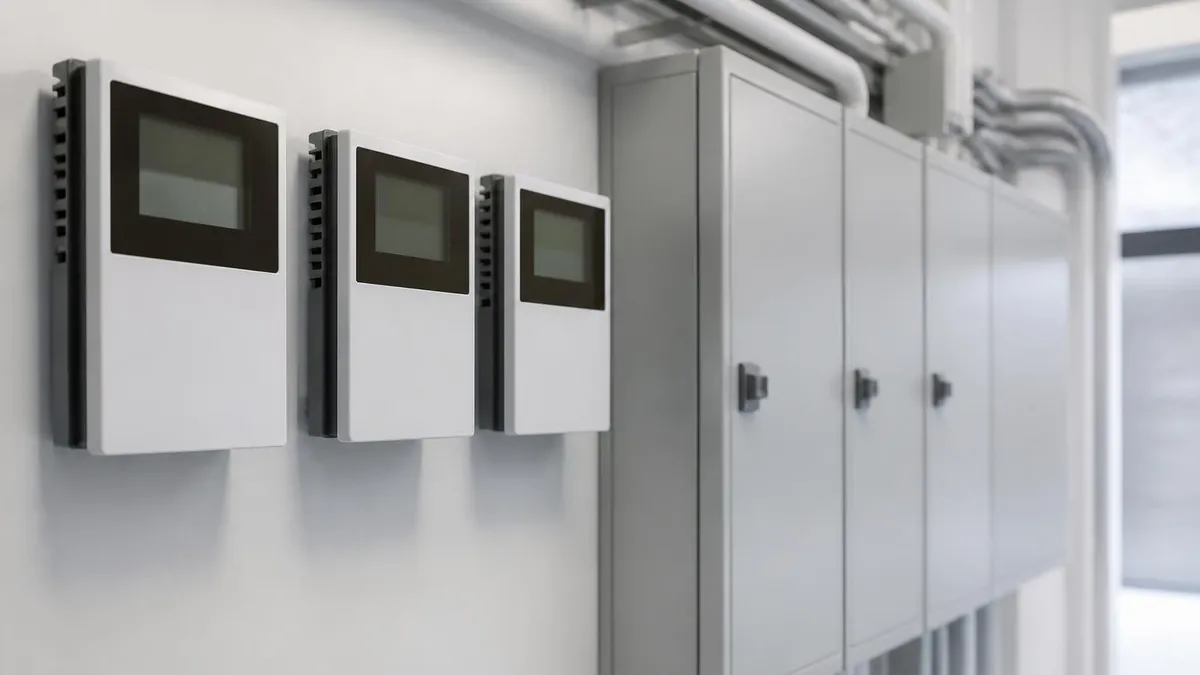
Specialization is one of the most effective ways to accelerate income growth after initial certification. Technicians who develop expertise in commercial refrigeration, building automation systems (BAS), or variable refrigerant flow (VRF) systems can command significantly higher hourly rates than generalist residential service technicians. Building automation and controls is a particularly high-value specialty — BAS technicians who hold credentials from Siemens, Honeywell, or Johnson Controls alongside their NATE certification can earn $40 to $60 per hour in major markets. The investment in acquiring these specialties is modest compared to the wage premium they generate.
Geographic flexibility is another meaningful career advantage of HVAC certification. Licensed technicians are in high demand not just in their home state but across the country, and some choose to work as traveling technicians for national service companies — a path that combines premium wages with travel allowances and per diem compensation. Companies like Johnson Controls, Carrier Enterprise, and Comfort Systems USA operate nationally and actively recruit certified technicians willing to travel for commercial and industrial projects. The portable nature of EPA 608 certification and nationally recognized NATE credentials makes interstate mobility straightforward compared to professions with state-specific non-transferable credentials.
Entrepreneurship is a natural end-state for many experienced HVAC technicians. Holding a state contractor license is the legal prerequisite for operating your own HVAC business, and the combination of low startup costs, steady demand, and the ability to set your own service rates makes small HVAC businesses highly viable.
Many successful HVAC business owners start as solo operators with a service van and grow to employ multiple technicians within five to ten years. Profit margins in residential service and replacement work are strong, particularly for businesses that have invested in customer relationship management and build a loyal repeat-customer base through quality work and honest pricing.
The green energy transition is creating new specialization opportunities within HVAC that reward certified technicians who stay ahead of the technology curve. Heat pump adoption is accelerating rapidly across the US, driven by federal tax incentives under the Inflation Reduction Act, state rebate programs, and growing consumer interest in all-electric homes.
Technicians who develop deep expertise in cold-climate heat pumps, heat pump water heaters, and geothermal systems are increasingly sought after as homeowners and contractors navigate the transition away from gas-fired equipment. ACCA and AHRI both offer training resources specifically for heat pump certification that can position you as a go-to expert in this growing market segment.
Long-term career planning in HVAC also means understanding the supervisory and management tracks that open as you gain experience and credentials. Many journeyman technicians move into lead technician roles within five to seven years, then into service manager or operations manager positions that come with salary structures, benefits packages, and leadership responsibilities.
If you are also considering how your technical expertise might translate into revenue-generating roles outside of direct field service, it is worth exploring career paths in account management and technical sales — areas where certified technicians with strong communication skills often outperform traditional salespeople because they can speak credibly about system performance, efficiency, and installation quality.
Exam preparation strategy can make the difference between passing on your first attempt and spending extra time and money on retakes. The most effective preparation approaches combine content review with active recall practice — reading study guides alone is rarely sufficient to build the kind of rapid retrieval skills that timed exams demand.
For the EPA 608 exam, begin your preparation at least two to three weeks before your test date, spending the first week reading through official study materials to build conceptual understanding, then shifting to practice question sets in weeks two and three to reinforce retention and identify weak areas that need additional review.
For the EPA 608 Core section, focus heavily on the three areas that generate the most exam questions: refrigerant recovery and recycling procedures, leak detection and repair requirements, and the environmental regulatory framework including the Montreal Protocol, the Kigali Amendment, and the phase-down timeline for high-GWP refrigerants. These regulatory topics are straightforward to memorize but require careful attention because the exam sometimes presents answer choices that are subtly different from each other. Draw out recovery system diagrams by hand and write out the steps for evacuating a system to 500 microns — kinesthetic learning is particularly effective for procedural content.
For state contractor exams, the content typically splits roughly 50/50 between technical HVAC knowledge and business/regulatory topics including contractor law, lien rights, insurance requirements, and permit processes. Many technicians underestimate the business law portion and are caught off guard on exam day. Invest at least one week of dedicated preparation on the business and regulatory section using your state's specific contractor licensing study guide. Some states publish previous exam questions or sample tests — always use these when available since they provide the most accurate preview of the actual exam format and difficulty level you will encounter.
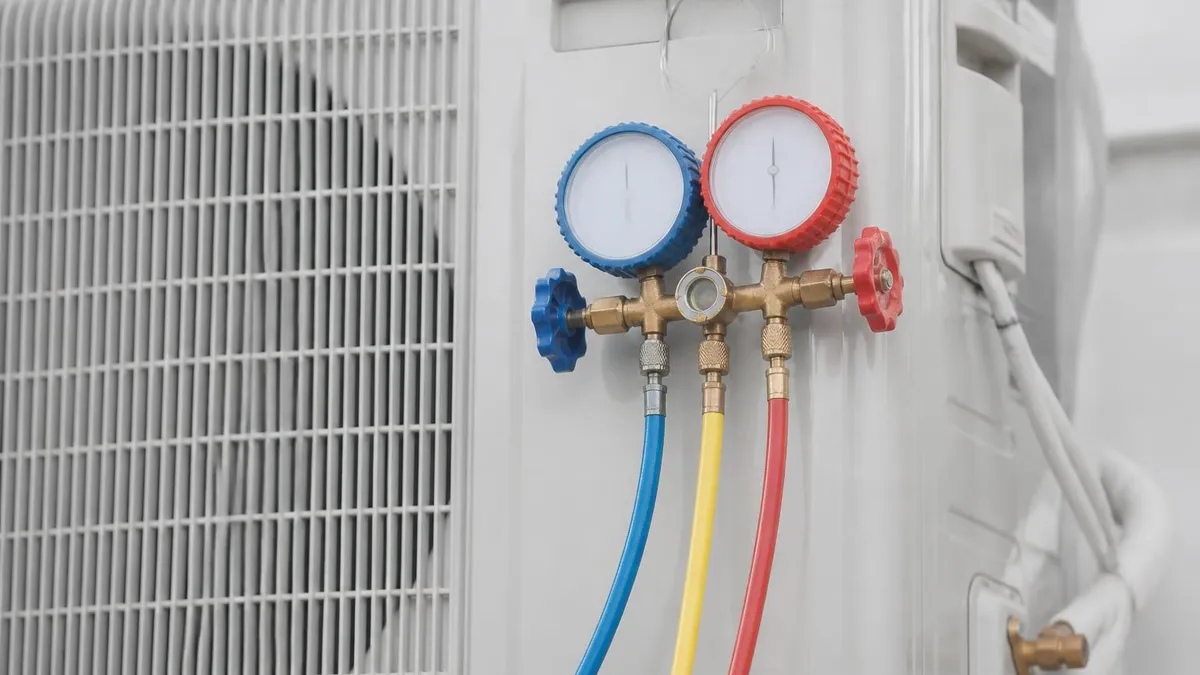
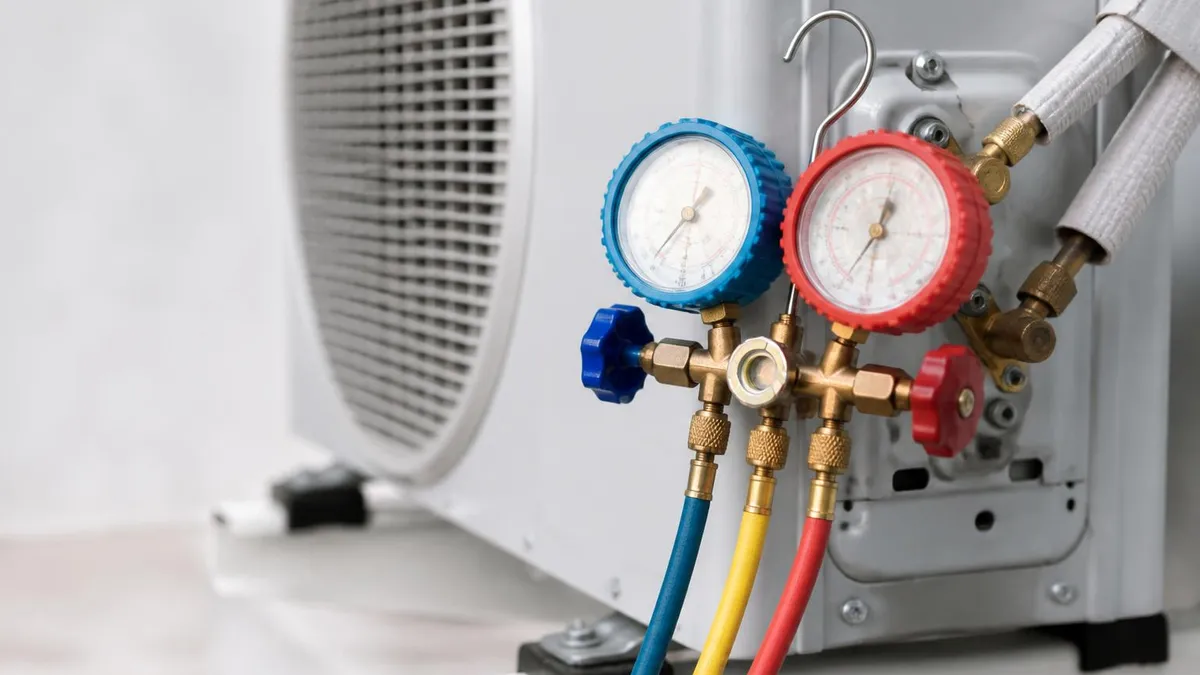
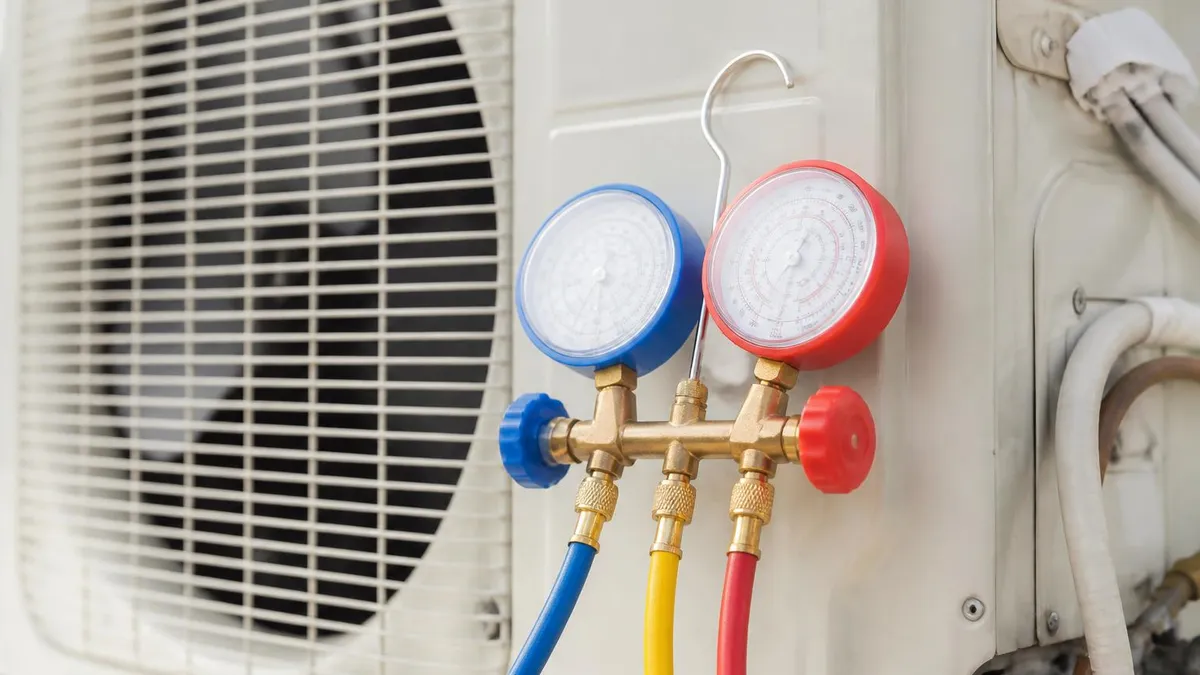
NATE exam preparation benefits enormously from experience-based review. Unlike the EPA 608, which tests theoretical knowledge of refrigerant regulations, NATE specialty exams test practical diagnostic knowledge — the kind of reasoning you apply when reading a gauge manifold on a malfunctioning system or interpreting a wiring diagram on an unfamiliar air handler.
Technicians who have worked in the field for at least one to two years before attempting NATE exams consistently report higher first-attempt pass rates than those who test immediately after completing school with limited field time. If possible, delay NATE testing until after your first full cooling and heating season working in the trade.
Practice tests are your single most valuable preparation tool regardless of which certification exam you are targeting. They do three critical things simultaneously: they expose you to the format and phrasing of actual exam questions, they identify gaps in your knowledge before the real exam rather than during it, and they build test-taking stamina so you do not fatigue during a two or three hour proctored session.
Aim to complete at least three to five full-length practice exams before your test date, reviewing every incorrect answer carefully rather than just checking your score. The explanation behind each wrong answer is where the real learning happens, because it forces you to understand not just the correct answer but why the other choices were wrong.
On exam day, practical strategies matter alongside content knowledge. Arrive at the testing center at least 15 minutes early to complete check-in procedures without rushing. Read each question fully before looking at the answer choices, since the answer choices on HVAC certification exams are often designed to exploit common misconceptions.
Skip difficult questions on your first pass and return to them after completing easier questions — this prevents time pressure from a single hard question from affecting your performance on questions you actually know. For multiple-choice questions where you are uncertain, eliminate obviously wrong choices first to improve your odds before guessing.
After passing your exams, the work of maintaining your credentials begins. Create a simple tracking system — even a spreadsheet — that logs your certification names, issue dates, renewal dates, and required continuing education hours for each credential. Set calendar reminders 90 days before each renewal deadline so you have time to complete required CEUs without rushing.
HVAC Excellence, ACCA, and ASHRAE all offer online continuing education courses that can be completed at your own pace, making it easy to stay current even during busy seasons when taking time off for in-person training is difficult. Treat continuing education as a professional investment rather than a compliance burden — the best courses genuinely expand your technical toolkit.
HVAC Questions and Answers
HVAC Sales: The Complete Guide to Selling Heating and Cooling Systems, Building Customer Trust, and Closing More Deals

HVAC Air Duct Sealing: The Complete Homeowner and Contractor Guide to Sealing Ductwork for Efficiency, Comfort, and Indoor Air Quality
HVAC Solutions: The Complete Guide to Heating, Cooling, and Indoor Air Quality Systems for Homes and Buildings

Commercial HVAC Repair: Systems, Costs, and Service Strategies
HVAC Apprenticeship Programs: Your Complete Guide to Starting a Hands-On Career in Heating, Ventilation, and Air Conditioning
About the Author

NATE Certified HVAC Technician & Licensing Exam Trainer
Universal Technical InstituteMike Johnson is a NATE-certified HVAC technician and EPA 608 universal-certified refrigerant handler with a Bachelor of Science in HVAC/R Technology. He has 19 years of commercial and residential HVAC installation and service experience and specializes in preparing technicians for NATE certification, EPA 608, A2L refrigerant safety, and state HVAC contractor licensing examinations.