
HVAC Career Guide: Salary, Training, Licensing, and Job Outlook for Heating and Cooling Technicians
🗨️ Complete HVAC career guide: salary ranges, training paths, licensing requirements, daily duties, and job outlook for heating and cooling technicians.
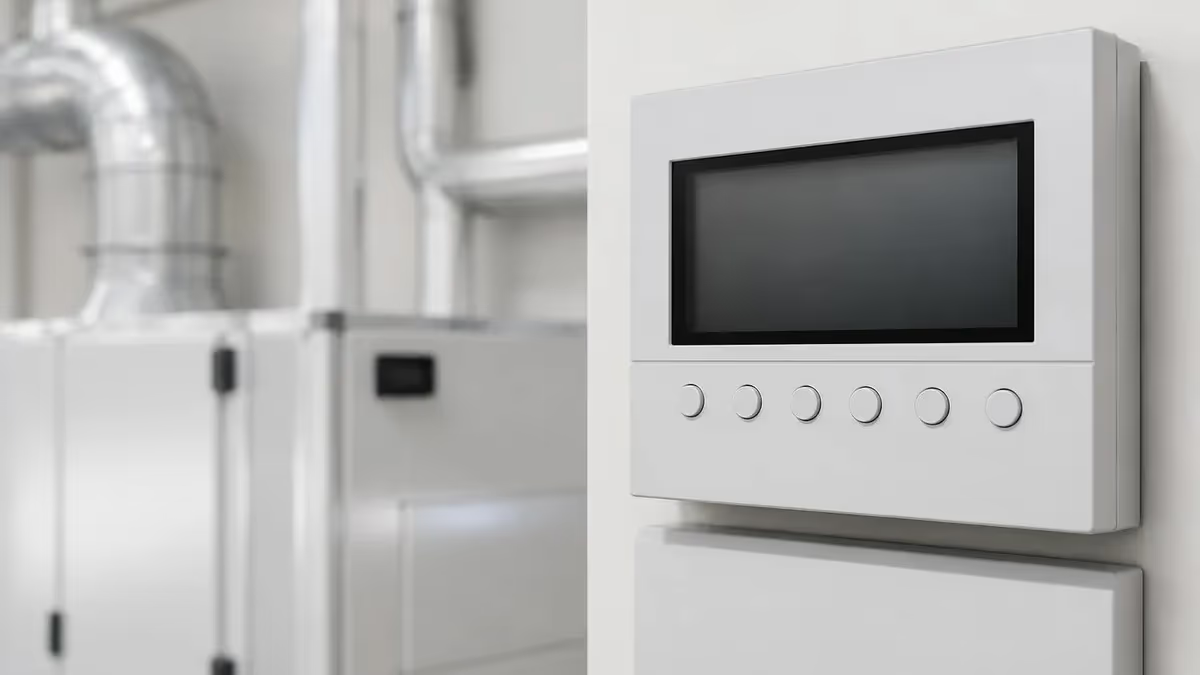
An HVAC career offers a stable, well-paying path into the skilled trades, with strong demand projected through 2033 and entry routes that do not require a four-year degree. Heating, ventilation, air conditioning, and refrigeration technicians install, maintain, and repair the systems that keep homes, offices, hospitals, data centers, and factories running at safe temperatures. If you enjoy problem-solving with your hands, troubleshooting electrical and mechanical systems, and meeting new customers, this field gives you a clear ladder from helper to journeyman to master technician or business owner.
The U.S. Bureau of Labor Statistics reports that HVACR mechanics and installers earn a median annual wage near $57,300, with the top 10 percent earning more than $84,000. Experienced commercial and industrial technicians who specialize in refrigeration, controls, or chillers often clear six figures once overtime, on-call premiums, and service-agreement commissions are added. Geography matters too: technicians in California, New York, Massachusetts, Alaska, and Washington tend to earn 20 to 35 percent more than the national median.
Demand is being driven by three converging forces. First, the existing residential and commercial equipment installed during the 2000s housing boom is reaching the end of its 15- to 20-year service life and needs replacement. Second, federal refrigerant phase-downs under the AIM Act are pushing contractors to retrofit or replace systems using R-410A, R-22, and R-134a with low-GWP alternatives like R-454B and R-32. Third, electrification incentives in the Inflation Reduction Act are accelerating heat pump adoption in every climate zone.
Becoming an HVAC technician usually takes between six months and five years depending on the route you choose. A short trade school program can put you on a truck as an installer's helper in under a year, while a full four- or five-year apprenticeship sponsored by a union local or open-shop employer leads to journeyman status with verified hours. Most states then require an EPA Section 608 certification to handle refrigerants, plus a state or municipal license to pull permits and run service calls independently.
The work itself is varied. One day you might be brazing copper line sets on a new hvac equipment parts-split, the next you are pulling a hermetic compressor on a rooftop unit in 95-degree heat, then writing a load calculation for a tight retrofit. Strong technicians blend mechanical skill with electrical troubleshooting, sheet-metal layout, plumbing fundamentals, and customer-facing communication. The trade rewards curiosity because manufacturers release new variable-speed inverters, communicating thermostats, and BACnet controls every season.
This guide walks through every major decision an aspiring or transitioning hvac terms to make: which training path fits your schedule and budget, what licenses and certifications you actually need in your state, what daily duties look like at each experience level, how compensation grows year over year, and which specialties offer the strongest long-term earning ceilings. By the end you will have a realistic picture of the first three to ten years of an HVAC career and a checklist for taking the next step.
HVAC Career by the Numbers
Training Paths Into an HVAC Career
Six- to twelve-month programs at community colleges and private trade schools cover EPA 608 prep, electrical fundamentals, refrigeration cycle, and basic installation. Tuition typically runs $1,200 to $15,000 and gets you hired as a helper or installer fast.
Two-year AAS degrees in HVACR technology add load calculations, building automation, commercial refrigeration, and business courses. Graduates often start at higher wages and qualify to test out of part of an apprenticeship.
Four- to five-year programs sponsored by SMART, UA Local unions, ABC, or ACCA combine 8,000 paid on-the-job hours with 144 classroom hours per year. You earn while you learn and finish debt-free as a certified journeyman.
Veterans with utilities, HVAC, or refrigeration MOS/AFSC codes can convert service time to apprenticeship credit through Helmets to Hardhats and earn EPA 608 plus state licenses with VA-funded training benefits.
Carrier, Trane, Lennox, Daikin, and Mitsubishi run two- to ten-week paid academies that turn entry-level hires into installers and service techs for their specific equipment lines, often with signing bonuses.
The daily duties of an HVAC technician shift dramatically across the cooling and heating seasons, and they change again as you move from helper to lead installer to service tech. New hires usually spend their first six to twelve months as installation helpers, carrying equipment, running ductwork, pulling refrigerant lines, mounting condensers on pads, and learning to read mechanical drawings under the supervision of a lead. Expect 40 to 55 hours per week during peak seasons and slower stretches during shoulder months that are perfect for training.
Once you move into a lead installer role, the responsibility expands. You are now setting equipment to manufacturer specifications, brazing line sets with nitrogen flowing, vacuuming systems below 500 microns, charging by superheat and subcooling, commissioning the unit, walking the customer through operation, and signing off on a permit-ready installation. Lead installers typically run a two-person crew and complete one to three residential changeouts per day or one larger commercial rooftop unit.
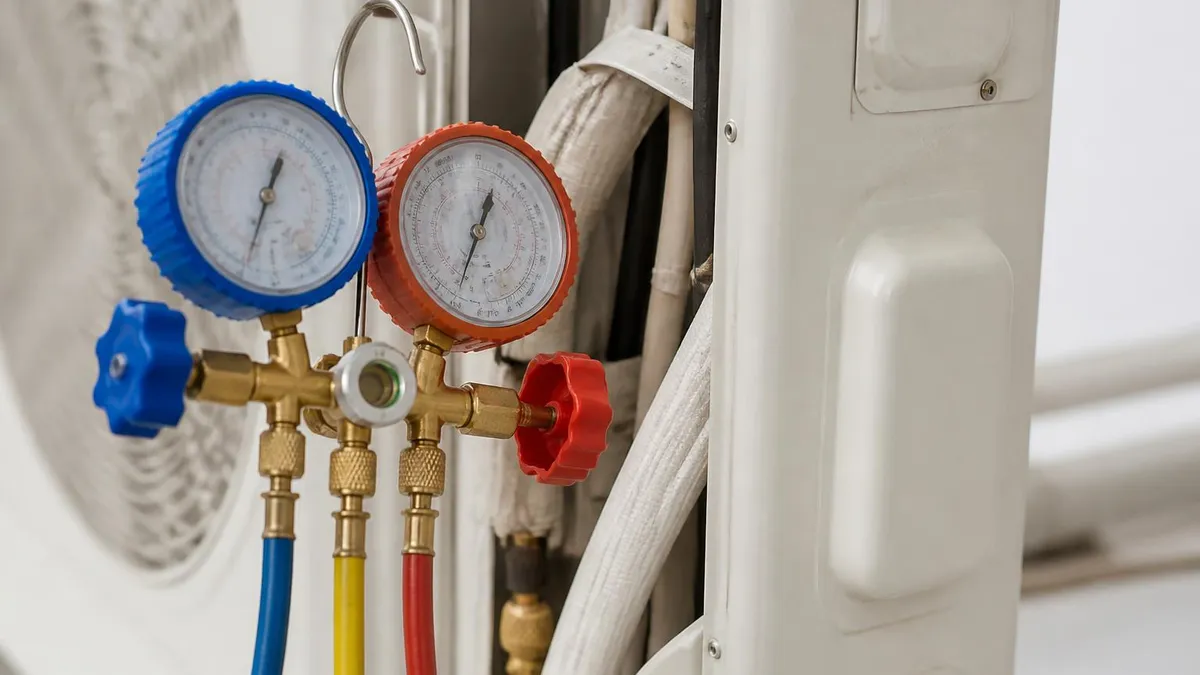
Service technicians take a different path. Instead of installing new equipment, they diagnose what is broken on systems that may be three years old or thirty. A typical service day includes four to eight calls dispatched through software like ServiceTitan or Housecall Pro, ranging from a simple capacitor swap to a complex no-cool diagnosis involving a TXV, restricted metering device, or failed inverter board. Strong diagnostic technicians read schematics, use hvac tools and gauges megohmmeters, combustion analyzers, and refrigerant identifiers daily.
Commercial and industrial technicians work on chillers, cooling towers, VAV boxes, packaged hvac rtu 3d cad york ammonia refrigeration racks, and building automation systems. The work is more cerebral, often involving PID loop tuning, BACnet or Modbus troubleshooting, and coordinating with controls contractors. These technicians typically work straight 40-hour weeks with on-call rotations, and the pay scales up faster because the equipment is more expensive and downtime is more costly to the building owner.
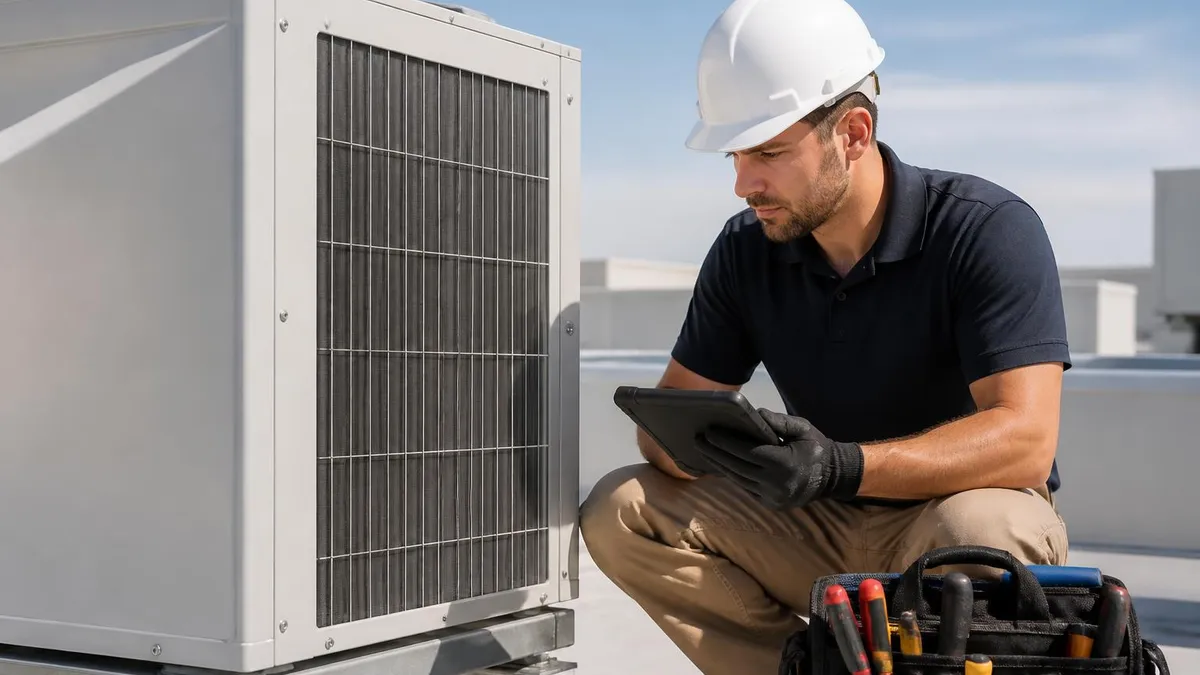
Safety is non-negotiable on every call. Technicians work with high-voltage three-phase power, pressurized refrigerants up to 600 psi, open flame brazing torches, rooftop fall hazards, and confined spaces. OSHA 10 or OSHA 30 cards are increasingly required, and respected employers run weekly toolbox talks covering lockout-tagout, ladder safety, refrigerant recovery, and PPE. A clean safety record is one of the strongest factors in promotion and in keeping your employer's workers-comp rates manageable.
Customer interaction is the part of the job that surprises most new technicians. You are invited into someone's home or business during a stressful moment — no cool air in July, no heat in January — and your professionalism, communication, and honesty determine whether the company gets a five-star review and a referral.
Top earners learn to explain technical issues in plain English, present repair options with clear pricing, and recommend maintenance agreements without sounding like a salesperson. If you ever need help finding work outside your skill level, the right move is to refer the customer to hvac contractors who handle the specialty.
Finally, hvac terms spends time on paperwork. You log refrigerant added and recovered for EPA compliance, file warranty claims with the manufacturer, document permits with the local building department, and update customer records. The technicians who handle administrative work cleanly tend to get promoted into hvac scheduling software because office staff and dispatchers love working with them.
HVAC Practice Test Questions
Prepare for the HVAC - Heating Ventilation and Air Conditioning exam with our free practice test modules. Each quiz covers key topics to help you pass on your first try.
HVAC Air Conditioning
HVAC Exam Questions covering Air Conditioning. Master HVAC Test concepts for certification prep.
HVAC Code Compliance
Free HVAC Practice Test featuring Code Compliance. Improve your HVAC Exam score with mock test prep.
HVAC Electrical Controls
HVAC Test Prep for Electrical Controls. Practice HVAC Quiz questions and boost your score.
HVAC Energy Efficiency
HVAC Questions and Answers on Energy Efficiency. Free HVAC practice for exam readiness.
HVAC Heating Systems
HVAC Mock Test covering Heating Systems. Online HVAC Test practice with instant feedback.
HVAC Load Calculations
Free HVAC Quiz on HVAC Load Calculations. HVAC Exam prep questions with detailed explanations.
HVAC Tools and Equipment
HVAC Practice Questions for HVAC Tools and Equipment. Build confidence for your HVAC certification exam.
HVAC Refrigeration
HVAC Test Online for Refrigeration. Free practice with instant results and feedback.
HVAC Safety Practices
HVAC Study Material on Safety Practices. Prepare effectively with real exam-style questions.
HVAC System Design
Free HVAC Test covering System Design. Practice and track your HVAC exam readiness.
HVAC Thermodynamics
HVAC Exam Questions covering Thermodynamics. Master HVAC Test concepts for certification prep.
HVAC Career Licensing and Certifications
The EPA Section 608 certification is required by federal law for anyone who maintains, services, repairs, or disposes of equipment containing regulated refrigerants. It is offered in four types: Type I for small appliances, Type II for high-pressure systems, Type III for low-pressure systems, and Universal which covers all three. The exam includes a 25-question core section plus 25 questions per type, all open-book except the core.
Most technicians earn Universal certification within their first six months. Testing fees range from $20 to $150 depending on the provider, and the certification never expires. Employers often pay for the test and provide study materials. Without 608 you cannot legally purchase refrigerant, so it is the single most important credential to secure early in your HVAC career.
Is an HVAC Career Right for You?
- +Strong job security with consistent demand in every climate zone and economic cycle
- +No four-year degree required, and many apprenticeships pay you to learn
- +Clear earnings ladder from helper to master tech to business owner
- +Variety of work — residential, commercial, industrial, controls, refrigeration
- +Tangible problem-solving where you see the result of your work the same day
- +Pathway to self-employment with relatively low startup capital
- +Strong overtime and on-call premium opportunities during peak seasons
- −Physically demanding work in attics, crawlspaces, and on rooftops in extreme weather
- −Exposure to electrical hazards, refrigerants, and brazing operations every day
- −Long hours and weekend on-call rotations during summer and winter peaks
- −Requires constant learning as refrigerants and equipment technology evolve
- −Customer-facing pressure when systems fail at the worst possible time
- −Tool investment of $3,000 to $8,000 for a fully equipped service technician
Skills to Build in Your First Year of an HVAC Career
- ✓Earn EPA Section 608 Universal certification within the first 90 days
- ✓Memorize the refrigeration cycle and explain it to a customer in one minute
- ✓Read and trace a residential split system schematic without help
- ✓Properly evacuate a system below 500 microns and hold the vacuum
- ✓Braze copper line sets with nitrogen purge to leak-free standards
- ✓Take accurate superheat, subcooling, and static pressure readings
- ✓Identify common failure modes for capacitors, contactors, and TXVs
- ✓Calibrate a combustion analyzer and tune a gas furnace to spec
- ✓Document refrigerant added and recovered in the company's compliance system
- ✓Communicate three repair options to a customer with clear written pricing
Apprentice for a service company, not just an install company
Installation experience pays the bills early, but diagnostic service work is where the long-term money is. Look for an employer who rotates apprentices through both departments. Within two years you should be running your own service truck and earning 30 to 50 percent more than a pure installer.
Compensation in an HVAC career grows in clear stages, and understanding the ladder helps you negotiate at every step. A first-year helper or installation apprentice typically earns $16 to $22 per hour, which translates to $33,000 to $46,000 per year before overtime. In high-cost markets like the Bay Area, Seattle, Boston, and metro New York, even helper rates can start at $24 to $28 per hour, especially with a union local that has negotiated a published wage scale and full benefits.
By year two or three, most technicians have completed enough on-the-job training to work as junior installers or assisted service techs, pushing hourly pay to the $22 to $30 range and total compensation to $50,000 to $70,000 once overtime is included. This is the stage where earning your state journeyman license, NATE certifications, and a few manufacturer credentials produces the biggest percentage jump in pay because employers can finally bill you out at premium rates.
Journeyman service technicians with five to ten years of experience and the right certifications regularly earn $75,000 to $110,000 in total compensation. Top residential service techs in busy markets clock $130,000 or more when you add commissions on service agreement sales, accessory upsells like media filters and surge protectors, and on-call premiums. Commercial refrigeration techs and chiller specialists in metro areas frequently break $140,000, especially with overtime on emergency calls.
Benefits packages matter just as much as the hourly rate. Reputable employers offer health, dental, and vision insurance, a 401(k) with three to five percent matching, paid time off scaling from two to four weeks, a company truck and fuel card, a phone allowance, tool reimbursement of $500 to $2,000 per year, paid training, and uniforms. Union shops add a defined-benefit pension and a separate annuity contribution, which can be worth $15 to $25 per hour on top of wages.
Geographic differences are significant. According to BLS state-level data, mean annual wages for HVAC techs exceed $80,000 in Alaska, Hawaii, Washington, Massachusetts, and the District of Columbia, while southern and rural states often pay $45,000 to $55,000 for the same experience. However, the cost-of-living adjustment can flip that calculation, and southern states reward technicians with strong commercial portfolios because cooling load is year-round.
Self-employment is the path to the highest ceilings. Single-truck owner-operators with a contractor's license, a business and law exam, $300,000 in liability insurance, and a clean reputation can take home $120,000 to $200,000 once established. Multi-truck shops with five to twenty technicians typically generate $1.5 million to $8 million in annual revenue, with owners earning $250,000 and up. For pricing context that helps you build your own quotes, study how local pros estimate equipment, ductwork, and labor — a job at an established hvac repair philadelphia can show you how mature service businesses structure flat-hvac flat rate pricing.
Whichever path you choose, track your hours, certifications, and any specialty work in a personal portfolio. When it is time to negotiate, walking in with documented evidence of 6,000 brazing hours, 200 commissioning reports, and a 4.9-star average review score gives you real use. Pay reviews should happen at least annually, and the strongest technicians benchmark themselves against published wage scales from BLS, salary.com, and union locals.
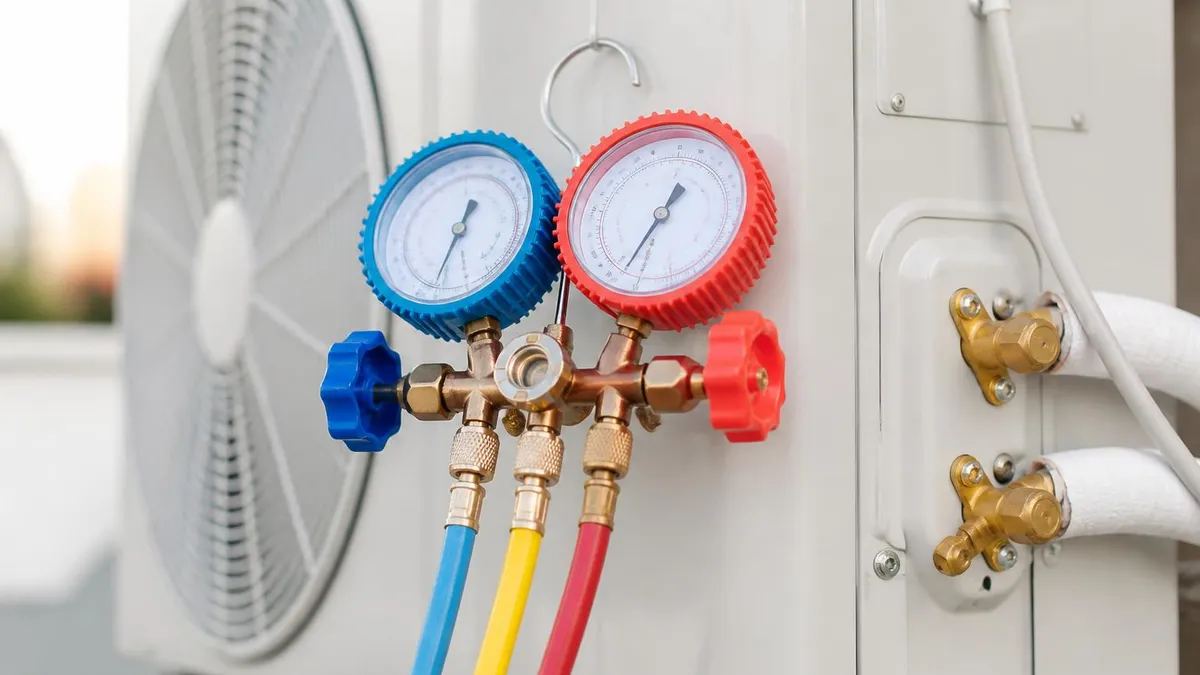
The 2024 AIM Act rules phased down HFCs sharply, and as of January 2025 most new residential and light commercial systems must use refrigerants with a GWP under 700, such as R-454B or R-32. Technicians without A2L mildly flammable refrigerant training and updated leak-detection procedures cannot legally service or install this new equipment. Confirm your shop has invested in A2L recovery machines, manifolds, and refresher training.
After five years in the field, most HVAC technicians face a key decision: stay on the truck and specialize, move into leadership, or start your own company. Each path rewards different strengths, and the best operators rotate through more than one before settling. The good news is that the HVAC industry is large, fragmented, and growing, so career mobility is unusually high — switching employers every three to five years remains the single fastest way to lift your earnings.
Specialization is the most reliable income lever. Commercial refrigeration techs who can repair supermarket racks, walk-in coolers, and ice machines are in chronic short supply nationwide, and most clear $90,000 to $130,000 before overtime. Chiller technicians specializing in centrifugal and absorption equipment service hospitals, data centers, and industrial plants where downtime costs thousands of dollars per minute, and they routinely earn six figures with paid on-call premiums.
Building automation systems (BAS) and controls work is the highest-use specialty for technicians who enjoy software. Programming Tridium Niagara, Honeywell WEBs, or Distech controllers requires HVAC fundamentals plus comfort with IT networking, BACnet, Modbus, and increasingly cloud dashboards. Controls techs work in clean environments, rarely lift heavy equipment, and earn $85,000 to $140,000 with a clear path into commissioning agent and energy-auditor roles paying $120,000 and up.
Leadership roles include service manager, install manager, operations manager, and general manager. These positions trade tool time for spreadsheets, dispatching, hiring, performance coaching, and customer escalations. Service managers at well-run contractors earn $90,000 to $150,000 base plus bonuses tied to gross margin and customer satisfaction. Strong leaders often build a department from three trucks to fifteen and then move into ownership equity through profit-share or buyout arrangements.
Sales is the dark horse of HVAC career paths. Comfort advisors, also called residential sales engineers, conduct in-home consultations, perform Manual J load calculations, design system replacements, and close $8,000 to $40,000 projects. Top comfort advisors at busy residential shops regularly earn $150,000 to $300,000 on commission, often outpacing the owner. The role suits former service techs who can translate technical recommendations into clear value for homeowners.
Entrepreneurship remains the ultimate upside. Starting a single-truck company in most states requires a master license, a business entity, $300,000 to $1 million in general liability and commercial auto insurance, a bond, an EPA-registered shop, and roughly $40,000 to $80,000 in startup capital for a van, tools, recovery machines, software, and initial marketing.
New shops that invest in Google reviews, branded vehicles, and a strong maintenance agreement program can hit $400,000 to $700,000 in revenue in year one. Many successful operators got their first taste of running calls independently by working at a local hvac repair services near me that gave them ownership of a local seo for hvac.
Whichever direction you choose, keep investing in continuing education. Two or three relevant credentials per year — a new A2L cylinder certification, an advanced combustion class, a Tridium N4 cert, a heat pump design course — compound dramatically over a decade. The technicians who plateau are almost always the ones who stop learning after their initial license, while those who treat the trade as a profession build the kind of reputation that makes employers compete for them.
If you are ready to start an HVAC career, the next 90 days should focus on three concrete actions: pick a training route, line up an entry-level role, and pass the EPA Section 608 exam. Visit two community college programs and at least one registered apprenticeship orientation before committing — the cultures and class schedules vary widely, and a poor program fit is the most common reason new technicians wash out in the first six months. Talk to current students and recent graduates, not just admissions counselors.
While you research training, apply to install crews at three or four established contractors in your area. Even without certifications, contractors hire helpers who show up on time, lift safely, and demonstrate basic mechanical aptitude. Bring a clean copy of your driver's license, proof of insurance, and a list of any tools you already own. Many shops will pay for your 608 exam, your OSHA 10 card, and your trade school tuition if you sign a one- or two-year commitment, dramatically lowering the cost of entry.
Invest early in the right tools and PPE. A starter kit should include insulated screwdrivers, a multimeter (Fluke 116 or 117 is standard), a hvac digital gauges like a Fieldpiece SMAN360 or Testo 550i, a vacuum pump, a recovery machine your shop owns, gauges, a torch kit, hand tools, safety glasses, gloves, fall protection use if you do rooftops, and a quality LED headlamp. Budget $1,500 to $3,000 in your first year and add tools as you specialize.
Build your personal brand from day one. Take photos of clean installations with the customer's permission, log your service calls and unusual diagnoses in a digital notebook, and ask supervisors for written feedback at every quarterly review. A LinkedIn profile, a small portfolio website, and a few endorsements from project managers will set you apart when you start interviewing for promotions or for higher-paying employers two years in.
Take care of your body. The single biggest career-ender in HVAC is not technological obsolescence, it is back, knee, and shoulder injuries from poor lifting form, lack of conditioning, and skipped warm-ups. Strong core and grip strength, proper ladder usage, mechanical lifts for compressors and condensers, and aggressive use of helpers for heavy installs add years to your career. Veteran technicians who reach 30 years in the field almost universally credit early attention to ergonomics and fitness.
Develop your soft skills relentlessly. The technicians who become service managers and business owners can explain a furnace heat exchanger crack to a worried homeowner in 60 seconds, write a clean estimate that the office never has to rewrite, and de-escalate angry customers over the phone. Toastmasters, customer-service workshops from your local trade association, and even sales training programs like Service Roundtable or Nexstar membership pay for themselves quickly once you understand the playbook.
Finally, build your professional network. Join your local ACCA, RSES, or PHCC chapter, attend the AHR Expo at least once, follow respected trainers like Bryan Orr at HVAC School, Jim Bergmann at TruTech Tools, and Eric Kaiser, and participate in online communities like HVAC Talk. Mentorship in this trade is generous and informal — most veterans will trade you their hard-won knowledge for nothing more than respect and a willingness to listen. The career you build over the next ten years will be shaped as much by the people you learn from as by any single certification or employer.
HVAC Questions and Answers

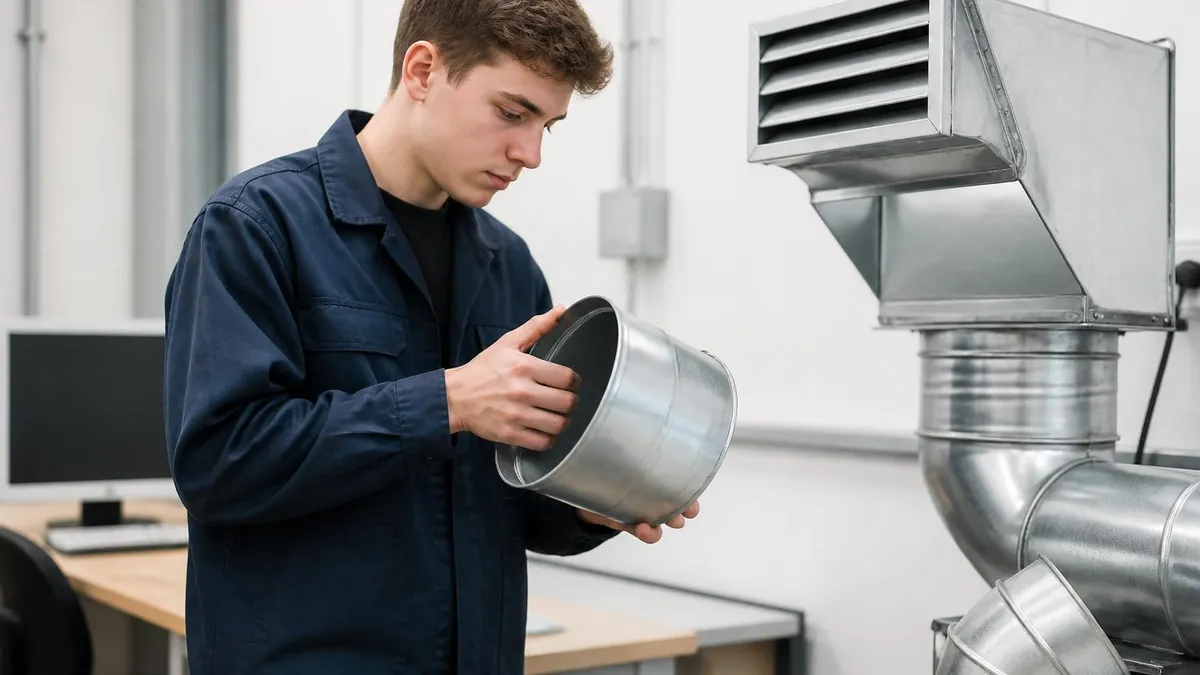
HVAC Duct Supplies: The Complete Buyer's Guide to Ductwork Components, Sizing, and Installation Materials
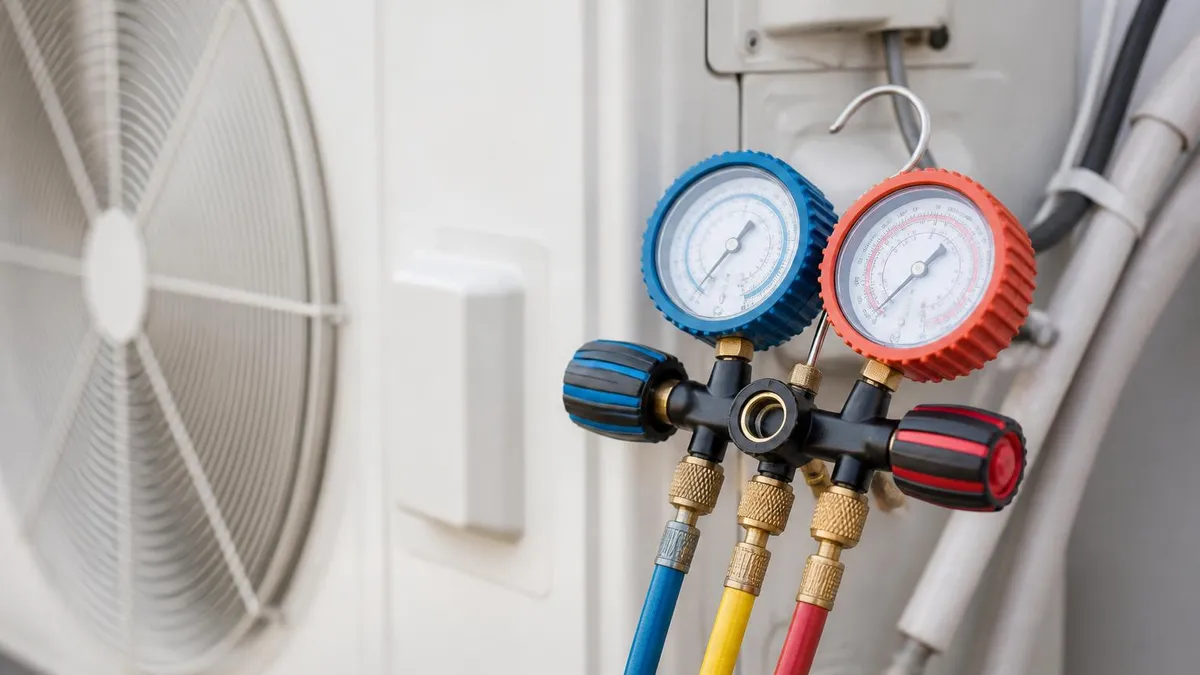
HVAC Duct Calculator: The Complete Guide to Sizing Ductwork for Airflow, Static Pressure, and System Efficiency
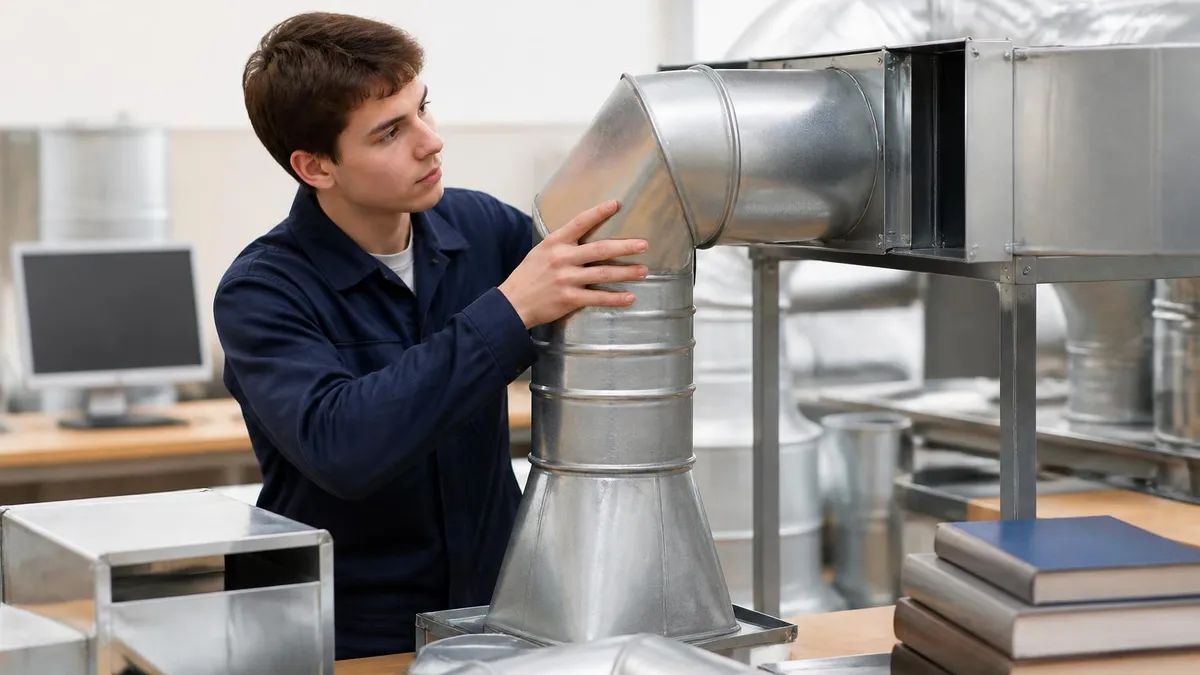
Certified HVAC Contractors: How to Find, Vet, and Hire the Right Professional for Your Home or Business
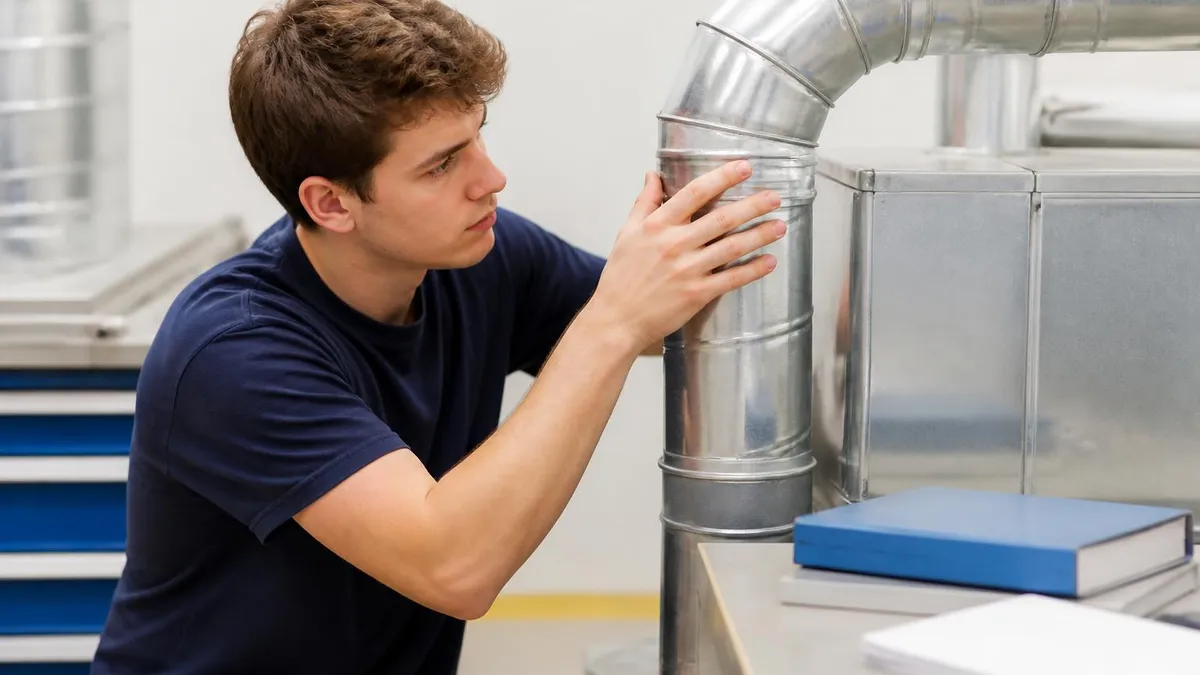
HVAC Repair Philadelphia: The Complete Homeowner's Guide to Finding, Hiring, and Working With Local Heating and Cooling Pros
Best HVAC Repair in Bandon, OR: Local Services Near Me Guide
About the Author

NATE Certified HVAC Technician & Licensing Exam Trainer
Universal Technical InstituteMike Johnson is a NATE-certified HVAC technician and EPA 608 universal-certified refrigerant handler with a Bachelor of Science in HVAC/R Technology. He has 19 years of commercial and residential HVAC installation and service experience and specializes in preparing technicians for NATE certification, EPA 608, A2L refrigerant safety, and state HVAC contractor licensing examinations.