
EPA Certification for HVAC Technicians: Complete Career Guide to Section 608, Exam Requirements, and Industry Advancement
✏️ Learn everything about EPA certification HVAC requirements, Section 608 exam types, costs, study tips, and how certification advances your HVAC career.
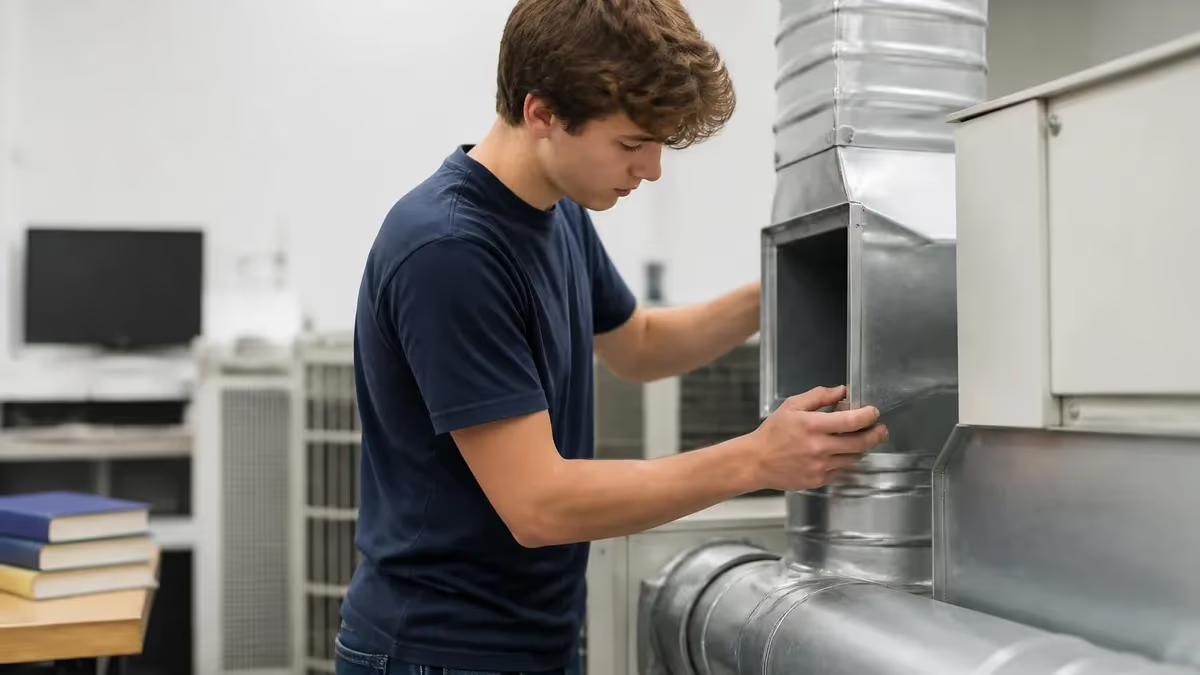
EPA certification for HVAC technicians is one of the most important professional credentials you can earn in the heating, ventilation, and air conditioning industry. Mandated by the Environmental Protection Agency under Section 608 of the Clean Air Act, this certification is legally required for any technician who purchases, handles, or recovers refrigerants used in stationary air conditioning and refrigeration equipment.
Without it, you cannot legally buy certain refrigerants, work on systems containing them, or advance your career in most commercial or residential HVAC settings. Understanding what epa certification hvac entails — from exam structure to career impact — is the first step toward becoming a fully qualified technician.
The certification was introduced in response to growing environmental concerns about ozone-depleting substances, particularly chlorofluorocarbons (CFCs) and hydrochlorofluorocarbons (HCFCs) used in older refrigeration systems. When refrigerant is improperly vented or released into the atmosphere, it contributes directly to stratospheric ozone depletion and climate change. By requiring certified technicians for all refrigerant handling, the EPA ensures that trained professionals recover and recycle these substances responsibly. The program has dramatically reduced refrigerant emissions since its implementation in the early 1990s and remains a cornerstone of environmental compliance in the HVAC trade.
There are four types of EPA 608 certification, each designed for a specific category of equipment. Type I covers small appliances, Type II covers high-pressure systems, Type III covers low-pressure systems, and the Universal certification covers all three categories plus additional privileges. Most professional HVAC technicians pursue Universal certification because it allows them to work on the full range of equipment they will encounter throughout their careers. Earning Universal status signals to employers that you are prepared to handle everything from window air conditioners to large commercial chillers without restriction.
Preparing for the Section 608 exam requires a solid understanding of refrigeration fundamentals, environmental regulations, recovery techniques, and equipment-specific procedures. The exam is administered by EPA-approved certifying organizations and consists of multiple-choice questions drawn from a standardized core section plus one or more type-specific sections. Many test centers offer computer-based testing, allowing candidates to receive immediate results. Preparation time varies by background, but most candidates spend four to eight weeks studying before attempting the exam, especially if they are newer to the field.
Beyond the legal requirement, EPA certification carries significant career benefits. Certified technicians consistently earn higher wages than uncertified workers, and many employers will not hire or promote HVAC professionals who lack the credential. The certification also demonstrates a baseline of technical knowledge and professional responsibility that customers and employers alike recognize and value. In competitive job markets, holding a Universal certificate can be the deciding factor that lands you a preferred position or higher hourly rate.
The cost and accessibility of the EPA 608 exam make it one of the most attainable professional certifications in any skilled trade. Exam fees typically range from $20 to $100 depending on the testing provider, and study materials are widely available through trade schools, online platforms, and industry associations. Community colleges and HVAC training programs often include Section 608 prep as a core component of their curriculum. There are also numerous free and low-cost practice exams available online that mirror the actual test format closely.
This comprehensive guide covers everything you need to know about EPA certification for HVAC careers: the four certification types, exam format, preparation strategies, costs, and how the credential fits into a broader career roadmap. Whether you are just entering the trade or looking to upgrade your qualifications, understanding the full scope of Section 608 certification will help you plan your path forward. For those already certified and interested in expanding their professional reach, learning how epa certification hvac connects to sales and customer-facing roles can open additional revenue opportunities within the industry.
EPA 608 Certification by the Numbers
The Four EPA Section 608 Certification Types
Covers equipment manufactured, charged, and hermetically sealed with five pounds or less of refrigerant. Examples include household refrigerators, window air conditioners, and packaged terminal units. Recovery requirements are less stringent than other types.
Covers high- and very-high-pressure refrigerants used in residential and commercial air conditioning systems, such as R-22, R-410A, and R-134a. This is the most commonly tested category for residential HVAC technicians working on split systems.
Covers low-pressure refrigerants like R-11 and R-113, typically found in large commercial centrifugal chillers. These systems operate below atmospheric pressure and require specialized recovery equipment and leak detection procedures.
Covers all three categories plus additional scope. Passing all four exam sections earns Universal status, allowing technicians to work on any refrigerant-containing system. This is the gold standard credential sought by most professional HVAC employers nationwide.
Preparing for the EPA Section 608 exam requires a structured approach that covers both the core section and the type-specific sections you plan to take. The core section appears on every exam and tests knowledge of environmental impact, regulations, refrigerant safety, and general recovery practices. It accounts for roughly a quarter of all questions, and a passing score on the core is required regardless of which type-specific sections you attempt. Most study guides organize material into these exact categories, making it straightforward to build a logical progression through the content.
The Type II high-pressure section is the most commonly taken exam component because it covers the refrigerants used in the vast majority of residential and light commercial HVAC systems. Questions focus on recovery equipment operation, leak detection methods, refrigerant identifiers, pressure-temperature relationships, and system evacuation procedures. Candidates should be thoroughly comfortable with refrigerant cylinders, manifold gauges, and recovery machine operation before sitting for this section. Hands-on practice in a shop or classroom setting accelerates retention significantly compared to reading alone.
For technicians pursuing Universal certification, taking all four exam sections in a single sitting is the most efficient approach. Many testing centers allow this, and sitting for everything at once eliminates the need to pay multiple exam fees or return on separate occasions. The practical downside is that the combined exam can run three to four hours, requiring focused stamina. Building your study schedule so that all material is fresh simultaneously — rather than studying one section at a time over many weeks — is the recommended strategy for a single-session Universal attempt.
Online practice exams are among the most effective tools available for Section 608 preparation. Quality practice tests mirror the actual exam's question style, difficulty level, and distribution of topics. Taking timed practice exams under realistic conditions helps you identify weak areas, build test-taking pacing, and reduce anxiety on exam day. Most candidates benefit from taking at least five to ten full-length practice exams before attempting the real test, reviewing every missed question and understanding why the correct answer applies. Aim for consistent scores of 80 percent or higher before scheduling your exam appointment.
Study materials for the EPA 608 exam are available in multiple formats. The EPA itself publishes study materials on its website, and HVAC Excellence, ESCO Group, and North American Technician Excellence (NATE) all offer approved preparation resources. Many community college HVAC programs include Section 608 prep as a standalone module or integrated into broader refrigeration courses. Trade associations like ASHRAE and ACCA also publish technical references that, while more advanced than the exam requires, build the deep understanding that makes test questions easier to answer correctly and confidently.
Understanding refrigerant regulations is a particularly important study focus that overlaps the core and type-specific sections. Technicians must know which refrigerants are subject to venting prohibitions, what recovery equipment is required for different system types, when records must be kept, and what the thresholds are for mandatory leak repair in commercial systems. Regulatory questions appear consistently across all exam versions, and candidates who memorize key EPA rule thresholds — such as the 35-pound charge threshold for leak inspection requirements — tend to score noticeably better than those who focus only on technical procedures.
Time management during the actual exam matters more than many candidates expect. Questions are not arranged by difficulty, and it is easy to spend too long on a single unfamiliar question at the expense of answering several easier ones. A proven strategy is to answer all questions you know confidently first, flag uncertain ones, and then return to flagged items with whatever time remains. Most computerized testing platforms support this approach natively. Arriving at the testing center early, bringing acceptable identification, and having already confirmed the specific rules of your testing provider eliminates last-minute stress that can undermine performance.
HVAC Practice Test Questions
Prepare for the HVAC - Heating Ventilation and Air Conditioning exam with our free practice test modules. Each quiz covers key topics to help you pass on your first try.
HVAC Air Conditioning
HVAC Exam Questions covering Air Conditioning. Master HVAC Test concepts for certification prep.
HVAC Code Compliance
Free HVAC Practice Test featuring Code Compliance. Improve your HVAC Exam score with mock test prep.
HVAC Electrical Controls
HVAC Test Prep for Electrical Controls. Practice HVAC Quiz questions and boost your score.
HVAC Energy Efficiency
HVAC Questions and Answers on Energy Efficiency. Free HVAC practice for exam readiness.
HVAC Heating Systems
HVAC Mock Test covering Heating Systems. Online HVAC Test practice with instant feedback.
HVAC Load Calculations
Free HVAC Quiz on HVAC Load Calculations. HVAC Exam prep questions with detailed explanations.
HVAC Tools and Equipment
HVAC Practice Questions for HVAC Tools and Equipment. Build confidence for your HVAC certification exam.
HVAC Refrigeration
HVAC Test Online for Refrigeration. Free practice with instant results and feedback.
HVAC Safety Practices
HVAC Study Material on Safety Practices. Prepare effectively with real exam-style questions.
HVAC System Design
Free HVAC Test covering System Design. Practice and track your HVAC exam readiness.
HVAC Thermodynamics
HVAC Exam Questions covering Thermodynamics. Master HVAC Test concepts for certification prep.
Refrigerant Regulations, Recovery, and Environmental Compliance
Section 608 of the Clean Air Act prohibits technicians from knowingly venting ozone-depleting refrigerants and their substitutes into the atmosphere during servicing, maintenance, repair, or disposal of air conditioning and refrigeration equipment. The rule applies to both commercial and residential systems and carries civil penalties of up to $44,539 per day per violation. Technicians must use certified recovery equipment, follow proper procedures for system evacuation, and maintain records for high-charge commercial systems exceeding 50 pounds of refrigerant.
The EPA updates its refrigerant regulations periodically to reflect new environmental data and international agreements under the Montreal Protocol. Recent amendments have extended Section 608 venting prohibitions to HFCs — hydrofluorocarbons — that were previously unregulated under the original ozone-depletion framework. This means technicians working with R-410A, R-32, and other newer refrigerants are now subject to the same recovery requirements that once applied only to CFCs and HCFCs. Staying current with regulatory updates is an ongoing professional responsibility for all certified technicians.

Pros and Cons of Pursuing EPA Universal Certification
- +Legally required to purchase and handle regulated refrigerants without restriction
- +Qualifies you to work on every equipment type — residential, commercial, and industrial
- +Consistently linked to higher hourly wages and better job offers from top employers
- +Demonstrates professional commitment that builds customer and employer trust
- +One-time certification with no mandatory renewal or continuing education requirement
- +Low cost relative to other trade certifications — exam fees often under $60
- −Requires dedicated study time, especially for technicians new to refrigeration science
- −Universal exam covers four sections, making it a long and mentally demanding single sitting
- −Core and Type III content on low-pressure chillers is rarely used in everyday residential work
- −Testing centers vary in quality and availability depending on your geographic location
- −Certification alone does not substitute for hands-on experience with actual refrigerant systems
- −Regulatory content becomes outdated as EPA updates rules, requiring technicians to self-update
EPA 608 Exam Preparation Checklist
- ✓Obtain an EPA-approved study guide covering all four certification type sections.
- ✓Complete at least five full-length timed practice exams before scheduling your real exam.
- ✓Memorize the key refrigerant pressure-temperature relationships for R-22, R-410A, and R-134a.
- ✓Study the specific recovery efficiency requirements for pre-1993 and post-1993 equipment.
- ✓Learn the EPA's commercial appliance leak rate thresholds — 10% for comfort cooling, 15% for industrial.
- ✓Review the DOT cylinder color codes and storage requirements for common refrigerants.
- ✓Understand the difference between recovery, recycling, and reclamation and when each applies.
- ✓Confirm your testing center's identification requirements and acceptable payment methods in advance.
- ✓Practice reading refrigerant manifold gauges and identifying superheat and subcooling values.
- ✓Review the venting prohibition rules for HFCs updated under the AIM Act amendments.
Universal Certification Pays for Itself Within Weeks
The average EPA 608 Universal exam costs under $60, yet certified technicians earn $4–$8 more per hour than uncertified peers according to trade salary surveys. At even 20 hours per week, that credential recoups its full cost — including study materials — within the first paycheck of a new certified position. Few professional investments offer this kind of return on time and money.
The career and salary impact of holding EPA 608 certification is well-documented and substantial. According to Bureau of Labor Statistics occupational data and industry salary surveys, HVAC technicians who hold EPA Universal certification consistently earn more than those without it at every experience level. Entry-level technicians with certification typically start between $18 and $24 per hour, while experienced certified technicians in metropolitan markets can command $35 to $50 per hour or more. The median annual salary for HVAC mechanics and installers nationally sits around $57,000, but Universal-certified technicians working full-time in high-demand markets frequently clear $70,000 to $80,000 annually.
Beyond base wages, EPA certification opens doors to job categories that are entirely closed to uncertified workers. Commercial HVAC maintenance contracts, building automation system service roles, industrial refrigeration positions, and government facility work all require certified technicians by contract or regulation. These positions typically offer better benefits, more predictable schedules, and greater career stability than residential service work. Many of the highest-paid HVAC positions — such as controls technician, refrigeration specialist, and facilities engineer — list EPA Universal certification as a minimum non-negotiable requirement in job postings.
Employers in the HVAC industry use EPA certification as a first-pass screening criterion when reviewing applications. A resume that lacks the credential may be automatically deprioritized for positions where refrigerant handling is a core duty, even if the candidate is otherwise well-qualified. Conversely, showing Universal certification prominently on a resume signals to hiring managers that you meet the legal baseline and have made a deliberate investment in your professional development. In a competitive applicant pool, it can be the single factor that determines who advances to an interview.
Apprenticeship programs and union HVAC training tracks typically require participants to obtain EPA 608 certification within the first year of the apprenticeship. Failure to do so can result in delayed progression to higher wage tiers or removal from the program in some cases. Even in non-union shops, most senior technicians and shop owners expect new hires to arrive already certified or to obtain their certification within 90 days of employment. Planning to take the exam before your first job search — rather than after — puts you in a significantly stronger position in any hiring negotiation.
The certification also has practical day-to-day value beyond career positioning. Certified technicians can legally purchase refrigerants directly from wholesale suppliers, which is both more cost-efficient and more professionally independent than relying on an employer to supply refrigerants for every service call. Owning your own recovery equipment and being fully authorized to use it gives you the tools to run your own business or take on side work legitimately. Many of the most successful independent HVAC contractors cite their EPA certification as the foundational credential that made self-employment legally and practically possible.
For technicians interested in specializing in commercial refrigeration — supermarket systems, walk-in coolers, industrial cold storage, or food processing facilities — EPA certification is the entry point to a segment of the industry that pays premium wages year-round. Unlike residential HVAC, which is heavily seasonal in many climates, commercial refrigeration demands are constant because food safety regulations require functioning systems 24 hours a day, 365 days a year. Technicians who combine EPA Universal certification with specialized refrigeration training position themselves for some of the most lucrative hourly rates available in the entire mechanical trades sector.
Finally, the professional identity that comes with holding EPA certification should not be underestimated. In a trade where customers are trusting technicians with expensive equipment, hazardous materials, and the comfort of their homes and businesses, credentials signal competence and accountability. Certified technicians are better positioned to earn customer trust, justify premium service rates, and build the kind of repeat business and referral network that creates long-term career security. The certification is not just a legal checkbox — it is a professional statement that you take the work seriously and are qualified to do it right.
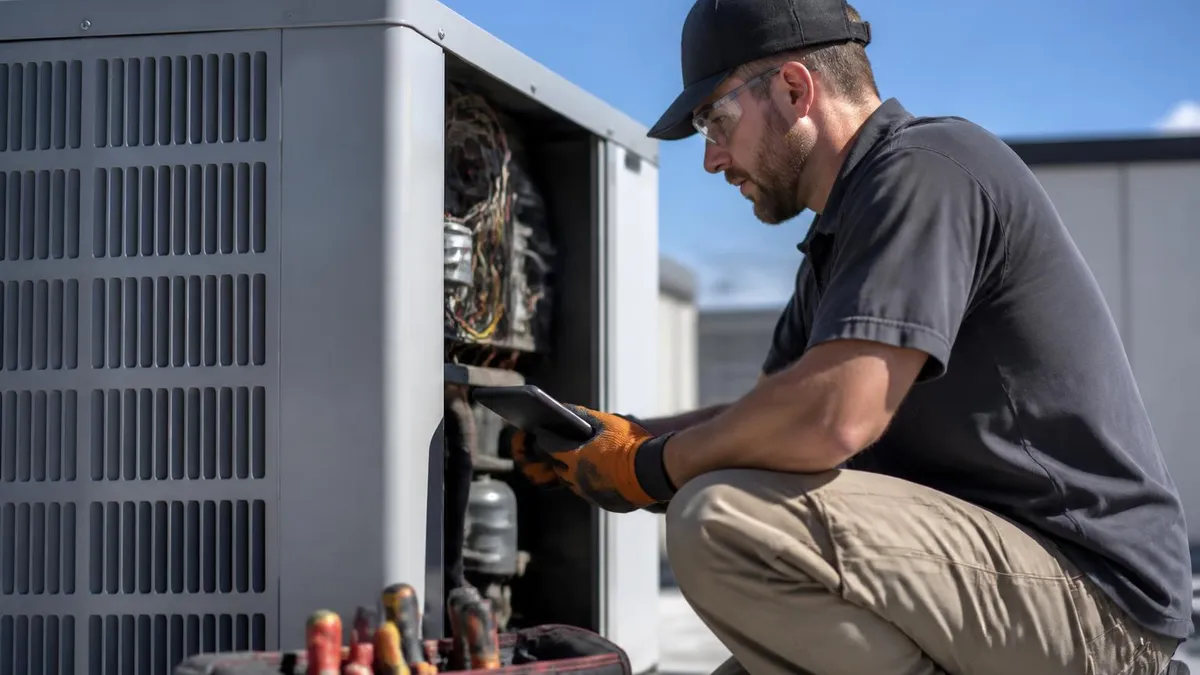
The EPA does not provide a grandfather exemption for technicians who have been working in the field for years without formal certification. Every technician who purchases or handles regulated refrigerants must hold current EPA 608 certification regardless of experience level or years on the job. Enforcement actions have increased in recent years, and fines for violations can reach tens of thousands of dollars per incident. Do not delay obtaining certification if you are currently handling refrigerants without it.
Once you hold EPA 608 certification, it serves as the foundation for a wide range of additional professional credentials that can dramatically expand your career options and earning potential. NATE (North American Technician Excellence) certifications are widely recognized by major equipment manufacturers and service contractors as the gold standard for technical competence beyond EPA compliance. NATE offers specialty certifications in areas including air conditioning, heat pumps, gas heating, oil heating, and light commercial refrigeration. Holding both EPA and NATE credentials positions you as a comprehensively qualified technician in the eyes of most commercial employers and manufacturer warranty service networks.
HVAC Excellence certifications provide another pathway for technicians seeking to demonstrate specialty knowledge. HVAC Excellence offers Professional Level certifications in residential and commercial categories, as well as the Master Specialist designation for experienced professionals. Many manufacturers, including Carrier, Trane, Lennox, and Daikin, operate their own factory-authorized service certification programs that require EPA 608 as a prerequisite. Earning manufacturer certifications allows technicians to perform warranty repairs, access technical support resources, and charge premium rates for authorized service work that competitors without the manufacturer relationship cannot offer.
The Refrigerating Engineers and Technicians Association (RETA) offers the Certified Refrigeration Service Technician (CRST) and Certified Industrial Refrigeration Operator (CIRO) designations for those pursuing careers in industrial refrigeration. These credentials are highly valued in food manufacturing, cold chain logistics, and large-scale commercial applications. Industrial refrigeration systems use ammonia and other refrigerants that have their own regulatory framework, and technicians with both EPA 608 and RETA credentials are among the most sought-after specialists in the mechanical systems workforce. Hourly rates for industrial refrigeration specialists with full credential stacks routinely exceed $45 per hour even in mid-tier markets.
Building automation and smart controls represent one of the fastest-growing areas of HVAC work, and EPA-certified technicians who add controls training to their skill set are positioning themselves for a technology-forward segment of the industry. Many commercial buildings now integrate HVAC systems with building management systems (BMS) that control lighting, security, and mechanical systems from a single platform. Technicians who understand both the refrigerant side and the controls side of these integrated systems command premium service rates and are increasingly in demand as buildings upgrade to meet energy efficiency mandates and sustainability goals.
Entrepreneurship is another natural extension of the EPA certification pathway. Technicians with Universal certification, a few years of commercial experience, and business fundamentals knowledge have everything they need to launch an independent HVAC service business. Startup costs for a basic HVAC service operation are relatively modest — a service vehicle, recovery and manifold equipment, basic hand tools, and the required business licenses. The certification gives you the legal standing to purchase refrigerants, the technical knowledge to diagnose and repair systems independently, and the professional credibility to compete for residential and light commercial service contracts.
Staying current with refrigerant transitions is an ongoing professional responsibility that becomes more important every year. The industry is actively phasing out R-410A in favor of lower-GWP (global warming potential) alternatives such as R-32, R-454B, and R-466A. These new refrigerants have different pressure characteristics, flammability classifications, and handling requirements that require technicians to update their knowledge and potentially their equipment.
ASHRAE's A2L flammability classification for several next-generation refrigerants means that new safety protocols and equipment certifications will be required for technicians working with these substances. Proactively learning about the refrigerant transition prepares you to remain compliant and competitive as the industry evolves.
For technicians who want to explore how their certified status connects to customer-facing roles and business development, understanding the intersection of technical expertise and sales is increasingly valuable. The ability to explain system options, energy efficiency upgrades, and refrigerant transition timelines to building owners and facilities managers is a skill that separates top technicians from average ones.
Technicians who combine technical EPA-certified competency with strong communication skills often move into senior roles — service managers, estimators, or technical sales representatives — that pay well above field technician rates while drawing directly on the same foundational knowledge. Exploring resources about career advancement can help you map a trajectory that maximizes both your technical investment and your long-term earning potential.
The practical day-to-day work of an EPA-certified HVAC technician involves much more than simply having a piece of paper on file. Certification represents a commitment to performing refrigerant-related tasks according to strict professional and legal standards every single time, regardless of whether an inspector is watching. The culture of compliance starts with small habits: always connecting recovery equipment before opening a system, always using certified cylinders, always verifying that a system is fully evacuated before charging with new refrigerant, and always documenting service accurately. These habits, consistently applied, protect the environment, protect your license, and protect you from liability.
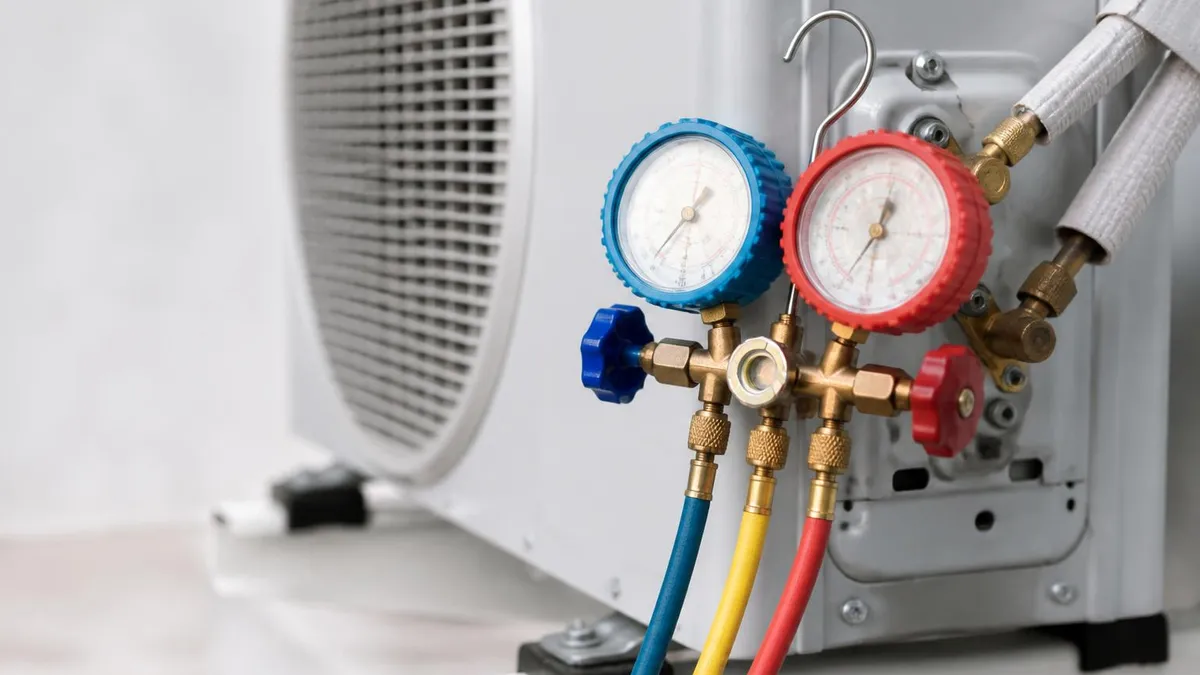
Equipment maintenance is another area where certified knowledge translates directly into better field performance. Understanding how refrigerant pressure-temperature relationships change with system load helps technicians diagnose problems faster and with greater confidence. A technician who can read a set of gauges and immediately identify whether a system is overcharged, undercharged, has a restriction, or has a non-condensable gas contamination issue without defaulting to a smartphone app is a more valuable and more efficient technician. The theoretical knowledge tested on the Section 608 exam is the same knowledge that makes field diagnostics faster and more accurate.
Customer communication is increasingly important in the modern HVAC service environment. Homeowners and facility managers are more informed than ever about refrigerants, efficiency ratings, and environmental impact. A certified technician who can explain why R-22 can no longer be produced domestically, what that means for an aging system, and what the realistic options are for a customer facing a major repair decision builds trust and earns repeat business. This kind of informed, consultative service is one of the primary ways technicians differentiate themselves in a competitive service market.
Safety is another dimension of EPA certification that the exam covers but that goes deeper in actual practice. Refrigerants under high pressure can cause severe injuries if cylinders are improperly handled, stored near heat sources, or overfilled during recovery. Some next-generation refrigerants have flammability ratings that require additional precautions when working in confined spaces or near ignition sources.
Understanding the material safety data sheets for every refrigerant you work with, wearing appropriate personal protective equipment, and following established procedures for system venting and pressurization testing are non-negotiable aspects of professional HVAC work that certification training helps instill from the beginning of a technician's career.
Continuing education, while not formally required to maintain EPA 608 certification, is strongly encouraged by industry associations and employers alike. The technology landscape in HVAC changes rapidly — new refrigerants, new variable-speed compressor technologies, new smart thermostat integration protocols, and evolving energy codes all require technicians to keep learning throughout their careers. Many states have continuing education requirements for state HVAC licenses that exist separately from the federal EPA certification, and meeting those requirements typically involves coursework that reinforces and expands on the foundational knowledge tested in Section 608.
Networking within the HVAC professional community accelerates career development in ways that certification alone cannot. Industry associations like ACCA (Air Conditioning Contractors of America), ASHRAE, and RSES (Refrigeration Service Engineers Society) offer local chapter meetings, technical training events, and national conferences where certified technicians can learn about emerging technologies, meet potential employers or business partners, and stay ahead of regulatory changes. Many of the most successful HVAC careers involve not just technical excellence but active participation in the professional community that shapes the trade's standards and practices.
Ultimately, EPA 608 certification is not a final destination but an entry point into a structured professional world with clear pathways for advancement, specialization, and entrepreneurship. The technicians who thrive long-term in the HVAC industry are those who treat certification as the beginning of a learning journey rather than the end.
They keep adding credentials, keep expanding their technical knowledge, keep building customer relationships, and keep raising their professional standards. The combination of EPA certification, ongoing education, and professional engagement creates a career foundation that is not just legally compliant but genuinely excellent — and that is what the best employers, customers, and colleagues in the HVAC industry recognize and reward.
HVAC Questions and Answers
HVAC Sales: The Complete Guide to Selling Heating and Cooling Systems, Building Customer Trust, and Closing More Deals
HVAC Air Duct Sealing: The Complete Homeowner and Contractor Guide to Sealing Ductwork for Efficiency, Comfort, and Indoor Air Quality
HVAC Solutions: The Complete Guide to Heating, Cooling, and Indoor Air Quality Systems for Homes and Buildings

Commercial HVAC Repair: Systems, Costs, and Service Strategies
HVAC Schooling: Complete Training Guide, Program Requirements, and Career Pathways
About the Author

NATE Certified HVAC Technician & Licensing Exam Trainer
Universal Technical InstituteMike Johnson is a NATE-certified HVAC technician and EPA 608 universal-certified refrigerant handler with a Bachelor of Science in HVAC/R Technology. He has 19 years of commercial and residential HVAC installation and service experience and specializes in preparing technicians for NATE certification, EPA 608, A2L refrigerant safety, and state HVAC contractor licensing examinations.