
EPA HVAC Certification: The Complete Guide to Section 608 Universal Certification
Everything you need to pass the EPA Section 608 universal certification exam. Study tips, test locations, costs, and what to expect on test day. 📚
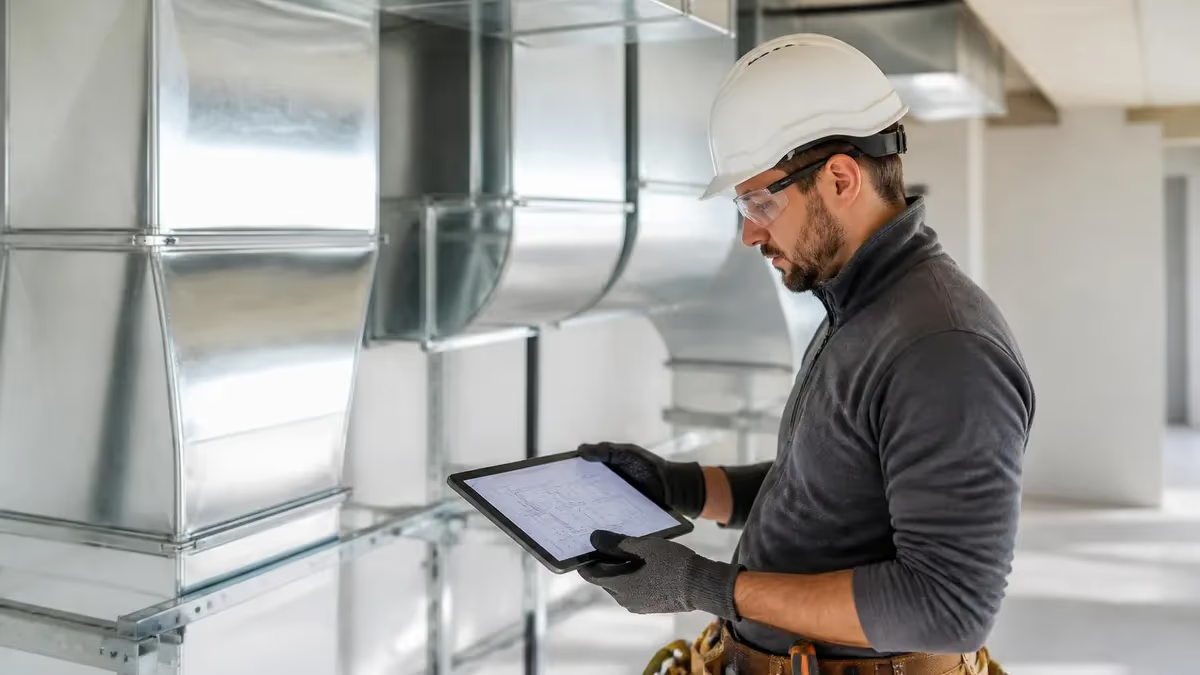
If you work with refrigerants in the HVAC industry, the EPA HVAC universal certification is not optional — it's the law. Under Section 608 of the Clean Air Act, any technician who purchases or handles regulated refrigerants must hold a valid EPA Section 608 certification. Getting your epa hvac certification opens doors to higher-paying work, commercial contracts, and the full range of HVAC service calls. Without it, you're legally barred from purchasing refrigerants like R-22 or R-410A in bulk, which severely limits what jobs you can take on.
The EPA 608 certification is divided into four types: Type I covers small appliances, Type II covers high-pressure systems, Type III covers low-pressure systems, and Universal covers all three categories plus earns you the right to service any refrigerant-containing system. Most technicians working in residential or commercial HVAC pursue Universal certification because it eliminates the need to track which ticket covers which job. Employers almost universally prefer — and many require — Universal-certified technicians on their payroll.
The exam itself tests your knowledge of refrigerant handling, leak detection, recovery equipment, environmental regulations, and safety practices. It's administered by EPA-approved testing organisations at locations across the country, including community colleges, trade schools, HVAC distributors, and industry associations like ESCO Group and Mainstream Engineering. You can also take approved proctored online exams, which became a permanent option after the COVID-19 pandemic expanded remote testing access.
Passing scores vary slightly by provider, but the standard benchmark is 70% or higher on each section. The Universal exam consists of a Core section (environmental law, safety, ozone depletion) plus Type I, II, and III sections. You must pass all four sections — either in one sitting or across multiple attempts — to earn Universal status. The total exam typically runs between 100 and 120 questions depending on the provider.
Costs range widely depending on where you test. Community-based test centres often charge $20–$40 per attempt, while online proctored exams through ESCO or similar providers typically run $20–$30. Some HVAC employers and apprenticeship programmes cover the exam fee entirely as part of onboarding. Study materials, practice exams, and prep courses add to the investment but significantly improve pass rates, especially for the Core and Type II high-pressure sections where candidates most often fall short.
Once you pass, the EPA does not require periodic renewal — your Section 608 certification is valid for life. However, changes in refrigerant regulations (such as the HFC phasedown under the AIM Act) mean you'll want to stay current through continuing education even if your certification itself doesn't expire. Many states also layer additional licensing requirements on top of the federal EPA cert, so check your state's rules before assuming one card covers everything you need to work legally.
This guide covers everything you need to know about the EPA HVAC universal certification: exam structure, study strategy, approved testing providers, state-specific requirements, and what to do once you've earned your certification. Whether you're a new apprentice preparing for your first industry credential or an experienced tech upgrading from a Type II ticket to Universal, the information here will help you pass on your first attempt and maximise the career value of your new certification.
EPA Section 608 Certification by the Numbers
Key Facts at a Glance
| Item | Value | Details |
|---|---|---|
| Minimum Passing Score | 70% | on each section |
| Exam Questions | 100–120 | Core + Types I, II, III |
| Typical Exam Fee | $20–$40 | varies by test centre |
| Certification Validity | Lifetime | no renewal required |
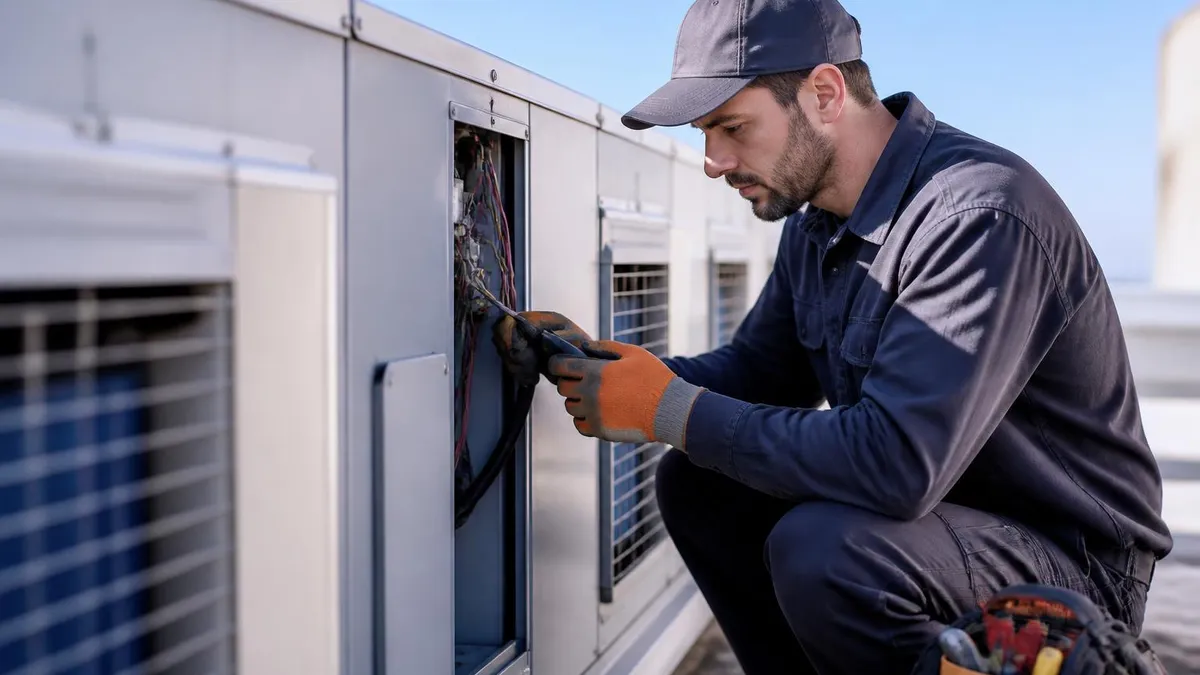
EPA Section 608 Exam Structure Explained
Covers federal regulations, ozone depletion science, global warming, safety practices, and container handling. Required for all certification types. Typically 25 questions.
Covers appliances with 5 lbs or less of refrigerant (window ACs, household refrigerators). Focuses on safe disposal, passive and active recovery methods.
Covers systems using high-pressure refrigerants like R-22 and R-410A. The hardest section — tests leak rates, recovery equipment, and vapour/liquid recovery procedures.
Covers centrifugal chillers and other low-pressure systems using refrigerants like R-11 and R-113. Less common but required for Universal certification.
Passing Core plus all three type-specific sections earns Universal status — the gold standard in the industry. Required for commercial HVAC work and purchasing bulk refrigerants.
Preparing for the EPA HVAC universal certification requires a structured approach because the exam covers four distinct knowledge areas, each with its own vocabulary, regulations, and technical concepts. Most candidates who fail on their first attempt do so on the Core section (misunderstanding federal law language) or the Type II section (getting tripped up on recovery equipment requirements and refrigerant pressure relationships). A focused six-to-eight-week study plan gives most candidates enough time to build genuine understanding rather than just memorising answers.
Start your prep with the EPA's own Section 608 regulations, available free on the EPA website. Reading the actual regulatory text is tedious but invaluable — exam questions often paraphrase regulation language directly, so recognising the underlying rule helps you choose the right answer even when the question is phrased differently from how you first learned the concept. Pay particular attention to leak rate thresholds (industrial process refrigeration: 35%, commercial refrigeration: 20%, comfort cooling: 15%), recovery requirements by system size, and the definitions of technicians, appliances, and refrigerants as the EPA uses them.
After working through the regulations, move to practice exams. Multiple providers offer EPA 608 practice tests that mirror the format and difficulty of the real exam. ESCO Group, HVAC Excellence, and Mainstream Engineering all publish practice materials. Aim to score consistently above 80% on each section before booking your exam — the 70% passing threshold leaves little room for error on the actual test, so building a buffer through practice reduces anxiety and improves your chances considerably on a bad day.
Flash cards work particularly well for memorising refrigerant properties, pressure-temperature relationships, and the specific percentage thresholds that appear frequently in Core and Type II questions. Whether you use physical cards or a digital app like Anki, active recall practice beats re-reading notes by a wide margin for this type of technical content. Focus your card deck on: ozone depletion potential (ODP) values, global warming potential (GWP) comparisons, leak rate percentages, and recovery equipment certification standards.
For Type III (low-pressure systems), many candidates treat this section as an afterthought and then struggle with unfamiliar terminology on exam day. Centrifugal chiller systems operate at pressures below atmospheric, meaning the recovery process works in reverse compared to high-pressure systems — you're pulling a vacuum rather than venting pressure. Understanding this fundamental mechanical difference makes the Type III questions much more logical rather than a separate pile of facts to memorise.
Consider attending a one-day EPA 608 prep course if you prefer structured classroom learning. Many HVAC trade schools, community colleges, and distributors offer these sessions for $50–$150, often bundled with the exam fee. The instructor-led format is particularly useful for the Core section because instructors can explain the intent behind regulations rather than just the text, which helps answer the tricky edge-case questions that appear on most exams.
In the final week before your exam, focus on reviewing your weakest sections and taking full-length timed practice exams under test conditions. Simulate the actual experience: no notes, time limit, and no pausing to look things up. Most providers allow about two hours for the full Universal exam, which is ample time if you've prepared properly — most well-prepared candidates finish in 90 minutes or less. Going into the exam confident in your preparation dramatically reduces the performance-sapping anxiety that causes careless mistakes on questions you actually know.
HVAC Practice Test Questions
Prepare for the HVAC - Heating Ventilation and Air Conditioning exam with our free practice test modules. Each quiz covers key topics to help you pass on your first try.
HVAC Air Conditioning
HVAC Exam Questions covering Air Conditioning. Master HVAC Test concepts for certification prep.
HVAC Code Compliance
Free HVAC Practice Test featuring Code Compliance. Improve your HVAC Exam score with mock test prep.
HVAC Electrical Controls
HVAC Test Prep for Electrical Controls. Practice HVAC Quiz questions and boost your score.
HVAC Energy Efficiency
HVAC Questions and Answers on Energy Efficiency. Free HVAC practice for exam readiness.
HVAC Heating Systems
HVAC Mock Test covering Heating Systems. Online HVAC Test practice with instant feedback.
HVAC Load Calculations
Free HVAC Quiz on HVAC Load Calculations. HVAC Exam prep questions with detailed explanations.
HVAC Tools and Equipment
HVAC Practice Questions for HVAC Tools and Equipment. Build confidence for your HVAC certification exam.
HVAC Refrigeration
HVAC Test Online for Refrigeration. Free practice with instant results and feedback.
HVAC Safety Practices
HVAC Study Material on Safety Practices. Prepare effectively with real exam-style questions.
HVAC System Design
Free HVAC Test covering System Design. Practice and track your HVAC exam readiness.
HVAC Thermodynamics
HVAC Exam Questions covering Thermodynamics. Master HVAC Test concepts for certification prep.
Finding an EPA 608 Test Location and Understanding Costs
EPA-approved Section 608 test centres include community colleges, HVAC trade schools, refrigerant distributors (such as Johnstone Supply, Wesco, and Ferguson), and industry associations like ESCO Group and HVAC Excellence. The EPA maintains a searchable list of approved organisations on its website, though individual location details require contacting each centre directly. Most distributors offer walk-in testing on specific weekdays, making them the fastest option for candidates who are already exam-ready.
Many HVAC apprenticeship programmes include exam access as part of their curriculum, arranging group testing sessions at local trade schools or union halls. If you're affiliated with an apprenticeship, check with your programme coordinator before paying out of pocket — you may already have exam access covered. HVAC manufacturers and equipment distributors also periodically host free or discounted testing events, particularly when new refrigerant regulations create demand for updated certifications among existing technicians.
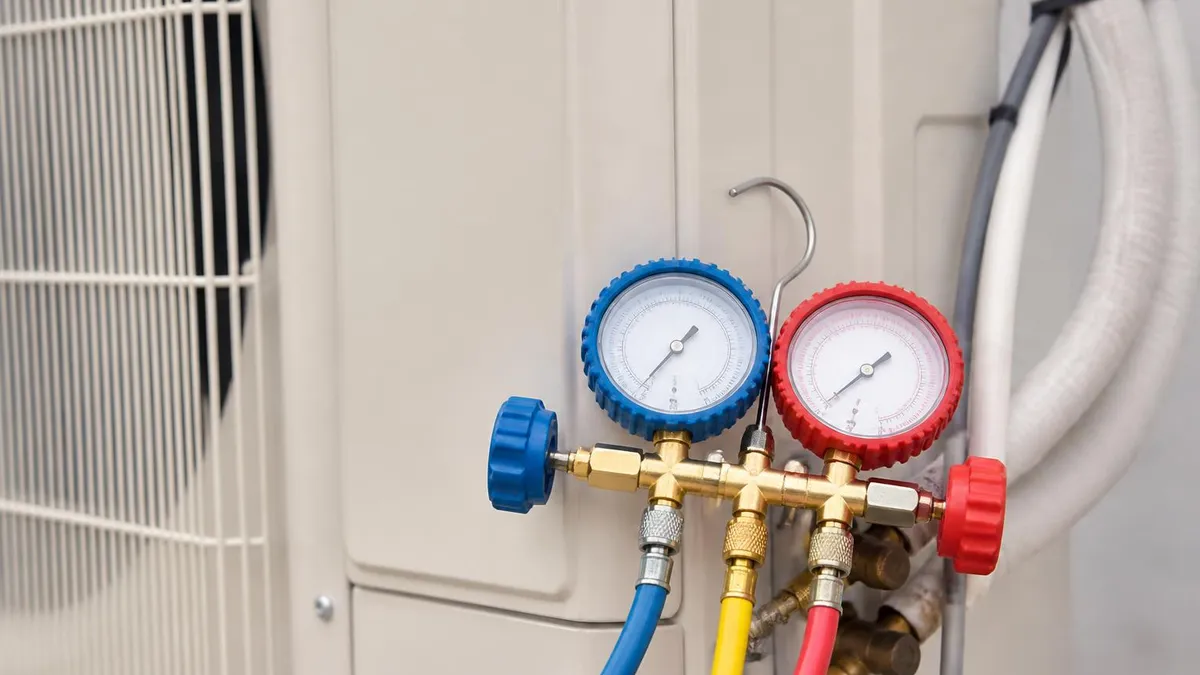
Universal vs. Single-Type EPA Certification: Which Should You Get?
- +Universal covers all three types — no limitations on which systems you can service
- +Required by most commercial HVAC employers and large residential contractors
- +Allows purchase of bulk refrigerants in all categories without restrictions
- +One exam sitting covers everything — no need to return for additional sections later
- +Higher earning potential — Universal-certified techs command premium hourly rates
- +Future-proofs your credential as refrigerant types evolve under new EPA regulations
- −Longer and more comprehensive exam than a single-type certification
- −Costs slightly more than testing for just one type
- −Type III (low-pressure) content is rarely used in everyday HVAC work
- −More study time required to cover all four sections adequately
- −Single-type certs may be sufficient for highly specialised roles (e.g., refrigeration-only)
- −Some residential-only technicians find Type II sufficient for their specific work
EPA 608 Certification Preparation Checklist
- ✓Download and read the full EPA Section 608 regulations from the EPA website
- ✓Identify your nearest approved test centre or register for an online proctored exam
- ✓Purchase or access study materials covering Core, Type I, Type II, and Type III sections
- ✓Create flash cards for leak rate percentages, ODP/GWP values, and recovery equipment standards
- ✓Complete at least 3 full-length practice exams before your test date
- ✓Score consistently above 80% on each section in practice before booking the real exam
- ✓Confirm exam fee payment method and bring valid government-issued ID on test day
- ✓Review your weakest section in the 48 hours before the exam — not new material
- ✓Check your state's additional licensing requirements beyond the federal EPA cert
- ✓After passing, download and save your certification card from the provider's portal
Key Fact: No Renewal Required
Your EPA Section 608 certification never expires — once you pass, you're certified for life. However, staying current on refrigerant regulations (particularly the AIM Act HFC phasedown) through continuing education ensures you always work within the law, even as the rules around specific refrigerants change over time.
State-level licensing requirements for HVAC technicians vary significantly and often layer on top of the federal EPA Section 608 certification. In some states, the EPA cert alone is sufficient for employment, while others require a separate state contractor's licence, journeyman licence, or both before you can legally perform HVAC work for compensation. Understanding both layers of credentialing is essential for any technician planning to work independently or start their own business.
States with the most demanding licensing regimes include California, which requires an EPA cert plus a state contractor licence (C-20 HVAC/Sheet Metal classification) for any business doing more than $500 of work. Florida requires a Certified Air Conditioning Contractor or Certified Refrigeration Contractor licence for residential and commercial work. Texas requires an Air Conditioning and Refrigeration Contractor licence issued by the Texas Department of Licensing and Regulation (TDLR), with different tiers for Class A (unlimited) and Class B (residential and small commercial) work.
Many states use a journeyman/master structure modelled on the electrical trades. A journeyman HVAC licence allows you to work under supervision; a master licence allows independent contracting and supervising others. The path from apprentice to master typically takes three to five years of documented work experience plus a written exam. Some states allow experience gained under a non-licensed employer to count toward the requirement, while others require verified time under a licensed master — check your specific state's rules carefully.
Municipalities sometimes add a third layer of local permits and inspections on top of state licensing. In cities like Chicago, Los Angeles, and New York City, mechanical contractor licences issued by the city are required in addition to state credentials. These local licences typically require their own exams, application fees, and insurance documentation. For technicians planning to work in major metro areas, researching local requirements early avoids unpleasant surprises when you're ready to work independently.
Some states are reciprocal with neighbouring states, meaning a licence earned in one state transfers to another without re-examination. The specific states involved and the conditions of reciprocity change over time, so check directly with the licensing authority in any state you plan to work in rather than relying on second-hand information. The Air Conditioning Contractors of America (ACCA) and Refrigerating Engineers and Technicians Association (RETA) both maintain updated resources on state licensing requirements.
For technicians working in refrigeration rather than comfort cooling — such as supermarket refrigeration systems, cold storage facilities, or food processing plants — additional certifications from bodies like RETA (Certified Refrigerating System Operator, CRSO) complement the EPA cert and distinguish candidates in that specialised market. Large industrial refrigeration employers often require RETA credentials alongside Section 608 for senior technician and supervisory roles.
The bottom line: the EPA HVAC universal certification is the non-negotiable foundation, but it's rarely the only credential you'll need for a complete career in the trades. Mapping out the full credentialing pathway in your state — EPA cert, state licence, local permits, and any specialisation credentials — early in your career helps you plan your time and money efficiently and avoids the frustration of discovering gaps in your credentials when a major opportunity is on the line.
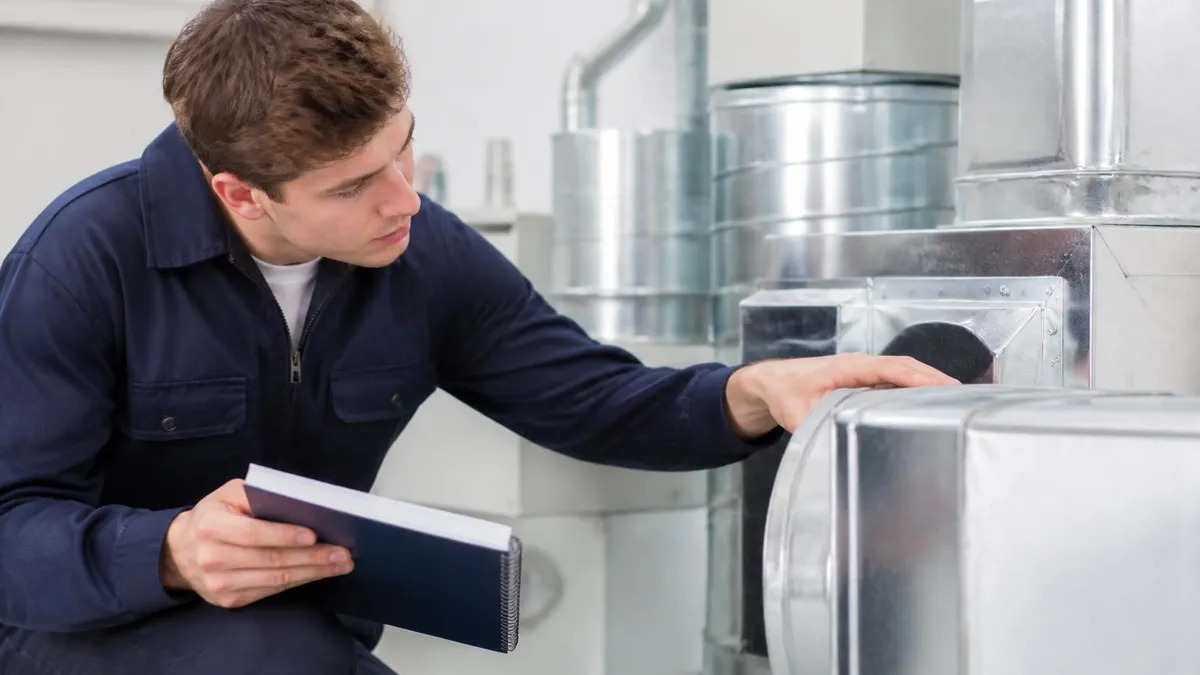
The American Innovation and Manufacturing (AIM) Act requires significant reductions in HFC refrigerant use over the next decade. Some refrigerants you're certified to handle today are being phased down, and new low-GWP alternatives require updated handling knowledge. Even though your EPA 608 cert doesn't expire, staying current on regulatory changes is critical to working legally and safely.
Passing the EPA Section 608 Universal exam transforms your career options in ways that go beyond simple legal compliance. Universal certification signals to employers that you're serious about the trade, have invested in your professional development, and can take on the full range of service calls without restrictions. In a tight labour market for skilled trades, this credential immediately distinguishes you from uncertified candidates and justifies a higher starting wage in salary negotiations.
The practical earnings impact is substantial. Surveys of HVAC technician wages consistently show Universal-certified technicians earning 15–25% more than non-certified peers with equivalent experience. The gap is most pronounced in commercial work, where building owners and facilities managers require certified personnel on their maintenance contracts. Landing even one commercial account — a small office building, a restaurant chain, a medical facility — can significantly outperform the earnings of residential-only work.
For technicians interested in starting their own HVAC business, Universal certification is typically the first prerequisite for the state contractor licence that allows independent operation. The faster you earn the EPA cert, the sooner you can start the experience clock running toward your master licence or contractor's licence, which unlocks the ability to pull permits, bid commercial contracts, and hire other technicians under your supervision.
Universal certification also positions you well for emerging opportunities in refrigerant transition work. As the HVAC industry phases down high-GWP HFCs in compliance with the AIM Act and international climate agreements, technicians who understand both legacy refrigerants and their lower-GWP replacements are in high demand for system retrofits, equipment upgrades, and compliance consulting. Training organisations and equipment manufacturers actively seek experienced, certified technicians to deliver field training on new refrigerant handling procedures.
The professional community around EPA-certified HVAC technicians is substantial and accessible. ACCA, RSES (Refrigeration Service Engineers Society), and RETA all offer networking, continuing education, and technical resources to members. Joining at least one of these organisations after certification gives you access to updated regulatory information, regional chapter events, and job boards that exclusively serve the certified technician market.
Documentation and record-keeping become important professional habits once you're certified and working with regulated refrigerants. The EPA requires technicians to maintain records of refrigerant purchases, recovery amounts, and disposal for commercial and industrial systems. Using a service management app or a simple spreadsheet to track this information from the start builds good habits that protect you from regulatory trouble later and demonstrate professionalism to commercial clients who may audit contractor records.
In summary, the EPA HVAC universal certification is a one-time investment — a few weeks of focused study and a modest exam fee — that pays dividends across an entire career. It's the entry ticket to the full range of HVAC work, the foundation for every state licence that follows, and the credential that signals to every employer and client that you're a properly qualified professional. Get it early, study it seriously, and let it open doors that remain closed to the uncertified majority of the industry workforce.
On exam day, a few practical habits make a meaningful difference in your performance. Arrive at a physical test centre with your photo ID and any confirmation paperwork the provider requested — most centres require government-issued ID, and some require proof of registration printed or accessible on your phone. For online exams, log in 15 minutes early to complete the technical checks and get settled before the clock starts. Having water nearby helps maintain focus during a 90-minute-plus session.
Read each question carefully and look for qualifying words like 'always', 'never', 'must', and 'except' — these words completely change the correct answer and are responsible for a large proportion of errors on otherwise well-prepared candidates' exams. The EPA 608 questions are written to test your understanding of the regulations, so if a question seems ambiguous, return to first principles: what does the regulation require, and why does it require it?
When you encounter questions you're unsure about, flag them and move on rather than spending excessive time second-guessing. Most providers allow you to review flagged questions before submitting, so a question you're uncertain about on first pass often becomes clearer after you've worked through the rest of the exam. Changing your first instinct rarely improves scores on this type of regulatory exam — trust your preparation.
After the exam, you'll typically receive your results immediately for computerised tests. If you pass all four sections, you'll receive your certification card either on the spot or by email within a few days. Keep a digital copy of your certification in addition to the physical card — you'll be asked to provide proof of certification regularly throughout your career, and having a PDF on your phone avoids scrambling to find the physical card when a client or employer requests documentation.
If you don't pass one or more sections on the first attempt, don't be discouraged — this is common even among well-prepared candidates, particularly on the Type II and Core sections. Most providers allow immediate or short-notice retakes. Use your score report to identify exactly which topic areas cost you points, then focus your additional study there before retaking. A targeted two-week review of weak areas typically gets candidates over the threshold on the second attempt.
Building your career around the EPA HVAC universal certification means treating it as the beginning of your professional development, not the end. The technicians who advance fastest combine their federal certification with state licensing, manufacturer-specific training (Carrier, Trane, Lennox all offer technical certification programmes), and ongoing continuing education as refrigerant technology and building codes evolve. Each additional credential compounds the value of the ones before it.
Whether you're a first-year apprentice or an experienced technician upgrading to Universal status, the effort you put into this certification pays back many times over. The HVAC industry needs qualified, certified professionals — the combination of ageing infrastructure, climate-driven demand for efficient systems, and regulatory complexity around refrigerants means the market for certified technicians will remain strong for decades to come. Passing the EPA Section 608 Universal exam is one of the best professional investments available in the skilled trades today.
Sample HVAC Practice Questions
Try these questions from our free HVAC practice tests. The correct answer and an explanation follow each question.
Which EPA 608 certification type covers small appliances such as household refrigerators and window air conditioners?
- A. Type I
- B. Type II
- C. Type III
- D. Universal
Answer: A. Type I
Type I certification covers small appliances containing five pounds or less of refrigerant, including household refrigerators and window AC units.
Under EPA Section 608 regulations, recovery cylinders must be hydrostatically tested every how many years?
- A. 3 years
- B. 5 years
- C. 7 years
- D. 10 years
Answer: B. 5 years
DOT regulations require hydrostatic testing of recovery cylinders (DOT specification cylinders) every five years to ensure structural integrity and safe operation.
Which EPA section governs the handling and recovery of refrigerants?
- A. Section 404
- B. Section 608
- C. Section 609
- D. Section 612
Answer: B. Section 608
EPA Section 608 regulates the servicing, maintenance, repair, and disposal of stationary refrigeration and air conditioning equipment to prevent refrigerant venting.
What is the minimum clearance from combustibles typically required for a Category I B-vent connector section on a residential gas furnace?
- A. 1 inch
- B. 6 inches
- C. 12 inches
- D. 18 inches
Answer: A. 1 inch
Listed Type B vent and single-wall connector sections have specific clearance requirements; single-wall connectors typically require 6 inches, but B-vent connectors are often listed for 1-inch clearance.
HVAC Questions and Answers
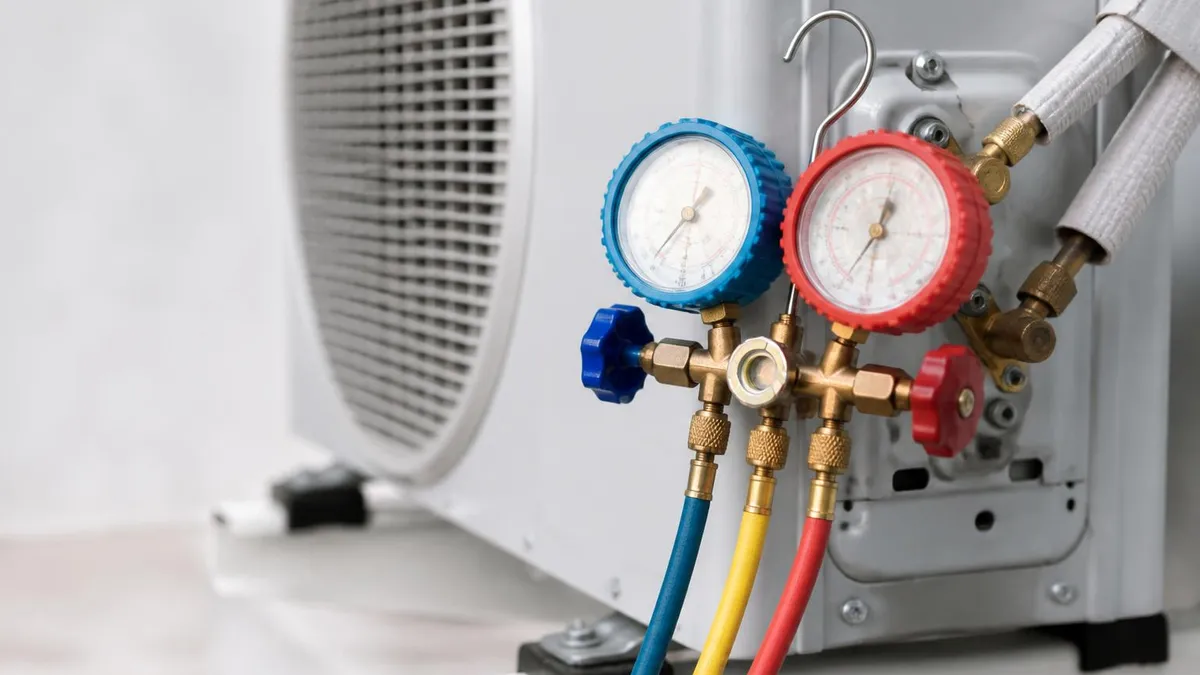
HVAC Sales: The Complete Guide to Selling Heating and Cooling Systems, Building Customer Trust, and Closing More Deals
HVAC Air Duct Sealing: The Complete Homeowner and Contractor Guide to Sealing Ductwork for Efficiency, Comfort, and Indoor Air Quality
HVAC Solutions: The Complete Guide to Heating, Cooling, and Indoor Air Quality Systems for Homes and Buildings

Commercial HVAC Repair: Systems, Costs, and Service Strategies
How to Become an HVAC Tech: The Complete Career Roadmap From Apprentice to Certified Technician
How this page was made: written with AI tools. We have not yet matched this exam's facts to an official source, so confirm fees, dates and rules with the exam body. Not reviewed by a subject-matter expert. Editorial policy