
Home Inspectors Near Me: Complete Guide to Finding, Hiring & Becoming a Home Inspector
Find home inspectors near me, learn salaries, certification steps & what inspectors check. 🎯 Your complete 2026 location guide.

When you search for home inspectors near me, you are taking one of the most important steps in any real estate transaction. Whether you are buying your first property in a suburban neighborhood or a period home in an established city market, a qualified local inspector can uncover hidden defects that save you thousands of dollars in unexpected repair costs. For buyers in Fort Bend County and the greater Houston metro, finding a certified home inspector Orchard TX professionals trust means selecting someone who understands the specific soil movement, humidity levels, and foundation challenges unique to Southeast Texas.
The home inspection industry has grown substantially over the past decade as consumers become more educated about the real-estate process. Today, more than 77,000 professional home inspectors operate across the United States, according to data compiled by the American Society of Home Inspectors (ASHI). Each inspector must navigate a patchwork of state licensing requirements, continuing education mandates, and insurance obligations that vary dramatically depending on where they practice. Understanding these requirements helps both buyers choosing an inspector and career-changers deciding whether to enter the profession.
Local knowledge is arguably the single most valuable attribute a home inspector brings to the table. An experienced inspector working in Chicago area home inspectors typically encounter older masonry construction, aging knob-and-tube wiring, and basement moisture intrusion patterns that differ fundamentally from the slab-on-grade foundations and hurricane strapping requirements that dominate coastal Texas markets. This geographic specialization means that national directories are only a starting point — you should always verify that your chosen inspector has hands-on experience with the building types in your specific ZIP code.
Beyond finding an inspector, many readers want to understand how to become a home inspector themselves. The profession offers a flexible schedule, low startup costs relative to many licensed trades, and the ability to work independently or join a franchise operation. Average annual earnings have climbed steadily as housing markets remained active, making this one of the more accessible pathways into real-estate-adjacent work that does not require a full broker's license or years of apprenticeship under a union contract.
Home inspector certification is the gateway credential that proves a candidate has mastered the core competencies — structural systems, roofing, electrical panels, plumbing distribution, HVAC equipment, and more. Several national organizations and state boards administer certification programs with different curricula, proctored exams, and renewal cycles. Knowing which credential carries the most weight in your target market saves time and money during the licensing process. If you want to understand how much do home inspectors charge clients and how those fee structures relate to startup costs, that guide breaks down pricing by region and experience level.
Practice examinations are one of the fastest ways to prepare for state licensing tests and national credential exams alike. Studying real exam-style questions sharpens your recall of building science principles, helps you identify weak spots in your knowledge, and reduces test anxiety on the actual exam day. The National Home Inspector Examination (NHIE) is the most widely accepted standardized test, and candidates who complete structured study programs consistently report higher first-attempt pass rates than those who rely on informal study alone.
This guide covers everything a reader needs to know — whether you are hunting for a local inspector right now, researching salary potential before switching careers, or preparing for a state licensing examination. We have organized the content into clear sections so you can jump directly to the information most relevant to your situation. Bookmark this page and return to it as your inspection journey evolves, because the steps from initial research to certified professional are easier to navigate when you have a single comprehensive resource to consult.
Home Inspector Industry by the Numbers

Home Inspector Salary & Earnings Breakdown
Understanding how to become a home inspector starts with researching your state's specific licensing requirements, because no single national standard governs the profession. States like Texas, California, and Florida have some of the most detailed regulatory frameworks, requiring candidates to complete pre-licensing education, pass a written examination, carry errors-and-omissions insurance, and renew their license every one to two years with verified continuing education credits. Other states have minimal requirements or none at all, though working without credentials in those markets is increasingly risky as consumers grow more sophisticated.
Pre-licensing education is the foundation of inspector preparation. Most state-approved programs require between 60 and 120 classroom or online hours covering topics such as structural components, roofing systems, electrical panels and branch circuits, plumbing supply and drainage, HVAC equipment, insulation, and interior components like windows and doors. Texas, for example, mandates 194 hours of approved instruction before candidates can sit for the state exam — one of the highest hourly requirements in the country. These hours ensure that new inspectors encounter the full breadth of building systems before they walk into a client's home.
After completing education, most aspiring inspectors must pass the national home inspector examination or an equivalent state-specific test. The NHIE is developed by the Examination Board of Professional Home Inspectors (EBPHI) and is accepted in more than 25 states. The exam contains 200 questions covering site conditions, structural systems, roofing, plumbing, electrical, HVAC, interior components, and insulation. Candidates typically have four hours to complete it, and the passing score is set through a psychometric process that adjusts slightly with each exam version.
Field experience is equally important and often required before full licensure. Many states mandate a supervised inspection period — sometimes called a mentorship or apprenticeship — during which candidates must complete between 25 and 100 inspections alongside a licensed professional. This hands-on phase is irreplaceable because textbooks and online courses cannot replicate the experience of standing on a roof with a seasoned inspector who can point out the subtle signs of aging shingles, improper flashing installation, or early-stage wood rot that photographs rarely capture clearly.
Once licensed, inspectors must maintain their credentials through continuing education. ASHI requires members to complete 20 hours of CE annually, while the International Association of Certified Home Inspectors (InterNACHI) offers unlimited online courses to its members at no additional charge. Staying current with updated building codes, emerging materials like spray polyurethane foam insulation, and newly recognized health hazards such as PFAS contamination from certain water sources keeps inspectors relevant and protects them from liability claims.
Marketing is often the most underestimated challenge for new inspectors entering the profession. Building a referral network of real estate agents, mortgage brokers, and past clients takes months of consistent effort. New inspectors in competitive metro areas like Chicago or Minneapolis frequently supplement their income with niche services — radon testing, mold sampling, sewer scope inspections, or thermal imaging — that command premium fees and differentiate them from general inspection competitors. Specialization is particularly effective in markets where many licensed inspectors already compete for the same pool of home-buying clients.
Technology is reshaping how inspectors deliver their work product. Modern inspection software such as HomeGauge, Spectora, or ISN allows inspectors to generate polished PDF and web-based reports on-site within minutes of completing a walkthrough. Clients can review annotated photographs, embedded video clips, and prioritized repair recommendations on any device within hours of the inspection. Inspectors who invest in quality software, high-resolution cameras, and specialty tools like moisture meters and combustion analyzers consistently earn higher ratings and stronger referrals than those who rely on older, text-heavy report formats that buyers find difficult to interpret.
What Do Home Inspectors Look For? System-by-System Breakdown
Home inspectors evaluate the structural integrity of a property from the foundation to the ridge line. In slab-on-grade homes common across Texas, inspectors look for differential settlement cracks, stair-step cracking in brick veneer, and doors or windows that stick — all signs that the slab may be moving unevenly. Crawl space homes receive scrutiny for sagging floor joists, inadequate ventilation that promotes wood rot, and evidence of pest damage that may have compromised bearing members.
Roof inspections cover shingle condition, flashing around chimneys and skylights, gutters, soffit and fascia condition, and the integrity of roof penetrations like plumbing vents and HVAC exhaust pipes. Inspectors look for granule loss on asphalt shingles that signals end-of-life aging, improperly nailed shingles that lift in high winds, and missing drip edge that allows water to wick behind fascia boards. Age-related deterioration is noted and estimated remaining life is often included in the report narrative.

Pros and Cons of a Home Inspector Career
- +Flexible schedule — set your own inspection calendar and take days off when needed
- +Low startup costs compared to most licensed trades or real estate professions
- +No two days are identical — each property presents unique challenges and learning
- +Strong income potential in active housing markets with volume and specialty services
- +High job satisfaction from helping buyers make one of their largest financial decisions
- +Growing demand as more states mandate inspections and consumer awareness increases
- −Income is directly tied to housing market activity — slow markets mean fewer bookings
- −Physical demands include crawling under homes, climbing ladders, and working in extreme temperatures
- −Professional liability exposure is significant — one missed defect can trigger a lawsuit
- −Building a referral network takes 12 to 24 months of consistent marketing effort
- −Continuing education and license renewal require annual time and financial investment
- −Solo operators face administrative burden — scheduling, invoicing, report writing, and marketing
Home Inspector Hiring Checklist for Buyers
- ✓Verify the inspector holds a current state license or certification in your state.
- ✓Confirm the inspector carries errors-and-omissions (E&O) and general liability insurance.
- ✓Ask how many inspections the inspector has completed in your specific neighborhood or building type.
- ✓Request a sample report to evaluate clarity, photograph quality, and repair prioritization.
- ✓Check online reviews on Google, Yelp, or ASHI's inspector finder for consistent feedback.
- ✓Ask whether specialty testing — radon, mold, sewer scope, thermal imaging — is included or priced separately.
- ✓Confirm the inspection covers all structures on the property, including detached garages and outbuildings.
- ✓Ask how quickly the written report will be delivered after the inspection concludes.
- ✓Attend the inspection in person to ask questions and see issues firsthand.
- ✓Read the pre-inspection agreement carefully before signing, noting what is and is not covered.
The Inspection Contingency Is Your Safety Net
Always include an inspection contingency clause in your purchase offer before booking any inspector. This clause allows you to renegotiate price, request repairs, or walk away entirely if the inspection reveals significant defects — without forfeiting your earnest money deposit. In competitive markets, some buyers waive this protection to strengthen their offer, but doing so without a prior walkthrough with a contractor is a high-risk strategy that has cost buyers tens of thousands of dollars in surprise repairs.
Home inspector certification through a recognized national organization signals to clients and real estate professionals that you have met rigorous competency standards beyond the minimum required by your state. The two most influential certifying bodies are ASHI (American Society of Home Inspectors) and InterNACHI (International Association of Certified Home Inspectors). ASHI's Certified Inspector designation requires passing the NHIE, completing 250 paid inspections, and submitting five reports for peer review. InterNACHI's Certified Professional Inspector (CPI) credential requires completing the organization's online courses, passing a proctored exam, and agreeing to its code of ethics.
State licensing requirements for the national home inspector exam vary significantly, which creates confusion for candidates who are considering moving between states or working in border areas. Texas requires passing the NHIE plus a Texas-specific exam administered by the Texas Real Estate Commission (TREC). Florida requires the National Home Inspection Examination and a state jurisprudence exam. California does not yet have mandatory statewide licensing for home inspectors, though legislative pressure has been building for years and local jurisdictions may impose their own standards.
Reciprocity agreements between states can simplify the path for inspectors who want to expand their service areas or relocate. Approximately 15 states recognize the NHIE as a primary or partial fulfillment of their licensing requirements, which means that an inspector licensed in one of those states may be able to obtain a reciprocal license in another without retaking a full examination. Checking the specific reciprocity table maintained by EBPHI and your target state's licensing board before investing in additional coursework can save significant time and cost.
Specialty certifications add genuine market value for inspectors willing to invest in additional training. The most sought-after specialty credentials include Certified Residential Thermographer (CRT) for thermal imaging, EPA 608 certification for handling refrigerants during HVAC inspection, radon measurement certification through the National Radon Proficiency Program (NRPP), and IAC2 certification for mold and indoor air quality sampling. Each specialty opens a new revenue stream that cannot be commoditized by lower-cost competitors who lack the certification.
Ongoing professional development extends beyond mandatory CE hours. Attending regional inspector conferences, participating in chapter meetings of ASHI or InterNACHI, and following code update cycles through the International Residential Code (IRC) publication schedule keeps inspectors current with evolving construction standards. The IRC is updated every three years, and states typically adopt updated versions on staggered schedules — meaning that an inspector who served clients under 2018 code requirements may now be working in a jurisdiction that has adopted 2021 or 2024 code, changing what is considered standard or deficient in a given installation.
Building a mentorship relationship with an established inspector accelerates the learning curve dramatically. New inspectors who shadow experienced colleagues report that supervised field work compresses the equivalent of months of solo practice into a few weeks of intensive observation. Many established inspectors welcome associates because it allows them to increase daily inspection volume — one inspector handles the interior while the associate covers the roof and crawl space — which is difficult to accomplish safely when working alone. These arrangements benefit both parties and are increasingly formalized through franchise or team inspection models.
Digital credentials and verifiable online profiles are now standard in the profession. ASHI and InterNACHI both maintain searchable member directories that allow consumers to verify an inspector's credential status, check CE completion, and read any disciplinary history. Maintaining an accurate, up-to-date profile on these directories costs nothing and generates a steady stream of consumer inquiries that would otherwise require paid advertising to capture. Inspectors who neglect their professional profiles lose bookings to less-experienced competitors who maintain a stronger digital presence.

Errors-and-omissions insurance protects you if a client claims you missed a defect that led to financial loss after closing. A single lawsuit — even one you ultimately win — can cost tens of thousands of dollars in legal fees without coverage. Most state licensing boards require proof of E&O before issuing your license, but inspectors working in unregulated states sometimes skip it to reduce startup costs. This is a serious mistake: the average home inspection E&O policy costs $1,500 to $3,000 annually, a fraction of the exposure from one disputed report.
Understanding home inspectors professional liability is essential for both buyers evaluating inspector qualifications and professionals managing their own risk exposure. Liability claims against home inspectors most commonly arise from alleged missed defects — a cracked heat exchanger, evidence of prior water intrusion, or active pest damage that the inspector failed to note in the report.
Courts in most states hold inspectors to a standard of reasonable care, meaning the inspection must be conducted with the thoroughness and attention that a qualified inspector exercising professional judgment would apply under similar conditions. Inspectors who carry home inspectors professional liability coverage are better positioned to defend these claims and satisfy any resulting judgments without personal financial ruin.
Pre-inspection agreements are the inspector's first line of defense against unreasonable claims. These legally binding contracts define the scope of the inspection — what systems are covered, what is excluded, and what constitutes the standard of care the inspector commits to meeting. They also typically include limitation-of-liability clauses that cap the inspector's financial exposure at the fee paid for the inspection, though the enforceability of these clauses varies by state. Buyers who sign without reading the agreement carefully sometimes discover after closing that the contract excluded the very system where a defect was later found.
Documentation discipline dramatically reduces liability exposure. Modern inspection software timestamps every photograph, links images to specific report line items, and creates an audit trail showing which systems were inspected and in what order. Inspectors who can produce a complete, timestamped digital record of their work are far better positioned to defend a claim than those whose reports consist of vague narrative observations without supporting imagery. Some inspectors now use body cameras or dashboard-style cameras during inspections to create an additional layer of contemporaneous documentation.
Continuing to improve report writing quality is one of the most effective liability management strategies available. Reports that clearly distinguish between safety hazards, major defects, and minor maintenance items help buyers understand the relative significance of each finding and make informed decisions. Vague language like "condition noted" or "monitor for changes" creates ambiguity that can be exploited in litigation. Clear, specific language — "the furnace heat exchanger shows visible cracking at the secondary cell and should be evaluated by a licensed HVAC contractor before occupancy" — leaves little room for misinterpretation and demonstrates professional competence.
Inspectors working in markets with high litigation frequency — typically states with active plaintiff bars and large transactional real estate markets like California, Florida, and New York — often invest in risk management consultation beyond standard E&O coverage. Some join inspection association legal defense funds that provide representation coordination and peer expert witnesses in disputed claims. Others pursue mediation clauses in their pre-inspection agreements that require parties to attempt non-judicial resolution before filing suit, which reduces costly litigation even when the claim has some merit.
For buyers, understanding the limits of a home inspection protects against unrealistic expectations that lead to post-closing disappointment. A home inspection is a visual examination of accessible systems and components performed at a single point in time. Inspectors are not required to move furniture, lift floor coverings, or remove wall panels to inspect concealed areas.
Intermittent problems — a circuit breaker that trips occasionally, a plumbing leak that only occurs under specific pressure conditions, or a roof that leaks only during driving rain from a particular direction — may not be detectable during a standard inspection performed on a dry day with normal water pressure.
Minnesota home inspectors pricing on Reddit threads and consumer forums reveals a consistent theme: buyers who received the most value from their inspections were those who attended in person, asked questions throughout the walkthrough, and requested clarification on anything noted in the report before the inspection contingency expired. Passive buyers who received reports by email and signed off without follow-up questions were far more likely to be surprised by conditions that were actually documented — but not fully understood — in the inspection report they received.
Practical preparation for a home inspection career or the licensing examination shares a common foundation: systematic study of building systems combined with hands-on observation whenever possible. Candidates who perform best on the NHIE and state equivalents report that they studied a minimum of 60 to 80 hours over six to eight weeks using a combination of textbooks, online courses, and practice examinations. Simply reading through course materials once is rarely sufficient — active recall through practice questions and flashcards produces retention rates two to three times higher than passive review alone, according to educational psychology research on effective study methods.
Understanding the weighted content distribution of the NHIE allows candidates to allocate study time efficiently. The exam covers site conditions and structure (approximately 24% of questions), roofing (10%), plumbing (13%), electrical (15%), HVAC (12%), interior and insulation (15%), and a professional practice section covering ethics, report writing, and legal obligations (11%). Candidates who identify their weakest content areas early in their study cycle and dedicate extra review sessions to those topics consistently score higher than those who study all categories with equal intensity regardless of current mastery level.
Field observation supplements structured study in ways that text cannot replicate. If you are preparing for your licensing exam, arrange to shadow a licensed inspector on at least five to ten inspections before your exam date. Each observation session reinforces the vocabulary and concepts from your coursework, shows you how experienced inspectors sequence their work for maximum efficiency, and exposes you to building conditions — aged galvanized water supply pipes, older electrical panels, and deteriorating roof coverings — that you will need to identify and describe accurately on both the exam and future client reports.
For buyers seeking home inspectors near me in specific markets like Chicago, the Houston suburbs including Orchard TX, or Minneapolis, using the ASHI or InterNACHI inspector directories is the most reliable starting point. Both directories allow you to filter by ZIP code, credential level, and specialty services.
Reading at least five recent reviews per inspector and requesting a sample report before booking gives you a meaningful basis for comparison. Avoid selecting an inspector solely on price — a $50 savings on inspection fees can easily be overshadowed by a single missed defect that costs hundreds or thousands to repair after closing.
Chicago area home inspectors operate in a market characterized by dense older housing stock — bungalows, two-flats, and greystones built between 1890 and 1950 — that presents unique inspection challenges including knob-and-tube wiring, outdated service panels, aging clay tile sewer laterals prone to root intrusion, and masonry foundations that shift with freeze-thaw cycles. Inspectors specializing in Chicago's pre-war housing stock command premium fees because their knowledge of period construction techniques is genuinely more valuable than a general inspector's broader but shallower experience.
Salary expectations for new inspectors entering the profession should be calibrated realistically against the ramp-up period. Most full-time inspectors do not reach median income ($64,000 annually) until their second or third year, when referral networks mature and repeat business begins generating consistent bookings. Year one often involves part-time inspection work supplemented by a primary income source, particularly for inspectors in seasonal markets where winter months see 40 to 60 percent fewer real estate transactions than peak spring and summer periods.
The long-term career outlook for home inspectors remains favorable. The Bureau of Labor Statistics projects steady demand growth tied to housing turnover, expanding homeownership among younger generations, and increasing consumer awareness of inspection value. Inspectors who invest in continuous education, strong client communication, and modern reporting technology are well positioned to build durable businesses that generate consistent income for decades. Starting with disciplined exam preparation and earning a respected credential is the foundation upon which every successful inspection career is built.
Home Inspector Questions and Answers
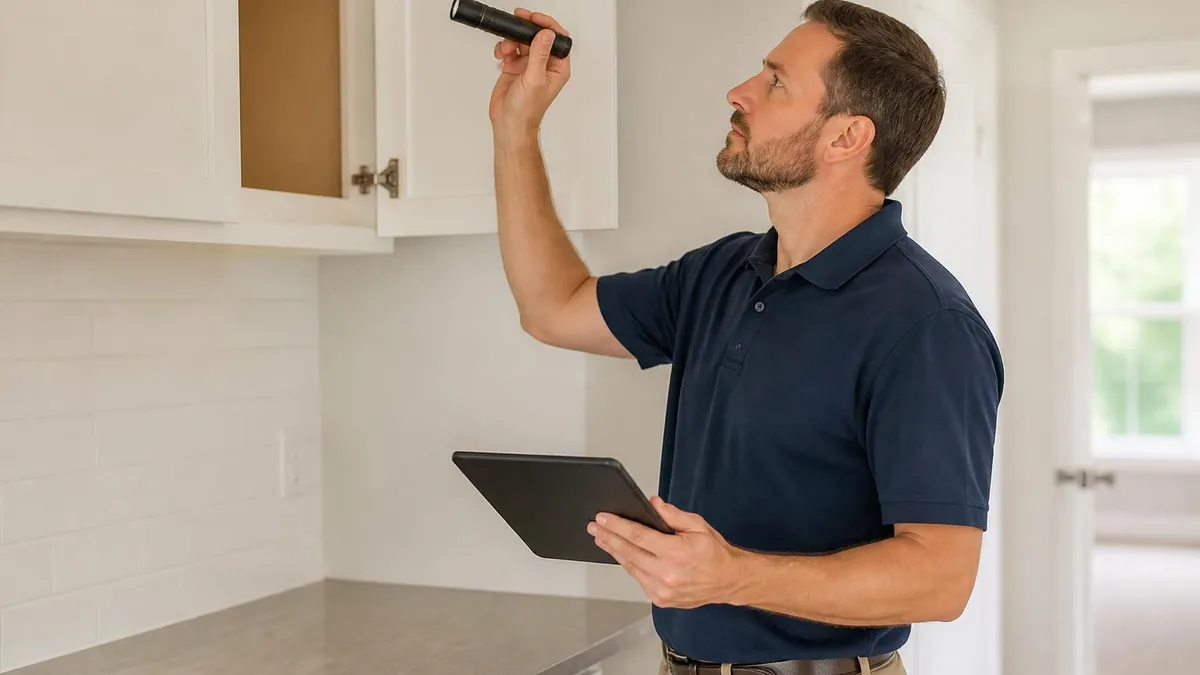
Home Inspector School: Complete 2026 Guide to Training Programs, Costs, Licensing & Career Launch
FREE Safety Home Inspector Questions and Answers
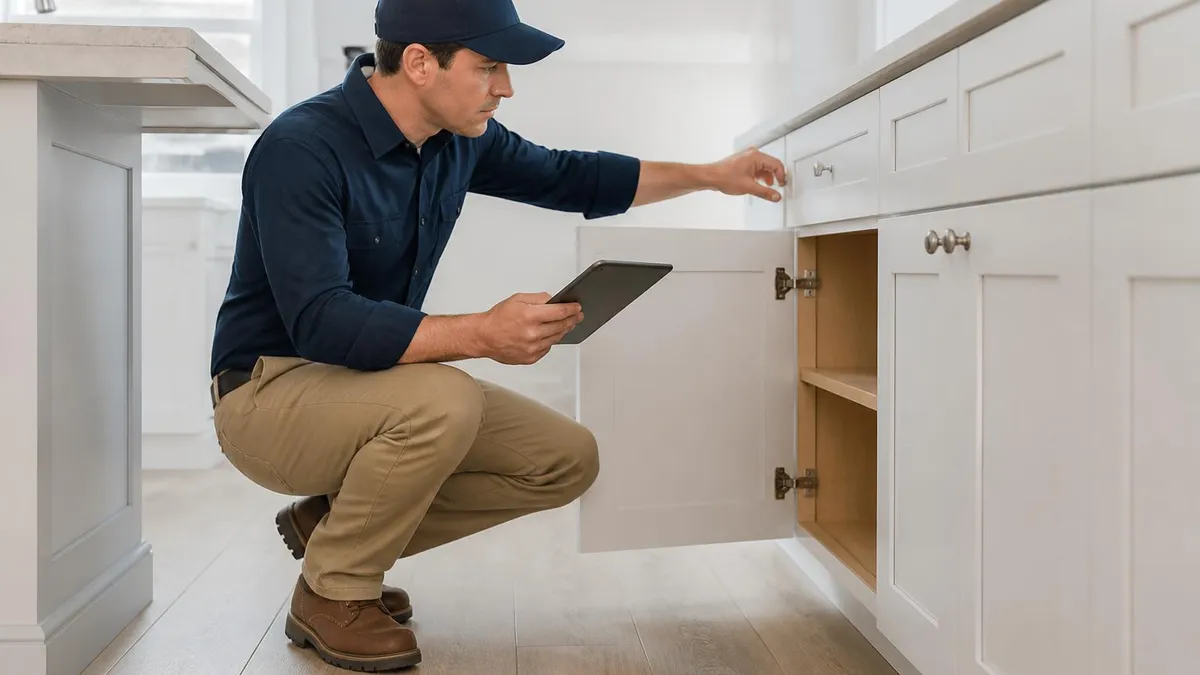
What Home Inspectors Look For: The Complete 2026 Buyer's Guide to Inspection Findings, Red Flags & Repair Negotiations

Home Inspector Certification Requirements by State: The Complete 2026 Guide

Home Inspectors Association: Everything You Need to Know About Certification, Salary, and Finding Inspectors Near You
About the Author

Licensed Real Estate Broker & Licensing Exam Specialist
University of Wisconsin School of BusinessSandra Taylor is a Graduate Realtor Institute (GRI) and Accredited Buyer's Representative (ABR) designee with an MBA in Real Estate from the University of Wisconsin School of Business. She has 18 years of residential and commercial real estate brokerage experience and coaches real estate license candidates through state salesperson and broker pre-license examinations across multiple states.