
Home Inspector Advertising: How to Get Clients on Zillow, Google & Beyond in 2026 September
Learn home inspector advertising on Zillow, Google & social media. Grow your client base fast. 🎯 Salary data, tips & certification info included.

If you have been searching for home inspectors near me from the other side of the table — that is, as an inspector trying to attract buyers, agents, and sellers to your business — then you already know how competitive the local market has become. Home inspector advertising on Zillow has emerged as one of the highest-leverage digital channels available to independent inspectors, because millions of active home shoppers visit the platform every month and are already primed to book professional services the moment they go under contract.
The modern home inspection business cannot rely solely on word-of-mouth and real estate agent referrals the way it could a decade ago. Today's buyers conduct exhaustive online research before picking up the phone, and the inspectors who appear prominently in local search results, on real estate marketplaces, and on social media are the ones who fill their calendars first. Understanding where to invest your marketing dollars — and how to measure the return on each channel — is now as essential as understanding electrical panels and HVAC systems.
Home inspector advertising encompasses a broad range of tactics: paid search campaigns on Google, profile optimization on Zillow and Realtor.com, social media content that showcases your expertise, email drip sequences to nurture agent referral partners, and even direct-mail campaigns targeting neighborhoods with high listing activity. Each channel has a distinct cost structure, audience, and conversion timeline, and the smartest inspectors build a diversified marketing mix rather than betting everything on a single platform.
Understanding your target audience is the foundation of every effective advertising strategy. Home buyers are anxious, often making the largest financial decision of their lives, and they respond to messaging that emphasizes thoroughness, speed of report delivery, and clear communication. Real estate agents, on the other hand, care most about reliability and professionalism, because a delayed or poorly written inspection report reflects on them as well. Tailoring your ad copy and content to these distinct audiences will dramatically improve your click-through and conversion rates.
Before diving into platform-specific tactics, it is worth acknowledging that home inspectors professional liability insurance is a foundational requirement that affects how you advertise. Many advertising platforms and real estate marketplaces ask for proof of licensure and insurance before allowing you to create a professional profile, so getting these credentials in order early will prevent delays when you are ready to launch your campaigns.
This guide walks you through every major advertising channel available to home inspectors in 2026, with concrete budget recommendations, setup instructions, and performance benchmarks drawn from real data across regional markets — from chicago area home inspectors to solo operators in rural Minnesota. Whether you are just entering the profession or looking to scale an established practice, the strategies here will help you build a sustainable pipeline of inspection clients.
Throughout this article we will also cover how advertising investment connects to earnings potential, because understanding how much do home inspectors make at different business development stages is critical for setting realistic marketing budgets and growth timelines. The inspectors who treat advertising as a business investment rather than an expense consistently out-earn their peers who rely on passive referrals alone.
Home Inspector Advertising & Earnings by the Numbers

Core Advertising Channels for Home Inspectors
Real estate marketplaces connect you directly with buyers and agents actively searching for inspection services. A complete, photo-rich profile with 20+ reviews can generate 10–15 inbound inquiries per month in mid-size markets.
Google-Guaranteed badge ads appear above organic results for high-intent searches like 'home inspectors near me.' Cost-per-lead averages $15–$40, and leads convert at 25–35% for inspectors with strong profiles.
Instagram and Facebook content showing inspection findings, tips, and behind-the-scenes work builds trust with buyers and agents alike. Consistent posting 3–4 times per week generates compounding organic reach over 6–12 months.
A monthly email newsletter to your agent referral network keeps you top-of-mind and drives repeat bookings. Inspectors with 50+ active agent contacts report 60% of new business coming from repeat referrals within 18 months.
Postcards mailed to neighborhoods with high listing activity reach sellers before they go under contract. Response rates of 1–2% are typical, with each new client relationship worth $800–$2,400 in lifetime inspection revenue.
Home inspector advertising on Zillow works differently from most digital marketing channels because the platform positions inspectors within an active real estate transaction funnel. When a buyer saves a home on Zillow and begins the offer process, they are immediately prompted to connect with service providers including home inspectors. This context-aware placement means your ad reaches someone who needs your service right now, not someone who might need it someday, which dramatically improves conversion rates compared to cold display advertising.
Setting up your Zillow profile correctly is the first step. Upload a professional headshot and a logo, write a bio that emphasizes your certifications and the markets you serve, and list every service you offer including radon testing, mold screening, sewer scopes, and thermal imaging. Zillow's algorithm rewards profile completeness, so inspectors who fill every field consistently appear higher in local search results than those with sparse profiles. Aim for a profile completion score above 90% before spending any money on paid placement.
Reviews are the most powerful ranking factor on Zillow and every other real estate marketplace. A single five-star review from a satisfied buyer carries more algorithmic weight than dozens of keyword-optimized profile fields. Build a systematic review request process: send a personalized email to every client within 24 hours of delivering their report, include a direct link to your Zillow review page, and follow up once if you do not hear back within a week. Inspectors who follow this process consistently accumulate 30–50 reviews within their first year, which puts them in the top tier of local search results.
Zillow's paid advertising options include Featured Inspector placement, which costs $150–$400 per month depending on your market, and sponsored listing spots within specific ZIP codes. The economics make most sense for inspectors who charge $350 or more per inspection and operate in markets where buyers close on homes within 60 days of going under contract. In high-velocity markets like home inspectors chicago serve, paid Zillow placement can pay for itself with a single additional booking per month.
Beyond Zillow, Realtor.com, Angi (formerly Angie's List), HomeAdvisor, and Thumbtack all offer inspector directories with varying levels of paid promotion. Angi leads tend to be lower-cost but also lower-quality, with more price-shopping buyers who may not convert. HomeAdvisor's pay-per-lead model can generate volume but requires careful budget caps to avoid runaway spend. The most cost-effective approach for most inspectors is to maintain a free profile on all platforms and invest paid budget only in Zillow and Google, where buyer intent is highest.
Understanding how to become a home inspector is also relevant advertising context — it informs what credentials and certifications you should display prominently in your ads and profiles. Buyers and agents increasingly recognize designations like ASHI Certified Inspector (ACI), InterNACHI Certified Professional Inspector (CPI), and state licensing credentials. Displaying these prominently in your Zillow bio and Google Business Profile signals that you meet professional standards, which increases the click-through rate on your paid ads and your organic profile views.
One often-overlooked Zillow feature is the Q&A section, where platform users post questions about the home buying process. Inspectors who regularly answer questions in the home inspection category build authority within the platform's algorithm and gain organic visibility without spending additional ad dollars. Commit to answering two or three questions per week, and you will see a measurable lift in profile views within 90 days.
This free strategy complements paid placement beautifully and creates a compound effect where your profile appears in multiple contexts across the platform. national home inspector exam preparation resources can also inform the technical accuracy of your public-facing answers, reinforcing your credibility with buyers who are evaluating multiple inspectors.
What Do Home Inspectors Look For — And How to Use It in Your Advertising
Google Local Services Ads (LSAs) are the highest-converting paid channel for home inspectors because they appear at the very top of search results when buyers type queries like 'home inspectors near me' or 'home inspector certification requirements.' The Google Guarantee badge — a green checkmark that signals background-checked, licensed service providers — dramatically increases click-through rates compared to standard text ads. Setup requires submitting your license number, insurance certificate, and passing a background check, a process that typically takes 1–2 weeks.
Once your LSA account is live, bid strategy matters enormously. Google charges per verified lead rather than per click, so your cost per acquisition is more predictable than traditional pay-per-click campaigns. Set a weekly budget cap equal to roughly three times your average inspection fee to start — for a $350 inspection, that is a $1,050 weekly cap. Monitor your lead quality weekly and adjust your service area ZIP codes to focus spend on high-conversion neighborhoods. Inspectors who run LSAs alongside an optimized Google Business Profile consistently rank in both the paid and organic sections of local search, doubling their visibility without doubling their spend.

Paid Advertising vs. Organic Growth for Home Inspectors
- +Paid ads generate leads immediately — no waiting months for SEO to take effect
- +Zillow and Google paid placement reaches buyers at the exact moment they need an inspector
- +Paid campaigns are fully measurable with clear cost-per-lead and ROI data
- +Budget scaling is flexible — ramp spend up in busy seasons, reduce in slow months
- +Google Guarantee badge on LSAs builds instant credibility with new buyers
- +Paid social ads can target specific ZIP codes, life events, and demographics precisely
- −Paid advertising costs stop generating leads the moment you pause your budget
- −Competitive markets like Chicago can push cost-per-click above $8–$15 for inspection keywords
- −Zillow paid placement ROI varies widely depending on market velocity and review count
- −New inspectors without reviews struggle to convert paid traffic into bookings
- −Social media ads require ongoing creative refresh — stale ads see sharp drop-offs in performance
- −Managing multiple paid channels simultaneously requires significant time or a marketing budget for outsourcing
Home Inspector Advertising Launch Checklist
- ✓Verify your state license and E&O insurance are current before creating any paid advertising profiles
- ✓Create or claim your Google Business Profile and fill every field including service areas, hours, and photos
- ✓Set up your Zillow inspector profile with a professional headshot, complete bio, and all certifications listed
- ✓Apply for Google Local Services Ads and complete the background check and license verification process
- ✓Build a review request email template and send it to every client within 24 hours of report delivery
- ✓Create profiles on Angi, HomeAdvisor, and Thumbtack with consistent NAP (name, address, phone) information
- ✓Set up a Facebook Business Page and link it to an Instagram Business account for unified social management
- ✓Build an email list of at least 50 local real estate agents and send your first monthly newsletter
- ✓Install Google Analytics and conversion tracking on your website to measure which channels drive bookings
- ✓Set a monthly advertising budget of at least 10% of your target gross revenue and track ROI monthly
Reviews Drive More Revenue Than Any Paid Ad
Inspectors with 50+ five-star reviews on Google and Zillow consistently outperform competitors spending 3–5 times more on paid advertising. A systematic review collection process — automated email requests sent within 24 hours of every completed inspection — is the single highest-ROI marketing activity available to any home inspector at any stage of their career. Build this system before spending a dollar on paid ads.
Building a sustainable real estate agent referral network is the long-term foundation of every successful home inspection business. While digital advertising generates immediate leads, agent referrals produce a compounding stream of business that grows more reliable over time and costs far less per acquisition than any paid channel. The math is straightforward: a single agent who closes 20 transactions per year and recommends your services on every one represents $7,000–$10,000 in annual inspection revenue. Cultivate 20 such agents, and you have a $140,000–$200,000 annual business from referrals alone.
The key to agent relationship building is providing value before asking for referrals. Show up to new agent training sessions at local brokerages and offer a 30-minute presentation on what buyers should expect during a home inspection. Provide educational handouts that agents can give to their clients. When an agent sends you a referral, call them after the inspection to give a brief verbal summary before the report is delivered — this extra step makes the agent look proactive and informed in front of their client, which they deeply appreciate.
Understanding home inspector salary benchmarks at different business development stages helps you set realistic expectations for how long it takes for marketing investments to pay off. Entry-level inspectors earning $35,000–$45,000 per year are typically doing 3–5 inspections per week through a combination of direct bookings and early referrals. Mid-career inspectors earning $65,000–$85,000 have diversified their marketing mix and built a referral base of 15–25 active agents. Top earners clearing $100,000+ are running multi-inspector firms where marketing leverage is multiplied across an entire team's output.
Local market positioning matters enormously in home inspection advertising. In markets like Minneapolis — where minnesota home inspectors pricing reddit threads reveal significant price sensitivity among buyers — competing on value rather than price requires clear differentiation. Emphasize turnaround time (same-day or next-day reports), ancillary services (radon, mold, thermal imaging), and report quality (photo-rich, narrative reports versus checkbox formats) to justify premium pricing. Advertising that highlights specific differentiators converts at significantly higher rates than generic price-comparison messaging.
Seasonality is a critical consideration in home inspection advertising budgeting. The spring home-buying season (March through June) accounts for 35–40% of annual transaction volume in most US markets, and advertising costs on paid platforms spike accordingly as competitors increase their bids. Build your review count and organic presence during winter months when competition is lower, so you enter the spring season with strong organic visibility that reduces your dependence on expensive paid placement during peak demand.
Content marketing is one of the most underutilized advertising strategies among home inspectors. A blog or YouTube channel that answers questions like what do home inspectors look for in specific home systems attracts buyers who are researching the inspection process months before they go under contract. By the time these buyers are ready to book, they already trust you as an authority. Articles covering topics like radon testing, foundation types, electrical panel brands to watch for, and HVAC maintenance timelines consistently rank well in local search results and drive organic traffic without ongoing advertising spend.
For inspectors building their practice from scratch, it is worth noting that new home inspectors face the classic chicken-and-egg problem: you need reviews to rank organically, but you need clients to generate reviews. Breaking this cycle requires an initial investment in paid advertising to generate your first 20–30 client relationships, after which organic and referral channels can take over. Budget $500–$1,000 for your first 90 days of paid advertising, focus on converting every lead into a five-star review, and you will have the foundation needed for sustainable organic growth by the end of your first quarter.

Several states prohibit home inspectors from paying referral fees to real estate agents, which is considered fee-splitting and can result in license revocation. Before launching any referral incentive program, review your state's home inspection licensing statute carefully. Additionally, advertising certifications or designations you have not yet earned — such as listing 'ASHI Certified' before passing the required examination — can trigger complaints to your state licensing board and professional associations.
Scaling a home inspection business beyond a solo operation requires a fundamental shift in how you think about advertising. When you hire your first associate inspector, your marketing system must generate enough leads to keep two schedules full — and the advertising spend required to achieve that doubles, though not always linearly. The most successful multi-inspector firms build brand-level recognition in their markets rather than relying solely on individual inspector profiles, which makes the firm's reputation transferable and scalable as the team grows.
Google Business Profile optimization becomes even more critical at scale. A firm-level GBP listing with consistent posting, photo updates, and review responses signals active engagement to Google's local algorithm and maintains ranking even as individual inspector profiles change. Set up a system where every completed inspection triggers a Google review request automatically through your scheduling software — platforms like Spectora, Horizon, and HomeGauge all offer this integration, making it effortless to maintain a high review velocity as your team grows.
Investing in home inspector certification at the firm level — ensuring every inspector on your team holds ASHI or InterNACHI credentials — also becomes an advertising asset. You can truthfully advertise that every inspector dispatched by your firm is nationally certified, which is a powerful differentiator in markets where competitors employ unlicensed apprentice inspectors. Highlighting team certifications in your Google ads, Zillow profile, and website increases conversion rates measurably because it removes a major buyer objection before the sales conversation begins.
Website SEO is the long-term advertising asset that compounds most reliably for home inspection firms. A well-optimized website with location-specific service pages targeting 'home inspectors [city]' queries in your market, combined with technical SEO best practices and a consistent backlink acquisition strategy, can generate 30–50 organic leads per month within 18–24 months without ongoing paid media spend. The upfront investment in professional SEO — typically $500–$1,500 per month for a local business — pays compounding dividends that outstrip any paid channel over a multi-year horizon.
Tracking and attribution are the missing piece in most home inspection marketing programs. Without knowing which channels drive the most bookings at the lowest cost per acquisition, you are essentially guessing about where to invest. Set up UTM parameters on all your digital advertising links, use call tracking numbers for each channel (Google, Zillow, Angi, etc.), and review your attribution data monthly.
Even simple tracking reveals insights that can dramatically reallocate budget toward high-performing channels — for example, discovering that your Google LSA is generating leads at $18 each while your Zillow paid placement is running at $65 per lead suggests an obvious reallocation.
Professional associations like ASHI (American Society of Home Inspectors) and InterNACHI also offer advertising benefits to members, including directory listings that rank well organically for inspection-related searches. ASHI's Find an Inspector tool at ASHIinspector.com receives significant traffic from buyers and agents who specifically want an ASHI-credentialed professional. Completing the process toward your national home inspector examination credential and maintaining active membership in professional associations thus serves double duty as both a quality credential and a passive advertising channel that generates leads without ongoing spend.
The inspectors who build the most durable businesses combine the immediate lead generation of paid advertising with the compounding returns of organic content, referral networks, and professional association visibility. No single channel is sufficient on its own, but a coordinated strategy across four or five channels creates a marketing flywheel where each component reinforces the others.
A buyer who sees your Google ad, then finds your Zillow profile when researching, then hears your name from their agent, converts at a dramatically higher rate than any single-touch lead — and the cost of that multi-touch acquisition, spread across channels, is often lower than a single paid lead from any one source.
Practical day-to-day advertising management for a home inspection business does not need to be complicated. Set aside two hours per week for marketing tasks: 30 minutes to respond to reviews and update your Google Business Profile, 30 minutes to schedule social media posts for the coming week, 30 minutes to send personalized follow-up emails to agents you have recently worked with, and 30 minutes to review your paid advertising metrics and make any necessary adjustments. This two-hour weekly investment, executed consistently, compounds into significant market presence over 12–18 months.
Photography and visual content deserve special emphasis because the home inspection industry is inherently visual. Your Zillow profile, Google Business Profile, website, and social media accounts should all feature high-quality photos of you conducting inspections — crawling through an attic, using a thermal camera, testing an electrical panel. These authentic images communicate expertise and thoroughness in a way that written copy cannot. A $300 investment in a professional photography session yields content that can be repurposed across every marketing channel for two to three years, making it one of the best cost-per-impression investments available to any inspector.
Reputation management is advertising in its purest form. Every interaction you have with a client — from the initial booking confirmation email to the post-report phone call where you walk them through key findings — is an opportunity to generate a five-star review and a word-of-mouth referral.
Home inspectors who answer their phones during business hours, deliver reports within 24 hours, and follow up proactively with clients who had questions during the inspection consistently earn reviews that mention these specific behaviors. And reviews that mention specific behaviors rather than generic praise convert new prospects at significantly higher rates because they answer the buyer's real question: what is it actually like to work with this inspector?
Budget allocation across channels evolves as your business matures. In your first year, invest 70% of your marketing budget in paid channels (Google LSA, Zillow) to generate immediate cash flow, and 30% in content and relationship building for long-term growth. By year two, as your review count grows and organic rankings improve, you can shift toward a 50-50 split.
By year three, many successful inspectors are generating 60–70% of their revenue from organic and referral sources, with paid advertising serving as a volume booster during peak seasons rather than a baseline necessity. This evolution dramatically improves the profitability of the business over time.
Analyzing competitor advertising in your market is a free intelligence-gathering exercise that most inspectors overlook. Search for 'home inspectors near me' in your target market and study every result on the first page: what do the top-ranked Google Business Profiles have in common? How many reviews does each have? What keywords appear in their business descriptions?
What photos do they use? Running this competitive audit quarterly helps you identify gaps in your own profile and spot emerging opportunities — a new competitor who just launched a Zillow paid placement, for example, signals that the platform is working for others in your market and worth testing yourself.
Finally, tracking the lifetime value of your advertising investments requires thinking beyond the first booking. A buyer who has a positive experience with your inspection is likely to call you again when they purchase their next home, recommend you to friends and family (the average satisfied customer refers 2.4 people in their first year), and leave you a review that attracts additional clients.
The true ROI of acquiring a single client through paid advertising is therefore three to five times the value of that initial inspection fee when you account for lifetime value and referral multiplier. This longer-term perspective justifies a more aggressive advertising investment than most new inspectors initially consider appropriate, and it explains why the inspectors who invest most heavily in client acquisition during their first year consistently build the most profitable practices by year three.
Remember that advertising credentials and expertise matter too. Before advertising your certification on any platform, ensure you have completed the required coursework and examination. Resources like practice tests and exam preparation materials help you pass the national home inspector examination the first time, so you can confidently market your credentials to potential clients without any qualification gaps. The intersection of professional credentialing and smart advertising is where the most successful inspectors operate — their credentials give their advertising credibility, and their advertising amplifies the trust that their credentials represent.
Home Inspector Questions and Answers
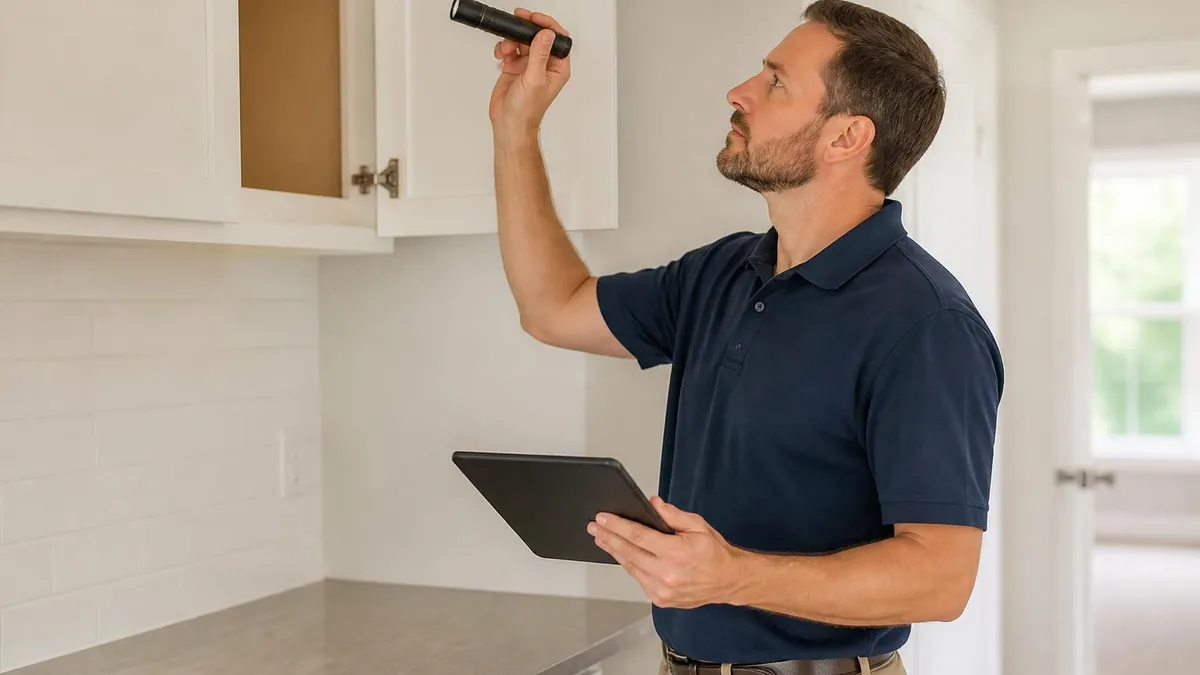
Home Inspector School: Complete 2026 Guide to Training Programs, Costs, Licensing & Career Launch
FREE Safety Home Inspector Questions and Answers
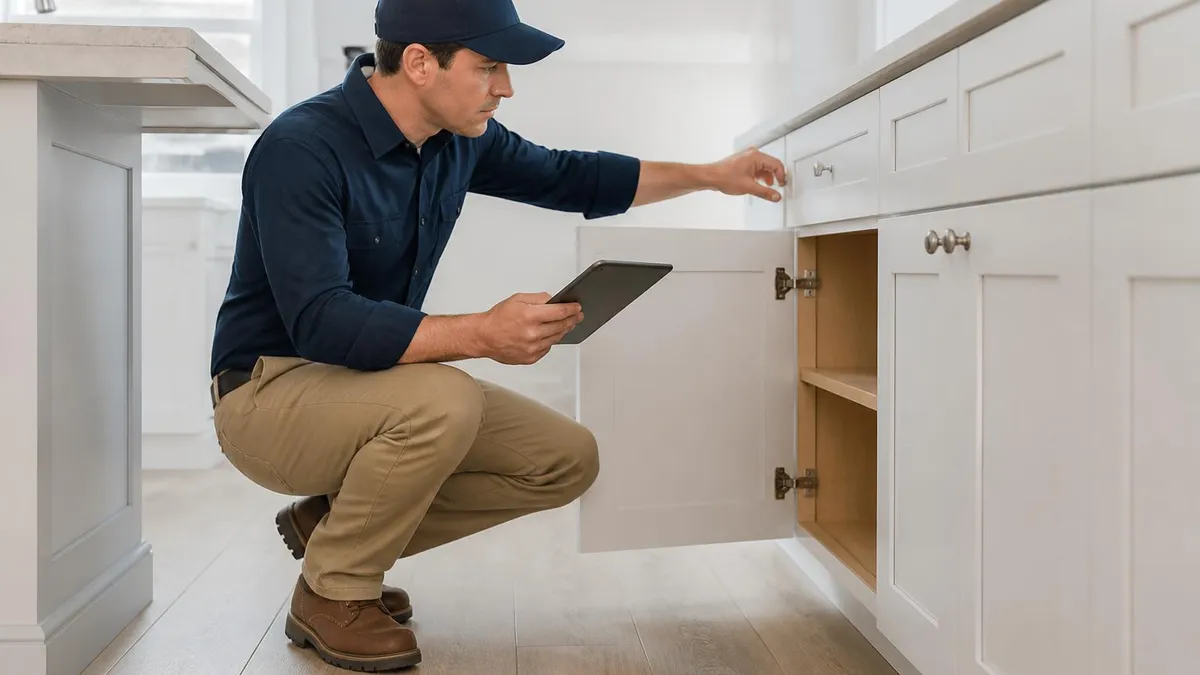
What Home Inspectors Look For: The Complete 2026 Buyer's Guide to Inspection Findings, Red Flags & Repair Negotiations
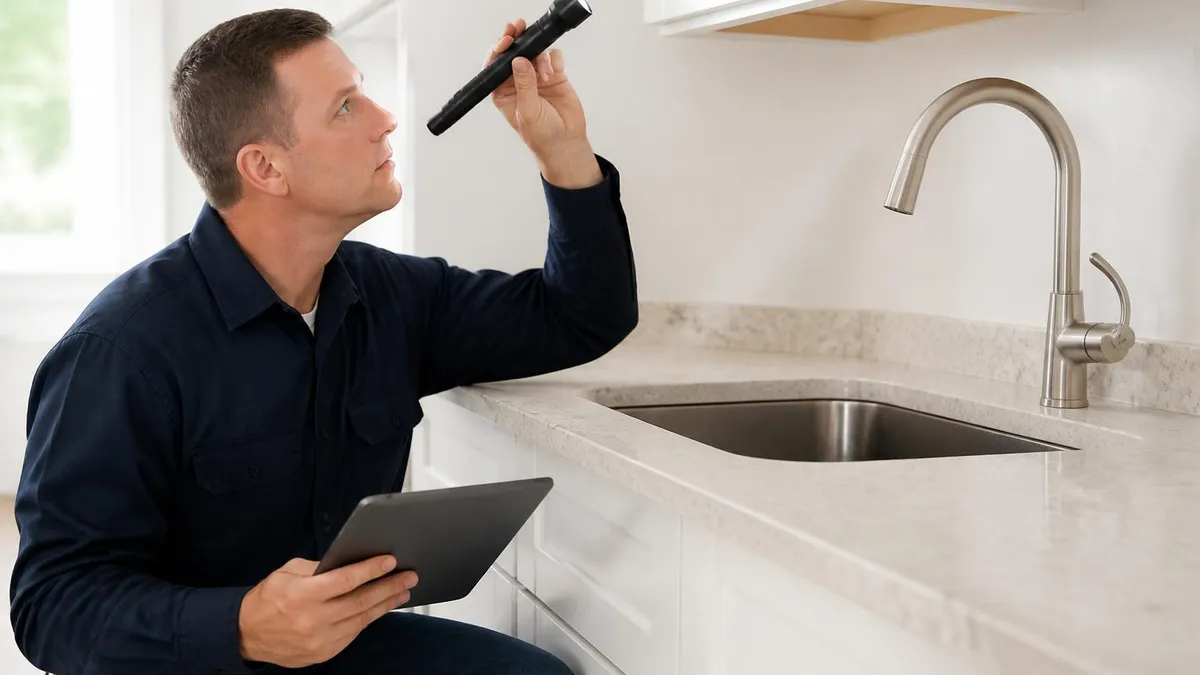
Certified Home Inspector: Complete Guide to Training, Certification, Salary & Career Path in 2026
Home Inspector Test 2026
About the Author

Licensed Real Estate Broker & Licensing Exam Specialist
University of Wisconsin School of BusinessSandra Taylor is a Graduate Realtor Institute (GRI) and Accredited Buyer's Representative (ABR) designee with an MBA in Real Estate from the University of Wisconsin School of Business. She has 18 years of residential and commercial real estate brokerage experience and coaches real estate license candidates through state salesperson and broker pre-license examinations across multiple states.