
HHA Supervisor: Training, Certification, and Career Guide for Home Health Aides
Master HHA certification, hha exchange login, and supervisor roles. Complete guide to home health aide training programs. ✅ Real data, real careers.
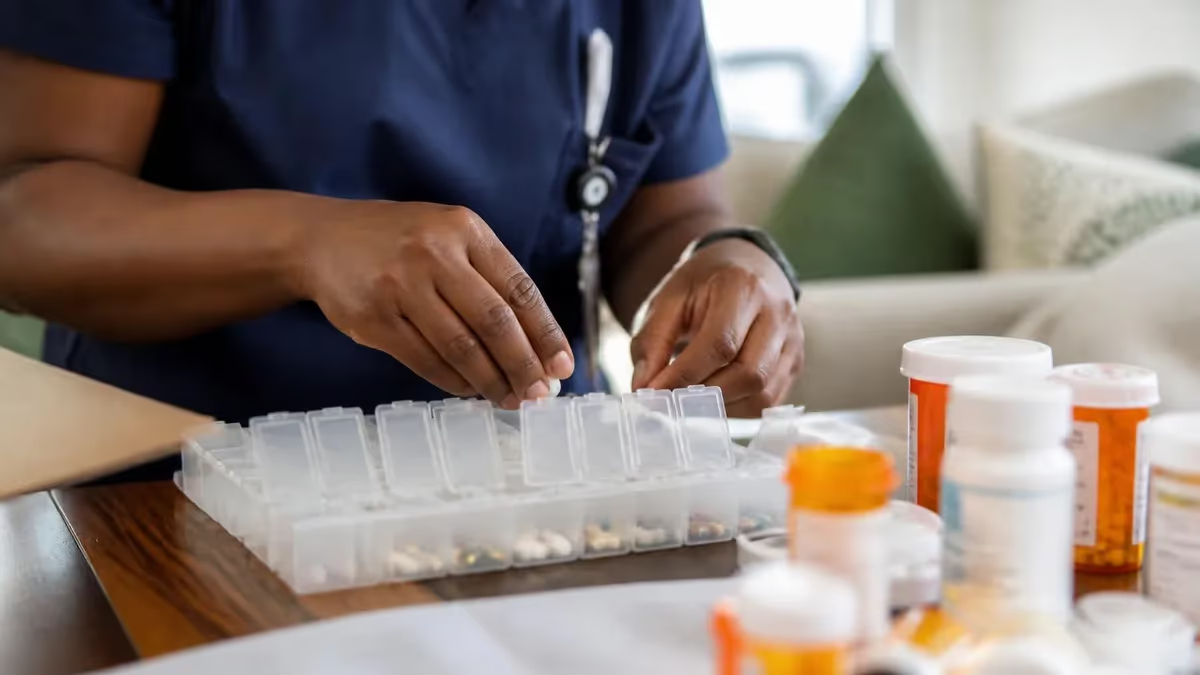
The HHA Exchange platform and the role of an hha supervisor sit at the heart of modern home care delivery in the United States. Whether you are a new home health aide searching for your first position or an experienced caregiver ready to step into leadership, understanding how HHA certification, training requirements, and supervisory responsibilities connect is the foundation of a rewarding long-term career. With the home health aide workforce projected to grow faster than almost any other occupation through the early 2030s, now is an ideal moment to invest in your credentials and move up the career ladder.
Home health aides provide essential personal care and health support services to elderly, disabled, and chronically ill patients in their homes. Unlike nursing home staff, HHAs work in intimate one-on-one settings, which places unique demands on communication skills, clinical knowledge, and professional judgment. Supervisors within home health agencies carry the additional responsibility of overseeing aide performance, maintaining compliance with state and federal regulations, conducting patient assessments, and coordinating with registered nurses and therapists to ensure seamless care delivery.
The HHA Exchange is a digital scheduling and workforce management platform that many home health agencies rely on to coordinate aide assignments, track visit verification, and manage payroll. Knowing how to navigate the HHA Exchange login portal and interpret your schedule efficiently is increasingly considered a baseline competency for aides and supervisors alike. Agencies that use this platform expect their staff to log in promptly, verify completed visits electronically, and communicate through the system's messaging features.
Becoming a certified home health care aide requires completing a state-approved home health aide training program, passing a competency evaluation, and in many states meeting ongoing continuing education requirements. The federal minimum for training is 75 hours, but many states mandate significantly more. For example, California requires 120 hours, and New York requires 75 hours of initial training plus additional in-service hours annually. Supervisors typically need additional qualifications, including registered nurse licensure or a licensed practical nurse credential combined with substantial field experience.
Home health aide certification opens doors to advancement, higher hourly wages, and supervisory tracks. A certified home health aide earns, on average, between $14 and $18 per hour depending on geography and agency, while HHA supervisors can earn $22 to $35 per hour or a salaried annual package in the $45,000 to $65,000 range. These salary differentials make pursuing certification and then additional leadership training a financially sound strategy for anyone committed to the home care field long-term.
In this guide, we cover everything you need to know about HHA training program requirements, the HHA Exchange platform, what it takes to move into a supervisory role, and how practice tests and competency preparation can strengthen your certification exam performance. We also explore the pros and cons of working as an HHA supervisor so you can make an informed decision about whether this career path aligns with your professional goals and lifestyle preferences.
Whether you are brand new to home health or have years of experience under your belt, the information here will help you understand the full landscape — from entry-level home health aide certification requirements to the skills and credentials needed to lead a team, manage documentation, and ensure high-quality care outcomes for the patients who depend on you every day.
HHA Supervisor & Certification by the Numbers
HHA Training Program Requirements by State Tier
The Centers for Medicare and Medicaid Services requires a minimum of 75 training hours for any HHA working with Medicare or Medicaid patients, including at least 16 hours of supervised practical or clinical training before direct patient contact.
Most states align closely with the federal floor but add state-specific topics such as patient rights, abuse prevention, and documentation standards. New York, Florida, and Illinois fall in this tier, requiring between 75 and 90 hours of combined classroom and clinical work.
California and Massachusetts mandate 120 or more total training hours. These programs include advanced modules on chronic disease management, medication observation, and emergency response, making graduates more competitive for supervisory and specialty care roles.
HHA supervisors in most states must hold an RN or LPN license and complete additional management training covering care plan oversight, aide performance evaluation, and federal compliance requirements under Medicare Conditions of Participation.
Earning your home health aide certification is a structured process that begins with enrolling in a state-approved home health aide training program. These programs are offered through community colleges, vocational schools, hospital-affiliated training centers, and directly through home health agencies. Before you choose a program, verify that it meets your state's specific hour requirements and that the competency evaluation it uses is recognized by your state health department. Attending an unaccredited program can delay or invalidate your certification, costing you both time and tuition money.
The curriculum of a quality home health aide training program covers a broad range of competencies. Core subject areas include personal hygiene and grooming assistance, safe patient transfer and mobility support, vital signs monitoring, nutrition and meal preparation, infection control protocols, medication reminders, and recognizing and reporting changes in a patient's condition. Programs also dedicate significant time to communication and interpersonal skills, because HHAs must work effectively with patients, family caregivers, nurses, therapists, and physicians — often navigating complex emotional situations with professionalism and empathy.
After completing the required classroom and clinical hours, you must pass a competency evaluation to receive your home health aide certification. This evaluation typically has two parts: a written or oral knowledge test and a skills demonstration component in which a trained evaluator observes you performing specific care tasks. Common skills tested include hand washing technique, proper body mechanics for transfers, measuring blood pressure, and assisting with ambulation. Failing one component does not automatically disqualify you from the other — many states allow you to remediate failed sections individually.
Once certified, your credential must be maintained through continuing education. Most states require between 12 and 24 in-service hours per year, covering topics such as changes in state regulations, updates to infection control best practices, and specialized skills for patient populations like those with dementia or diabetes. Some agencies go beyond the minimum and offer robust annual training calendars as a retention strategy, recognizing that well-trained aides deliver better outcomes and generate fewer liability incidents.
For those pursuing home health aide certification with an eye toward eventual supervisory work, it pays to seek out programs that include leadership and documentation modules. Learning how to write accurate, legally defensible care notes from day one builds the habit of thorough documentation — a skill that becomes absolutely central when you move into an oversight role responsible for reviewing other aides' records and communicating care updates to the supervising nurse or physician.
The financial investment in certification is modest compared to the returns. Most HHA training programs cost between $300 and $1,500 depending on the state and institution. Many agencies offer tuition reimbursement or even fully sponsored training in exchange for a minimum employment commitment of six to twelve months. Some states also offer workforce development grants that cover training costs for low-income applicants, making the path to becoming a certified home health care aide accessible even without significant personal savings.
After certification, keeping your credential active requires staying on top of renewal deadlines. Most states issue certifications on a two-year cycle. Letting a certification lapse can force you to complete remedial training hours before reinstatement, so marking your renewal date on your calendar and building continuing education into your annual schedule is a simple but important professional habit that every serious home health aide and aspiring supervisor should develop early in their career.
HHA Exchange Login, Platform Features, and Home Health Aide Training Integration
HHA Exchange is a cloud-based home health workforce management platform used by thousands of agencies across the United States. It handles everything from aide scheduling and visit verification to payroll integration and compliance documentation. Agencies choose HHA Exchange because it reduces no-call no-shows, automates electronic visit verification (EVV) required by state Medicaid programs, and gives supervisors real-time visibility into which aides are at which patient locations at any given time.
For aides and supervisors, the HHA Exchange login portal is the daily gateway to their schedule, patient notes, visit confirmations, and internal messaging. Most agencies issue login credentials during onboarding. Employees access the platform via a web browser or through the HHA Exchange mobile app, available for both iOS and Android. Supervisors have elevated access that lets them view team schedules, approve time records, flag compliance issues, and run reports on visit completion rates across their assigned caseload.

Pros and Cons of Becoming an HHA Supervisor
- +Significantly higher compensation than frontline aide positions, often $22–$35 per hour or a salaried package
- +Opportunity to shape care quality and mentor newer aides across an entire patient caseload
- +Greater job stability — supervisory roles are less susceptible to scheduling variability than direct care positions
- +Expanded professional network including RNs, therapists, social workers, and agency leadership
- +Access to ongoing leadership training, compliance education, and career development resources
- +Sense of professional accomplishment from ensuring high standards of care across a team
- −Requires additional credentials — most states mandate RN or LPN licensure for supervisory HHA roles
- −On-call and irregular hours are common, particularly for weekend and evening supervision coverage
- −Administrative documentation load is heavy, including care plan reviews, aide evaluations, and compliance reports
- −Emotionally demanding — supervisors must manage patient and family complaints as well as aide performance issues
- −Liability exposure increases with oversight responsibilities for a team's clinical and documentation quality
- −Transition from direct patient care can be difficult for aides who find meaning primarily in one-on-one patient relationships
HHA Supervisor Readiness Checklist
- ✓Obtain your RN or LPN license (required in most states for supervisory HHA roles under Medicare Conditions of Participation).
- ✓Complete at least one to two years of direct home health aide or home care nursing field experience.
- ✓Earn your home health aide certification and maintain all required continuing education credits.
- ✓Gain proficiency in the HHA Exchange platform, including scheduling, EVV oversight, and compliance reporting.
- ✓Complete a supervisor-specific training program covering care plan review, aide performance evaluation, and CMS compliance.
- ✓Develop strong documentation habits — accurate, timely, and legally defensible care notes for every supervisory visit.
- ✓Build communication skills to manage patients, families, aides, and interdisciplinary care team members professionally.
- ✓Understand Medicaid and Medicare billing rules relevant to home health services in your state.
- ✓Familiarize yourself with state-specific aide training requirements and renewal cycles you will monitor for your team.
- ✓Prepare for and pass any agency-required supervisor competency evaluations or leadership assessments before assuming the role.
Supervisors Who Master EVV Compliance Drive Agency Revenue
Home health agencies can face claim denials averaging $150 to $400 per visit when electronic visit verification data is missing or incorrect. HHA supervisors who actively monitor their team's EVV check-in rates and correct discrepancies within the submission window directly protect their agency's revenue stream — a responsibility that justifies the higher salary tier and makes supervisory performance directly measurable and valued by agency leadership.
Advancing from a frontline home health aide position to an HHA supervisor role is a career trajectory that rewards patience, strategic credential-building, and consistent high performance on the job. Most agencies do not promote aides directly into supervision without additional clinical credentials — specifically, registered nurse or licensed practical nurse licensure. This means that for aides who aspire to supervise, the path typically involves returning to school for nursing education while continuing to work in the field, or transitioning through an intermediate role such as a care coordinator or field trainer before stepping into full supervisory responsibilities.
The federal Medicare Conditions of Participation require that home health aides working with Medicare beneficiaries be supervised by a registered nurse who conducts an in-home supervisory visit at least once every 60 days, or more frequently for patients with specific care needs. This regulatory framework defines the supervisory role in Medicare-certified home health agencies. In practice, the supervisor visits the patient in their home, interviews both the patient and the aide, observes aide performance, reviews the care plan for accuracy and currency, and documents findings in a formal supervisory note that becomes part of the patient's clinical record.
Beyond the regulatory minimum, excellent HHA supervisors perform ongoing informal check-ins with their aides through phone calls, telehealth touchpoints, and agency team meetings. They identify aides who are struggling — whether with clinical tasks, documentation, or interpersonal challenges with specific patients or families — and connect them with remedial training, peer support, or agency resources before problems escalate. This proactive approach to aide performance management reduces turnover, improves patient satisfaction scores, and builds the kind of cohesive team culture that distinguishes high-performing home health agencies from average ones.
Leadership skills that HHA supervisors must actively develop include constructive feedback delivery, conflict resolution, time and caseload management, and the ability to communicate care concerns to physicians and other interdisciplinary team members with clinical precision and professional confidence. Many supervisors benefit from mentorship by senior nurses within their agency and from external leadership development resources such as the National Association for Home Care and Hospice (NAHC), which offers webinars, conferences, and certification programs specifically designed for home health leaders.
Understanding home health aide software systems like HHA Exchange at a deep administrative level is increasingly a core supervisory competency, not an optional technical skill. Supervisors who can pull utilization reports, identify scheduling inefficiencies, and use data to advocate for their team members with agency administrators are far more effective than those who treat the platform as a passive scheduling tool. Agencies investing in platform training for their supervisors consistently report higher visit completion rates and fewer compliance incidents than those that leave platform proficiency to chance.
Another dimension of the supervisory role that is often underestimated is family communication. Home health patients frequently have involved family members who have strong opinions about care quality, scheduling, and aide compatibility. Supervisors serve as the primary agency contact for family concerns, and their ability to listen with empathy, validate concerns, problem-solve quickly, and document conversations accurately can mean the difference between retaining a patient on service and losing them to a competing agency. Family satisfaction surveys, which many agencies track formally, often reflect the quality of supervisor responsiveness as much as the quality of direct aide care.
Financial literacy is also becoming an increasingly important skill for HHA supervisors as home health agencies operate under tighter reimbursement margins. Understanding how visit authorization limits work under various payer contracts, how to document care accurately to support billing, and how to avoid common compliance pitfalls that trigger Medicare audits are all competencies that distinguish a strategically valuable supervisor from one who simply checks boxes on a compliance form. Supervisors who bring this business awareness to their clinical role position themselves for further advancement into agency management and operations leadership.
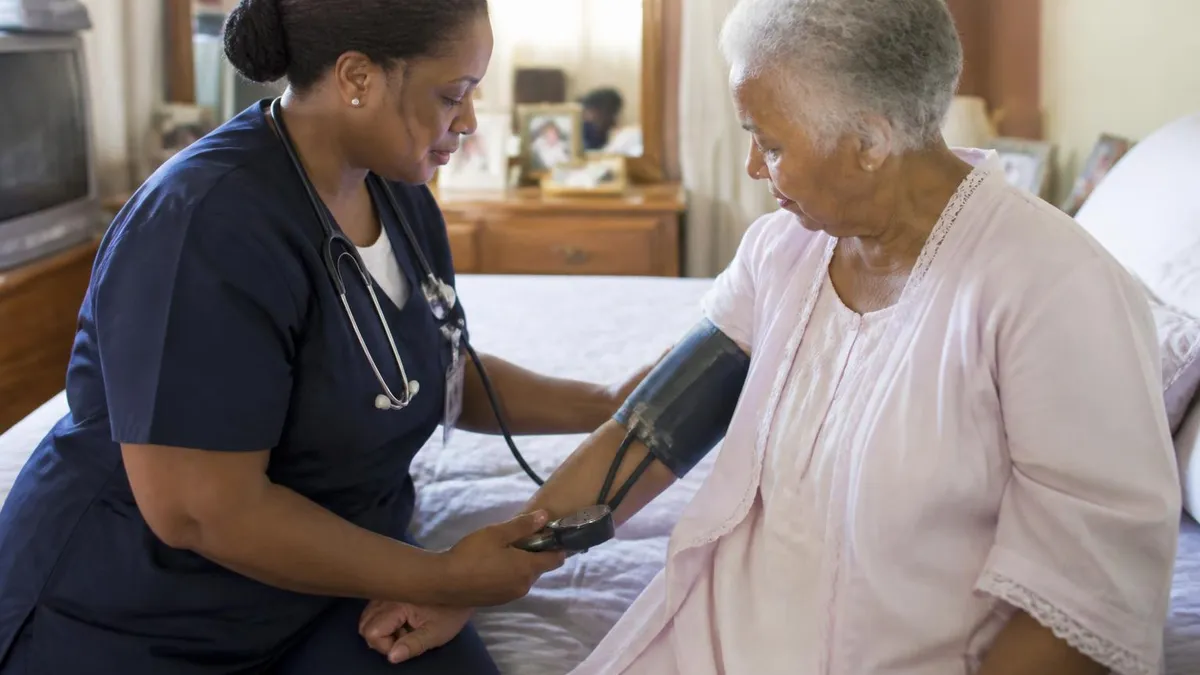
Allowing your home health aide certification to expire can disqualify you from working with Medicare and Medicaid patients until your credential is reinstated — which may require completing remedial training hours and retaking the competency evaluation. For supervisors, a lapsed credential among any team member must be reported and the aide removed from patient care assignments immediately under CMS compliance rules, creating operational gaps that affect patient care continuity and agency billing.
Preparing for the HHA competency evaluation requires more than reading through a textbook. The most effective preparation strategy combines structured content review with hands-on practice and timed test simulation. HHA certification exams test both recall of clinical knowledge and the ability to apply that knowledge to realistic patient care scenarios. Candidates who only memorize definitions often struggle on scenario-based questions that require them to identify the correct aide response when a patient falls, refuses care, or shows signs of a medical emergency.
Practice tests are one of the most evidence-backed preparation tools available for any certification exam, and HHA competency evaluations are no exception. Working through a series of HHA practice questions under timed conditions accomplishes several important goals simultaneously: it reveals which content areas need more study, it builds familiarity with the question format and language used on the actual exam, and it reduces test-day anxiety by making the experience feel familiar rather than foreign. Candidates who complete multiple practice test sessions before their evaluation consistently report higher confidence and better outcomes than those who rely solely on passive review.
The skills demonstration component of the HHA competency evaluation requires its own dedicated preparation. Identify the specific skills on your state's evaluation checklist and practice each one until you can perform it smoothly, correctly, and in the correct sequence without hesitation.
Common evaluation pitfalls include forgetting hand hygiene steps, skipping verbal explanation to the patient before performing a procedure, and failing to use proper body mechanics during transfer assistance. Evaluators are trained to observe these specific checkpoints, so practicing them explicitly — ideally with a partner who can observe and give feedback — is far more effective than mental rehearsal alone.
For those pursuing supervisory credentials, additional preparation focuses on understanding care plan construction, regulatory compliance frameworks, and the clinical judgment skills needed to assess aide performance in the field. Some states offer formal supervisor competency evaluations as part of agency compliance audits, and supervisors who have prepared thoroughly perform significantly better on these assessments than those relying solely on on-the-job learning. Reviewing CMS Conditions of Participation documentation and your state's specific home health aide regulations at least annually keeps your compliance knowledge current as rules evolve.
Study groups are an underutilized but highly effective preparation resource for HHA candidates. Forming a small group of fellow trainees — even just two or three people — creates accountability, allows for skills practice with a real partner, and surfaces questions and perspectives that individual study misses. Many community college HHA training programs facilitate study groups, but even informally organized peer study sessions produce measurable improvement in both knowledge retention and practical skills performance on evaluation day.
Time management during the written component of the HHA evaluation is a practical skill that many candidates overlook. Most HHA written exams allocate between 90 minutes and three hours for 60 to 100 multiple-choice questions. Practicing under timed conditions reveals whether you tend to spend too long on difficult questions at the expense of completing the full exam.
The best strategy is to answer every question you are confident about first, mark uncertain questions for review, and return to them with the remaining time. This approach maximizes your score by ensuring you do not leave easy points on the table while wrestling with harder questions.
Finally, on exam day, practical preparation matters as much as academic readiness. Get a full night of sleep before your evaluation, eat a nutritious meal beforehand, and arrive at the testing site early enough to sign in and settle without rushing. Bring any required identification and materials specified by your testing provider.
For the skills component, wear comfortable clothing that allows free movement, since you will be demonstrating physical care tasks. The days of preparation you have invested deserve to be supported by the simple but critical habit of taking care of yourself on the day that counts most — a principle that, fittingly, every good home health aide and supervisor embodies in their care of patients every single day.
Understanding the day-to-day realities of the HHA supervisor role helps prospective candidates set realistic expectations and prepare for what the job actually entails. A typical supervisory day begins with reviewing the team's schedule in the HHA Exchange platform, identifying any open shifts caused by aide callouts, and working with the scheduling coordinator to fill coverage gaps before patients miss their visits. In larger agencies, this alone can consume the first hour of the morning, particularly on Mondays and following holidays when callout rates spike.
Supervisory home visits are the clinical core of the role and are typically scheduled throughout the week. During each supervisory visit, the RN or LPN supervisor conducts a comprehensive assessment of the patient's current condition, reviews the aide's care delivery by observation or direct interview with the patient and family, checks that the home environment is safe and that necessary supplies are stocked, and evaluates whether the care plan remains appropriate or requires physician-ordered modifications. These visits are documented in detailed supervisory notes that carry significant legal and regulatory weight.
Between visits, supervisors manage a near-constant flow of communication: phone calls from aides encountering unexpected patient conditions, messages from family members with concerns, emails from the agency's compliance or billing teams requesting documentation corrections, and coordination calls with physicians about care plan changes. The ability to triage these communications efficiently — responding to clinical urgency first and administrative tasks during structured windows — is a habit that experienced supervisors develop over time and that makes the difference between feeling constantly overwhelmed and maintaining productive control over the workload.
Performance management is another dimension of supervisory work that demands both clinical expertise and interpersonal skill. When an aide's performance is below standard — whether due to skill deficits, documentation problems, punctuality issues, or patient complaints — the supervisor must document the concern objectively, have a direct and respectful conversation with the aide, establish a performance improvement plan with clear expectations and timelines, and follow through with consequences if the issues persist. Handled well, these conversations become growth opportunities for the aide. Handled poorly, they create liability for the agency and turnover on the team.
Supervisors also play a central role in agency quality improvement initiatives. They are typically asked to participate in quarterly chart audits, contribute to root cause analyses when adverse events occur, and attend interdisciplinary care conferences for complex patients. These responsibilities pull supervisors out of their immediate operational tasks and into the broader clinical quality infrastructure of the agency — a demanding but professionally enriching dimension of the role that connects day-to-day field supervision to the larger mission of improving patient outcomes across the organization.
Staying current with regulatory changes is a non-negotiable part of the HHA supervisor's professional responsibility. CMS updates its Conditions of Participation periodically, and states regularly revise their home health aide training and supervision requirements. Supervisors who subscribe to industry newsletters, attend NAHC webinars, and participate in state home care association events maintain a current working knowledge of the regulatory environment rather than discovering changes during a surprise audit. This proactive approach to regulatory literacy is a hallmark of the most respected and effective supervisors in the home health field.
For those who thrive in this multifaceted role, the rewards are genuinely significant. HHA supervisors report high levels of professional satisfaction from the combination of clinical work, mentorship, problem-solving, and patient advocacy that the job requires. They earn meaningfully higher compensation than frontline aides, build deep expertise at the intersection of clinical care and regulatory compliance, and develop leadership capabilities that open pathways into agency management, regional operations, or policy roles over a long career in home health care.
HHA Questions and Answers

Home Health Aide Jobs Philadelphia: Your Complete Career Guide

HHA Job Requirements 2026 — What You Need to Become a Home Health Aide

Home Health Aide Scheduling Software and HHA Exchange: The Complete Guide for 2026

HHA Practice Test

HHA Exchange, Benefits & Certification: The Complete Guide for Home Health Aides
About the Author

Registered Nurse & Healthcare Educator
Johns Hopkins University School of NursingDr. Sarah Mitchell is a board-certified registered nurse with over 15 years of clinical and academic experience. She completed her PhD in Nursing Science at Johns Hopkins University and has taught NCLEX preparation and clinical skills courses for nursing students across the United States. Her research focuses on evidence-based exam preparation strategies for healthcare certification candidates.
Join the Discussion
Connect with other students preparing for this exam. Share tips, ask questions, and get advice from people who have been there.
View discussion (8 replies)