
Home Health Aides Jobs: Your Complete Guide to HHA Careers, Certification, and the HHA Exchange
Explore home health aides jobs, HHA Exchange login, certification steps, salary, and training programs. Everything you need to launch your HHA career. 🧠
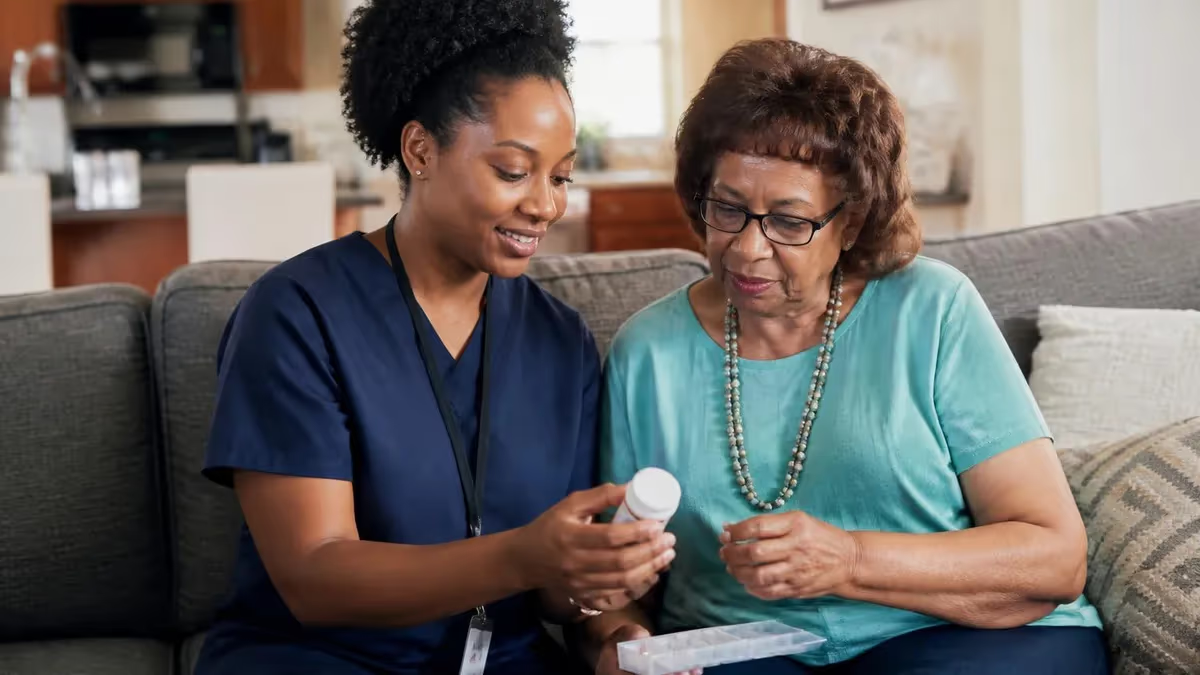
Home health aides jobs are among the fastest-growing career opportunities in the United States, driven by an aging population and a nationwide push toward community-based care. Whether you are exploring the field for the first time or looking to advance an existing caregiving career, understanding the full landscape—from HHA Exchange platforms to state certification requirements—will give you a decisive edge. The Bureau of Labor Statistics projects employment of home health and personal care aides to grow 22 percent through 2032, adding more than 700,000 new positions across the country.
The HHA Exchange is a digital platform used by thousands of home health agencies to manage scheduling, documentation, and compliance for their certified aides. If you are already working or interviewing at an agency, you will almost certainly need to complete your HHA Exchange login to access shift assignments, clock in and out, and submit care notes. Understanding how the platform works before your first day on the job can save significant stress during onboarding.
HHA certification is the gateway credential that makes you eligible for most professional home health aide positions covered by Medicare and Medicaid reimbursement. The certification process varies by state, but it universally involves completing a state-approved home health aide training program, passing a competency evaluation, and in many states registering on a formal state aide registry. Without certification, most licensed home health agencies cannot legally employ you for skilled-care cases.
The demand for certified home health care aides has never been higher. More than 53 million Americans serve as informal caregivers today, and formal HHA services fill critical gaps when family support is insufficient. Conditions like Alzheimer's disease, post-surgical recovery, chronic heart failure, and mobility limitations all create sustained, long-term demand for trained aides who can assist with activities of daily living while operating within clear clinical boundaries.
Choosing a home health aide training program is one of the most consequential early decisions you will make. Programs range from brief 75-hour state-minimum curricula to comprehensive 120-hour offerings that include additional clinical rotations and specialty modules in dementia care or pediatric home health. The length, cost, and quality of training directly affect how prepared you feel on your first client visit and how quickly you advance within an agency.
Compensation in the home health aide field has risen sharply in recent years, with median hourly wages now exceeding $15 in most states and topping $20 in high cost-of-living markets like California, New York, and Massachusetts. Entry-level aides typically earn less, but those who complete additional specialty certifications—such as dementia care specialist credentials or home health aide certification with medication administration endorsements—command meaningfully higher pay and have access to more complex, better-compensated cases.
This guide covers everything you need to know about launching or advancing your home health aide career: from navigating the HHA Exchange login and mastering the competency exam, to comparing training programs, understanding salary benchmarks, and building the professional habits that lead to long-term success in home-based care.
Home Health Aide Jobs by the Numbers
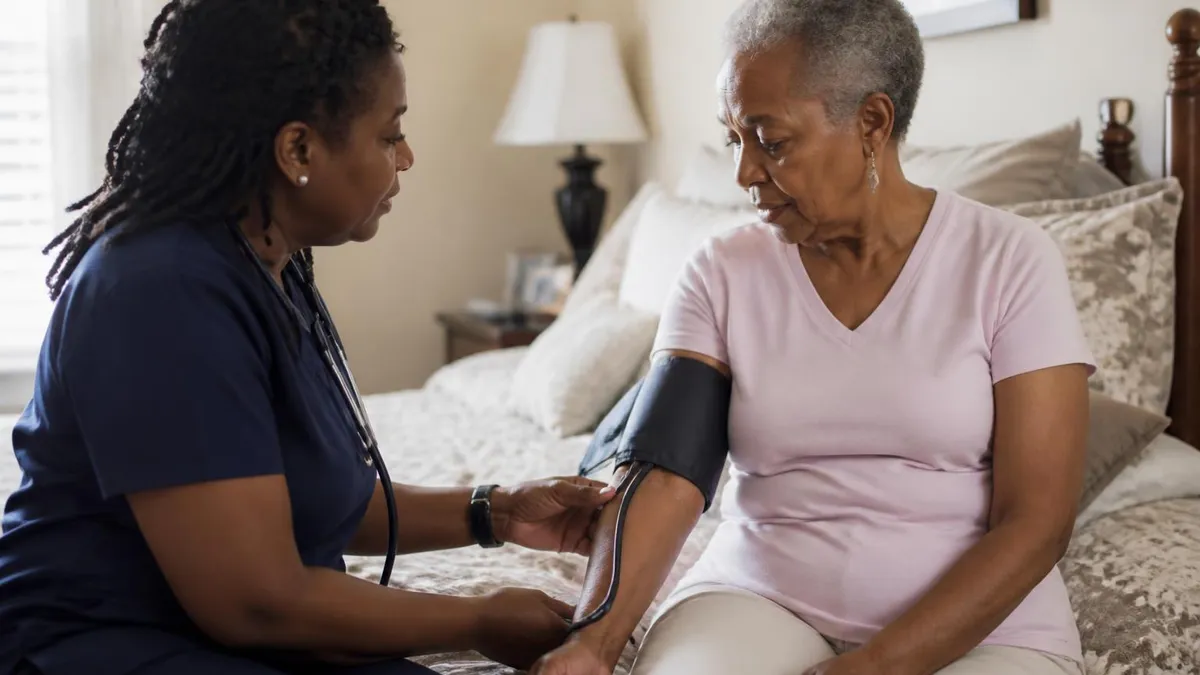
How to Become a Certified Home Health Aide: Step-by-Step
Meet Basic Eligibility Requirements
Enroll in a State-Approved Training Program
Complete Clinical Skills Training
Pass the HHA Competency Evaluation
Register on Your State's Aide Registry
Complete Agency Onboarding and HHA Exchange Setup
Home health aide training is not a one-size-fits-all experience, and choosing the right program can significantly shape your early career trajectory. The federal government mandates a minimum of 75 hours of training for aides working with Medicare-certified agencies, but 33 states and the District of Columbia have established higher requirements—some reaching 120 or even 150 hours. Before you enroll, check your state's specific hour requirements and ensure the program holds the appropriate state approval or Medicare certification, because attending an unapproved program means your certification will not be recognized by licensed employers.
Community colleges are often the most cost-effective option for home health aide training programs, with tuition frequently falling between $300 and $900 for the full curriculum. Many offer flexible evening and weekend schedules that allow students to maintain part-time employment during training. Some community colleges also have formal partnerships with local home health agencies, meaning that completing the program can lead directly to a job offer with an employer who already trusts the curriculum's rigor.
Agency-sponsored training is another common pathway, particularly for people who have already secured a conditional job offer. In this model, the home health agency pays for or subsidizes the cost of your training in exchange for a commitment to work for them for a specified period—usually six months to one year—after certification. This arrangement eliminates upfront financial barriers and guarantees employment upon successful completion, making it an attractive option for career changers who need income certainty.
Online hybrid programs have grown substantially since 2020 and now represent a meaningful portion of HHA training completions nationwide. These programs deliver the didactic knowledge component through video lectures, interactive modules, and quizzes that students complete on their own schedule, while reserving in-person clinical hours for a designated skills lab or clinical facility partner. The flexibility is valuable, but students should carefully verify that the online component meets their state's requirements before enrolling—not all states accept fully remote didactic instruction.
The curriculum content across approved programs is relatively standardized because federal regulations specify that training must cover personal care skills, basic nursing procedures, infection control, safety and emergency procedures, mental health and social service needs, and the physical and emotional needs of clients. What distinguishes higher-quality programs is the depth of instruction in each area and the quality of the clinical supervision provided. Programs with experienced registered nurses as primary instructors tend to produce aides who are better prepared for complex home health situations.
After completing training, many new aides discover that additional specialty coursework accelerates career advancement. Dementia care training, safe patient handling certifications, and medication assistance endorsements are among the most valued add-on credentials. Some states allow certified aides to complete continuing education to qualify for an expanded scope of practice, including blood glucose monitoring or simple wound care under nurse supervision. Reviewing the home health aide job description at agencies you want to work with can reveal exactly which additional skills command premium pay in your local market.
Financial assistance for HHA training is more available than most candidates realize. The Workforce Innovation and Opportunity Act (WIOA) funds training grants through American Job Centers in every state. Many state Medicaid agencies operate direct-care worker scholarship programs. Veterans may qualify for VA vocational rehabilitation benefits. And a growing number of hospital systems and health networks offer paid training pipelines for community members interested in direct-care roles, particularly in rural and underserved areas where aide shortages are most acute.
Understanding the HHA Exchange Login, Platform, and Tools
The HHA Exchange login portal is your daily gateway to shift assignments, client care plans, and compliance documentation. To access it, navigate to your agency's custom HHA Exchange URL, enter the username and temporary password provided during onboarding, and immediately reset your password to something secure. Most agencies also enable two-factor authentication, which sends a verification code to your registered mobile number each time you log in from a new device or browser.
If you forget your HHA Exchange login credentials, the platform's self-service password reset function requires you to verify your identity through your registered email address or mobile number. If those are outdated, you must contact your agency's administrator—not HHA Exchange support directly—because agency admins manage user accounts. Keeping your contact information current in the platform prevents lockouts that could cause you to miss a shift notification or a time-sensitive schedule change.
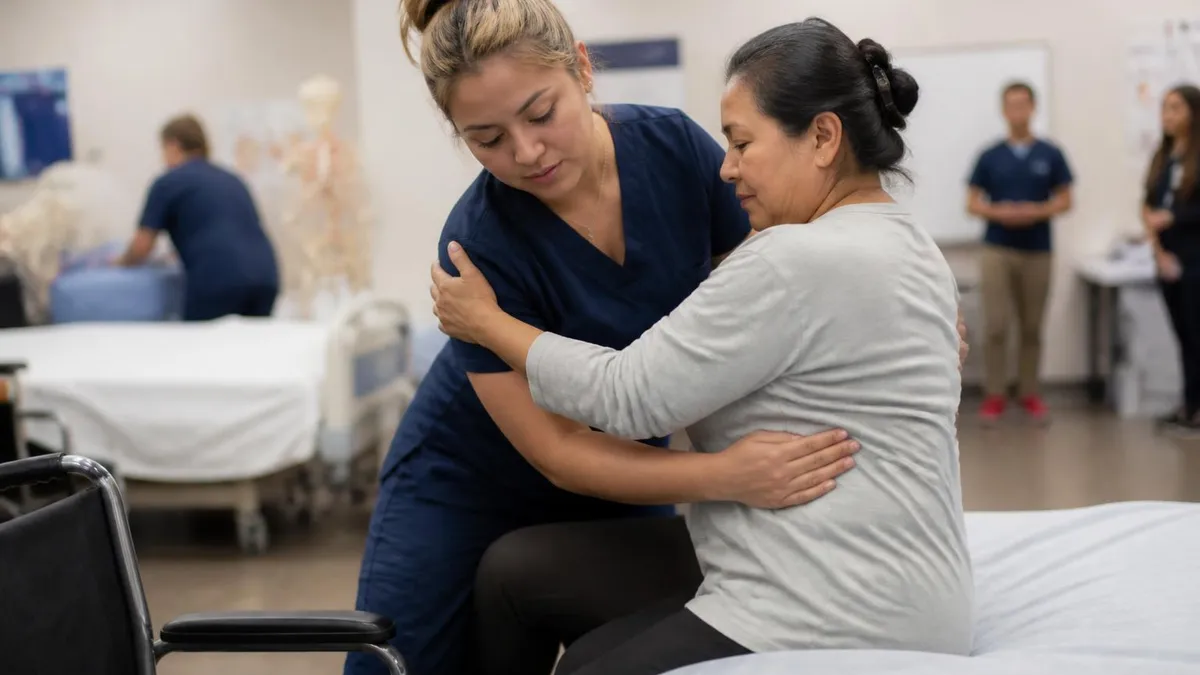
Is a Home Health Aide Career Right for You? Pros and Cons
- +High and growing job demand with 700,000+ projected new positions through 2032
- +Relatively short certification timeline of 2–6 weeks compared to other healthcare roles
- +Deeply meaningful work with direct, visible impact on clients' quality of life
- +Flexible scheduling options including part-time, per diem, and overnight shifts
- +Multiple pathways for advancement including LPN, RN, and case management roles
- +Agency-sponsored training available, eliminating upfront education costs
- −Median wages remain below $17/hour in many states despite recent increases
- −Physically demanding work involving frequent transfers, bending, and extended standing
- −Emotional strain from developing close relationships with clients who may deteriorate
- −Unpredictable schedules with last-minute cancellations affecting guaranteed hours
- −Limited employer-sponsored benefits in some private-pay agency models
- −Travel between multiple client homes can add unpaid commute time to the workday
HHA Certification Exam Preparation Checklist
- ✓Confirm your state's specific hour and content requirements before enrolling in any training program.
- ✓Complete all required clinical hours under a licensed nurse's direct supervision before scheduling your exam.
- ✓Review the 12 federally specified content areas including infection control, safety, and client rights.
- ✓Practice the 22 standard clinical skills that may appear on the hands-on competency demonstration.
- ✓Take at least 3 full-length timed practice tests under realistic exam conditions.
- ✓Study the OBRA '87 regulations governing aide training and competency standards.
- ✓Review proper body mechanics for transfers, repositioning, and ambulation assistance.
- ✓Memorize normal vital sign ranges for temperature, pulse, respiration, and blood pressure.
- ✓Practice explaining care procedures aloud as required during the skills demonstration portion.
- ✓Confirm your exam registration and required identification documents at least one week before test day.
The Skills Demonstration Is Where Most Candidates Struggle
Research on HHA competency evaluations consistently shows that candidates who fail do so on the skills demonstration, not the written exam. The most commonly failed tasks are hand hygiene technique, proper body mechanics during transfers, and infection control procedures. Dedicate at least 40 percent of your study time to practicing these physical skills with a partner, not just reading about them.
Understanding your compensation potential as a home health aide is essential to making informed career decisions and negotiating effectively with prospective employers. According to the Bureau of Labor Statistics Occupational Employment and Wage Statistics survey, the national median annual wage for home health and personal care aides was $33,530 in May 2023, translating to approximately $16.12 per hour. However, this national median masks substantial geographic variation—aides in California, New York, Massachusetts, and Washington State regularly earn $20 to $26 per hour, while those in Southern and rural Midwestern states may earn closer to $13 to $15.
Experience and specialization are the two primary levers that home health aides can pull to increase their earnings. Entry-level aides with fewer than one year of experience typically earn at or slightly below the state median, while aides with three or more years of experience and a demonstrated track record with complex cases—such as ventilator-dependent clients, pediatric home health, or high-acuity post-surgical cases—can command wages 20 to 35 percent above median. Specialty certifications in dementia care, hospice aide services, or safe patient handling serve as concrete credentials that justify wage negotiations.
The employment setting also meaningfully affects compensation. Aides who work for certified Medicare home health agencies—as opposed to private-pay companion care companies—generally receive higher wages because Medicare and Medicaid reimbursement rates have increased following federal and state advocacy campaigns. Hospital-based home health divisions and large regional networks tend to offer the most competitive total compensation packages, including health insurance, paid time off, and retirement contributions. Independent contractor arrangements with private clients may offer higher hourly rates but shift responsibility for taxes, insurance, and retirement savings entirely to the aide.
The question of benefits deserves careful attention, particularly for aides working in states without robust Medicaid programs. While large agencies increasingly offer health insurance to full-time aides, per-diem and part-time workers often receive no benefits at all. The Affordable Care Act marketplace provides subsidized coverage options for workers earning between 100 and 400 percent of the federal poverty level, and many HHAs qualify for substantial premium subsidies that make individual coverage affordable. Factoring in the real cost of benefits when comparing job offers—not just the hourly rate—is critical to understanding true total compensation.
Geographic mobility is an underappreciated strategy for increasing HHA earnings. States facing the most severe aide shortages—Alaska, North Dakota, Montana, and Wyoming—frequently offer recruiting bonuses of $1,000 to $3,000 for certified aides willing to relocate. Urban-rural wage disparities within states also create opportunities: a certified home health care aide moving from a rural county to a metropolitan area in the same state might see a $3 to $5 per hour wage increase with the same credentials. Because HHA certification is state-specific, relocating requires verifying reciprocity agreements or completing additional state-required training, but the process is typically straightforward.
Career laddering within the direct-care workforce is increasingly formalized at large employers. Many hospital health systems and multi-state home health networks have created structured advancement tracks that allow high-performing HHAs to move into lead aide, field supervisor, or care coordinator roles with meaningfully higher pay and reduced physical demands.
Some organizations fund LPN and RN bridge programs for aides who demonstrate academic aptitude, covering tuition in exchange for continued employment commitments. Investigating an employer's internal advancement track before accepting an offer is just as important as comparing starting wages. Reviewing the hha jobs near me landscape in your area can reveal which agencies offer the most structured growth pathways.
Labor union membership is an emerging factor in HHA compensation, particularly in states like California, Illinois, and New York where Service Employees International Union (SEIU) and 1199SEIU chapters have negotiated master contracts covering tens of thousands of home care workers.
Union aides in these markets typically earn 15 to 25 percent more than non-union peers in the same geographic area and have significantly more reliable access to employer-sponsored health insurance and defined contribution retirement plans. If you are entering the field in a state with active home care unionization, researching which agencies are under union contract can substantially improve your long-term financial outcomes.

Your placement on the state HHA registry is not permanent—it can be revoked if you fail to complete required continuing education, if a substantiated abuse or neglect finding is entered against you, or in some states if you leave the field for more than 24 consecutive months. Check your state registry requirements annually and document all continuing education completions carefully so you never face an unexpected lapse in work eligibility.
Building a sustainable and rewarding home health aide career requires more than earning your initial certification—it demands ongoing professional development, strategic employer selection, and a proactive approach to workplace safety and self-care. The aides who thrive long-term in this field share several common characteristics: they communicate assertively with supervising nurses when client conditions change, they maintain strict professional boundaries while still delivering compassionate care, and they treat each client's home as a professional workplace rather than an informal environment.
Continuing education is both a regulatory requirement in most states and a genuine competitive advantage. Federal regulations require that aides working for Medicare-certified agencies complete at least 12 hours of in-service training per year. Topics typically include updated infection control protocols, safe patient handling, changes in client diagnoses, and mandatory reporter obligations. Going beyond the minimum by pursuing specialty certifications—particularly in high-demand areas like Alzheimer's and dementia care or pediatric home health—positions you as a high-value aide that agencies are reluctant to lose and willing to pay more to retain.
Workplace safety is a dimension of HHA careers that receives insufficient attention in many training programs. Home health aides experience some of the highest rates of musculoskeletal injury among all healthcare workers, primarily from client transfers, repositioning, and ambulation assistance. Using proper body mechanics on every single transfer—not just when a supervisor is observing—is the single most important habit for career longevity. Requesting mechanical lift equipment when a client's weight or mobility limitations create unsafe conditions is a legitimate professional responsibility, not an inconvenience, and agencies that discourage lift equipment use should be regarded as safety risks.
Burnout is the other major threat to long-term HHA career sustainability. Home health aides frequently form deep bonds with clients over months or years of daily care, and client decline or death can cause genuine grief. Without intentional coping strategies—whether regular peer support through coworker relationships, formal employee assistance programs, or personal self-care practices—the cumulative emotional weight of the work can lead to compassion fatigue, increased error rates, and eventual departure from the field. Agencies that offer formal bereavement support or peer counseling programs provide a meaningful quality-of-life advantage worth considering during job selection.
Networking within the home health field accelerates career advancement in ways that individual effort alone cannot match. State home care associations, SEIU chapters, and direct-care worker advocacy organizations all host regional events and training opportunities that connect aides with agency leadership, policy advocates, and peer mentors. Active participation in these networks opens doors to lead aide positions, advisory committee appointments, and in some cases direct career transition funding for aides who want to pursue further education in nursing or social work.
Mentorship from experienced aides and supervising nurses is particularly valuable during your first year in the field. New aides encounter situations in clients' homes that no textbook fully prepares them for—a client in early cognitive decline who refuses care, a family member who overrides the care plan, or an unexpected medical emergency in a home without landline phone service.
Having a trusted senior colleague or supervisor you can call for real-time guidance is not a sign of weakness; it is the mark of a professional who understands their scope of practice. Seeking out agencies with strong mentorship cultures and accessible supervisory nursing staff is well worth prioritizing during your job search. Comparing the home health aide salary and advancement structure across agencies before accepting an offer is one of the most impactful decisions you can make for your long-term career trajectory.
Finally, documenting your professional growth throughout your career pays dividends when seeking promotions or new positions. Keep a running record of every continuing education course completed, every specialty certification earned, every challenging case type successfully managed, and every positive supervisor evaluation received.
This professional portfolio is your evidence base for wage negotiations and advancement discussions, and it distinguishes you from the large pool of aides who have similar certifications but no organized record of their development. In a field where employers compete intensely for high-performing aides, arriving at a negotiation with documented accomplishments rather than just a credential is a measurable advantage.
Preparing effectively for the HHA competency exam requires a structured study strategy that covers both the written knowledge component and the hands-on skills demonstration. Many candidates underestimate the importance of the skills component, assuming that the written test is the primary challenge. In practice, both sections are equally weighted, and evaluators score the skills demonstration against a precise checklist that includes steps most candidates would never think to include—such as introducing yourself by name and title before beginning any procedure, or explaining each step of care to the client even when the client is non-verbal.
For the written component, the most efficient study approach is to work through categorized practice questions organized by the federal content domains: personal care, basic nursing procedures, infection control, emergency procedures, mental health considerations, client rights, and the role of the HHA in the care team. Reviewing rationales for both correct and incorrect answer choices is more effective than simply noting which answer was right, because the rationale-based approach builds the underlying knowledge framework that allows you to handle novel question phrasings on the actual exam.
Time management during the written exam is a skill in itself. Most written HHA competency evaluations allow 90 to 120 minutes for 50 to 100 questions, giving you roughly 60 to 90 seconds per question. Candidates who spend too long on difficult questions early often rush through easier questions later and introduce careless errors. A disciplined approach—answering confidently known questions first, flagging uncertain ones for review, and returning to flagged questions with remaining time—consistently produces better outcomes than linear question-by-question progression.
For the skills demonstration, repetition with a practice partner is irreplaceable. The 22 core clinical skills tested by evaluators include hand hygiene, partial and complete bed baths, oral care for conscious and unconscious clients, range-of-motion exercises, vital signs measurement, ambulation assistance, wheelchair transfers, and others. Practicing each skill until the correct sequence feels automatic—rather than requiring active recall—is the goal. Under exam conditions, nerves can disrupt recall-dependent execution, but motor memory built through dozens of correct repetitions remains reliable even when anxiety is high.
The infection control component of both the written and skills portions receives disproportionate evaluator scrutiny because errors in infection control create real patient safety risks. The most commonly cited deficiencies in HHA skills demonstrations include failure to perform hand hygiene at the correct moments in a procedure sequence, improper gloving and de-gloving technique, and inadequate disposal of soiled materials. Rehearsing the exact moments within each skill procedure when hand hygiene is required—not just that hand hygiene matters in general—is the level of specificity needed to pass cleanly.
Understanding the test-taking experience itself can reduce exam-day anxiety. Most competency evaluations are conducted at the training facility or at a designated testing center, with a registered nurse as the evaluator for the skills portion. The evaluator is not trying to trick you—they are following a standardized checklist and giving you credit for each observable correct step. Narrating your actions aloud during the skills demonstration, even when it feels unnecessary, ensures the evaluator can score steps that might otherwise be ambiguous. Silence during a skills demonstration is frequently misinterpreted as skipped steps.
For candidates who do not pass on their first attempt, most states allow retesting after a specified waiting period—typically 30 days—and often permit candidates to retest only the failed portion rather than repeating the entire evaluation. Requesting specific feedback from the evaluator about which checklist items you missed is both your right and your most efficient path to passing on the second attempt. Treating a first-attempt failure as useful diagnostic data rather than a judgment of your capabilities is the mindset that separates candidates who successfully certify from those who abandon the process.
HHA Questions and Answers

HHA Job Requirements 2026 — What You Need to Become a Home Health Aide

HHA Classes Near Me 2026 — How to Find and Enroll in Training

Medicare Coverage for Home Health Aide Services — What's Covered and What Isn't
How to Become a Home Health Aide — Training, Certification & Requirements

HHA: Home Health Aide Role, Certification, and Career Guide
About the Author

Registered Nurse & Healthcare Educator
Johns Hopkins University School of NursingDr. Sarah Mitchell is a board-certified registered nurse with over 15 years of clinical and academic experience. She completed her PhD in Nursing Science at Johns Hopkins University and has taught NCLEX preparation and clinical skills courses for nursing students across the United States. Her research focuses on evidence-based exam preparation strategies for healthcare certification candidates.
Join the Discussion
Connect with other students preparing for this exam. Share tips, ask questions, and get advice from people who have been there.
View discussion (8 replies)