
HHA Instructor: How to Become One, What They Do, and Why It Matters
Learn what an HHA instructor does, how to become one, and how hha exchange supports training programs. Complete 2026 September guide. 🎓
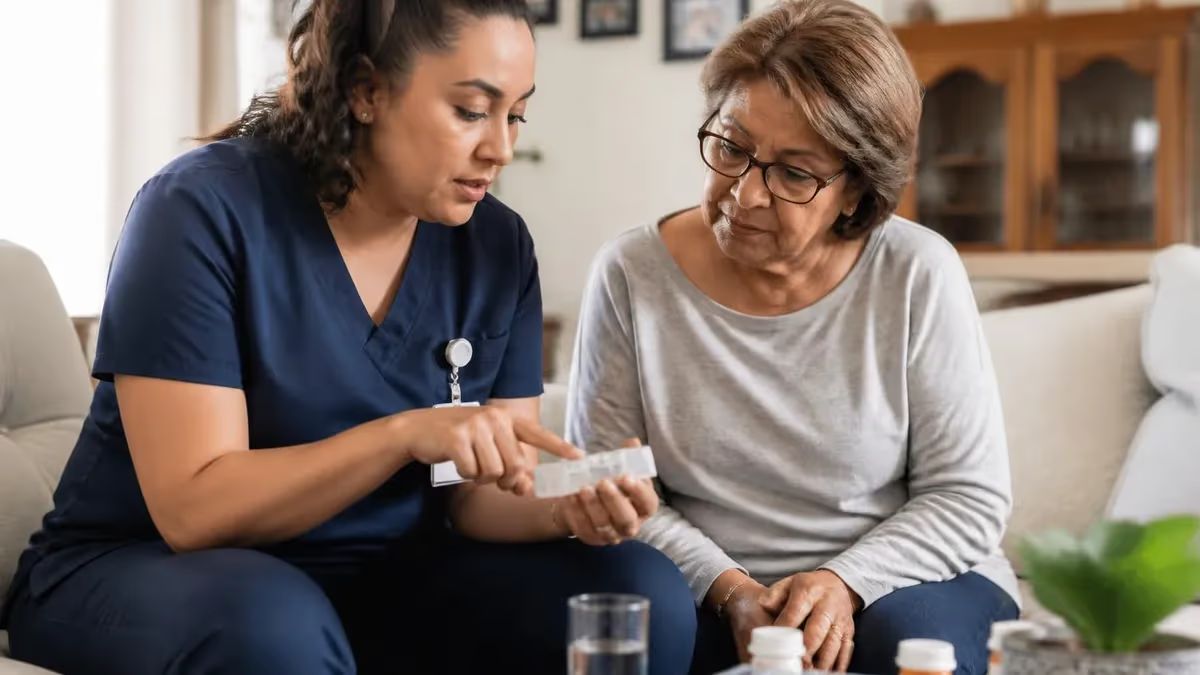
The hha exchange platform has transformed how home health aide training programs are administered across the United States, but behind every successful training cohort stands a qualified HHA instructor who designs curriculum, evaluates competency, and ensures students meet state and federal standards. An hha instructor is not simply a teacher — they are a licensed clinical professional responsible for shaping the next generation of certified home health care aide workers who will serve vulnerable populations in their homes.
Home health aide training programs have grown dramatically over the past decade as demand for in-home care has surged alongside an aging American population. The U.S. Bureau of Labor Statistics projects that employment of home health aides will grow 21 percent through 2033 — far faster than average for all occupations. This explosive growth means that qualified instructors who can deliver state-approved home health aide training are in shorter supply than ever, creating genuine career opportunities for nurses and allied health professionals who enjoy teaching.
Understanding what HHA instructors do, what qualifications they need, and how they navigate platforms like hha exchange login systems is essential for anyone considering this career path. Instructors must hold current clinical licenses, typically as registered nurses or licensed practical nurses, and must demonstrate both teaching ability and deep familiarity with home care competency standards set by CMS (Centers for Medicare and Medicaid Services).
The home health aide certification process is directly shaped by the instructors who deliver training. Federal regulations under 42 CFR Part 484 require that HHA training programs include at least 75 hours of instruction, with a minimum of 16 hours of hands-on supervised practical training occurring before a student provides direct patient care. Instructors are responsible for ensuring these minimums are met and that every competency area is covered thoroughly before students sit for the home health aide certification competency evaluation.
Many aspiring instructors are surprised to discover how much administrative work the role involves. Beyond teaching in a classroom or clinical setting, HHA instructors must maintain detailed records of student attendance, competency checks, skills sign-offs, and program compliance documentation. Platforms like hha exchange have simplified much of this documentation burden by providing digital tracking systems that integrate with state registry requirements, making the hha login process a daily routine for both instructors and program administrators.
The financial picture for HHA instructors is also worth examining carefully. Depending on the employer — whether a home health agency, vocational school, community college, or hospital — instructor compensation ranges widely. Independent contract instructors running their own approved programs can earn significantly more than salaried positions, but also bear the full compliance and liability burden. Understanding the economics of home health aide training programs helps aspiring instructors choose the right employment model for their goals and lifestyle.
This guide covers everything you need to know about becoming an HHA instructor in 2026: the qualifications required, the curriculum you will teach, how tools like hha exchange support program management, and how to set students up for success on the home health aide competency exam. Whether you are a nurse considering a career pivot into education or an administrator building a new training program, this comprehensive resource will walk you through every critical step.
HHA Training & Instructor Industry by the Numbers
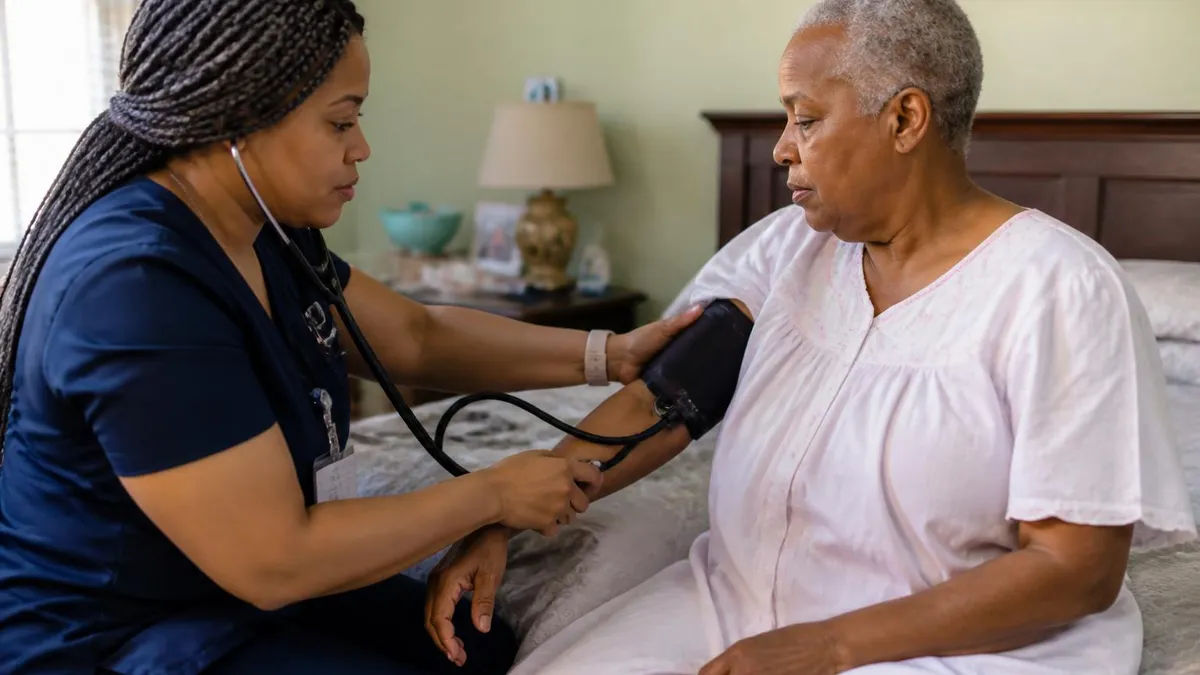
Core Qualifications to Become an HHA Instructor
Most states require HHA instructors to hold a current RN or LPN license. Some states permit other licensed health professionals such as physical therapists or occupational therapists to teach specific competency areas, but an RN typically must oversee the overall program.
Federal CMS guidelines and most state regulations require instructors to have at least two years of clinical nursing experience, with a minimum of one year working in a home health or community health setting. This experience ensures instructors can teach real-world skills.
While not always mandated by law, most employers and accrediting bodies strongly prefer candidates who have prior experience as a preceptor, clinical educator, or classroom instructor. A certificate in adult education or instructional design is a significant competitive advantage.
Instructors must understand their state's home health aide training program approval process, including how to submit curriculum for review, maintain compliance records, and respond to state surveys. Familiarity with CMS Conditions of Participation is essential.
Many agencies use HHA Exchange for scheduling, EVV compliance, and training documentation. Instructors who can navigate the hha login portal, manage digital skills checklists, and run compliance reports add immediate operational value to any training program.
The curriculum that an HHA instructor delivers is defined by a combination of federal CMS requirements and state-specific additions that vary considerably from one jurisdiction to another. At the federal level, home health aide training must cover a defined set of subject areas including infection control, safety and emergency procedures, basic personal hygiene and grooming, nutrition and fluid intake, observation and reporting, and communication skills. Most states expand upon this list substantially, requiring additional hours in areas like mental health awareness, cultural competency, end-of-life care, and working with patients who have dementia or Alzheimer's disease.
Designing a compliant and effective curriculum is one of the most intellectually demanding aspects of being an HHA instructor. You must align learning objectives to specific competency checkpoints, sequence instruction so that knowledge builds progressively, and incorporate both didactic (classroom) instruction and hands-on skills practice. The 16 hours of clinical skills instruction required before any student provides direct patient care must be carefully scheduled and supervised, typically in a simulated lab environment or under close instructor observation in an actual home care setting.
Assessment is another critical area of instructor responsibility. Students must demonstrate competency in each required skill area before they can be certified. This means the instructor must conduct formal competency evaluations, document the results, and make pass/fail determinations based on standardized criteria. An instructor who passes a student who has not genuinely mastered a skill puts patients at risk and exposes the training program to serious regulatory consequences, including loss of program approval.
Many HHA instructors find that teaching communication and interpersonal skills is among the most rewarding parts of the curriculum. These are not soft skills in the dismissive sense — they are clinically essential competencies that determine whether a home health aide can build trust with a patient, recognize subtle changes in condition, and report concerns accurately to the supervising nurse. Students who excel in communication often become the most effective certified home health care aide professionals in the field.
Infection control training deserves special emphasis in any home health aide training program. Unlike hospital settings where infection control protocols are enforced by multiple systems and staff members, home health aides work in private residences where they must independently apply standard precautions, proper hand hygiene, and safe handling of sharps and biohazardous waste. Instructors must ensure students understand not just the procedures but the rationale behind them, because aides who understand why a protocol exists are far more likely to follow it consistently in the field.
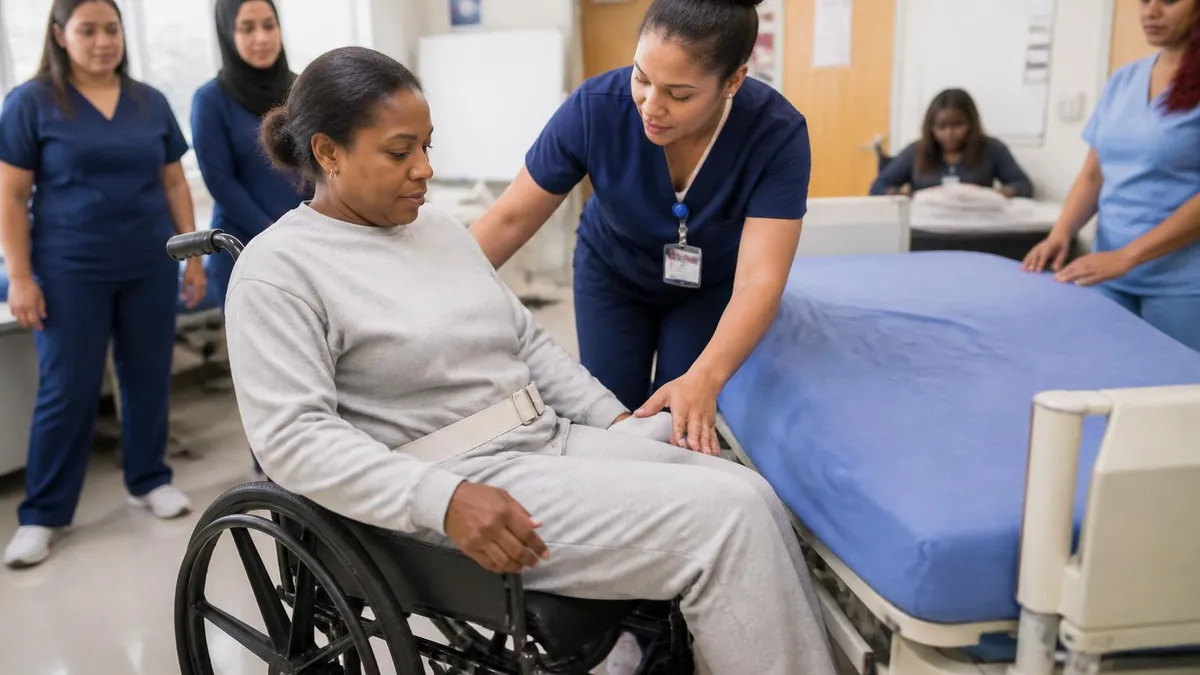
The practical skills portion of home health aide training covers a wide range of hands-on procedures including bed baths, proper positioning and transfer techniques, range-of-motion exercises, vital signs measurement, catheter care, ostomy care, and assistance with prescribed exercises. Instructors must be competent in all of these skills themselves and must be able to evaluate student performance against objective criteria. Many programs use standardized skills checklists that align with the state competency evaluation format so that students practice exactly what they will be tested on.
Documentation training is increasingly important as the home health industry moves toward electronic visit verification and digital record-keeping. Instructors who can teach students to use tools like the hha exchange login system for documenting care visits, recording vital signs, and communicating with the care team are providing training that directly translates to better job performance. Students who graduate from programs that include technology training adapt more quickly to agency workflows and are more attractive to employers in today's digital-first home health environment.
Home Health Aide Training Program Formats
Traditional in-person home health aide training remains the most common format and is required in some states for the clinical skills portion of instruction. Instructors teach didactic content in a classroom setting and then supervise hands-on skills practice in a lab equipped with hospital beds, mannequins, and medical supplies. This format allows for immediate feedback, peer learning, and direct competency observation that is difficult to replicate in other formats.
In-person programs typically run for two to four weeks depending on the number of required training hours in the state. Instructors must manage classroom dynamics, accommodate diverse learning styles, and ensure that every student receives adequate hands-on practice time with each required skill. Group sizes are usually kept to 8-12 students per instructor to ensure safe and adequate supervision during skills practice sessions, which is a key quality indicator for state program approval reviews.
Pros and Cons of Becoming an HHA Instructor
- +Stable, growing demand as the home health aide workforce expands nationally
- +Opportunity to multiply your clinical impact by training dozens of aides each year
- +Regular schedule compared to direct patient care nursing shifts
- +Competitive salary with benefits when employed by agencies or educational institutions
- +Meaningful professional development in curriculum design and adult education
- +Access to leadership pathways in training management and compliance roles
- −Requires active clinical licensure maintenance alongside teaching responsibilities
- −Heavy documentation burden for program compliance and state reporting
- −Emotionally taxing when students fail competency evaluations after significant effort
- −Salary ceiling lower than advanced practice nursing in many markets
- −Must stay current with frequently changing state and CMS regulations
- −Limited autonomy if employed by a large agency with standardized curriculum
HHA Instructor Program Compliance Checklist
- ✓Verify your clinical license is current and in good standing with your state board.
- ✓Confirm you meet the minimum clinical experience requirements for instructors in your state.
- ✓Obtain a copy of your state's home health aide training program approval regulations.
- ✓Develop or review curriculum to ensure all CMS-required subject areas are covered.
- ✓Schedule at least 16 hours of supervised clinical skills practice before any student touches patients.
- ✓Create standardized competency skills checklists aligned with the state evaluation criteria.
- ✓Establish a system for maintaining student attendance, competency records, and program documentation.
- ✓Set up hha exchange or equivalent platform for digital tracking and EVV compliance documentation.
- ✓Complete any state-required instructor training or orientation before beginning instruction.
- ✓Schedule a pre-approval self-audit at least 30 days before your program's first cohort begins.
The 16-Hour Clinical Rule Is Non-Negotiable
Federal CMS regulations require that home health aide students complete at least 16 hours of hands-on clinical skills training under the direct supervision of a licensed nurse before they may provide any care to patients. This rule cannot be waived, shortened, or substituted with online modules. Programs that violate this requirement risk losing Medicare certification, which can shut down an entire agency's revenue stream. As an instructor, protecting this requirement protects your students, your patients, and your program.
Building a successful home health aide training program from scratch is an ambitious undertaking that requires careful planning, regulatory expertise, and operational infrastructure. The first step is always to contact your state's department of health or equivalent regulatory agency to obtain the specific requirements for program approval in your jurisdiction. While federal CMS regulations establish a floor, most states impose additional requirements around curriculum content, instructor qualifications, program duration, and reporting that you must meet before you can enroll a single student.
The curriculum development process typically takes two to three months for a new instructor. You must create detailed lesson plans for each required content area, develop student assessment tools, design skills competency checklists, and compile all of this into a program manual that will be submitted for state review. Many new instructors find it helpful to review approved programs from established schools or agencies as reference points, though you must develop your own original materials rather than copying existing curricula without permission.
Facility requirements are another important consideration. Your training program must have adequate space for both classroom instruction and clinical skills practice. The skills lab must be equipped with the supplies and equipment that students will use in practice: hospital beds, transfer belts, mannequins or task trainers, personal protective equipment, measuring instruments for vital signs, and the various supplies needed for personal care skills practice. Some states publish specific facility and equipment requirements in their program approval regulations.
Once your program is approved and operational, maintaining hha certification compliance requires ongoing vigilance. State surveyors may conduct unannounced inspections to verify that your program is operating as approved. They will review student records, observe instruction, examine your facilities, and verify instructor credentials. Programs that are found to be out of compliance may be required to re-train current students, and in serious cases, program approval can be revoked. Maintaining meticulous records and conducting regular internal audits are the most effective defenses against compliance problems.
Technology plays an increasingly central role in modern training program management. The hha exchange platform, for example, offers tools that allow training programs to track student progress, manage scheduling, and produce compliance documentation with much less administrative effort than paper-based systems. Many state-approved programs have found that adopting these platforms reduces administrative time by 30 to 50 percent while simultaneously improving the accuracy and completeness of required records. Training your students on these platforms also gives them a head start when they join agencies that use the same systems.
Student recruitment and retention are practical challenges that instructors often underestimate. Home health aide training programs tend to attract students from lower-income backgrounds who face multiple logistical barriers to completion including transportation, childcare, and work schedule conflicts. Programs that build in flexible scheduling options, provide clear information about financial assistance, and actively connect students with employment partners before graduation consistently achieve higher completion rates and better outcomes for both students and the communities they serve.
Marketing your program effectively requires understanding the local workforce development landscape. Community colleges, workforce investment boards, immigrant-serving organizations, and church networks are all valuable partners for reaching potential students. Some programs work directly with home health agencies to provide tuition reimbursement arrangements where agencies pay training costs in exchange for students committing to work for the agency for a defined period after certification. These earn-while-you-learn models have proven highly effective at both filling training seats and solving agency staffing shortages simultaneously.
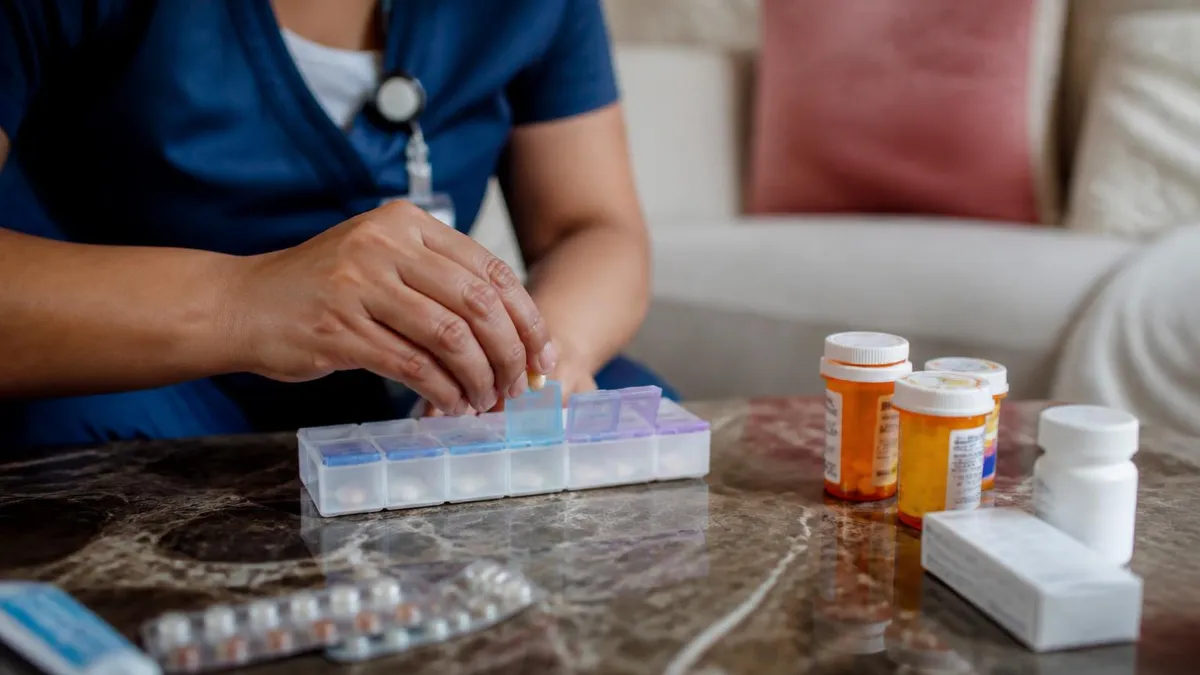
Home health aide training regulations are updated regularly by state legislatures and health departments, and what was compliant last year may not meet current standards. Before designing or updating your curriculum, always download the most current version of your state's regulations directly from the official state health department website. Do not rely on third-party summaries or outdated training manuals, as errors in compliance can result in program suspension, student re-training requirements, or loss of Medicare program approval for your agency.
Preparing students for the home health aide competency evaluation is ultimately the most important metric by which an HHA instructor's effectiveness is judged. The competency evaluation consists of two parts: a written knowledge test and a clinical skills observation where a trained evaluator watches the student perform specific tasks and scores their performance against standardized criteria. Students must pass both components to become a certified home health care aide eligible to work in Medicare- or Medicaid-certified agencies.
Pass rates on the home health aide competency evaluation vary significantly by state and by training program. Nationally, first-attempt pass rates for the skills evaluation hover around 70 to 80 percent, with the written test showing similar or slightly higher pass rates. The most effective training programs consistently achieve first-attempt pass rates above 85 percent, and this performance difference almost always traces back to the quality and comprehensiveness of the instruction and skills practice provided during training. High-performing instructors treat the competency evaluation not as a separate event to prepare for but as the natural endpoint of thorough daily practice.
Skills that students most commonly fail on the competency evaluation include hand hygiene, infection control procedures, and the proper technique for transferring patients — skills that require muscle memory developed through repeated practice. Instructors should identify the specific skills that evaluators in their state test most frequently and ensure that students practice those skills until correct performance becomes automatic. Many experienced instructors conduct mock competency evaluations in the final week of training, using the exact same scoring criteria that state evaluators use, to give students a realistic preview of the evaluation experience.
The written knowledge test covers all the subject areas addressed in training, with particular emphasis on safety, infection control, patient rights, and observation and reporting. Students who struggle with standardized tests often benefit from targeted practice with multiple-choice questions formatted similarly to those on the actual examination. Free practice resources and home health aide training program test banks can be valuable supplements to classroom instruction, helping students identify knowledge gaps before the actual evaluation date.
One area where many training programs fall short is in preparing students for the emotional and psychological demands of home health aide work. Working one-on-one with patients who are ill, elderly, disabled, or dying is profoundly meaningful but also emotionally demanding work. Effective instructors address self-care, boundary-setting, and compassion fatigue directly in their curriculum, helping students build resilience before they encounter challenging situations in the field. Aides who burn out quickly are a loss for their patients, their agencies, and for the healthcare system as a whole.
After students successfully complete their training and pass the competency evaluation, they must be listed on the state's home health aide registry. Most states maintain a publicly searchable registry that employers use to verify aide credentials. Instructors play a key role in this process by submitting the required documentation to the state within the mandated timeframe — typically within 30 days of program completion. Delays in registry submission can prevent newly certified aides from starting work and damage the reputation of the training program with local employers who are waiting to onboard new staff.
Continuing education for practicing HHAs is another area where instructors often play a role. Medicare-certified home health agencies are required to provide annual in-service training for their aides, and many instructors serve as trainers for these mandatory continuing education sessions as well. Topics for annual in-service training typically include updates to infection control protocols, emergency preparedness, patient rights, and any new procedures or technologies the agency has adopted. This ongoing training relationship between instructors and working aides creates a valuable professional community that supports quality care over the long term.
For nurses and allied health professionals considering a transition into education, the HHA instructor role offers a genuinely rewarding alternative to direct clinical practice. The work is intellectually stimulating, socially meaningful, and increasingly well-compensated as workforce shortages have elevated the strategic value of training programs within home health organizations. Instructors who build strong programs and achieve high competency pass rates often find themselves with significant influence over their organization's growth and quality outcomes.
The hha exchange platform deserves specific attention as a practical tool that most working instructors will encounter regardless of their employer. Originally designed as a scheduling and EVV (electronic visit verification) platform for home health agencies, HHA Exchange has expanded to include training documentation features, compliance reporting tools, and caregiver management functions that instructors use daily. Learning to navigate the hha login portal efficiently, generate reports, and use the platform's documentation features fluently will make you significantly more effective and employable as an instructor in today's market.
Networking with other HHA instructors through professional associations like the National Association for Home Care and Hospice (NAHC) or state home care associations is one of the most valuable investments you can make early in your instructor career. These networks provide access to updated regulatory information, curriculum sharing opportunities, peer consultation on difficult student situations, and advance notice of changes to competency evaluation formats. Instructors who stay connected to their professional community consistently outperform those who work in isolation.
Advocacy is an underappreciated but important dimension of the HHA instructor role. Many states have training requirements that have not been updated in years and do not reflect current best practices in home health care. Instructors who participate in state regulatory comment processes, serve on advisory committees, and engage with their state legislators on workforce issues help shape the regulatory environment in ways that benefit both workers and patients. The home health aide field needs educators who will speak up for quality standards and adequate training time.
Financial sustainability of home health aide training programs is a real and ongoing challenge. The cost of delivering compliant training — including instructor time, facility costs, supplies, and administrative overhead — often exceeds the tuition that students or employers can realistically pay. Instructors who understand grant funding mechanisms through workforce investment programs, employer partnerships, and philanthropic sources are better positioned to build programs that survive and thrive over time rather than closing when initial funding runs out.
The intersection of home health aide training and technology will only deepen in coming years. Telehealth, remote patient monitoring, and AI-assisted documentation are all changing the skills that home health aides need to succeed. Forward-thinking instructors are already incorporating digital literacy and basic telehealth competencies into their curricula, preparing graduates for a care environment that will look quite different in five years than it does today. Instructors who lead this evolution will shape the future of home care delivery in America.
Whether you are just beginning to explore the instructor path or are already teaching and looking to refine your practice, the most important investment you can make is in the quality of your students' preparation. Every graduate who becomes a skilled, compassionate, competent certified home health care aide represents your most meaningful professional legacy — one patient well-cared-for at a time, multiplied across an entire career of teaching.
HHA Questions and Answers
What Is HHA? Home Health Aide Duties, Training, and Certification Explained

Home Health Aide Jobs Philadelphia: Your Complete Career Guide

HHA Job Requirements 2026 — What You Need to Become a Home Health Aide

Home Health Aide Scheduling Software and HHA Exchange: The Complete Guide for 2026

HHA Practice Test
About the Author

Registered Nurse & Healthcare Educator
Johns Hopkins University School of NursingDr. Sarah Mitchell is a board-certified registered nurse with over 15 years of clinical and academic experience. She completed her PhD in Nursing Science at Johns Hopkins University and has taught NCLEX preparation and clinical skills courses for nursing students across the United States. Her research focuses on evidence-based exam preparation strategies for healthcare certification candidates.
Join the Discussion
Connect with other students preparing for this exam. Share tips, ask questions, and get advice from people who have been there.
View discussion (8 replies)