
Where Can I Take the Firearm Safety Certificate Test? Complete Location Guide
Find out where to take the firearm safety certificate test in California. Locations, costs, prep tips & free practice questions. ✅

If you have been searching for information on where can I take the firearm safety certificate test, you are in exactly the right place. California law requires every handgun buyer to hold a valid Firearm Safety Certificate before completing a purchase, and the test is administered exclusively through the California Department of Justice's licensed network of Certified Instructors. These instructors are typically stationed at licensed firearms dealers, gun ranges, and sporting goods stores across the state, making it relatively convenient to find a testing location near you regardless of where you live in California.
The process of obtaining your firearm safety certificate near me starts with identifying an authorized testing location in your county or city. The California DOJ maintains an online search tool at oag.ca.gov where you can enter your ZIP code and instantly see a list of Certified Instructors within a chosen radius.
Most urban areas like Los Angeles, San Francisco, San Diego, Sacramento, and San Jose have dozens of testing sites, while rural counties may have a smaller but still accessible selection. It is always a good idea to call ahead and confirm current availability, fees, and any scheduling requirements before driving to a location.
The FSC written test itself consists of 30 multiple-choice questions drawn from the California Firearm Safety Certificate Study Guide published by the DOJ. You must answer at least 23 out of 30 correctly — a 77% passing score — to earn your certificate. The exam covers topics including safe storage of firearms, rules for handling loaded and unloaded guns, legal responsibilities under California law, and proper responses to accidents or unauthorized access by children. The test is available in multiple languages, including Spanish, Chinese, Korean, Vietnamese, Japanese, Cambodian, Tagalog, and Punjabi upon request.
Preparation is the single most important factor in passing on your first attempt. Many test-takers underestimate the specificity of FSC exam questions, particularly those covering California-specific statutes such as safe storage requirements and the rules governing handguns left in vehicles. Candidates who study with an fsc practice test before walking into a testing location consistently report higher confidence and better outcomes on test day. Investing even two to three hours of focused preparation with realistic practice questions can make a significant difference in your final score.
Your Firearm Safety Certificate remains valid for five years from the date of issuance. The card is wallet-sized and must be presented to the firearms dealer each time you acquire a handgun in California during that five-year window. Certain exemptions exist — active and retired peace officers, antique firearm collectors, and some licensed dealers are not required to hold an FSC — but for the vast majority of California residents buying a handgun, the FSC is a mandatory step in the purchase process, and passing the test is the gateway to completing that transaction.
Cost is another consideration when planning your FSC exam appointment. The state-mandated maximum fee for the test is $25, which includes the written examination, the hands-on safe handling demonstration that follows a passing score, and the issuance of the certificate itself. Some dealers charge less, but none may legally charge more than $25. This fee is separate from any firearms purchase fees, DROS (Dealer Record of Sale) charges, or waiting period costs that apply when you actually buy a handgun. Budgeting $25 specifically for the FSC exam is sufficient to cover the entire certification process.
Whether you are a first-time gun owner, a long-time shooting enthusiast who has let a previous certificate lapse, or someone preparing to purchase a firearm as a gift, understanding the testing logistics will save you time and frustration. This guide walks you through everything you need to know — from finding authorized testing sites and understanding the exam format, to proven study strategies that maximize your chances of passing the 30-question FSC exam on the very first try.
California FSC Test by the Numbers
Key Facts at a Glance
| Item | Value | Details |
|---|---|---|
| Total Exam Questions | 30 | Multiple choice format |
| Minimum Passing Score | 77% | 23 correct out of 30 |
| Maximum Test Fee | $25 | State-mandated cap |
| Certificate Validity | 5 Years | From date of issuance |

How to Find and Schedule Your FSC Test
Search the DOJ Certified Instructor Database
Call Ahead to Confirm Availability
Bring Required Identification
Study Before You Arrive
Pass the Written Test (23/30)
Complete the Safe Handling Demonstration
Understanding what happens when you arrive at the testing site will help you feel calm, confident, and fully prepared on exam day. Most FSC exams are conducted at the customer service counter or a designated testing area inside a licensed firearms dealer. The environment is low-pressure — this is not a formal academic testing center with proctors monitoring every keystroke, but rather a straightforward written exam administered by a knowledgeable Certified Instructor who can answer logistical questions before the test begins.
When you check in, the Certified Instructor will verify your government-issued photo ID and collect the testing fee, which cannot exceed the state-mandated maximum of $25. You will then receive the 30-question written exam, typically printed on paper. The questions are drawn from the official California DOJ Firearm Safety Certificate Study Guide, so candidates who have studied the guide thoroughly will recognize the material immediately. There is no formal time limit on the written portion, though most people complete it in 20 to 40 minutes.
The questions cover four broad subject areas: safe storage of firearms, safe handling rules including the fundamental rules of gun safety, California firearms laws and regulations, and preventing accidents involving children. You should expect several questions that test your knowledge of very specific California statutes — for example, the exact conditions under which a handgun may legally be left in an unattended vehicle, or the precise storage requirements that apply when a prohibited person lives in the same household as the firearm owner. These detail-oriented questions are where underprepared candidates most often lose points.
If you pass the written exam with 23 or more correct answers, the Certified Instructor will immediately proceed to the safe handling demonstration. This brief practical component requires you to physically handle an unloaded firearm — typically a handgun — and demonstrate that you know how to check its condition, how to carry it safely, and how to store it correctly. The Instructor will walk you through each step. Almost all candidates who pass the written exam also pass the safe handling demonstration, as it is designed to confirm basic competence rather than to screen people out.
Your california firearms safety certificate card is issued on the spot as soon as you successfully complete both components. The card contains your name, date of birth, a unique FSC number, and the expiration date five years from the day you passed. Keep this card in a safe place — you will need to present it every time you purchase a handgun in California during its validity period. If you lose the card, replacement certificates can be issued by contacting the California DOJ directly, though a replacement fee may apply.
If you do not pass the written exam on your first try, do not be discouraged. There is no mandatory waiting period before retaking the test, and you can attempt it again the same day if the testing site permits or return on another day. Each attempt requires paying the $25 fee again.
Carefully reviewing the questions you missed — especially those related to California-specific storage and transportation laws — and then completing additional practice tests online before your next attempt will substantially improve your chances of passing. Most candidates who fail once pass on their second attempt after targeted review.
One practical tip that many successful test-takers recommend is visiting the testing location in person before your actual exam day, even just briefly. Introducing yourself to the Certified Instructor, confirming the exam process, and seeing the physical layout of the space can reduce test-day anxiety significantly. Some dealers are happy to answer general questions about the study materials, and a brief conversation with an experienced Instructor can give you insight into which topics appear most frequently on the version of the exam administered at that particular location.
California FSC Practice Test: What Each Exam Topic Covers
California's safe storage laws are among the most detailed in the nation, and the FSC exam tests them thoroughly. Questions in this category ask about the Unsafe Handgun Act, Child Access Prevention laws, and specific requirements for storing firearms in households where minors or prohibited persons are present. You must know the difference between a gun safe, a trigger lock, and a lockbox, and understand which storage method satisfies the law in various scenarios.
The exam also covers vehicle storage rules, including the requirement that a handgun left in an unattended vehicle must be stored in a locked container that is not the glove compartment or utility compartment. Many candidates lose points on vehicle storage questions because they assume the glove box qualifies — it does not under California law. Memorize this distinction specifically, as it appears on the exam far more often than you might expect based on its apparent simplicity.
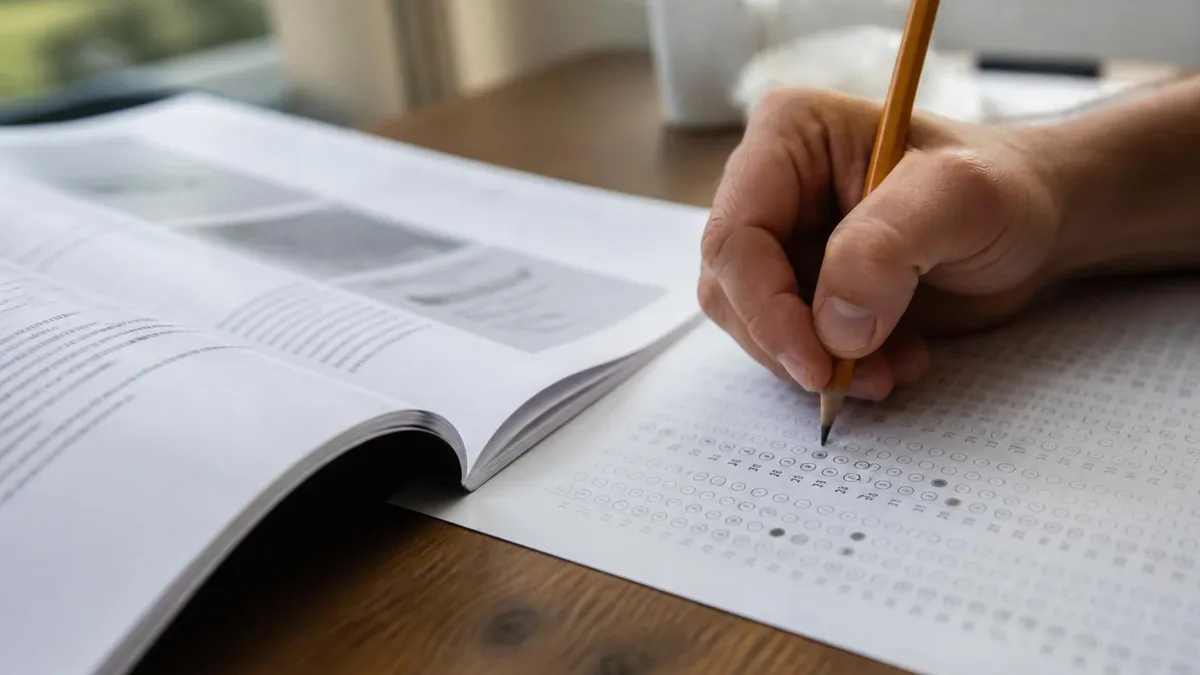
FSC Exam: Preparing at Home vs. Walking In Unprepared
- +Higher first-attempt pass rate after studying the DOJ study guide and practice tests
- +Familiarity with California-specific storage and transportation laws reduces costly mistakes
- +Practice tests reveal knowledge gaps before they cost you the $25 retake fee
- +Confidence during the safe handling demonstration comes from prior practice
- +Understanding exam format reduces anxiety and improves time management
- +Targeted study of child access prevention questions addresses the most commonly missed topic
- −Walking in without preparation risks failing and paying the $25 fee a second time
- −Overconfidence from general firearm knowledge can lead to errors on California-specific rules
- −Vehicle storage and household storage rules are easy to mix up without deliberate review
- −Exact day counts for waiting periods and reporting deadlines are hard to recall without study
- −Prohibited person definitions under California law are more nuanced than federal law alone
- −Missing the 23-out-of-30 threshold by even one question means starting the entire process over
FSC Test Day Checklist: Everything You Need to Bring and Do
- ✓Bring a valid government-issued photo ID such as a California driver's license, state ID, U.S. passport, or military ID.
- ✓Bring exact change or cash for the $25 maximum testing fee — confirm whether the site accepts cards.
- ✓Confirm your appointment time or walk-in window with the testing location at least one day before.
- ✓Complete at least two full-length FSC practice tests the evening before your exam.
- ✓Review the California DOJ Firearm Safety Certificate Study Guide, focusing on storage and transportation laws.
- ✓Memorize the 10-day waiting period, the one-handgun-per-30-days rule, and the five-day lost/stolen reporting requirement.
- ✓Know the difference between legal vehicle storage (locked container, not glove box) and illegal storage.
- ✓Be prepared to demonstrate safe handling of an unloaded firearm after passing the written portion.
- ✓Arrive at the testing location at least 15 minutes early to allow time for check-in and ID verification.
- ✓If you require the exam in a language other than English, confirm language availability when scheduling your appointment.
Vehicle Storage Is the #1 Tripping Point
The single most frequently missed question on the California FSC exam involves vehicle storage. Many test-takers assume a locked glove compartment qualifies as lawful storage for a handgun in an unattended vehicle — it does not. California law requires a locked container separate from the glove box or utility compartment. Memorize this rule specifically before test day, and you will avoid one of the most common reasons candidates fall just short of the 23-question passing threshold.
Once you have your Firearm Safety Certificate in hand, it is worth understanding exactly what the certificate authorizes and what responsibilities it places on you as a California gun owner or buyer. The FSC is not a carry permit, a license to own firearms, or a background check clearance — it is specifically a competency certificate that confirms you have demonstrated basic knowledge of firearm safety and California law. It must be presented to a licensed dealer each time you purchase a handgun in the state during the five-year validity period.
The 77% passing threshold — 23 correct answers out of 30 questions — was established by the California Legislature as a baseline measure of minimum competency. It is not an unusually high bar compared to other professional or safety certifications, but it does require genuine familiarity with the material rather than lucky guessing.
On a 30-question exam, you have exactly seven questions of margin. Questions that appear simple on the surface — such as the basic four rules of firearm safety — are usually answered correctly by nearly all candidates. The questions that differentiate prepared from unprepared test-takers are almost always the California-specific statutory details.
Understanding the FSC's relationship to the overall California firearm purchase process helps you plan your timeline effectively. The certificate must be obtained before you can complete the purchase of a handgun, but it does not need to be obtained on the same day as the purchase.
Many buyers obtain their FSC weeks or even months before they are ready to buy a specific firearm, which allows them to take their time studying, pass the exam without pressure, and then begin the actual purchasing process — including the 10-day waiting period — when they are ready. This staged approach is highly recommended for first-time buyers.
It is also worth knowing that the FSC requirement applies to handguns only, not to long guns such as rifles or shotguns. California does require a separate Firearm Safety Device (FSD) for long gun purchases, but there is no written exam component for those purchases. If you are planning to purchase both handguns and long guns at some point, prioritizing the FSC makes sense because it is the more time-intensive requirement and the one most people need to schedule in advance.
For buyers who are purchasing a handgun as a gift — one of the common questions the DOJ study guide addresses — the FSC rules still apply. The person who will ultimately receive the firearm must hold a valid FSC unless they fall into an exempt category. Transactions involving exempted individuals, such as transfers between immediate family members in some circumstances, still involve the dealer record of sale process and background check, even when the FSC requirement is waived. It is essential to understand which exemptions apply to your specific situation before assuming you do not need the certificate.
The FSC exam is also a useful prompt to engage more deeply with California's broader firearms regulatory landscape. The study process for the exam exposes buyers to laws they will be expected to follow throughout their entire period of firearm ownership — not just at the point of purchase. Safe storage obligations, for example, do not end once you buy the gun.
They are ongoing legal responsibilities, and the FSC study process provides the foundational knowledge you need to remain compliant year after year. Treat your FSC preparation as the beginning of your education as a responsible firearm owner, not as a one-time hurdle to clear.
Many Certified Instructors who administer the FSC exam are also available for additional firearms education, including hunter safety courses, self-defense training, and instruction on cleaning and maintaining specific firearms models. Building a relationship with the Certified Instructor at your local dealer can be a valuable long-term resource, especially for new gun owners who have questions that go beyond the scope of the FSC exam itself. Taking the time to introduce yourself and express genuine interest in responsible ownership is often the beginning of a helpful ongoing conversation.
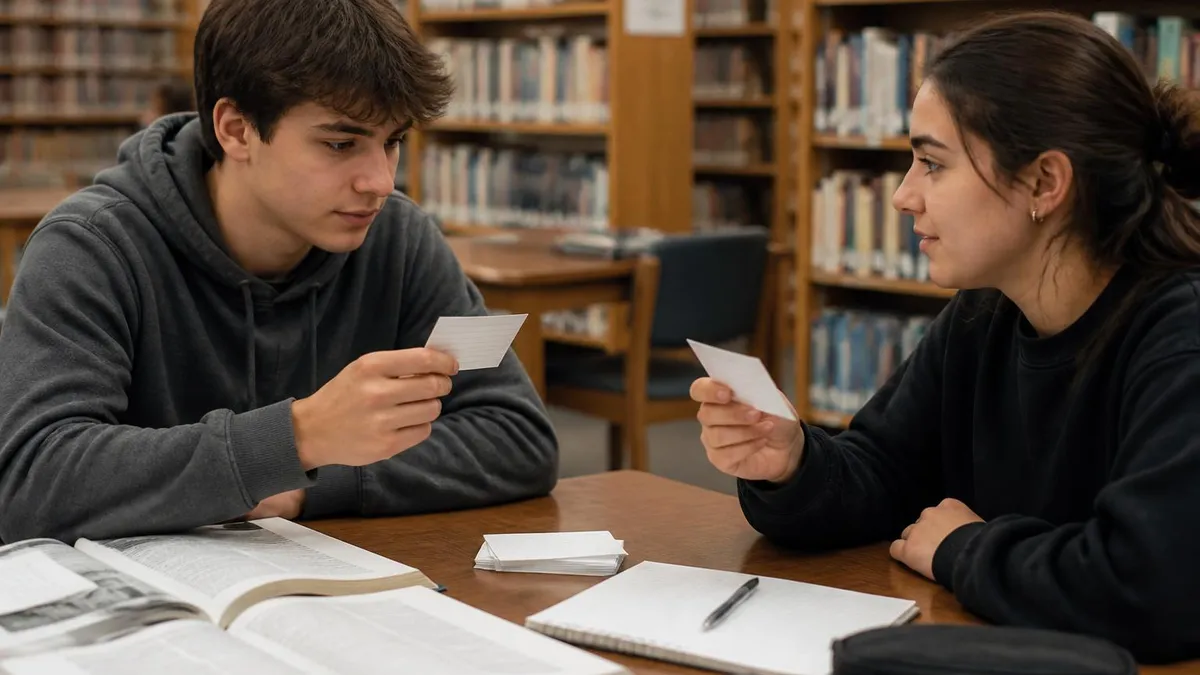
Your Firearm Safety Certificate expires exactly five years from the date it was issued — not five years from the date of your most recent firearm purchase. If your certificate lapses before you complete a handgun purchase, you must retake and pass the entire FSC exam, including the safe handling demonstration, and pay the $25 fee again. Track your certificate's expiration date carefully and plan renewals well in advance of any planned purchases to avoid delays.
Renewing your Firearm Safety Certificate before it expires is a straightforward process, but it requires the same steps as obtaining the certificate for the first time — there is no abbreviated renewal pathway in California.
You must return to any DOJ-licensed Certified Instructor location, pay the $25 fee, pass the 30-question written exam with a score of at least 77%, and complete the safe handling demonstration again. The good news is that if you have stayed engaged with firearm safety topics during the previous five years, renewal is typically easier than the original exam because the material will already be familiar.
If your certificate has already expired, you are not penalized beyond needing to complete the standard exam process again. There is no additional fee, no waiting period, and no requirement to explain why you allowed the certificate to lapse. Simply locate a Certified Instructor near you, schedule your appointment, study the current version of the DOJ Firearm Safety Certificate Study Guide — which may have been updated since your original exam — and proceed exactly as you would have when first obtaining the certificate.
It is worth noting that the DOJ periodically updates the FSC Study Guide to reflect changes in California firearms law. If your original certificate was issued several years ago and you are renewing, it is particularly important to study the most recent version of the guide rather than relying solely on your memory of the previous exam. Laws related to assault weapon classifications, magazine capacity restrictions, and microstamping requirements have evolved over time, and updated versions of the FSC guide sometimes incorporate new or revised questions reflecting these legislative changes.
Replacement of a lost or damaged FSC card is handled through the California DOJ rather than through a Certified Instructor. You can contact the DOJ's Bureau of Firearms directly to request a replacement certificate. You will need to provide your name, date of birth, and FSC number if you retained any documentation of the original issuance. A replacement fee may apply, and processing times vary. If you cannot locate your FSC number, you may need to retake the exam to obtain a new certificate rather than a replacement for the existing one.
For detailed guidance on study materials, practice questions aligned with the actual exam, and a full breakdown of what each of the 30 questions tests, the california firearm safety certificate resource on this site is the most comprehensive starting point available. It covers every topic category in the DOJ study guide, includes sample questions formatted exactly like the real exam, and provides explanations for both correct and incorrect answer choices so you understand the reasoning behind each rule rather than simply memorizing isolated facts.
One final consideration for certificate renewal is timing. If you anticipate wanting to purchase a handgun within the next several months and your certificate will expire before or shortly after that planned purchase, it is wise to renew early rather than waiting until the expiration date arrives.
Renewing two to three months before expiration gives you a comfortable buffer and ensures that your certificate remains valid through the entire purchase process, including the 10-day waiting period that follows the dealer record of sale submission. Proactive planning eliminates one potential source of delay in what can sometimes be a multi-step purchasing timeline.
Regardless of whether you are obtaining your first FSC or renewing an existing one, the core advice remains the same: study the official DOJ materials, supplement with high-quality practice tests that mirror the actual exam format, and choose a convenient and reputable testing location by using the DOJ's online Certified Instructor search tool. Following this straightforward approach, the vast majority of candidates pass the FSC exam on their first attempt and receive their certificate the same day they walk in for their appointment.
With your testing location selected and your study plan in place, the final step is making the most of the practice resources available to you before exam day. The most effective study strategy combines three elements: reading the official California DOJ Firearm Safety Certificate Study Guide in full at least once, completing multiple practice tests under realistic timed conditions, and then doing a targeted review of any topic areas where your practice test scores were consistently below 80%. This three-phase approach mirrors the preparation strategies used successfully by the vast majority of first-time passers.
When taking practice tests, resist the urge to look up answers as you go. Simulating actual exam conditions — no notes, no searches, a quiet environment, a single uninterrupted sitting — gives you the most accurate picture of your current readiness. After completing a full 30-question practice test, review every question including the ones you answered correctly. Understanding why a correct answer is correct reinforces the underlying legal principle more durably than simply checking that you got the right answer and moving on.
Pay particular attention to scenario-based questions, which make up a significant portion of the FSC exam. These questions describe a specific situation and ask you to identify the lawful or safest course of action.
Many scenarios involve ambiguous-seeming details — a handgun in a car, a household with children, a firearm discovered to be loaded when the owner believed it was unloaded — and the correct answer always traces back to a specific California statute or one of the fundamental rules of gun safety. Approaching scenario questions by first identifying which rule or law applies before evaluating the answer choices is a reliable strategy for improving your accuracy.
Time management during the actual exam is rarely an issue for candidates who have prepared adequately. The 30-question exam is not speed-tested, and there is no time limit in the formal sense. However, if you are spending more than two minutes on any single question during your practice sessions, that is a signal that you need to review the underlying topic more thoroughly before your actual exam appointment. Genuine comprehension of the material makes the exam feel straightforward; uncertainty about the subject matter is what causes candidates to spend excessive time second-guessing their answers.
On the morning of your exam, get a good night's sleep and eat a full breakfast. This may sound like generic advice, but physical fatigue and low blood sugar genuinely impair recall of specific numerical details — exactly the type of information that appears repeatedly on the FSC exam. Arriving at the testing location calm, rested, and confident after thorough preparation is the single most reliable predictor of a passing score on the first attempt.
After you pass and receive your FSC card, photograph both the front and back of the card and store the images securely in a cloud service or email them to yourself. This digital backup will not replace a lost physical card for legal purposes, but it gives you access to your FSC number — which you will need if you ever need to request a replacement — and serves as a record of the issuance date that can help you track the five-year expiration timeline accurately. This simple two-minute step can save significant hassle years down the road.
The FSC exam is ultimately not a difficult test for candidates who have taken the time to genuinely learn the material. California's firearm safety laws exist to prevent accidents, protect children, and ensure that every handgun buyer in the state has a baseline understanding of their legal responsibilities. Approaching the exam with that mindset — as an opportunity to become a more informed and responsible gun owner rather than as a bureaucratic obstacle — makes the entire preparation process more meaningful and the eventual passing of the exam more satisfying.
Sample Firearm Safety Certificate (FSC) Practice Questions
Try these questions from our free Firearm Safety Certificate (FSC) practice tests. The correct answer and an explanation follow each question.
Where must a person go to take the California Firearm Safety Certificate written test?
- A. Any California DMV office
- B. A licensed California firearms dealer
- C. The local county courthouse
- D. Online through the California DOJ website
Answer: B. A licensed California firearms dealer
The FSC test is administered exclusively at licensed California firearms dealers (FFLs). Dealers are certified by the DOJ to administer the test and issue certificates to applicants who pass.
According to best practices for firearm safety in homes with children, where should ammunition be stored?
- A. In a separate locked container, apart from the firearm
- B. In the magazine, detached from the firearm but stored together
- C. In the same locked safe as the firearm for convenience
- D. In its original factory packaging on a high shelf near the firearm
Answer: A. In a separate locked container, apart from the firearm
Storing ammunition in a separate locked location from the firearm adds a critical second barrier. Even if a child somehow accessed the firearm, they would still be unable to load it without separately accessing the ammunition.
When an individual purchases a firearm from a licensed dealer in California, what is the mandatory waiting period before they can take possession of the firearm?
- A. 72 hours
- B. 10 days
- C. 30 days
- D. There is no waiting period.
Answer: B. 10 days
California law generally requires a 10-day waiting period for all firearm purchases, during which the Department of Justice (DOJ) conducts a background check. This applies to both handguns and long guns.
A parent decides their child is 'mature enough' and shows them exactly where the loaded home-defense firearm is kept 'so they know in an emergency.' Under California child firearm safety principles, this approach is:
- A. Unsafe, because knowledge of a loaded firearm's location without secure storage still creates serious access risk
- B. Safe, because educating children about the firearm's location reduces dangerous curiosity
- C. Safe, as long as the child is a teenager and has been taught the four rules of firearm safety
- D. Unsafe only if the child has previously shown behavioral problems
Answer: A. Unsafe, because knowledge of a loaded firearm's location without secure storage still creates serious access risk
Telling a child where a loaded, unsecured firearm is kept does not replace safe storage — it compounds the risk. California's storage laws require physical security regardless of whether a child has been educated. Secure storage must accompany any age-appropriate firearm safety education.
Take the full Firearm Safety Certificate (FSC) practice test
FSC Questions and Answers
What Does FSC Stand For? FSC Meaning in Firearms
FSC Study Guide: California Firearm Safety Certificate Complete Prep
California FSC Practice Test: Free Questions and Complete Prep Guide
FSC Test: California Practice Test & Study Guide

Where to Get Your FSC in California: Complete Firearm Safety Certificate Guide
About the Author

Educational Psychologist & Academic Test Preparation Expert
Columbia University Teachers CollegeDr. Lisa Patel holds a Doctorate in Education from Columbia University Teachers College and has spent 17 years researching standardized test design and academic assessment. She has developed preparation programs for SAT, ACT, GRE, LSAT, UCAT, and numerous professional licensing exams, helping students of all backgrounds achieve their target scores.
Join the Discussion
Connect with other students preparing for this exam. Share tips, ask questions, and get advice from people who have been there.
View discussion (7 replies)