
Where to Get Your FSC in California: Complete Firearm Safety Certificate Guide
Find where to get a firearm safety certificate in California. Locations, costs, test tips & free FSC practice test. 🎯 Everything you need to pass.
If you're asking where can I get a FSC in California, the answer starts at any licensed firearms dealer in the state. California law requires anyone purchasing a handgun or long gun to hold a valid firearm safety certificate before the transfer is completed.
The certificate is issued on the spot by a Certified Instructor — typically the dealer or a staff member — after you pass a 30-question written test. Finding a location near you is far easier than most first-time buyers expect, and the entire process from walking in to walking out with your certificate usually takes under an hour.
California's california firearms safety certificate program is administered by the California Department of Justice (DOJ). Every federally licensed firearms dealer (FFL) in the state is required to have at least one DOJ-Certified Instructor on staff, which means virtually every gun shop, sporting goods store with a firearms counter, and many pawnshops can administer the FSC test. There are more than 1,700 licensed dealers spread across California's 58 counties, so whether you live in downtown Los Angeles or a rural area near the Oregon border, there is almost certainly a Certified Instructor within a reasonable drive.
The FSC test itself covers four broad subject areas: safe handling and storage of firearms, safe storage of firearms around children, gun laws in California, and basic firearms terminology. You must answer at least 23 of the 30 questions correctly — a 75% passing score — to receive your certificate. The test is administered on a touch-screen kiosk or paper form depending on the dealer's setup, and it is available in multiple languages including English, Spanish, Chinese, Korean, Vietnamese, Tagalog, Japanese, and Khmer. Accommodations for readers with disabilities are also available upon request.
The fee to take the FSC test is set by California law at a maximum of $25. Some dealers charge the full $25; others charge less or bundle it into the cost of a firearms purchase. The certificate itself is valid for five years from the date of issuance, so if you plan to buy more than one firearm over that window, you only need to pass the test once. Renewing is as simple as retaking and passing the test at any Certified Instructor location before your current certificate expires.
Preparation matters. The DOJ publishes an official study booklet, and the questions on the actual exam are drawn from a standardized pool that closely mirrors what you'll find in quality FSC practice tests online. Candidates who study for even 60 to 90 minutes beforehand routinely report feeling confident walking into the test. This guide will walk you through exactly where to find a testing location, what to bring, what the test looks like, how to prepare effectively, and what happens after you pass — so you're ready from start to finish.
One important distinction to understand before you go: the FSC replaced the older Handgun Safety Certificate (HSC) in 2015, and it applies to all firearms, not just handguns. If you have an old HSC that has not yet expired, it is still valid for handgun purchases only. For long guns or for any purchase after your HSC expires, you will need the current FSC. Many buyers are surprised to learn this, so double-check the expiration date on any legacy certificate before you head to the dealer to pick up a new rifle or shotgun.
Throughout this guide you will find everything a California resident needs to locate an FSC testing site, understand the testing process, and prepare confidently. We cover location-finding tools, what identification to bring, the test format, a breakdown of the four content areas, study strategies, costs, what happens if you fail, and tips for renewing before your certificate lapses. Read on for the most thorough resource available on where to get an FSC in California and how to pass it the first time.
California FSC by the Numbers
How to Find an FSC Testing Location Near You
Use the DOJ Dealer Locator
Call Ahead to Confirm Hours
Check Large Sporting Goods Chains
Bring the Required Identification
Take and Pass the 30-Question Test
Receive Your FSC Card
Once you have identified a Certified Instructor location near you, knowing exactly what to bring and what to expect will make the visit go smoothly. The most important document is a valid, government-issued photo ID. California residents should bring their California driver's license or state-issued identification card. Out-of-state visitors who are legally authorized to purchase firearms in California may use an out-of-state driver's license. Active-duty military and veterans can use a military ID. If your ID is expired, the Certified Instructor is required to turn you away, so check the expiration date before you leave home.
Many first-time buyers also wonder whether they should bring the $25 fee in cash or whether cards are accepted. The answer varies by dealer. Large sporting goods chains typically accept credit and debit cards for the FSC fee, while smaller independent dealers often prefer cash. To avoid surprises, either carry $25 in cash or call ahead to confirm payment options. Some dealers include the FSC fee in the price of a firearm purchase, so if you're buying a gun on the same visit, ask whether the test fee is waived or discounted.
When you arrive, let the staff know you are there to take the FSC test. You will be directed to a Certified Instructor, who will verify your ID and have you sign a brief acknowledgment form before the test begins. If the dealer uses a digital kiosk, the instructor will enter your information and then hand control of the screen to you. If the test is paper-based, you will receive a printed question booklet and a separate answer sheet. Either way, the format is multiple choice with four answer options per question — no essay questions, no practical shooting component.
Test-takers who have reviewed the official DOJ study booklet or taken a few rounds of an california firearm safety certificate practice resource typically find the actual exam straightforward. The questions are deliberately written at a reading level accessible to all adults, and trick questions are rare. The most common pitfalls involve California-specific laws — such as safe storage requirements and the rules around firearm transfers — so those are worth extra study time. If you read carefully and don't rush, you have a very strong chance of passing on your first attempt.
After you submit your answers, the Certified Instructor scores the test immediately. If you pass, you receive your FSC card on the spot — there is no waiting period, no mailing delay, no online portal to check. The card is yours to take home that day. If you do not pass, you must wait 24 hours before retaking the test.
There is no limit on the number of attempts, but each attempt requires paying the test fee again. This is another reason preparation pays: spending an extra hour studying beforehand is far cheaper and less frustrating than paying $25 for a second or third attempt.
Parents and guardians should be aware that minors under 18 cannot obtain an FSC and are therefore not eligible to purchase firearms in California regardless of the certificate. However, minors can still handle and use firearms under direct parental supervision in lawful settings such as hunting and target shooting — the FSC requirement applies specifically to purchase transfers, not to all firearms activity. If you are purchasing a firearm that a family member will use, the FSC requirement applies to the legal purchaser, not the end user.
One practical note about timing: most licensed dealers are busiest on weekends and in the afternoons. If your schedule allows, visiting on a weekday morning dramatically reduces your wait time. The test itself takes about 15 minutes, but you may spend additional time waiting if the Certified Instructor is helping other customers with purchases or paperwork. Arriving early in the day also ensures the instructor is fresh and fully available to answer any questions you have before or after the test.
Firearm Safety Certificate Study Guide: The Four Test Content Areas
The safe handling section covers the fundamental rules every firearm owner must internalize: always treat a gun as if it is loaded, never point it at anything you are not willing to destroy, keep your finger off the trigger until you are ready to shoot, and know your target and what is beyond it. The FSC test asks you to apply these principles in realistic scenarios — for example, identifying what a person should do when handed a firearm they didn't ask for, or which direction to point the muzzle when clearing a malfunction.
Questions in this section also address unloading procedures, how to safely transport a firearm in a vehicle under California law, and the correct way to hand a firearm to another person. California-specific rules — such as the requirement that a firearm be unloaded and in a locked container when transported in a vehicle unless you have a carry permit — appear frequently. Memorizing these rules verbatim is worthwhile because the test questions are sometimes worded closely to the official DOJ study booklet language.
Taking the FSC at a Dealer vs. a Dedicated Training Facility
- +Dealer locations are available statewide — over 1,700 sites across all 58 counties
- +Walk-in testing is available at most large retailers with no appointment needed
- +You can complete a firearm purchase and the FSC test in a single visit
- +The fee is capped by law at $25, making it one of the most affordable licensing steps in California
- +Test results are instant — you receive your FSC card on the same day you pass
- +Multiple languages are available, including Spanish, Chinese, Korean, Vietnamese, and more
- −Smaller independent dealers may not offer walk-in testing and could require an appointment
- −Weekend and afternoon visits at popular dealers can involve long waits
- −Cash-only payment is common at smaller shops, requiring advance preparation
- −If you fail, the 24-hour waiting period before retesting can delay your firearm purchase
- −Not all dealers offer the same test-language options — call ahead if you need a specific language
- −Dealer staff may be too busy to spend time answering study questions before the test
FSC Exam Day Checklist: Everything You Need Before You Go
- ✓Bring a valid, unexpired government-issued photo ID (California driver's license, state ID, or military ID).
- ✓Carry $25 in cash or confirm the dealer accepts cards before you arrive.
- ✓Complete at least one full FSC practice test online to identify your weak content areas.
- ✓Review California's safe storage laws, especially the rules that apply when minors are present.
- ✓Memorize the four core firearm safety rules — they appear repeatedly in multiple question formats.
- ✓Study the definitions of 'loaded firearm' and 'assault weapon' as defined under California law.
- ✓Learn the names and functions of the major parts of both a handgun and a long gun.
- ✓Call the dealer ahead of time to confirm they offer walk-in FSC testing during your planned visit window.
- ✓Arrive early in the day — weekday mornings have the shortest wait times at most dealer locations.
- ✓Know what happens next: after passing, you still need to complete the DROS process to purchase a firearm.
75% Is the Passing Score — But Aim for 90%+
You only need 23 out of 30 questions correct to earn your firearm safety certificate, but building a comfortable cushion means a few unexpected questions won't sink you. Candidates who score 27 or higher on practice tests before visiting the dealer consistently report feeling calm and confident during the real exam — and they almost never need to retake it.
Understanding how to pass the FSC test on your first attempt is just as important as knowing where to take it. The California DOJ publishes an official study booklet titled "Safe Handling of Firearms" that covers every topic on the exam. This booklet is available as a free PDF download from the DOJ Bureau of Firearms website, and it is the single most authoritative resource you can use to prepare. Read it once in full, then use a firearm safety certificate california practice tool to test yourself on the material before heading to the dealer.
One of the most effective study strategies is to take a timed practice test under conditions that simulate the real exam. Set a 20-minute timer, answer 30 questions without looking anything up, and then review every question you got wrong — not just the ones you were unsure about. Sometimes candidates miss questions they thought they knew because the wording on the real test is slightly different from how they memorized the material. Understanding why an answer is correct trains you to handle unfamiliar phrasing on the actual exam.
The content area that trips up the most first-time test-takers is California-specific firearms law. Federal firearm law is relatively uniform and well-known, but California adds layers of additional requirements: the 10-day waiting period, the DROS (Dealer Record of Sale) process, the definition of a loaded firearm, safe storage mandates, and the list of handgun features that make a weapon a regulated assault weapon. Dedicate extra review time to these California-only rules, because they appear on the test more frequently than general firearms safety principles.
Visual memorization can also help. Draw or print a labeled diagram of both a semi-automatic pistol and a revolver, and study the names of each component. Do the same for a bolt-action rifle and a pump-action shotgun. The FSC test includes questions that ask you to identify components by name, and visual familiarity with these parts makes the questions much more intuitive. Many online FSC study guides include interactive diagrams that let you click on parts to reveal their names — these are excellent study tools.
If you are a visual or auditory learner, look for video-based FSC study content on platforms like YouTube. Several California gun shops and firearms safety instructors have posted free video walkthroughs of FSC study material. These videos typically run 30 to 60 minutes and cover the same material as the DOJ booklet but in a more engaging format. Pairing a video review with a few rounds of written practice questions gives you multiple exposure to the same content in different formats, which dramatically improves retention.
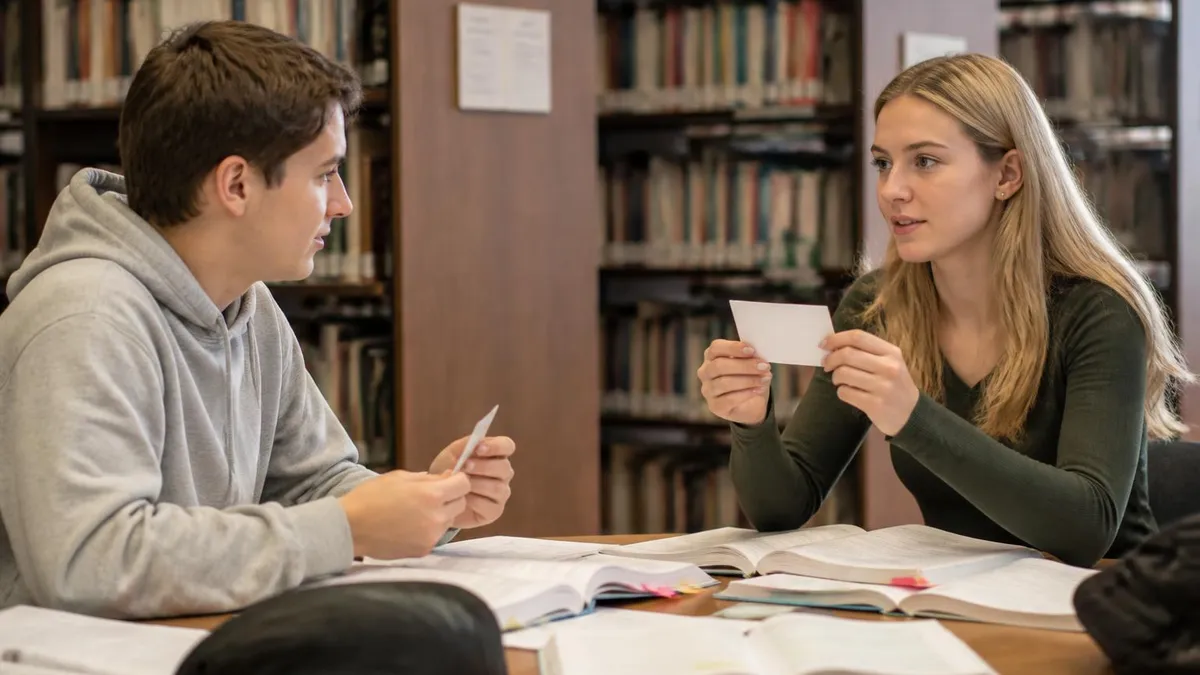
Group study can also be surprisingly effective if you are taking the FSC alongside a spouse, partner, or friend who is also purchasing a firearm. Quiz each other on California laws, take turns explaining why certain storage solutions are or aren't compliant, and discuss edge cases — what should you do if a guest finds your firearm in your home? What is the correct procedure if you need to transport a firearm to a gunsmith? Talking through scenarios cements the material in a way that silent reading often does not.
Finally, manage your test-day mindset. The FSC test is not designed to be a difficult licensing hurdle — it is designed to confirm that you understand basic firearm safety principles. The DOJ's stated goal is to ensure that every person who buys a firearm in California has been exposed to core safety information, not to create an obstacle to lawful ownership. Approach the test with calm confidence: prepare thoroughly, read each question carefully, and trust your preparation. The vast majority of people who study adequately pass on the first try.
Your Firearm Safety Certificate must be valid — not expired — on the date your firearm transfer is processed by the dealer. If your FSC expires while you are in the middle of a 10-day waiting period, you will need to retake and pass the test before the dealer can legally complete your purchase. Renew your FSC before it expires to avoid delays on future firearm transactions.
Once you have passed the FSC test and received your certificate, the firearm purchase process continues with the Dealer Record of Sale (DROS). The dealer will use the DROS to run a background check through the California DOJ and the FBI's National Instant Criminal Background Check System (NICS). California is a point-of-contact state, meaning all background checks run through the DOJ rather than directly through the FBI.
The DROS fee is currently set at $37.19 and is charged in addition to the FSC test fee and the price of the firearm itself. For a complete breakdown of what the entire certification means for your purchase rights, see our article on the california fsc practice test and what the FSC program entails.
The 10-day waiting period begins on the date and time the DROS is submitted, not on the date you pay for the firearm. During this period, you cannot take possession of the firearm even if your background check clears immediately. California does not make exceptions to this waiting period based on prior firearms ownership, current carry permits, or law enforcement credentials for most categories of buyers. Some narrow exemptions exist — for example, licensed dealers purchasing for their inventory — but for the vast majority of private buyers, the 10-day wait is mandatory and cannot be shortened.
After the 10-day period has elapsed and your background check has been approved, you return to the dealer to complete the transfer. At this second visit, you will again need to present your valid FSC and your photo ID. The dealer will verify that your FSC is still valid (not expired), confirm your identity, and complete the final transfer paperwork. Only then does legal ownership of the firearm pass to you. If you do not pick up the firearm within 30 days of the background check approval, the DROS expires and you must start the process over.
California also requires that handguns sold through dealers be on the state's Roster of Certified Handguns (also called the Handgun Roster or the Safe Handgun Roster). This roster lists handgun models that have been tested and approved for sale in California. Not all handguns sold legally in other states are on the California roster, so if you have a specific model in mind, verify its roster status before visiting a dealer. Long guns are not subject to the roster requirement, though they are still subject to California's assault weapons laws for certain feature configurations.
If you move to California from another state and already own firearms, your existing guns are generally legal to keep as long as you register any assault weapons with the DOJ within the required timeframe.
Bringing new firearms into California — even ones you already own — is subject to the same requirements as purchasing locally: the firearm must comply with California law, and the transfer (even to yourself) may need to be processed through a California FFL dealer. Consulting a California firearms attorney or the DOJ's own FAQ is advisable if you are unsure whether a specific firearm you own qualifies under California law.
For those interested in carrying a concealed firearm in California, the FSC is a prerequisite but only the beginning. A California Concealed Carry Weapon (CCW) permit also requires a separate application to your county sheriff or local police chief, a more extensive background check, proof of good cause (in most jurisdictions), and completion of a DOJ-approved firearms training course of at least eight hours for new applicants. The FSC alone does not authorize concealed carry — it only satisfies the certificate requirement for purchasing a firearm through a dealer.
Keep your FSC card in a safe place alongside other important documents, and mark your calendar for the five-year renewal date. A best practice is to set a reminder 60 days before your FSC expires so you have plenty of time to schedule a retake without any urgency. The renewal process is identical to the initial process: visit any Certified Instructor location, pay the fee, pass the 30-question test, and receive a new five-year certificate. Your previous score or completion history does not carry over — you simply take the test fresh and need to score 75% or higher again.
With your FSC in hand and your firearm purchase process underway, there are several practical steps that will make you a safer, more confident firearm owner from day one. First, invest in a quality locked storage solution before your firearm arrives home. California law requires secure storage when minors could access the firearm, but safe storage is simply good practice for everyone.
A dedicated gun safe — even a smaller rapid-access model for a bedside handgun — provides both legal compliance and peace of mind. Do not rely on trigger locks alone as your primary storage strategy; they are better used as a secondary layer of security.
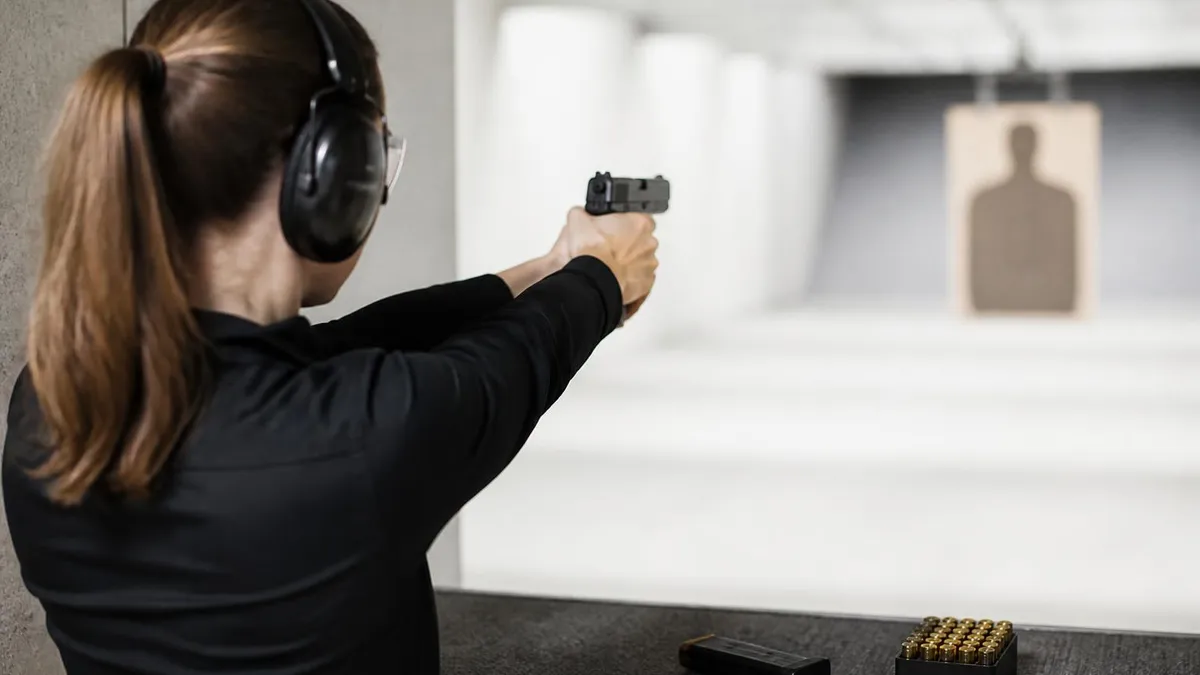
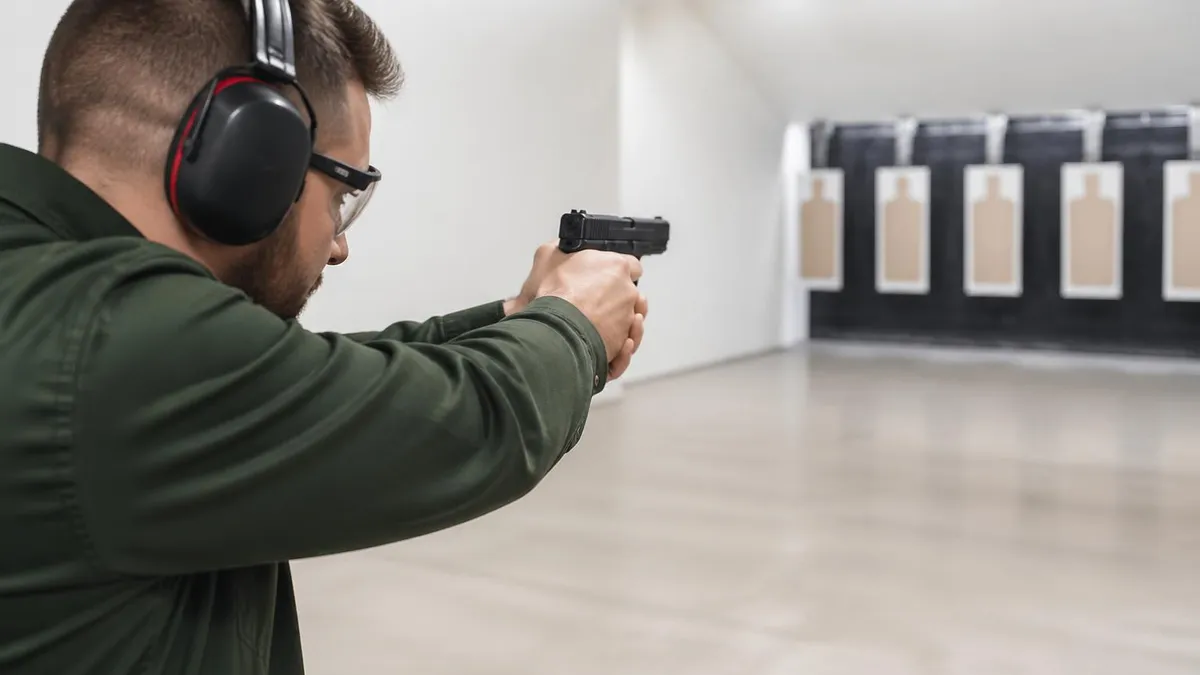
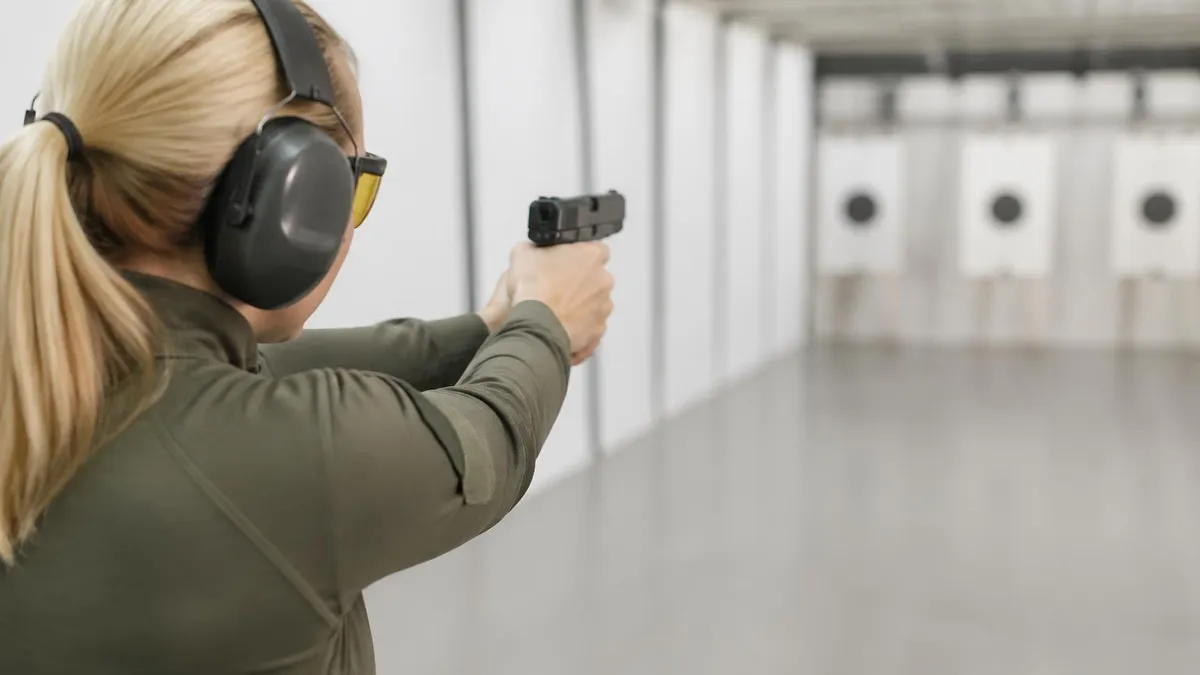
Second, take a hands-on firearm safety course after you complete your purchase. The FSC test prepares you to answer written questions about safe handling, but a live-fire course with a qualified instructor gives you the physical skills to handle your firearm safely under real conditions. Many shooting ranges in California offer beginner handgun and rifle courses for $50 to $150, and these classes typically cover loading, unloading, aiming, stance, and safe range procedures. The gap between knowing the rules on paper and being comfortable executing them at the range is significant — fill that gap with supervised range time.
Third, familiarize yourself with your specific firearm's manual before you ever handle it loaded. Every firearm model has slightly different controls, safety mechanisms, and field-stripping procedures. Reading the owner's manual and then dry-firing (with a confirmed-empty chamber) to practice the trigger press, safety manipulation, and magazine release will build muscle memory before you introduce live ammunition. Many manufacturers also post instructional videos online that walk through the specific operation of their models.
Fourth, establish a consistent cleaning and maintenance routine. A clean, well-maintained firearm is a safer and more reliable one. Most handguns benefit from cleaning after every range session or every few months if stored without use. Use the cleaning procedures outlined in your owner's manual, and store your cleaning supplies in a location that is also secured from unauthorized access. Children are attracted to cleaning kits just as they are to firearms — keep both locked away.
Fifth, be mindful of how you discuss and display your firearm ownership. In California, openly carrying a loaded firearm in public is generally prohibited, and openly carrying an unloaded firearm is restricted in many municipalities. Know the laws governing where you can legally transport, store, and carry your firearm. If you travel with your firearm to shooting ranges or other locations, follow California's transportation rules: unloaded, in a locked container, in the trunk or a locked compartment inaccessible to the driver. Violations of these transportation laws can result in misdemeanor or felony charges depending on the specific circumstances.
Sixth, stay current with California firearms law, which changes more frequently than the laws of most other states. Legislative updates can affect magazine capacity limits, assault weapon definitions, approved handgun roster models, and carry permit procedures. The California DOJ Bureau of Firearms website publishes updates, and reputable California-based firearms law newsletters and attorneys also track these changes. A law that was legal when you purchased your firearm may be subject to challenge or amendment within a year or two, so ongoing awareness is part of responsible ownership in California.
Finally, remember that the FSC is not a one-time interaction with the California DOJ — it is the beginning of an ongoing relationship with the state's firearms regulatory framework. Every purchase through a licensed dealer will require a valid FSC, a completed DROS, and a 10-day wait. Staying organized, keeping your certificate current, and maintaining your knowledge of California law will make every future purchase go smoothly. The time you invest in preparation now — studying for the FSC test, taking a safety course, reading your owner's manual — pays dividends in safety and confidence for years to come.
FSC Questions and Answers
About the Author

Educational Psychologist & Academic Test Preparation Expert
Columbia University Teachers CollegeDr. Lisa Patel holds a Doctorate in Education from Columbia University Teachers College and has spent 17 years researching standardized test design and academic assessment. She has developed preparation programs for SAT, ACT, GRE, LSAT, UCAT, and numerous professional licensing exams, helping students of all backgrounds achieve their target scores.
Join the Discussion
Connect with other students preparing for this exam. Share tips, ask questions, and get advice from people who have been there.
View discussion (7 replies)