
Forklift Repair: Common Issues, Costs, and Decision-Making 2026 September
Forklift repair guide: common breakdowns, repair costs, finding qualified technicians, repair vs replace decisions, and preventive maintenance. 📚
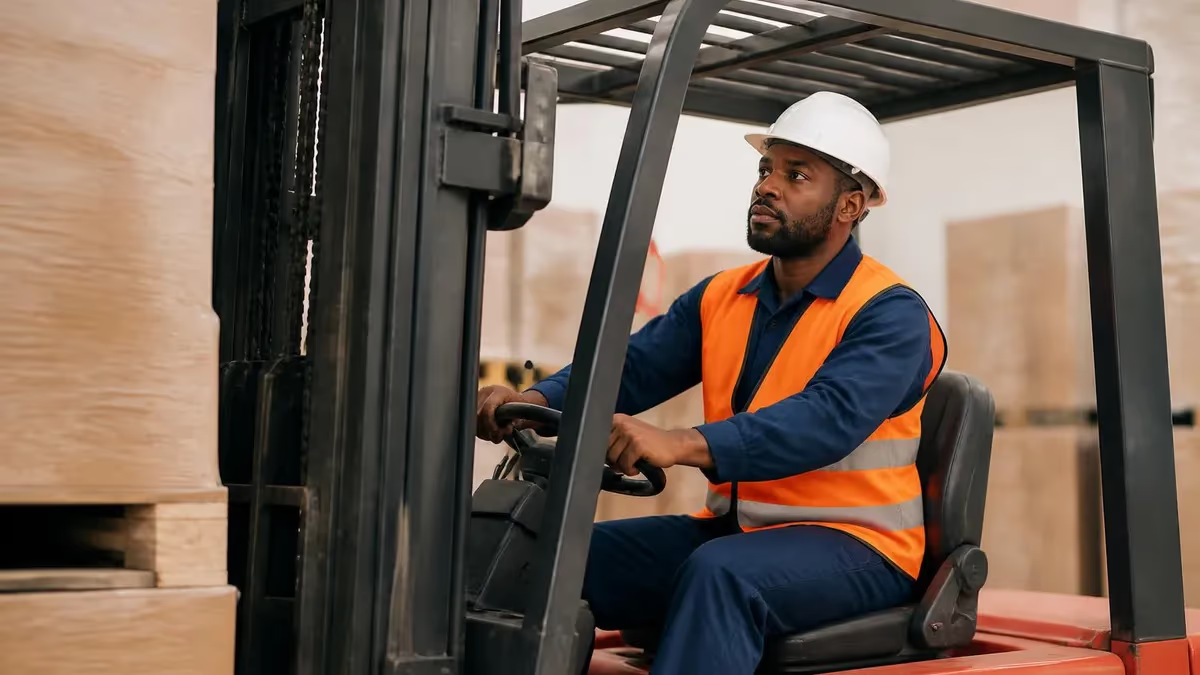
Forklift repair refers to maintenance and repair of industrial lift trucks used in warehousing, manufacturing, construction, and various other operations. Forklifts are substantial capital equipment investments ($15,000-$50,000+ for new equipment) requiring ongoing maintenance and occasional major repair throughout typical 5-15 year operational life. Understanding common issues, repair costs, technician selection, and repair-vs-replace decision frameworks helps fleet managers, owner-operators, and small business owners make informed decisions about forklift maintenance and repair. Whether you operate single forklift or substantial fleet, forklift repair management substantially affects operational continuity and total ownership cost.
For common forklift issues specifically, several patterns appear frequently. Hydraulic system problems (leaks, low pressure, slow operation). Electrical system issues (battery problems, alternator failures, lighting issues). Mast and lifting mechanism issues (chain wear, hose failures, mast cylinder issues). Engine problems (diesel, propane, or gas-powered units). Brake system issues. Tire wear and replacement needs. Transmission problems. Each issue category has typical causes and repair approaches. The combined repair categories cover most forklift repairs.
For repair costs specifically, forklift repairs vary substantially. Minor repairs (small hydraulic leak, electrical issue): $200-$800. Moderate repairs (chain replacement, alternator, brakes): $500-$2,500. Major repairs (engine work, transmission, major hydraulic): $2,000-$10,000+. Battery replacement (electric forklifts): $3,000-$8,000+. Specific costs depend on forklift type, age, brand, regional labor rates, parts availability. Service technician hourly rates typically $80-$150+. Many minor issues handled in shop; major repairs may require dealer specialist visits.
This guide covers forklift repair comprehensively: common issues and their typical causes, repair costs across various scenarios, finding qualified technicians, repair vs replace decisions, and preventive maintenance reducing repair frequency. Whether you face current forklift problems or planning maintenance strategy, you'll find practical guidance here.

Common issues: Hydraulics, electrical, mast, engine, brakes, tires
Minor repair cost: $200-$800 typical
Major repair cost: $2,000-$10,000+ depending on issue
Service rates: $80-$150+/hour for technician labor
Battery replacement: $3,000-$8,000+ for electric forklifts
For hydraulic system issues specifically, several patterns appear. Low fluid level — most common cause of hydraulic problems. Hydraulic hose leaks — visible oil under forklift indicates leak source. Cylinder seal failures producing gradual lift weakness. Pump failures producing complete hydraulic loss. Filter clogging affecting performance. Each issue has specific repair approach. Quality preventive maintenance addressing fluid levels and seal condition prevents many hydraulic failures. The forklift training resources cover related operator considerations.
For electrical system issues specifically, several patterns appear. Battery problems (most common electrical issue for electric forklifts). Alternator failures preventing battery charging. Starter motor issues affecting starting. Wiring damage from corrosion or physical damage. Lighting failures. Specific switch failures. Each electrical issue has specific diagnostic approach. Modern forklifts include diagnostic systems supporting issue identification. Quality electrical repair requires understanding both general electrical theory and specific forklift systems.
For battery issues specifically (electric forklifts), several patterns matter. Battery age — typical industrial lead-acid battery life 5-7 years. Watering issues (lead-acid batteries need regular distilled water). Charging system problems. Cable corrosion. Specific cell failures. Battery condition substantially affects forklift performance. New battery investment typically $3,000-$8,000+ depending on size. Refurbished batteries cheaper but shorter remaining life. The types of forklifts resources cover forklift varieties.
For mast and lifting mechanism issues specifically, several patterns appear. Lift chain wear and stretching producing safety concerns. Hose failures within mast assembly. Cylinder seal failures producing slow operation. Roller wear. Specific mast configuration problems. Each issue affects safety and operational capability. Lifting mechanism repairs essential for safe operation; deferring mast repairs creates substantial safety risks.
For engine problems specifically (LP, gas, or diesel forklifts), several patterns matter. Spark plug issues (gas/LP). Fuel system problems. Injection system issues (diesel). Cooling system problems. Various wear-related issues. Engine repairs typically more substantial than electrical issues. Specific engine repair costs vary substantially. Major engine work sometimes approaches forklift replacement cost decision threshold.
Common Forklift Repair Categories
Leaks, low pressure, slow operation. Causes: low fluid, hose damage, cylinder seal failure, pump issues, filter clogging. Cost: $200-$2,500 depending on severity. Quality preventive maintenance prevents many issues. Visible fluid under forklift indicates leak warranting prompt repair.
Battery, alternator, starter, wiring, lighting issues. Diagnostic systems support modern troubleshooting. Battery replacement particularly substantial cost ($3,000-$8,000+) for electric forklifts. Specific electrical diagnostics often require trained technician. Quality electrical repair extends forklift life substantially.
Chain wear, hose failures, cylinder seal failures, roller wear. Substantially safety-critical — deferring repairs creates safety risks. Various mast configurations have specific repair patterns. Quality lift inspection during routine maintenance catches issues before failure. Cost: $500-$3,000+ depending on severity.
LP, gas, diesel engines have specific issues. Cooling, fuel, ignition, lubrication systems all require maintenance. Major engine work expensive — sometimes approaching replacement cost. Diesel forklifts particularly substantial repair cost potential. Quality preventive maintenance reduces engine repair frequency substantially.
For finding qualified technicians specifically, several approaches work. Forklift dealer service departments — typically expensive but well-trained on specific brands. Independent forklift service companies — often more affordable than dealers. Mobile service technicians — service at your facility. Industrial maintenance contractors — broader scope including forklifts. Each option has tradeoffs. Match technician choice to specific repair needs and budget constraints. Established technician relationships often produce better service over time. The forklift certified resources cover related certification.
For evaluating service quality specifically, several factors matter. Manufacturer training and authorization — specific brand expertise. Years of experience with specific forklift types. Insurance and liability coverage. References from other businesses using their services. Specific equipment and parts inventory. Each factor affects service quality. Quality service prevents repeat repairs of same issue and supports proper diagnosis. Cheap service often costs more total through repeat repairs.
For repair vs replace decisions specifically, several factors guide decisions. Equipment age — older forklifts (10+ years) closer to end-of-life threshold. Repair cost as percentage of replacement — repair costs above 50% of replacement cost shift toward replacement. Reliability concerns — frequent breakdowns suggest replacement. Specific parts availability — increasingly difficult parts on older models. Technology updates — newer forklifts may have efficiency, safety, or productivity advantages. Each factor influences decision. The combined assessment guides repair-vs-replace decisions.
For purchasing parts specifically, several approaches matter. OEM (Original Equipment Manufacturer) parts — premium price but exact match. Aftermarket parts — often cheaper, quality varies. Used parts from forklift recyclers — substantial savings on certain components. Each parts source has tradeoffs. Critical safety components warrant OEM parts; routine maintenance items sometimes cost-effectively use aftermarket. Match parts source to specific repair situation. The used forklifts for sale resources cover related used equipment topics.
For specific seasonal patterns specifically, forklift operations vary by season affecting repair patterns. Cold weather affects hydraulic fluid viscosity. Summer heat affects engine cooling and battery performance. High-humidity conditions affect electrical components. Each season produces specific maintenance considerations. Adjusting maintenance schedules for seasonal conditions reduces seasonal failures. Specific climates produce specific maintenance challenges.

Forklift Repair Decisions
Regular preventive maintenance:
- Frequency: Daily operator checks, monthly inspections, quarterly professional service
- Cost: $300-$1,000 annually typical for thorough preventive maintenance
- Benefits: Prevents major repairs, extends life, supports safety
- ROI: Substantial — preventive maintenance dramatically reduces total cost
- Approach: Maintenance contract or in-house combined with periodic professional service
For preventive maintenance specifically, regular service substantially reduces repair frequency. Daily operator pre-shift inspections catch developing issues. Weekly visual inspections identify wear patterns. Monthly fluid checks. Quarterly professional service addressing wear items. Annual comprehensive inspection. Each maintenance level prevents specific failure modes. Quality preventive maintenance program reduces emergency repair costs substantially over equipment life. The investment in preventive maintenance typically pays back many times over.
For maintenance contracts specifically, several arrangements support ongoing forklift maintenance. Full-service contracts: provider handles all maintenance including parts and labor for monthly fee. Partial contracts: covers specific maintenance items only. Pay-as-you-go: no contract, services as needed. Each arrangement has tradeoffs in cost predictability, total cost, and control. Match contract type to fleet size and risk tolerance. Larger fleets often benefit more from contracts than single-forklift operations.
For specific forklift types affecting repair specifically, several patterns matter. Counterbalance forklifts (most common type) have established service patterns. Reach trucks have specialized mast systems requiring specific expertise. Pallet jacks (powered or manual) have simpler repair than larger forklifts. Order pickers have specific lifting and operator platform requirements. Specialized equipment (e.g., container handlers, side-loaders) often requires manufacturer-specific expertise. Match technician expertise to specific equipment type.
For specific safety considerations specifically, forklift repair must address safety implications. Safety-critical components (brakes, mast, hydraulic systems for lifting) warrant prompt attention. OSHA requires forklifts to be in safe operating condition. Failed forklifts must be removed from service until repaired. Documentation of repairs supports both maintenance records and safety compliance. Each safety element matters for legal compliance and accident prevention. The forklift operator resources cover related operator topics.
For training operators about issues specifically, operator awareness supports issue detection. Training operators to recognize hydraulic leaks, unusual sounds, and changing operation. Documentation of operator-reported issues. Quick response to operator concerns. Each element reduces failures by catching developing issues early. Quality operator training reduces forklift repair costs through early issue detection.
Some forklift repairs are merely operational; others affect safety substantially. Brake failures, mast issues, hydraulic system failures affecting lifting capability all create safety risks. Operating forklifts with safety issues risks operator and bystander injuries plus legal liability. OSHA requires forklifts to be maintained in safe operating condition; deferring safety-critical repairs violates regulations. Cost of safety incidents (injuries, fines, litigation) substantially exceeds repair cost. Always address safety-critical repairs promptly regardless of operational pressure. Operator safety and OSHA compliance matter more than operational continuity for safety-affecting repairs.
For specific OSHA compliance specifically, several requirements affect forklift maintenance. OSHA 1910.178 governs powered industrial truck operations. Specific maintenance requirements include daily inspections, prompt repair of unsafe conditions, removal from service until repaired. Documentation of inspections and repairs supports compliance. Specific operator training covers maintenance awareness. Each OSHA element affects how repairs must be handled. Compliance prevents fines and supports safety culture.
For fleet management specifically, larger fleets benefit from systematic management. Tracking each forklift's maintenance history. Scheduling preventive maintenance across fleet. Standardizing repair vendors and procedures. Cost analysis across fleet. Each fleet management element supports cost optimization. Quality fleet management software supports tracking. Single forklift operations don't need same systems but benefit from basic maintenance records.
For warranty considerations specifically, new forklifts typically come with warranties. Specific terms vary by manufacturer. Warranty repairs covered at no cost during warranty period. Warranty repairs typically must use authorized service providers. Beyond warranty, all repairs at owner expense. Used forklifts may have remaining warranty (verify before purchase). Extended warranty options sometimes available. The used forklifts for sale resources cover used equipment specifically.
For renting vs owning specifically, several considerations matter. Owning suits operations with consistent forklift needs. Renting suits operations with variable or short-term needs. Long-term rentals (months or years) sometimes cost-effective vs ownership. Rental costs include maintenance — rental company handles repairs. Each option has tradeoffs. The forklift rental resources cover rental options.
Looking forward, forklift repair industry continues evolving. Electric forklifts increasingly common with different repair patterns than internal combustion. Lithium battery technology emerging providing alternatives to lead-acid. Telematics and remote monitoring support predictive maintenance. Various technological developments affect operations. Quality forklift fleet management benefits from staying current with industry developments while maintaining proven maintenance practices.

Forklift Maintenance Best Practices
- ✓Daily operator pre-shift inspections per OSHA
- ✓Weekly visual inspections identifying wear patterns
- ✓Quarterly professional service by qualified technician
- ✓Maintain documentation of all maintenance and repairs
- ✓Address safety-critical issues promptly regardless of operational pressure
For specific forklift brands specifically, several manufacturers dominate market with different reliability and parts availability patterns. Toyota — typically excellent reliability, broad parts availability, premium pricing. Hyster and Yale (same parent company) — strong industry presence, good reliability. Crown — often considered premium quality. CAT — substantial market presence. Mitsubishi/Nichiyu — Japanese manufacturers with solid reputations. Various other brands serve specific markets. Each brand has specific strengths and parts ecosystems. The Toyota forklift resources cover one major brand specifically.
For specific repair documentation specifically, comprehensive records support multiple purposes. Maintenance history supports resale value. Repair documentation aids future technician understanding. OSHA compliance requires maintenance documentation. Insurance claims may require maintenance records. Each documentation purpose justifies systematic record-keeping. Quality records often distinguish well-managed equipment from poorly-managed equipment.
For specific parts inventory considerations specifically, fleet operators sometimes maintain critical parts inventory. Common wear items (filters, belts, hoses) reduce downtime through immediate availability. Unique forklift-specific parts ordered as needed. Parts inventory management balances availability against tied-up capital. Single-forklift operations rarely justify substantial parts inventory; large fleets may.
For specific safety inspection requirements specifically, OSHA mandates daily pre-operational inspections. Operator inspection identifies obvious safety issues before each shift. Documentation of inspection results. Specific elements inspected include brakes, controls, hydraulics, mast, tires, safety equipment. Failed inspections require immediate equipment removal from service. Each inspection element protects operators and bystanders.
For specific training programs specifically, OSHA requires forklift operator training. Initial training plus periodic refreshers. Specific equipment-type training (different forklift types require different training). Documentation of training completion. Each training element supports OSHA compliance and reduces accidents. Quality training reduces both equipment damage and operator injuries. The forklift training resources cover training specifically.
For specific accident response specifically, forklift accidents require specific response. Immediate area securing for safety. Medical response if injuries. Equipment removal from service pending investigation. Investigation documenting cause. Specific OSHA reporting requirements for serious accidents. Each response element addresses both immediate safety and longer-term prevention. Accident analysis often reveals maintenance issues warranting fleet-wide attention.
For specific environmental considerations specifically, forklift operations affect environmental compliance. Diesel and gas-powered forklifts produce emissions. Indoor operations may require electric forklifts due to ventilation issues. Battery disposal regulations for electric forklifts. Hydraulic fluid disposal regulations. Each environmental aspect affects forklift selection and ongoing operations. Quality maintenance includes environmental compliance considerations.
For specific cost optimization specifically, several practices reduce total ownership cost. Quality preventive maintenance preventing major failures. Operator training preventing damage. Quality service providers preventing repeat repairs. Strategic equipment replacement timing. Each practice contributes to lower total cost. Quality operations management substantially affects forklift cost over equipment life.
For specific telematics and modern systems specifically, newer forklifts include sophisticated monitoring. Operating hours tracking. Impact detection. Operator identification. Maintenance scheduling alerts. Performance analytics. Each system supports informed maintenance decisions. Telematics-equipped forklifts produce maintenance data supporting predictive maintenance approach beyond just calendar-based maintenance.
For specific used forklift considerations specifically, several factors matter when evaluating used equipment. Operating hours (key indicator like vehicle mileage). Maintenance history documentation. Inspection by qualified technician before purchase. Specific brand and model parts availability. Original purchase price vs current asking price. Each evaluation factor affects purchase decision. Quality used forklifts substantially less expensive than new while providing reasonable remaining service life.
For specific service contracts pricing specifically, several models exist. Per-hour service contracts charging based on usage hours. Annual contracts with fixed cost regardless of actual repair needs. Per-incident contracts charging only for actual service. Each pricing model has tradeoffs. Match pricing to your fleet size and equipment age. Active old fleets may benefit from per-incident; predictable usage may benefit from fixed annual.
For specific compliance documentation specifically, OSHA inspections review forklift maintenance records. Daily inspection logs. Service records. Operator training documentation. Each documentation type matters for OSHA inspections. Quality electronic record-keeping supports compliance and reduces administrative burden. Some businesses use forklift fleet management software supporting compliance documentation. Quality documentation supports both compliance and operational management. Investment in record-keeping systems pays back through both compliance and decision support. Quality documentation often distinguishes well-managed operations from poorly managed ones.
Forklift Repair Quick Facts
Forklift Repair Approach
- +Quality preventive maintenance dramatically reduces total repair costs
- +Multiple service options (dealer, independent, mobile) accommodate various needs
- +Diagnostic technology supports modern repair efficiency
- +Maintenance contracts provide predictable cost
- +Quality repairs extend forklift life substantially
- −Significant repair costs especially for major issues
- −Operational downtime during repairs affects business operations
- −Quality varies enormously among service providers
- −Specific brand expertise sometimes required for complex repairs
- −Major repairs sometimes approach replacement cost requiring difficult decisions
Forklift Questions and Answers
About the Author

Certified Crane Operator & Skilled Trades Exam Specialist
Ferris State UniversityRobert Martinez is a Journeyman Ironworker, NCCCO-certified crane operator, and forklift trainer with a Bachelor of Science in Construction Technology from Ferris State University. He has 21 years of ironworking, rigging, and heavy equipment operation experience across high-rise and industrial construction sites. Robert prepares candidates for crane operator, rigger, forklift, and skilled trades certification examinations.