
New FDNY Commissioner: Leadership, Responsibilities, and What It Means for NYC Fire Safety
Learn about the new FDNY commissioner, their responsibilities, 📗 leadership priorities, and what the role means for New York City fire safety and emergency...

The appointment of a new fdny commissioner is one of the most consequential decisions a New York City mayor can make. The Fire Department of New York is the largest urban fire department in the United States, employing more than 17,000 uniformed and civilian personnel who respond to over 400,000 emergency incidents each year. When leadership at the top changes, the ripple effects are felt across every firehouse, every emergency medical unit, and every community served by the department's vast network of operations.
The FDNY commissioner serves as the chief executive of the department, appointed by the mayor and confirmed through the city's administrative process. This is not simply a ceremonial title — the commissioner wields significant authority over department policy, budget allocation, hiring priorities, union negotiations, and the strategic direction of one of the city's most vital public safety agencies. Understanding who holds this position and what they plan to do with it matters enormously for firefighters, paramedics, and millions of New York City residents alike.
Changes in FDNY leadership often reflect broader shifts in how the city approaches public safety, emergency preparedness, and community relations. A new commissioner may bring fresh priorities around firefighter mental health, updated training protocols, modern firefighting technology, or new approaches to fire prevention education in underserved neighborhoods. Each leader brings a unique background and philosophy that shapes how the department evolves over time.
The history of FDNY commissioners stretches back more than 150 years, and the department has been shaped by landmark figures who navigated crises ranging from the aftermath of September 11, 2001 to the challenges of the COVID-19 pandemic. Each era demands a different kind of leadership, and the scrutiny placed on any incoming commissioner reflects just how critical this role is to the daily functioning of New York City's public safety infrastructure.
For those studying to join the FDNY or preparing for promotional examinations within the department, understanding the chain of command — including the commissioner's role — is essential knowledge. The organizational structure of the FDNY flows from the commissioner down through the chief of department, various deputy commissioners, borough commanders, and ultimately to the firefighters and EMS personnel on the front lines of every emergency response.
Community awareness about FDNY leadership also matters in a democratic city like New York. When a new commissioner is appointed, public advocacy groups, firefighter unions, elected officials, and neighborhood organizations all take notice. The commissioner's stated priorities signal what kinds of resources will be directed toward different aspects of fire safety, emergency medical services, and hazardous materials response throughout the five boroughs.
This article explores what the FDNY commissioner role entails, the responsibilities it carries, how leadership transitions affect the department's day-to-day operations, and what New Yorkers should know about the executive leadership guiding one of the world's most respected fire departments through the challenges of the modern era.
FDNY Commissioner Role by the Numbers

Core Responsibilities of the FDNY Commissioner
The commissioner sets overarching department policy, from training standards and equipment procurement to fire prevention initiatives and community outreach programs that protect all five boroughs of New York City.
Overseeing a multi-billion dollar annual budget, the commissioner must balance competing needs across fire suppression, EMS operations, hazmat response, and civilian administrative functions throughout the department.
The commissioner negotiates and maintains working relationships with the Uniformed Firefighters Association, the Uniformed Fire Officers Association, and civilian employee unions representing thousands of FDNY personnel.
Coordinating with city, state, and federal agencies on large-scale emergency preparedness, the commissioner ensures the FDNY is ready to respond to mass casualty events, natural disasters, and complex multi-agency incidents.
Serving as the public face of the department, the commissioner must communicate with elected officials, community leaders, and the media to maintain trust, explain department actions, and advocate for firefighter and EMS personnel needs.
The leadership priorities of a new FDNY commissioner typically emerge from a combination of the mayor's public safety agenda, the department's internal needs identified through recent operational reviews, and the commissioner's own professional experience and vision. When a commissioner takes office, one of their first tasks is conducting a thorough assessment of where the department stands — reviewing response times, staffing levels, equipment conditions, training completion rates, and the financial health of the department's various divisions.
Firefighter health and wellness has become an increasingly prominent priority in recent years. The FDNY has grappled with the long-term health consequences faced by first responders who worked at Ground Zero following the September 11 attacks, with thousands of members enrolled in the World Trade Center Health Program. Any incoming commissioner must have a clear plan for supporting these members, ensuring claims are processed, treatment is accessible, and that the department continues to advocate at the federal level for sustained funding of the program.
Mental health support for active-duty firefighters and EMS personnel has also moved to the forefront of department priorities. The rates of PTSD, depression, and anxiety among first responders are significantly higher than in the general population, and the FDNY has expanded its peer support programs and psychological counseling services in recent years. A new commissioner who makes behavioral health resources a genuine priority — not just a talking point — can meaningfully reduce the stigma around seeking help within the firehouse culture.
Diversity and inclusion within the FDNY ranks has been a persistent challenge and a recurring priority for incoming commissioners. The department has historically been one of the least racially diverse large urban fire departments in the country, and legal settlements, consent decrees, and ongoing advocacy from organizations like the Vulcan Society have pushed the issue to the center of hiring and promotional policy debates. A commissioner's stance on diversity initiatives signals a great deal about the department's trajectory over the next several years.
Technology modernization is another area where commissioner leadership makes a tangible difference. From upgrading radio communication systems to deploying thermal imaging cameras and drone technology for aerial reconnaissance during large fires, the FDNY is continuously evaluating new tools that can improve firefighter safety and operational effectiveness. Commissioners who champion technology investment tend to leave a lasting mark on the department's capabilities long after their tenure ends.
Fire prevention and public education represent the proactive side of the commissioner's leadership portfolio. Programs that teach fire safety in schools, distribute smoke detectors in high-risk neighborhoods, and educate building owners about sprinkler system requirements have been shown to reduce fire fatalities over time. The most effective commissioners understand that preventing fires from starting is just as important as fighting them effectively once they occur, and they invest accordingly in community outreach and education infrastructure.
Community engagement extends beyond fire prevention to encompass the full spectrum of the FDNY's EMS mission. The department handles the majority of emergency medical calls in New York City, and its paramedics and EMTs are often the first point of contact for residents experiencing medical crises. A commissioner who recognizes the EMS workforce as equal partners in the department's public safety mission — rather than a secondary service — tends to earn broader respect from the entire FDNY family and the communities it serves.
Key Areas of FDNY Commissioner Oversight
The commissioner oversees all fire suppression operations across the five boroughs, from routine structure fires in residential buildings to complex high-rise emergencies and waterfront incidents. This includes setting deployment standards, reviewing after-action reports from major incidents, and ensuring that engine and ladder companies are properly staffed with qualified personnel at all times. The commissioner also approves changes to operational procedures based on lessons learned from fires in New York and other major cities.
Tactical decisions during major incidents are handled by the chief of department and incident commanders, but the commissioner sets the policy environment that shapes how those decisions get made. This includes establishing training requirements for fire officers, approving the acquisition of specialized apparatus, and working with the Bureau of Training to ensure that all uniformed members receive updated instruction on new building construction techniques, hazardous materials, and emerging threats like lithium-ion battery fires, which have become a growing challenge throughout New York City.

Appointing a New FDNY Commissioner: Benefits and Challenges
- +Fresh leadership brings new strategic priorities and reform opportunities to address long-standing department challenges
- +Incoming commissioners often champion updated technology, modern equipment, and improved training methodologies
- +New appointments can signal the city's commitment to diversity, equity, and inclusion in fire department leadership
- +A commissioner with EMS background elevates the status and resources allocated to emergency medical services personnel
- +Leadership transitions create space to revisit outdated policies and implement evidence-based operational improvements
- +New commissioners can rebuild trust with community organizations and advocacy groups that felt alienated by prior leadership
- −Leadership transitions create temporary uncertainty that can slow decision-making and delay important departmental initiatives
- −Incoming commissioners face a steep learning curve in a large, complex organization with deep institutional culture
- −Union relationships must be rebuilt from scratch, which can be time-consuming and politically sensitive for new leaders
- −Budget negotiations with the city often constrain what a new commissioner can realistically accomplish in their first years
- −Political pressures from the mayor's office may conflict with the department's operational needs and frontline priorities
- −High-profile incidents during a new commissioner's early tenure can unfairly define their leadership before they have time to implement systemic reforms
What to Watch When a New FDNY Commissioner Takes Office
- ✓Review the commissioner's public statements and press conference remarks for stated priorities and policy signals
- ✓Track early budget proposals to understand where new resources will be directed within the department
- ✓Monitor announcements about new hiring initiatives, promotional exams, and diversity recruitment programs
- ✓Follow labor relations news involving the UFA and UFOA to gauge the commissioner's relationship with uniformed unions
- ✓Watch for changes to training requirements, certification standards, and academy curriculum updates
- ✓Observe how the commissioner responds to high-profile incidents — this reveals their operational philosophy and communication style
- ✓Check for new fire prevention program launches or expansions in underserved communities across the five boroughs
- ✓Track technology procurement announcements including new apparatus, communications upgrades, or digital tools
- ✓Monitor EMS-related policy changes, including staffing ratios, equipment standards, and pay equity initiatives
- ✓Follow the commissioner's appearances before the city council to understand budget priorities and departmental challenges
Commissioner Priorities Shape Exam and Career Pathways
When a new FDNY commissioner takes office, their stated priorities often influence what topics appear on promotional examinations and what skills are emphasized in department training. Candidates who stay informed about current leadership priorities — including any new initiatives around building construction, emergency medical response, or community safety — are better positioned to demonstrate alignment with departmental values during the hiring and advancement process.
The history of FDNY commissioners reveals how profoundly individual leadership shapes the trajectory of the department over time. From the era of Tammany Hall political appointments in the nineteenth century to the merit-based selections of the modern era, the commissioner's office has been a focal point of debate about professionalism, political influence, and the proper relationship between elected officials and career fire service personnel. Understanding this history helps explain the institutional culture that any new commissioner inherits upon taking office.
Perhaps no period tested FDNY leadership more severely than the months and years following September 11, 2001. The department lost 343 members in the attacks on the World Trade Center — the deadliest single-day loss of firefighters in American history. The commissioners who led the FDNY through the aftermath of that tragedy faced extraordinary challenges: rebuilding decimated units, supporting thousands of grieving families, maintaining operational readiness despite catastrophic personnel losses, and ensuring that members exposed to toxic conditions at Ground Zero received the health monitoring and treatment they needed.
The decades prior to 9/11 were shaped by fiscal crises, rising fire rates in deteriorating urban neighborhoods, and labor unrest. The massive fires that swept through the South Bronx and other neighborhoods during the 1970s demanded commissioners who could manage operations in extraordinarily high-volume environments while fighting budget cuts that threatened the department's basic functionality. The history of those years is a testament to the resilience of the FDNY workforce and the leadership required to sustain it through near-impossible conditions.
In more recent decades, commissioners have grappled with the changing nature of urban fire risk. As building codes have improved and fire-resistant materials have become more common, the number of structural fires has declined significantly from mid-century peaks. However, new hazards have emerged — including the proliferation of lithium-ion battery fires from electric bicycles and scooters, complex chemical storage in commercial buildings, and the increased risk of wildland-urban interface fires as climate patterns shift. Modern commissioners must ensure the department evolves its training and equipment to meet these emerging challenges.
The EMS function of the FDNY has grown enormously since the department absorbed the New York City Emergency Medical Service in 1996. What was once primarily a fire suppression agency became a full-service emergency response organization handling more medical calls than fire calls on any given day. This integration created new organizational challenges and ongoing debates about how EMS and fire personnel are valued, compensated, and represented within the unified department structure — debates that continue to shape the work of every FDNY commissioner.
Diversity has been a defining challenge throughout the department's modern history. A landmark class action lawsuit, Vulcan Society v. City of New York, found that the FDNY's hiring examinations had a disparate impact on Black and Hispanic applicants. The resulting court orders and settlement agreements committed the department to new recruiting strategies, revised testing protocols, and enhanced support for diverse candidates moving through the hiring pipeline. Each commissioner since those decisions has been measured in part on how meaningfully they advance these commitments in practice, not just on paper.
The legacy of any FDNY commissioner is ultimately measured by outcomes: Are fires being prevented and extinguished effectively? Are firefighters and EMS personnel safe on the job and cared for in retirement? Is the department earning the trust of the communities it serves, especially those historically underrepresented in its ranks? These are the questions that define whether a commissioner's tenure is remembered as a period of genuine progress or a missed opportunity for an institution that New York City cannot afford to see fail.

The FDNY commissioner is appointed by the Mayor of New York City and does not require City Council confirmation. This means leadership can change relatively quickly with a mayoral transition or when the sitting mayor decides to make a change. The commissioner serves at the pleasure of the mayor, which means their tenure is tied directly to the political fortunes and priorities of the sitting administration — an important context for understanding the relationship between department policy and city hall politics.
For anyone pursuing a career with the FDNY — whether as a firefighter, EMT, paramedic, fire marshal, or civilian employee — understanding the commissioner's current priorities is more than just background knowledge. It is a practical tool for navigating the department's culture, aligning your professional development with institutional direction, and demonstrating the kind of awareness that distinguishes serious candidates from those who have not done their homework. The FDNY rewards preparation at every level of the organization, starting from the first written examination a candidate takes.
The commissioner's office sets the tone for how the department views its workforce. When a commissioner publicly champions firefighter mental health, candidates who express genuine interest in peer support programs and wellness initiatives during interviews are speaking a language the institution currently values. When a commissioner prioritizes community engagement, candidates who can articulate specific experiences with fire prevention education or neighborhood outreach are connecting their backgrounds to the department's stated mission in a meaningful and memorable way.
Promotional advancement within the FDNY also reflects the priorities of current leadership. The subjects covered in lieutenant, captain, and battalion chief examinations are shaped in part by the operational and policy emphases of the department's executive leadership. Candidates preparing for promotional exams benefit from reading the commissioner's public statements, reviewing any new operational procedures issued during the current administration, and understanding how the department's priorities have shifted from prior leadership eras.
The FDNY's organizational hierarchy flows from the commissioner through the first deputy commissioner and the chief of department, then down through various deputy commissioners who oversee specific functions like operations, fire prevention, EMS, training, and administration. Below the chief of department are the assistant chiefs commanding the five borough commands, followed by the division commanders, battalion chiefs, and company officers. Understanding this chain of command is essential for anyone studying the FDNY's structure, and it appears regularly in examinations and training materials at multiple levels of the organization.
Budget cycles within the FDNY offer another window into commissioner priorities. New York City's annual budget process involves the mayor's preliminary budget in January, community board hearings in February and March, the executive budget in April, and final adoption in June. The FDNY's budget requests — and how they are ultimately funded — reflect negotiations between the commissioner's office and the mayor's Office of Management and Budget. Candidates who follow these cycles develop a sophisticated understanding of how resources flow through the organization and what constraints shape operational decision-making.
The commissioner also plays a key role in the department's relationships with mutual aid partners. The FDNY coordinates with fire departments in neighboring counties, the Port Authority of New York and New Jersey, the Metropolitan Transportation Authority, and federal agencies including FEMA. During large-scale emergencies, these relationships determine how quickly additional resources can be mobilized, how command structures are coordinated across jurisdictions, and how the recovery phase of major incidents is organized. A commissioner with strong interagency relationships typically produces better outcomes during the complex, multi-agency responses that define the most challenging incidents the department faces.
For those interested in how the FDNY communicates during operations and emergencies, familiarizing yourself with department radio protocols is an important area of study. The department's communication systems and codes are standardized across units to ensure clear, efficient information exchange during fast-moving incidents. Whether you are a candidate preparing for entry-level examinations or an experienced member pursuing advancement, understanding the full scope of how FDNY leadership — from the commissioner down to the company officer — shapes every aspect of the organization will make you a more informed and effective member of this extraordinary institution.
Practical preparation for a career with the FDNY begins long before the first examination date is announced. Candidates who perform best are typically those who have spent months — sometimes years — building the foundational knowledge that FDNY exams assess. This means studying building construction principles, fire behavior, emergency medical response protocols, and the organizational structure of the department itself. Understanding the leadership environment, including who the commissioner is and what priorities they have established, provides important context for all of that technical study.
Reading the FDNY's annual reports, press releases, and operational bulletins gives serious candidates insight into how the department describes its own work and measures its own performance. These documents are publicly available and contain information about response time trends, staffing levels, major incident outcomes, new equipment deployments, and training initiatives. Candidates who can discuss these materials intelligently during oral board interviews demonstrate a level of preparation and genuine interest that examiners consistently note as a differentiating factor among competitive applicants.
Physical preparation remains essential for FDNY candidates, but it is often the cognitive preparation that determines final ranking on competitive examinations. The FDNY written examination covers reading comprehension, spatial reasoning, memory and observation skills, and problem-solving under pressure. These skills are developed through consistent practice with sample questions, timed study sessions, and honest self-assessment of areas that need more work. Using practice tests that simulate the format and difficulty of actual FDNY examinations is one of the most effective preparation strategies available to candidates at any stage of the process.
Networking within the FDNY community is another valuable preparation strategy. Connecting with current firefighters and EMS personnel — whether through community events, FDNY open houses, or professional associations — gives candidates real-world perspective on what the job actually requires day to day. These conversations often reveal insights that no study guide can fully capture: the culture of a firehouse, the physical and emotional demands of the work, the importance of team dynamics, and the ways in which department leadership decisions filter down to affect the daily experience of personnel on the front lines.
Volunteer fire department experience, EMT certification, military service, and community emergency response training (CERT) are all backgrounds that tend to strengthen FDNY applications. While none of these is an absolute requirement, they demonstrate a pre-existing commitment to emergency service that resonates with evaluators throughout the hiring process. Candidates who can point to concrete hands-on experience in emergency response environments are showing, not just telling, that they have what it takes to succeed in one of the most demanding professions a person can choose.
Stay engaged with FDNY news and announcements through official department channels, reputable news outlets that cover New York City public safety, and community organizations that work alongside the department. When a new commissioner makes a significant announcement — about hiring initiatives, new equipment, policy changes, or community programs — that news is relevant to anyone preparing for or working within the FDNY. Staying informed shows respect for the institution and demonstrates the kind of ongoing commitment to learning that the best FDNY members exhibit throughout their careers.
Finally, remember that the FDNY is not just a job — it is a calling that demands the full engagement of everyone who serves in its ranks. The commissioner sets the standard from the top, but the real work of the department happens at the company level, in firehouses and ambulances across all five boroughs, every single day. Your preparation today is an investment in your ability to contribute meaningfully to that mission, and it reflects the same dedication to excellence that has defined the Fire Department of New York throughout its proud and storied history.
FDNY Questions and Answers
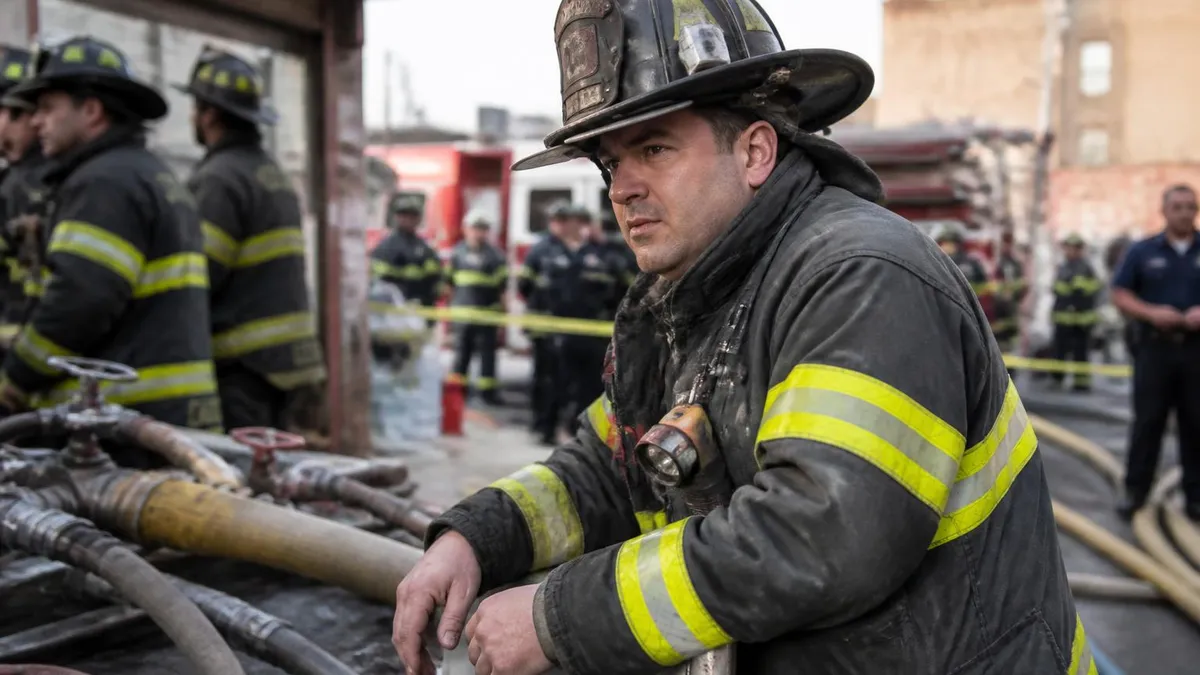
FDNY 10 Codes: Complete Guide to Fire Department Radio Communication
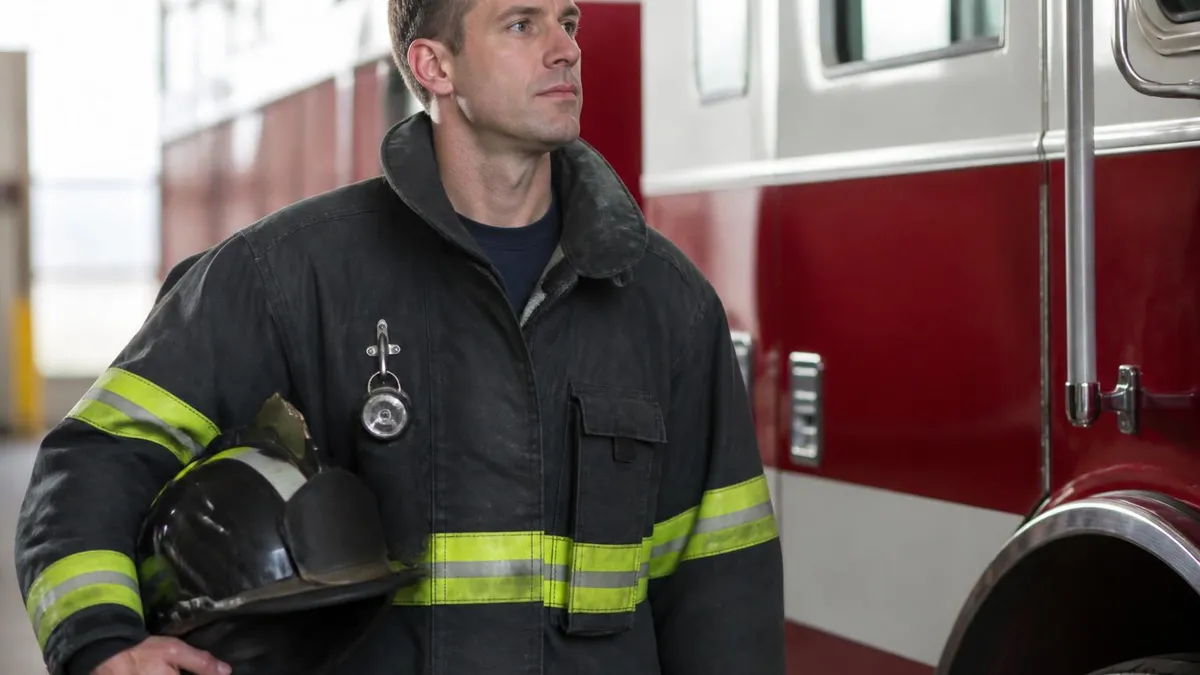
FDNY Stations, Engine & Ladder Companies
FDNY Logo: History, Meaning, and Symbolism of the Fire Department of New York Emblem
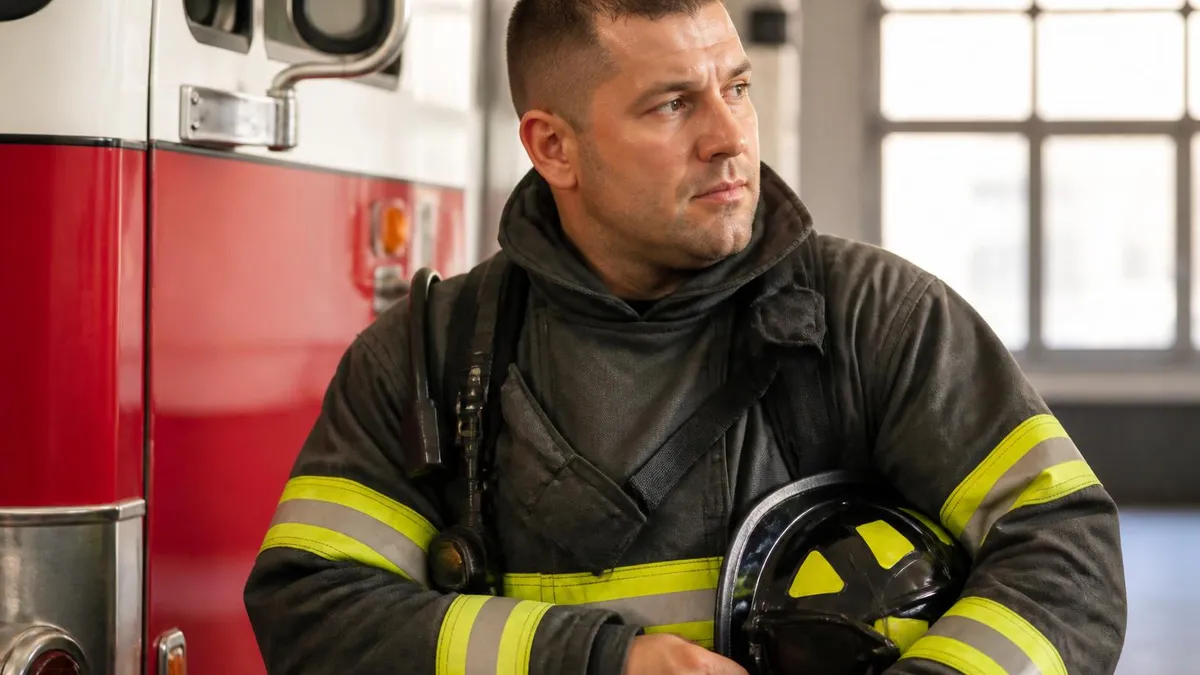
FDNY vs NYPD Hockey Game: Inside New York's Bravest vs Finest Heroes on Ice Rivalry
FDNY Marine Units: Inside the Fire Department of New York's Fireboat Fleet and Marine 6
About the Author
Law Enforcement Trainer & Civil Service Exam Specialist
John Jay College of Criminal JusticeMarcus B. Thompson earned his Master of Arts in Criminal Justice from John Jay College of Criminal Justice and served 12 years as a law enforcement officer before transitioning to full-time academy instruction. He is a POST-certified instructor who has prepared candidates for police entrance exams, firefighter assessments, and civil service examinations across dozens of agencies.
Join the Discussion
Connect with other students preparing for this exam. Share tips, ask questions, and get advice from people who have been there.
View discussion (9 replies)