
FDNY FLSD Test Questions and Answers: What to Expect and How to Prepare 2026
🎯 FDNY FLSD test questions and answers: FDNY publishes no official question bank. See verified exam facts, FDNY ranks and how to prepare.

FDNY FLSD test questions and answers do not exist as an official, published set. The FDNY and NYC DCAS do not release live exam questions, and FLSD is not a title I can verify as an official FDNY exam. Real preparation means studying the exam notice, FDNY ranks, department orders and practice questions on the same topics. Practice with the free Fire Department New York practice test on PracticeTestGeeks (7 questions with answer explanations).
FDNY FLSD Test Questions and Answers: Key Facts (Updated November 2026)
| Fact | Details | Source |
|---|---|---|
| Who runs the civil service exam | NYC Department of Citywide Administrative Services (DCAS) administers the written exam; the FDNY handles physical testing and hiring. | NYC DCAS and FDNY |
| Question bank | No official bank of live questions is published; the exam notice lists the subjects tested. | NYC DCAS |
| Entry-level title | Firefighter is the entry uniformed rank, appointed from a ranked civil service list. | FDNY |
| Format | Entry written exams are multiple choice; promotion exams test job knowledge and reference materials named in the notice. | NYC DCAS |
| Passing mark | NYC civil service written exams are generally scored out of 100, with 70 the usual passing score. | NYC DCAS |
| Top uniformed rank | Chief of Department is the highest uniformed position; the Fire Commissioner is a civilian appointee. | FDNY |
For the full process, read fdny (fire department new york) test: your guide, which covers eligibility, the written exam, the physical test and the hiring steps in order. This page focuses on a narrower question: what people mean when they search for FLSD questions and how to build real readiness.
The search phrase confuses many candidates because several short codes circulate online. Some searchers type F07, F007 or FO7, others type FLSD, and forum posts treat them as if they were one exam. I cannot confirm any of those as an official FDNY exam title in 2026. The safest approach is to find the exact exam number on your own filing receipt or on the DCAS notice of examination, then study what that notice lists.
That distinction matters because exam notices are the only authoritative source. A notice names the title, the filing period, the eligibility rules, the subjects tested and, for promotion exams, the reference materials. Anything else, including a spreadsheet of supposed leaked answers, is unverified. Using it can waste weeks of study time on material that does not match your test, and it can create real problems if it turns out to be copied from a live exam.
Candidates for promotion face a different picture from candidates for entry. A firefighter hoping to become a lieutenant studies operations, supervision, department orders, building construction and fire behavior. An entry applicant studies reading comprehension, judgment, mechanical reasoning and following written procedures. Both groups search for the same phrase, but the preparation looks very different, so the first step is always identifying which exam you are actually facing.
Good practice questions share traits with real exam items: a short scenario, four choices, one best answer, and a distractor that sounds plausible but breaks a rule or a priority. When you review any practice question, do not just check the letter. Ask why the three other answers fail. That habit builds the judgment the exam rewards and works whether the topic is size-up, ladder placement, hydrant operations or chain of command.
Treat this guide as a map rather than an answer key. You will find the sample question types FDNY-style exams favor, a breakdown of the ranks you may be tested on, a study checklist, pros and cons of different prep methods, and ten frequently asked questions. Everything here is built from public information, so verify dates and fees on the official notice before you pay, file or schedule anything.
Free Fire Department New York Study Tools
Interactive Fire Department New York resources on PracticeTestGeeks, free to start:
- Fire Department New York flashcards — review key terms and concepts card by card
- Fire Department New York study guide — topic-by-topic overview of what the exam covers
- Fire Department New York cheat sheet — one-page printable summary for last-minute review
FDNY by the Numbers

What Do FDNY FLSD Test Questions Actually Cover?
Many items hand you a short passage, such as a fire safety procedure, and ask what must happen next. Answers come only from the text given, not from outside knowledge, so slow and careful reading earns points.
Scenario items test what to do first: life safety, then exposures, then property. Learn the standard priority order, because distractors often put a tempting but lower-priority action in front of the correct one.
Promotion exams lean on how buildings fail, how fire spreads and where collapse risk rises. Know the five construction types, lightweight truss hazards and how ventilation changes fire growth.
Supervisory exams ask who has authority, who reports to whom and what a regulation requires. Memorize the rank structure and the reference materials the notice names rather than guessing from experience.
What Is the FDNY Rank Structure for Test Questions?
The FDNY rank structure runs from firefighter through lieutenant, captain, battalion chief, deputy chief, assistant chief and chief of department. Questions about fdny ranks usually test who commands whom, which officer responds to which alarm level, and how authority passes when a senior officer is absent. Knowing the sequence cold removes a whole category of easy mistakes on exam day.
A firefighter is the entry-level uniformed member, assigned to an engine, ladder, rescue, squad or other unit. Firefighters perform the hands-on work: stretching lines, forcing entry, searching, ventilating and providing emergency medical care. Many exam items are written from this viewpoint, asking what a firefighter should do when an order seems unclear or conditions change. The expected answer almost always involves reporting up the chain rather than acting alone.
The lieutenant is the first supervisory rank and usually commands a company on the fireground. Captains command a company as well and carry broader administrative duties in the firehouse. Promotion questions frequently place you in the officer role, asking how to assign members, how to account for personnel and when to request additional resources. Expect the right answer to protect member safety before it chases speed or property.
Above company level, the battalion chief supervises several companies in a battalion and often serves as the first chief officer on scene. Deputy chiefs oversee divisions, assistant chiefs hold senior staff and command roles, and the chief of department is the top uniformed member. The Fire Commissioner is a civilian appointed by the mayor and leads the agency, which is a common trap in rank questions.
Do not confuse the Fire Patrol with the FDNY. The New York Fire Patrol was a separate organization funded by insurance companies that protected property by covering contents and limiting water damage. It disbanded in 2005, and its members were never FDNY firefighters. Exam writers rarely ask about it, but searchers do, so it appears in the FAQ below with a direct answer.
For the complete chain of command with duties and typical assignments at each level, see fdny ranks. Use that page as a reference while you work through practice questions, and quiz yourself by covering the rank names and recalling the next level up from memory. Spaced repetition over two weeks works far better than reading the list once the night before.
A practical drill is to write each rank on a card with three facts on the back: who they report to, what they command, and one typical decision they make on the fireground. Shuffle the cards and answer aloud. After a few sessions, rank questions become automatic, and you can spend your thinking time on the harder scenario items that carry the same score value as the simple ones.
What Kinds of FDNY FLSD Test Questions and Answers Should You Practice?
Scenario questions describe a situation and ask for the best next action. A typical item might report smoke showing from a third-floor window, a reported trapped occupant and a short staffing level. Four answers follow, each plausible. The correct choice nearly always follows the priority order of life safety first, then fire control, then exposure protection and property conservation, with reporting conditions to command along the way.
To answer well, restate the question in your own words before reading the choices. Identify what is urgent, what is already handled and who has authority. Then eliminate any option that skips a step, ignores a hazard or acts without orders. Most scenario items can be reduced to two candidates this way, and the final choice usually turns on a single word such as first, immediately or best.

Are Practice Tests Better Than Searching for Leaked Answers?
- +Practice tests teach the question styles you will actually face.
- +Explanations show why wrong choices fail, building real judgment.
- +You can repeat topics until weak areas improve.
- +Timed sets build pacing and reduce exam-day anxiety.
- +They stay within rules, so your eligibility is never at risk.
- +Results show which subjects need more study time.
- −Practice items are written to match the topics, not copied from the live exam.
- −Quality varies, so some sets contain outdated or weak questions.
- −Scores can create false confidence if you only repeat easy sets.
- −They do not replace reading the official exam notice.
- −Reference materials may change between exam cycles.
- −They need steady weekly effort to pay off.
How Do You Prepare for FDNY FLSD Test Questions and Answers?
- ✓Find your exact exam number on the official notice or filing receipt.
- ✓Read the list of subjects tested and note each one.
- ✓Collect only the reference materials the notice names.
- ✓Build a weekly study plan with fixed days and times.
- ✓Memorize the FDNY rank order from firefighter to chief of department.
- ✓Practice scenario questions using the life-safety-first priority order.
- ✓Review every wrong answer and write down why it failed.
- ✓Take at least two timed practice sets under quiet conditions.
- ✓Train for the physical test alongside the written exam.
- ✓Confirm dates, fees and locations on official sites before filing.
Review your mistakes, not just your scores
Candidates who log every missed question and the reason behind it improve faster than those who simply take more tests. Sort errors into three groups: did not know, misread, and changed a correct answer. Each group needs a different fix, and tracking them takes five minutes per session.
What Are FDNY Department Orders and Why Do They Matter?
FDNY department orders are written directives that set how members carry out duties, from reporting procedures to equipment use to conduct. People searching for fdny department orders or dept orders usually want to know whether they appear on exams. For promotion exams, they often do, but only if the notice lists them as study material. Always trust the notice over a forum summary of what was tested last time.
Treat department orders as source documents to read, not material to skim. Orders are written in precise language, and a single word such as shall versus may changes the right answer. When you read one, underline the actor, the action and any deadline. Then write one question about it yourself. Creating your own questions forces you to understand the structure the exam writers use.
Organize your study by topic rather than by document. Group everything about fireground command together, everything about reporting and records together, and everything about member safety together. Orders and bulletins overlap, and topic grouping reveals how they fit. It also shows which rules are stated repeatedly, and repeated rules are the ones exam writers tend to favor because they are central to the job.
Timing is part of preparation. The exam cycle drives when study materials are released and when you must file, and missing a window can cost you an entire cycle. Check the official calendar, and read fdny test date: everything you need to know to plan and prepare to build a study timeline that works backward from the date you expect to sit.
Work backward from the exam. Twelve weeks out, read the notice and gather sources. Eight weeks out, finish the first pass through every subject. Four weeks out, move to timed practice and error review. The final week should be light review and rest, not new material. Candidates who cram the last three days often forget details they knew a month earlier.
A common mistake is relying on someone else's notes. Notes from a previous cycle may reference orders that have been revised or replaced. If a friend or coworker shares their summary, use it only as a starting outline, then check every fact against the current document. Wrong information memorized with confidence is worse than a gap you know about, because you never think to double-check it.
Finally, remember that the exam is a measuring tool. It samples your knowledge, so you cannot predict every item. Broad understanding beats narrow memorization. If you can explain why an order exists and what problem it solves, you can usually reason your way to the right answer even when the exact wording is unfamiliar. That is the skill worth building during the weeks you have.

Live civil service exam questions are confidential. Using or sharing stolen test content can disqualify you and end a career before it starts. Stick with the official notice, public reference materials and legitimate practice questions written independently.
Is a New York Fire Patrolman an FDNY Firefighter?
No. A New York fire patrolman was not an FDNY firefighter. The Fire Patrol was a private organization supported by insurers that protected property by spreading salvage covers and limiting water damage. It closed in 2005. FDNY firefighters are city employees hired through civil service, so exam questions and career paths for the two groups were never the same.
That example shows why wording matters when you search. Short codes and nicknames mix organizations, ranks and exam numbers. Before you study, confirm exactly which title you are pursuing: firefighter, fire marshal, EMS, or a promotion title. Each has its own notice, its own eligibility rules and its own tested subjects. Studying the wrong material is one of the most avoidable ways to lose a testing cycle.
Physical readiness is the other half of the process. The written score and the physical test are separate hurdles, and a strong written result does not help if you cannot complete the physical portion. Start conditioning early, building strength, grip and cardiovascular endurance. The guide fdny fitness test: complete training guide and requirements explains the events and gives a training approach to follow.
Eligibility rules also deserve early attention. Age limits, residency, education and licensing requirements apply to entry exams, and some have military service adjustments. Check them on the official notice before you invest months in study. A candidate who discovers a disqualifying requirement after filing loses time and money, while one who checks first can fix a gap, such as a missing license, well before the deadline.
Keep a simple record of everything you file or receive: confirmation numbers, dates, emails and receipts. Civil service processes involve several agencies, and being able to show what you submitted and when resolves most problems quickly. Store copies in one folder, and set calendar reminders for each deadline listed on the notice, with a buffer of at least a week before each one.
Mental preparation matters too. Many strong candidates underperform because they rush early items or freeze on a hard one. Practice a routine: read the question, restate it, eliminate two choices, pick the best of the rest, and move on. Using the same routine on every practice set makes it automatic on exam day, when nerves otherwise erode good habits.
Lastly, treat the preparation as part of the job. Firefighting demands discipline, consistency and teamwork, and the study period shows whether you have those habits. Join a study group, train with others and ask experienced members for guidance on what the work is like. The effort you invest now is the same effort you will need for every promotion exam later.
What Are the Best Final Prep Tips for FDNY Exams?
The best final prep tip is to simulate the exam. Sit at a table with no phone, set a timer to the real exam length, and complete a full practice set in one sitting. Then grade it, review every miss and note patterns. Two or three full simulations in the last month teach pacing, endurance and calm far better than any amount of casual review.
Sleep and routine in the final week matter more than extra study. Fix your wake time, eat regular meals and avoid late nights. Memory consolidates during sleep, so a rested mind recalls rank orders, definitions and procedures more reliably. Plan the logistics too: know the test site location, travel time, parking or transit, and the identification you must bring, and pack everything the night before.
On exam day, read each question fully before looking at the answers. Many wrong answers are chosen because a candidate saw a familiar phrase and stopped reading. Watch for absolute words such as always and never, and for negatives such as except and not. If two answers seem equally good, ask which one a supervisor would defend in writing, which usually points to the safer, more procedural choice.
Manage time in passes. On the first pass, answer everything you know and mark anything that takes longer than about a minute. On the second pass, return to the marked items. Never leave a question blank unless the instructions penalize guessing, and the notice will say so. Even an educated guess between two remaining choices improves your expected score compared with leaving the item empty.
After the written exam, your work is not finished. List standing, medical review, background checks and the physical test all follow, and each has its own preparation. Keep training, keep your paperwork organized and respond quickly to any agency request. Delays on your side can push you down the timeline even when your score is strong.
If you do not pass or your list number is too high, treat it as data rather than a verdict. Review the score report, identify weak subjects and plan for the next cycle. Many successful members tested more than once. Consistent preparation compounds, and every cycle you sit makes the format, the pacing and the pressure more familiar and manageable.
Finally, protect your sources. Rely on official notices, public FDNY information and practice material written independently. Ignore anyone claiming to sell actual questions. Your best investment is steady practice, honest review of your mistakes and physical conditioning, because those three habits improve both your score and your readiness for the work that follows a successful appointment.
Sample Fire Department New York Practice Questions
Try these questions from our free Fire Department New York practice tests. The correct answer and an explanation follow each question.
During a structural collapse rescue, the FDNY uses a systematic victim search approach. What does the acronym 'LAST' stand for in collapse rescue?
- A. Locate, Access, Stabilize, Transport
- B. Listen, Assess, Search, Treat
- C. Locate, Assess, Secure, Triage
- D. Listen, Alert, Stabilize, Tag
Answer: A. Locate, Access, Stabilize, Transport
LAST stands for Locate, Access, Stabilize, and Transport — the four sequential phases of victim rescue in a structural collapse operation.
In water rescue, what does the FDNY motto 'Reach, Throw, Row, Go' represent?
- A. The order of commands given to a drowning victim
- B. A progressive sequence of rescue techniques from least to most risk to the rescuer
- C. The four types of water rescue equipment carried on apparatus
- D. The radio channels used during water rescue operations
Answer: B. A progressive sequence of rescue techniques from least to most risk to the rescuer
This progression describes water rescue methods in order of increasing risk to the rescuer: reach with a pole, throw a line, row a boat, and only then go in the water as a last resort.
What type of organizational structure does the FDNY use to manage its various functions and divisions?
- A. Flat organizational structure with minimal hierarchy
- B. Matrix organizational structure with cross-functional teams
- C. Hierarchical organizational structure with clearly defined levels of authority
- D. Network organizational structure with decentralized decision-making
Answer: C. Hierarchical organizational structure with clearly defined levels of authority
The FDNY utilizes a hierarchical organizational structure, which is typical for large uniformed services. This structure features clearly defined levels of authority, command, and responsibility, from the Fire Commissioner down to individual firefighters. This hierarchy is essential for maintaining discipline, ensuring efficient decision-making, and coordinating complex operations during emergencies.
What is a common way the FDNY supports families of firefighters?
- A. By providing financial support for firefighter families during emergencies
- B. By offering community events and activities for families
- C. By organizing job placement programs for family members
- D. By creating educational programs focused on career development for family members
Answer: B. By offering community events and activities for families
The FDNY commonly supports families of firefighters by offering community events and activities for them. These events help build a strong sense of camaraderie and support among families, recognizing the unique challenges faced by those whose loved ones serve. Such initiatives foster a supportive network and ensure families feel connected to the FDNY community.
FDNY Questions and Answers
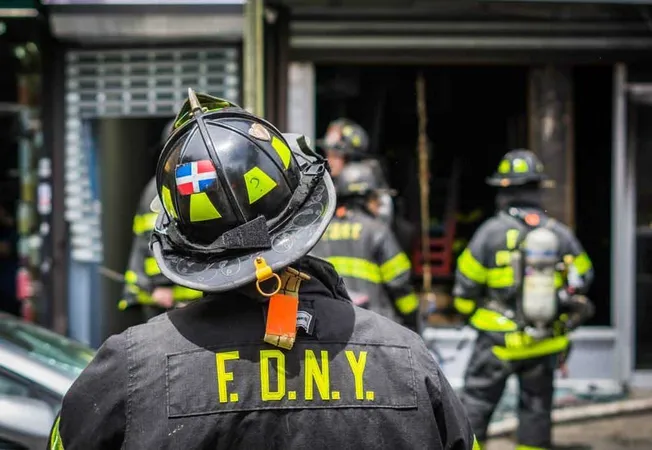
FDNY (Fire Department New York) Test: Your Guide
FDNY Ranks Explained: The Complete Chain of Command in the Fire Department of New York

FDNY Fitness Test: Complete Training Guide and Requirements

FDNY Test Date: Everything You Need to Know to Plan and Prepare
FDNY 10 Codes: Complete Guide to Fire Department Radio Communication

FDNY Open House 2025: Everything You Need to Know About Fire Station Events

FDNY Manhattan Firehouses: A Complete Guide to New York's Bravest Stations
FDNY Portal: How to Access, Register & Use the Online System
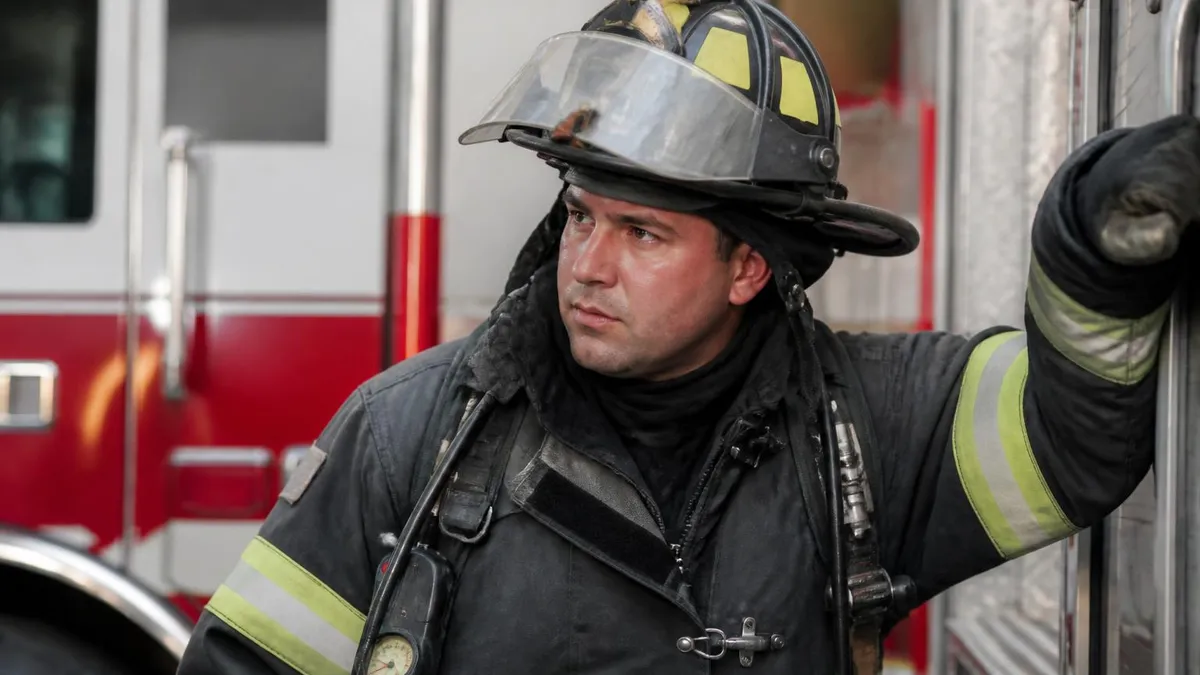
FDNY Test: Complete Study Guide and Practice Test Prep for the Fire Department of New York Exam
Written and edited by Nathan Beja, founder of Practice Test Geeks, with AI assistance. We have not yet matched this exam's facts to an official source, so confirm fees, dates and rules with the exam body. Editorial policy