
Esthetician School Near Me: How to Find Local Programs by ZIP, City, and State
Esthetician school near me: ✍🏼 search by ZIP and city, compare local tuition, hours by state, and use NACCAS, ABEC, and state board tools to pick.
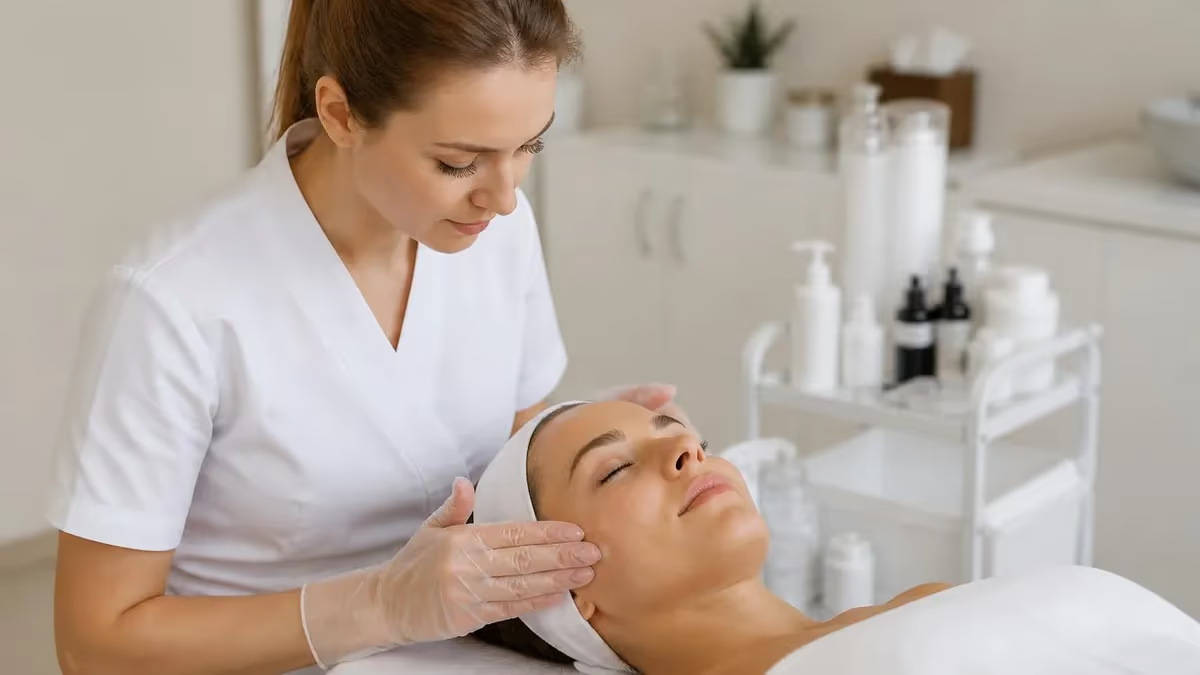
Esthetician School Near Me: How to Find a Local Program That Fits
Searching for an esthetician school near me is a different problem from picking a famous national academy. Distance changes everything. Drive time eats your evening. Clinic floor hours have to fit after work. Tuition shifts by metro even within the same chain. And the state board behind every approved program lives in your state, not somewhere else. A school that looks perfect 90 miles away rarely survives a full training week.
A cheap school next door can still cost you a license if it lacks state approval. That single fact wipes out thousands of dollars of wasted hours every year for students who skipped the verification step. So the search needs structure, not a map pin. Build the list, filter the list, then visit. Skip any one of those and you risk picking a school by parking-lot impression rather than program quality.
This guide is built around location. You will see how to search by ZIP, city, and state. Which official finders and accreditation lists matter — NACCAS, ABEC, your state cosmetology board. What to look for on a campus tour. How tuition shifts by region. The article also links to a broader piece on esthetician school for general program structure, and esthetician schools for a directory view.
Why does local matter so much? Because attendance is the single biggest predictor of finishing the program. Commute fatigue compounds — twenty extra minutes each way is over three hours per week of unpaid time, and that drains motivation by month three. Local also gives you a stronger externship pipeline. Schools have decade-long ties to nearby spas, medical offices, and resort properties. Those ties become job offers.
If you are still weighing the career itself, read how to become an esthetician first. Once you have the basics down, this article narrows the funnel to schools you can actually attend — places near your home, near your bus route, near your second job. Treat it like a checklist, not a list of brand names. The brand on the door matters less than the instructor walking the clinic floor on Tuesday afternoon.
Use three filters in order. First, your state board approved-school list (Google your state name plus "cosmetology board approved schools"). Second, the NACCAS school finder for accreditation. Third, a 30-minute drive radius from your home or work. Anything outside that radius fails the long-term commute test. Always confirm the campus you want is the licensed location — chains list satellite addresses that may not be operating.
Local Esthetician School Snapshot

How to Search for an Esthetician School Near You
Type "esthetician school near me" into Google and you will get a chaotic mix of paid ads, aggregator sites, and chain school landing pages. The map pack is useful, but it favors marketing budget, not training quality. Start with your state cosmetology and barbering board. Every state publishes a list of approved schools with addresses. That is the only list that guarantees your hours count toward licensure when you sit the state board exam.
Next, cross-reference accreditation. NACCAS (National Accrediting Commission of Career Arts and Sciences) covers most beauty schools — roughly 1,200 campuses nationwide. ABEC (Accrediting Bureau of Esthetic Cosmetology) is a smaller body. Schools without national accreditation can still be state-approved, but federal student aid usually requires NACCAS. If you plan to use Pell or federal direct loans, accreditation is non-negotiable. The esthetician license page covers what each state recognizes for transferred hours.
Run your shortlist through three local filters. First, map each school address in your phone and set departure time to your real schedule — 8 a.m. weekday traffic, not Sunday afternoon. Discard anything over 45 minutes door to door.
Second, drop any school without a public clinic floor. You need real client hours to graduate. Third, call admissions and ask if the campus near you is open, fully staffed, and starting cohorts in your timeframe. Marketing pages often list legacy locations that no longer enroll students.
Aggregators like Beautyschoolsdirectory, Cosmetology.com, and the Salon Today directory can speed discovery but rarely tell you which campus is hiring instructors or losing them. Local Reddit threads in r/Esthetics and your city subreddit reveal real student experience. Yelp reviews of the student clinic show how the school treats paying customers, which mirrors how it treats students. Recent Google reviews mentioning "current students" or "my instructor" carry more weight than five-star spam from years ago.
A good ground-truth signal: pop into the student spa for a basic facial or wax service. Ask the working student about pace, instructor support, and externship placement. Students at the chair will tell you the truth — they have nothing to gain by lying.
Twenty minutes of casual conversation while getting a $30 facial is worth more research data than a one-hour admissions tour. If the student is happy and confident, the school is probably solid. If they are vague or unhappy, take note and move that school down your list.
Be careful with sponsored placements. The first three Google results for any "esthetician school near me" search are almost always ads. Ads do not mean the school is bad. They mean you saw it because of marketing spend, not search quality.
Scroll past the ad block. Click into the organic map pack and read each profile. Look for schools with recent reviews, photos uploaded by students, and clear hours of operation. Schools that have not updated their profile in two years are usually drifting.
Region-by-Region: Where to Look for Local Esthetician Schools
The Northeast hosts dense school networks in NYC, Boston, Philadelphia, and northern NJ. Programs trend toward 600 hours (NY) up to 1,000 (NJ). Expect higher tuition — $9,000 to $14,000 — but tighter externship pipelines into spa and dermatology offices. Look in Manhattan, Brooklyn, Jersey City, Newark, Philadelphia (Center City and Northeast), Boston (Allston, Brighton), and the Hartford corridor. Public transit makes a 45-minute radius feasible without a car.
Program Hours by State — Quick Reference
- Florida: 260 hours
- New York: 600 hours
- Oregon: 250 hours
- Massachusetts: 300 hours
- Texas: 750 hours
- California: 600 hours
- Georgia: 1,000 hours
- Illinois: 750 hours
- Alabama: 1,500 hours
- New Jersey: 600 hours
- Pennsylvania: 300 hours
- Washington: 750 hours
- Utah: 1,200 hours
- Virginia: 600 + 600 master
- Washington: 450 master add-on
- Texas: Specialty levels

Esthetician Practice Practice Test Questions
Prepare for the Esthetician Practice Exam exam with our free practice test modules. Each quiz covers key topics to help you pass on your first try.
Esthetician Practice Advanced Facial Treat...
Esthetician Practice Exam Questions covering Advanced Facial Treatments. Master Esthetician Practice Test concepts for certification prep.
Esthetician Practice Anatomy and Physiology
Free Esthetician Practice Practice Test featuring Anatomy and Physiology. Improve your Esthetician Practice Exam score with mock test prep.
Esthetician Practice Chemistry and Product...
Esthetician Practice Mock Exam on Chemistry and Product Ingredients. Esthetician Practice Study Guide questions to pass on your first try.
Esthetician Practice Client Consultation a...
Esthetician Practice Test Prep for Client Consultation and Analysis. Practice Esthetician Practice Quiz questions and boost your score.
Esthetician Practice Esthetics Chemistry a...
Esthetician Practice Questions and Answers on Esthetics Chemistry and Ingredients. Free Esthetician Practice practice for exam readiness.
Esthetician Practice Exam Esthetician Prac...
Esthetician Practice Mock Test covering Exam Esthetician Practice Advanced Facial Treatments Questions and Answers. Online Esthetician Practice Test practice with instant feedback.
Esthetician Practice Exam Esthetician Prac...
Free Esthetician Practice Quiz on Exam Esthetician Practice Anatomy and Physiology Questions and Answers. Esthetician Practice Exam prep questions with detailed explanations.
Esthetician Practice Exam Esthetician Prac...
Esthetician Practice Practice Questions for Exam Esthetician Practice Chemistry and Product Ingredients Questions and Answers. Build confidence for your Esthetician Practice certification exam.
Esthetician Practice Exam Esthetician Prac...
Esthetician Practice Test Online for Exam Esthetician Practice Client Consultation and Analysis Questions and Answers. Free practice with instant results and feedback.
Esthetician Practice Exam Esthetician Prac...
Esthetician Practice Study Material on Exam Esthetician Practice Esthetics Chemistry and Ingredients Questions and Answers. Prepare effectively with real exam-style questions.
Esthetician Practice Exam Esthetician Prac...
Free Esthetician Practice Test covering Exam Esthetician Practice Facial Treatments and Massage Questions and Answers. Practice and track your Esthetician Practice exam readiness.
Esthetician Practice Exam Esthetician Prac...
Esthetician Practice Exam Questions covering Exam Esthetician Practice Hair Removal Methods Questions and Answers. Master Esthetician Practice Test concepts for certification prep.
Esthetician Practice Exam Esthetician Prac...
Free Esthetician Practice Practice Test featuring Exam Esthetician Practice Infection Control and Safety Questions and Answers. Improve your Esthetician Practice Exam score with mock test prep.
Esthetician Practice Exam Esthetician Prac...
Esthetician Practice Mock Exam on Exam Esthetician Practice Skin Analysis and Conditions Questions and Answers. Esthetician Practice Study Guide questions to pass on your first try.
Esthetician Practice Exam Esthetician Prac...
Esthetician Practice Test Prep for Exam Esthetician Practice Skin Histology and Disorders Questions and Answers. Practice Esthetician Practice Quiz questions and boost your score.
Esthetician Practice Exam FREE Esthetician...
Esthetician Practice Questions and Answers on Exam FREE Esthetician Knowledge Questions and Answers. Free Esthetician Practice practice for exam readiness.
Esthetician Practice Exam FREE Esthetician...
Esthetician Practice Mock Test covering Exam FREE Esthetician MCQ Questions and Answers. Online Esthetician Practice Test practice with instant feedback.
Esthetician Practice Exam FREE Esthetician...
Free Esthetician Practice Quiz on Exam FREE Esthetician Practice Anatomy and Physiology Questions and Answers. Esthetician Practice Exam prep questions with detailed explanations.
Esthetician Practice Exam FREE Esthetician...
Esthetician Practice Practice Questions for Exam FREE Esthetician Practice Cosmetic Chemistry and Ingredients Questions and Answers. Build confidence for your Esthetician Practice certification exam.
Esthetician Practice Exam FREE Esthetician...
Esthetician Practice Test Online for Exam FREE Esthetician Practice Facial Treatments and Devices Questions and Answers. Free practice with instant results and feedback.
Esthetician Practice Exam FREE Esthetician...
Esthetician Practice Study Material on Exam FREE Esthetician Practice Hair Removal Procedures Questions and Answers. Prepare effectively with real exam-style questions.
Esthetician Practice Exam FREE Esthetician...
Free Esthetician Practice Test covering Exam FREE Esthetician Practice Infection Control and Safety Questions and Answers. Practice and track your Esthetician Practice exam readiness.
Esthetician Practice Exam FREE Esthetician...
Esthetician Practice Exam Questions covering Exam FREE Esthetician Practice Skin Analysis and Conditions Questions and Answers. Master Esthetician Practice Test concepts for certification prep.
Esthetician Practice Exam FREE Esthetician...
Free Esthetician Practice Practice Test featuring Exam FREE Esthetician (Reading) Questions and Answers. Improve your Esthetician Practice Exam score with mock test prep.
Esthetician Practice Facial Treatments and...
Esthetician Practice Mock Exam on Facial Treatments and Massage. Esthetician Practice Study Guide questions to pass on your first try.
Esthetician Practice Hair Removal Methods
Esthetician Practice Test Prep for Hair Removal Methods. Practice Esthetician Practice Quiz questions and boost your score.
Esthetician Practice Infection Control and...
Esthetician Practice Questions and Answers on Infection Control and Safety. Free Esthetician Practice practice for exam readiness.
Esthetician Practice Skin Analysis and Con...
Esthetician Practice Mock Test covering Skin Analysis and Conditions. Online Esthetician Practice Test practice with instant feedback.
Esthetician Practice Skin Histology and Di...
Free Esthetician Practice Quiz on Skin Histology and Disorders. Esthetician Practice Exam prep questions with detailed explanations.
Esthetician Practice Esthetician Knowledge
Esthetician Practice Practice Questions for Esthetician Knowledge. Build confidence for your Esthetician Practice certification exam.
Esthetician Practice Esthetician MCQ
Esthetician Practice Test Online for Esthetician MCQ. Free practice with instant results and feedback.
Esthetician Practice Cosmetic Chemistry an...
Esthetician Practice Study Material on Cosmetic Chemistry and Ingredients. Prepare effectively with real exam-style questions.
Esthetician Practice Facial Treatments and...
Free Esthetician Practice Test covering Facial Treatments and Devices. Practice and track your Esthetician Practice exam readiness.
What to Look For When You Visit a Local Esthetician School
A campus visit settles 80 percent of the decision. Brochures and websites can be polished by a marketing team. The clinic floor, the instructor energy, and the equipment age cannot be faked in person. Schedule a tour during clinic hours — when students are working on paying clients — not on a quiet morning. Watch how instructors move between stations. Notice whether students look confident or lost. Pay attention to how clients are greeted at the front desk.
Check the equipment count. A class of 30 students sharing four steamers and two LED panels means you will spend more time waiting than practicing. Ask how many treatment beds the clinic has and how many students rotate through per shift.
Modern programs include hands-on training with chemical peels, microcurrent, microdermabrasion, dermaplaning, and LED therapy. If the equipment looks decades old or the school avoids talking about it, that is a red flag. The medical esthetician school path requires even more advanced devices and higher faculty credentials.
Talk to current students, not just admissions staff. Admissions reps are paid to enroll you. Students are not. Ask three questions: what is the worst part of the program, how often are instructors absent, and have you seen graduates placed in jobs after externships? A confident student will answer fast. A vague answer or a redirect to admissions is a flag. Externship placement matters because your esthetician jobs pipeline often starts during your final clinical rotation.
Examine the schedule on paper. Day, evening, and weekend tracks all exist, but availability varies by campus. A school near your house that only offers daytime classes is useless if you work daytime. Ask how often students drop, and how often the school restarts new cohorts. Gaps of three or four months between cohorts can stall your timeline by half a year. Confirm how long is esthetician school in your specific state and at the specific schedule pace.
Walk the parking lot and the entrance at the time of day you would actually arrive. Is parking easy or impossible? Is the bus stop close? Is the neighborhood safe at 9 p.m. when evening classes end? These practical details kill more programs than tuition does.
If you take public transit, ride the route on a weekday rush hour before signing the enrollment contract. A 25-minute bus ride looks fine on Google Maps and becomes a 50-minute slog in actual traffic with a transfer. Test the route twice if you can.
Ask for the school's most recent state board pass rate. Every accredited school tracks this. Pass rates in the 85–95 percent range are normal. Below 70 percent suggests weak preparation.
The state board exam is a national-style exam covering theory and practical skills. Good schools drill exam content in the final two months. The esthetician state board exam covers written and practical sections. A school with a low pass rate often glosses over this — push for the number in writing.
Campus Visit Checklist
- ✓Verify school is on your state board's approved list before visiting
- ✓Tour during clinic hours, not after hours
- ✓Count treatment beds, steamers, and advanced devices
- ✓Watch instructor-to-student ratio on the floor
- ✓Ask current students three questions, not staff
- ✓Confirm cohort start dates and schedule flexibility
- ✓Check externship placements with named partner spas
- ✓Review the most recent NACCAS or ABEC accreditation status
- ✓Request a sample weekly schedule before signing
- ✓Confirm transportation, parking, and transit access
Local School vs. Driving Farther for a Bigger Name
- +Shorter commute means higher attendance and faster completion
- +Lower fuel and transit costs over a year of school
- +Stronger local externship and hiring connections
- +Easier to work part-time alongside school
- +Network ties to nearby spas, salons, and clinics
- −Smaller schools may have older equipment
- −Less brand recognition on resumes outside your metro
- −Limited specialty tracks at small campuses
- −Fewer scholarship and grant options at very small schools
- −Cohort gaps can stall your timeline if a class fills
Pros and Cons at a Glance
| Pros | Cons |
|---|---|
| Shorter commute means higher attendance and faster completion | Smaller schools may have older equipment |
| Lower fuel and transit costs over a year of school | Less brand recognition on resumes outside your metro |
| Stronger local externship and hiring connections | Limited specialty tracks at small campuses |
| Easier to work part-time alongside school | Fewer scholarship and grant options at very small schools |
| Network ties to nearby spas, salons, and clinics | Cohort gaps can stall your timeline if a class fills |
Tuition, Aid, and Cost-of-Living by Metro
Tuition varies more by metro than by school brand. A Paul Mitchell campus in Tampa costs differently from the same brand in San Diego. An Aveda institute in St. Louis runs cheaper than the Aveda in NYC. Big-city programs charge $10,000–$14,000 for a 600-hour course. Mid-size metros run $6,000–$9,000. Smaller markets and community college routes can fall under $5,000. Always compare per-hour cost, not total. A 750-hour program in Texas is not directly comparable to a 260-hour program in Florida.
Federal aid through FAFSA opens at NACCAS-accredited schools. Pell grants are not loans and do not require repayment. The cap is around $7,400 per academic year as of 2026. Direct subsidized loans (need-based) and unsubsidized loans cover the rest. Many states also run workforce grants — California's CTG, Washington's Opportunity Grant, Texas's TPEG. Local Workforce Investment Boards (WIB) sometimes fund cosmetology tracks for displaced workers. Ask the school's financial aid office, but also call your state workforce agency directly.
Some chains offer in-house payment plans. These are easier to qualify for than federal loans but charge higher interest. Many start payments while you are still enrolled. Read the contract carefully. Early-withdrawal clauses can hold you liable for the full tuition even if you leave after one month.
Compare three schools for total cost — tuition plus kit plus state exam fees plus license application — before signing. Kit costs alone range $700–$2,200 and are usually billed separately from tuition. Some kits are mandatory at one school but optional at another, so factor it carefully.
Cost of living matters if you are moving for school. Rent in San Diego, Boston, or NYC eats more than the tuition difference. A cheaper school in a cheaper metro can net better overall. If you must move, look at the metros with low hour counts (Florida at 260, Oregon at 250, Massachusetts at 300). You finish faster and start earning sooner. The esthetician jobs near me guide covers post-license earnings in major metros.
Scholarships exist but require legwork. Most beauty schools list internal scholarships — usually $500 to $2,000 — awarded based on essay, recommendation, or community service. Industry groups also award scholarships: the Professional Beauty Association (PBA), the American Association of Cosmetology Schools (AACS), and local chamber of commerce groups. Apply to five or six. Sticker shock disappears fast when even one comes through. Many students stack a Pell grant, a workforce grant, and a PBA scholarship to cover most of tuition.
Watch for hidden fees. Books, online platform fees, lab fees, drug tests, background checks, and uniforms can add $400–$900 outside the published tuition figure. Ask for the all-in cost in writing before enrolling. Reputable schools have a one-page disclosure that breaks every line item. Schools that resist providing this disclosure are often the ones with the most surprise charges. Compare those one-page disclosures across three local schools — that single comparison usually identifies the best value within your commute radius.
Hybrid, Online, and Transportation-Friendly Options
Fully online esthetician school does not exist in most states. Licensure requires hands-on clinical hours measured under instructor supervision. What does exist — and is growing fast — is hybrid programs. These deliver theory online and require in-person clinic days at a partner campus.
If no school is within a 45-minute commute, a hybrid program with a once-monthly travel weekend can work. Confirm with your state board first that the hybrid model is approved. Some states cap online theory at 30 or 40 percent of total hours. Others allow up to 50 percent. A few do not allow hybrid at all. Check before enrolling.
Hybrid is also useful for working parents, military spouses, and rural students. The theory portion fits around a job schedule. The clinical portion clusters into intensive weekends. The trade-off is fewer instructor touchpoints — you need to be self-directed for the online modules. Schools that do hybrid well include synchronous video sessions, not just recorded lectures. Ask about that distinction.
Transportation deserves its own line in your decision matrix. If you do not own a car, look at schools on a single bus line from your home. Transfers double commute time and triple the chance you skip class on a bad weather day. Some metros — Portland, Minneapolis, Denver, Seattle — have light rail near beauty schools. That can swing your shortlist toward a school you might otherwise rule out.
If you do own a car, plot parking cost. Downtown campuses in Boston, San Francisco, and Manhattan can charge $200–$400 a month for student parking. That alone is an extra year of tuition by the time you graduate. Suburban campuses with free parking save real money over a 9–12 month program. Factor parking into the total-cost comparison alongside tuition and kit.
Childcare is the final logistics piece many students forget. Day programs run during school hours, which lines up well with parents of school-age kids. Evening programs run 4 to 10 p.m., which lines up with parents who have daytime jobs and a partner home in the evening. Weekend programs work for parents with weekday childcare. Match the program schedule to your existing childcare reality before signing — switching tracks mid-program is often impossible.
A school that is not on your state cosmetology board's approved list cannot count your training hours toward licensure. You can spend $8,000 and walk away with zero credit. Some chains advertise programs in states where they have not been approved — the campus exists, classes run, but the state will not accept your transcript. Search your state board's website for the school's name and license number before signing anything. If you cannot find them on the list, do not enroll.
Sample Esthetician Practice Questions
Try these questions from our free Esthetician practice tests. The correct answer and an explanation follow each question.
An esthetician accidentally spills a chemical peel solution. To find detailed information about the product's hazards and proper cleanup procedures, the esthetician should consult the:
- A. Occupational Safety and Health Administration (OSHA) website
- B. Product's marketing brochure
- C. Safety Data Sheet (SDS)
- D. Salon's service menu
Answer: C. Safety Data Sheet (SDS)
A Safety Data Sheet (SDS), formerly known as MSDS, is a document required by OSHA that provides comprehensive information about a chemical substance. It includes details on potential hazards, handling and storage instructions, and emergency procedures, making it the correct resource for a chemical spill.
During the tactile (touch) portion of a skin analysis, what is the esthetician primarily assessing?
- A. The client's pain threshold.
- B. Skin texture, elasticity, and hydration levels.
- C. The presence of subsurface melanin.
- D. The client's Fitzpatrick skin type.
Answer: B. Skin texture, elasticity, and hydration levels.
The tactile examination involves physically touching the skin to gather information. By feeling the skin, an esthetician can assess its texture (roughness or smoothness), elasticity (how quickly it returns to place when lightly pinched), and moisture levels (oiliness or dryness), which are key indicators of skin health and condition.
A new client is booked for a microdermabrasion treatment. During the consultation, they mention they have been using a prescribed oral medication for severe acne for the past three months. Which is the MOST appropriate course of action for the esthetician?
- A. Perform the treatment but use the lowest possible suction setting.
- B. Proceed with the treatment as it will help with acne scarring.
- C. Advise the client to stop the medication for 48 hours before the treatment.
- D. Refuse the service and explain that the medication is a contraindication.
Answer: D. Refuse the service and explain that the medication is a contraindication.
Oral medications for severe acne, such as isotretinoin (commonly known as Accutane), are a major contraindication for aggressive exfoliation treatments like microdermabrasion. These medications thin the skin and make it extremely sensitive, increasing the risk of severe irritation, scarring, and delayed healing. It is recommended to wait at least 6 months after discontinuing the medication before performing microdermabrasion.
During a facial treatment, a client mentions they are using tretinoin. What should the esthetician avoid?
- A. Applying a hydrating mask
- B. Using chemical exfoliants or aggressive peels
- C. Performing a basic cleansing routine
- D. Applying SPF moisturizer
Answer: B. Using chemical exfoliants or aggressive peels
Tretinoin already increases skin cell turnover and sensitivity, so adding chemical exfoliants or aggressive peels can cause severe irritation, burns, or damage.
Esthetician Questions and Answers
Related Esthetician Guides
Esthetician School: Programs, Costs, and Licensing Steps
Esthetician Schools: Complete Guide to Programs and Licensure
How Long Is Esthetician School: State Hours and Real Timelines
Medical Esthetician School: Programs, Cost, and Career Path 2026
Esthetician License: Requirements, Training Hours, and Path by State
How to Become an Esthetician: Complete Guide
About the Author
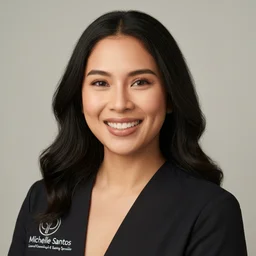
Licensed Cosmetologist & Beauty Licensing Exam Specialist
Paul Mitchell SchoolsMichelle Santos is a licensed cosmetologist with a Bachelor of Science in Esthetics and Salon Management from Paul Mitchell School. She has 16 years of salon industry experience and 8 years preparing students for state cosmetology board exams in theory, practical skills, and sanitation. She specializes in licensure preparation for cosmetologists, estheticians, and nail technicians.
Join the Discussion
Connect with other students preparing for this exam. Share tips, ask questions, and get advice from people who have been there.
View discussion (4 replies)