
EEG Tech School: Training, Certification, and Career Guide (2026 September)
EEG test guide: what it is, how long it takes, price, side effects, plus how to become an EEG tech and pass certification. 📚
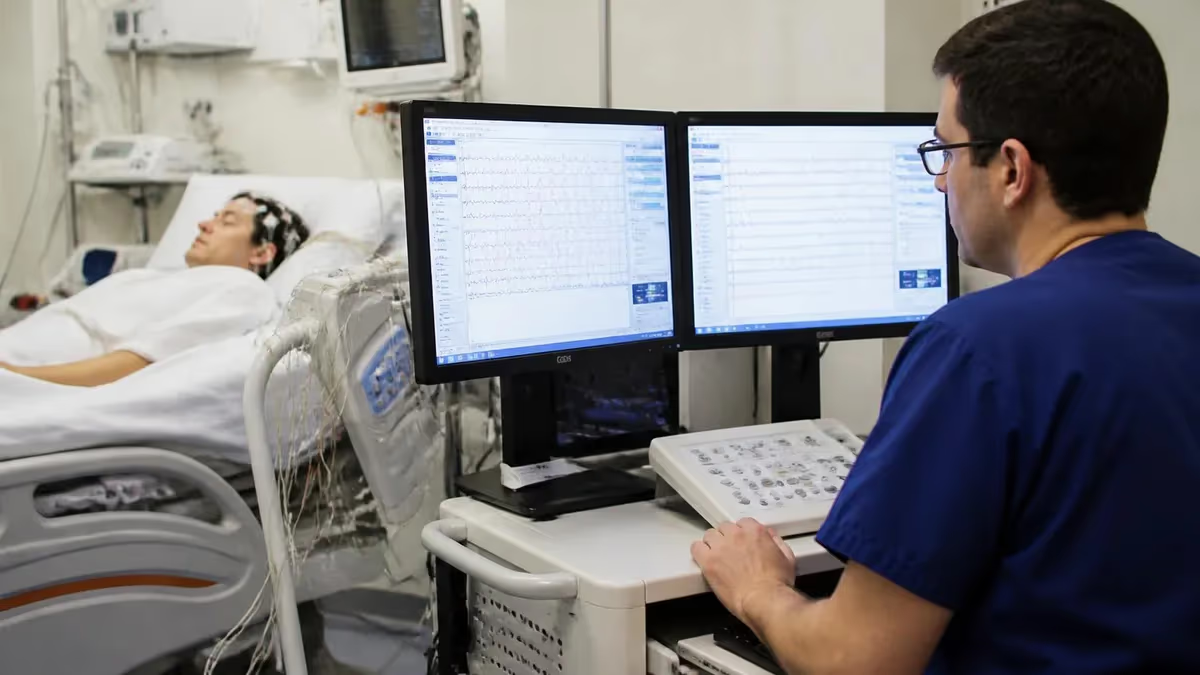
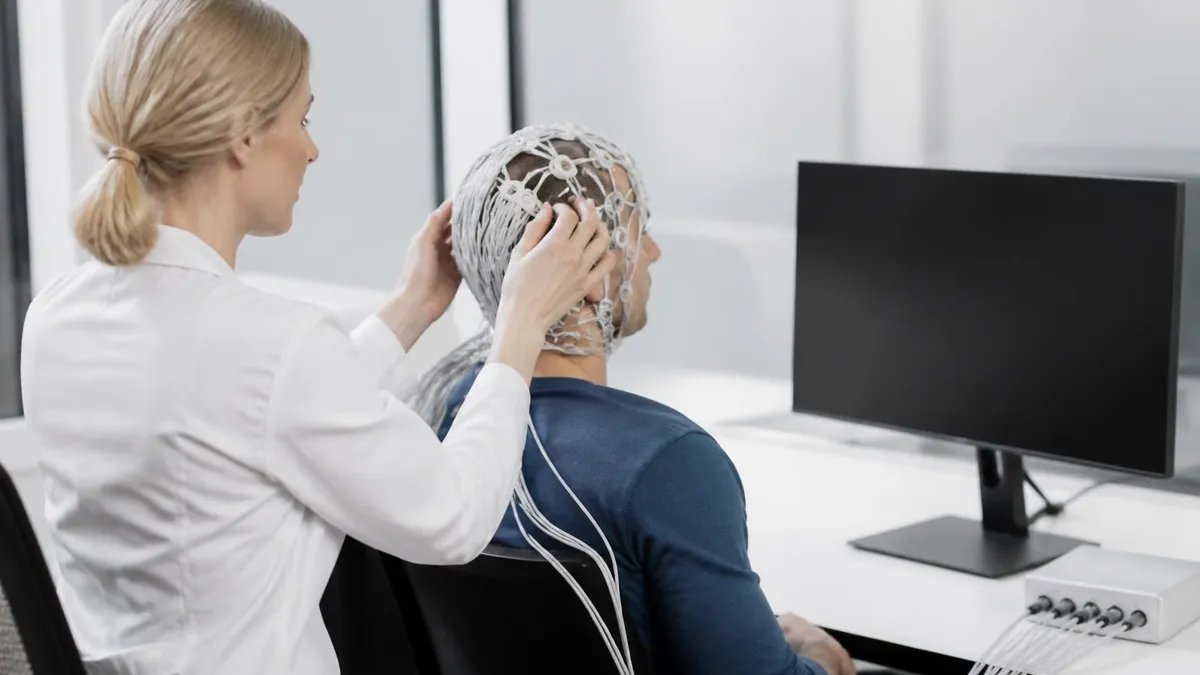
If you have ever watched a technologist gently glue dozens of small electrodes onto a patient's scalp and wondered who trained them, you are already thinking about eeg tech school. An EEG tech, formally an electroneurodiagnostic technologist, is the person who runs the eeg test, monitors brain wave activity in real time, and produces the clean recording a neurologist reads. Understanding what is an eeg test is the first step, because everything you learn in training revolves around capturing electrical brain activity safely, accurately, and comfortably for the patient sitting in front of you.
So what is an eeg test in plain language? An electroencephalogram records the tiny electrical signals that neurons produce, displaying them as the wavy lines you have seen on hospital monitors. The eeg medical test is non-invasive, painless, and one of the oldest diagnostic tools in neurology, dating back to the 1920s. Patients ask what is a eeg test most often when their doctor orders one for seizures, fainting spells, sleep disorders, or unexplained confusion. As a tech, you become the friendly expert who answers those questions while you work each shift.
The career attracts people who want clinical, hands-on healthcare work without spending a decade in school. Most EEG techs enter the field through a one-to-two year certificate or associate degree program, then sit for a national credentialing exam. The pay is solid, the hours are often predictable, and demand keeps climbing as neurology departments, epilepsy monitoring units, and sleep labs expand across the United States. If you like technology, anatomy, and patient interaction in equal measure, this path rewards all three at once.
This guide walks through everything a prospective student needs: how eeg tech school is structured, admission requirements, what you actually study, certification pathways like the ABRET R. EEG T. credential, realistic salary numbers, and the day-to-day work of running tests. We will also cover the patient-facing knowledge you must master, because employers expect you to explain how long is an eeg test, what the eeg test side effects are, and roughly what an eeg test price looks like before insurance kicks in.
Knowing the answers cold matters because anxious patients calm down when their tech sounds confident. When someone asks how long is an eeg test, you should be able to say a routine study runs twenty to forty minutes of recording, while ambulatory or extended monitoring can last hours to several days. When they worry about eeg test side effects, you reassure them that the procedure carries essentially no risk beyond mild skin irritation from the paste. That fluency is built in school and polished daily on the job.
By the end of this article you will have a clear map of the entire journey, from choosing an accredited program to passing your boards and landing a first position in a hospital, neurology clinic, or epilepsy monitoring unit. We have also linked practice questions throughout so you can start testing your knowledge of epileptiform patterns, activation procedures, and ambulatory monitoring the same way you eventually will on certification day. Treat this as both a career overview and a hands-on study companion for the months ahead.
EEG Tech Careers by the Numbers
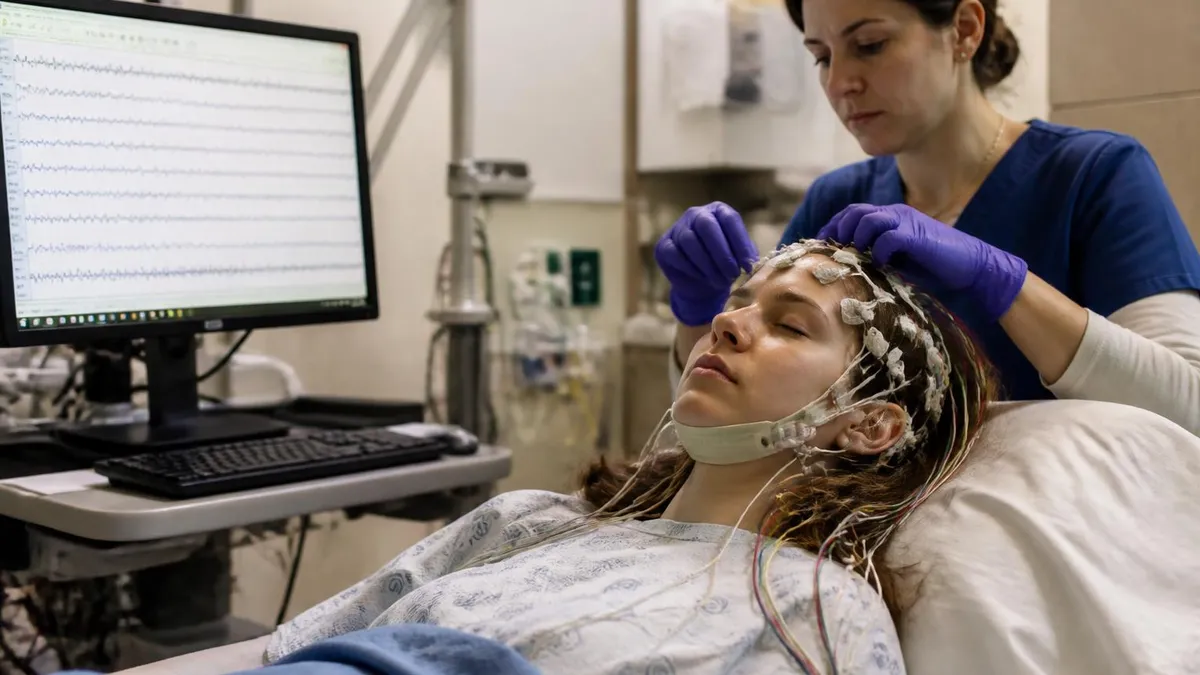
EEG Tech School Program Pathways
The fastest route, usually 12 to 18 months. Focused entirely on neurodiagnostics, ideal for career changers or those who already hold a healthcare credential and want a targeted, hands-on entry into EEG work.
A two-year path combining EEG coursework with general education and broader clinical training. It opens doors to supervisory roles and bridges easily into evoked potentials or sleep technology specializations later.
Some hospitals still train techs internally, pairing new hires with experienced staff. It is shrinking as employers increasingly prefer accredited graduates and the R. EEG T. credential for new positions.
Programs accredited through CAAHEP and reviewed by CoA-NDT meet national standards. Graduating from one streamlines certification eligibility and signals quality to hiring managers across hospital systems nationwide.
Admission to eeg tech school is more accessible than many clinical programs, but requirements still vary by school and pathway. Certificate programs typically ask for a high school diploma or GED, while associate degree tracks layer in college prerequisites such as anatomy and physiology, medical terminology, and college-level math or English. A few competitive programs require CPR certification, a criminal background check, immunization records, and a drug screen before you ever touch a clinical site, since you will work directly with vulnerable patients.
Most schools value people skills as much as transcripts. During interviews, admissions staff look for patience, attention to detail, and genuine comfort talking with nervous patients. Remember that part of your future job is explaining what is eeg test to a frightened parent or an elderly patient. Programs sometimes ask applicants to shadow a working tech first, which is excellent advice regardless: a half-day in an epilepsy monitoring unit tells you more about the career than any glossy brochure ever could.
Prerequisite coursework deserves real attention because it appears again and again on certification exams. Neuroanatomy, the 10-20 electrode placement system, basic electronics, and instrumentation form the backbone of every program. You will measure a patient's head, calculate electrode positions, and learn why a poorly placed electrode produces artifact that can mimic genuine pathology. Schools that emphasize this groundwork early tend to produce graduates who pass their boards on the first attempt, so ask programs directly about their first-time pass rates.
Financial planning matters too. Tuition ranges widely, from a few thousand dollars at community colleges to well over twenty thousand at private institutions. Factor in textbooks, lab fees, background checks, immunizations, and the cost of the credentialing exams themselves. Many students misjudge the budget the same way patients misjudge an eeg test price, assuming one flat number when the real total includes several add-ons. Investigate scholarships, employer tuition reimbursement, and federal aid early, because hospitals frequently sponsor employees willing to commit to a service period afterward.
Clinical placement is the heart of the program and often the deciding factor when choosing a school. You need supervised hours recording real patients, not just classroom simulations. Strong programs maintain partnerships with hospitals, neurology clinics, and sleep labs so every student logs the required clinical experience. Before enrolling, ask exactly how many clinical hours are guaranteed, whether placements are arranged for you, and how far you might have to travel. Weak clinical pipelines are the most common reason students stall before graduation day.
Finally, consider scheduling and format honestly against your life. Some programs run full-time during business hours, which is hard if you currently work; others offer evening, weekend, or hybrid online didactic content paired with in-person labs. Online components can cover theory effectively, but EEG is fundamentally a hands-on craft, so be skeptical of any program promising you can become a competent tech entirely online. The electrode application, troubleshooting, and patient rapport simply cannot be learned through a screen alone, no matter how polished the videos are.
What Is an EEG Test? Patient Questions You Must Master
Patients constantly ask how long is an eeg test, and your answer depends on the study type. A routine outpatient EEG involves roughly twenty to forty minutes of actual recording, but plan for sixty to ninety minutes total once setup, electrode application, and removal are included. Sleep-deprived EEGs add time because the patient must drift off during the recording, and the cap setup alone can take fifteen careful minutes.
Extended studies stretch much longer. Ambulatory EEG sends the patient home wearing a recorder for twenty-four to seventy-two hours, while inpatient epilepsy monitoring can run several days to capture infrequent seizures. As a tech, you learn to set expectations clearly so nobody is surprised, because a patient who expects ten minutes and faces a two-hour appointment becomes restless, and restlessness creates movement artifact in your recording every single time.
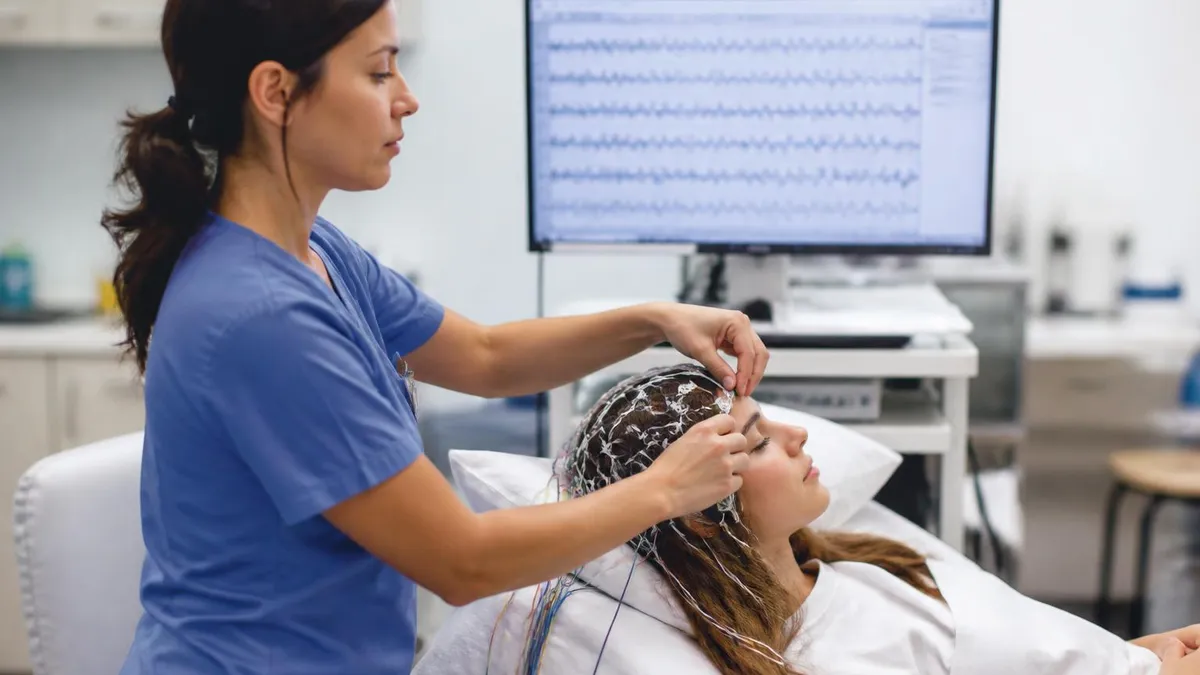
Is an EEG Tech Career Right for You?
- +Short training path: enter the field in one to two years
- +Solid median pay around $58K with room to grow
- +Strong, growing demand across hospitals and clinics
- +Hands-on, meaningful patient contact every shift
- +Clear advancement into long-term monitoring and evoked potentials
- +Predictable schedules in many outpatient settings
- +Lower student debt than nursing or imaging degrees
- −Night and weekend shifts in epilepsy monitoring units
- −Emotionally heavy when working with seriously ill patients
- −Detailed, repetitive electrode application can strain hands
- −Certification exams require serious, sustained study
- −Continuing education needed to keep credentials active
- −Limited remote work since the job is physically hands-on
EEG Tech School Pre-Enrollment Checklist
- ✓Confirm the program is CAAHEP-accredited and reviewed by CoA-NDT
- ✓Verify guaranteed clinical placement hours before you enroll
- ✓Complete required prerequisites like anatomy and medical terminology
- ✓Obtain current CPR or BLS certification
- ✓Pass the required criminal background check
- ✓Update immunization records and complete any drug screen
- ✓Shadow a working EEG tech for at least a half day
- ✓Budget for tuition, lab fees, and credentialing exam costs
- ✓Research scholarships and employer tuition reimbursement options
- ✓Ask the program about its first-time board pass rate
Accreditation drives your eligibility
Graduating from a CAAHEP-accredited, CoA-NDT-reviewed program is the single biggest factor in qualifying for the R. EEG T. credential without extra work-experience hurdles. Before paying any tuition, confirm accreditation in writing. It directly shapes your certification path, your hireability, and your starting salary.
Certification is what transforms a graduate into a credentialed professional, and in electroneurodiagnostics the gold standard is the R. EEG T., the Registered EEG Technologist credential issued by ABRET Neurodiagnostic Credentialing and Accreditation. Earning it signals to employers that you have mastered both the theory and the practice of recording high-quality studies. Many hospitals now list the R. EEG T. as required or strongly preferred for new hires, so treating certification as optional is a costly mistake for anyone serious about the field.
The path to the R. EEG T. has two parts. First you sit for a written board examination covering neuroanatomy, instrumentation, the 10-20 system, normal and abnormal patterns, activation procedures, and patient safety. Then you complete a practical evaluation, historically through a written practical exam plus documented competencies, demonstrating that you can apply electrodes, troubleshoot artifact, and recognize key waveforms. Eligibility hinges on your education and clinical experience, which is exactly why accredited programs simplify the journey so dramatically for graduates.
Preparation should start well before graduation. The most successful candidates treat board prep like a course of its own, working through question banks, reviewing sample recordings, and drilling pattern recognition until epileptiform spikes, sleep spindles, and posterior dominant rhythm become instantly familiar. This is where practice questions earn their keep. Repeatedly answering items on abnormal epileptiform patterns, activation procedures, and ambulatory monitoring rewires your recall so that under exam pressure the answers surface quickly, automatically, and without second-guessing yourself into the wrong choice.
Beyond the entry credential, ambitious techs pursue specialty certifications that open new roles and higher pay. The CLTM credential focuses on long-term monitoring, vital in epilepsy units and intensive care, while the CNIM certifies intraoperative neuromonitoring, where techs help protect the nervous system during surgery. Evoked potentials and sleep technology offer further specialization. Each additional credential broadens your scope, deepens your expertise, and meaningfully increases your market value as your career matures steadily over the years.
Maintaining certification requires continuing education, so the learning never truly stops. ABRET credentials operate on renewal cycles that demand documented continuing education units, ensuring techs stay current with evolving equipment, digital EEG systems, and best practices. Build the habit of attending conferences, completing online modules, and reading journals from day one. Employers often cover these costs, and the techs who treat lifelong learning as routine rather than a chore are the ones who advance into lead, educator, and laboratory management positions.
It is worth understanding how EEG fits among related diagnostics, because patients and even new colleagues confuse the tests constantly. An EEG records brain activity, while an ECG or EKG records the heart, and mixing them up is a classic beginner error. Knowing the differences makes you a sharper professional and a clearer communicator, so review how these studies compare, what each measures, and why the abbreviations cause so much confusion among patients and staff alike in busy clinical settings every day.
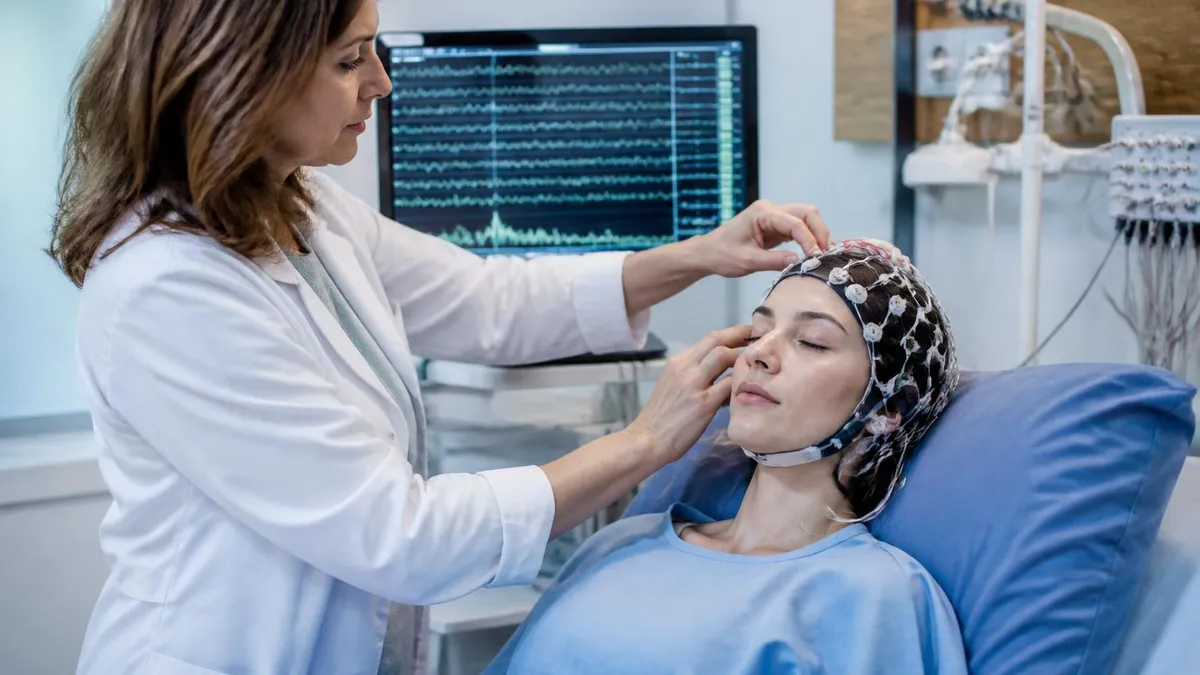
ABRET sets specific education and clinical-experience requirements before you can sit for the R. EEG T. board exam. Graduating from a non-accredited program can mean accumulating extra documented work hours first. Confirm your exact eligibility category early so you are not blindsided after graduation.
The financial picture for EEG techs is genuinely encouraging, especially given the short training timeline. National figures place the median salary for electroneurodiagnostic technologists in the high fifties of thousands of dollars annually, with experienced and credentialed techs in high-demand regions earning well into the seventies and beyond. Compared with the cost of eeg tech school relative to nursing or imaging programs, the return on investment is strong, and many graduates recoup their tuition within the first year or two of working.
Geography shapes pay significantly. Metropolitan areas and states with high costs of living, large hospital systems, and concentrated specialty care tend to pay the most, while rural settings may offer less but with lower competition and faster advancement. Specialty credentials shift the numbers further: a tech with CLTM or CNIM certification working in long-term monitoring or the operating room commands a clear premium over an entry-level tech running routine outpatient studies in a general neurology clinic all day.
Demand is the part that makes this career feel secure. The Bureau of Labor Statistics projects faster-than-average growth for neurodiagnostic occupations, driven by an aging population, rising rates of epilepsy diagnosis, expanding sleep medicine, and the increasing use of continuous EEG in critical care. Hospitals routinely struggle to fill these roles, which strengthens your negotiating position and frequently leads to sign-on bonuses, tuition reimbursement, and flexible scheduling for qualified, credentialed candidates entering the workforce right now.
The settings you can work in are more varied than most newcomers expect. Beyond the obvious hospital neurology department, EEG techs staff epilepsy monitoring units, sleep laboratories, pediatric centers, intensive care units, surgical suites for intraoperative monitoring, and outpatient neurology clinics. Some experienced techs move into mobile and ambulatory services, traveling to patients' homes or nursing facilities. Each environment carries a different pace, patient population, and skill emphasis, letting you steer your career toward whatever genuinely suits your temperament best.
Career advancement opportunities reward those who keep building skills. A new tech typically starts running routine studies, then progresses to long-term and ambulatory monitoring, then perhaps into intraoperative neuromonitoring or a specialty like evoked potentials. From there, paths open into lead technologist, clinical educator, laboratory supervisor, and department management roles. Some techs leverage their clinical foundation toward becoming neurodiagnostic program instructors or applications specialists for the equipment manufacturers whose systems they have mastered over years of daily use.
Job satisfaction in this field tends to run high, and for good reason. Techs describe meaningful patient relationships, intellectually engaging pattern recognition, and the quiet pride of producing a recording that helps a neurologist diagnose a treatable condition. The work blends technology and human care in a way that few healthcare roles match at this level of training. For people who want clinical impact without a decade of schooling, EEG technology delivers a rare and durable combination of accessibility, stability, and genuine purpose.
With the big picture in place, here is the practical advice that helps students actually succeed once enrolled. First, master the 10-20 electrode placement system until you can measure a head and locate every position from memory. This single skill underpins everything else, because sloppy placement corrupts your data and will absolutely cost you points on the practical exam. Drill it on classmates, on willing family members, and on training mannequins until the measurements feel effortless and your hands move automatically through the entire sequence.
Second, learn to recognize artifact early and obsessively. New techs panic when they see strange-looking activity, but much of it is artifact from muscle tension, eye blinks, sweat, electrode pop, or nearby electrical equipment. Distinguishing genuine cerebral activity from these intrusions is one of the most valuable skills you can develop, and it separates competent techs from struggling ones. Build a mental library of what each artifact looks like so you can fix the source rather than chase a phantom abnormality across the screen.
Third, never neglect patient rapport, because the calmest patients yield the cleanest recordings. A tense, frightened patient tenses muscles, fidgets, and floods your trace with artifact. Spend the opening minutes explaining the procedure warmly, answering questions about how long is an eeg test and whether it will hurt, and you will literally improve your data quality. The soft skills are not separate from the technical work; in EEG they are inseparable and directly determine the diagnostic value of every single study you record.
Fourth, embrace question-bank study from the very first semester rather than cramming before boards. Spaced, repeated practice on epileptiform patterns, activation procedures, and ambulatory monitoring builds durable recall that survives exam-day pressure far better than last-minute cramming ever could. Treat each practice quiz as diagnostic, noting which topics you miss and circling back to them until they are solid. The techs who pass on the first attempt almost universally describe consistent, ongoing practice as the decisive factor in their success.
Fifth, document your clinical competencies meticulously as you complete them. Certification eligibility and many employers require proof of specific procedures performed under supervision, and a disorganized record can stall your application for months. Keep a clean, dated log of every study type you assist with and every competency a supervisor signs off, and back it up digitally. Future you, sitting down to apply for the R. EEG T., will be enormously grateful for the discipline you showed today.
Finally, start networking before you graduate. Your clinical rotations are extended job interviews, so treat every site like a potential employer: arrive early, ask thoughtful questions, and learn names. Many EEG techs land their first position at a site where they trained, simply because the staff already trust their work and work ethic. Join professional organizations like ASET, attend a conference if you can, and connect with working techs who can mentor you and alert you to openings long before they are ever posted publicly.
EEG Questions and Answers
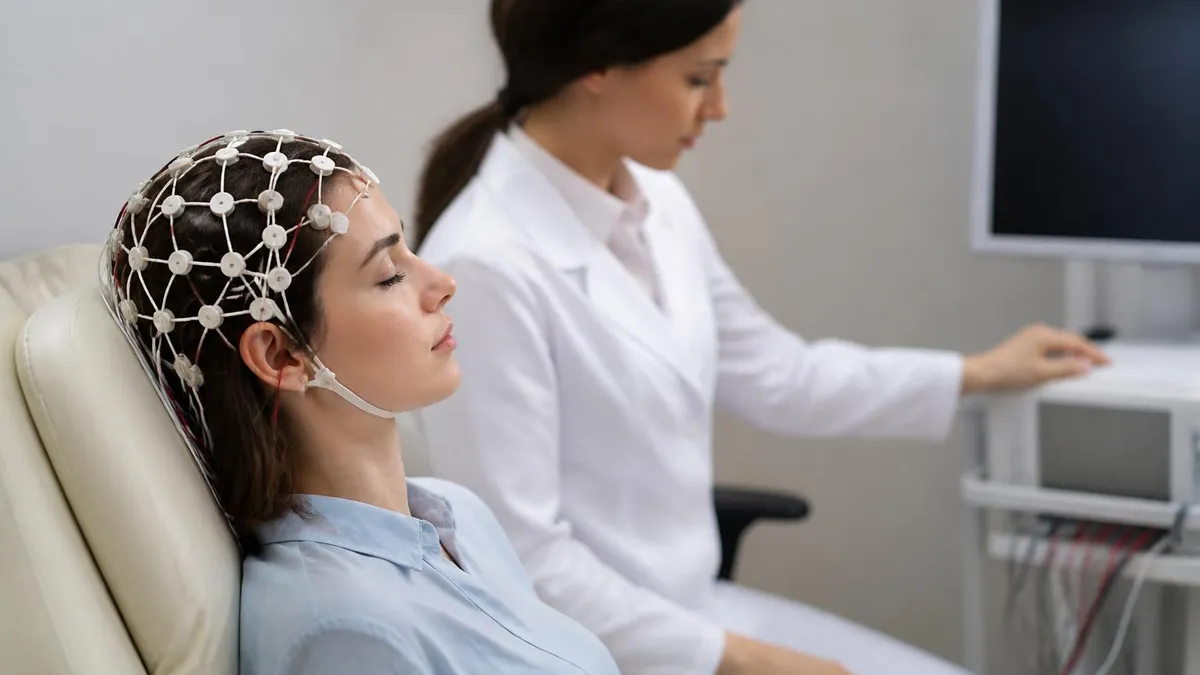
EEG vs ECG vs EKG: Brain and Heart Test Differences
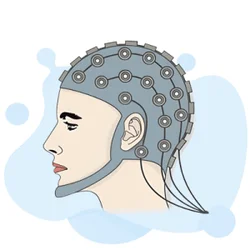
EEG Electroencephalography Practice Test PDF (Free Printable 2026)
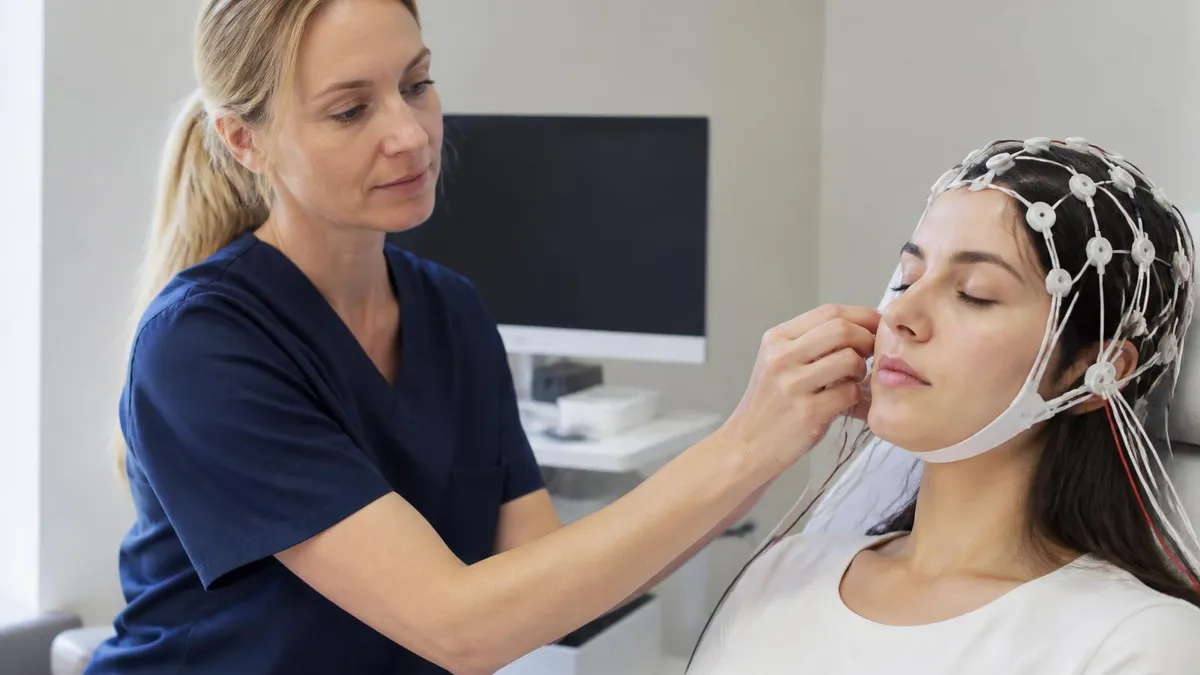
EEG Test Price: How Much Does an EEG Cost in 2026?
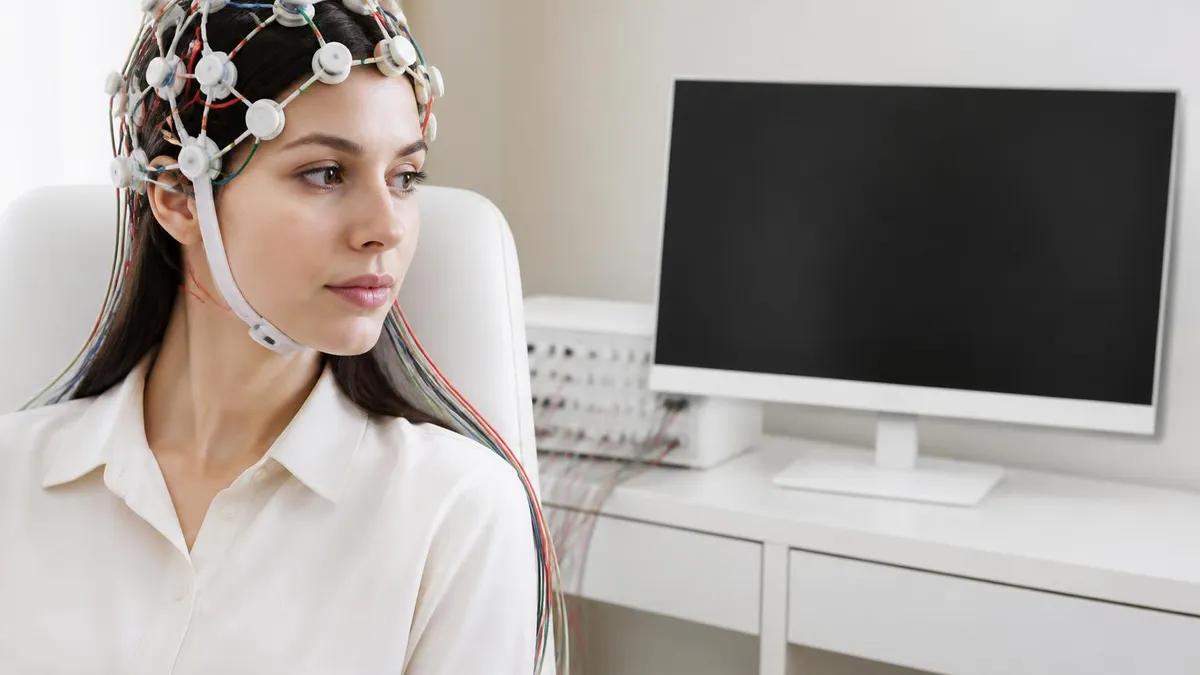
EEG Images: A Visual Guide to Brain Wave Patterns, Recordings, and Test Results
What Does an EEG Measure? Brain Waves, Electrical Activity, and What Your Results Reveal
About the Author

Educational Psychologist & Academic Test Preparation Expert
Columbia University Teachers CollegeDr. Lisa Patel holds a Doctorate in Education from Columbia University Teachers College and has spent 17 years researching standardized test design and academic assessment. She has developed preparation programs for SAT, ACT, GRE, LSAT, UCAT, and numerous professional licensing exams, helping students of all backgrounds achieve their target scores.