
How to Get a Cancellation Driving Test: The Complete UK Guide to Finding Earlier Slots in 2026 September
How to get a cancellation driving test in the UK — find earlier slots, use alert tools & book fast. Save weeks of waiting. ✅
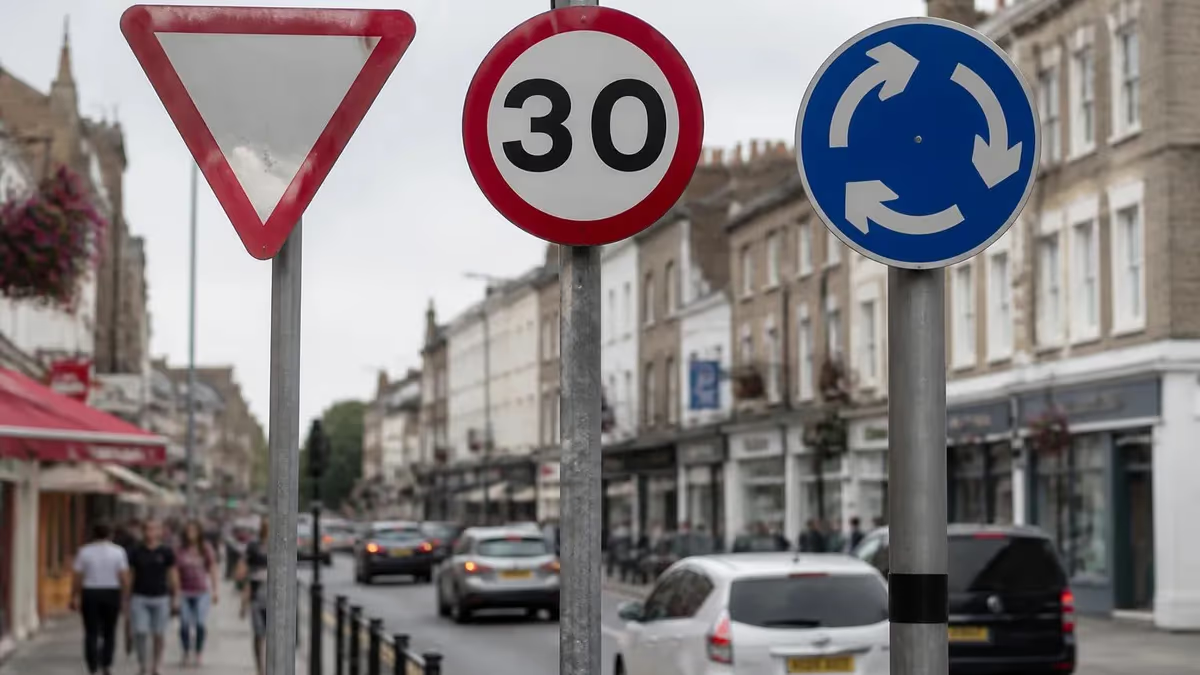
Learning how to get a cancellation driving test is one of the most valuable skills a UK learner driver can develop. Waiting times for practical driving tests have stretched to 20 weeks or more at many DVSA test centres since 2022, leaving thousands of candidates stuck in limbo even after they feel fully test-ready.
A cancellation slot is exactly what it sounds like: a booking that another candidate has released, creating a gap in the schedule that you can snap up — sometimes at just a day or two's notice. Understanding this system can slash your wait from months to days.
The good news is that cancellations appear every single day across all DVSA test centres in England, Scotland, and Wales. People cancel for many reasons — illness, holiday clashes, a last-minute change of instructor, or simply cold feet. Each time they release their booking, that slot goes back into the pool on the DVSA booking portal, and the first person to spot it and confirm payment wins the date. Speed and persistence are everything in this process, and knowing exactly how the system works puts you at a serious advantage.
Before you can chase a cancellation, you must already hold an active theory test pass certificate and have a practical test booking in place. The DVSA does not allow you to book a practical test unless your theory certificate is valid — it expires two years from the date of your pass. If your certificate is about to lapse, address that first. You can explore guidance on how to get cancellation driving test preparation alongside pass mark requirements to make sure every element of your licence journey is on track before you begin hunting for earlier slots.
Many candidates assume cancellation hunting is a matter of luck, but that is only partially true. There is genuine technique involved: knowing which test centres release the most cancellations, what time of day slots tend to appear, which third-party alert services are worth using, and how to confirm a new booking without accidentally losing your existing one.
Each of these factors can make the difference between waiting a few more days and waiting another three months. This guide covers all of them in detail so you can approach the process with a clear, methodical plan rather than refreshing a browser page at random.
It is also worth understanding the financial side from the outset. The DVSA charges £62 for a car practical test booked on a weekday and £75 for an evening, weekend, or bank holiday slot. When you take a cancellation, you are effectively transferring your existing booking to a new date, so you do not pay again — the fee you already paid moves with you. However, if you cancel outright without rebooking, you may lose your fee depending on notice given. Understanding the rules around rebooking versus cancellation protects your money throughout this process.
The volume of cancellations across the UK is genuinely significant. At peak times — particularly January and September — test centres across England release hundreds of returned slots per day. Popular urban centres like Birmingham, Manchester, and London tend to have the highest turnover simply because more people are booked there. More remote centres have fewer slots but also fewer hunters competing for them. Knowing your local landscape and branching out to nearby centres can open up far more opportunities than staying tied to a single location.
This guide walks you through every stage: setting up your account, using the official DVSA portal effectively, leveraging reputable cancellation alert services, preparing so you can accept a slot at 24 hours' notice, and avoiding the common pitfalls that cause candidates to miss slots or lose money. Whether you are six weeks away from your existing test date or six months away, the strategies here apply — and the sooner you start, the better your chances of getting behind the wheel and earning your licence ahead of schedule.
DVSA Cancellation Tests by the Numbers
Step-by-Step: How to Get a Cancellation Driving Test
Pass Your Theory Test and Book a Practical
Log Into the DVSA Booking Portal Daily
Set Up a Reputable Third-Party Alert Service
Confirm the New Slot Immediately
Notify Your Instructor and Prepare for Short Notice
Attend and Ace Your Earlier Test
The DVSA's official booking portal is your primary tool for finding cancellation slots, and understanding how to use it efficiently is the foundation of any successful search. Navigate to gov.uk and search for 'book a driving test.' Log in using your driving licence number and your existing booking confirmation number. From the 'manage your test' section, choose 'change your test date.' This action opens a calendar view showing all available slots at your selected test centre, including any that have been recently returned by other candidates. The interface is straightforward, but speed matters enormously.
The most productive times to check the DVSA portal are first thing in the morning between 6 am and 8 am, during lunchtime between 12 noon and 1 pm, and late in the evening between 9 pm and 11 pm. These windows align with when people are most likely to log in and cancel their bookings — before work, on a break, or in the evening after reconsidering their plans.
Checking at random points during the working day is less effective because fewer cancellations are released at those times. Build these check-ins into your daily routine as fixed habits rather than sporadic impulses.
Third-party cancellation alert services work by using automated bots to query the DVSA portal at intervals of a few seconds and notify you by SMS or push notification when a matching slot appears. The most established UK services include Find Me A Driving Test, Driving Test Cancellations 4 All, and DVSA Slot Finder. These services typically charge between £4 and £25 depending on the level of coverage and speed of notification. Most serious cancellation hunters consider this a worthwhile investment given that a successful earlier test date can save weeks or even months of additional instructor fees and insurance costs.
When configuring an alert service, be strategic about your settings. Select all test centres within a reasonable travel distance — usually a 30 to 45-minute drive — rather than locking in a single location. A slot at a slightly less convenient centre is far better than waiting another two months at your preferred one.
Set your date range to accept any slot up to your current test date, and enable notifications at all hours, including overnight. Some candidates set their phone notification sound to maximum so a 2 am alert wakes them — and that level of commitment does pay off for those willing to make it.
One critical point that many candidates miss: when you use the 'change test date' function on the DVSA portal, your original booking remains in place until you actively confirm the new date. You can browse available slots without commitment.
This means you can check dozens of potential dates, compare them with your instructor's availability, and only confirm when you have found a slot that genuinely works. Do not feel pressured to grab the first slot you see if it conflicts with commitments that cannot be moved — but equally, do not take so long to decide that someone else claims the slot while you deliberate.
It is also worth knowing that the DVSA releases a batch of new test slots six months in advance every week, typically on Wednesdays around 6 am. Setting a reminder for these weekly releases allows you to compete for fresh standard bookings in addition to cancellations, effectively doubling your opportunities. Many candidates who started their search looking only for cancellations have successfully nabbed a far-sooner standard slot by being awake and ready on Wednesday mornings. Combining both strategies — cancellation hunting throughout the week and fresh-slot hunting on Wednesdays — gives you the maximum possible coverage.
Finally, always keep a written note or screenshot of your current booking details before attempting to change your date. Mistakes on the portal are rare but possible, and having your original booking reference gives you something to take to the DVSA if a technical issue arises. The DVSA customer service line can sometimes resolve booking problems, but it is considerably harder to get help if you cannot provide your original confirmation number. A small organisational step at the start saves significant stress later in the process.
Cancellation Test Strategies: By Location, Timing, and Budget
Urban test centres such as Birmingham Kingstanding, Manchester Cheetham Hill, and London Henlys Corner generate the highest volume of cancellations simply because they have the most bookings. However, they also attract the most hunters, meaning slots disappear fastest. Smaller suburban centres like Wolverhampton, Salford, and Enfield often offer a better balance: a reasonable number of returning slots with less competition from other candidates and alert services.
Candidates willing to travel 45 minutes or more open up significantly more options. A learner based in central Manchester, for example, might expand their search to include Bury, Rochdale, Stockport, and Altrincham simultaneously. Each extra centre added to an alert service's tracking list multiplies the opportunities. If passing your test quickly is the priority, flexibility on location is the single most powerful lever you can pull in this process.

Cancellation Driving Tests: Advantages and Drawbacks
- +Dramatically reduces your wait from months to days or weeks, letting you pass and drive sooner
- +No additional DVSA fee required — your existing payment simply transfers to the new date
- +Passes obtained via cancellation are identical to standard bookings — no difference on your licence
- +Motivates more intensive preparation as the test date is imminent and the opportunity feels earned
- +Reduces total lesson costs by shortening the overall duration of your learning period
- +Teaches flexibility and proactive planning skills that serve you well beyond the driving test itself
- −Slots can appear with as little as 24 to 48 hours' notice, which may not suit all schedules
- −Your driving instructor may not be available at short notice for a final pre-test lesson
- −Repeated checking of the portal or managing alert services takes time and mental energy
- −Third-party alert services carry a cost that not all learners can or want to absorb
- −Risk of accepting a slot too early if you are not yet fully ready, potentially failing unnecessarily
- −High-demand centres see slots disappear in seconds, causing repeated near-misses and frustration
Complete Cancellation Test Checklist: Everything to Do Before You Hunt
- ✓Pass your theory test and confirm your certificate is valid for at least two more months
- ✓Book any available practical test slot to obtain a booking reference number
- ✓Log into the DVSA portal and familiarise yourself with the 'change test date' function
- ✓Set the DVSA portal to search all test centres within 45 minutes of your home
- ✓Register with at least one reputable third-party cancellation alert service
- ✓Configure alert notifications for all hours including overnight and early morning
- ✓Discuss your cancellation-hunting plan with your driving instructor so they know to expect short-notice requests
- ✓Prepare all required test documents — provisional licence, theory certificate, and glasses if needed — in one place
- ✓Memorise or securely save your DVSA login credentials for instant access when a slot appears
- ✓Set a Wednesday 6 am reminder to check the DVSA portal for the weekly release of new standard slots
Cancellations Peak on Mondays and in the Early Morning
Data from third-party alert services consistently shows that the highest volume of driving test cancellations are released on Monday mornings between 6 am and 9 am, and again late on Sunday evenings. Setting your alert service to maximum sensitivity and manually checking the DVSA portal during these specific windows dramatically increases your chances of securing a slot compared to checking at random times during the day.
One of the most common mistakes candidates make when hunting for cancellation driving tests is being too rigid about their preferences. Many learners set their search to a single test centre and a narrow date range, then wonder why weeks pass without a suitable slot appearing.
The reality is that the DVSA system is competitive and dynamic, and the candidates who succeed fastest are those who treat their criteria as a starting point rather than a fixed rule. Expanding your radius, your acceptable dates, or your willingness to take a weekday slot can transform a fruitless search into a booking within 48 hours.
Another frequent error is failing to check the DVSA portal after setting up an alert service. Alert services are excellent tools, but they are not infallible. Technical glitches, SMS delivery failures, and brief gaps in monitoring can all cause a notification to be delayed or missed. Candidates who rely solely on alerts without periodically checking the portal manually are exposed to these failure modes. A disciplined dual-method approach — alerts plus two or three manual checks per day — provides redundancy that can make all the difference when the perfect slot appears.
A subtler mistake is hunting for a cancellation before you are genuinely ready to pass your test. It can feel exciting to grab an earlier date, but if your driving is not yet at test standard, an early slot simply means an early failure — and a failed test costs you both the fee and the time to rebook.
Be honest with yourself and your instructor about your readiness. A useful benchmark is whether you can complete a mock test route with your instructor and make no more than two or three minor faults. If you are still making serious or major faults regularly, invest another few weeks in lessons before intensifying your cancellation search.
Some candidates worry that accepting a cancellation slot will somehow affect how the examiner assesses them, or that the DVSA treats cancellation bookings differently. This is a misconception. From the examiner's perspective, every test is identical regardless of how the slot was booked.
The same marking criteria apply, the same documentation is required, and the same routes are used. A pass achieved through a cancellation booking is recorded in exactly the same way as any other pass — there is no asterisk, no annotation, and no difference to the licence you receive. The only thing that changes is how soon you get to experience the test.
Managing your instructor relationship during the cancellation period is also important and often overlooked. Instructors have packed schedules and may not always be available to give you a lesson or a mock test at 24 hours' notice. Have a frank conversation with your instructor early in the process: tell them you are actively hunting for cancellations and ask whether they can accommodate short-notice lessons.
Some instructors will block out time specifically for this purpose if you give them fair warning. Others may suggest a slightly longer daily lesson structure so that you are always fresh and well-drilled regardless of when the slot arrives.
Be aware of the rules around cancelling your existing booking if you decide to stop hunting. The DVSA requires at least 10 full working days' notice to cancel a test and receive a refund of your £62 fee. If you cancel with less than three days' notice, you forfeit your payment entirely.
If you simply do not attend your test without cancelling, you also lose your fee. Always use the DVSA portal to formally cancel or rebook — do not assume that inaction will be treated as a cancellation. Keeping track of your current test date and the cancellation deadline is essential financial hygiene throughout this process.
There is also the question of what happens after you fail a test — whether from a cancellation slot or a standard booking. You cannot immediately rebook another test. The DVSA requires a minimum of ten working days before you can sit the test again. During that ten-day period, cancellation slots are still appearing and being claimed by other candidates, so it is worth starting your search again almost immediately after a failed attempt.
The silver lining of a failed test is that you now have first-hand experience of the test format, the examiner's process, and the likely route — information you can use to target your preparation much more precisely for the next attempt.
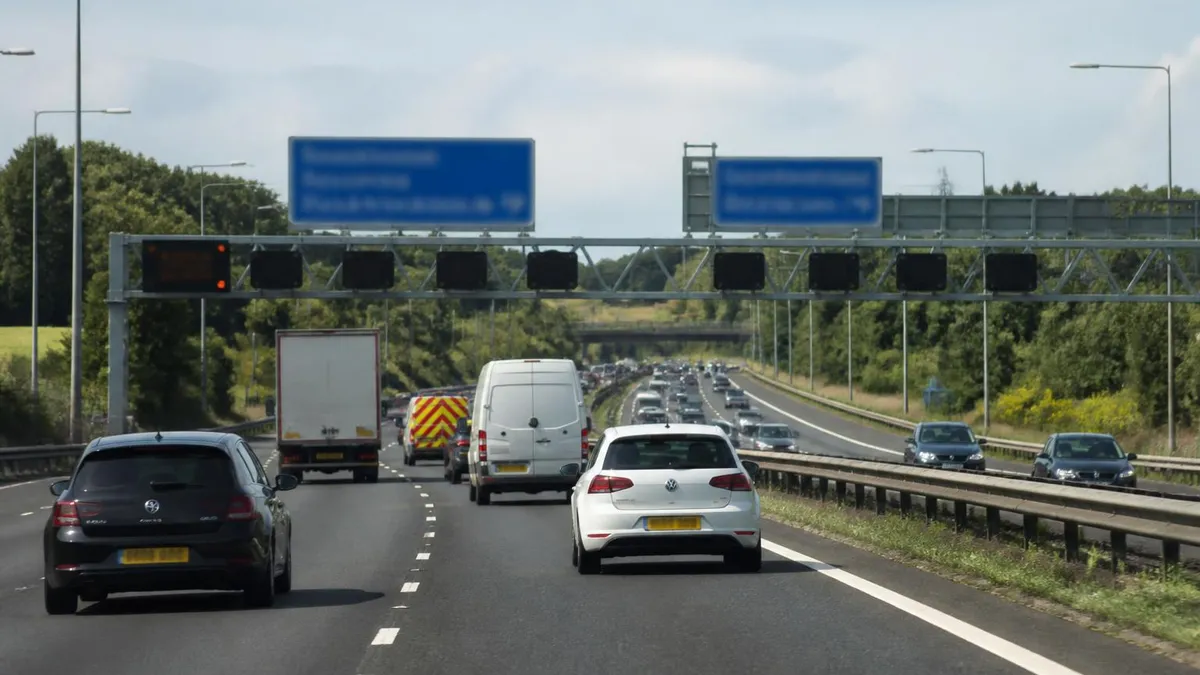
If you need to cancel your driving test for any reason, you must give the DVSA at least 10 full working days' notice to receive a full refund of your test fee. Cancelling with less notice — or simply failing to attend — means you forfeit the entire £62 weekday fee. Always cancel formally through the gov.uk portal, not by phone alone, and screenshot your cancellation confirmation as proof.
Preparing to pass your practical driving test at short notice is a genuine skill, and candidates who develop it put themselves in an enviable position throughout the cancellation hunting process. The key is maintaining what instructors call 'test readiness' — a state of consistent, confident, fault-free driving that does not depend on a final intensive revision push before the exam.
If you need a week of cramming to get to test standard, you are not yet test-ready, and accepting a 24-hour cancellation slot would be premature. Aim instead for a sustained period of clean mock tests before you begin seriously hunting cancellations.
Communication with your driving instructor becomes absolutely critical in the days following a cancellation booking. The ideal preparation for a short-notice test includes a full lesson the afternoon or morning before the exam, ideally covering the area around the test centre to familiarise yourself with local road layouts, speed limits, and known hazard points. Many test centres have characteristic routes that your instructor will know well — a brief tour of these roads the day before dramatically reduces the likelihood of being surprised by an unfamiliar junction or roundabout layout during the actual test.
Sleep and mental preparation matter as much as driving skill in the final 24 hours before a test. Research into performance psychology consistently shows that candidates who sleep well the night before an exam — driving test or otherwise — perform measurably better than those who stay up worrying or over-preparing.
Set a firm bedtime, avoid alcohol entirely, and try to limit your consumption of caffeinated drinks in the evening. In the morning, eat a proper breakfast, arrive at the test centre at least fifteen minutes early, and spend any waiting time doing calm, grounding breathing rather than anxiously reading revision materials.
Document preparation is another area where short-notice candidates sometimes stumble. The DVSA requires you to bring your photocard provisional driving licence to the practical test — no other form of ID is accepted. If you have lost your provisional licence or it has expired, you will not be permitted to take the test regardless of your booking status, and your fee will be forfeited.
If you are actively hunting cancellations, ensure your provisional licence is valid and physically accessible right now, not just when you think a test date is imminent. This single step eliminates one of the most avoidable test-day disasters.
Consider also what happens if you accept a cancellation slot and then have to cancel it yourself due to illness or a genuine emergency. The same 10-full-working-day rule applies. If you fall ill the night before your cancellation test, telephone the DVSA immediately the following morning and explain the situation.
While the standard policy is that fees are not refunded for late cancellations, the DVSA does have a discretionary process for genuine medical emergencies — particularly if you can provide evidence. Acting quickly and communicating clearly gives you the best chance of recovering your fee or having the slot transferred to a new date.
After passing your driving test — whether via a cancellation or a standard booking — the process of obtaining your full licence is straightforward. Your examiner will issue a pass certificate on the day, and you can drive unaccompanied immediately. The DVSA will send your full photocard licence by post within three weeks. In the meantime, keep your pass certificate safe as it serves as proof of your entitlement to drive. You can also apply online to speed up the delivery of your full licence if you need it sooner for employment or insurance purposes.
The broader lesson of the cancellation driving test process is about proactive engagement with bureaucratic systems that can otherwise feel entirely out of your control. Rather than passively waiting for an assigned date months away, candidates who research their options, use available tools intelligently, and maintain readiness consistently are able to take command of their own timeline. That same quality — the willingness to research, plan, and act decisively — will serve you well as a newly qualified driver navigating insurance quotes, vehicle maintenance schedules, and all the other practicalities of life on the road.
Once you have secured a cancellation slot, one of the smartest things you can do is research the specific test centre you will be attending. Every DVSA test centre has its own characteristics: the parking arrangements, the layout of the waiting room, the typical routes examiners use, and the local road features most likely to appear in your test. Websites run by driving instructors who work in that area, as well as forums like the DVSA Theory Test subreddit and Learner Driver communities on Facebook, often contain detailed route information and first-hand accounts from recent candidates.
Knowing the likely test routes in advance is not cheating — it is intelligent preparation. The DVSA does not publish official routes, but they are largely consistent at any given centre and well-documented by experienced local instructors. If your usual instructor does not teach in the area of your cancellation test centre, it may be worth booking a single lesson with a local instructor who knows the routes well.
An hour's lesson in the right area with an instructor who can point out the examiner's favourite observation spots, tricky junctions, and speed limit changes is an investment that frequently pays for itself in saved retake fees.
Your mindset on test day deserves more attention than most learner resources give it. Many candidates who fail their driving test — including those who are technically competent — cite nerves as a significant factor. Nervousness is normal and even beneficial in small doses, as it sharpens concentration and reaction speed.
The problem arises when anxiety tips into panic, causing candidates to hesitate at junctions, second-guess safe decisions, or rush manoeuvres they would normally perform without difficulty. Developing a pre-test routine that calms your nervous system — a short walk, slow breathing exercises, or a brief mindfulness practice — can have a genuine positive effect on test-day performance.
After passing, many new drivers underestimate the value of continuing to develop their skills beyond the minimum required for the test. The DVSA's Pass Plus scheme offers six hours of additional training covering motorways, night driving, rural roads, dual carriageways, all-weather driving, and town driving in challenging conditions. While Pass Plus no longer attracts a universal insurance discount from all providers, some insurers do still offer reductions, and the genuine skill development it provides reduces the risk of collision in the first year of driving — the highest-risk period for any new driver by a significant statistical margin.
For candidates who are not yet ready to hunt cancellations but are preparing for their test, maintaining regular theory practice throughout the waiting period is essential. Theory knowledge underpins every decision you make during the practical test — understanding road markings, right of way rules, stopping distances, and hazard awareness is not just for the written exam.
Examiners expect practical test candidates to demonstrate an understanding of the rules of the road through their decisions, not just their mechanical control of the vehicle. Letting your theory knowledge slide during a long wait for a test date is a genuine risk that disciplined candidates actively avoid.
The interaction between your practical test preparation and your theory knowledge is something many learner resources treat as separate tracks, but they are deeply connected. When you encounter a complex junction during your practical test and the examiner is watching whether you yield correctly, your response is grounded in your theoretical understanding of priority rules.
When you approach a pedestrian crossing that changes as you near it, your correct response draws on your knowledge of crossing types and the rules governing each. Keeping both dimensions sharp — practical driving skills and theoretical road knowledge — through your entire learning period, including the cancellation hunting phase, is the hallmark of a candidate who passes first time.
Finally, remember that persistence is the defining factor in successful cancellation hunting. The candidates who fail to find an earlier slot are usually those who check sporadically, use only one method, or give up after a week of near-misses.
Those who succeed treat the search as a structured daily task, use redundant tools and methods, stay flexible on location, and remain mentally and practically ready to accept a slot at short notice. Follow the strategies in this guide consistently, keep your skills sharp, and an earlier test date is genuinely within reach — often within two to four weeks, even at the busiest test centres in the UK.
DVSA Questions and Answers
UK Theory Test Pass Mark: Car, Bike, LGV, PCV & ADI Scores

Free Theory Test App: The Complete UK Guide to Choosing, Using and Passing With Mobile Practice in 2026

Cancelling Driving Test: The Complete UK Guide to Refunds, Rebooking and Avoiding Lost Fees in 2026
Book Practical Driving Test: How to Pass Your DVSA Exam First Time
Theory Test Certificate: Complete UK Guide to Passing and Using Your DVSA Pass Letter in 2026
About the Author
Licensed Driving Instructor & DMV Test Specialist
Penn State UniversityRobert J. Williams graduated from Penn State University with a degree in Transportation Management and has spent 20 years as a certified driving instructor and DMV examiner consultant. He has personally coached thousands of applicants through written knowledge tests, skills assessments, and commercial driver licensing programs across more than 30 states.