
Revive Rescue CPR Reviews: How to Judge CPR Training Providers, ACLS Algorithm Courses, and Life Support Classes
🎯 Revive Rescue CPR reviews decoded: how to judge CPR training providers, AHA vs other cards, ACLS, PALS, infant CPR, and AED skills before you pay.

Searching for revive rescue cpr reviews usually means you are about to spend money and a Saturday on a certification card, and you want proof the class is real. That instinct is sound. A weak course can leave you with a card your employer rejects, or with hands that never touched a manikin. This guide shows how to read cpr training reviews critically, from basic CPR to the acls algorithm, so your time and money count.
A quick caution on names. I could not verify a large body of independent, current reviews for any single provider called Revive Rescue CPR, so this article does not quote star ratings or invent testimonials. Instead it teaches the method: where to look, which comments carry weight, and which red flags justify walking away. Apply that method to any provider you are considering, and confirm every detail with the provider and your employer before paying.
Search results for CPR also get muddy. When you read reviews, confirm the page is about the training business you mean, in your city, and that the comments describe a class, an instructor, and a card.
Why does this matter so much? In the United States roughly 350,000 people have an out-of-hospital cardiac arrest each year, and survival hovers near 10 percent. Immediate bystander CPR can double or triple the odds. Your class is not paperwork. It builds the muscle memory to push hard and fast on a stranger's chest in a grocery store. A review that praises the snacks but never mentions manikin practice tells you very little about that outcome.
Training also comes in tiers. Basic CPR and AED courses suit teachers, coaches, and parents. Basic Life Support, usually called BLS, suits healthcare workers. Advanced courses such as ACLS and pals certification build on BLS and assume you can already perform high-quality compressions. Reviewers often mix these up, giving one star because a lay-rescuer class did not satisfy a hospital requirement. Reading reviews well means noticing which course the reviewer took and why they needed it.
Accreditation is the other half of the picture. The American Heart Association and the American Red Cross publish their own curricula and issue cards through authorized training centers. Other organizations, including the national cpr foundation, offer online courses and cards that many workplaces accept for non-clinical roles but some healthcare employers refuse. A glowing review means little if the card is not accepted where you work. Ask your employer or licensing board which cards they recognize before you book.
Finally, remember that reviews are one input, not a verdict. Combine them with the provider's published course outline, instructor credentials, class size, equipment ratio, and refund policy. The sections below walk through the numbers, the red flags, the typical course types, and a checklist you can use in ten minutes. By the end you should be able to compare Revive Rescue CPR, or any competitor, on equal footing and choose with confidence.
CPR Training by the Numbers
A Four-Step Method for Reading CPR Training Reviews
Before reading a single star rating, find out whose curriculum the provider teaches. AHA, Red Cross, and other recognized programs issue cards through authorized centers. Ask for the training center ID and verify it, because a friendly review cannot fix an unrecognized card.
Three-star and four-star reviews tend to be the most honest. They mention specifics such as class size, late starts, and rushed skills tests. Use them to judge real teaching quality instead of relying on extreme praise or anger.
Strong reviews describe manikin practice, instructor corrections, AED drills, and a skills test. If reviewers mention only videos and quick sign-offs, expect a card but little confidence. Hands-on minutes are the real product you are buying.
Contact your employer, school, or licensing board and ask which cards they accept. Get the answer in writing. Reviews that mention rejected cards deserve extra weight, since acceptance is the single most expensive thing to get wrong.
Start with the shape of the ratings rather than the average. A provider with 4.8 stars from 600 reviews over three years is far more believable than one with 5.0 from 14 reviews posted in a single week. Look at how recent the comments are, because instructors change, locations move, and policies shift. Sort by newest first and read at least the latest twenty entries before drawing any conclusion about quality.
Next, read the three-star and four-star comments, since they tend to be the most honest. Five-star reviews often say only 'great class,' while one-star reviews may come from a billing dispute. Middle reviews usually mention specifics: the instructor ran twenty minutes late, six students shared one manikin, or the skills test felt rushed. Those details reveal whether the class delivers real practice or simply collects a fee.
Pay close attention to what reviewers say about hands-on time. A credible class includes about one manikin per one to three students, feedback devices or an instructor who corrects compression depth, and a practical skills test. For adults, the AHA teaches compressions at 100 to 120 per minute and at least 2 inches deep. If reviewers describe sitting through a video with no practice, that is a warning sign no matter how friendly the staff seemed.
Look for mentions of specific skills. Good reviews name things like infant cpr technique, using the AED, relieving choking, and rescue breathing. Infant CPR uses two fingers or two thumbs, compresses about one third of the chest depth, roughly 1.5 inches, and uses a 30:2 ratio for one rescuer or 15:2 for two rescuers. A reviewer who remembers these details probably received real instruction instead of a quick demonstration.
Test each review for authenticity. Genuine comments vary in length, mention names or dates, and sometimes complain about parking. Suspicious ones repeat the same phrases, appear in bursts, or praise the business without describing any class. Check whether the owner replies politely to criticism, since a professional response to a complaint is a better signal than a spotless record. Cross-check Google, Yelp, Facebook, and the Better Business Bureau rather than trusting one platform.
Be careful with online-only providers. Reviews for web-based certifications often celebrate speed and price, with comments such as 'finished in 45 minutes.' That convenience is real, but it can conflict with requirements for an in-person skills check. The American Heart Association, for instance, requires a hands-on session for its blended learning cards. If a reviewer says their employer later rejected the card, treat that as high-value information and ask the provider directly about acceptance.
Lastly, separate service complaints from quality complaints. A refund delay or a late email is annoying but says little about teaching. A comment that the instructor skipped the AED portion, ignored the recovery position, or let students leave early is a quality complaint and deserves much more weight. Sorting each negative review into those two buckets helps you avoid dismissing a good teacher or excusing a poor one.
ACLS Algorithm, PALS Certification, and Life Support Courses Compared
Basic CPR and BLS classes teach chest compressions, rescue breaths, AED use, and choking relief. Lay-rescuer courses run about three hours, while BLS for healthcare providers adds team-based resuscitation, bag-mask ventilation, and a pulse check of no more than 10 seconds. When reading reviews here, look for mentions of a compression rate of 100 to 120 per minute and a depth of at least 2 inches, plus real feedback devices.
BLS is the foundation for everything else in life support. Nursing students, dental staff, and EMTs usually need it, and most employers want a hands-on skills test. Reviewers who describe a two-rescuer scenario, an AED drill, and a short written exam usually took a legitimate course. Ask whether the card is AHA or Red Cross, because those carry the widest acceptance in hospitals and clinics across the United States.
Are Online CPR Certifications Worth It? Pros and Cons
- +You can finish on your own schedule, often in under an hour for lay courses
- +Prices are usually lower than classroom classes, sometimes under 30 dollars
- +Many workplaces outside healthcare accept them for compliance records
- +Cards and certificates are often delivered instantly by email
- +Self-paced videos let you rewind and review skills as often as needed
- +They suit renewals when you already know the skills well
- −No hands-on practice means weaker muscle memory for compressions and breaths
- −Some employers, nursing programs, and hospitals refuse non-AHA online cards
- −Reviews often highlight speed over actual learning quality
- −There is no instructor to correct depth, rate, or hand position
- −Blended AHA courses still require an in-person skills session
- −Rejected cards can mean paying twice for the same certification
Pre-Booking Checklist for CPR and Life Support Classes
- ✓Confirm which organization's curriculum the provider teaches.
- ✓Ask your employer in writing which cards they accept.
- ✓Read at least twenty recent reviews, newest first.
- ✓Check three-star reviews for specific complaints.
- ✓Ask how many students share each manikin.
- ✓Confirm the class includes a hands-on skills test.
- ✓Verify that infant and child stations are included.
- ✓Ask about the refund and rescheduling policy.
- ✓Find out how and when you receive your card.
- ✓Compare price per hour of hands-on practice across providers.
Specifics beat star ratings
A review that names the instructor, the manikin ratio, the skills practiced, and whether the employer accepted the card is worth more than ten generic five-star comments. Weigh detail over enthusiasm every time.
A frequent question in class reviews is what does aed stand for. It stands for automated external defibrillator, a portable device that analyzes heart rhythm and delivers a shock when it detects ventricular fibrillation or pulseless ventricular tachycardia. Good instructors let every student attach pads to a trainer unit, follow the voice prompts, and practice clearing the chest. Reviews that mention this hands-on AED practice usually come from courses that take the equipment seriously.
Pad placement matters. Adult pads go on the upper right chest below the collarbone and on the left side below the armpit. Children under eight need pediatric pads or a pediatric setting if available. Instructors should cover drying a wet chest, removing medication patches, and resuming compressions immediately after a shock. Reviewers who recall these steps signal thorough teaching, because they are exactly the details that vanish from memory after a rushed class.
Respiratory rate shows up in more advanced reviews. A healthy adult breathes about 12 to 20 times per minute at rest, while infants breathe roughly 30 to 60 times per minute. In rescue breathing, the AHA teaches one breath every six seconds for adults, about ten per minute, and one every two to three seconds for infants and children. Strong courses teach you to count these rhythms aloud rather than guess.
Position recovery, more commonly called the recovery position, is another skill reviewers mention. It applies to someone who is breathing and has a pulse but is unresponsive, such as after fainting. You roll the person onto their side with the top knee bent, the head tilted back, and the hand under the cheek, which keeps the airway open and lets fluid drain. Instructors should stress rechecking breathing every minute until help arrives.
Infant cpr deserves its own scrutiny because it is the skill parents fear most. Look for reviews that mention infant manikins, not just adult ones. The technique places two fingers just below the nipple line, compresses about 1.5 inches, and uses gentle puffs of air covering the mouth and nose. Choking relief uses five back blows alternating with five chest thrusts. If a class skips the infant station, parents and childcare workers should choose a different provider.
Compare how classes handle ratios and team practice. Single-rescuer adult CPR uses 30 compressions to 2 breaths, while two rescuers should swap roles every two minutes, since compression quality drops noticeably from fatigue. Reviews noting that instructors made students rotate roles, call for help, and request an AED reflect the realistic team scenarios the American Heart Association emphasizes. Those scenarios are what stick when adrenaline spikes in a real emergency.
Finally, check whether reviewers mention the written exam and skills sign-off. Most reputable BLS and CPR courses require a passing score, often 84 percent on the AHA BLS written test, plus a skills demonstration. A class where nobody ever fails or repeats a skill may be too lenient. Leniency feels nice in a review but offers less protection when it matters, so favor providers whose students describe being corrected until they got it right.
Some websites advertise cards as AHA-approved or nationally accepted without being authorized to issue them. Confirm acceptance with your employer first, and verify any AHA eCard through the official AHA lookup after you receive it.
Advanced reviews demand a different lens. In cardiac arrest, the acls algorithm splits by rhythm: shockable rhythms such as ventricular fibrillation get defibrillation, while asystole and pulseless electrical activity get high-quality CPR and treatment of reversible causes. Throughout, interruptions in compressions are kept as short as possible. A useful ACLS reviewer will mention working through these branches with simulated scenarios, not merely watching slides, because the branches only become automatic through repetition.
Medication timing is a core piece of that algorithm. Epinephrine is given every three to five minutes, and amiodarone or lidocaine is considered after repeated shocks for refractory shockable rhythms. Rhythm checks occur every two minutes. Reviews that describe megacode practice, where students lead a team through a full simulated arrest, point to a rigorous course. Reviews that describe only a multiple-choice test point to a provider that may not satisfy a hospital credentialing office.
PALS certification extends the same logic to children and infants. Pediatric Advanced Life Support teaches systematic assessment, recognition of respiratory distress versus shock, and pediatric dosing by weight. Most pediatric arrests start with respiratory failure rather than a primary heart problem, so the course spends significant time on airway and breathing. Reviewers who mention weight-based drug calculations and the pediatric assessment triangle are usually describing a thorough class suited to nurses, paramedics, and emergency physicians.
Prerequisites show up often in complaints. ACLS and PALS typically expect a current BLS card and comfort with ECG rhythm recognition. People who arrive unprepared report feeling lost, then blame the instructor in their reviews. Check each provider's pre-course work and whether they send study materials in advance. An honest negative review that says 'I should have studied rhythms first' tells you the course is demanding, which is often a good sign. Compare these notes with other life support reviews.
Many searches pair reviews with the national cpr foundation, an organization that sells online CPR, first aid, and related certifications. Reviews frequently praise its low cost and speed. Acceptance is the real question. Schools, gyms, and some childcare employers accept such cards, but hospitals, nursing programs, and many EMS agencies require AHA or equivalent hands-on training. Confirm in writing with your employer before buying, and keep that confirmation with your records.
Card validity and renewal also matter. AHA BLS, ACLS, and PALS cards are valid for two years, and many providers offer shorter renewal classes if your card has not expired. Reviews that mention a seamless renewal, with a card issued the same day through an eCard, indicate organized operations. Reviews about waiting weeks for a card, or paying twice because of a name error, hint at administrative problems worth weighing against price.
Put together, advanced life support reviews should reassure you on four fronts: content depth, instructor clinical experience, equipment quality, and employer acceptance. Instructors who are working paramedics, nurses, or respiratory therapists tend to teach with real cases, and reviews often say so. If a provider's reviews are silent on these points, call and ask. A five-minute conversation will reveal more than fifty anonymous stars ever could, and it costs nothing.
Before booking, build a shortlist of three providers and compare them on the same criteria. Write down the course name, price, length, class size, equipment ratio, card type, and refund policy. Typical prices in the United States run roughly 40 to 90 dollars for basic CPR and AED, 60 to 100 dollars for BLS, and 150 to 300 dollars for ACLS or PALS, though local markets vary. A simple table of numbers beats vague impressions every time.
Call each provider with three questions. Which organization's curriculum do you teach, and is the card issued directly by that organization? How many students share a manikin? What happens if I do not pass the skills test the first time? Providers with solid reviews answer quickly and without hedging. Note the tone of the conversation, because how a business treats a prospective customer often mirrors how it treats students.
Prepare for class itself. Wear comfortable clothing you can kneel in, since you will spend long stretches on the floor. Eat beforehand, review any pre-course videos, and bring a photo ID plus your previous card if you are renewing. Practice counting to a steady beat of 100 to 120 compressions per minute; a song like Stayin' Alive works for many people. Arriving prepared means more time on practice, which builds skill.
Use free practice questions to test your knowledge before the written exam. Short quizzes on adult compressions, AED steps, and airway management expose weak spots quickly. Aim to understand the reasoning, such as why you minimize pauses in compressions, rather than memorize answers. Retention improves when you know that every interruption stops blood flow to the brain and heart, and that the pressure built by earlier compressions resets after each pause.
After class, leave a useful review yourself. Mention the course type, the student-to-manikin ratio, how much hands-on time you had, and whether your employer accepted the card. Reviews like that help the next reader far more than a generic five stars. They also encourage providers to maintain standards, since specific feedback gets noticed in a way that vague praise does not, and it improves the whole review ecosystem for everyone.
Refresh your skills between certifications. Research shows compression quality declines within months of training, so a brief refresher every six months helps. Review the compression rate, depth, chest recoil, and AED steps; practice on a firm cushion or an inexpensive manikin if you own one. Skim updates from the AHA, whose guidelines are revised periodically, and ask your instructor which changes apply to your particular course and your workplace.
If something goes wrong with a provider, act promptly. Keep your receipt and course confirmation, request a refund in writing, and dispute the charge with your card issuer if the provider will not respond. File a complaint with your state attorney general or the Better Business Bureau when a card is falsely advertised as AHA-approved. Remember that no review replaces confirming a card directly with the issuing organization before you rely on it.
CPR Questions and Answers

BLS CPR Certification Online: Complete Study Guide for ACLS Algorithm, PALS Certification, and Life Support Training in 2026
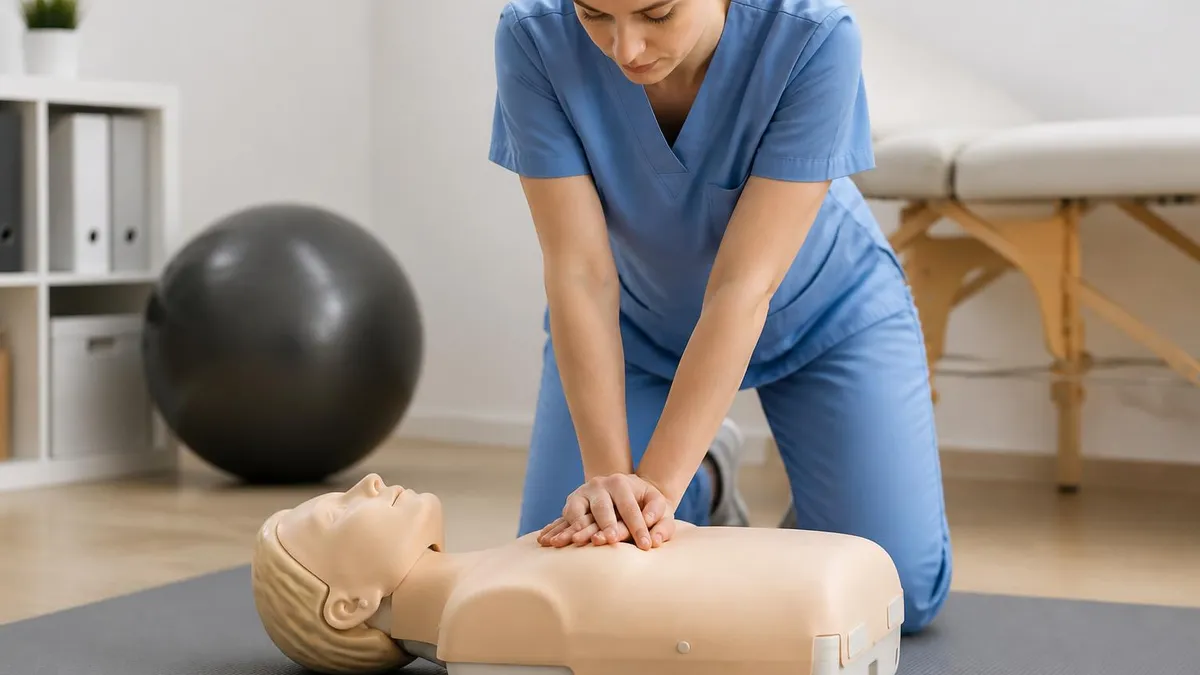
AHA BLS CPR: Complete 2026 Guide to American Heart Association Basic Life Support Certification, Course Requirements, and Skills
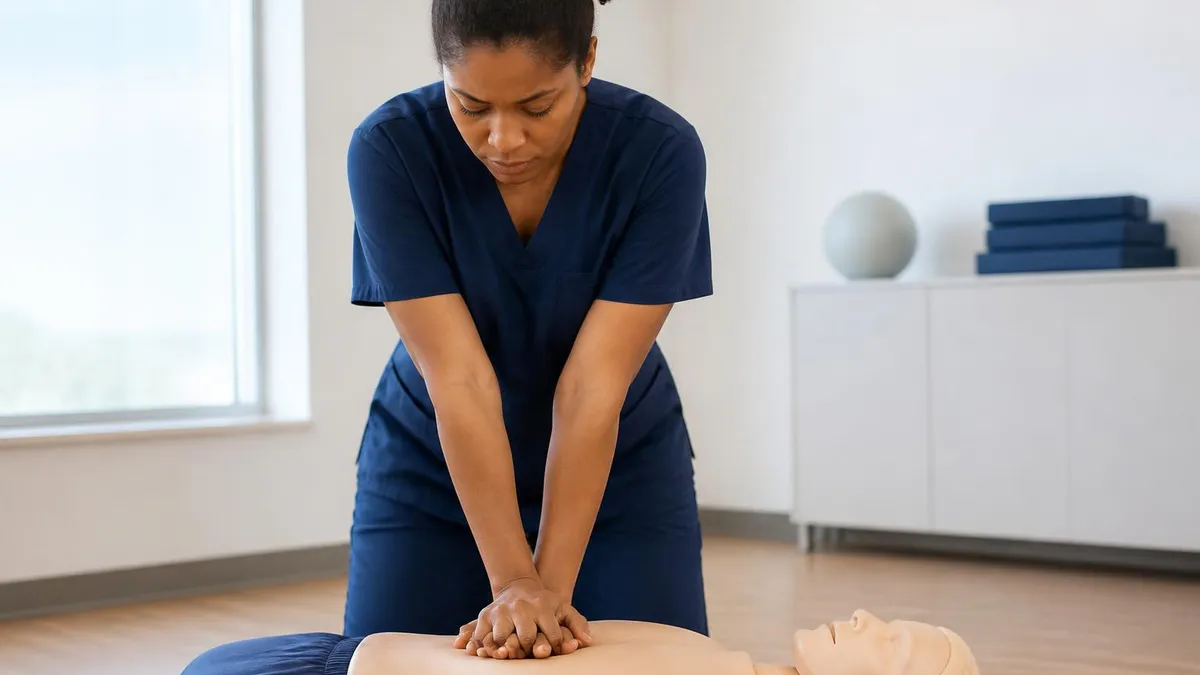
CPR vs First Aid: Is CPR and First Aid the Same? Complete 2026 Comparison Guide
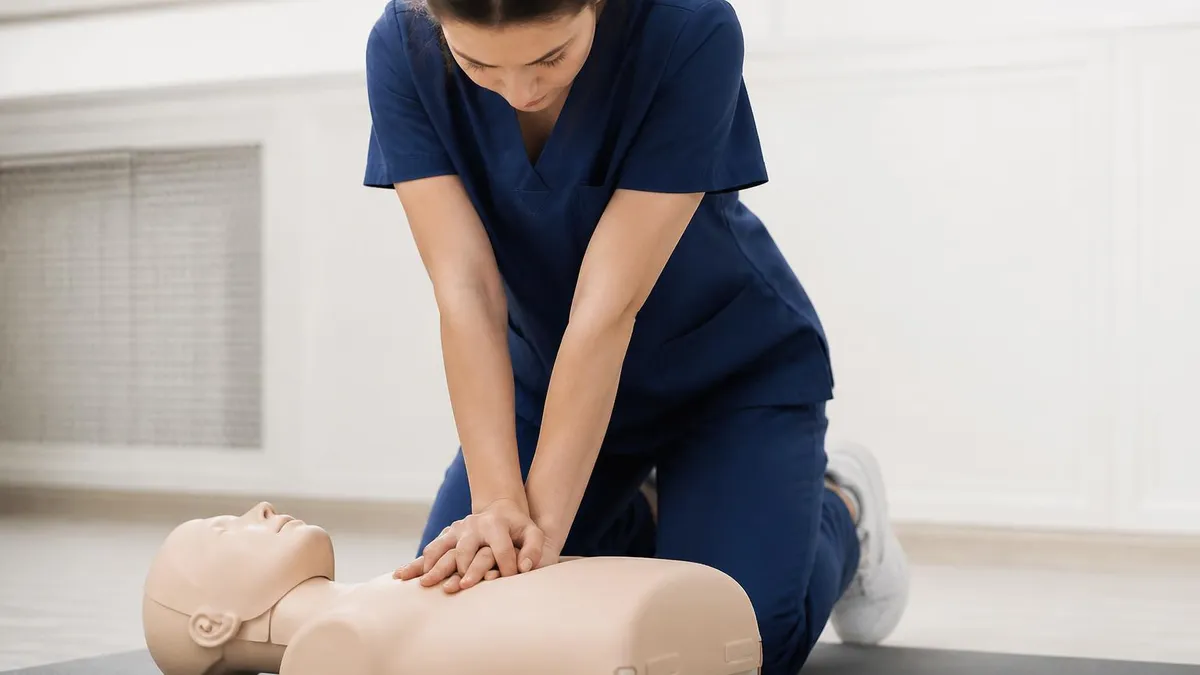
How Many Rounds of CPR in 2 Minutes? Complete Guide to CPR Cycles, Compression Rates, and Rescuer Rotation
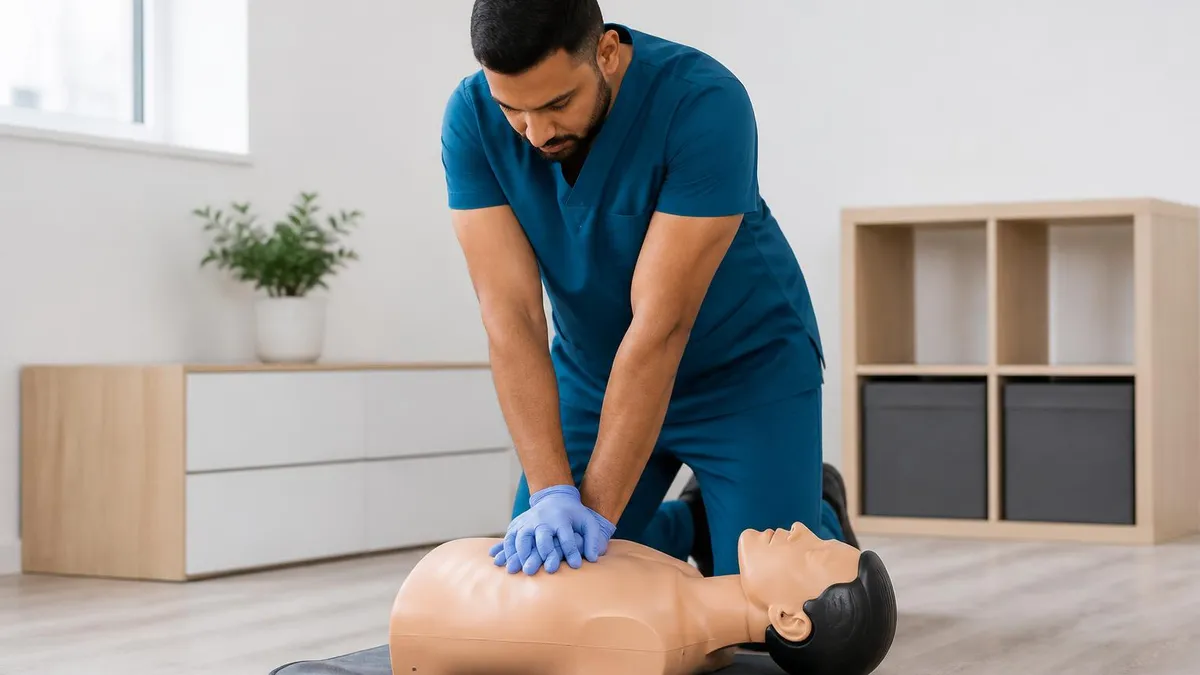
Online CPR Classes: Complete Guide to Certification, ACLS Algorithm, PALS, and Life Support Training in 2026
Written and edited by Nathan Beja, founder of Practice Test Geeks, with AI assistance. Exam facts are checked against the official sources linked below. Editorial policy
Sources & references
Exam facts on this page (fees, format, dates, passing scores) are checked against these official sources; the date is our last check. Editorial policy
- redcross.org — Test delivery, score validity, renewal, passing score · verified Nov 2026
- cpr.heart.org — Test delivery, eligibility, score validity, renewal, score release · verified Nov 2026
- elearning.heart.org — Fees, passing score · verified Nov 2026