
Cosmetology Insurance: What It Covers, Costs, and Why Every Cosmetologist Needs It in 2026 August
Cosmetology insurance explained: 📗 what general liability and professional liability cover, costs, state board ties, and how to protect your beauty
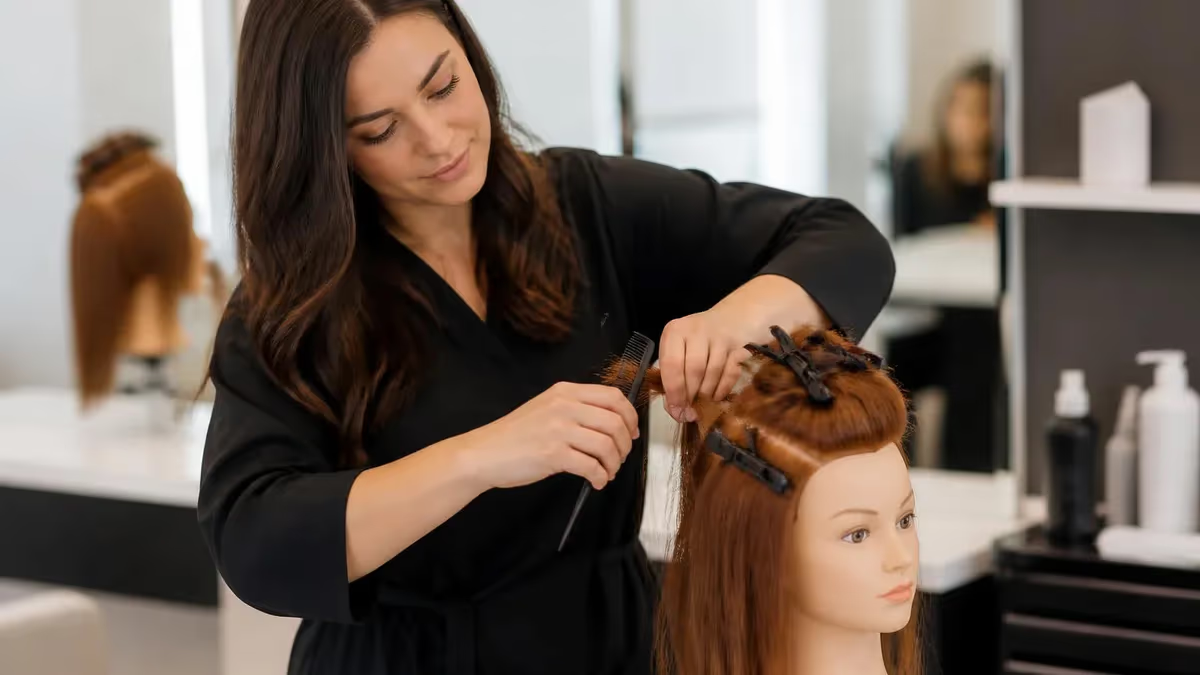
If you searched for a arizona state board of cosmetology approved program and are now building a beauty career, one topic rarely covered in class deserves your attention: cosmetology insurance. This coverage protects licensed professionals, students, and salon owners from financial loss when a service goes wrong, a client is injured, or property is damaged. Whether you cut, color, perm, wax, or apply makeup, a single claim can cost thousands without a policy. Understanding cosmetology insurance early helps you launch and grow safely.
Many people first ask "what is cosmetology" before they even consider risk. Cosmetology is the professional practice of beautifying hair, skin, and nails through cutting, coloring, chemical texturizing, esthetics, and nail care. Because every one of these services touches a client's body, the potential for accidental harm exists daily. A chemical burn from relaxer, an allergic reaction to dye, or a slip near a shampoo bowl can all trigger a lawsuit. Insurance is the financial safety net that keeps one bad day from ending a career.
Cosmetology insurance is not a single product. It is a bundle of policies that typically includes professional liability, general liability, and product liability coverage. Some plans add coverage for stolen equipment, rented booth space, and even identity-theft protection for your business. Each piece addresses a different risk, and most working stylists carry a combination. Knowing which protections you actually need depends on whether you are an employee, a booth renter, an independent contractor, or a salon owner managing a full team of licensed staff.
The cost of coverage surprises many newcomers because it is far cheaper than they expect. Individual cosmetologist policies often run between $150 and $350 per year, while full salon business policies can range from $500 to several thousand annually depending on payroll, location, and services offered. Compared to the price of defending even a minor lawsuit, the annual premium is modest. Most professional associations bundle insurance into membership, lowering the price further and adding career resources, discounts, and continuing education tracking.
Timing matters too. You should secure coverage before you ever touch a paying client, including during the externship or apprenticeship phase that many states require. Schools often carry blanket policies for enrolled students, but that protection usually ends the moment you graduate. New graduates who begin renting a chair without their own policy operate completely exposed. Building insurance into your business launch checklist alongside your license, tax registration, and booth lease prevents a dangerous gap in protection right when you are most vulnerable.
Finally, insurance intersects directly with licensing and state board rules. Some states and many salon landlords require proof of liability coverage before you can work, and certain advanced services like chemical peels or microblading may demand specialized policies. This guide walks through coverage types, real costs, state board connections, claim examples, and a practical checklist so you can protect the career you worked hard to build. We will also point you toward exam-prep resources that strengthen your professional knowledge along the way.
Cosmetology Insurance by the Numbers
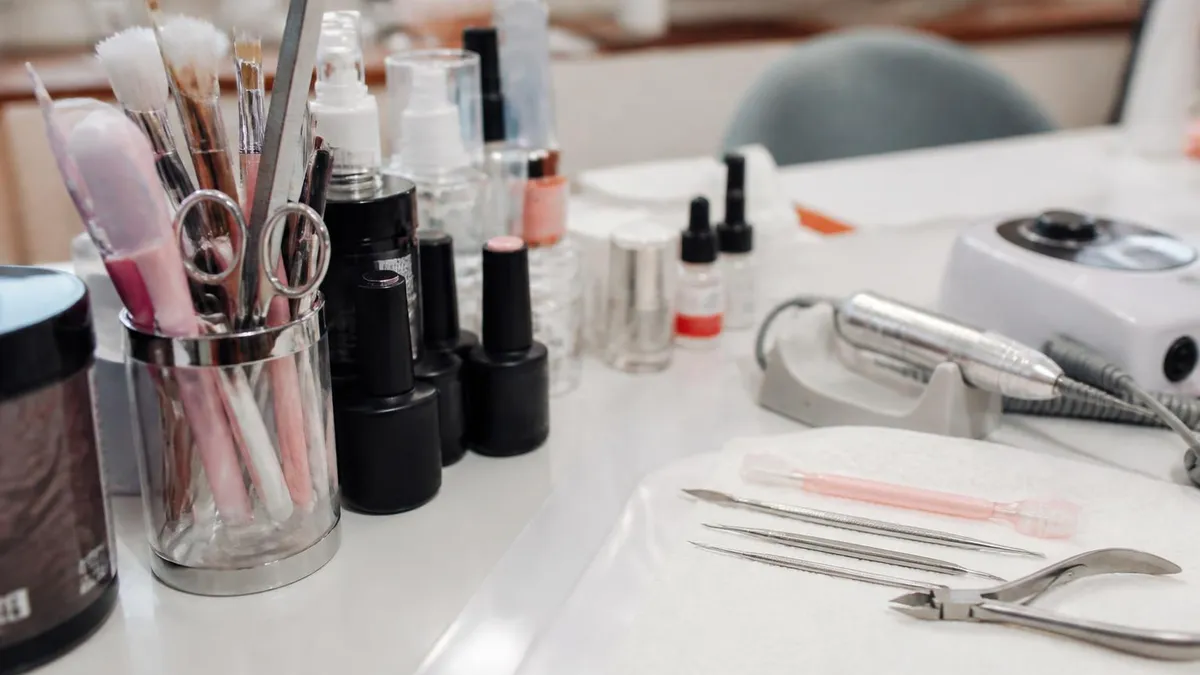
Cosmetology Insurance Coverage Types Explained
Covers claims that a service caused harm, such as a chemical burn, botched color, or an allergic reaction. Also called malpractice or errors-and-omissions coverage, it pays legal defense and settlements when your work is blamed.
Protects against third-party bodily injury and property damage unrelated to your service, like a client slipping near a shampoo bowl or tripping over a cord. Salon landlords frequently require proof of this coverage.
Covers claims arising from the retail or professional products you use and sell. If a shampoo, dye, or skincare product you applied or recommended causes a reaction, this protection helps absorb the financial fallout.
Reimburses you for stolen, damaged, or destroyed equipment, tools, furniture, and inventory. Booth renters and salon owners use it to replace shears, dryers, styling stations, and product stock after theft or fire.
Not everyone in the beauty industry needs identical coverage, so the first step is identifying your role. Employees of a salon are often partially protected under the owner's policy, but that umbrella rarely extends to personal liability for your individual mistakes. Booth renters and independent contractors, by contrast, are treated as separate businesses and almost always need their own policy. Salon owners carry the broadest exposure because they answer for their premises, their products, and the actions of every stylist they employ on a daily basis.
Students enrolled in cosmetology programs often assume they are fully covered, and many schools do carry blanket policies during supervised clinic hours. However, that protection typically ends at graduation, leaving new licensees exposed during the exact period when they begin working on paying clients with less supervision. This is why insurance professionals recommend securing personal coverage before your first commission day, even if you are still searching for a permanent salon home or planning to rent a chair part-time while building a clientele.
Mobile and freelance stylists carry unique risks that standard salon policies may not address. Traveling to weddings, photoshoots, or clients' homes introduces exposures like driving with chemicals, working in unfamiliar spaces, and damaging someone else's property. If you offer bridal hair and makeup on location, look specifically for a policy that covers off-premises work. Some insurers exclude home visits unless you explicitly add the endorsement, so reading the fine print prevents a denied claim at the worst possible moment.
Specialty service providers face elevated scrutiny from both insurers and regulators. Chemical peels, microblading, eyelash extensions, laser-adjacent treatments, and advanced texture services carry higher claim frequencies. Many basic cosmetology policies exclude these procedures or require an add-on rider. Before you offer a new high-risk service, confirm in writing that your policy covers it, because performing an excluded service voids your protection entirely. Matching your coverage to your actual service menu is far more important than simply buying the cheapest available plan.
Salon owners must also consider workers' compensation, which is legally required in most states once you have employees. This coverage handles injuries to your staff, such as repetitive-strain wrist injuries or chemical exposure, and operates separately from liability insurance that protects against client claims. Failing to carry required workers' compensation can trigger steep state penalties and personal liability, so owners should treat it as a non-negotiable part of opening their doors rather than an optional extra to add later.
Finally, consider how your career stage shapes your needs. A recent graduate renting a single chair needs a lean individual policy, while a multi-chair salon owner needs a layered commercial program. As you grow, revisit your coverage annually. Adding services, hiring staff, buying expensive equipment, or moving to a larger space all change your risk profile. Insurance is not a one-time purchase but an evolving safeguard that should scale alongside the beauty business you are steadily building.
Cosmetology Practice Test Questions
Prepare for the Cosmetology Test exam with our free practice test modules. Each quiz covers key topics to help you pass on your first try.
Cosmetology Test Anatomy and Physiology
Cosmetology Exam Questions covering Test Anatomy and Physiology. Master Cosmetology Test concepts for certification prep.
Cosmetology Test Business and Career Manag...
Free Cosmetology Practice Test featuring Test Business and Career Management. Improve your Cosmetology Exam score with mock test prep.
Cosmetology Test Chemical Texture Services
Cosmetology Mock Exam on Test Chemical Texture Services. Cosmetology Study Guide questions to pass on your first try.
Cosmetology Test Haircolor and Lightening
Cosmetology Test Prep for Test Haircolor and Lightening. Practice Cosmetology Quiz questions and boost your score.
Cosmetology Test Haircutting and Styling
Cosmetology Questions and Answers on Test Haircutting and Styling. Free Cosmetology practice for exam readiness.
Cosmetology Test Infection Control and Safety
Cosmetology Mock Test covering Test Infection Control and Safety. Online Cosmetology Test practice with instant feedback.
Cosmetology Test Nail Care and Procedures
Free Cosmetology Quiz on Test Nail Care and Procedures. Cosmetology Exam prep questions with detailed explanations.
Cosmetology Test Nail Care and Services
Cosmetology Practice Questions for Test Nail Care and Services. Build confidence for your Cosmetology certification exam.
Cosmetology Test Principles of Skin Care
Cosmetology Test Online for Test Principles of Skin Care. Free practice with instant results and feedback.
Cosmetology Test Scientific Concepts
Cosmetology Study Material on Test Scientific Concepts. Prepare effectively with real exam-style questions.
Cosmetology Test Skincare and Services
Free Cosmetology Test covering Test Skincare and Services. Practice and track your Cosmetology exam readiness.
Cosmetology Test Wigs, Hair Extensions, an...
Cosmetology Exam Questions covering Test Wigs, Hair Extensions, and Hair Additions. Master Cosmetology Test concepts for certification prep.
Cosmetology Administrative Rules
Free Cosmetology Practice Test featuring Administrative Rules. Improve your Cosmetology Exam score with mock test prep.
Cosmetology On Hair & Scalp Properties
Cosmetology Mock Exam on On Hair & Scalp Properties. Cosmetology Study Guide questions to pass on your first try.
Cosmetology
Cosmetology Test Prep for Cosmetology. Practice Cosmetology Quiz questions and boost your score.
How Long Is Cosmetology School and How Insurance Connects
How long is cosmetology school? Most states require between 1,000 and 2,100 hours of supervised training, which translates to roughly nine months to two years depending on whether you attend full-time or part-time. During these clinic hours, you practice on real clients under instructor supervision, and your school's blanket policy generally provides protection while you are enrolled and following safety protocols.
Because that school coverage ends at graduation, the transition period matters enormously. The same hands-on skills you build during training are exactly what create liability once you work independently. Treat your final school months as the moment to research personal policies so your protection begins the day your student coverage stops, with no dangerous gap in between.
Carrying Cosmetology Insurance: Benefits and Drawbacks
- +Covers legal defense costs even when a claim is groundless
- +Pays settlements that could otherwise drain personal savings
- +Satisfies salon landlord and booth-rental requirements
- +Often bundled affordably with professional association membership
- +Protects expensive tools and equipment from theft or damage
- +Provides peace of mind so you can focus on client care
- +Scales with your career from solo renter to salon owner
- −Annual premiums add a recurring expense to your budget
- −High-risk services may require costlier add-on riders
- −Excluded procedures void coverage if performed anyway
- −Claims history can raise future premium costs
- −Policy fine print can be confusing for new graduates
- −Some plans exclude mobile or off-premises work by default
Cosmetology Insurance Buying Checklist
- ✓Confirm your role: employee, booth renter, contractor, or owner.
- ✓List every service you offer, including high-risk treatments.
- ✓Verify professional liability covers your full service menu.
- ✓Check that general liability meets your landlord's requirements.
- ✓Add product liability if you sell or apply retail products.
- ✓Include business property coverage for tools and equipment.
- ✓Add a mobile endorsement if you work off-premises.
- ✓Compare association-bundled plans against standalone policies.
- ✓Confirm liability limits of at least $1 million per occurrence.
- ✓Align policy renewal dates with your license renewal.
School coverage ends the day you graduate
The single most common mistake new cosmetologists make is assuming their school's policy follows them into their first job. It does not. Secure your own individual policy to activate the moment you graduate, so you are never working on a paying client without protection.
Understanding real costs and real claims makes the value of cosmetology insurance concrete rather than abstract. A typical individual professional policy costs $150 to $350 per year, often payable in a single annual installment. Salon business policies that bundle general liability, professional liability, product liability, and property coverage range from roughly $500 to several thousand dollars annually, scaling with payroll, square footage, and the number of stylists. Workers' compensation, required once you employ staff, is priced separately based on wages and the classification of work performed.
What drives the price up or down? Insurers weigh your services, claims history, location, business size, and the liability limits you choose. Offering chemical peels, lash extensions, or microblading raises premiums because those procedures generate more claims. A clean record and completed safety training can lower them. Higher coverage limits cost more but provide deeper protection, and most professionals choose at least one million dollars per occurrence with a two-million-dollar aggregate as a sensible, widely accepted baseline.
Consider a realistic claim scenario. A colorist applies a permanent dye without a patch test, and the client suffers a severe scalp reaction requiring medical treatment. The client sues for medical bills and emotional distress. Even if the stylist eventually prevails, legal defense alone can exceed five thousand dollars, and a settlement could reach tens of thousands. Professional liability coverage absorbs both the defense costs and any payout, turning a potential career-ending event into a manageable administrative process.
Another frequent claim involves general liability rather than service quality. A client slips on a wet floor near the shampoo bowl, falls, and fractures a wrist. This injury has nothing to do with the cut or color performed, yet the salon is liable for the unsafe condition. General liability coverage pays the resulting medical and legal costs. Without it, the owner pays out of pocket, which for a small independent salon can mean closing the business permanently after a single accident.
Product-related claims round out the common categories. A client purchases a retail skincare product on your recommendation, uses it at home, and develops a rash they attribute to the product. Even though you did not manufacture the item, you sold and recommended it, so you may be named in a claim. Product liability coverage responds to these situations. The takeaway is that liability follows the professional across services, premises, and products, which is why layered coverage matters so much.
Finally, weigh the math honestly. Spending a few hundred dollars per year feels avoidable when business is good and no client has ever complained. But insurance exists precisely for the rare, expensive, unpredictable event. A single uncovered claim can erase years of earnings and savings, while a modest annual premium caps your downside at a known, budgetable number. Framed that way, cosmetology insurance is not an expense but a deliberate transfer of catastrophic risk away from your personal finances.
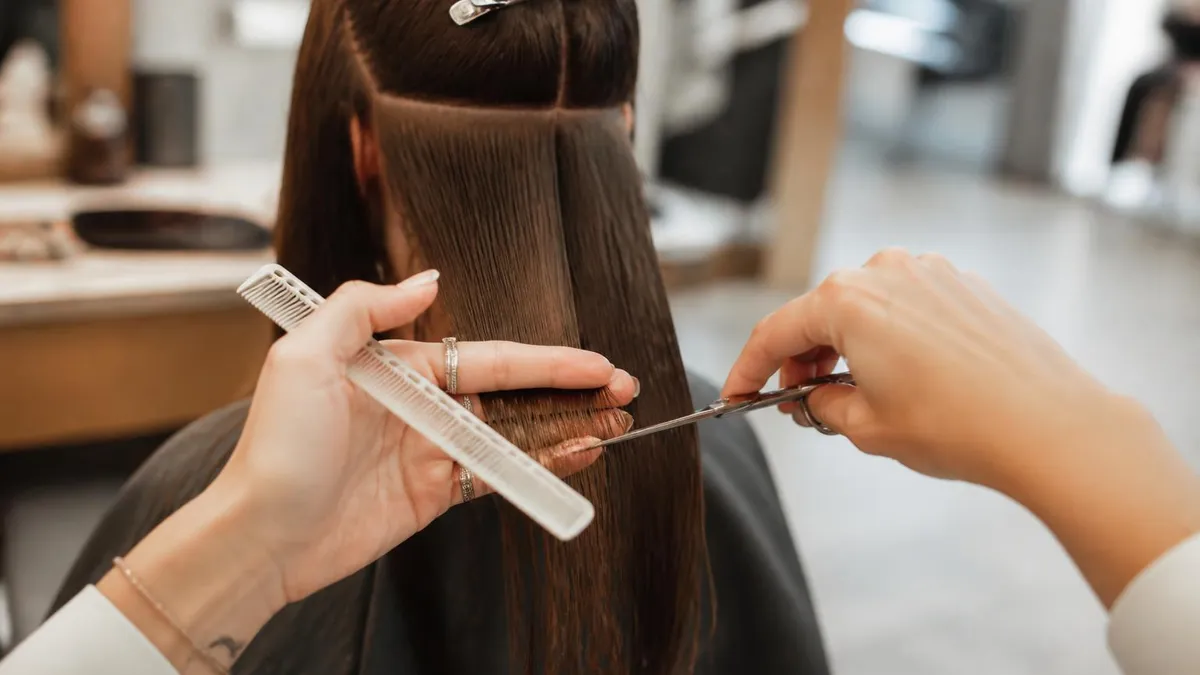
If your policy excludes a procedure like microblading or chemical peels and you perform it anyway, a resulting claim will likely be denied in full. Always confirm in writing that your policy covers every service on your menu before offering it to clients.
Protecting your beauty career means treating insurance as one pillar of a broader professional foundation that also includes licensing, education, and reputation. The strongest cosmetologists pair solid coverage with deep technical knowledge, because the best way to avoid a claim is to prevent the injury in the first place. Reviewing core principles through resources like arizona board of cosmetology study materials reinforces the safety habits, patch-testing routines, and sanitation standards that keep clients healthy and lawsuits away.
State boards play a central role in this ecosystem even when they do not directly mandate insurance. The Ohio State Board of Cosmetology, the Arizona Board of Cosmetology, and similar agencies in every state set the licensing, sanitation, and safety standards you must follow. Violating those standards can trigger both disciplinary action and a liability claim simultaneously. Staying current with board rules through your ohio state cosmetology coursework and continuing education protects your license and strengthens your insurance position at the same time.
Documentation is your quiet ally in any dispute. Keeping detailed client records, including consultation notes, patch-test results, products used, and signed service consent forms, creates a paper trail that supports your defense if a claim arises. Insurers favor professionals who document thoroughly because it demonstrates due diligence and often resolves disputes before they escalate. Building these habits early, ideally during your training, makes them second nature by the time you manage a busy independent book of clients.
Continuing education does more than satisfy renewal requirements; it actively reduces your risk. Courses on new chemical formulations, advanced safety protocols, and emerging services teach you to spot hazards before they harm a client. Some insurers even discount premiums for professionals who complete recognized safety training. Treat each renewal cycle as an opportunity to sharpen your skills rather than a bureaucratic hurdle, and your coverage, your clients, and your confidence all benefit from the investment.
Your professional reputation also functions as informal insurance. Satisfied, well-informed clients who understand the risks of a service before it begins are far less likely to sue when an expected outcome, like temporary redness after a peel, occurs. Clear communication, realistic expectations, and honest consultations defuse most disputes before they start. The combination of strong interpersonal skills and proper formal coverage gives you a resilience that neither element provides alone, letting you take creative risks without financial fear.
As your career advances, periodically audit every layer of your protection. Confirm your license is active, your continuing education is current, your insurance limits match your services, and your documentation systems are working. Set annual reminders so nothing lapses. A cosmetologist who treats safety, compliance, and coverage as an integrated, regularly reviewed system builds a durable career capable of weathering the occasional setback that catches unprepared peers completely off guard.
With the fundamentals in place, here are practical steps to put cosmetology insurance to work for your specific situation. Start by gathering quotes from at least three sources: a professional beauty association, a dedicated beauty-industry insurer, and a general commercial insurer. Comparing them reveals meaningful differences in price, included services, and exclusions. Association plans are often the cheapest entry point for individuals, while dedicated insurers tend to offer the most flexible riders for specialty services and mobile work that many newcomers eventually need.
Read each policy's exclusions section first, before the coverage highlights. Marketing materials emphasize what a plan covers, but the exclusions determine where you remain exposed. Look specifically for language about chemical services, off-premises work, assistant or apprentice coverage, and any per-claim caps. If anything is unclear, ask the agent to confirm in writing how a hypothetical claim involving your actual services would be handled. A documented answer protects you far better than a verbal reassurance you cannot later prove.
Match your liability limits to your real exposure rather than defaulting to the minimum. While a one-million-dollar per-occurrence limit suits most individual stylists, salon owners with multiple chairs and higher client volume should consider higher aggregate limits. The incremental cost of raising limits is usually small relative to the added protection. Think about the worst realistic claim your services could generate and ensure your limit comfortably exceeds that figure, including projected legal defense costs that accumulate quickly.
Synchronize your insurance calendar with your licensing and continuing education deadlines. Record your policy renewal date, your license renewal date, and your CE completion deadline in one place, then set reminders several weeks ahead of each. This prevents the most avoidable failure in the entire system: a lapse that leaves you working uninsured or unlicensed. Many professionals lose coverage simply because an annual renewal notice landed in a spam folder or a busy season pushed it off their radar.
Keep proof of insurance readily accessible. Salon landlords, booth-rental agreements, and some clients may request a certificate of insurance, and being able to produce it instantly signals professionalism. Store a digital copy on your phone and a printed copy in your station. If you add a service or hire an assistant mid-year, contact your insurer immediately rather than waiting for renewal, because coverage changes should track your business changes in real time, not on a delayed annual schedule.
Finally, pair your coverage with ongoing knowledge-building so prevention and protection reinforce each other. Use practice tests on anatomy, chemical services, and business management to keep your technical and professional knowledge sharp, since informed decisions at the chair are your first line of defense against claims. Insurance handles the rare catastrophe, but daily diligence handles everything else. Together they form a complete strategy that lets you build a confident, creative, and financially secure cosmetology career for the long term.
Cosmetology Questions and Answers

Cosmetology Classes Online: How Hybrid Programs Work, Cost, and Whether They Lead to Licensure in 2026
Cosmetology School Programs: Complete 2026 Guide to Curriculum, Cost, Hours and Licensing
Texas Cosmetology Continuing Education: Complete 1-Hour CE Requirements and Renewal Guide for 2026
Cosmetology General Knowledge: Complete 2026 Guide to Careers, Licensing, and Exam Prep

Cosmetology License Renewal: Cycles, Fees, CE and State Rules
About the Author

Licensed Cosmetologist & Beauty Licensing Exam Specialist
Paul Mitchell SchoolsMichelle Santos is a licensed cosmetologist with a Bachelor of Science in Esthetics and Salon Management from Paul Mitchell School. She has 16 years of salon industry experience and 8 years preparing students for state cosmetology board exams in theory, practical skills, and sanitation. She specializes in licensure preparation for cosmetologists, estheticians, and nail technicians.
Join the Discussion
Connect with other students preparing for this exam. Share tips, ask questions, and get advice from people who have been there.
View discussion (6 replies)