
Cosmetology Liability Insurance: What Every Cosmetologist Needs to Know
Learn everything about cosmetology liability insurance, cosmetology school near me, licensing, and career protection in this complete 2026 September guide. 🗨️
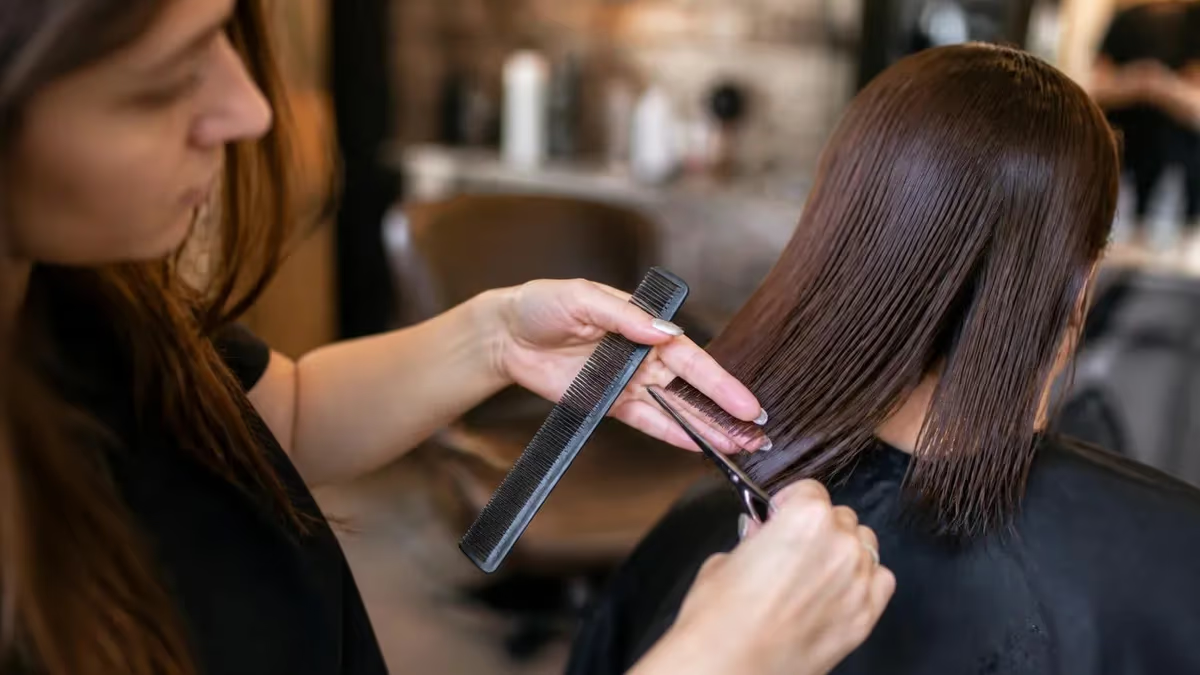
If you are searching for a cosmetology school near me or already working as a licensed cosmetologist, understanding cosmetology liability insurance is one of the most important steps you can take to protect your career. Liability insurance shields you from the financial and legal consequences of accidents, allergic reactions, chemical burns, and client injuries that can occur in any salon or spa environment. Without proper coverage, a single lawsuit could wipe out years of hard-earned income and professional reputation.
Cosmetology liability insurance is specifically designed for beauty professionals, covering incidents that standard renter's or homeowner's policies explicitly exclude. Whether you are a booth renter, a salon employee, a mobile beautician, or an independent contractor, the type of coverage you need varies considerably. Many new students assume their employer's policy covers them automatically, but that is rarely true for all situations, especially when working on clients outside the salon or offering specialty services like chemical relaxers or keratin treatments.
Understanding what is cosmetology in a legal and professional context means recognizing that you are not just a creative artist — you are a licensed service provider who works directly on clients' bodies using chemicals, heat tools, and sharp implements. This professional exposure creates real liability risk. State boards, including the ohio state board of cosmetology, require licensure precisely because the potential for harm is significant, and liability insurance is the financial safety net that complements that licensing requirement.
The cosmetology industry is growing rapidly, with more than 700,000 licensed cosmetologists working across the United States. As the field expands, so do the number of client complaints and civil lawsuits. Data from the Professional Beauty Association indicates that liability claims in the beauty industry have increased by over 30 percent in the past decade, driven by more clients seeking chemical services and greater awareness of consumer rights. This trend makes insurance less optional and more essential every year.
Many cosmetology colleges now incorporate basic business and legal literacy into their curricula, recognizing that graduates need to understand insurance, contracts, and client documentation from day one. However, the depth of coverage varies widely by school and state. Students completing how long is cosmetology school programs — typically 1,000 to 1,600 hours depending on state requirements — may graduate with strong technical skills but limited knowledge of how to protect themselves professionally and financially.
This guide breaks down every aspect of cosmetology liability insurance: what it covers, what it costs, how to choose a policy, and how it intersects with state licensing requirements. We will also address common misconceptions, walk through real claim scenarios, and explain the difference between general liability and professional liability (also called malpractice) insurance. By the end, you will have a complete picture of how to protect your cosmetology career at every stage. For more on how cosmetology programs prepare you for long-term career success, check out our dedicated career guide.
Whether you are still weighing the cost of beauty school — how much is cosmetology school is a common concern, with tuition ranging from $5,000 to $20,000 nationally — or you are a veteran stylist planning your next business move, liability insurance is a topic that belongs at the center of every career conversation. Let's explore exactly what you need, why you need it, and how to get started.
Cosmetology Liability Insurance by the Numbers
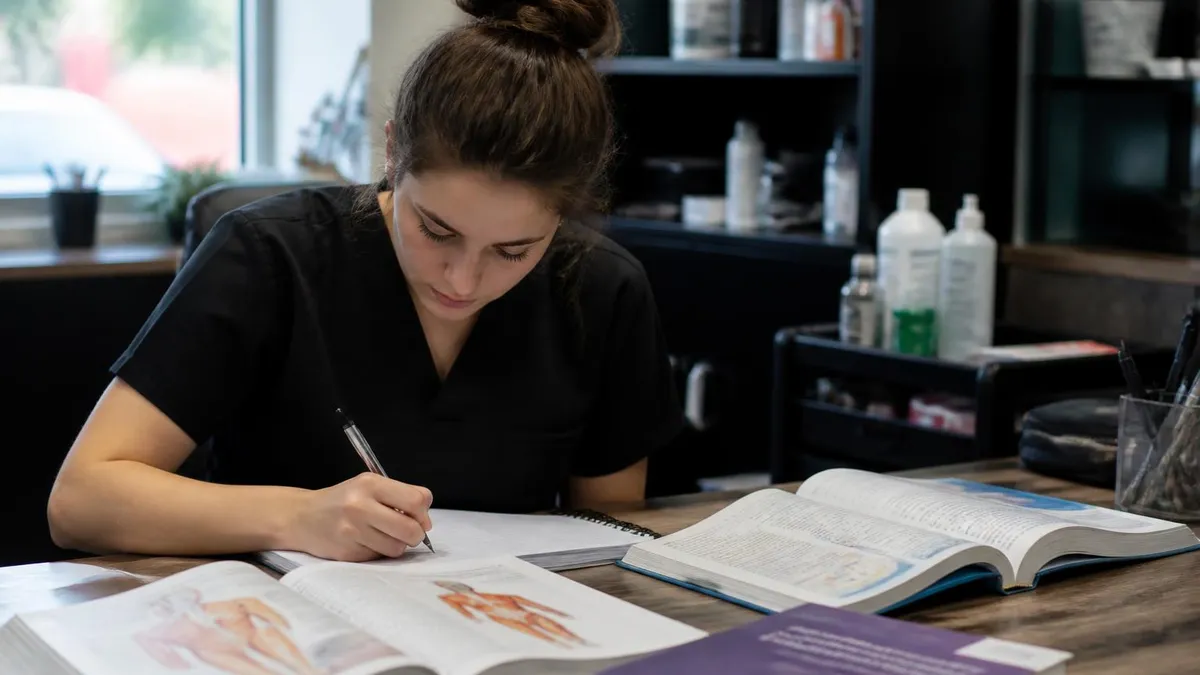
Main Types of Cosmetology Liability Insurance
Covers third-party bodily injury and property damage claims. If a client slips in your salon, spills a product, or has an allergic reaction from a service, general liability pays for medical bills and legal defense costs up to your policy limit.
Also called errors and omissions insurance, this covers claims that your professional services caused harm. Chemical burns from relaxers, scalp damage from bleach, or skin irritation from waxing all fall under professional liability rather than general liability.
If you sell retail products or use professional products that cause client injury, product liability coverage protects you. This is especially relevant for cosmetologists who formulate blends, sell house-brand products, or work with lesser-known professional lines.
Covers your tools, equipment, and physical inventory in the event of theft, fire, or water damage. For booth renters with thousands of dollars in professional equipment, property coverage can prevent a devastating financial loss from a single incident.
Required in most states for businesses with employees, workers' comp covers your staff's medical expenses and lost wages if they are injured on the job. Salon owners face significant fines and lawsuits without this coverage in place.
Understanding what cosmetology liability insurance costs requires looking at several key factors that underwriters use to calculate your premium. The type of services you offer is the most significant driver of cost. A cosmetologist who primarily does haircuts and blowouts will pay far less than one who offers keratin treatments, chemical relaxers, Brazilian blowouts, or microblading. Each high-risk service adds potential for serious client injury, which translates directly into higher premiums from insurers who price risk carefully.
Your years of experience and claims history also play a major role. A newly licensed cosmetologist completing their first year of practice will generally pay more than a veteran with fifteen years of clean claims history. Insurers view experience as a proxy for skill and risk management. If you have had prior claims — even ones that were resolved in your favor — you may face higher premiums or coverage exclusions, which makes maintaining a clean client record financially as well as professionally important.
Location matters significantly as well. Cosmetologists working in high-cost states like California, New York, or Florida typically pay more for liability insurance than those in lower-cost states. Urban areas with higher litigation rates and larger potential jury awards drive premiums upward. Conversely, cosmetologists in rural areas or states with tort reform legislation tend to find more affordable options. The number of clients you see weekly also factors in — higher client volume means higher exposure and higher premiums.
For many cosmetologists, professional association membership is the most cost-effective path to affordable liability coverage. Organizations like the Professional Beauty Association (PBA), the American Association of Cosmetology Schools (AACS), and various state guilds negotiate group rates that individual practitioners cannot match. Annual premiums through association programs often range from $150 to $300 for $1 million in general liability coverage — a fraction of what standalone commercial policies cost. These programs also typically bundle professional liability and product liability into a single affordable package.
Booth renters face a unique insurance situation that many do not fully understand. When you rent a booth from a salon, the salon's insurance policy covers the building and the salon's business operations, but it almost never extends to your individual services, your tools, or your personal professional liability.
The arizona board of cosmetology and similar state bodies have published guidance clarifying that booth renters are treated as independent contractors and are solely responsible for their own professional liability coverage. Failing to carry your own policy as a booth renter means you are personally exposed to any lawsuit arising from your services.
Mobile cosmetologists and those who offer home-visit services face additional insurance complexities. Standard salon policies do not cover services delivered off-premises, meaning that a stylist who visits clients in their homes or at events needs a policy with explicit mobile coverage. Some insurers offer endorsements that extend coverage to mobile services for an additional premium. Others offer standalone mobile beauty professional policies. Either way, working mobile without confirming your coverage extends beyond a fixed location is a significant oversight that can leave you completely unprotected.
When comparing policies, pay close attention to the distinction between per-occurrence limits and aggregate limits. A per-occurrence limit is the maximum your insurer will pay for any single claim, while the aggregate limit is the total they will pay across all claims in a policy year. A common structure is $1 million per occurrence and $2 million aggregate. If you work in a high-volume environment or offer high-risk services, consider whether these limits are truly sufficient to cover a worst-case scenario, including legal defense costs that can easily exceed $50,000 even for a case that is ultimately dismissed.
Cosmetology License Renewal and Insurance Requirements by State
The ohio state cosmetology board requires all licensed cosmetologists to renew their license every two years, completing a minimum number of continuing education hours. While Ohio does not mandate proof of liability insurance as a condition of cosmetology license renewal, the State Board strongly recommends that all practitioners — especially booth renters and independent contractors — carry individual professional liability coverage. Ohio cosmetologists who work under a salon's umbrella policy should request written confirmation of coverage scope from their employer before assuming they are protected.
Ohio's cosmetology regulations are enforced by the Ohio State Cosmetology and Barber Board, which investigates client complaints and can suspend or revoke licenses for violations involving unsafe practices. If an investigation leads to a civil lawsuit, cosmetologists without personal liability insurance must pay legal defense costs out of pocket. The average legal defense for a beauty-industry claim in Ohio runs between $15,000 and $40,000, even when the cosmetologist is ultimately found not at fault. Having your own policy means your insurer handles the defense, not your personal bank account.
Carrying Individual Cosmetology Liability Insurance: Pros and Cons
- +Personal legal defense costs are covered, preventing out-of-pocket expenses that can reach $50,000 or more even for dismissed cases
- +Medical payment coverage for injured clients can resolve minor claims quickly and prevent them from escalating to lawsuits
- +Coverage travels with you — protects booth renters, mobile cosmetologists, and event stylists regardless of venue
- +Many salon owners and booth rental landlords now require proof of personal coverage before allowing you to work
- +Professional association policy bundles often include professional liability, general liability, and product liability in one affordable annual premium
- +Having coverage signals professionalism to clients and can serve as a marketing differentiator in competitive markets
- −Annual premiums add a recurring business expense ranging from $150 to $600 or more depending on services and location
- −Policies contain exclusions that may surprise practitioners — new services or off-label product use may not be covered without endorsements
- −Claims-made policies require active coverage at the time of the claim, not just at the time of the incident, creating potential gaps if you let a policy lapse
- −Navigating policy terms, limits, and endorsements can be confusing without professional guidance from an insurance broker
- −Some high-risk services like microblading or chemical peels may require separate specialized policies, doubling administrative complexity
- −Over-relying on insurance without maintaining strong client documentation practices can increase claim frequency and raise future premiums
Cosmetology Insurance Shopping Checklist
- ✓Confirm whether your current employer's policy covers your individual services, especially off-site work
- ✓Identify all services you offer and check whether each is explicitly covered or excluded in candidate policies
- ✓Compare per-occurrence and aggregate limits across at least three competing insurers or association programs
- ✓Ask whether the policy is occurrence-based or claims-made, and understand how each handles incidents after coverage ends
- ✓Review the policy's medical payments clause to understand how minor client injuries are handled without a formal lawsuit
- ✓Check whether your policy covers mobile or off-premises services if you work at events, weddings, or client homes
- ✓Verify that product liability is included if you sell retail products or use professional-grade chemicals on clients
- ✓Request a sample certificate of insurance so you can provide proof of coverage to salon landlords or event venues quickly
- ✓Join a professional association like PBA or your state cosmetology guild to access negotiated group rates
- ✓Set a calendar reminder to review your coverage annually and update it whenever you add new services or change your work setting
Your Employer's Policy Does Not Automatically Cover You
The most dangerous assumption in cosmetology is that working under a salon's roof means you are covered by their insurance. Booth renters, independent contractors, and even some W-2 employees may find that a salon's policy excludes their individual professional services. Always request a copy of the salon's policy declarations page and confirm in writing what it covers before your first client appointment.
Booth renters occupy a unique and often misunderstood position in the cosmetology industry. Unlike traditional employees who work under an employer's supervision and benefit from the salon's umbrella insurance, booth renters are classified as independent contractors who lease space from a salon owner. This legal distinction has enormous implications for liability. As a booth renter, you set your own hours, choose your own products, and build your own clientele — and you bear sole responsibility for the services you provide and the legal consequences if something goes wrong.
The number of cosmetologists working as booth renters has grown significantly over the past decade, driven by the appeal of greater autonomy and the ability to keep a larger share of service revenue. Industry estimates suggest that between 40 and 60 percent of working cosmetologists in major metropolitan areas now rent rather than work as traditional employees. This shift in the employment model has created a corresponding surge in uninsured or underinsured cosmetologists, since many make the transition from employee to booth renter without fully understanding the insurance gap they are creating.
For booth renters, the minimum recommended coverage is a personal professional liability policy with at least $1 million per-occurrence and $2 million aggregate limits. Many salon landlords now require this as a condition of signing a booth rental agreement, and some require renters to name the salon owner as an additional insured on their policy. This protects the salon owner from liability arising from a renter's services without the salon being found jointly liable. Understanding these contractual requirements before signing a lease is essential, as violating insurance provisions can result in immediate lease termination.
Independent contractors who travel between multiple salon locations face additional complexity. If you split your week between two or three salons, you need to confirm that your personal policy covers services performed at each location. Most individual cosmetology policies do cover services performed at any licensed salon location, but mobile services, home visits, or pop-up events may require specific endorsements. Always contact your insurer and disclose all work locations and service types when purchasing a policy — omitting relevant information at application time can give an insurer grounds to deny a future claim based on material misrepresentation.
Cosmetologists who are considering opening their own salon face a more complex insurance picture. A salon owner needs not only professional liability for their own services but also commercial general liability for the premises, product liability for retail sales, property insurance for equipment and improvements, and workers' compensation if they have employees.
Depending on the state, commercial auto insurance may be required if vehicles are used for business purposes. The combined annual cost of a complete salon insurance package typically runs between $2,500 and $6,000 per year, a significant but necessary business expense that should be factored into your startup budget from day one.
For those still in school and searching for a cosmetology school near me, understanding the insurance landscape before graduation gives you a significant professional advantage. Most cosmetology schools provide student liability coverage for clinic services performed under supervision, but that coverage ends the moment you graduate. Your first professional policy should be in place before you see your first paying client outside of school, even if it is just a few friends and family members while you study for your board exam. Many association programs allow student members to purchase affordable professional liability coverage in anticipation of licensure.
The practical advice for all booth renters and independent contractors is simple: treat your insurance policy as a non-negotiable operating cost, not an optional luxury. Calculate the annual premium as a per-client cost — if you see 15 clients per week, a $300 annual premium works out to roughly 38 cents per client. That fraction of a dollar buys you professional peace of mind, legal defense coverage, and the ability to build a sustainable long-term career without the constant financial anxiety of operating without a safety net.
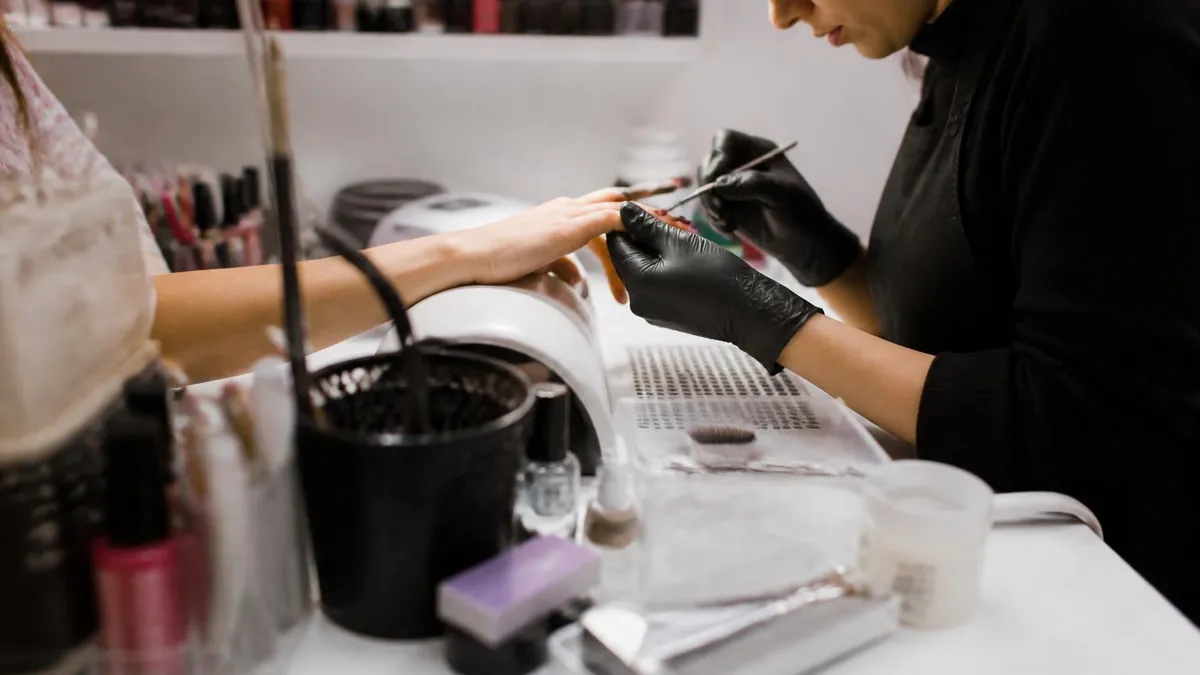
A claims-made policy only covers you if the claim is filed while the policy is active — even if the incident happened while you were covered. If you let your policy lapse or switch insurers, you could face a lawsuit for a past incident with no coverage. An occurrence policy covers any incident that happened during the policy period, regardless of when the claim is filed. For long-term career protection, occurrence-based policies offer significantly more security for cosmetologists.
Renewing and updating your cosmetology liability insurance should happen on a regular schedule, just like your state cosmetology license renewal. Most policies renew annually, and renewal time is the ideal moment to reassess whether your current coverage still matches your practice. If you have added new services since your last renewal — for example, you started offering lash lifts, scalp micropigmentation, or medical-adjacent treatments — you need to disclose these changes to your insurer and confirm they are covered under your updated policy or a new endorsement.
Cosmetologists who complete continuing education and expand their scope of practice face particular insurance review needs. Adding a new discipline, such as completing advanced training in hair extensions or chemical smoothing systems, introduces new professional liability exposure that your base policy may not contemplate. Some insurers treat unlisted or undisclosed services as outside the scope of coverage entirely, which means a claim arising from that service would be denied. The rule of thumb is straightforward: if your services change, call your insurer before you offer the new service to clients commercially.
The cosmetology cosmetologist community has seen increasing attention to digital liability in recent years as more professionals build social media followings and publish tutorials and advice online. If you provide specific beauty advice through Instagram, YouTube, or TikTok, and a follower follows your instructions and experiences an adverse reaction, you could theoretically face a claim related to that advice. Some professional liability policies now offer social media and content liability endorsements for beauty professionals, which is worth investigating if you maintain a public-facing online presence as part of your personal brand.
State board interactions and disciplinary proceedings represent another area where insurance coverage can prove invaluable. If the ohio state board of cosmetology or another state body receives a complaint about your services and initiates a formal investigation, legal representation can be necessary and expensive. Some cosmetology liability insurance policies include license defense coverage, which pays for an attorney to represent you in state board proceedings. This is a relatively inexpensive add-on — typically $20 to $50 more per year — but can save you thousands in attorney fees during a regulatory investigation.
For cosmetologists planning career transitions — moving from employee to booth renter, from booth renter to salon owner, or from one state to another — insurance gaps are a significant risk. Interstate moves require particular attention, since state licensing requirements differ substantially.
A licensed cosmetologist in Arizona, for example, must apply for a new license in Ohio before practicing, and the licensing timeline can create a period where you are technically unlicensed in your new state. Working without a license, even briefly, can void your insurance coverage and create significant legal exposure. Always coordinate your insurance renewal with your licensing timeline when making career transitions across state lines.
Reviewing your policy's client documentation requirements is another often-overlooked renewal task. Many professional liability policies include provisions requiring policyholders to maintain written client intake forms documenting allergies, patch test results, and signed service consent. If your documentation practices are not meeting your policy's requirements, you may face a coverage dispute if a claim arises. Use your annual renewal period to audit your intake forms, digital records, and consent documentation against your policy's language to ensure full compliance with your insurer's requirements.
For cosmetologists who want to deepen their understanding of state regulatory requirements and continuing education obligations that often intersect with insurance decisions, the arizona board of cosmetology continuing education guide provides detailed state-by-state breakdowns. Understanding your CE obligations helps you maintain your license without interruption, which is equally important since an expired license can void your professional liability coverage and expose you to additional regulatory penalties on top of client claims.
Building a sustainable cosmetology career means approaching professional liability insurance with the same intentionality you bring to developing your technical skills. Many working cosmetologists spend hundreds of hours perfecting their balayage technique or mastering advanced nail artistry, but invest almost no time in understanding the business and legal framework that protects their ability to keep working. That imbalance creates real professional vulnerability that can surface unexpectedly when a client complaint becomes a formal claim or a state board inquiry demands a legal response.
One of the most practical steps any cosmetologist can take is to document every client interaction thoroughly. Before performing any chemical service, conduct and record a patch test, review the client's medical history for relevant conditions, and obtain written consent acknowledging the risks associated with the service.
Keep these records organized and accessible — digital practice management software designed for beauty professionals makes this easier than ever, with many platforms offering built-in consent forms, allergy tracking, and service history logs that are timestamped and tied to individual client profiles. Good documentation is your first and most important line of defense against liability claims.
Understanding the interplay between your cosmetology license and your insurance policy is essential for long-term career planning. Many cosmetologists do not realize that allowing their license to lapse — even briefly during a move, a personal crisis, or an administrative oversight — can create an insurance gap.
Most professional liability policies require you to hold an active, valid license in the state where you are practicing. A lapsed license means that any services performed during that period may not be covered, leaving you personally liable for any claims arising from that window. Staying current on your cosmetology license renewal requirements is therefore an insurance issue as well as a regulatory one.
Practical tips for keeping premiums manageable include maintaining a clean claims history by resolving minor client concerns proactively before they escalate. If a client calls to report a reaction to a service, respond immediately with empathy, offer to cover any related medical costs within reason, and document the entire interaction.
Many claims arise not from the incident itself but from clients feeling dismissed or ignored after expressing a concern. A prompt, professional response that shows genuine care often prevents a minor complaint from becoming a formal claim. Your insurer may even offer risk management resources or a claims prevention hotline to help you navigate these situations appropriately.
Continuing education plays a dual role in liability management that is worth emphasizing explicitly. Advanced training in product chemistry, contraindications, and client assessment not only makes you a better practitioner but also reduces your actual risk exposure. A cosmetologist who understands why certain clients are not good candidates for bleaching services — because of scalp sensitivity, medication interactions, or prior chemical damage — will have fewer adverse reactions and fewer claims. Insurers recognize this connection and some offer premium discounts for practitioners who complete accredited safety training programs. Investing in education is literally investing in lower insurance costs over time.
For students still deciding on their education path and researching how much is cosmetology school, it is worth noting that the total cost of launching a cosmetology career extends beyond tuition. Factor in exam fees, initial licensing fees, professional tools, and your first year's liability insurance premium when calculating the true startup cost of your career.
Most new graduates report spending between $8,000 and $25,000 total to go from enrolled student to fully licensed and insured practitioner. Building insurance into that initial budget — rather than treating it as an afterthought — sets the right professional tone from the beginning of your career.
Finally, connecting with experienced cosmetologists in your local market is one of the best ways to get practical, real-world advice about which insurance providers perform well when claims actually arise. Industry forums, professional association meetups, and local cosmetology guild events are excellent venues for gathering peer recommendations.
Asking a working cosmetologist whether their insurer responded promptly, covered their legal defense fully, and treated them fairly during a claim tells you far more than any marketing brochure. For deeper exam preparation and career management practice, our ohio state cosmetology video questions resource provides comprehensive coverage of the business and legal topics most commonly tested on state board exams.
Cosmetology Questions and Answers

About the Author
Licensed Cosmetologist & Beauty Licensing Exam Specialist
Paul Mitchell SchoolsMichelle Santos is a licensed cosmetologist with a Bachelor of Science in Esthetics and Salon Management from Paul Mitchell School. She has 16 years of salon industry experience and 8 years preparing students for state cosmetology board exams in theory, practical skills, and sanitation. She specializes in licensure preparation for cosmetologists, estheticians, and nail technicians.
Join the Discussion
Connect with other students preparing for this exam. Share tips, ask questions, and get advice from people who have been there.
View discussion (6 replies)