
CNA Program Options and Pathways: Online, In-Person, and Free Training
Pass your CNA Program Options and Pathways: 💡 exam on the first attempt. Practice questions with detailed answer explanations, hints, and instant scoring.
CNA Program Options and Pathways -- Finding the Right Fit
Choosing between CNA program options and pathways -- online, in-person, and free training -- is the first real decision you'll face on your path to becoming a certified nursing assistant. CNA programs come in more flavors than most people realize. Some take four weeks. Others stretch to four months. Some cost thousands, while others are completely free through employer-sponsored training or community grants.
If you're searching for CNA programs near me, you've got options at community colleges, vocational schools, Red Cross chapters, nursing homes, hospitals, and even online platforms. The real trick isn't just finding a program -- it's finding the right one for your budget, schedule, and career goals. A single parent working nights needs a very different program than a recent high school graduate with wide-open flexible time.
This guide breaks down every major CNA training pathway available in 2026. You'll learn what each format involves, how much it costs, how long it takes, and which type of student it fits best. We'll also cover free CNA programs, accelerated options, and the clinical requirements that every state demands before you can sit for certification. Whether you prefer classroom learning, self-paced online study, or a hybrid approach, there's a program designed for the way you learn and live.
Every CNA program -- regardless of format -- must meet your state's minimum training hours, which range from 75 to 180 depending on where you live. All programs include both classroom instruction and hands-on clinical practice with real patients under supervision.
You can continue preparing with the cna courses near me, which includes answer explanations for every question.
You can continue preparing with the cna lookup, which includes answer explanations for every question.

How to Find CNA Programs Near You
Searching for CNA programs near me starts with your state's nurse aide registry or Board of Nursing website. Every state maintains a list of approved CNA training programs, and only graduates of approved programs can sit for the certification exam. Don't waste money on a program that isn't on that list -- your training won't count.
Community colleges are the most common CNA program providers. They're affordable, state-approved, and offer flexible scheduling with day, evening, and weekend class options. Many also provide financial aid or payment plans. Vocational and trade schools run shorter, more intensive programs -- often four to eight weeks -- that get you certified faster but at a slightly higher price point.
Healthcare facilities themselves are an overlooked goldmine. Nursing homes, assisted living centers, and hospitals frequently run their own CNA training programs. The major advantage? Many of these facility-based programs are completely free in exchange for a commitment to work at that facility for a set period -- usually six months to a year.
You get trained, certified, and employed in one smooth pipeline. Red Cross chapters also offer CNA programs in many states, with structured schedules and strong pass rates. Goodwill and Job Corps provide additional free or low-cost training options in many metro areas, often bundling CNA certification with job placement support and career counseling.
Online vs. In-Person CNA Programs
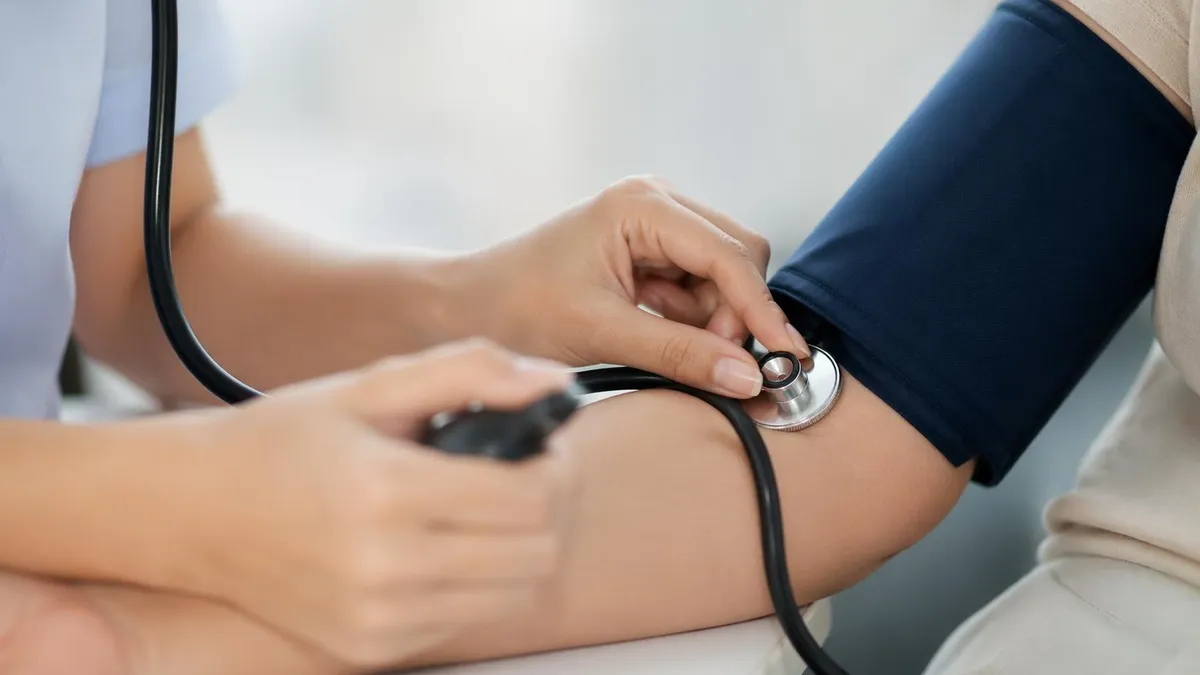
Finding the right CNA program means understanding what online and in-person options actually deliver. If you're exploring a CNA program near me, in-person programs dominate because clinical skills require hands-on practice. You can't learn to take blood pressure or transfer a patient from a bed to a wheelchair through a screen.
That said, CNA programs online have gained real traction. Here's how they work: you complete the classroom portion -- anatomy, medical terminology, infection control, patient rights -- through online modules at your own pace. Then you attend in-person clinical sessions at a partnered healthcare facility near you to fulfill the hands-on requirement. It's a hybrid model, not a fully remote one. No state allows 100% online CNA certification because clinical hours with actual patients are non-negotiable.
In-person programs give you everything in one location. You attend lectures, practice skills in a lab, and complete clinicals all through the same school. The structured schedule keeps you on track. Online-hybrid programs trade that structure for flexibility -- you control when you study the theory portion, which is ideal if you're working or caring for family while training.
Both formats prepare you for the same state exam with equivalent pass rates. The credential you earn is identical -- no employer will know or care whether you studied online or in a classroom. What they care about is that you passed and you're ready to work.
CNA Program Formats Compared
Best for: Hands-on learners who want structure and immediate feedback. Community college and vocational school programs run 4 to 16 weeks with fixed class schedules. You'll attend lectures, practice skills in a nursing lab, and complete clinicals at a partnered facility. Class sizes are typically 15-25 students. Expect to spend 20-30 hours per week in class and clinical settings. Cost ranges from $500 to $2,000 at community colleges.
Types of CNA Training Programs Available in 2026
The CNA training program landscape is broader than most people expect. Beyond standard community college courses, you'll find accelerated boot camps, employer-funded on-the-job training, Red Cross certification programs, and state workforce development initiatives. Each one meets the same regulatory requirements but serves different student profiles.
Accelerated CNA training programs compress months of learning into four to six weeks of intensive, full-day instruction. They're grueling but effective -- you'll study 30 to 40 hours per week and move straight into clinicals. These programs suit people who can commit full-time and want to start working as soon as possible. They're especially popular with career changers who need income quickly.
Standard-pace programs at community colleges spread the same content over 8 to 16 weeks with part-time schedules. You might attend classes three evenings per week plus a Saturday clinical rotation. This pacing works well for people balancing training with jobs or family. The material is identical to accelerated programs -- only the timeline changes. Your state certification exam at the end is the same regardless of which format you chose. What matters is finding a program whose pace matches your available time and energy level -- rushing through content you haven't absorbed helps nobody.
Clinical Hours and Hands-On Training
Every CNA online programs option and every in-person certified nursing assistant program includes mandatory clinical hours. This is non-negotiable -- no state will certify you without documented hands-on practice with real patients in a supervised healthcare setting. Clinical requirements range from 16 to 100 hours depending on your state. If you're looking for a CNA program near me, make sure you understand the clinical commitment before enrolling.
During clinicals, you'll practice skills like taking vital signs, assisting with bathing and dressing, repositioning patients, measuring intake and output, and documenting observations. A licensed nurse supervises everything. You won't be alone with patients until you've demonstrated competency in each skill during lab practice first.
Online-hybrid programs arrange clinical placements at partnered facilities near your location. In-person programs typically conduct clinicals at a nursing home or long-term care facility affiliated with the school. Either way, you'll need to pass a background check, provide immunization records, and complete a drug screening before stepping onto a clinical floor. Most programs handle this paperwork during the enrollment process. Plan ahead -- background checks and immunization records can take a week or two to process, so don't wait until the last minute to gather these documents.
Online-Hybrid vs. In-Person CNA Programs
- +Study theory portions on your own schedule from any device
- +Ideal for working adults who can't attend daytime classes
- +Self-paced modules let you move faster through familiar material
- +Often cheaper than traditional programs since classroom overhead is lower
- +Access recorded lectures you can replay for tricky concepts
- +Geographic flexibility -- attend clinicals locally, study from anywhere
- −All instruction happens in one structured environment
- −Immediate access to instructors for questions during lectures
- −Skills lab and clinical practice built into the daily schedule
- −Peer learning and study groups form naturally in class
- −Better accountability through fixed attendance requirements
- −Simpler logistics -- no need to coordinate separate clinical sites
Free CNA Programs -- How to Train Without Paying
Finding free CNA programs near me is easier than you'd think. The demand for CNAs is so high that many employers will pay for your entire training just to fill open positions. A nursing assistant training program funded by a nursing home or hospital covers tuition, textbooks, scrubs, and sometimes even the state exam fee. The catch? You agree to work at that facility for six months to a year after certification.
State workforce development agencies also fund free CNA training through grants and scholarships. These programs target unemployed or underemployed adults looking to enter healthcare. Goodwill, Job Corps, and community action agencies run free or heavily subsidized CNA programs in many states. Check your state's workforce website or call 2-1-1 to find options near you.
Some community colleges offer CNA tuition waivers or scholarships funded by local healthcare partnerships. Even when a program isn't technically free, financial aid -- including Pell Grants for qualifying students -- can reduce your out-of-pocket cost to zero. Don't assume you can't afford CNA training until you've explored every funding option. The healthcare industry desperately needs CNAs, and that demand translates into generous training subsidies across the country. Employers would rather pay for your training than leave beds unstaffed -- use that leverage to your advantage.
CNA Program Enrollment Checklist
- ✓Verify the program is approved by your state's nurse aide registry or Board of Nursing
- ✓Confirm total cost including tuition, books, scrubs, background check, and exam fees
- ✓Check class schedule compatibility with your work and family commitments
- ✓Ask about clinical site locations and transportation requirements
- ✓Complete a criminal background check -- required before clinical rotations
- ✓Gather immunization records (Hepatitis B, TB test, flu shot, COVID vaccine)
- ✓Submit proof of high school diploma or GED if required by the program
- ✓Apply for financial aid, scholarships, or employer sponsorship before the deadline
- ✓Purchase required supplies -- stethoscope, blood pressure cuff, scrubs, closed-toe shoes
- ✓Register for the state CNA certification exam before your last week of training
Accelerated and 4-Week CNA Programs
Online CNA programs with accelerated timelines have exploded in popularity. These programs compress 8-16 weeks of training into an intense four-to-six-week sprint, and the hybrid versions let you complete theory work online before diving into concentrated clinical sessions. Not every state approves accelerated programs, so verify approval before enrolling.
The training covered in certified nursing assistant programs with accelerated schedules is identical to standard-pace courses. You learn the same skills, cover the same content, and take the same state exam. The only difference is pace -- expect 30 to 40 hours per week of combined study and clinical time. It's comparable to a full-time job. A CNA training program at this intensity isn't for everyone, but it's perfect for people who can dedicate a full month to getting certified.
Cost for accelerated programs ranges from $800 to $2,500 depending on the provider. Vocational schools charge the most. Community colleges with accelerated tracks are cheaper. Employer-sponsored accelerated programs -- where a nursing home trains you in four weeks and hires you on day 29 -- cost nothing at all. If speed matters and you can handle the workload, accelerated is the smartest path.
What to Expect From a 4-Week Online CNA Program
A 4-week online CNA program packs the theory portion into self-paced online modules you complete during weeks one and two, then schedules intensive in-person clinicals during weeks three and four. It's the fastest hybrid option available. You'll cover anatomy, infection control, patient rights, communication skills, and basic nursing procedures through video lectures, readings, and online quizzes before you ever touch a patient.
The CNA online program format demands serious discipline. You're expected to complete 15 to 20 hours of online coursework per week during the theory phase. There's no instructor standing over you -- just deadlines and module completion requirements. Students who procrastinate during weeks one and two arrive at clinicals underprepared, and that's where people fail out.
Clinicals in a 4-week program are compressed and intense. You might spend five full days -- eight hours each -- at a nursing facility during the final two weeks. Every skill on the state exam checklist gets practiced and evaluated. By day 28, you're exam-ready if you kept up with the coursework. Many 4-week programs schedule your state certification exam within a week of completion so the material stays fresh. If you're disciplined and can handle intensity, this format gets you from untrained to certified in under 30 days -- a timeline that's hard to beat.
Only graduates of state-approved CNA programs can sit for the certification exam. Before paying tuition or signing any agreement, check your state's nurse aide registry to confirm the program is listed. Unapproved programs -- especially some online-only offerings -- will waste your time and money because your training hours won't count toward certification.
From CNA Program to Certification
Completing a certified nursing assistant CNA program is half the journey. The other half is passing your state's certification exam, which has two parts: a written (or oral) knowledge test and a clinical skills evaluation. Free CNA programs and paid programs both prepare you for the same exam -- the credential is identical regardless of how you trained.
The written test covers 60 to 100 multiple-choice questions on topics like infection control, patient safety, communication, body mechanics, and resident rights. You'll have 90 minutes to two hours depending on your state. The clinical skills test requires you to demonstrate five randomly selected hands-on skills -- like handwashing, positioning, or taking vital signs -- in front of a state evaluator. Each skill must be performed correctly in sequence.
Most states allow three attempts before requiring additional training. First-attempt pass rates hover around 85 to 92% for students who attended approved programs and practiced consistently. The best way to prepare is through timed practice tests that mirror exam conditions. Cramming the night before works for the written portion; it doesn't work for clinical skills, which require muscle memory built through repeated practice over weeks.
CNA Practice Test Questions
Prepare for the CNA - Certified Nursing Assistant exam with our free practice test modules. Each quiz covers key topics to help you pass on your first try.
CNA Activities of Daily Living
CNA Exam Questions covering Activities of Daily Living. Master CNA Test concepts for certification prep.
CNA Aging Process
Free CNA Practice Test featuring Aging Process. Improve your CNA Exam score with mock test prep.
CNA Anatomy and Physiology Basics
CNA Mock Exam on Anatomy and Physiology Basics. CNA Study Guide questions to pass on your first try.
CNA Assisting with Daily Living
CNA Test Prep for Assisting with Daily Living. Practice CNA Quiz questions and boost your score.
CNA Assisting with Range of Motion Exercises
CNA Questions and Answers on Assisting with Range of Motion Exercises. Free CNA practice for exam readiness.
CNA Basic Human Anatomy and Age-Related Ch...
CNA Mock Test covering Basic Human Anatomy and Age-Related Changes. Online CNA Test practice with instant feedback.
CNA Basic Nursing Skills
Free CNA Quiz on Basic Nursing Skills. CNA Exam prep questions with detailed explanations.
CNA Basic Nursing Skills 10
CNA Practice Questions for Basic Nursing Skills 10. Build confidence for your CNA certification exam.
CNA Basic Nursing Skills 11
CNA Test Online for Basic Nursing Skills 11. Free practice with instant results and feedback.
CNA Basic Nursing Skills 1
CNA Study Material on Basic Nursing Skills 1. Prepare effectively with real exam-style questions.
CNA Basic Nursing Skills 12
Free CNA Test covering Basic Nursing Skills 12. Practice and track your CNA exam readiness.
CNA Basic Nursing Skills 13
CNA Exam Questions covering Basic Nursing Skills 13. Master CNA Test concepts for certification prep.
CNA Basic Nursing Skills 14
Free CNA Practice Test featuring Basic Nursing Skills 14. Improve your CNA Exam score with mock test prep.
CNA Basic Nursing Skills 15
CNA Mock Exam on Basic Nursing Skills 15. CNA Study Guide questions to pass on your first try.
CNA Basic Nursing Skills 16
CNA Test Prep for Basic Nursing Skills 16. Practice CNA Quiz questions and boost your score.
CNA Basic Nursing Skills 17
CNA Questions and Answers on Basic Nursing Skills 17. Free CNA practice for exam readiness.
CNA Basic Nursing Skills 18
CNA Mock Test covering Basic Nursing Skills 18. Online CNA Test practice with instant feedback.
CNA Basic Nursing Skills 19
Free CNA Quiz on Basic Nursing Skills 19. CNA Exam prep questions with detailed explanations.
CNA Basic Nursing Skills 20
CNA Practice Questions for Basic Nursing Skills 20. Build confidence for your CNA certification exam.
CNA Basic Nursing Skills 21
CNA Test Online for Basic Nursing Skills 21. Free practice with instant results and feedback.
CNA Basic Nursing Skills 2
CNA Study Material on Basic Nursing Skills 2. Prepare effectively with real exam-style questions.
CNA Basic Nursing Skills 3
Free CNA Test covering Basic Nursing Skills 3. Practice and track your CNA exam readiness.
CNA Basic Nursing Skills 4
CNA Exam Questions covering Basic Nursing Skills 4. Master CNA Test concepts for certification prep.
CNA Basic Nursing Skills 5
Free CNA Practice Test featuring Basic Nursing Skills 5. Improve your CNA Exam score with mock test prep.
CNA Basic Nursing Skills 6
CNA Mock Exam on Basic Nursing Skills 6. CNA Study Guide questions to pass on your first try.
CNA Basic Nursing Skills 7
CNA Test Prep for Basic Nursing Skills 7. Practice CNA Quiz questions and boost your score.
CNA Basic Nursing Skills 8
CNA Questions and Answers on Basic Nursing Skills 8. Free CNA practice for exam readiness.
CNA Basic Nursing Skills 9
CNA Mock Test covering Basic Nursing Skills 9. Online CNA Test practice with instant feedback.
CNA Basic Restorative Services
Free CNA Quiz on Basic Restorative Services. CNA Exam prep questions with detailed explanations.
CNA Basic Restorative Services 1
CNA Practice Questions for Basic Restorative Services 1. Build confidence for your CNA certification exam.
CNA Bathing and Dressing
CNA Test Online for Bathing and Dressing. Free practice with instant results and feedback.
CNA Body Mechanics
CNA Study Material on Body Mechanics. Prepare effectively with real exam-style questions.
CNA Career Advancement and Opportunities
Free CNA Test covering Career Advancement and Opportunities. Practice and track your CNA exam readiness.
CNA Career Opportunities and Benefits
CNA Exam Questions covering Career Opportunities and Benefits. Master CNA Test concepts for certification prep.
CNA Care for Residents with Cognitive Impa...
Free CNA Practice Test featuring Care for Residents with Cognitive Impairment. Improve your CNA Exam score with mock test prep.
CNA Care of Cognitively Impaired Residents
CNA Mock Exam on Care of Cognitively Impaired Residents. CNA Study Guide questions to pass on your first try.
CNA Care of Cognitively Impaired Residents 1
CNA Test Prep for Care of Cognitively Impaired Residents 1. Practice CNA Quiz questions and boost your score.
CNA Care Of Cognitively Impaired Residents 4
CNA Questions and Answers on Care Of Cognitively Impaired Residents 4. Free CNA practice for exam readiness.
CNA Common Medical Terms and Abbreviations
CNA Mock Test covering Common Medical Terms and Abbreviations. Online CNA Test practice with instant feedback.
CNA Communication and Interpersonal Skills
Free CNA Quiz on Communication and Interpersonal Skills. CNA Exam prep questions with detailed explanations.
CNA Communication and Interpersonal Skills 1
CNA Practice Questions for Communication and Interpersonal Skills 1. Build confidence for your CNA certification exam.
CNA Communication And Interpersonal Skills 4
CNA Test Online for Communication And Interpersonal Skills 4. Free practice with instant results and feedback.
CNA Eligibility and Qualifications
CNA Study Material on Eligibility and Qualifications. Prepare effectively with real exam-style questions.
CNA Emergency Procedure
Free CNA Test covering Emergency Procedure. Practice and track your CNA exam readiness.
CNA Ethics and Professionalism
CNA Exam Questions covering Ethics and Professionalism. Master CNA Test concepts for certification prep.
CNA Exam Structure and Content
Free CNA Practice Test featuring Exam Structure and Content. Improve your CNA Exam score with mock test prep.
CNA Feeding and Hydration
CNA Mock Exam on Feeding and Hydration. CNA Study Guide questions to pass on your first try.
CNA Infection Control
CNA Test Prep for Infection Control. Practice CNA Quiz questions and boost your score.
CNA Infection Control and Safety
CNA Questions and Answers on Infection Control and Safety. Free CNA practice for exam readiness.
CNA Isolation Precautions
CNA Mock Test covering Isolation Precautions. Online CNA Test practice with instant feedback.
CNA Legal & Ethical Behaviours
Free CNA Quiz on Legal & Ethical Behaviours. CNA Exam prep questions with detailed explanations.
CNA Legal & Ethical Behaviours 1
CNA Practice Questions for Legal & Ethical Behaviours 1. Build confidence for your CNA certification exam.
CNA Legal & Ethical Behaviours 4
CNA Test Online for Legal & Ethical Behaviours 4. Free practice with instant results and feedback.
CNA Mental Health and Social Services Needs
CNA Study Material on Mental Health and Social Services Needs. Prepare effectively with real exam-style questions.
CNA Mental Health and Social Services Needs 1
Free CNA Test covering Mental Health and Social Services Needs 1. Practice and track your CNA exam readiness.
CNA Mental Health And Social Services Needs 4
CNA Exam Questions covering Mental Health And Social Services Needs 4. Master CNA Test concepts for certification prep.
CNA Nutrition and Hydration Management
Free CNA Practice Test featuring Nutrition and Hydration Management. Improve your CNA Exam score with mock test prep.
CNA Patient Care Procedure
CNA Mock Exam on Patient Care Procedure. CNA Study Guide questions to pass on your first try.
CNA Personal Care Skills
CNA Test Prep for Personal Care Skills. Practice CNA Quiz questions and boost your score.
CNA Personal Care Skills 1
CNA Questions and Answers on Personal Care Skills 1. Free CNA practice for exam readiness.
CNA Personal Care Skills 4
CNA Mock Test covering Personal Care Skills 4. Online CNA Test practice with instant feedback.
CNA Personal Care Skills 5
Free CNA Quiz on Personal Care Skills 5. CNA Exam prep questions with detailed explanations.
CNA Personal Hygiene and Grooming
CNA Practice Questions for Personal Hygiene and Grooming. Build confidence for your CNA certification exam.
CNA Practice Test - Basic Nursing Skills #2
CNA Test Online for Practice Test - Basic Nursing Skills #2. Free practice with instant results and feedback.
CNA Practice Test - Basic Nursing Skills #2 1
CNA Study Material on Practice Test - Basic Nursing Skills #2 1. Prepare effectively with real exam-style questions.
CNA Preventing Patient Falls and Injuries
Free CNA Test covering Preventing Patient Falls and Injuries. Practice and track your CNA exam readiness.
CNA Promoting Resident Independence and Ch...
CNA Exam Questions covering Promoting Resident Independence and Choice. Master CNA Test concepts for certification prep.
CNA Proper Hand Hygiene and PPE Usage
Free CNA Practice Test featuring Proper Hand Hygiene and PPE Usage. Improve your CNA Exam score with mock test prep.
CNA Resident Rights and Communication
CNA Mock Exam on Resident Rights and Communication. CNA Study Guide questions to pass on your first try.
CNA Resident’s Rights
CNA Test Prep for Resident’s Rights. Practice CNA Quiz questions and boost your score.
CNA Resident's Rights 1
CNA Questions and Answers on Resident's Rights 1. Free CNA practice for exam readiness.
CNA Resident's Rights 4
CNA Mock Test covering Resident's Rights 4. Online CNA Test practice with instant feedback.
CNA Roles and Responsibilities
Free CNA Quiz on Roles and Responsibilities. CNA Exam prep questions with detailed explanations.
CNA Safety and Emergency Procedures
CNA Practice Questions for Safety and Emergency Procedures. Build confidence for your CNA certification exam.
CNA Safety and Emergency Procedures 1
CNA Test Online for Safety and Emergency Procedures 1. Free practice with instant results and feedback.
CNA Safety And Emergency Procedures 4
CNA Study Material on Safety And Emergency Procedures 4. Prepare effectively with real exam-style questions.
CNA Safety and Infection Control
Free CNA Test covering Safety and Infection Control. Practice and track your CNA exam readiness.
CNA Scope of Practice
CNA Exam Questions covering Scope of Practice. Master CNA Test concepts for certification prep.
CNA Skills and Competencies
Free CNA Practice Test featuring Skills and Competencies. Improve your CNA Exam score with mock test prep.
CNA Supporting Rehabilitation Activities
CNA Mock Exam on Supporting Rehabilitation Activities. CNA Study Guide questions to pass on your first try.
CNA The Nurse Aide's Role and Responsibili...
CNA Test Prep for The Nurse Aide's Role and Responsibilities. Practice CNA Quiz questions and boost your score.
CNA Time Management and Prioritization
CNA Questions and Answers on Time Management and Prioritization. Free CNA practice for exam readiness.
CNA Toileting and Elimination
CNA Mock Test covering Toileting and Elimination. Online CNA Test practice with instant feedback.
CNA Using Adaptive Devices
CNA Practice Questions for Using Adaptive Devices. Build confidence for your CNA certification exam.
Career Pathways After Your CNA Program
Your CNA certification opens doors beyond bedside care. How long is a CNA program? Four to sixteen weeks. But the career it launches can last decades and branch in directions you might not expect. Many CNAs use certification as a stepping stone to LPN, RN, or specialized roles like restorative CNA, hospice CNA, or travel CNA positions that pay significantly more.
A CNA training program online or in-person gives you the same foundation. From there, advancement depends on experience and further education. Some hospitals offer tuition reimbursement for CNAs pursuing nursing degrees -- you work while studying, and the employer foots the education bill. That pipeline from CNA to RN is one of the most practical paths into professional nursing.
Starting CNA salaries range from $30,000 to $42,000 depending on location and setting. Hospital CNAs typically earn more than those in long-term care. Travel CNAs -- who take short-term assignments in different cities -- can earn $45,000 to $55,000 with housing stipends included. The demand for CNAs is projected to grow 4% through 2032, which means job security is strong and employers will keep competing for qualified candidates with signing bonuses, shift differentials, and tuition benefits. Your CNA program is the starting line -- where you run from there is up to you.
CNA Questions and Answers
Restorative CNA: Duties, Training, Salary & How to Get Started
CNA Hospital Jobs Near Me: How to Find, Apply & Get Hired in 2026

Goodwill CNA Program: Free Classes, Costs, and How to Enroll
Hospice CNA: Duties, Salary, Per Diem Work & How to Get Started
4-Week CNA Program: Online Options, State Programs & How to Enroll
About the Author

Registered Nurse & Healthcare Educator
Johns Hopkins University School of NursingDr. Sarah Mitchell is a board-certified registered nurse with over 15 years of clinical and academic experience. She completed her PhD in Nursing Science at Johns Hopkins University and has taught NCLEX preparation and clinical skills courses for nursing students across the United States. Her research focuses on evidence-based exam preparation strategies for healthcare certification candidates.
Join the Discussion
Connect with other students preparing for this exam. Share tips, ask questions, and get advice from people who have been there.
View discussion (8 replies)