
CNA Training Indianapolis: Programs, Costs, Exam Steps and Jobs 2026
🎓 CNA training in Indianapolis takes about 4-12 weeks: pick a state-approved program, pass the exam, join the registry, and start CNA jobs near you.
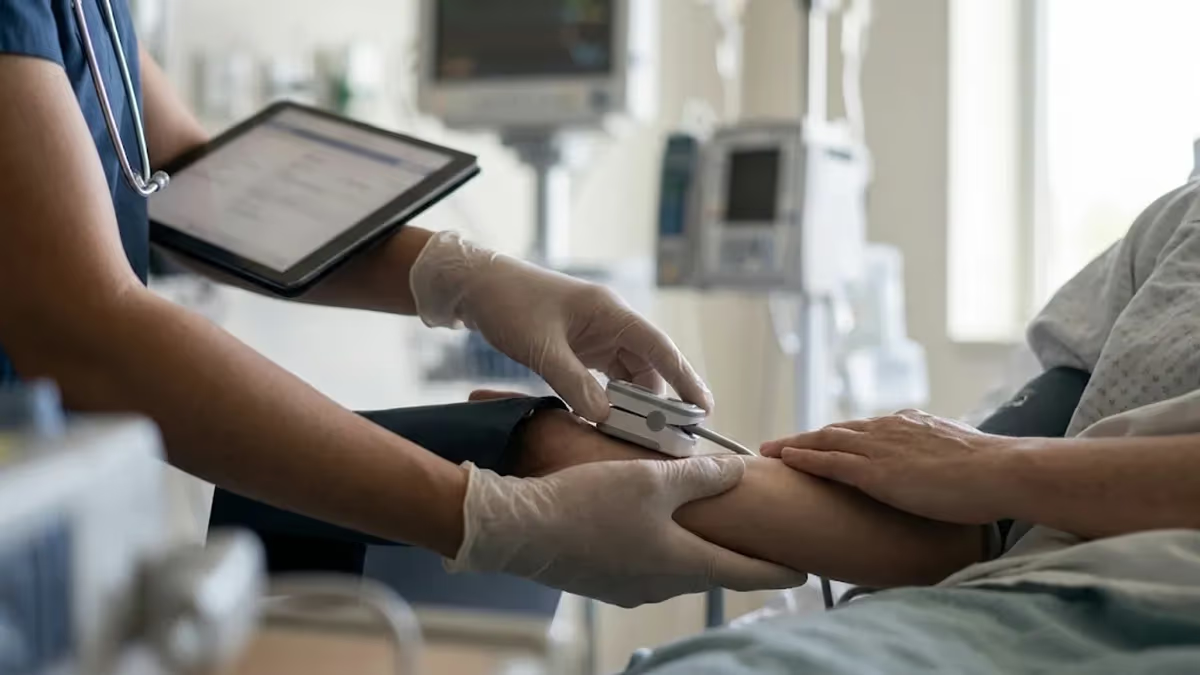
CNA training in Indianapolis means completing a state-approved nurse aide program of at least 75 clock hours, passing the competency exam, and landing on the Indiana nurse aide registry. Most students finish in roughly four to twelve weeks, and some employers pay for it. Costs and schedules vary by school, so confirm the details with the Indiana Department of Health.
Cna Training Indianapolis: Key Facts (Updated October 2026)
| Fact | Details | Source |
|---|---|---|
| Federal minimum training | At least 75 clock hours of approved training, including at least 16 hours of supervised practical training | 42 CFR 483.154 (Cornell LII) |
| Exam format | In-person written or oral exam plus an in-person skills demonstration at an approved test site | 42 CFR 483.154 (Cornell LII) |
| Retake rule | Candidates get at least 3 attempts and must be told which areas they failed before each retake | 42 CFR 483.154 (Cornell LII) |
| Passing score | Set by each state; no national percentage is published | Indiana Department of Health |
| Exam fees | Set per state and testing vendor, so confirm the current Indiana fee before you register | Indiana Department of Health |
| Score release | Days to weeks, depending on the state and vendor; there is no national standard | Indiana Department of Health |
| Certification validity | Typically 2 years from issuance in most states, with renewal tied to paid nursing-related work | Indiana Department of Health nurse aide registry |
Indianapolis is one of the easiest Midwest cities in which to start a healthcare career, because demand for nurse aides stays high across hospitals, nursing homes, and home health agencies. CNA training Indianapolis students choose usually blends classroom lectures, a skills lab, and supervised clinical hours in a real facility. The path is short compared with nursing school, which is why so many people use it as a first step toward LPN or RN licensure.
Because the core content is similar across the country, you can begin studying before you ever enroll. Our michigan cna practice test hub covers the same patient-care, safety, and communication topics that Indiana programs teach, so it works as a low-pressure warm-up. Many students take a few practice quizzes first to confirm they enjoy the material, then choose a school with more confidence about the commitment ahead of them.
Local programs come from several sources. Community colleges such as Ivy Tech, private career schools, nonprofit training centers, and employers all run state-approved classes in the Indianapolis area. Long-term care facilities sometimes hire you first and train you on the job at no charge, usually in exchange for a work commitment. Every approved option must teach the same federal core skills, so the real differences are cost, schedule, class size, and whether a job offer comes attached.
If you already know you want hospital work, our Indianapolis CNA resource on acute care practice test videos shows what bedside skills look like on a busy unit. Watching demonstrations before class helps you picture handwashing, patient transfers, and vital signs, and it makes your first lab day feel familiar instead of overwhelming. Visual learners in particular tend to retain the step-by-step skill sequences much better after seeing them performed.
Certification is the credential employers actually screen for. A cert CNA, meaning someone whose name appears as active on the state registry, can apply for most openings listed under cna jobs near me searches, while an uncertified applicant is limited to a few trainee roles. Employers verify your status online before the first shift, so finishing the exam and registry paperwork quickly matters just as much as finishing the coursework itself.
This guide walks through each stage in order: the steps to become a CNA in Indiana, how to compare Indianapolis programs, where cna hiring near me results come from, what the job pays, and how to check a license. Figures marked as federal rules apply everywhere, while fees, passing scores, and renewal details are set by the state, so always confirm them with official sources before paying any deposit.
A realistic timeline helps you plan. Expect one to three weeks to choose a program and gather documents, four to twelve weeks of training depending on full-time or evening schedules, and a few more weeks to test and appear on the registry. Most people are working as aides within about three months of starting, and employer-sponsored students may begin earning even sooner because they are hired before the class finishes.
CNA Training Indianapolis by the Numbers
How to Become a CNA in Indiana?
Choose a State-Approved Program
Complete Classroom and Lab Training
Finish Supervised Clinical Hours
Pass the Competency Exam
Join the Registry and Get Hired
What Are the Best CNA Programs in Indianapolis?
The best CNA programs in Indianapolis are the ones approved by the Indiana Department of Health, that include real clinical hours, and that fit your budget and schedule. Approval is non-negotiable, because graduates of unapproved courses cannot sit for the state exam. Start by confirming approval status with the state, then compare the cna programs Indianapolis offers on cost, length, and how many graduates pass the exam on the first attempt.
Community colleges generally offer the most predictable structure. Ivy Tech and similar institutions run semester-style classes with set tuition, financial aid options, and credits that may later count toward a nursing degree. The tradeoff is a fixed calendar, so you may wait weeks for the next start date. If you plan to continue to LPN or RN, a college-based program can save you money and repetition later on.
Private career schools and training centers usually run shorter, faster cohorts, sometimes finishing in about four weeks with day, evening, or weekend sections. Tuition is often higher than at a college, commonly from several hundred dollars to over a thousand, and it may or may not include scrubs, textbooks, background checks, and exam fees. Ask for a written total cost before you sign anything, and never pay the full amount without a receipt.
Employer-sponsored training is the best value when you can find it. Nursing homes and rehab centers across Marion County and the surrounding counties sometimes run their own approved classes, cover tuition and testing, and hire graduates directly. In return you may owe a few months of work, so read the agreement closely. This route also gives you cna on the job experience from the very first week of employment.
Compare indianapolis cna programs with the same questions every time. How many total hours, and how many are clinical? Where do clinicals happen? What is the instructor-to-student ratio? What percentage of recent students passed the exam? Does the price include the exam fee? Will the school help with job placement? Programs proud of their results answer quickly and in writing, while vague answers are a good reason to keep shopping elsewhere.
Requirements differ by state, so use other states only as a comparison point. The georgia cna registry guide, for example, shows how another state handles approved programs, registry listing, and renewal, which helps you know what to ask Indiana schools. If you ever move, remember that certification does not transfer automatically; you apply for reciprocity with the new state's registry, and the process can take several weeks.
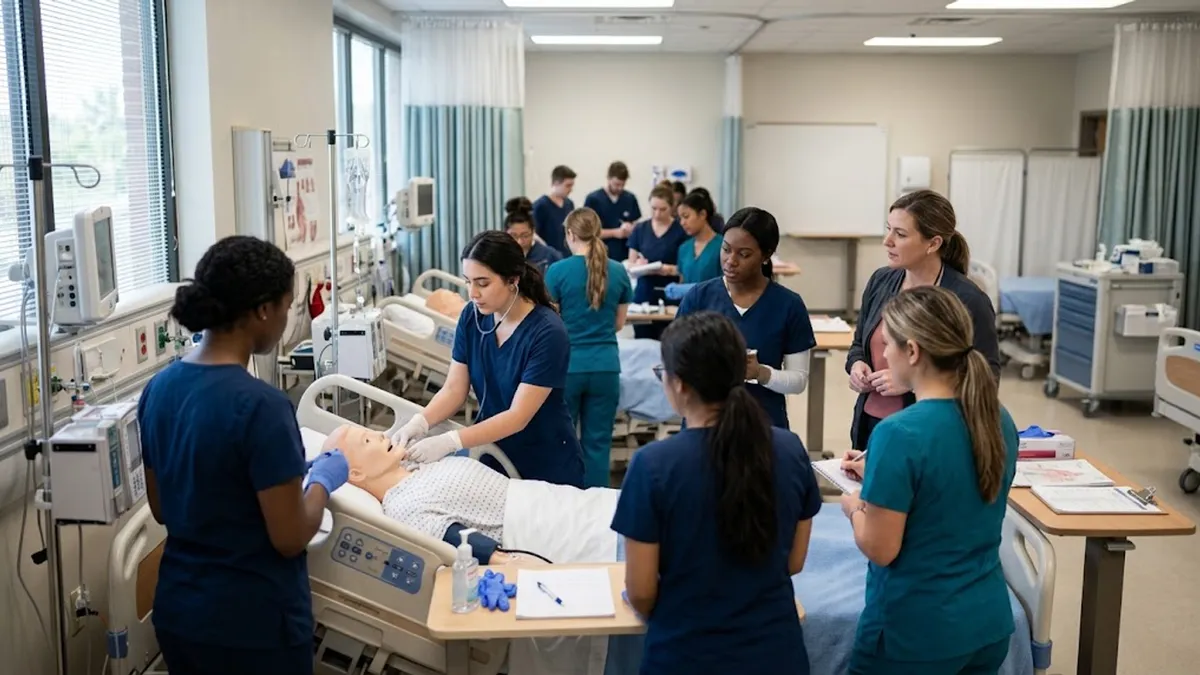
Finally, visit before you enroll. Sit in on an information session, tour the skills lab, and meet the clinical instructor if possible. A good lab has working hospital beds, lifts, and practice mannequins, and students rehearse each skill until they are comfortable. Ask recent graduates how long it took them to get hired. Their answers reveal more about a program's reputation with local employers than any brochure or website will.
Where Can You Find CNA Jobs Near Me in Indianapolis?
Hospitals employ many aides in Indianapolis, and large systems such as IU Health, Community Health Network, Ascension St. Vincent, and Eskenazi Health regularly post openings. Hospital CNAs, sometimes titled patient care technicians, take vital signs, assist with mobility, turn patients, and report changes to nurses. Pace is fast, and units range from medical-surgical floors to emergency departments.
Hospital positions often offer stronger benefits, tuition assistance, and clear ladders toward nursing roles, but they can be competitive for brand-new graduates. Applying to several systems at once, mentioning your clinical site, and showing comfort with fast-moving environments improve your odds. Searching cna hiring near me on each system's career page often shows newer postings than general job boards do.
Is CNA Training in Indianapolis Worth It?
- +Programs can be finished in weeks instead of years
- +Strong local demand across hospitals, nursing homes, and home health
- +Some employers pay for training and testing
- +Clinical hours give real patient-care experience early
- +A direct stepping stone toward LPN, RN, or other healthcare careers
- +Flexible day, evening, and weekend class options exist
- −Entry-level pay is modest compared with many other healthcare roles
- −The work is physically demanding, with lifting and long shifts
- −Private school tuition can reach over a thousand dollars
- −Sponsored training may require a work commitment afterward
- −Exam fees and background checks add to the upfront cost
- −Emotional strain is common when caring for seriously ill residents
How Do You Get a CNA License in Indiana? A Step Checklist
- ✓Confirm you meet the program's age and education requirements.
- ✓Verify the school is approved by the Indiana Department of Health.
- ✓Ask for a written total cost, including exam fees.
- ✓Complete any required background check and health screening.
- ✓Attend every classroom and skills lab session.
- ✓Finish all supervised clinical hours with your instructor's sign-off.
- ✓Practice each testable skill until you can perform it without notes.
- ✓Register for the written or oral exam and the skills test.
- ✓Keep your score report after you finish the exam.
- ✓Confirm your active status on the Indiana nurse aide registry.
Ask Before You Pay Tuition
Many Indianapolis nursing homes will hire you first and cover approved training and testing. Ask about this before enrolling anywhere. You may owe a short work commitment, but you avoid upfront tuition and start earning almost immediately.
How Much Does a CNA Make in Indiana?
A CNA in Indiana typically earns somewhere around 16 to 19 dollars an hour, which works out to roughly 33,000 to 40,000 dollars a year for full-time work. Indianapolis tends to sit at or slightly above the state average because hospitals and large health systems compete for staff. Exact pay depends on employer, shift, and experience, so treat these as ballpark figures and check current postings for real numbers.
A simple example shows how the math works. An aide working 36 hours a week at 18 dollars an hour earns 648 dollars before taxes, or about 33,700 dollars over a 52-week year. Add overtime, and the same person working 44 hours earns the extra eight hours at time and a half, which can lift annual pay by several thousand dollars. Always compare total hours, not just the hourly rate.
Shift differentials are one of the easiest ways to raise pay. Many facilities add an extra dollar or two per hour for evenings, nights, and weekends, and holiday shifts may pay time and a half. Sign-on bonuses appear often in cna jobs postings, particularly for night shifts and understaffed units. Read bonus terms carefully, because some require you to stay six months or more before the money is yours.
Setting also changes compensation. Hospitals frequently offer stronger benefits and structured raises, while nursing homes may pay slightly more per hour to attract staff. Home health pay varies with client needs, and staffing agency per-diem work can exceed both on an hourly basis but often lacks paid time off. Weigh health insurance, retirement matches, and tuition assistance alongside the hourly figure when you compare real offers.
Benefits can be worth thousands of dollars. Health insurance, paid time off, retirement contributions, uniform allowances, and tuition reimbursement all add value that does not show up in the advertised wage. Several health systems in Indianapolis help aides pay for nursing school while they keep working. If you plan to advance, that benefit alone can outweigh a slightly higher hourly rate at an employer that offers no education support.
Experience and added credentials move pay upward over time. In Indiana, aides who complete additional training can become Qualified Medication Aides, a role that passes medications in some settings and typically pays more. Others use their CNA job as a launch pad to LPN or RN programs. If you want to build skills first, browse our guide to cna classes and testing centers to see what extra training is available.
Finally, negotiate and document. Ask whether the employer credits prior healthcare experience, keep a record of your clinical hours and any specialty training, and revisit pay after your first six months. Employers expect a cna job candidate to ask about differentials and raise schedules. Polite, informed questions rarely cost you an offer, and they often add a meaningful amount to your first-year earnings.

Only graduates of state-approved programs can take the competency exam. Confirm approval with the Indiana Department of Health before paying a deposit. Federal rules generally bar nursing facilities from charging aides they employ or have offered jobs for required training and testing.
How Do You Run an Indiana CNA License Search?
You run an Indiana CNA license search through the nurse aide registry maintained by the Indiana Department of Health. Searching by name or certificate number shows whether a person's status is active or expired, and it may list any findings of abuse or neglect. Employers, students, and families all use the same tool, which is why people call it the indiana cna lookup or cna lookup indiana.
To look up cna license indiana records, gather the full legal name exactly as it appears on the certificate, and a certificate number if you have it. Spelling variations, maiden names, and middle initials are the most common reasons a search returns nothing. Try alternate spellings before assuming a record is missing, and contact the registry directly if an expected listing still does not appear after a few attempts.
Checking your own listing is a smart habit. After you pass the exam, confirm the registry shows your name, status, and correct spelling, because employers will check before your first shift. Errors are easier to fix right away than during a hiring rush. Take a screenshot or print the page for your files, and note your certificate number somewhere safe for future applications and renewals.
Most states certify aides for about two years, and Indiana follows a similar cycle that depends on working in a paid nursing-related role. Renewal rules, required hours, and deadlines are set by the state, so verify the current requirements on the official registry site rather than relying on memory. Letting certification lapse can mean retraining or retesting, which costs far more than a few minutes of paperwork.
Understanding cna certification versus the word license also helps. Many people say cna license, but the credential is technically a certification and a registry listing. Employers want proof of both completed training and an active status. A cert cna with a clean registry record can usually start work quickly, while anyone with a pending finding or an expired listing will be turned away until the issue is resolved.
Compare how other places structure training when you plan a move or a bridge program. Our breakdown of how long cna course options run in New York City shows how hour requirements, costs, and free training offers differ by state. Use it as context only, since Indiana rules apply to Indianapolis programs, but the comparison makes it easier to judge whether a local price or schedule is reasonable.
If you move to Indiana from another state, ask the registry about reciprocity. Typically you must hold an active listing in good standing, and the state verifies your record before adding you to its own registry. Processing can take weeks, so start early. Keep proof of past employment and training handy, because some states ask for documentation of recent paid work before granting full reciprocity.
How Do You Succeed in CNA Training and on the Job?
Succeeding in CNA training starts with treating clinical hours as a job interview. Arrive early, dress professionally, ask questions, and volunteer for tasks. Facilities often hire students they have watched working for weeks, and instructors frequently pass along recommendations. Showing reliability and kindness during clinicals gives you a head start on cna hiring near me searches, since the staff you impress may be the people hiring next.
Master the skills checklist early. State exams grade each skill step by step, including handwashing, privacy, safety checks, and communication. Practice out loud with a partner, narrating every step, and time yourself. Many candidates fail not because they lack knowledge but because they skip a required step under pressure. Repetition until the sequence feels automatic is the single most effective way to protect your skills score on exam day.
Study the written material in short, regular sessions rather than cramming. Thirty focused minutes a day for several weeks beats one exhausting weekend. Use practice quizzes on infection control, residents' rights, the aging process, and activities of daily living, then review every missed question until you can explain the right answer. Good habits built now also make your first month of cna on the job learning less stressful.
Expect to learn charting early. Many nursing homes and rehab centers document care with software such as PointClickCare, where aides record meals, bathing, toileting, and mobility at the point of care. Your employer issues your pointclickcare cna login, and you should never share it or sign in on another person's account. Ask for a short training session, because accurate documentation protects residents and you.
Ask your supervisor how your facility uses pointclickcare cna tools, including which screens to complete each shift and how to flag concerns. Follow the facility's own login address and procedures rather than searching for a public page, since access is controlled by the employer. If you cannot sign in, tell your charge nurse immediately and do not leave tasks undocumented, because missed charting can create safety and compliance problems for the whole team.
Protect your body and mind from day one. Use proper body mechanics, ask for help with heavy lifts, and use lifts and gait belts every time they are appropriate. Wear supportive shoes, stay hydrated, and take breaks you are entitled to. Emotional strain is real in this work, so lean on coworkers, set boundaries after shifts, and speak up early if the workload feels unsafe.
Finally, run your job search like a project. Search cna job near me and cna jobs near me on several boards, check facility career pages directly, and apply to ten openings in your first week. Keep a list of where and when you applied, follow up politely after a few days, and prepare short stories about teamwork, patience, and handling a difficult situation for interviews.
CNA Questions and Answers

Free CNA Practice Test 2026 - CNA Exam Questions

CNA in Georgia: State Requirements, Training Programs & Salary Guide

CNA Center: Top Training Programs & Testing Centers Guide

CNA Programs in NYC 2026: Top Schools, Free Paid Training & Costs
Acute Care CNA Practice Test Video Answers
DIALYSIS CNA Practice Test Video Answers

CNA Jobs Near Me: 7 Tips to Find and Land Your First Position
CNA Certification: Training, Exam Requirements & State Registry Guide
Nurse Aide: Training, Certification, Duties & Salary by State
About the Author

Registered Nurse & Healthcare Educator
Johns Hopkins University School of NursingDr. Sarah Mitchell is a board-certified registered nurse with over 15 years of clinical and academic experience. She completed her PhD in Nursing Science at Johns Hopkins University and has taught NCLEX preparation and clinical skills courses for nursing students across the United States. Her research focuses on evidence-based exam preparation strategies for healthcare certification candidates.