
BLS CPR Certification: Complete 2026 July Study Guide for Healthcare Providers
Learn what a BLS certification is, what to expect on the AHA Basic Life Support exam, costs, renewal, and free practice tests. 💯

What is a BLS certification, and why does every nurse, paramedic, respiratory therapist, and medical student need one before entering clinical practice? A BLS CPR cert — short for Basic Life Support cardiopulmonary resuscitation certification — is a credential that proves you can recognize and respond to life-threatening cardiac and respiratory emergencies. Issued primarily by the American Heart Association and the American Red Cross, it validates skills like high-quality chest compressions, rescue breathing, AED operation, and team-based resuscitation that hospitals and clinics require as a baseline condition of employment.
What does BLS stand for? The acronym stands for Basic Life Support, a term the American Heart Association standardized to distinguish structured, evidence-based resuscitation from informal first-aid CPR. While a lay bystander CPR class teaches civilians how to respond until EMS arrives, a BLS course goes deeper — covering adult, child, and infant resuscitation, bag-mask ventilation, two-rescuer CPR coordination, and the management of obstructed airways. Healthcare providers complete this training in a classroom or blended-learning format and must pass both a written exam and a hands-on skills evaluation to earn the credential.
Many candidates ask whether BLS is the same as CPR, and the honest answer is: they overlap significantly, but BLS is the more advanced, provider-level version of CPR training. A standard community CPR class may last 30 minutes and cover only adult compression-only techniques. By contrast, a BLS for healthcare providers course typically runs three to four hours, teaches multi-rescuer team dynamics, and requires demonstrated competency on mannequins before any card is issued. If your employer or licensing board specifies BLS, a basic community CPR card will not satisfy that requirement.
The American Heart Association's BLS certification is the most widely recognized version in U.S. hospitals, and the AHA Basic Life Support exam is the written portion that tests your comprehension of resuscitation science. The exam covers compression rate and depth, ventilation ratios, rhythm recognition basics, chain-of-survival concepts, and special resuscitation scenarios involving pregnancy or opioid overdose. Understanding the exam format is critical because many first-time test-takers underestimate how precisely the AHA words its questions — small details like the exact compression fraction or the two-breath pause timing can be the difference between a passing and failing answer.
Basic life support for healthcare providers is updated on a two-year cycle aligned with the AHA's evidence review process. The current guidelines, updated following the 2020 and 2022 AHA scientific statements, emphasize minimally interrupted chest compressions, a compression-to-ventilation ratio of 30:2 for single rescuers, and early defibrillation as the primary determinants of survival. These guideline updates filter directly into exam questions, which is why using outdated study materials — even from just one cycle ago — can lead to wrong answers on current tests. Always verify that any practice questions you use reference the most recent AHA or ILCOR guidelines.
If you want to know how long does basic life support certification last, the short answer is two years for AHA credentials, with a renewal class required before expiration to avoid having to repeat the full initial course. Planning your renewal timeline early is especially important for hospital employees whose credentials are tracked in credentialing software — an even one-day lapse can trigger an administrative hold on your ability to work in a clinical setting.
Throughout this guide, you will find everything you need to understand the certification pathway, master the exam content, and use free practice tests to build the confidence that translates directly into a passing score.
Whether you are pursuing your first BLS CPR cert as a nursing student, preparing for a recertification class after a two-year gap, or simply trying to understand what separates an AHA BLS card from a Red Cross BLS card, this guide covers every angle. We break down the exam format, the highest-yield study topics, the cost and scheduling options, and the most common mistakes candidates make — so you can walk into your certification class prepared, confident, and ready to pass on your first attempt.
BLS CPR Certification by the Numbers

BLS Certification Study Schedule
- ▸Read the AHA BLS Provider Manual chapters on adult CPR
- ▸Memorize compression rate (100–120/min) and depth (2–2.4 inches)
- ▸Learn the adult, child, and infant 30:2 ratio for single rescuers
- ▸Complete 1 practice quiz on high-quality CPR fundamentals
- ▸Study AED pad placement for adults, children, and infants
- ▸Review bag-mask ventilation technique and common errors
- ▸Learn the difference between witnessed and unwitnessed arrest protocols
- ▸Complete 2 practice quizzes on AED and airway content
- ▸Practice two-rescuer scenarios: roles, switch timing, communication
- ▸Study pregnancy resuscitation, opioid reversal, and pediatric differences
- ▸Review obstructed airway management for conscious and unconscious victims
- ▸Take a full-length timed practice exam to identify weak areas
- ▸Focus review time on lowest-scoring topics from Week 3 practice test
- ▸Watch AHA skills demonstration videos for mannequin practice guidance
- ▸Complete 2 more full practice quizzes under timed conditions
- ▸Review all incorrectly answered questions with rationales
The written component of the AHA Basic Life Support exam typically consists of 25 multiple-choice questions, and candidates must score at least 84 percent — correctly answering 21 of 25 questions — to pass. Questions are drawn from a defined content blueprint that the AHA publishes in its BLS Provider Manual, so there are no hidden surprises if you study from the right source. The exam is administered either on paper in classroom settings or digitally through AHA's HeartCode platform for blended-learning students who complete the cognitive portion online before attending a hands-on skills session.
The single highest-yield domain on the AHA Basic Life Support exam is high-quality CPR technique, which accounts for a disproportionate share of both written questions and the hands-on skills evaluation.
High-quality CPR means maintaining a compression rate of 100 to 120 compressions per minute, achieving a depth of at least two inches but no more than 2.4 inches on adults, allowing full chest recoil between compressions, minimizing interruptions to less than ten seconds, and avoiding excessive ventilation. Each of these five elements appears on the exam, often in scenario-based questions that ask you to identify which rescuer in a described scenario is making an error.
AED content is the second major domain, covering when to apply an AED, how to correctly place pads on adults versus children (the pediatric cutoff is approximately 55 pounds or eight years old), what to do if the AED advises no shock, and how to minimize the pause in compressions before and after a shock is delivered.
The AHA's current guidance calls for resuming CPR immediately after delivering a shock without pausing to check for a pulse, a detail that trips up many experienced providers who learned an older protocol. Staying current with guideline updates is not optional — it directly determines whether you answer these questions correctly.
Ventilation questions test your knowledge of compression-to-ventilation ratios across different scenarios: 30:2 for a single rescuer working alone on any victim regardless of age, 15:2 for two-rescuer pediatric CPR, and continuous compressions with one breath every six seconds (ten breaths per minute) once an advanced airway like an endotracheal tube is in place. Candidates who memorize the 30:2 ratio without understanding when it changes will frequently miss questions about two-rescuer pediatric scenarios or post-intubation management. The exam is specifically designed to test contextual understanding, not just rote recall of a single ratio.
Special situations account for a meaningful portion of the exam and include obstructed airway management (back blows and abdominal thrusts for adults and children; back blows and chest thrusts for infants), resuscitation during pregnancy (left lateral uterine displacement to relieve aorto-caval compression), and opioid-associated emergency response including naloxone administration as a bridge to CPR. These scenarios are tested through vignette-style questions in which you must identify the correct intervention sequence rather than simply recall a definition. Practicing with scenario-based questions — not just flashcards — is the most effective preparation strategy for this content area.
If you want to know how long does it take to get bls certification, the realistic answer depends on whether you choose a traditional classroom course or a blended-learning HeartCode format. A traditional classroom course compresses all cognitive and skills content into a single three-to-four-hour session, so you could walk out with your card the same day. The blended option lets you complete the online cognitive module at your own pace — typically one to two hours — before attending a two-hour skills session, which many candidates find more manageable when balancing clinical or academic schedules.
The hands-on skills checkoff evaluates you on three station areas: adult CPR and AED, infant CPR, and airway management with a bag-mask device. Instructors use standardized checklists and expect you to demonstrate each skill correctly and in the right sequence without significant prompting.
Practicing on an actual mannequin before your skills session is essential — many candidates who ace the written exam are surprised to find that their compression depth or rate is off when they are working on a physical model rather than answering questions. If your program allows it, attending an open mannequin practice session before your scheduled skills evaluation is one of the highest-return investments you can make in your certification preparation.
AHA vs Red Cross vs Online BLS Certification: Which Is Right for You?
The American Heart Association BLS for Healthcare Providers course is the gold standard accepted by virtually every U.S. hospital, residency program, nursing school, and EMT training program. The AHA updates its guidelines every five years through a rigorous evidence review process, ensuring that every skill taught reflects current resuscitation science. Courses are offered through AHA-authorized training centers nationwide and result in a two-year digital or physical card recognized by credentialing departments across the country.
The AHA offers two main BLS delivery formats: traditional classroom (Instructor-Led Training) and blended learning through the HeartCode BLS platform. Both formats require a hands-on skills session with an AHA-certified instructor to earn the card. HeartCode is particularly popular among healthcare students and busy clinicians because the online cognitive module can be completed on a personal device at any hour, with the skills session scheduled separately at a convenient time and location. Course costs typically range from $45 to $75 at hospital-affiliated training centers.
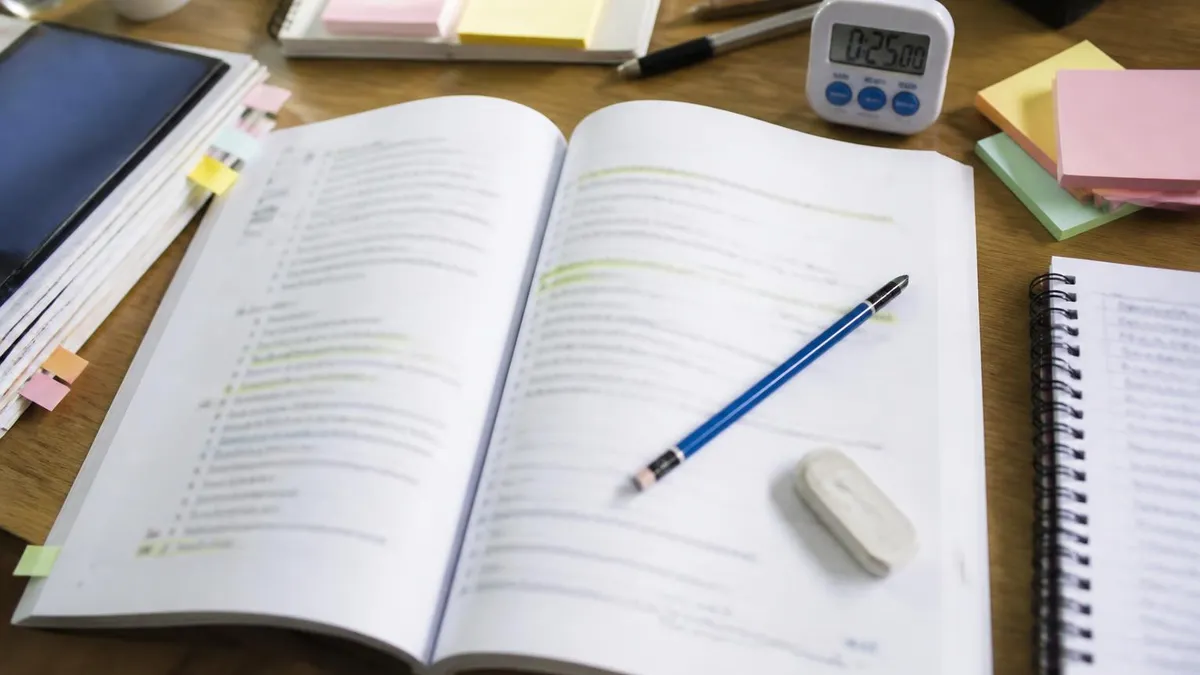
BLS Certification: Benefits and Limitations to Know Before You Enroll
- +Universally required by hospitals, nursing schools, and clinical programs — a non-negotiable baseline credential
- +Teaches evidence-based resuscitation skills that directly improve patient survival outcomes in cardiac arrest
- +Short course format (3–4 hours) allows busy students and clinicians to certify quickly without extended time off
- +Two-year validity provides a stable credential that aligns with most employment and licensing renewal cycles
- +Blended-learning options (AHA HeartCode, Red Cross online) allow cognitive preparation on your own schedule
- +Widely affordable at $30–$80, with many hospitals offering free certification for newly hired staff
- −Skills decay between certifications — research shows CPR quality degrades within months of training without practice
- −Not accepted at all employers if issued by a non-AHA or non-Red Cross online-only provider
- −Hands-on skills session cannot be skipped, which requires scheduling coordination and physical attendance
- −Two-year expiration creates a recurring time and cost burden for long-career healthcare professionals
- −Written exam questions are highly precise — small wording differences between answer choices mislead under-prepared candidates
- −AHA and Red Cross cards are not always interchangeable — some academic institutions require AHA specifically
BLS Certification Preparation Checklist
- ✓Obtain the current AHA BLS Provider Manual (2020 guidelines or later) before beginning any study
- ✓Confirm your employer or school accepts AHA BLS, Red Cross BLS, or both before enrolling in a specific course
- ✓Memorize compression rate (100–120/min), depth (≥2 inches adults), and recoil requirement before your skills session
- ✓Practice the 30:2 ratio for single-rescuer CPR and the 15:2 ratio for two-rescuer pediatric CPR
- ✓Review AED pad placement differences for adults versus children and when to use pediatric pads or an attenuator
- ✓Study the five elements of high-quality CPR: rate, depth, recoil, minimized interruptions, and no excessive ventilation
- ✓Complete at least three full-length timed practice exams and review every incorrect answer with a written rationale
- ✓Watch an AHA skills demonstration video to see correct mannequin technique before your in-person skills evaluation
- ✓Arrive at your skills session knowing the infant CPR differences: two fingers for compressions, 1.5-inch depth
- ✓Bring a government-issued photo ID and your course enrollment confirmation to your BLS class or skills session

The #1 Reason Candidates Fail the BLS Written Exam
The most common failure point on the AHA BLS written exam is not lack of CPR knowledge — it is misreading scenario-based questions that ask which rescuer is performing incorrectly. Candidates who memorize compression rates and ratios in isolation often miss questions because they do not apply those numbers to the described context. Practice with scenario-based questions, not flashcards alone, to build the contextual reasoning skills the exam actually tests.
Basic life support renewal is a requirement every two years, and understanding how the renewal process works can save you from the frustrating and time-consuming experience of having to retake the full initial certification course. The AHA distinguishes between a renewal — completing a BLS renewal or HeartCode BLS renewal course before your current card expires — and an initial certification, which is the longer, more comprehensive class required when your card has already lapsed.
A renewal course typically runs two to two-and-a-half hours because it assumes you already hold foundational knowledge and focuses on skills refresher and guideline updates rather than building CPR competency from scratch.
The basic life support renewal class offered by the AHA is called the BLS Renewal course, and it is available in both classroom and HeartCode blended formats. Like the initial certification, it requires a hands-on skills component and a written or digital exam.
The content is updated whenever the AHA releases new resuscitation guidelines, so a renewal course taken today will reflect any changes introduced since your last certification — making attendance genuinely educational rather than merely a compliance exercise. Healthcare professionals who are serious about patient care use renewal as an opportunity to honestly assess their skill decay and correct any bad habits that have developed over two years of clinical practice.
Many hospitals and health systems offer on-site BLS renewal classes through their education departments, which simplifies scheduling for employed clinicians. Some institutions require employees to renew at least 30 to 60 days before their card's expiration date rather than at the exact two-year mark, so check your employer's specific credentialing policy rather than assuming you have until the last day. Travel healthcare workers and agency nurses should be particularly vigilant, as assignment facilities often request proof of current BLS before the first day of work, and a card that expires during a long-term contract can create compliance issues mid-assignment.
Skills decay is a documented phenomenon in CPR training research: studies have consistently found that compression rate accuracy, depth maintenance, and ventilation technique all deteriorate within three to six months of initial training without deliberate practice. This means that by the time two years elapse and renewal is due, a provider who has not practiced CPR in a clinical setting may be performing below the quality threshold the AHA defines as effective.
Many resuscitation educators recommend using a CPR feedback device during annual skills practice sessions between certifications to objectively measure whether your technique has drifted — a 30-second self-check with a compression feedback app on a mannequin can identify and correct rate or depth errors before they become habits.
The cost of BLS renewal varies by location and provider, but most AHA-authorized training centers charge between $30 and $60 for a renewal class, which is generally less expensive than the initial certification course.
Some hospitals offer renewal classes to staff at no cost as part of their continuing education benefit, and many nursing schools include BLS renewal as a built-in component of their clinical curriculum rather than requiring students to arrange and pay for renewal independently. If cost is a concern, checking with your employer's education department before enrolling in an external class can potentially save you both money and scheduling complexity.
For providers who hold multiple credentials — ACLS, PALS, and BLS simultaneously — it is worth noting that ACLS and PALS courses include a BLS skills component but do not automatically renew your standalone BLS card unless your training center explicitly tracks and records BLS renewal as part of those courses.
Verify with your AHA training center whether your ACLS or PALS renewal will also satisfy your BLS renewal requirement or whether you need a separate BLS card renewal to remain in compliance with your employer's credentialing system. Ambiguity in this area is a common source of unintentional credential lapses among experienced critical care providers.
Understanding basic life support certification cost across different providers and formats helps you budget for the ongoing expense of maintaining your credential over a career spanning two or three decades. A nurse who maintains BLS from age 22 to age 62 will complete approximately 20 renewal cycles — meaning the upfront time investment in learning the material correctly at the start of your career pays compounding returns in easier, faster renewals for the next 40 years. Providers who truly internalize BLS guidelines rather than just passing the exam tend to find renewal classes confirmatory and stress-free rather than anxiety-producing.
An expired BLS card — even by a single day — may require you to complete the full initial certification course rather than the shorter renewal class, depending on your AHA training center's policy. More importantly, most hospitals will suspend clinical privileges or pull an employee from patient care assignments if their BLS card is not current. Set a calendar reminder 60 days before your expiration date to schedule renewal and avoid any gap in your credential status.
Preparing strategically for the BLS exam means understanding that the AHA's written test is not a random collection of trivia questions — it is a carefully structured assessment that tests a defined set of knowledge domains in a predictable format. Candidates who approach preparation by reading the BLS Provider Manual cover-to-cover and then taking practice tests consistently outperform those who rely solely on classroom attendance without additional self-study.
The manual is not supplementary material; it is the source document from which every exam question is derived, and reading it actively — taking notes, creating summary tables, and flagging high-yield content — is the most direct path to a strong written exam score.
Practice exams are the single most effective study tool for the BLS written test because they accomplish three things simultaneously: they expose you to the exact style of question the AHA uses (scenario-based, with multiple plausible distractors), they reveal specific knowledge gaps that reading alone cannot surface, and they build the test-taking stamina and pattern recognition needed to work through 25 questions efficiently under time pressure.
The goal is not to memorize the specific questions you see in practice but to internalize why each correct answer is correct — the underlying physiological or procedural rationale that makes it the only defensible choice given the AHA's current guidelines.
One of the highest-leverage study strategies is to categorize your practice test errors by domain rather than simply noting that you got a question wrong. If you miss three questions about two-rescuer pediatric CPR, that is a signal to return to that specific manual chapter and build a more detailed understanding of when and how the 15:2 ratio applies.
If you miss two questions about AED timing, review the shock-first versus CPR-first decision tree and the precise protocol for minimizing the pre-shock pause. Pattern-based error analysis transforms a practice test from a performance measurement into a targeted study roadmap — a much more efficient use of preparation time than simply retaking the same quiz repeatedly.
Time management during the exam itself is rarely a problem for most BLS candidates because 25 questions with no strict time limit leaves ample room to read carefully. However, rushing through questions to get done quickly is a common and easily avoidable error. Many wrong answers on BLS exams result not from lack of knowledge but from reading too quickly and selecting the first answer that seems correct rather than reading all four options.
The AHA frequently constructs questions where two answers are partially correct and one is definitively correct — the difference lies in a precise detail like compression fraction, timing, or depth that you will only catch if you read the complete question and all answer choices before selecting.
For the hands-on skills component, the most effective preparation is physical repetition on a mannequin — there is no cognitive substitute for the muscle memory required to maintain 100 to 120 compressions per minute at the correct depth for a full two-minute cycle without losing form or pace.
If you do not have access to a CPR mannequin before your skills session, using a firm pillow to practice hand placement and compression motion can help develop some basic muscle memory, though a real mannequin with a feedback device is significantly more effective. Instructors evaluate your performance continuously throughout the skills station, not just at the beginning, so endurance and consistency matter as much as technique.
Mental preparation is an underrated component of BLS exam readiness. The skills evaluation in particular can trigger performance anxiety in candidates who are competent but unaccustomed to being observed and evaluated while performing a physical task.
Visualizing yourself successfully completing each station — walking through the adult CPR sequence, the AED application, and the infant CPR scenario mentally before you enter the room — activates the same neural pathways as physical practice and has been shown in sports psychology research to meaningfully improve high-pressure performance. Combining physical mannequin practice with deliberate mental rehearsal gives you both the technical proficiency and the composure to perform well when it counts.
Finally, remember that the BLS certification is not the endpoint — it is the foundation. The skills you develop studying for and passing your BLS CPR cert directly support your performance in ACLS, PALS, and eventually any resuscitation event you encounter in clinical practice.
Providers who approach BLS as a meaningful professional development opportunity rather than a bureaucratic compliance box to check tend to retain the material longer, perform better at renewals, and contribute more effectively to real resuscitation teams. The patient on the other end of your chest compressions doesn't care about your card's expiration date — they care whether your technique is correct, your team communication is clear, and your AED arrives fast enough to matter.
Building a realistic study plan for BLS certification starts with honestly assessing how much time you have before your scheduled course date and how much foundational knowledge you are bringing from prior CPR training or clinical experience. A nursing student with no prior CPR background will need more preparation time than an experienced ED technician who has been performing CPR in practice and simply needs to align their technique with the most current AHA guidelines. Most candidates benefit from a four-week study window that distributes preparation across manageable daily sessions rather than cramming the night before the course.
During the first week, prioritize understanding the science behind high-quality CPR rather than just memorizing numbers. Knowing why the 100–120 compression rate range is optimal — because rates below 100 produce insufficient coronary perfusion pressure and rates above 120 reduce compression depth and increase incomplete recoil — helps you remember the number because it is attached to a mechanism rather than floating as an isolated fact.
Similarly, understanding why minimizing interruptions matters (the coronary perfusion pressure built up by compressions drops to zero within seconds of pausing and takes multiple subsequent compressions to rebuild) makes you much less likely to miss questions about acceptable pause duration on the written exam.
In the second and third weeks, shift your focus to the variable content areas that generate the most exam errors: two-rescuer coordination, pediatric differences, AED protocol details, and special situation management.
Create a comparison table that puts adult, child, and infant CPR parameters side by side — compression rate, depth, ratio for single rescuer, ratio for two rescuers, AED pad type — so you can see the differences at a glance and train yourself to read the victim age cue in every scenario question before selecting an answer. This single study tool addresses the most common source of errors on the BLS written exam, which is applying adult parameters to a pediatric scenario or vice versa.
The fourth week should be primarily devoted to simulation: timed practice exams, hands-on mannequin work if available, and deliberate review of any questions you are still missing. At this stage, you should be getting 90 percent or better on full-length practice tests consistently — not occasionally. If you are still missing five or more questions on a 25-question practice exam with one week remaining, return to the source manual rather than continuing to take more practice tests, because more practice without understanding the underlying error will simply reinforce the same mistakes rather than correcting them.
On the day of your BLS course, arrive physically rested and mentally calm. Eat a meal beforehand — low blood sugar impairs both cognitive performance on the written exam and physical endurance during the two-minute CPR cycles in the skills evaluation. Bring your BLS Provider Manual or HeartCode completion certificate if applicable, your photo ID, and any pre-course materials your training center sent. If you are taking a classroom course, sit close enough to the instructor to clearly observe mannequin demonstrations and ask clarifying questions without hesitation — instructors expect candidates to ask about edge cases and appreciate engaged learners.
After passing your BLS course, download or print your digital card immediately and save a backup copy in a cloud storage folder alongside your other professional credentials. Many providers lose their card numbers or expiration dates when switching phones or computers, which creates unnecessary friction during credentialing at new employers. Some AHA training centers issue cards through the AHA Training Network's eCard system, which allows you to verify and download your credential at any time by logging into the AHA website — a significant convenience improvement over paper cards that can be lost or damaged.
Looking ahead, consider building a personal CPR practice habit between certifications. Even a brief annual session with a mannequin and a feedback app — many hospital simulation labs allow staff to drop in for informal practice — can prevent the skill decay that makes renewal stressful and keeps your technique genuinely sharp rather than merely credentialed. The BLS CPR cert is a two-year document, but the skills it represents should be a continuous professional standard you maintain throughout your clinical career, not a biennial sprint followed by two years of passive forgetting.
BLS Questions and Answers
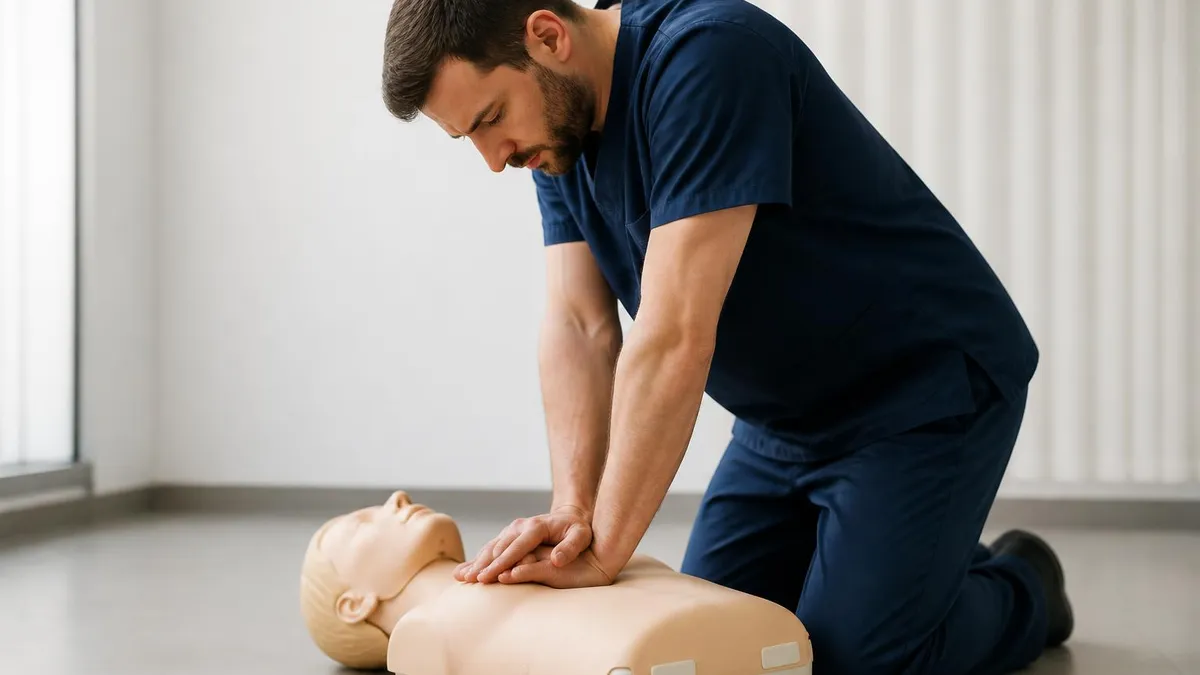
BLS Exam: Complete 2026 Guide to Passing Your Basic Life Support Certification Test
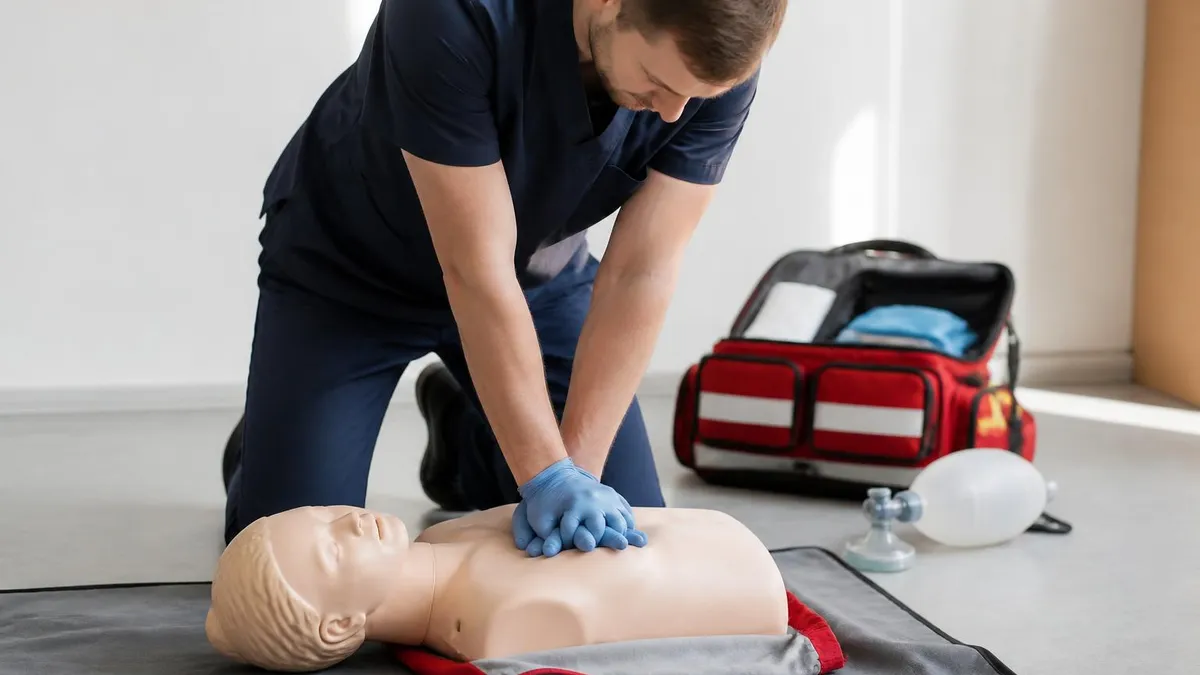
BLS Exam Answers: Complete 2026 Study Guide with Practice Questions and Verified Solutions
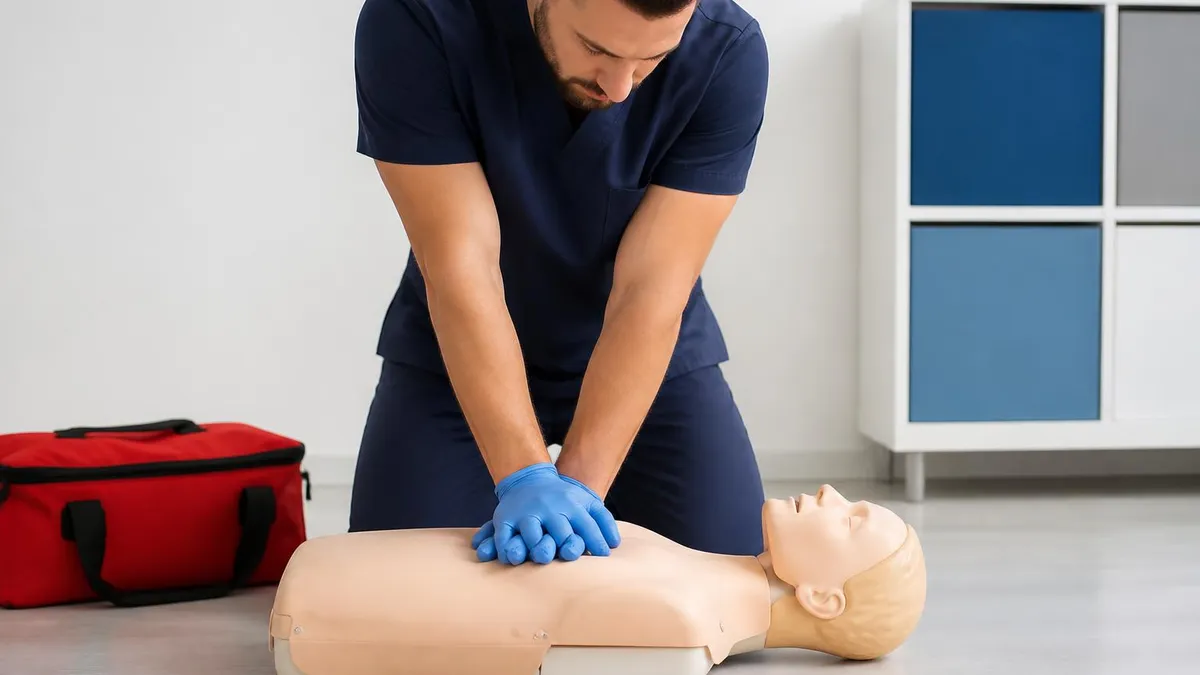
BLS Renewal Course: Complete 2026 Guide to Recertifying Your Basic Life Support Card
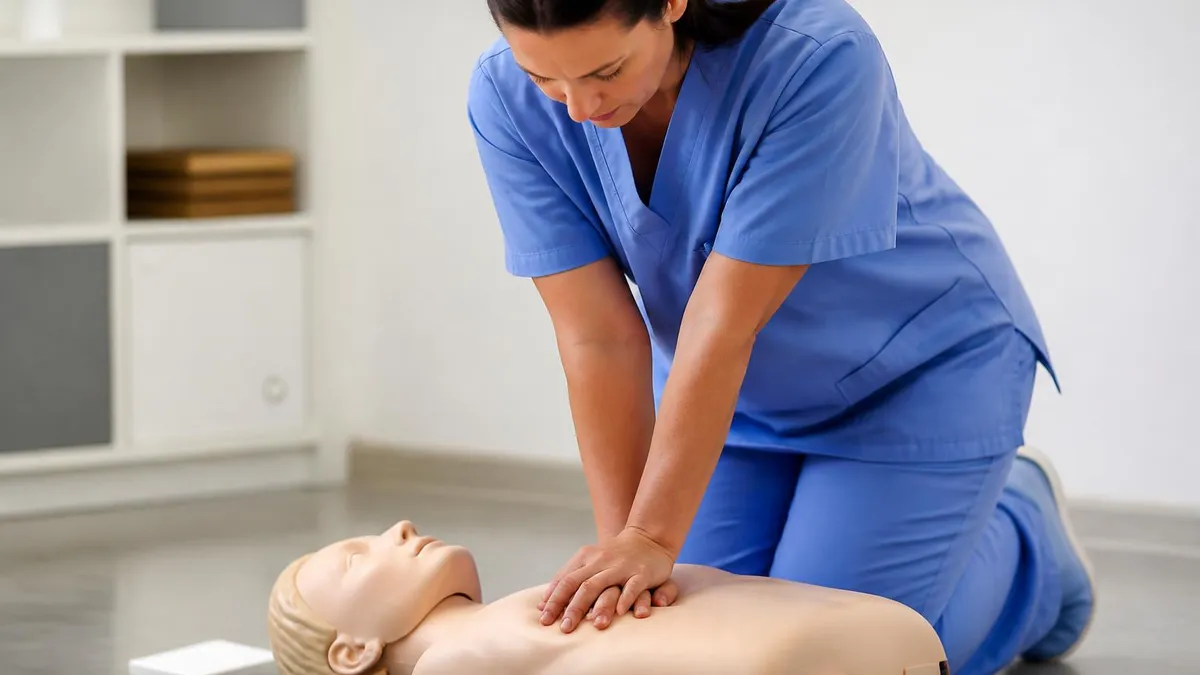
BLS Online Certification: Complete Guide to Getting Certified in Basic Life Support
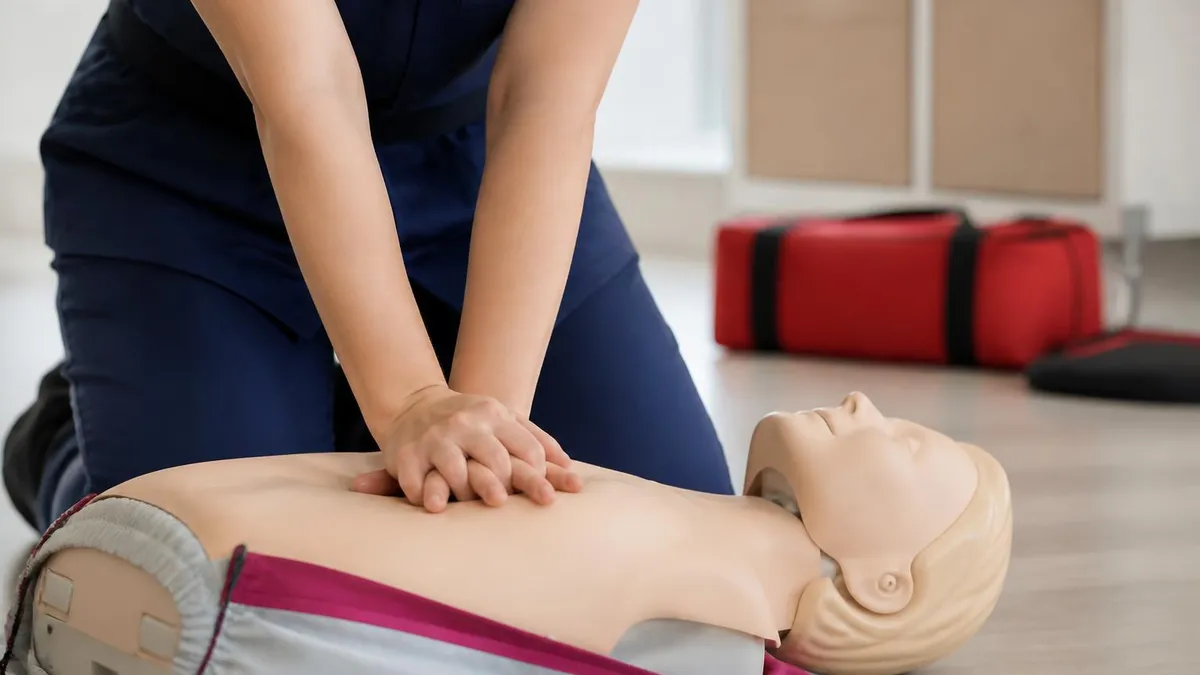
AHA BLS Certification: Course, Renewal, and Exam Guide
About the Author

Registered Nurse & Healthcare Educator
Johns Hopkins University School of NursingDr. Sarah Mitchell is a board-certified registered nurse with over 15 years of clinical and academic experience. She completed her PhD in Nursing Science at Johns Hopkins University and has taught NCLEX preparation and clinical skills courses for nursing students across the United States. Her research focuses on evidence-based exam preparation strategies for healthcare certification candidates.
Join the Discussion
Connect with other students preparing for this exam. Share tips, ask questions, and get advice from people who have been there.
View discussion (6 replies)