
ACLS Renewal Near Me: Find Local Recertification Classes, Costs & Online Options in 2026 October
Find ACLS renewal near me with local AHA classes, blended online options, 🗨️ costs, schedules, and pass tips. Complete 2026 October recertification guide for
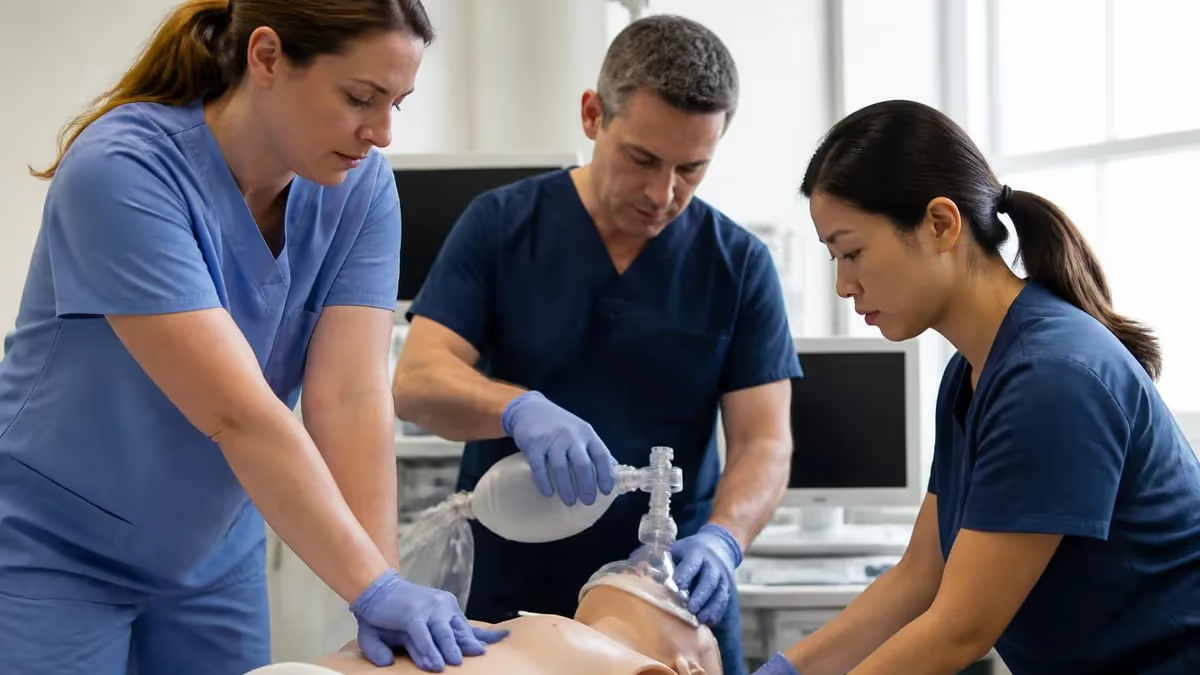
Searching for acls renewal near me usually means one thing: your card expires soon, your unit manager is asking for proof, and you need a class that fits around a 12-hour shift. The good news is that recertification in 2026 is faster, cheaper, and far more flexible than the original provider course. Most working clinicians can finish the entire process in one afternoon, and roughly 70% of renewal candidates now choose a blended online plus in-person skills format rather than a full classroom day.
This guide walks you through exactly how to find a legitimate American Heart Association (AHA) Training Center within driving distance, what a typical renewal class looks like, how much you should expect to pay, and which study habits separate clinicians who pass on the first attempt from those who get sent home to remediate. It also covers the differences between AHA, ARC, and HSI cards, which one your employer will actually accept, and how to verify a provider before you hand over a credit card.
If your card has already expired, do not panic. AHA policy allows a grace period in practice — most Training Centers will still let you renew rather than retake the full provider course if you are within 30 days of the expiration date, although the official rule is that an expired card requires the longer initial course. We will explain how that gray area plays out at the local level and how to talk to a Training Center coordinator to get the renewal scheduled anyway.
The biggest decision you will face is format. A traditional skills-only renewal runs about four hours and pairs a written exam with a megacode simulation. A HeartCode blended course splits the cognitive portion into a self-paced online module and then a 60-90 minute in-person skills check at a Training Center, simulation lab, or Voice Assisted Manikin (VAM) station. Both result in the same two-year provider card, but the time commitment and study experience are very different.
Cost matters too. Hospital-employed nurses, paramedics, and physicians often have their renewal reimbursed or paid up front by their employer, while travel nurses, agency staff, urgent care providers, and dental professionals typically pay out of pocket. Local pricing in 2026 ranges from $150 at community college skills centers to $325 at private CPR schools, with another $30-$40 for the eBook if you do not already own a current provider manual.
Finally, this article assumes you want a real, valid card, not a $79 "certificate" from a non-accredited online mill. Those certificates fail hospital credentialing checks roughly 100% of the time. Read on for the exact phrases to look for when you call a local Training Center, the algorithms you must walk into the room knowing cold, and the study schedule we recommend for a clinician with three weeks until renewal day. For deeper algorithm prep, see our ACLS Study Guide.
ACLS Renewal by the Numbers
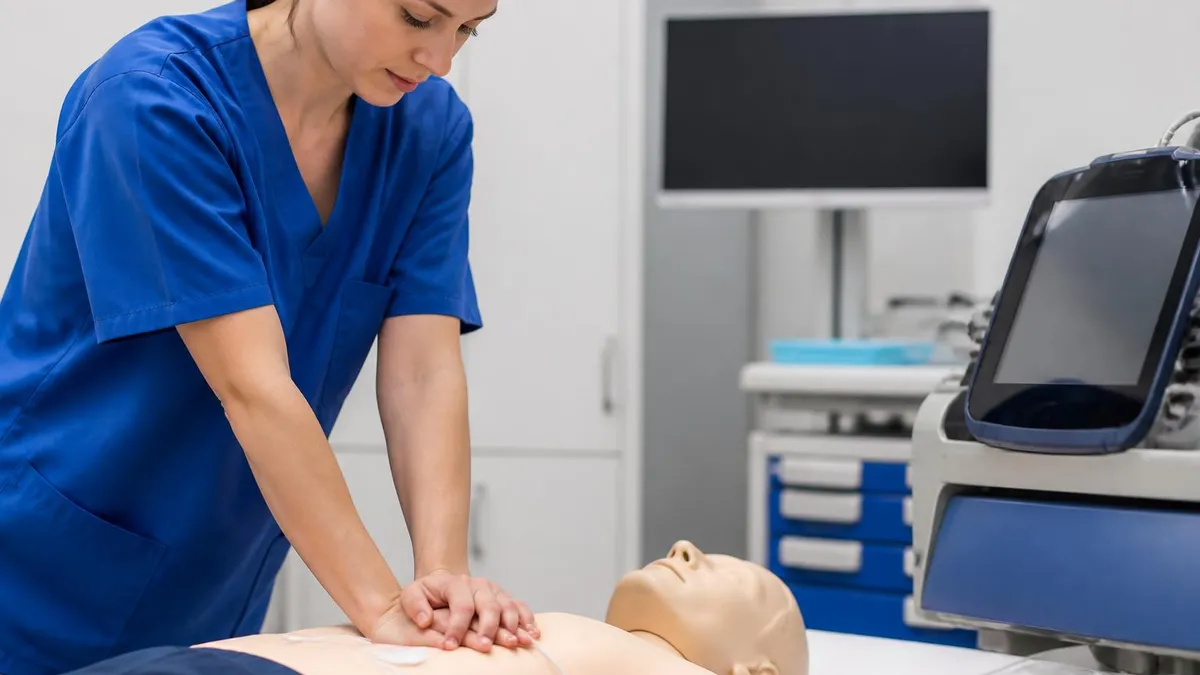
How to Find Legitimate ACLS Renewal Classes Near You
The official AHA tool at cpr.heart.org lets you enter a ZIP code and filter by ACLS renewal. Every result is a verified Training Center, and you can sort by distance, date, and price tier within a 25-mile radius.
Most large hospitals run free or subsidized internal ACLS renewals for credentialed staff. Even contract and per-diem clinicians can sometimes attend if a Training Center faculty member has open seats. Ask your nurse educator first.
Local fire academies and allied health programs often host monthly renewal classes priced 20-30% below private CPR schools. Schedules cluster around weekends, which works well for clinical staff on rotating shifts.
Independent AHA-aligned schools fill the gaps with same-week renewal availability, including evenings. Expect premium pricing of $275-$325 but instant card issuance and small class sizes of four to eight learners.
Group bookings of six or more often qualify for a mobile instructor to come to your urgent care, dialysis unit, or surgery center. Per-learner pricing typically drops to $175-$200 for on-site delivery.
The phrase acls renewal near me hides a surprising amount of price variation. A skills-only renewal at a community college EMS program in Ohio might run $150 all in, while the identical class at a Manhattan private CPR school can hit $349. The biggest cost drivers are real estate (urban centers charge more for instructor space), instructor seniority (some senior AHA faculty charge a premium for tougher megacode evaluations), and class size — a one-on-one renewal with same-day card issuance always costs more than a group session of eight.
You should also budget for the materials. The 2025 ACLS Provider Manual eBook from the AHA runs $39.95, and although Training Centers are technically supposed to verify you have access to a current edition, many will simply remind you to read the algorithms section beforehand. If you renewed in 2024 you already own a current manual; if your last renewal was 2022, the manual was updated and you will want the new edition before you walk into class.
Hidden fees catch people off guard. Some schools tack on a $25 card replacement fee if you lose your eCard, a $50 retesting fee if you fail the megacode, and a $35 "re-skills" charge if you need a second attempt at a single skills station. Reputable Training Centers disclose these on their website; sketchy ones bury them in the fine print on the registration form, which is one warning sign you are in the wrong place.
Reimbursement is the other half of the cost equation. Travel nurses can usually expense the renewal through their agency, but only if they submit the receipt and a copy of the issued eCard within 30 days. W-2 hospital employees should check whether their unit has a continuing education stipend — many do, and a $250 ACLS renewal eats most of an annual $300 CE budget. Locum physicians can deduct it as a business expense on Schedule C if they are 1099.
Group discounts are underrated. If your office or unit has six clinicians renewing in the same quarter, calling three local Training Centers and asking for a group rate almost always knocks 15-25% off the per-seat price. Some schools will also discount the renewal if you bundle PALS or NRP into the same booking. Always ask, because these discounts are rarely advertised on the website.
Finally, beware of online-only "ACLS certifications" priced at $79 or $99. These are not AHA cards. They come from non-accredited certificate mills, and while a handful of dental offices and chiropractic practices will accept them, no hospital, ER, ICU, OR, or ambulance service in the United States will credential a clinician on the basis of one. If you need an AHA-aligned card, you must pay for an AHA-aligned course, full stop. For more on accredited options, see our ACLS Training Near Me guide.
ACLS Practice Test Questions
Prepare for the ACLS Advanced Cardiovascular Life Support Practice exam with our free practice test modules. Each quiz covers key topics to help you pass on your first try.
ACLS Cardiac Rhythms & ECG Interpretation
ACLS Exam Questions covering ACLS Cardiac Rhythms & ECG Interpretation. Master ACLS Test concepts for certification prep.
ACLS Pharmacology & Medications
Free ACLS Practice Test featuring ACLS Pharmacology & Medications. Improve your ACLS Exam score with mock test prep.
ACLS Best Practices & Methodologies
ACLS Mock Exam on Best Practices & Methodologies. ACLS Study Guide questions to pass on your first try.
ACLS Communication & Stakeholder Relations
ACLS Test Prep for Communication & Stakeholder Relations. Practice ACLS Quiz questions and boost your score.
ACLS Core Concepts & Fundamentals
ACLS Questions and Answers on Core Concepts & Fundamentals. Free ACLS practice for exam readiness.
ACLS Data Analysis & Reporting
ACLS Mock Test covering Data Analysis & Reporting. Online ACLS Test practice with instant feedback.
ACLS Documentation & Record Keeping
Free ACLS Quiz on Documentation & Record Keeping. ACLS Exam prep questions with detailed explanations.
ACLS Industry Regulations & Compliance
ACLS Practice Questions for Industry Regulations & Compliance. Build confidence for your ACLS certification exam.
ACLS Leadership & Team Management
ACLS Test Online for Leadership & Team Management. Free practice with instant results and feedback.
ACLS Professional Standards & Ethics
ACLS Study Material on Professional Standards & Ethics. Prepare effectively with real exam-style questions.
ACLS Quality Assurance & Improvement
Free ACLS Test covering Quality Assurance & Improvement. Practice and track your ACLS exam readiness.
ACLS Risk Management & Assessment
ACLS Exam Questions covering Risk Management & Assessment. Master ACLS Test concepts for certification prep.
Online vs In-Person ACLS Renewal Near Me
HeartCode ACLS is the AHA's flagship blended renewal format. You complete the cognitive coursework online — roughly 5-6 hours of self-paced modules, eSimulations, and a 50-question written exam — and then book a 60 to 90 minute in-person skills session at a local Training Center. The online portion stays open for 24 months after purchase, so you can chip away at it across multiple shifts.
HeartCode appeals to clinicians who prefer to study in private and dislike role-playing in front of strangers. The eSimulations are forgiving — you can repeat them until you score 84% — and the in-person skills check focuses purely on BLS, airway, and a single team-based megacode. Total cost typically lands between $245 and $295 when you combine the online code and the skills session.
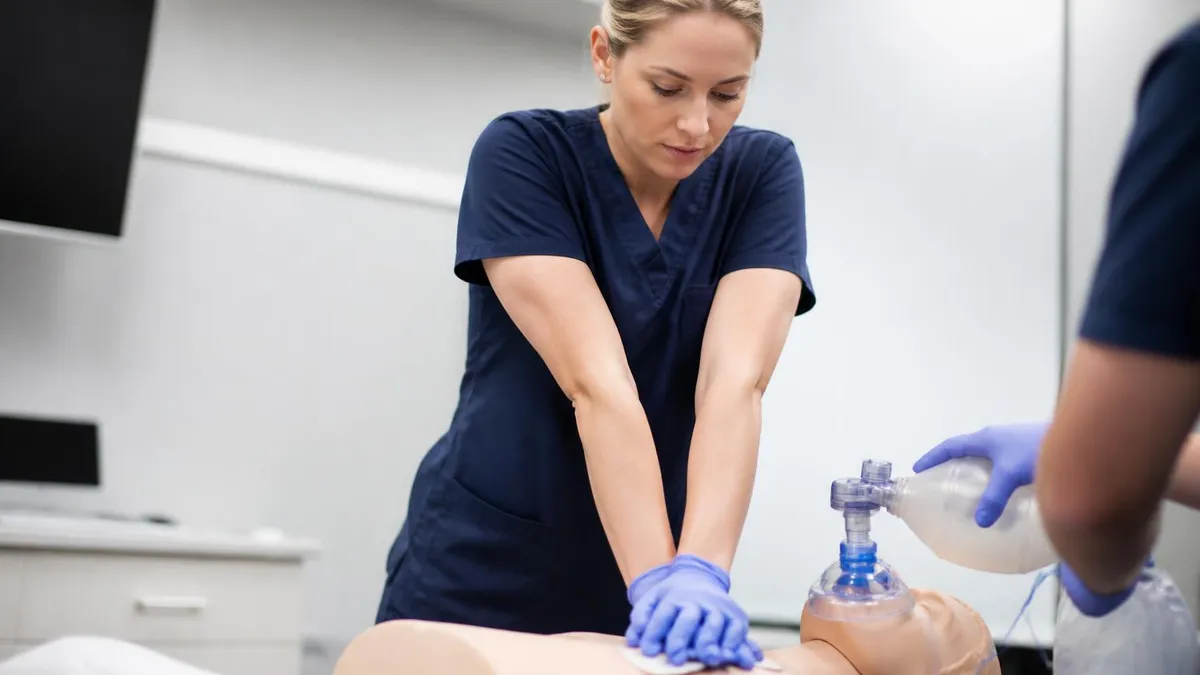
Renewing Locally vs Online-Only: What's Worth It?
- +Real AHA card accepted by every US hospital credentialing office
- +Hands-on skills practice with megacode feedback from a live instructor
- +Same-day card issuance at most Training Centers via eCard email
- +Smaller class sizes mean personalized coaching on weak algorithms
- +Networking with local clinicians and educators in your specialty
- +Immediate troubleshooting on equipment you actually use at work
- −Higher cost than non-accredited online-only certificates
- −Requires committing 4+ hours to a fixed class time
- −Travel to the Training Center, often during work-week hours
- −Skills retesting fees if you fail the first megacode attempt
- −Limited weekend or evening availability in rural areas
- −Pre-reading of the provider manual is non-negotiable
Pros and Cons at a Glance
| Pros | Cons |
|---|---|
| Real AHA card accepted by every US hospital credentialing office | Higher cost than non-accredited online-only certificates |
| Hands-on skills practice with megacode feedback from a live instructor | Travel to the Training Center, often during work-week hours |
| Same-day card issuance at most Training Centers via eCard email | Skills retesting fees if you fail the first megacode attempt |
| Smaller class sizes mean personalized coaching on weak algorithms | Limited weekend or evening availability in rural areas |
| Networking with local clinicians and educators in your specialty | Pre-reading of the provider manual is non-negotiable |
Day-of ACLS Renewal Checklist
- ✓Bring photo ID and your current (or expired) ACLS card for instructor verification
- ✓Print or save the AHA precourse self-assessment results to your phone
- ✓Have your AHA eBook downloaded or the printed provider manual in hand
- ✓Wear scrubs or comfortable clothing for kneeling during CPR skills
- ✓Eat a real meal beforehand — classes run 4 hours with one short break
- ✓Arrive 15 minutes early to handle paperwork and find your station
- ✓Review the cardiac arrest, bradycardia, and tachycardia algorithms cold
- ✓Know epinephrine 1 mg every 3-5 minutes during cardiac arrest by heart
- ✓Practice synchronized cardioversion energy doses for narrow vs wide complex
- ✓Bring a pen, water bottle, and a snack for between skills stations
Don't let your card lapse past 30 days
Most Training Centers will quietly extend renewal eligibility up to 30 days past your expiration date, but anything beyond that and you are technically required to retake the full provider course — twice the time and roughly twice the cost. Set a calendar reminder 90 days before your card expires so you have plenty of time to find a class.
The renewal exam tests the same core content as the provider course, just in a more compressed format. You will face a 50-question written exam drawn from the AHA's official question bank covering the cardiac arrest algorithm, bradycardia and tachycardia algorithms, post-cardiac-arrest care, acute coronary syndromes, and stroke recognition. Passing requires 84%, which translates to no more than eight wrong answers. The written portion is open-book in name only — there is rarely time to actually look anything up if you do not already know it.
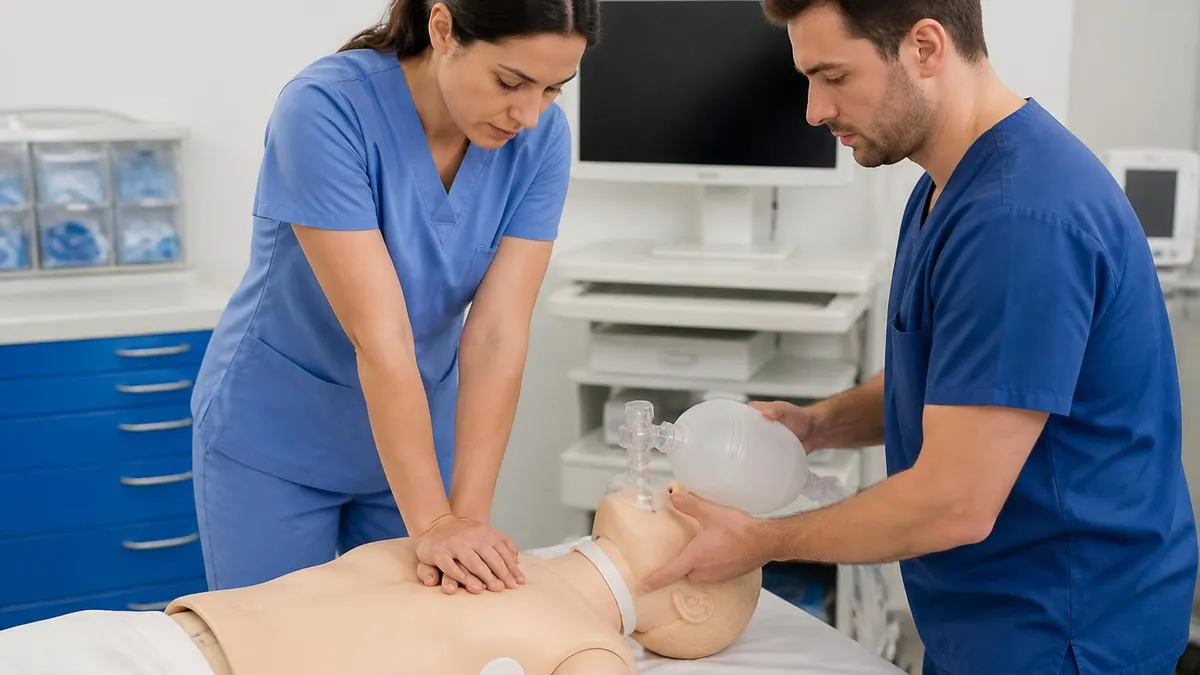
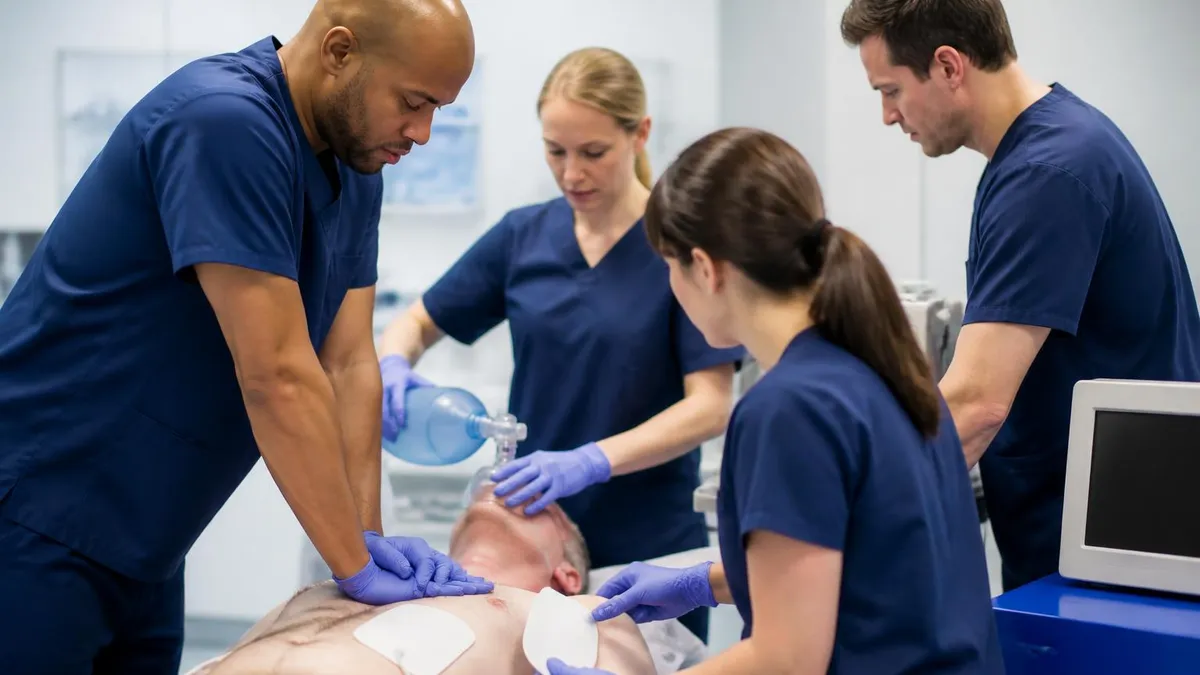
Skills stations are the part most clinicians worry about, but in practice they are graded more leniently than the written exam if your fundamentals are solid. BLS skills focus on high-quality CPR: compression depth of at least 2 inches, rate of 100-120 per minute, full chest recoil, and minimal interruptions of less than 10 seconds. Airway skills require demonstrating bag-mask ventilation, oropharyngeal airway insertion, and basic placement of a supraglottic airway like an iGel or King LT.
The megacode is where students stumble most often. You will be assigned a team leader role for at least one scenario and must direct compressions, airway, rhythm recognition, drug administration, and defibrillation in real time. Common scenarios include witnessed VF arrest progressing through cycles of CPR and shocks, bradycardia with hemodynamic instability requiring atropine then pacing, and unstable tachycardia requiring synchronized cardioversion. Instructors are listening for the right drug at the right time and clear closed-loop communication.
Rhythm recognition is the silent killer of megacode performance. If you cannot quickly differentiate VT from SVT with aberrancy, or fine VF from asystole, your entire algorithm choice falls apart. Spend the most pre-class time on six-second strips: shockable versus non-shockable, wide versus narrow, regular versus irregular. A good rule of thumb — if you cannot identify a rhythm within 10 seconds of seeing it on the monitor, you need more practice before renewal day.
Pharmacology questions almost always include epinephrine 1 mg IV/IO every 3-5 minutes in cardiac arrest, amiodarone 300 mg IV bolus for refractory VF/pVT (followed by 150 mg if needed), atropine 1 mg IV for symptomatic bradycardia (up to 3 mg total), and adenosine 6 mg rapid IV push followed by 12 mg if no response in stable narrow-complex SVT. Lidocaine is back in the guidelines as an acceptable alternative to amiodarone, which trips up clinicians who last renewed in 2020 or earlier.
Team dynamics get explicitly graded in some Training Centers. The AHA criteria include clear role assignments, closed-loop communication ("Epi 1 mg IV push" followed by "Epi 1 mg IV push given"), knowledge sharing, constructive intervention, and mutual respect. Instructors will sometimes give cryptic feedback like "work on communication" — what they really mean is that you forgot to verbally confirm an order or did not call out the rhythm before the next pulse check.
Many hospitals automatically suspend clinical privileges the day your ACLS card expires, and reactivation can take 5-10 business days even after you complete renewal. If your renewal is within 60 days, book a class today rather than waiting for a convenient weekend. The administrative penalty for working with an expired card almost always exceeds the inconvenience of an early renewal.
Choosing the right local provider comes down to four signals. First, verify the school is a real AHA Training Center or an aligned Training Site by asking for the Training Center name and looking it up on the AHA's Atlas. Second, confirm the instructor is a current AHA ACLS Instructor — not just a BLS Instructor moonlighting outside their scope. Third, ask how skills retesting is handled if you fail a station. Fourth, confirm the school issues AHA eCards electronically rather than printed certificates with no QR verification code.
Reviews are useful but read them critically. A Training Center with consistent 4.8+ star ratings across 200+ reviews is trustworthy. A school with 50 reviews all posted in the same week, or with reviews that mention "easy pass" or "no skills check," is a red flag — easy passes mean the instructor is not enforcing AHA standards, which sets you up to fail the next renewal cycle when a stricter Training Center catches your gaps.
Geographic clustering matters in big metros. Cities like Chicago, Houston, Los Angeles, and Atlanta typically have 30+ Training Centers within a 25-mile radius, which means you can usually find a renewal class within 7 days. Mid-size cities have 5-10 centers and average 14-21 day wait times. Rural areas may have a single Training Center serving a 100-mile radius, with classes only running monthly. Plan accordingly if you live more than an hour from a major hospital system.
Scheduling around shift work is one of the most common pain points. Look for Training Centers that publish their calendar three to six months in advance — that gives you the chance to slot a renewal into a scheduled day off rather than burning a PTO day. Some schools also offer pre-dawn 5 AM classes designed specifically for night-shift nurses coming off shift, and these tend to fill within 48 hours of going live.
If your initial training was through the American Red Cross or HSI rather than AHA, you can absolutely renew with an AHA Training Center — there is no requirement to stay with the same parent organization. However, you should confirm with your employer's credentialing office which cards they accept before booking. Most US hospitals accept AHA, ARC, and HSI cards interchangeably, but some specialty centers and military medical commands accept only AHA, so it pays to verify.
Finally, save your eCard immediately after class. AHA eCards are valid for two years from the issue date and accessible through the AHA Atlas portal using the email you registered with. Print a paper backup, save a PDF to your phone, and forward the eCard verification link to your hospital credentialing office the same day. Clinicians who treat the card as "done when I get the email" sometimes find out months later that credentialing never received it. For deeper guideline review, see our ACLS Guidelines 2026 breakdown.
Final prep advice comes down to three weeks of focused review for most clinicians. Three weeks out, download the AHA precourse self-assessment and take it cold. Anything below 70% on rhythm recognition or pharmacology becomes your priority study list for the next 14 days. Two weeks out, review the four major algorithms — cardiac arrest, bradycardia, tachycardia, and post-arrest — at least once per day. Verbalize them out loud rather than just reading silently; megacode performance is a verbal exercise, not a reading exercise.
One week out, focus on the high-yield items that show up on essentially every renewal exam: epinephrine 1 mg every 3-5 minutes during cardiac arrest, amiodarone 300 mg bolus for refractory VF/pVT, atropine 1 mg up to 3 mg total for symptomatic bradycardia, adenosine 6 mg then 12 mg for stable narrow-complex SVT, and synchronized cardioversion at 100 J for unstable narrow-complex, 120-200 J biphasic for unstable wide-complex. These exact numbers reappear constantly.
The night before renewal, sleep is more valuable than additional studying. A tired clinician misses rhythm recognition cues, fumbles dosing math, and underperforms in team-leader role-plays. Eat a real dinner, set out scrubs and your ID, and confirm the class address one more time. If you have a 90-minute commute, leave a 30-minute buffer for traffic — being late to an AHA Training Center can mean forfeiting the seat and losing the entire course fee.
Day of the class, hydrate but not so much that you are running to the bathroom during megacode. Bring snacks high in protein rather than sugar — almonds, jerky, a hard-boiled egg — because the energy crash from a vending machine candy bar at hour three is real. Many Training Centers have coffee available but do not count on it. Caffeine right before the written exam helps focus; caffeine right before megacode can amplify the tremor of an already-nervous learner trying to demonstrate manual defibrillation.
If you do fail a skills station or the written exam, do not panic. AHA policy allows two attempts at each station, and most Training Centers will offer a re-test the same day or within 30 days for a small fee. Failure is far more common in initial provider courses than in renewals — renewal failure rates run around 10-15%, mostly driven by clinicians who did not pre-read the manual. Treat the re-test as a free coaching opportunity rather than a personal failure.
After you pass, set a 22-month reminder on your phone (not 24) for your next renewal. This gives you a two-month buffer to find a class, get your unit's approval for the CE budget, and schedule around shift work. Clinicians who set their reminders for the exact expiration date routinely find themselves scrambling for a last-minute class at premium pricing. A 22-month reminder is the single highest-yield habit you can build around ACLS recertification.
Finally, consider stacking your renewal with related certifications. If you also hold PALS, NRP, or PEARS, many Training Centers offer combined two-day weekends at discounted rates. Renewing PALS and ACLS together can save $80-$120 versus separate bookings, and the algorithms reinforce each other — the ACLS bradycardia algorithm shares structural logic with the PALS bradycardia algorithm, so studying them together compresses total prep time.
ACLS Questions and Answers
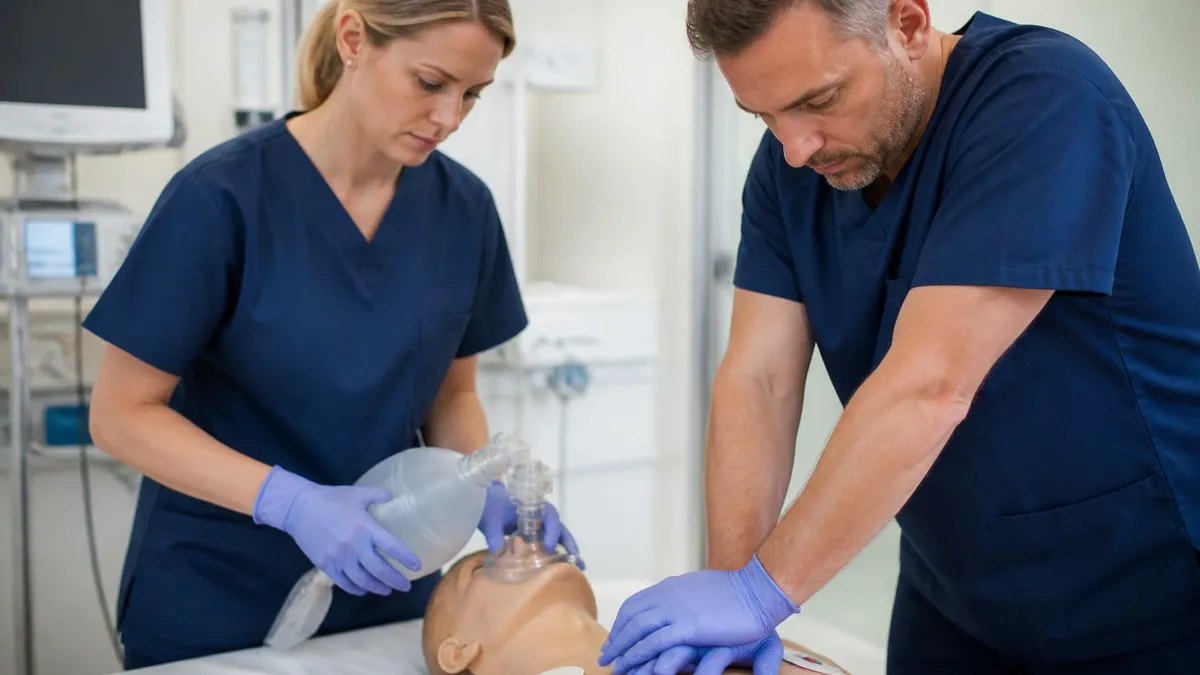
ACLS Training Near Me: How to Find Local Classes, Costs & Fast-Track Options in 2026
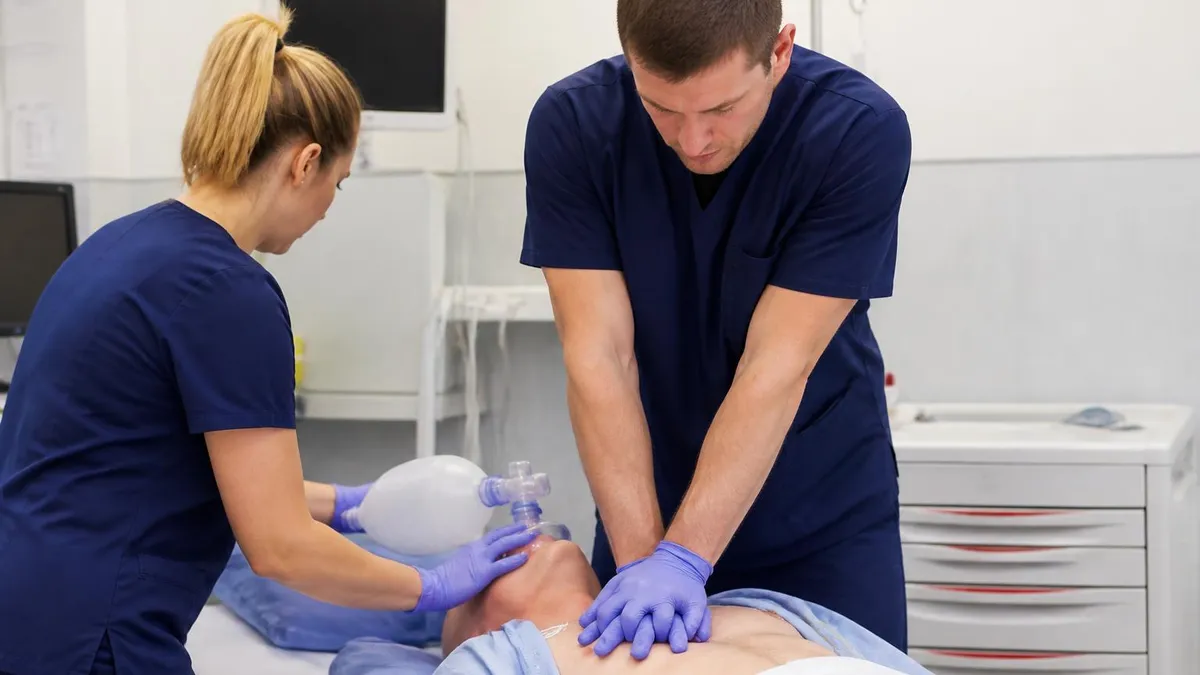
ACLS Study Guide: Complete 2026 Certification Prep with Algorithms, Drugs & Practice Tests
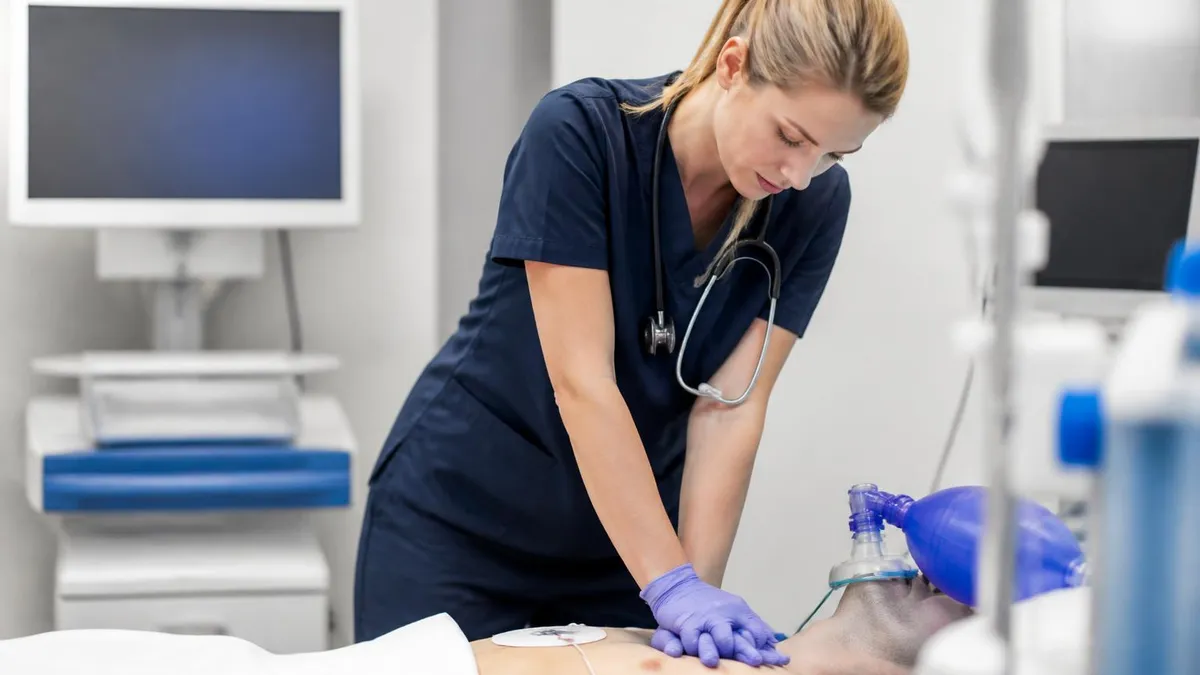
ACLS Guidelines 2026: Complete AHA Update on Algorithms, Drugs, CPR Quality & Post-Arrest Care
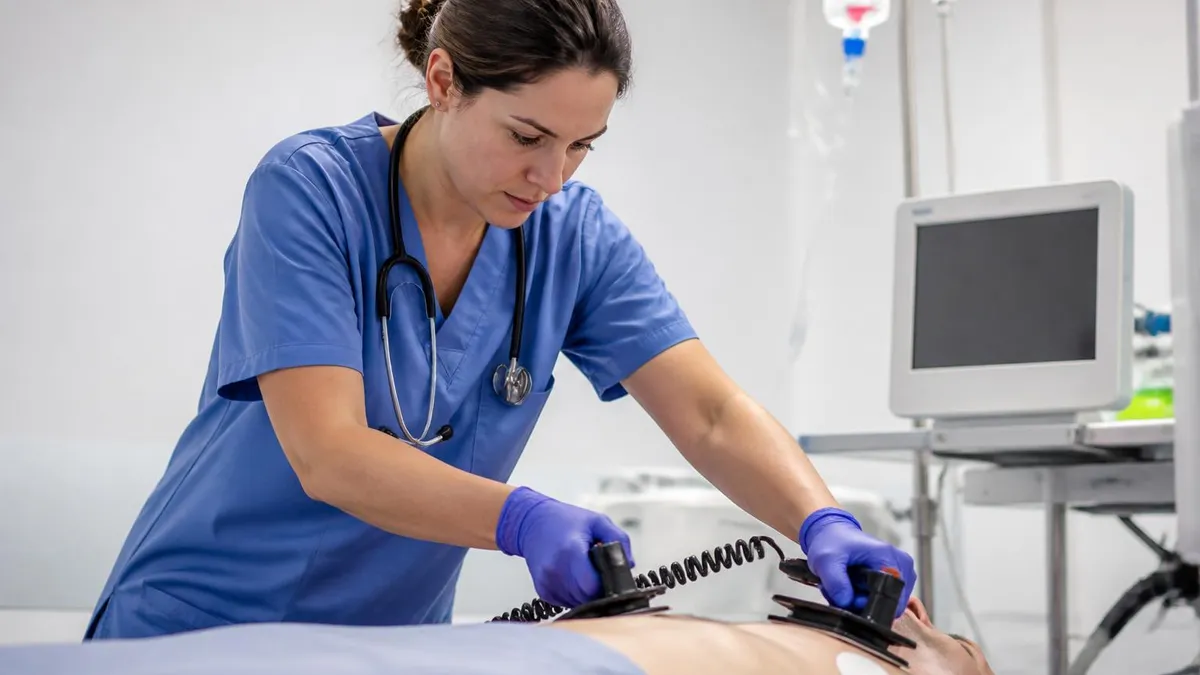
ACLS Drugs: Complete 2026 Guide to Medications, Doses, Indications & Algorithm Use
ACLS Course: Length, Cost, Format & Pass Tips (2026)
About the Author

Registered Nurse & Healthcare Educator
Johns Hopkins University School of NursingDr. Sarah Mitchell is a board-certified registered nurse with over 15 years of clinical and academic experience. She completed her PhD in Nursing Science at Johns Hopkins University and has taught NCLEX preparation and clinical skills courses for nursing students across the United States. Her research focuses on evidence-based exam preparation strategies for healthcare certification candidates.