
ACLS Renewal Cost: Complete 2026 October Price Guide for Recertification Fees, Online Options & Hidden Charges
✅ ACLS renewal cost ranges $150-$325 in 2026 October. Compare AHA, online & blended pricing, hidden fees, employer reimbursement & money-saving tips.
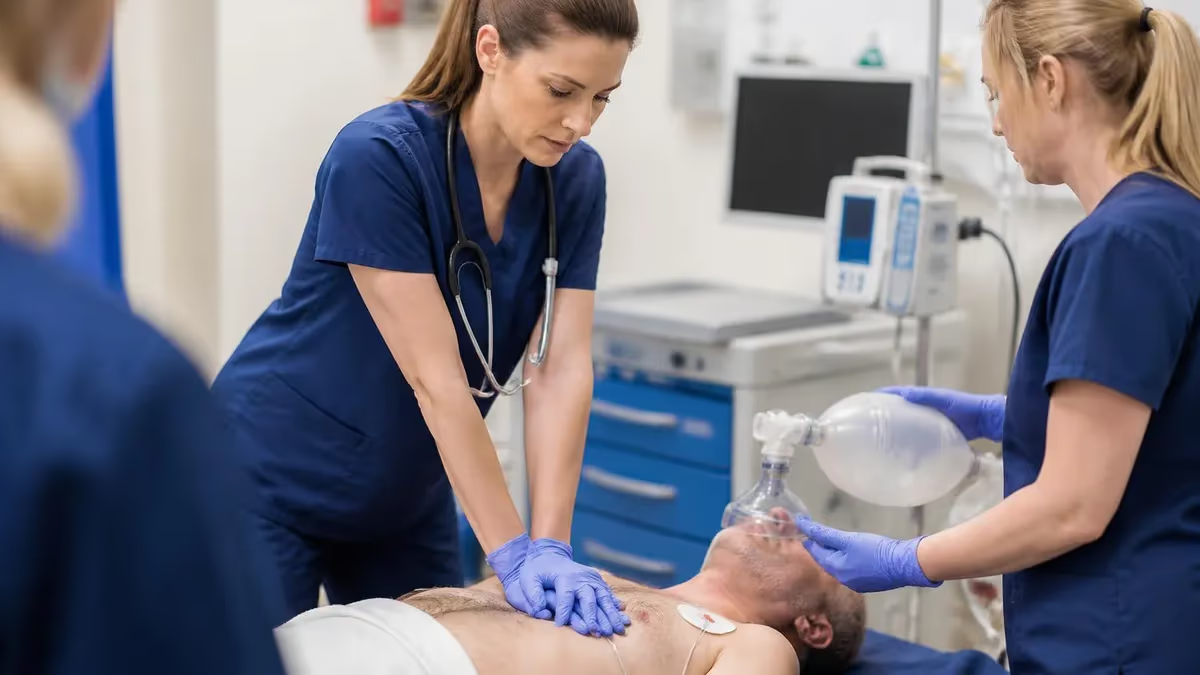
The average ACLS renewal cost in 2026 falls between $150 and $325, depending on whether you choose a traditional American Heart Association classroom course, a fully online recertification provider, or a blended HeartCode option through your hospital. Most working nurses, paramedics, and physicians pay around $185 for a standard renewal, though prices vary dramatically by state, training center markup, and whether you need the optional provider manual. Understanding the true cost upfront helps you budget realistically and avoid surprise charges.
Renewal pricing is fundamentally different from initial certification because you only need a four-to-six-hour skills check rather than the full sixteen-hour initial course. That shorter timeframe is reflected in lower fees, but the savings are often smaller than candidates expect. Many training centers bundle materials, eCard fees, and skills-station charges separately, so the advertised $99 price you see online frequently balloons to $200 or more by checkout. Reading the fine print matters.
The biggest cost variable in 2026 remains the choice between AHA-aligned providers and non-AHA online vendors. AHA courses cost more but produce the credential that hospitals, surgery centers, and state nursing boards universally accept. Non-AHA online certificates run as low as $99, but they may be rejected by your employer's credentialing office, forcing you to pay twice. Always confirm acceptance with your HR department before purchasing any course, especially low-cost online options that promise instant certification.
Geography plays a surprisingly large role in ACLS renewal pricing. Renewal in rural Mississippi or Alabama might cost $145 at a community hospital training center, while the same renewal in San Francisco, Boston, or New York City often exceeds $300. Urban centers charge premium pricing because of facility costs, instructor wages, and demand from nearby teaching hospitals. If you live near a state border, driving thirty miles to a smaller training site can save $75 to $120 per renewal cycle.
Timing also affects what you pay. Procrastinators who let their card expire and need a same-week class often pay rush fees of $50 to $100 on top of standard tuition. Conversely, candidates who renew during off-peak months like January, February, or August frequently find discounted promotional rates at independent training centers competing for business. For a deeper look at the full credential journey from initial course through ongoing recertification, the ACLS Study Guide walks through every preparation step.
Beyond the course price itself, candidates should factor in opportunity costs: time off work, mileage, parking at hospital campuses, and the cost of a current provider manual if you discarded your last one. These hidden expenses add another $40 to $150 to the true total. This guide breaks down every line item so you can compare options accurately, identify legitimate savings, and pick the renewal pathway that fits your budget, schedule, and credentialing requirements.
Whether you are a brand-new ICU nurse renewing for the first time or a seasoned ER physician on your tenth cycle, the cost landscape has shifted meaningfully since 2024. Online renewal acceptance has expanded, several major hospital systems now reimburse 100% of renewal fees, and the AHA released updated eCards with new verification technology in mid-2025. We will cover every recent change so your renewal dollar goes as far as possible this cycle.
ACLS Renewal Cost by the Numbers
Key Facts at a Glance
| Item | Value | Details |
|---|---|---|
| Course Length | 4-6 hrs | Vs 14-16 hrs for initial |
| Price Range | $99-$325 | Online vendor to urban AHA |
| Renewal Cycle | 2 years | Standard AHA validity period |
ACLS Renewal Cost Breakdown by Provider Type
Understanding what drives ACLS renewal cost helps you predict pricing before you commit to a class. The single largest cost driver is the training center's overhead structure. Hospital-based training centers in major metropolitan areas charge premium rates because they pay union wages to instructors, allocate expensive simulation lab time, and absorb compliance costs from the AHA. Independent training centers operating out of a fire station classroom or community college can offer the same eCard for $80 to $120 less because their overhead is fundamentally lower.
Instructor-to-student ratios meaningfully affect what you pay. AHA guidelines allow up to six students per instructor for renewal skills stations, but many premium training centers limit groups to three or four students to provide more practice time on the megacode simulator. Smaller groups mean higher per-student costs, but they also produce better learning outcomes and fewer remediation requirements. If you struggle with rhythm interpretation under pressure, paying $40 extra for a small-group renewal often beats failing and repeating.
The version of materials included influences price significantly. A renewal that includes a brand-new 2025 ACLS Provider Manual costs about $48 more than a renewal where you bring your existing manual or use the digital version. Many providers now offer manual-free renewals at a discount, assuming you'll access the AHA eBook through the included two-year subscription. If you prefer paper, factor that $40 to $55 differential into your decision.
Regional licensing and tax structures create surprising price gaps. States with state-mandated continuing education reporting fees, such as California and Florida, add $5 to $25 in administrative charges to every renewal. Texas and Nevada training centers, by contrast, often run lean operations with no add-on fees. Sales tax on educational services varies too: most states exempt training, but a handful apply standard sales tax to ACLS renewals, adding another 6% to 8% to the sticker price.
Course timing dramatically shifts cost. Weekend and evening renewals typically cost $20 to $50 more than weekday daytime classes because instructors charge overtime rates. Holiday-adjacent classes near Thanksgiving, Christmas, or July 4th often run promotional pricing because demand drops. Hospital-employed clinicians who can attend during the workday almost always pay less than independent contractors or per-diem nurses forced into weekend schedules. The 2026 ACLS Guidelines updates pushed many centers to refresh curricula, which temporarily increased prices in early 2026 before stabilizing.
Renewal demand spikes follow predictable patterns. Late spring and early summer see the highest volume because nursing license renewal cycles in many states force simultaneous ACLS recertification. Booking three months ahead during low-demand windows like February or September often secures the best rates and the most flexible scheduling. Last-minute renewals booked within a week of card expiration almost universally cost more, both in rush fees and in fewer cheap options being available.
Finally, the eCard fee structure matters. Every AHA renewal includes a roughly $13 eCard cost paid to the AHA national office, which is non-negotiable and identical across all training centers. Be skeptical of any vendor advertising AHA renewal under $115 — that price likely excludes the eCard, the manual, or both, and you will face add-on charges at checkout. Transparent pricing pages disclose the eCard line item upfront, and that transparency is a good sign of a reputable training site.
ACLS Practice Test Questions
Prepare for the ACLS Advanced Cardiovascular Life Support Practice exam with our free practice test modules. Each quiz covers key topics to help you pass on your first try.
ACLS Cardiac Rhythms & ECG Interpretation
ACLS Exam Questions covering ACLS Cardiac Rhythms & ECG Interpretation. Master ACLS Test concepts for certification prep.
ACLS Pharmacology & Medications
Free ACLS Practice Test featuring ACLS Pharmacology & Medications. Improve your ACLS Exam score with mock test prep.
ACLS Best Practices & Methodologies
ACLS Mock Exam on Best Practices & Methodologies. ACLS Study Guide questions to pass on your first try.
ACLS Communication & Stakeholder Relations
ACLS Test Prep for Communication & Stakeholder Relations. Practice ACLS Quiz questions and boost your score.
ACLS Core Concepts & Fundamentals
ACLS Questions and Answers on Core Concepts & Fundamentals. Free ACLS practice for exam readiness.
ACLS Data Analysis & Reporting
ACLS Mock Test covering Data Analysis & Reporting. Online ACLS Test practice with instant feedback.
ACLS Documentation & Record Keeping
Free ACLS Quiz on Documentation & Record Keeping. ACLS Exam prep questions with detailed explanations.
ACLS Industry Regulations & Compliance
ACLS Practice Questions for Industry Regulations & Compliance. Build confidence for your ACLS certification exam.
ACLS Leadership & Team Management
ACLS Test Online for Leadership & Team Management. Free practice with instant results and feedback.
ACLS Professional Standards & Ethics
ACLS Study Material on Professional Standards & Ethics. Prepare effectively with real exam-style questions.
ACLS Quality Assurance & Improvement
Free ACLS Test covering Quality Assurance & Improvement. Practice and track your ACLS exam readiness.
ACLS Risk Management & Assessment
ACLS Exam Questions covering Risk Management & Assessment. Master ACLS Test concepts for certification prep.
Comparing ACLS Renewal Cost Across Course Formats
Traditional in-person ACLS renewal averages $185 nationally and runs about four to six hours including the written exam and megacode skills station. You spend the morning reviewing algorithms with an instructor, then rotate through skills stations covering airway management, rhythm recognition, and team leadership during a simulated arrest scenario. The format works best for hands-on learners who benefit from immediate instructor feedback.
Cost advantages include no separate exam proctoring fee, immediate eCard issuance the same day you complete the course, and the chance to ask questions about new 2025-2026 algorithm changes. Disadvantages include rigid scheduling, mandatory travel to the training site, and limited weekend availability in smaller markets. Expect total time investment of roughly six to eight hours when you include commute and lunch.
Is Online ACLS Renewal Worth the Lower Cost?
- +Complete the course in 2-4 hours from anywhere with internet
- +Save $50-$100 compared to in-person classroom renewal
- +No travel time, parking fees, or commute expenses
- +Self-paced format allows breaks for night-shift sleep schedules
- +Instant certificate download eliminates wait time
- +Mobile-friendly platforms work on tablets and phones
- −Many hospitals reject non-AHA online certificates outright
- −No hands-on skills practice with manikins or simulators
- −Cannot ask instructors about new 2026 algorithm nuances
- −State nursing boards may not accept for license renewal
- −Risk paying twice if employer refuses your online card
- −Limited preparation for next initial certification cycle
Pre-Renewal Cost Checklist: What to Verify Before You Pay
- ✓Confirm your hospital credentialing office accepts the specific course format you plan to take
- ✓Check your current eCard expiration date and renew within the 30-day grace window
- ✓Compare three local AHA training centers and at least one HeartCode blended option for price
- ✓Ask whether the advertised price includes the AHA Provider Manual or charges it separately
- ✓Verify the eCard fee is included in the quoted tuition, not added at checkout
- ✓Request written confirmation of any employer reimbursement amount and submission deadline
- ✓Save mileage logs and receipts if you plan to deduct training expenses at tax time
- ✓Schedule renewal at least two weeks before card expiration to avoid rush fees
- ✓Review updated 2025-2026 algorithm changes before sitting for the written exam
- ✓Download a current digital ACLS Provider Manual to study during pre-course preparation
Combine ACLS, BLS, and PALS in One Visit
Many AHA training centers offer significant discounts when you renew multiple certifications on the same day. Bundling ACLS, BLS, and PALS often saves $60 to $120 compared to scheduling them separately, plus you only burn one personal day from work. Ask any training center about their multi-course discount before booking individual classes.
Hidden fees inflate ACLS renewal cost more than any other single factor, and savvy candidates learn to spot them before checkout. The most common hidden charge is the eCard processing fee, which some training centers itemize separately to advertise a lower headline price. Always ask for an all-in total before you provide your credit card. Reputable centers will quote you the final number including manuals, eCard, taxes, and any state-mandated reporting fees in a single transparent price.
Materials charges catch many candidates off guard. The current AHA Provider Manual costs about $48 at retail, and some centers automatically add it to every renewal even if you already own a copy. Request the no-manual option if your current edition matches the latest guidelines printing date. Conversely, if your manual is more than two years old, the algorithms inside may have shifted, and refreshing your reference material is worth the investment regardless of whether it is bundled.
Cancellation and rescheduling fees represent another budget hazard. Most training centers charge $25 to $75 to reschedule within 48 hours of class, and some charge full tuition for no-shows. Read the cancellation policy before paying, especially if your shift schedule changes frequently. Hospital-affiliated training centers tend to be more flexible than independent operators, often allowing one free reschedule per renewal cycle if you provide reasonable notice.
Rush fees apply when you need a class within seven days of your card expiration. Expect to pay an extra $50 to $100 for last-minute slots, and even then you may be limited to inconvenient evening or weekend times. Planning ahead by sixty to ninety days eliminates rush pricing entirely. Set a calendar reminder for ninety days before your eCard expires so you can shop pricing without time pressure.
Parking and transportation costs add up surprisingly fast. Hospital training centers in urban areas often charge $15 to $25 for visitor parking, and ride-share trips to suburban training sites can easily run $40 each way. Factor these into your total cost when comparing centers that look similarly priced on paper. A $185 class with free parking five minutes from home often beats a $165 class downtown that requires a $50 ride-share round trip and a $20 parking deck fee.
Pre-course materials and online preparation modules sometimes incur separate charges. Some training centers require completion of a precourse self-assessment that costs $20 to $35 and must be purchased separately. Others include it free with tuition. Ask specifically about precourse work when comparing prices. The same logic applies to optional review sessions — they may be valuable, but they are not always included, and the marketing language can be misleading. Compare the full pathway costs, not just the headline price for the class day itself.
Watch for currency and platform fees when paying online. A small percentage of training center checkout systems add a 2.5% to 3% processing fee for credit card payments, often disclosed only in the final confirmation step. ACH or check payments may bypass this fee but require advance scheduling. International candidates renewing in the US should also watch for foreign transaction fees on personal cards. These small percentages compound into real dollars across a multi-credential year.
Never pay for an online ACLS renewal without first confirming your employer accepts non-AHA credentials in writing. Never let your card expire — lapsed certifications require the full initial course costing $200+ more. Never assume the lowest advertised price is the true total; always request an all-in quote including the eCard, manual, taxes, and any platform fees before paying.
Employer reimbursement is the single biggest cost-saver available to most clinicians, yet roughly 30% of eligible employees fail to claim it each year. In 2026, approximately 73% of US hospitals fully reimburse ACLS renewal cost for clinical staff, and another 15% reimburse partially up to a capped amount. Even staffing agencies and travel nursing companies increasingly include renewal stipends in their contract packages. Always ask your manager, HR business partner, or contract recruiter whether ACLS renewal is reimbursable before paying out of pocket.
The reimbursement submission process matters as much as eligibility. Most employers require an itemized receipt showing your name, the training date, the course title, and proof of successful completion. Submit the receipt and a copy of your new eCard within thirty to sixty days of class to stay within the reimbursement window. Late submissions are routinely denied even when the employee clearly qualified. Set a calendar reminder for the day after class to submit paperwork immediately while everything is fresh.
Tax-deductible status varies based on your employment classification. W-2 employees generally cannot deduct unreimbursed training costs on federal returns under current rules, but self-employed clinicians and 1099 contractors can deduct ACLS renewal as a legitimate business expense on Schedule C. Track mileage, parking, meals during long classes, and any course materials you purchased. Documentation matters — keep digital copies of receipts in a dedicated folder labeled by tax year.
Health Savings Account and Flexible Spending Account rules occasionally allow ACLS renewal to qualify if your role makes the certification a job requirement. Check with your benefits administrator and your tax advisor before submitting. The rules shifted slightly in 2025, and not all plans interpret the regulations identically. When in doubt, pay out of pocket and pursue reimbursement through your employer's standard education benefit rather than risk an HSA disallowance.
Travel nurses and locum tenens physicians often benefit from contract stipends specifically designed for credential maintenance. Negotiate this benefit before signing a thirteen-week contract — many agencies include $500 to $1,500 per year in credentialing reimbursement that covers ACLS, BLS, PALS, and state-specific certifications. If you have not negotiated this benefit yet, ask your recruiter for a contract addendum. For nurses comparing local options, the ACLS Renewal Near Me guide shows how to find the lowest-cost in-person classes in your area.
Group rates dramatically reduce per-person renewal cost when an entire department or unit recertifies together. AHA training centers commonly offer 15% to 25% off when six or more staff members register for the same class. Approach your nurse manager or unit educator about coordinating a group renewal day — they often welcome the chance to consolidate credentialing administration, and the savings benefit everyone. Some hospital systems run quarterly in-house renewal events with no employee charge at all.
Finally, do not overlook professional society memberships that include training discounts. Members of organizations like the American Association of Critical-Care Nurses, the Emergency Nurses Association, and the American College of Emergency Physicians sometimes receive 10% to 20% off renewals at partner training centers. The membership cost often pays for itself across a year of training discounts, journal access, and conference fees. Audit your existing memberships for unused training benefits before scheduling your next renewal.
Practical preparation for your renewal day starts about thirty days before class. Begin by re-reading the ACLS Provider Manual cover to cover, focusing on the algorithm flowcharts you use least frequently in clinical practice. Most experienced clinicians stumble on bradycardia, tachycardia with a pulse, and post-arrest care pathways because day-to-day cardiac arrest care emphasizes the basic algorithm. Spending two hours reviewing the less-used pathways often makes the difference between a smooth megacode and an awkward remediation.
Refresh your drug knowledge methodically. Epinephrine, amiodarone, lidocaine, atropine, and adenosine dosing should be reflexive, but the indications, contraindications, and pediatric weight-based variations sometimes fade between renewal cycles. Print a one-page drug reference card and review it during commutes the week before class. Knowing the exact joules for synchronized cardioversion at each rhythm type also separates confident leaders from hesitant team members during megacode scenarios. For a comprehensive medication refresher, the ACLS Drugs guide covers every algorithm medication with current 2026 dosing.
Practice rhythm recognition with timed flashcards or an online rhythm strip generator. Most candidates can identify ventricular fibrillation and asystole easily, but they hesitate on second-degree AV blocks, pulseless electrical activity differential diagnoses, and wide-complex tachycardias with aberrancy. The renewal written exam reliably tests these gray-area rhythms because they separate fluent providers from rote memorizers. Twenty minutes of daily strip review for two weeks before class builds remarkable confidence.
Mental rehearsal of team leadership scripts pays dividends during megacode evaluation. Stand in front of a mirror and walk through a simulated VF arrest from scene arrival to ROSC, vocalizing every order, every reassessment, and every closed-loop communication. This sounds awkward, but it prevents freezing during the high-pressure megacode station. Instructors evaluate clarity of communication as heavily as algorithm correctness, and rehearsed phrasing reads as competence.
Logistics planning eliminates day-of stress. Confirm the address, parking arrangements, and required identification documents at least three days before class. Bring two pens, your provider manual, a printed copy of your current eCard if available, and a snack. Hospital training centers sometimes lock down between sessions, so arrive fifteen minutes early to clear security. Wear comfortable scrubs or athletic wear — kneeling on the floor for CPR practice in dress shoes is genuinely miserable.
Sleep matters more than last-minute cramming. A well-rested provider performs measurably better in megacode scenarios than a sleep-deprived one who pulled an all-night study session. Aim for seven to eight hours the night before class and avoid heavy alcohol the previous evening. If you work night shifts, schedule your renewal class for a day when you have at least one full day off the night before, even if it costs slightly more for the convenient time slot.
After class, archive your new eCard in three places: a printed copy in your personal credentials binder, a PDF in your cloud storage, and a screenshot on your phone for quick verification at credentialing offices or hospital security desks. Set a calendar reminder for ninety days before the new expiration date so you start the next renewal cycle without rush fees. This single habit prevents the most expensive renewal scenario: a lapsed card requiring the full initial course at two to three times the price.
ACLS Questions and Answers
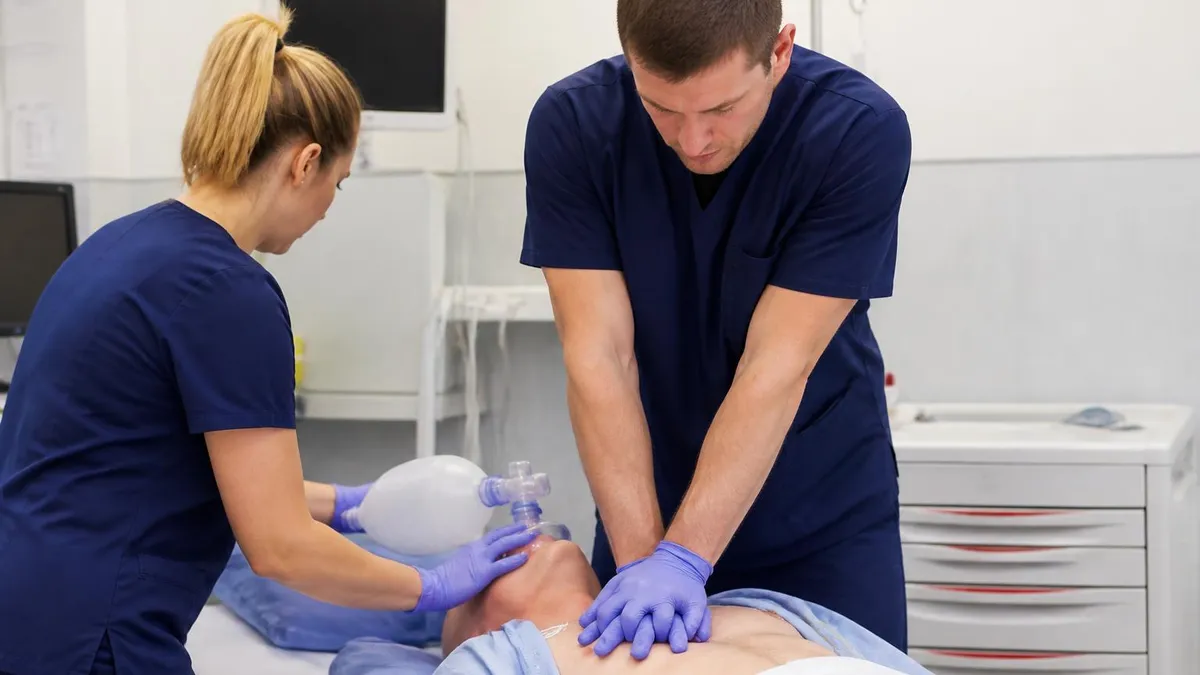
ACLS Study Guide: Complete 2026 Certification Prep with Algorithms, Drugs & Practice Tests

ACLS Guidelines 2026: Complete AHA Update on Algorithms, Drugs, CPR Quality & Post-Arrest Care
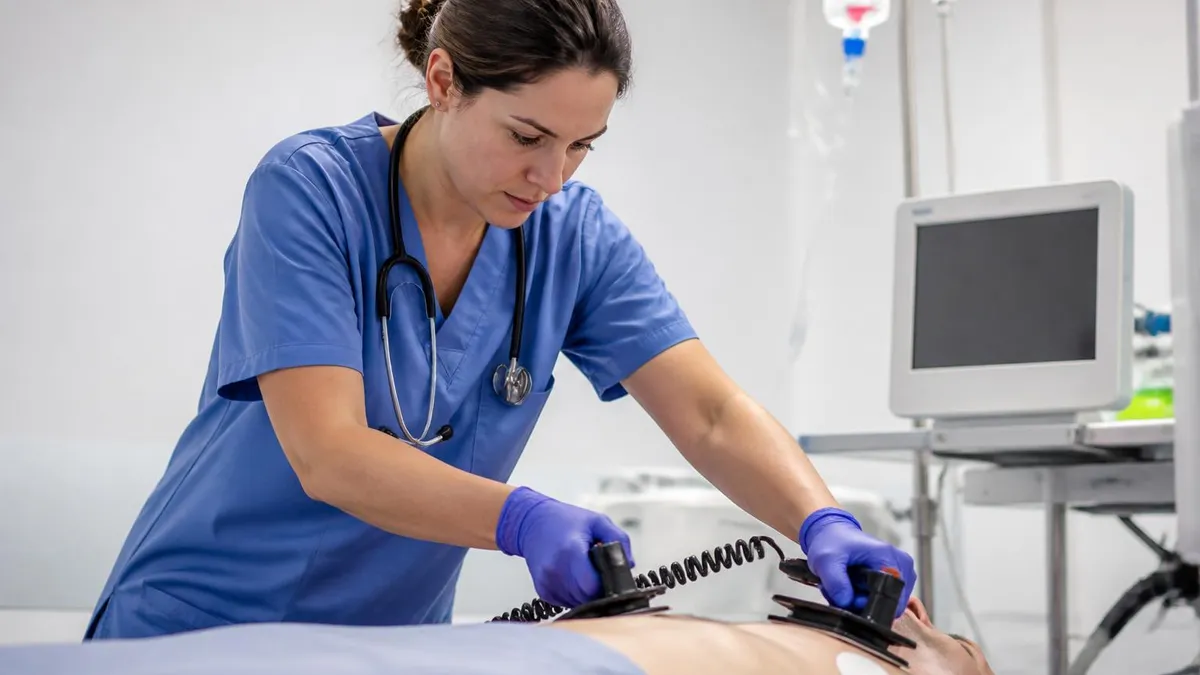
ACLS Drugs: Complete 2026 Guide to Medications, Doses, Indications & Algorithm Use
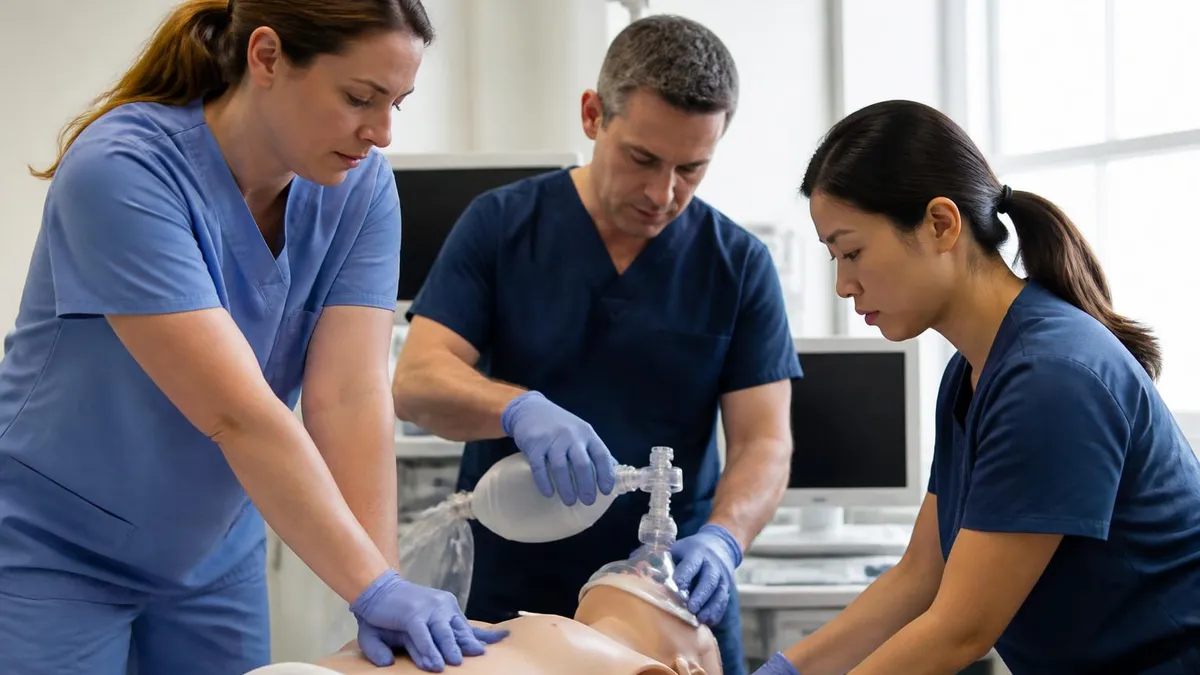
ACLS Renewal Near Me: Find Local Recertification Classes, Costs & Online Options in 2026
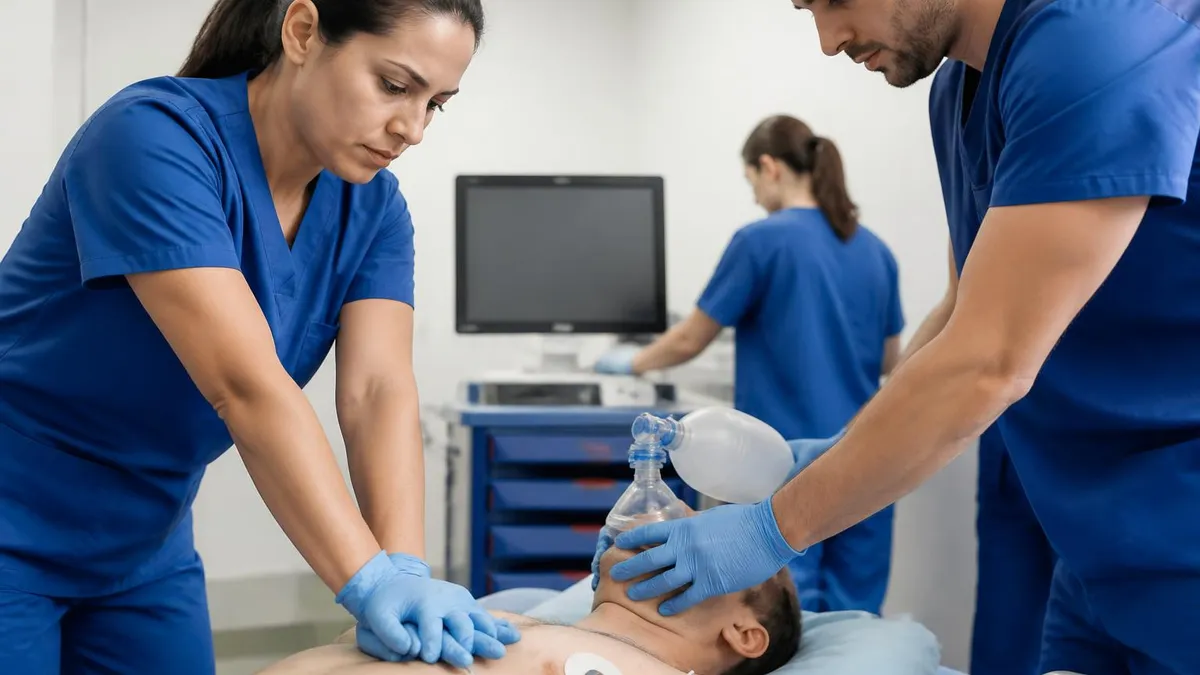
ACLS Certification Cost: Complete 2026 Price Guide for Initial Courses, Renewals, Online Options & Hidden Fees
About the Author

Registered Nurse & Healthcare Educator
Johns Hopkins University School of NursingDr. Sarah Mitchell is a board-certified registered nurse with over 15 years of clinical and academic experience. She completed her PhD in Nursing Science at Johns Hopkins University and has taught NCLEX preparation and clinical skills courses for nursing students across the United States. Her research focuses on evidence-based exam preparation strategies for healthcare certification candidates.