

Wellness Practice Test
Updated for September 2026Wellness Questions and Answers
- Although you can start a career as a wellness coach without a degree, it can help your job prospects and establish you as a credible coach to have an associate’s or bachelor’s degree in a related field, such as nutrition or health. You might also need to hold a degree, according to some businesses. For instance, you should have at least an associate’s degree in a relevant discipline to work as a wellness coach for a health organization.
- To work as a wellness coach, you must be certified, regardless of your educational goals. Some wellness coaches finish a certification program first to get started working right away and then finish an undergraduate degree afterward. Professional certification is necessary for both situations, and the American College of Sports Medicine (ACSM), which supports the Wellcoaches certification, is where many businesses search for candidates. To be eligible for the ACSM certification, you must finish a training course and pass a test.
- Think about taking part in an internship where you can use the abilities you gain as a wellness coach in practical situations. You can also explore internship and work shadowing opportunities to boost your skill development as you complete your degree. To obtain experience and develop your career in addition to internships, consider applying for an entry-level or assistant position in a health or fitness center.
- If you finish a certification program before completing your degree, consider returning to school. Consider pursuing a graduate degree in health sciences, nutrition, psychology, dietetics, or a similar discipline if you have an undergraduate degree in addition to your certification to improve your job prospects and income possibilities.
- There is some background work you will need to perform to understand better what you are getting into before going into the specifics of how to launch your own wellness business.
- Write a flawless business strategy Making a business plan is the first step in beginning a wellness business after you are confident you are qualified and know exactly what you are getting into. Your business strategy is a road map that delineates your route. It will assist you in identifying your objectives and setting deadlines for each of them. It also serves as a brochure for your investors to understand what they are getting into fully. Investor confidence in your proposal will increase as it appears more solid.
- Choosing your company name is crucial in launching a wellness business because it plays a significant role in defining your brand’s identity. It should be obvious to a customer reading your business name what you do, which makes it simpler for people to locate you. Set your company apart from the competition. You can always add your unique spin.
- When launching a health and wellness business, you should consider how you’ll get the necessary funds, register your business, and make sure you’ve figured out all the legal criteria.
- Choosing a venue to offer your services is the next stage in starting a wellness business. You must consider your financial capabilities, your immediate surroundings, and the demographics you will draw while doing this.
- There are other factors to consider while creating a team in addition to hiring. You are in charge of establishing a welcoming workplace where your staff members feel valued and heard.
- Engage your audience’s interest. Once your company is up and running, how you intend to present yourself to potential customers will determine your success and your rank against your rivals.
- Attempt to be upbeat. Even though it’s common to feel down periodically, staying unhappy all the time is not healthy.
- Researchers are discovering that social relationships can significantly impact our emotional and physical well-being. Make phone calls and use social media to connect with friends and family to expand your social network.
- Find ways to relax. Stress is common, and its ensuing energy rush can aid in productivity. Having under constant pressure means being “high alert.”
- Obtain good sleep. Sleep is essential to our well-being and impacts our physical and emotional health.
- Pay attention to your surroundings. Being fully present at the moment is what mindfulness is all about.
- Manage your loss. It might be overwhelming to experience a loved one’s death. However, most people can get through the grieving process with the help of their loved ones and friends.
- Be kind to yourself. Most of the time, we are our harshest critics and have high standards for our own lives and conduct that we wouldn’t have for others. Everyone experiences self-criticism and self-doubt.
- Seek assistance. Asking for help from others is acceptable if you are experiencing emotion.
- Choose a classic book or a recently released bestseller. Order or download a book to read at your leisure on a tablet or desktop computer. Your local library may also let you check out digital books.
- Start outlining your ideas, keeping a daily notebook of your actions and occurrences, or starting to compile life stories. This is a fantastic method for stimulating your thoughts and expressing yourself.
- Take mental games. Try your hand at a Sudoku or crossword puzzle with a pencil. Visit the internet to find challenging games like Mastermind, Crime Scene, trivia, checkers, and chess.
- Take in some culture. Participate in online cultural events by attending them. Creative expression and new types of brain stimulation can be facilitated through music, the arts, dancing, and other artistic pursuits.
- Bring up a recent event to discuss with pals online, over the phone, or at a small get-together away from social contact. Be open-minded and understand that, even if you disagree with their viewpoints, participating in a spirited discussion and hearing fresh ideas will help you learn new things.
- Take a course online—Enrol in classes offered by your nearby community college or another educational resource. Start with Coursera, edX.org, or Harvard University’s free online courses. The key to maintaining a healthy and functioning brain is lifelong learning.
- Both our physical and emotional health are impacted by stress. Meditation, mild exercise, spending time with a pet, and being outdoors are some activities that help to relieve mental stress.
- Be aware of how other people affect you.
- Honestly express your emotions.
- Request from others what you require.
- Listen to people objectively and without assigning blame.
- Disagree respectfully with others.
- Refrain from being excessively critical, losing your temper, and acting violently.
- Fitness centers (gym memberships, fitness classes, personal training sessions)
- Weight Watchers (WW) and Beachbody On Demand.
- Sports, bike, and golf shops.
- Races (5Ks, 10Ks, fun walks, marathons, triathlons, etc.
- Get involved in your religious community. Find a group or person who agrees with your viewpoints and get in touch with them, whether online, by phone, or in person. Find a means to connect with like-minded others in your religious community who can support and encourage you by reaching out to a pastor or other spiritual authority.
- Assist others. It’s okay if you don’t belong to a faith-based group. Finding a cause that resonates with you and giving back is another way to feel connected to your spirituality and faith. You can help at a food bank, volunteer as a tutor or mentor, or foster animals. By doing this, you can build your community and meet others who share your interests. Giving back to others will make you feel grateful and purposeful.
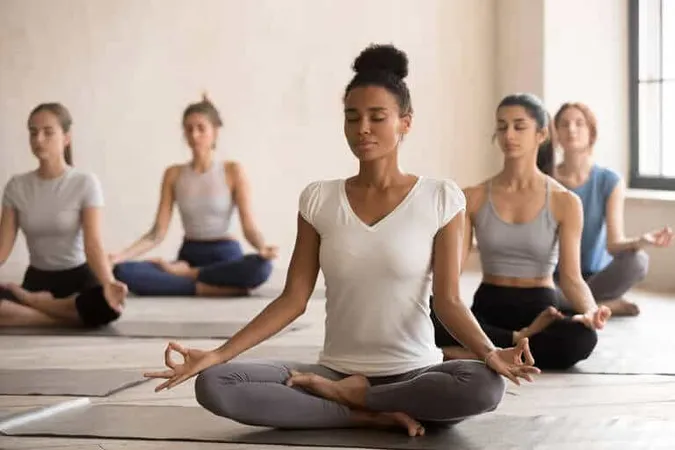
- You don’t have to practice yoga to reap its spiritual rewards. Yoga is accessible to all skill levels. It can benefit your mind and spirit, strengthening and stretching your body and easing the signs of stress, despair, and anxiety.
- You don’t have to be an accomplished meditator, like in yoga. Due to its short duration, meditation is one of the easiest disciplines to keep up. According to Wester, some people believe that you must sit still and be silent, but that is untrue. “You can stroll while meditating, paying attention to your surroundings or how your feet feel on the earth. Simply slowing down your body can help you slow down your thinking.
- Maintain a journal. Writing can help you process your feelings, improve your awareness, and provide a safe area to express your feelings.
- Urinalysis (UA) -Complete Blood Count (CBC)
- Comprehensive Metabolic Panel (CMP)
- The Lipid Panel
- Hemoglobin A1C (HbA1c)
- Diabetes Risk
- Make a budget and stick to it.
- Keep emergency money on hand.
- Consistently make savings.
- Start setting money aside for your schooling.
- Repay debts incrementally.
- Remember when your bills are due.
- In your checking account, configure notifications.
- Avoid applying for excessive credit and loans.
- Increase your movement. When you exercise, you burn more calories, which aids in weight loss and enhances cardiovascular health. Additionally, it aids in reducing tension and improving concentration.
- It is impossible to overstate the value of sleep for both physical and mental healing. Having a consistent sleep routine, avoiding electronics, and unwinding an hour before bedtime are fundamental actions you may take if you’ve trouble falling asleep.
- Remember to hydrate yourself. All biological functions, including the excretion of poisons, depend on water. Many people neglect to consume adequate water. Take heed of your body’s cues and quench your thirst as soon as you notice it.
- Continue to consume a healthy, balanced diet. The increasing prevalence of cardiovascular disease and other lifestyle-related disorders underscores the importance of maintaining a balanced diet. Aim to eat many fresh vegetables, vitamin-rich fruits, and wholesome amounts of protein, fat, and carbs like avocado, olive oil, and fatty fish. These foods include sweet potatoes, beans, eggs, and peas.
- Cut back on sugar consumption. Constantly indulging in sweets can cause dental problems, unhealthful weight gain, and diseases like diabetes. If you can, try to get, your sugar fixed from organic or natural sources, such as honey and fruits.
- Go outside and enjoy the sunshine. Going outside in the morning sunlight guarantees you your vitamin D while also allowing you to breathe fresh air. This vitamin is essential for building and maintaining strong, healthy bones and enhancing immunity.
- Have routine preventative examinations. Preventive precautions against disease include visiting the dentist twice a year, examining your eyes, and scheduling annual physicals and gynaecological (for women) checks. It is much preferable to know you are healthy than to assume you are, especially if certain diseases run in your family.
- Use hand soap. It’s very crucial to practice good hand hygiene in the COVID era. One of the best methods to stop the spread of dangerous infections is to keep our hands clean.
- Manage your stress. You can better control your stress by practising self-care and relaxation practices like deep breathing exercises and meditation. Take some time during the day, even just an hour or two, to give yourself some attention.
- Assess the health risks to employees. The majority of plans cover primary preventative care for workers who are at risk of developing chronic diseases. Secondary preventative treatment is also included, which is utilized to enhance disease control in workers who exhibit chronic illnesses like diabetes, asthma, or arthritis. Employer-provided preventative care has decreased the need for reactionary care (such as ER visits, surgery, etc.), which lowers each employee’s healthcare expenses.
- Offer wholesome snacks. Eliminating the temptation to consume unhealthy food is another method for promoting workplace well-being. Employees are obliged to bring in their nutritious food or give in to a bad diet if sodas, candy, and doughnuts are available at the vending machine or for breakfast. Employers can educate staff members about the advantages of a healthy diet and design a poll to determine which healthy foods they prefer.
- Provide paid gym memberships. Rewards, incentives, and benefits, like gym, spa, or yoga memberships, are excellent ways to boost motivation and workplace health and wellness. Employees can exercise more frequently and with one another thanks to amenities like an on-site gym, which fosters a stronger sense of teamwork. Offering group fitness and nutrition programs before or after work encourage employees to come to work and gets them more out of it.
- Make Advice Lines Available. More individualized choices are also advantageous in conjunction with the improvement of team wellness. Access to available nurse advice lines around-the-clock can help employees with their personal health inquiries. Employee assistance programs (EAPs), which are created to offer mental health and stress support, as well as nurse advice lines and other resources, are practical means for staff members to confidently speak with a medical expert over the phone or the internet.
- Consider workplace ergonomics. By putting ergonomics into practice, jobs can better fit workers. To achieve this, the physical environment must be designed to maximise use, security, and general wellness. Employees gain significantly from choosing the best chairs, workstations, lighting, colours, and other workspace features since it promotes their safety and comfort.
Wellness Practice Test Questions
Prepare for the Wellness exam with our free practice test modules. Each quiz covers key topics to help you pass on your first try.
Wellness Health And Wellness
Wellness Exam Questions covering Health And Wellness. Master Wellness Test concepts for certification prep.
Wellness Personal Wellness
Free Wellness Practice Test featuring Personal Wellness. Improve your Wellness Exam score with mock test prep.
Wellness Trivia
Wellness Mock Exam on Trivia. Wellness Study Guide questions to pass on your first try.
Wellness Mental Wellness
Wellness Test Prep for Mental Wellness. Practice Wellness Quiz questions and boost your score.
Wellness Nutrition and Diet Wellness
Wellness Questions and Answers on Nutrition and Diet Wellness. Free Wellness practice for exam readiness.
Wellness Physical Fitness and Exercise
Wellness Mock Test covering Physical Fitness and Exercise. Online Wellness Test practice with instant feedback.
Wellness Sleep and Recovery Wellness
Free Wellness Quiz on Sleep and Recovery Wellness. Wellness Exam prep questions with detailed explanations.
- ✓Confirm your exam appointment and location
- ✓Bring required identification documents
- ✓Arrive 30 minutes early to check in
- ✓Read each question carefully before answering
- ✓Flag difficult questions and return to them later
- ✓Manage your time — don't spend too long on one question
- ✓Review flagged questions before submitting

Optimum Wellness
- +Validates your knowledge and skills objectively
- +Increases job market competitiveness
- +Provides structured learning goals
- +Networking opportunities with other certified professionals
- −Study materials can be expensive
- −Exam anxiety can affect performance
- −Requires dedicated preparation time
- −Retake fees apply if you don't pass
About the Author

Certified Professional Development Expert & Niche Certification Advisor
University of Pennsylvania Graduate School of EducationDr. Alexandra Kim holds a PhD in Professional Studies from the University of Pennsylvania and is a Certified Professional in Learning and Performance (CPLP) and Certified Professional in Talent Development (CPTD). With 17 years of corporate training and professional certification advisory experience, she helps professionals navigate specialized, emerging, and cross-industry certification programs.