
ServSafe Official Site (restaurant.org/servsafe): Complete Guide to Food Handler Certifications, Exams, and Resources
Navigate restaurant.org/servsafe with ease. 🎯 Find food handlers cards, manager certs, state requirements, and free practice tests.

If you work in food service or manage a restaurant, the ServSafe program at restaurant.org servsafe is the most widely recognized food safety certification system in the United States. Developed and administered by the National Restaurant Association Educational Foundation (NRAEF), ServSafe provides the training, exams, and credentials that employers, health departments, and regulators across the country rely on to ensure food is prepared and handled safely. Whether you need a food handlers card for your first kitchen job or a full manager certification to comply with state law, the ServSafe official site is your primary starting point.
The ServSafe program offers several distinct credential pathways, each designed for a different role in the food service industry. The most common starting point is the food handlers certificate, a foundational credential that covers basic food safety principles such as personal hygiene, temperature control, cross-contamination prevention, and proper cleaning procedures. This entry-level credential is required in most states before you can legally work in a restaurant, cafeteria, school food service operation, or any other establishment that serves food to the public.
For supervisors and managers, ServSafe offers the Manager Certification, which goes significantly deeper into food safety science, hazard analysis, and regulatory compliance. Passing the ServSafe Manager exam demonstrates that you understand how to implement food safety management systems across an entire operation, not just follow individual safety steps yourself. Many state and local health codes specifically require at least one certified manager on staff, and the ServSafe Manager credential is accepted in all 50 states, making it the industry gold standard.
Beyond the two primary credentials, the ServSafe official site also hosts resources for responsible alcohol service (ServSafe Alcohol), allergen awareness (ServSafe Allergens), and workplace safety. Each program follows the same trusted framework: online or in-person instruction, a proctored exam, and a time-limited certificate that must be renewed to stay current. This structure ensures that food service workers across the country maintain consistent, up-to-date knowledge as regulations and best practices evolve.
Understanding the geography of the ServSafe website saves you significant time. The official portal at restaurant.org/servsafe separates resources by credential type, allowing you to quickly locate exam registration, study materials, instructor resources, and certificate verification tools. The site also provides state-specific information, which is critical because requirements vary enormously — Oregon food handlers card rules differ from Texas food handlers license rules, and the ServSafe site helps you navigate those differences without calling your local health department.
Many food service workers make the mistake of purchasing study materials or exam vouchers from third-party resellers without verifying they are accessing official ServSafe content. Fraudulent certificates and outdated study guides circulate widely online, and some employers and health departments will reject credentials that cannot be verified through the official ServSafe database. Always begin your certification journey at the official servsafe official site to ensure your materials, exam, and resulting certificate are legitimate and verifiable.
This guide walks you through everything you need to know about navigating the ServSafe official site, understanding which credential you need, meeting your state's specific requirements, and using free practice resources — including the ServSafe manager practice test — to maximize your chances of passing on the first attempt. Whether you are a first-time food handler or a seasoned kitchen manager renewing your credentials, this comprehensive overview will save you hours of research and help you approach your certification with confidence.
ServSafe Certification by the Numbers
Key Facts at a Glance
| Item | Value | Details |
|---|---|---|
| Manager Exam Questions | 90 | 75 scored + 10 pilot questions |
| Manager Cert Validity | 5 Years | Renewal required after expiration |
| Passing Score Required | 70% | For ServSafe Manager exam |

ServSafe Credential Types Explained
Entry-level credential covering personal hygiene, temperature control, and cross-contamination. Typically completed online in 1-2 hours. Required in most states before starting work in a food service establishment. Valid for 3 years in most jurisdictions.
Advanced credential for supervisors and managers. Covers HACCP principles, food safety management systems, and regulatory compliance. Requires a proctored 90-question exam. Valid for 5 years and accepted in all 50 states by health departments.
Covers responsible beverage service, checking IDs, recognizing intoxication, and preventing underage drinking. Required for bartender license applications in California and several other states. Often called RBS certification in California's mandated program.
Specialized training on the 9 major food allergens recognized by the FDA. Covers cross-contact prevention, menu labeling, guest communication, and emergency response. Required for managers and recommended for all staff in allergen-sensitive establishments.
Addresses harassment prevention, safety culture, and employment law basics for restaurant managers and HR staff. A newer addition to the ServSafe portfolio that reflects the industry's growing focus on workplace environment alongside food safety compliance.
One of the most important things to understand about food safety certification in the United States is that requirements vary dramatically from state to state — and sometimes even from county to county. The ServSafe official site provides a state-by-state resource guide, but knowing the key differences before you visit will help you zero in on the right materials quickly. States fall into three broad categories: those with statewide mandates, those that defer to county or city governments, and those with no mandatory requirement at all (though employers in those states still widely require certification).
California has some of the most comprehensive food safety requirements in the nation. Every food handler must obtain a food handlers card within 30 days of hire, and managers must hold a valid ServSafe Manager or equivalent certification. California also mandates RBS certification for anyone who serves alcohol, which is a separate requirement from the food handlers card. The California Food Handler Card must be obtained through an ANAB-accredited provider, and ServSafe is one of the most widely accepted options throughout the state.
Texas food handlers license requirements are handled at the city and county level rather than statewide, but most major Texas cities — including Houston, Dallas, Austin, and San Antonio — require food handlers to obtain certification within 60 days of hire. The Texas Department of State Health Services recognizes AccuFoodHandler and other ANAB-accredited programs, and ServSafe is widely accepted. In Texas, the food handlers certificate is typically valid for two years before renewal is required.
Oregon food handlers card requirements apply statewide, making Oregon one of the more straightforward states for food service workers to navigate. The Oregon Health Authority requires all food handlers to obtain a valid food handlers card within 30 days of starting work. Oregon accepts multiple ANAB-accredited providers, and the ServSafe Food Handler program is among the most commonly used. The Oregon card is valid for three years and must be renewed before expiration to remain compliant.
Arizona operates a hybrid system. The food handlers card arizona requirement is enforced by Maricopa County, Pima County, and several other jurisdictions independently. Maricopa County (Phoenix metro area) requires a food handlers card from an approved provider within 30 days of hire and charges a nominal fee for the card itself. ServSafe is an approved provider in Maricopa County, and the exam can be completed online. Workers in Arizona should verify their county's specific requirements, as rural counties may have different rules than metro areas.
States like Illinois and Washington require the person-in-charge at each food service establishment to hold a manager-level certification, but may not mandate individual food handler cards for line staff. This approach puts the compliance burden on supervisors while allowing front-line workers to rely on on-the-job training. In these states, the ServSafe Manager certification is particularly valuable because it satisfies the legal requirement that health inspectors verify during routine visits.
Regardless of your state's specific mandate, holding a valid ServSafe credential signals to employers that you take food safety seriously. In a competitive job market, a food handlers certificate or manager certification on your resume can differentiate you from candidates who lack formal food safety training. The credential is especially valuable in states like Nevada, Florida, and New York where the food service industry employs hundreds of thousands of workers and employers have large applicant pools to choose from when filling kitchen and management roles.
Food Handlers Card, Permit, and Certificate: What's the Difference?
A food handlers card is a physical or digital document proving that you completed an approved food safety training program. Most states use the terms "food handlers card" and "food handlers certificate" interchangeably, but some jurisdictions issue an actual wallet-sized card through the local health department after you pass the exam. The card typically displays your name, the issuing date, an expiration date, and a unique ID number that health inspectors can use to verify your credential in the state's database.
To obtain your food handlers card, you generally complete a 1-2 hour online training course, pass a short exam (usually 30-40 questions with a 75-80% passing threshold), and pay a fee ranging from $10 to $30 depending on your provider and state. ServSafe's online Food Handler program allows you to complete the training and exam in a single session, print a certificate immediately upon passing, and access a digital version through your ServSafe account. This makes ServSafe one of the most convenient options for workers who need a food handlers card quickly before starting a new job.

ServSafe Certification: Advantages and Limitations
- +Accepted in all 50 U.S. states and territories by employers and health departments
- +ANAB-accredited training meets the highest national standards for food safety education
- +Online Food Handler course can be completed in as little as 75 minutes from any device
- +Manager certification exam is available in 32 languages, increasing accessibility
- +Digital certificate storage in your ServSafe account makes verification fast and paperless
- +Widely recognized on resumes and increases hiring competitiveness in competitive markets
- −Manager exam requires a proctor, which can mean scheduling delays in rural areas
- −Full Manager certification package (book + exam voucher) can cost $150 or more
- −Online Food Handler exam is not proctored, which some stricter jurisdictions do not accept
- −Certificate renewal every 3-5 years adds recurring cost that some workers find burdensome
- −Some California counties require a county-specific card in addition to the ServSafe certificate
- −ServSafe Alcohol (RBS) is a separate purchase and exam from the food safety credentials
ServSafe Certification Exam Prep Checklist
- ✓Confirm your state and county's specific food handler or manager certification requirement before purchasing materials.
- ✓Purchase your ServSafe study materials directly from restaurant.org/servsafe to ensure you have the current edition.
- ✓Complete the full ServSafe Manager textbook chapters — do not skip the HACCP and food safety management sections.
- ✓Use the ServSafe manager practice test to identify weak topic areas before your scheduled exam date.
- ✓Schedule your proctored Manager exam at least one week in advance to secure a convenient time and location.
- ✓Bring two forms of valid government-issued ID to your proctored exam session — this is a strict requirement.
- ✓Review temperature danger zone concepts, minimum internal cooking temperatures, and cooling time-temperature requirements.
- ✓Study cross-contamination prevention protocols, including proper handwashing steps and allergen cross-contact procedures.
- ✓Practice reading food labels for expiration dates, allergen declarations, and storage instructions as covered in the exam.
- ✓After passing, verify your certificate appears in the ServSafe online verification system before submitting to your employer.
The ServSafe Manager Exam Has 90 Questions — But Only 80 are scored
ServSafe embeds 10 unscored pilot questions throughout the Manager exam to test new content for future versions. You cannot identify which questions are pilot questions, so treat every question as if it counts. Your final score is based on the 80 scored questions, and you need to answer at least 56 of those correctly (70%) to pass and earn your ServSafe Manager Certificate.
Passing the ServSafe Manager exam on your first attempt requires a structured study plan that goes well beyond skimming the textbook. The exam tests applied knowledge — not just memorized definitions — so you need to understand why food safety rules exist, not just what they are.
The most commonly tested topics include personal hygiene and handwashing protocols, the temperature danger zone and time-temperature abuse, HACCP (Hazard Analysis and Critical Control Points) principles, cleaning versus sanitizing, and foodborne illness prevention strategies. Each of these areas is covered in depth in the official ServSafe Manager textbook, which is updated periodically to reflect changes in the FDA Food Code.
When studying the temperature danger zone, pay particular attention to the specific numbers the exam expects you to know. The danger zone spans from 41°F to 135°F (5°C to 57°C), and food should not remain in this range for more than four cumulative hours.
However, the exam also tests more nuanced scenarios: cooling hot food must drop from 135°F to 70°F within two hours, and then from 70°F to 41°F within an additional four hours. Missing these specific time windows in a scenario-based question is one of the most common reasons test-takers score below the 70% threshold on their first attempt.
HACCP principles account for a significant portion of the ServSafe Manager exam, and many test-takers underestimate how deeply the exam probes this topic. You need to understand all seven HACCP principles in order: conduct a hazard analysis, identify critical control points, establish critical limits, establish monitoring procedures, establish corrective actions, verify the system works, and keep records. The exam frequently presents workplace scenarios and asks you to identify which HACCP step a manager is performing, so you need to recognize these principles in context, not just recite the list.
Personal hygiene questions on the ServSafe Manager exam go beyond basic handwashing reminders. The exam tests knowledge of when to exclude employees from work versus restrict them to non-food-contact duties. For example, an employee with a sore throat and fever should be excluded entirely if serving a high-risk population such as elderly residents or young children, but may be allowed to work restricted duties in a regular restaurant.
Similarly, an employee with an infected cut on their hand should wear a glove and a bandage, but the exam wants you to know which specific conditions trigger exclusion versus restriction — a distinction that many test-takers find confusing.
Cleaning and sanitizing questions require you to know the difference between the two processes, the correct sanitizer concentrations, and the appropriate contact times. Cleaning removes visible dirt and food particles; sanitizing reduces pathogens to safe levels using heat or chemicals. The exam tests chlorine-based sanitizers (50-100 ppm, contact time of 7 seconds or more), iodine sanitizers (12.5-25 ppm), and quaternary ammonium compounds (follow manufacturer instructions). Water temperature also affects sanitizer effectiveness — chlorine sanitizers work best between 55°F and 120°F, while heat sanitizing requires water at or above 171°F for at least 30 seconds.
Foodborne illness is a major exam topic, and the ServSafe Manager exam specifically expects you to know the Big 6 pathogens: Salmonella Typhi, Shigella spp., Shiga toxin-producing E. coli, Hepatitis A, Norovirus, and Nontyphoidal Salmonella. For each pathogen, you should know the common food sources, symptoms, incubation period, and the key prevention measures. The exam may present a scenario describing a cluster of illnesses at a restaurant and ask you to identify the most likely pathogen based on the symptoms and timeline — requiring you to apply your knowledge rather than simply recall a list.
The single most effective study strategy for the ServSafe Manager exam is repeated practice testing. Using a ServSafe manager practice test before your exam date helps you identify which topic areas need additional review and familiarizes you with the scenario-based question format that the exam uses extensively. Research consistently shows that active recall through practice questions produces better long-term retention than passive re-reading of study materials — and since the ServSafe Manager exam costs money to retake, maximizing your first-attempt pass rate is both academically and financially wise.
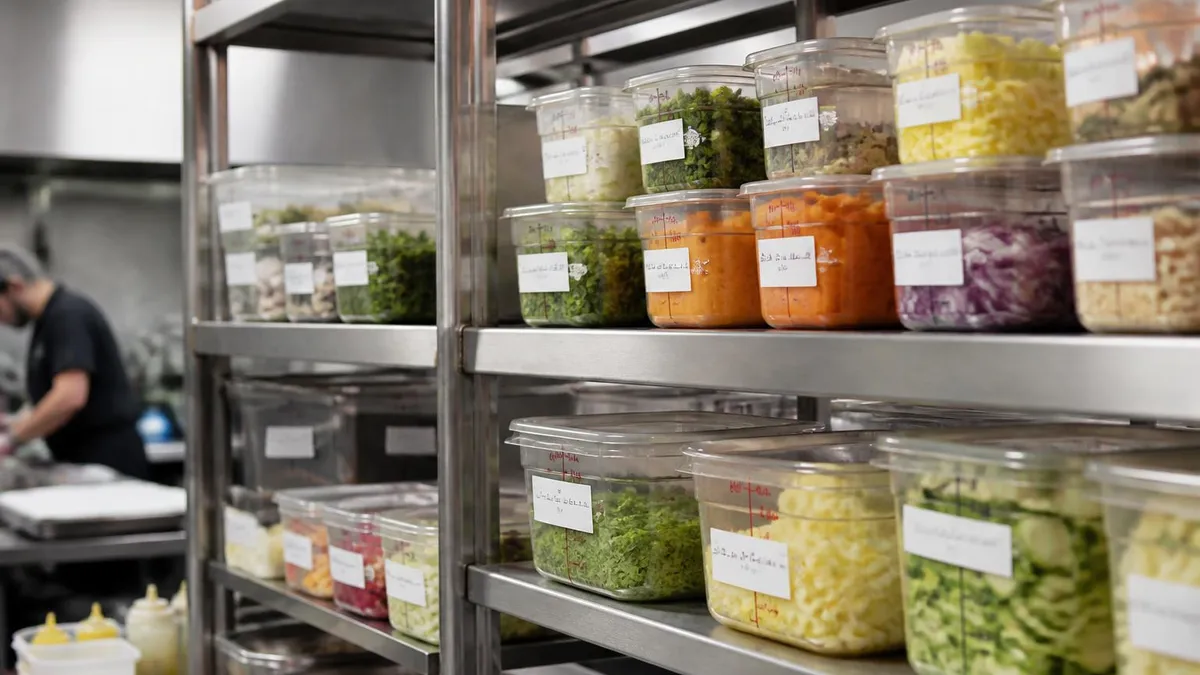
The ServSafe Manager Certificate expires five years from the date of your exam, not from the date you first start using it professionally. Many food service managers discover their certificate has lapsed during a health inspection — which can trigger an immediate compliance violation. Set a calendar reminder at least 60 days before your expiration date so you have time to schedule a proctored renewal exam without scrambling under pressure.
Renewing your ServSafe certification before it expires is not just a legal formality — it is an opportunity to update your knowledge of food safety best practices that evolve as science and regulations change. The FDA Food Code is updated every four years, and the ServSafe curriculum is revised to reflect those changes. Workers who allowed their credentials to lapse and then renewed after several years often discover that temperature requirements, allergen definitions, or pathogen-specific protocols have been updated in ways that affect their daily operations.
The renewal process for the ServSafe Food Handler Certificate is straightforward: complete the online training course again and pass the exam. ServSafe does not currently offer a shorter renewal-only version, so you go through the same 1-2 hour training as a new student. Many experienced food handlers find that going through the course again actually reinforces knowledge that had grown rusty, particularly around specific temperature thresholds, approved sanitizer concentrations, and the procedural details of proper handwashing that are easy to shortcut when performing them hundreds of times per week.
Manager certificate renewal requires retaking the full 90-question proctored exam. Unlike some professional certification programs that offer renewal through continuing education credits alone, ServSafe Manager renewal always involves a new exam. This requirement ensures that renewed certificates represent current, verified knowledge rather than simply accumulated years of experience. The retake exam uses the same format as the original — 90 questions in up to 3.5 hours, with the same 70% passing threshold — so your preparation strategy should be similar to your initial certification study plan.
Many food service operators use certificate renewal cycles as an opportunity to train multiple employees simultaneously, which can reduce per-person costs when purchasing group exam vouchers through the ServSafe website. The NRAEF offers institutional pricing for organizations that need to certify large numbers of employees, and some restaurant chains negotiate annual contracts for training access. If you manage a team, coordinating renewal exams as a group event also reinforces a food safety culture within your establishment — communicating to staff that food safety education is an ongoing commitment, not a one-time compliance checkbox.
If you hold a bartender license or work in alcohol service and need to renew your RBS certification, the timeline is different from food handler renewals. California's mandatory Responsible Beverage Service (RBS) training must be renewed every three years, and the renewal can be completed through any ATAP-approved provider, including ServSafe Alcohol. Other states that require alcohol service training have similar multi-year renewal windows, though the specific interval varies. Always check with your state's alcohol beverage control board for the definitive renewal requirements in your jurisdiction.
One renewal scenario that food service workers often overlook is credential renewal when changing employers or moving to a different state. Your ServSafe certificate is portable — it is tied to your account, not your employer — so you do not need to retake the course when you change jobs.
However, if you move from a state with a three-year food handler card to one that requires a two-year renewal, your existing certificate may technically be valid but locally non-compliant. The ServSafe official site's state resource guide can help you quickly check whether your existing credential meets the requirements of a new jurisdiction before your first day on the job.
Finally, if you lose your ServSafe certificate or need to provide it to multiple employers simultaneously, you can download and reprint it at any time through your ServSafe account portal. The digital version includes a QR code that employers and health inspectors can scan to verify your credential against the ServSafe database in real time.
This instant verification feature has become increasingly important as health departments have modernized their inspection processes and now routinely check certificate validity electronically rather than relying solely on paper copies kept in a binder by the manager's office. Keeping your ServSafe account login information current ensures you always have fast access to your credentials when they are needed most.
Beyond the official ServSafe exam materials, there are practical strategies that consistently separate first-time passers from those who need to retake. The most important is building your study schedule around active retrieval rather than passive reading. Read a chapter of the ServSafe Manager textbook, then close it and write down everything you can remember about that chapter's key points. This retrieval practice — also called the testing effect in cognitive science — produces significantly stronger long-term retention than re-reading the same material multiple times.
Focus your retrieval practice on scenario-based questions from the start, since that is the format the ServSafe Manager exam uses almost exclusively. A scenario question might describe a worker who comes to work with symptoms of nausea and a headache, then ask whether the manager should exclude the worker, restrict them to non-food duties, or allow them to work normally. The correct answer depends on the specific symptoms described and whether the establishment serves a highly susceptible population — knowing the rule abstractly is not enough, you need to recognize it in a realistic workplace scenario.
Time management during the exam is another area where preparation pays significant dividends. The ServSafe Manager exam allows 3.5 hours for 90 questions, which averages about 2.3 minutes per question. Most test-takers find the time allocation comfortable, but scenario-based questions with lengthy descriptions can consume more time than simpler recall questions if you are not careful.
Practice your pacing by timing yourself on full-length ServSafe manager practice tests before your scheduled exam date — if you consistently finish well within the time limit, you are in good shape; if you are running close to the wire, work on reading more efficiently.
Study groups are a particularly effective tool for ServSafe Manager exam preparation, especially for workers who are preparing alongside colleagues at the same establishment. Explaining food safety concepts aloud to another person — teaching the content — forces you to confront gaps in your own understanding that silent reading can mask. Group members can quiz each other using flashcards, debate the correct answers to ambiguous scenario questions, and share memory aids for complex lists like the Big 6 pathogens or the seven HACCP principles.
On exam day, arrive early at your testing location with your two forms of ID so you are not flustered by last-minute logistics. Read each question completely before looking at the answer choices, since ServSafe scenario questions often include important qualifying details at the end of the question stem. Answer every question — there is no penalty for guessing, so a blank answer is always worse than an educated guess on any question where you can eliminate at least one or two obviously wrong choices.
After the exam, you will typically receive a score immediately if testing on a computer or within two to three weeks if testing on paper. If you pass, your certificate will appear in your ServSafe account within a few days and can be printed immediately. If you do not pass, review your score report carefully — ServSafe provides domain-level performance data showing which topic areas you answered correctly or incorrectly, giving you a precise roadmap for your retake preparation rather than requiring you to re-study everything equally.
The investment in ServSafe certification pays dividends beyond compliance. Research from the National Restaurant Association consistently shows that food service establishments with comprehensively trained, certified staff experience fewer health code violations, lower rates of foodborne illness incidents, and better outcomes in health inspections. For individual workers, holding a current ServSafe credential often translates to faster hiring, higher starting wages, and more rapid promotion into supervisory roles — making the certification one of the highest-return professional investments available in the food service industry.
Sample ServSafe Certification Practice Practice Questions
Try these questions from our free ServSafe Certification Practice practice tests. The correct answer and an explanation follow each question.
What is the most common way pathogens are transferred to food in a food service operation?
- A. Contaminated water supply
- B. Improper ventilation in the kitchen
- C. Food handlers who practice poor personal hygiene
- D. Using expired cleaning chemicals
Answer: C. Food handlers who practice poor personal hygiene
Poor personal hygiene, such as unwashed hands, is the most common way pathogens are transferred to food in food service settings.
What happens when a food establishment fails a health inspection?
- A. The establishment may receive violations, require reinspection, or face closure depending on severity
- B. Nothing, inspections are advisory only
- C. The owner is immediately arrested
- D. The establishment permanently closes
Answer: A. The establishment may receive violations, require reinspection, or face closure depending on severity
Consequences of failing a health inspection range from written violations requiring correction to mandatory reinspection or temporary closure for serious or imminent health hazards.
What is a Certified Food Protection Manager (CFPM)?
- A. A person who has passed an approved food safety certification exam
- B. Any restaurant owner
- C. A health inspector
- D. A food delivery driver
Answer: A. A person who has passed an approved food safety certification exam
A CFPM is a person who has demonstrated food safety knowledge by passing an exam from an accredited certification program, often required in food service establishments.
What information must be on a food label in a commercial kitchen?
- A. Product name, date received or prepared, and use-by date
- B. Only the product name
- C. Only the price
- D. No labeling is required in commercial kitchens
Answer: A. Product name, date received or prepared, and use-by date
Commercial kitchen food labels must include the product name, date of receipt or preparation, and a use-by or discard date to ensure proper rotation and safety.
ServSafe Questions and Answers

Temperature Danger Zone ServSafe: Preventing Time-Temperature Abuse When Transporting Food

Food Handler Certification: State-by-State Guide for 2026

ServSafe Exam Questions: Complete Study Guide and Certification Prep Hub for 2026

ServSafe Manager Certificate: Complete Study Guide and Certification Prep Hub for 2026

ServSafe Certification Practice Test: Complete Prep Guide for Food Handlers and Managers
About the Author

Registered Sanitarian & Food Safety Certification Expert
Cornell University College of Agriculture and Life SciencesThomas Wright is a Registered Sanitarian and HACCP-certified food safety professional with a Bachelor of Science in Food Science from Cornell University. He has 17 years of experience in food safety auditing, regulatory compliance, and foodservice management training. Thomas prepares food industry professionals for ServSafe Manager, HACCP certification, and state food handler examinations.
Join the Discussion
Connect with other students preparing for this exam. Share tips, ask questions, and get advice from people who have been there.
View discussion (8 replies)