
How to Become a Registered Dental Assistant (RDA): Complete Training & Requirements Guide
Learn how to become a RDA step by step. Covers RDA meaning, 📗 education, state requirements, certification exam, and salary for registered dental assistants.

Understanding the RDA meaning is the first step toward launching a rewarding healthcare career. RDA stands for Registered Dental Assistant, a credentialed professional who works directly alongside dentists to provide patient care, manage instruments, take radiographs, and perform a wide range of clinical support tasks.
If you are exploring how to become a RDA, you are looking at one of the most accessible entry points into the dental profession — one that offers job stability, competitive pay, and genuine day-to-day variety. This guide walks you through every requirement, from education to the credentialing exam, so you can move forward with confidence.
The registered dental assistant role is distinct from a general dental assistant in a critical way: the RDA designation is a state-issued credential that grants you the legal authority to perform expanded functions that unlicensed assistants cannot. The definition RDA carries in most states includes expanded duties such as coronal polishing, placing and carving amalgam restorations under supervision, applying sealants, and taking impressions. Because these tasks directly affect patient health, states regulate them carefully through written examinations, clinical exams, and ongoing continuing education requirements.
The path to becoming an RDA varies slightly by state, but the core framework is consistent across the country. You will need to complete an accredited dental assisting education program, accumulate hands-on clinical experience, pass a written and sometimes clinical examination, and submit an application to your state dental board. Some states — most notably California — have their own RDA examination distinct from the national Registered Dental Assisting exam offered by the Dental Assisting National Board (DANB). Understanding which pathway applies to you is essential before you invest time and money into training.
One of the most appealing aspects of the registered dental assistant career is how quickly you can enter the workforce. Most accredited dental assisting programs run between nine months and two years, depending on whether you pursue a certificate, diploma, or associate degree. During this time you will study subjects including dental anatomy, radiology, infection control, dental materials, and chairside assisting techniques. Accredited programs also include supervised clinical externships that give you real patient care experience before graduation, which is often a requirement for sitting the credentialing examination.
The RDA dental career outlook is strong. According to the U.S. Bureau of Labor Statistics, employment of dental assistants is projected to grow significantly over the coming decade as the aging American population drives increased demand for dental services. Practices across the country are actively hiring credentialed assistants because RDAs can perform expanded functions that add efficiency and revenue to a dental office. Whether you want to work in a general practice, a pediatric office, an oral surgery center, or a specialty practice, the credential opens doors that a non-credentialed assistant cannot walk through.
This guide covers the full RDA meaning and definition, the step-by-step educational and examination pathway, the pros and cons of the career, costs to expect, and practical study strategies for passing your credentialing exam. You will also find links to free RDA practice questions so you can start preparing right now.
Whether you are a high school graduate exploring healthcare careers, a dental assistant already working chairside, or someone making a career change, the information here will give you a clear road map. how to become a rda is a complete guide that dives even deeper into the certification process if you want additional detail after reading this overview.
By the end of this article you will understand exactly what steps to take, what it will cost, how long it will take, and what your earning potential looks like once you hold the RDA credential. The dental field rewards people who commit to professional development, and earning your RDA is one of the clearest signals to employers that you have done exactly that. Let us get started with the numbers that put this career in perspective.
Registered Dental Assistant by the Numbers

How to Become a Registered Dental Assistant: Step-by-Step
Complete High School or Earn a GED
Enroll in a CODA-Accredited Dental Assisting Program
Complete Your Clinical Externship
Pass the Credentialing Examination
Apply to Your State Dental Board
Maintain Your Credential with Continuing Education
Education is the cornerstone of the RDA pathway, and selecting the right program is one of the most important decisions you will make. The Commission on Dental Accreditation (CODA) is the national accrediting body for dental assisting programs in the United States, and DANB requires graduation from a CODA-accredited program as one pathway to exam eligibility.
Community colleges, vocational schools, and dental schools all offer accredited programs, and tuition ranges from roughly $3,000 at community colleges to $15,000 or more at private vocational institutions. Look closely at the clinical externship sites each school partners with, since quality hands-on experience often determines how quickly you find employment after graduation.
The curriculum in a CODA-accredited dental assisting program is comprehensive and clinically focused. You will study dental anatomy and tooth morphology so you can chart accurately using proper notation systems. Radiology coursework covers X-ray technique, positioning, film processing or digital sensor use, and radiation safety — critical knowledge since RDAs are authorized to take radiographs in most states. Dental materials courses teach you the properties, mixing, and handling of composites, cements, impression materials, and gypsum products. Infection control modules cover sterilization protocols, personal protective equipment, and OSHA bloodborne pathogen standards that every dental office must follow without exception.
Beyond clinical skills, dental assisting programs also teach front-office fundamentals including scheduling, insurance coding basics, and patient records management. While RDAs are primarily clinical staff, understanding how a dental office runs makes you a more versatile and valuable team member. Many dental offices — particularly smaller private practices — expect their assistants to occasionally help with reception tasks during staff shortages, and demonstrating that range of competency can support career advancement and salary negotiation down the road.
Not everyone enters an RDA program directly from high school. Many aspiring dental assistants work for a year or two as a non-credentialed dental assistant first to confirm they enjoy the work before committing to a formal program. In some states, this on-the-job experience can count toward exam eligibility even without a formal degree, provided the experience meets specific hour and supervision requirements set by the state dental board. Always check your state's specific rules, because experience-based pathways are not universally available and have strict documentation requirements you must satisfy before applying.
California has the most well-known state-specific RDA system in the country. The California Dental Board issues the RDA license only to candidates who pass the California RDA Written Examination and the California RDA Law and Ethics Examination. The written exam covers a broad range of clinical topics including dental sciences, chairside assisting, radiology, and infection control.
There is also a separate Registered Dental Assistant in Extended Functions (RDAEF) credential in California for those who want to perform even more advanced procedures under a licensed dentist. If you plan to practice in California, study the California-specific requirements early so you are not caught off guard by the state's unique examination structure.
For all other states that accept the DANB pathway, the three component exams — General Chairside (GC), Radiation Health and Safety (RHS), and Infection Control (ICE) — each test a distinct body of knowledge. The GC exam covers clinical procedures, patient care, dental materials, and chairside assisting. The RHS exam focuses on radiation physics, safety practices, and technique. The ICE exam tests your knowledge of sterilization, disinfection, and standard precautions. Passing all three components earns you the DANB RDA certification, which is then submitted to your state board alongside other application materials to obtain your state license or registration.
Continuing education keeps your credential active and your knowledge current. Most state boards require between eight and fifteen CE hours per renewal cycle, which is usually one or two years. DANB also requires RDAs who hold the national CDA (Certified Dental Assistant) credential to complete twelve CE hours annually to maintain that separate designation.
Topics approved for CE credit typically include infection control, radiology safety, CPR recertification, dental materials updates, and expanded function technique courses. Online CE providers make it relatively easy to complete your required hours without taking time off work, and many employers even reimburse CE costs as a job benefit.
RDA Exam: Written, Clinical & State-Specific Options
The DANB Registered Dental Assisting (RDA) exam is accepted in over 30 states as the pathway to state licensure or registration. It consists of three component exams — General Chairside (GC), Radiation Health and Safety (RHS), and Infection Control (ICE) — each taken separately at a Prometric testing center. Candidates can take the components in any order, and each exam consists of approximately 60 to 120 multiple-choice questions with a time limit of 90 minutes to three hours per component.
Eligibility for the DANB RDA exam requires graduation from a CODA-accredited dental assisting program or documented chairside work experience meeting specific hour requirements. Application fees range from $150 to $175 per component. DANB provides a detailed candidate guide with content outlines for each exam section, and the organization's own study materials — including practice tests and flashcards — are among the most reliable prep resources available to candidates preparing for the national pathway.

Is Becoming a Registered Dental Assistant Worth It?
- +Fast entry into healthcare — most programs complete in under two years
- +Strong job security with projected 7% growth over the next decade
- +Broader legal scope of practice than non-credentialed dental assistants
- +Competitive pay with median salaries near $46K and higher in urban markets
- +Credential transfers across many states, supporting geographic flexibility
- +Clear advancement pathway to RDAEF, dental hygiene, or office management
- −Program tuition can range from $3,000 to $15,000 depending on school type
- −Exam fees for all DANB components add up to $450 or more before state fees
- −California requires a completely separate state exam, complicating out-of-state applicants
- −Continuing education requirements add ongoing time and cost each renewal cycle
- −Standing for long hours in clinical settings can be physically demanding
- −Scope of practice limitations mean some advanced procedures still require a dentist or hygienist
RDA Credentialing Checklist: Everything You Need Before Applying
- ✓Confirm your state's specific RDA requirements on the state dental board website
- ✓Enroll in and complete a CODA-accredited dental assisting program
- ✓Obtain a current CPR/BLS certification from an AHA or ARC-approved provider
- ✓Complete all required clinical externship hours documented by your program director
- ✓Pass all required DANB component exams (GC, RHS, ICE) or the state-specific exam
- ✓Request official transcripts from your dental assisting program to submit to the board
- ✓Gather proof of any required chairside work experience if using the experience pathway
- ✓Complete a criminal background check if required by your state dental board
- ✓Pay all state application and licensing fees at the time of submission
- ✓Submit the complete application packet and allow two to eight weeks for board processing
State Requirements Vary Significantly — Check Your Board First
Before enrolling in any dental assisting program, visit your state dental board's official website to confirm the exact education, examination, and experience requirements for the RDA credential in your state. Requirements differ materially from state to state — what qualifies you in Texas may not satisfy California's board, and vice versa. Spending five minutes on the board website now can prevent months of wasted effort later.
The salary you can expect as a registered dental assistant depends on several factors: your geographic location, the type of dental practice you work in, your years of experience, and whether you hold additional specialty certifications. According to the U.S. Bureau of Labor Statistics, the median annual wage for dental assistants nationally is approximately $46,540, which translates to roughly $22 per hour. However, this national median masks significant regional variation. Dental assistants in states like California, Washington, Alaska, and Massachusetts consistently earn above the national median, with experienced RDAs in high-cost-of-living metropolitan areas sometimes reaching $60,000 or more annually.
The RDA credential itself tends to command a pay premium over non-credentialed assistants at the same practice. Because credentialed assistants are legally authorized to perform expanded functions — tasks that generate additional revenue for the dental practice — employers are willing to pay more for RDAs than for unlicensed chairside assistants. In practices where coronal polishing, sealant placement, or impression taking would otherwise require the dentist's direct time, an RDA frees the dentist to focus on higher-value procedures. That efficiency gain translates directly into compensation leverage for credentialed assistants during salary negotiations.
Specialty dental practices often pay higher wages than general dentistry offices. Oral and maxillofacial surgery practices, orthodontic offices, and periodontal practices frequently offer RDAs a premium because the work environment is more complex and the assistant's skill set must be more refined. Oral surgery settings in particular require assistants who are comfortable monitoring patients during IV sedation, managing surgical instruments, and responding to medical emergencies — a specialized skill set that commands higher compensation. If you are willing to develop expertise in a dental specialty, that investment in training can meaningfully increase your lifetime earnings as an RDA.
Beyond hourly wage, dental offices commonly offer benefits packages that add substantial value to the total compensation picture. Paid time off, health insurance, dental benefits for the employee and sometimes dependents, and retirement plan contributions are common at established practices. Some employers also cover continuing education costs and examination fees for employees pursuing additional credentials. When evaluating a job offer, calculate the total compensation value including benefits rather than focusing solely on the hourly rate, since benefit packages can be worth an additional $8,000 to $15,000 per year in real economic value.
Career advancement for RDAs follows several paths. Some credentialed assistants pursue the Certified Dental Assistant (CDA) credential from DANB, which is a nationally recognized advanced certification that signals a higher level of professional commitment and knowledge. Others pursue additional expanded function certifications — such as placing composite restorations or performing orthodontic procedures — that increase their scope and earning potential within their state's legal framework. California's RDAEF designation is an excellent example of how additional credentialing can substantially expand both your clinical role and your paycheck within the dental assisting field.
Some RDAs eventually transition into dental office management, where their clinical knowledge combined with business skills commands salaries in the $55,000 to $75,000 range at established practices. Others use their RDA credential as a stepping stone into dental hygiene, a profession that requires an associate's degree but offers a median salary above $80,000 annually. The clinical knowledge you accumulate as an RDA — particularly in radiology, infection control, and dental anatomy — gives you a meaningful head start in a dental hygiene program, allowing you to focus on the additional skills hygienists need rather than starting from scratch.
The long-term career outlook for registered dental assistants is genuinely positive. The aging U.S. population is driving sustained demand for dental services, particularly restorative and prosthetic care that requires skilled chairside assistance. Telehealth has not displaced dental care the way it has affected some medical specialties, and the physical nature of dental procedures means RDA jobs are not at significant risk from automation in the near or medium term.
If you are looking for a healthcare career with a fast entry path, stable demand, and clear opportunities for advancement, the registered dental assistant credential is one of the strongest options available in the allied health professions today.

Some states impose application filing deadlines or examination windows that are easy to miss if you wait too long after graduation. A few state boards also require that you apply within a set period after passing your exam components — typically six months to one year — or your scores may expire. Check your state dental board's current rules immediately after graduating so you do not have to retake a costly examination due to an administrative oversight.
Studying effectively for the RDA credentialing examination requires a structured, consistent approach rather than last-minute cramming. The most successful candidates begin their exam preparation during the final weeks of their dental assisting program — while clinical knowledge is still fresh — and continue studying for six to twelve weeks after graduation before sitting for the exam. Creating a weekly study schedule that allocates specific time blocks to each content domain prevents the common mistake of spending all your preparation time on topics you already know while neglecting weaker areas that cost you points on exam day.
Practice tests are the single most effective study tool for the RDA exam. Answering practice questions in the actual multiple-choice format forces you to recall and apply knowledge rather than passively re-read your textbooks. When you get a practice question wrong, do not simply mark the correct answer and move on — take time to understand why that answer is correct and why each incorrect option is wrong.
This active review process builds the deep conceptual understanding that helps you answer unfamiliar question phrasings on the real exam, which is critical because exam writers deliberately paraphrase content to test comprehension rather than memorization.
The content areas that candidates most commonly find challenging include dental materials (particularly knowing the manipulation steps and properties of each material), radiology error identification (distinguishing elongation from foreshortening, understanding why each error occurs), and infection control protocols (Spaulding classification, sterilization vs. disinfection distinctions, proper sequence for donning and removing PPE). Spending extra time on these high-difficulty topics pays outsized dividends on exam day. DANB's official content outlines list the percentage of questions allocated to each topic, which is an invaluable resource for prioritizing your study time rationally rather than guessing which areas matter most.
Study groups can significantly enhance your preparation if managed well. Meeting weekly with two or three classmates to quiz each other, compare notes, and discuss confusing concepts creates accountability and surfaces knowledge gaps you might not identify when studying alone.
The act of explaining a concept to someone else — teaching it — is one of the strongest memory consolidation techniques in educational psychology. If you cannot explain why a particular sterilization method is required for a specific instrument category, that is a signal you have memorized a rule without understanding its rationale, which makes it harder to apply correctly under exam pressure.
Flashcards remain highly effective for high-volume memorization tasks like instrument identification, dental anatomy landmarks, tooth numbering systems, and dental terminology. Digital flashcard platforms allow you to study on your phone during commutes, lunch breaks, and waiting periods throughout the day.
Spreading your flashcard review across many short sessions — a technique called spaced repetition — is significantly more effective for long-term retention than doing one long session the night before. If you are using a spaced repetition app, let the algorithm schedule your reviews rather than overriding it to review cards you feel comfortable with, since the algorithm deliberately schedules more difficult cards more frequently to maximize your retention efficiency.
On the week before your exam, shift your focus from learning new material to consolidating what you already know. Review your weakest content areas using practice questions rather than re-reading textbooks. Get at least seven to eight hours of sleep each night that week, since sleep deprivation measurably impairs memory retrieval and reasoning ability.
On exam day, arrive at the testing center at least 30 minutes early to allow time for check-in procedures, settle your nerves, and review any last-minute notes before the exam begins. Bring valid government-issued photo identification and any materials specified in your admission ticket — testing centers enforce these requirements strictly and will deny entry without proper documentation.
After passing the examination, many new RDAs find that the transition into their first job as a credentialed professional is easier when they proactively seek mentorship from experienced team members. The exam tests your knowledge, but a dental practice has its own protocols, preferred instruments, and workflow rhythms that you will learn on the job. Approaching your first weeks as a learning experience — asking questions, observing carefully, and being adaptable — makes the transition smoother and builds the kind of professional reputation that leads to salary reviews, expanded responsibilities, and long-term career satisfaction in the dental assisting field.
Practical success as a registered dental assistant goes beyond passing the credentialing exam — it depends on the habits, attitudes, and professional skills you develop throughout your career. One of the most impactful things you can do as a new RDA is master infection control protocols so thoroughly that they become automatic.
State dental boards and OSHA inspectors take infection control seriously, and a practice that fails to maintain proper sterilization protocols faces significant legal and financial consequences. Being the team member who never cuts corners on instrument processing and surface disinfection builds trust with your employer and protects every patient you work with.
Instrument identification and tray setup efficiency are skills that experienced dental assistants develop over time and that set top performers apart from average ones. Knowing exactly which instruments belong on a tray for every common procedure — extractions, composite restorations, crown preparations, endodontic procedures — without having to be told each time demonstrates competence and makes you a genuine asset to a busy dental team. During your first weeks on the job, take photographs of correctly set-up trays (with your employer's permission) and review them on your own time to accelerate this learning curve.
Radiology is another area where consistent excellence pays professional dividends. Taking diagnostic-quality radiographs on the first attempt — with proper angulation, correct exposure settings, and precise positioning — saves the dentist time, reduces patient radiation exposure, and avoids the awkward conversation about retakes. Investing in continuing education specific to digital radiography and CBCT technology keeps your skills current as practices upgrade their imaging equipment, and it positions you as a tech-savvy assistant who adds value in a modern practice environment.
Patient communication is an underrated dimension of the RDA role that many candidates do not fully appreciate during their training. Patients who are anxious about dental procedures look to chairside assistants for reassurance and clear explanations of what is happening.
Developing a calm, professional, empathetic communication style — explaining each step before you perform it, monitoring body language for signs of discomfort, and acknowledging patient concerns without dismissing them — reduces appointment cancellations, improves patient satisfaction scores, and contributes to a dental practice's reputation in its community. These soft skills are difficult to test on a written exam but are immediately visible to every employer who interviews you.
Building a professional network in the dental community is valuable from your first day in a dental assisting program. Your clinical externship site, your classmates, your instructors, and the dental supply representatives who visit your program are all potential sources of job leads, professional references, and career guidance. Joining your state dental assisting association connects you with continuing education opportunities, legislative advocacy on behalf of the profession, and a community of peers who understand the unique challenges and rewards of the dental assisting career. National membership in the American Dental Assistants Association (ADAA) extends that network to the federal level.
Staying informed about scope-of-practice changes in your state is an ongoing professional responsibility as an RDA. State dental boards periodically revise the list of functions that credentialed assistants may legally perform, and practicing outside your authorized scope — even inadvertently — can result in license suspension or revocation. Subscribe to your state dental board's email newsletter, read your state dental association's publications, and review your state's dental practice act annually to ensure your understanding of your legal scope remains current. This proactive approach to regulatory awareness protects both your license and your patients.
Finally, document your continuing education credits carefully from the very beginning of your career. Keep copies of every CE certificate in a dedicated folder — physical or digital — organized by date and topic. State dental boards can audit CE compliance at any time, and being unable to produce documentation of completed hours can result in license renewal delays or disciplinary action.
Many experienced RDAs also maintain a professional portfolio that includes their credential certificates, CE transcripts, letters of recommendation, and a record of expanded procedures they are authorized to perform. This portfolio is a powerful asset during job interviews and salary negotiations throughout your dental assisting career.
RDA Questions and Answers

RDA Certification: Complete Guide to Becoming a Registered Dental Assistant in 2026

RDA (Registered Dental Assistant) Test: Your Guide
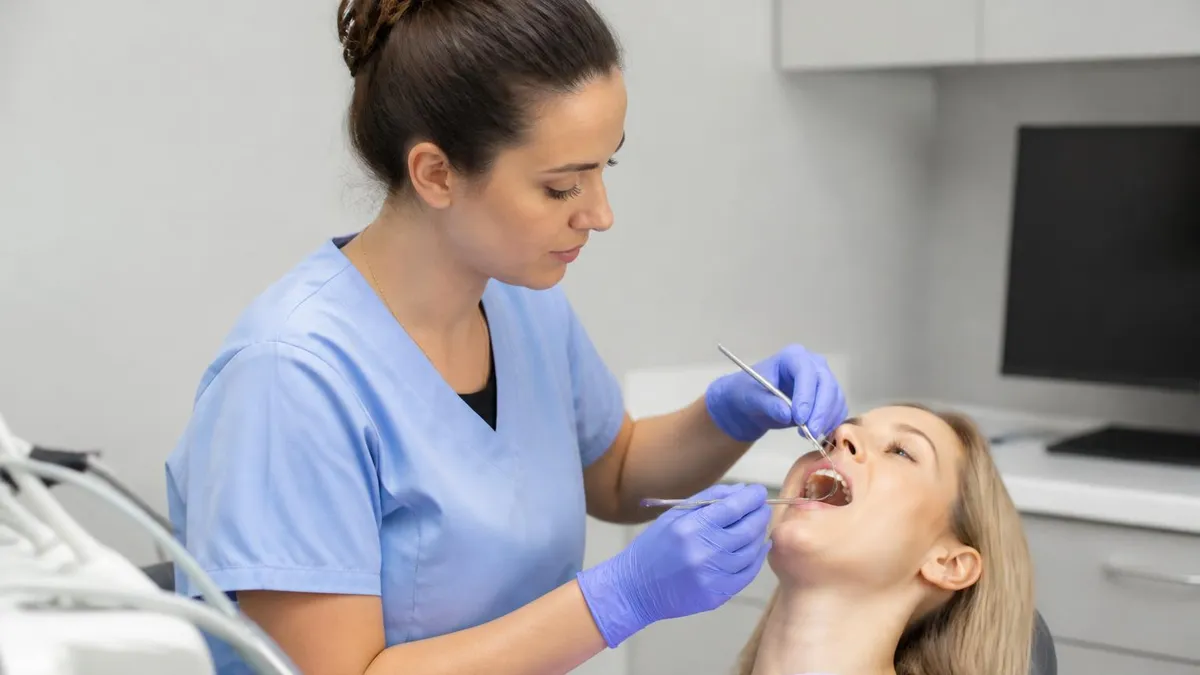
RDA Jobs: Complete 2026 Career Guide for Registered Dental Assistants

RDA License Lookup: How to Verify a Registered Dental Assistant's Credentials
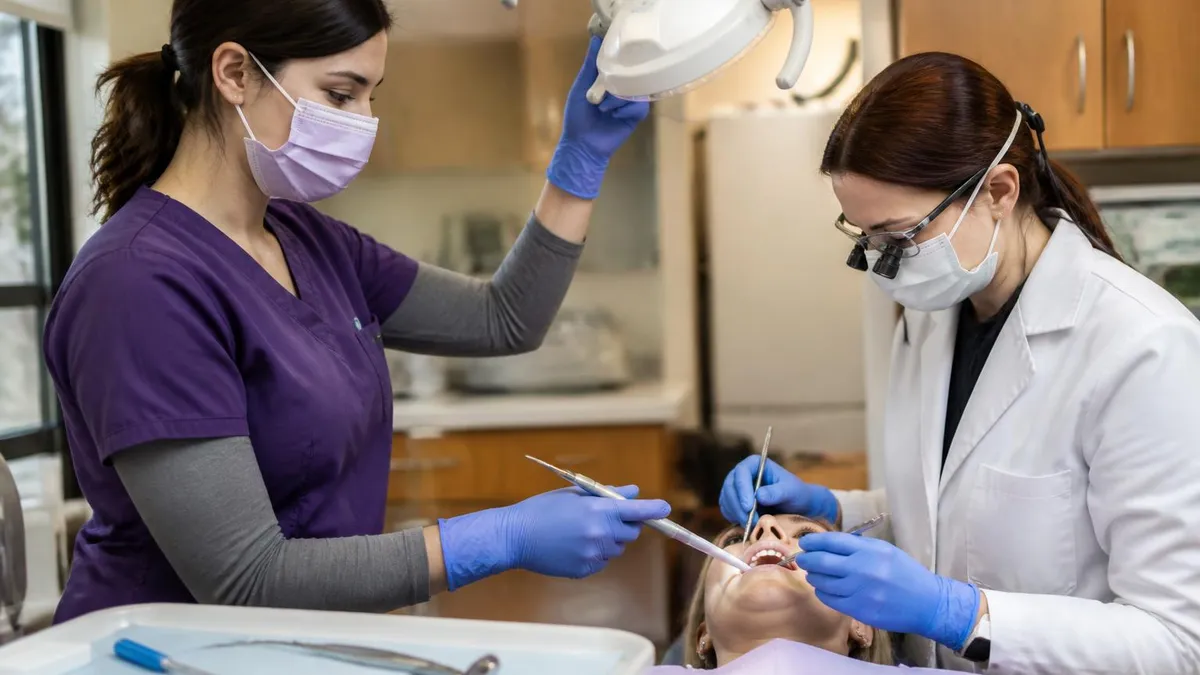
RDA Practice Test: Free Registered Dental Assistant Questions & Answers (2026)
About the Author

Educational Psychologist & Academic Test Preparation Expert
Columbia University Teachers CollegeDr. Lisa Patel holds a Doctorate in Education from Columbia University Teachers College and has spent 17 years researching standardized test design and academic assessment. She has developed preparation programs for SAT, ACT, GRE, LSAT, UCAT, and numerous professional licensing exams, helping students of all backgrounds achieve their target scores.
Join the Discussion
Connect with other students preparing for this exam. Share tips, ask questions, and get advice from people who have been there.
View discussion (8 replies)