
RDA License Lookup: How to Verify a Registered Dental Assistant's Credentials
Learn the RDA meaning, how to do an RDA license lookup, verify credentials, and what registered dental assistants do in every US state. ✅

If you've ever needed to perform an rda license lookup — whether you're a dentist hiring staff, a patient wanting to verify credentials, or an RDA checking your own license status — understanding exactly how the process works can save you significant time and frustration.
The term "RDA meaning" refers to Registered Dental Assistant, a credential issued by individual state dental boards to assistants who have met specific education, examination, and clinical training requirements. Unlike an unlicensed dental assistant who may work under supervision without formal credentials, an RDA has demonstrated competency through rigorous testing and earned the legal right to perform expanded-duty procedures in many states.
The registered dental assistant credential is not uniform across the United States. Each of the 50 states maintains its own dental practice act, which dictates what tasks an RDA may legally perform, what exams are required for licensure, and how license verification must be conducted. Some states use the national Registered Dental Assistant examination administered by the Dental Assisting National Board (DANB), while others require state-specific clinical exams. This patchwork of regulations means that an RDA licensed in California may hold different expanded duties than one licensed in Texas, and both differ from states like Washington or New York.
Performing a proper rda license lookup requires knowing which state board governs the dental assistant in question. Every state dental board maintains an online licensee search portal — often called a license verification system, practitioner lookup, or professional license search. These portals are public records tools, meaning anyone can query them at no charge. You'll typically need the assistant's full legal name, license number, or both to return accurate results. Some state boards also allow you to search by city, practice location, or expiration date range.
For dental practice owners and office managers, verifying RDA credentials is not just a best practice — it's a risk management necessity. Employing someone who allows their dental assistant license to lapse, or who misrepresents their credential status, can expose a practice to regulatory action, insurance claim denials, and civil liability. Most state dental boards require that employing dentists ensure all auxiliary personnel are currently licensed and in good standing before delegating any procedure that falls within the definition of dental assisting under the state's practice act.
The definition rda also extends beyond the license itself. In many states, the RDA credential comes with specific CE (continuing education) requirements that must be satisfied during each renewal cycle — commonly every one or two years. A license that shows as "active" in a lookup tool but carries a CE deficiency may still be subject to disciplinary action at the next renewal. This is why cross-referencing the expiration date and CE completion status during any credential check is important for thorough verification.
Beyond simple hire-and-verify scenarios, rda dental professionals themselves benefit from understanding how lookups work. If you move to a new state, your prospective employer may run a background check that includes a license lookup in your previous state. Any gap in licensure, expired status, or disciplinary notation will appear in these records. Staying proactive about renewals — setting calendar reminders 90 days before expiration — protects your career trajectory and ensures you can pass any employer credentialing check without delay.
This comprehensive guide walks through everything you need to know about the RDA credential: the definition and scope of practice, how to complete a license lookup in any state, what the lookup results mean, and how to use free rda license lookup resources alongside practice tests to stay fully prepared for licensure examinations. Whether you're new to the field or a seasoned assistant looking to verify your standing, the information ahead covers the full picture.
Registered Dental Assistant: Key Numbers

RDA Scope of Practice: What Registered Dental Assistants Do
RDAs pass instruments, maintain suction, mix materials, and assist during examinations, restorations, extractions, and oral surgery procedures. These foundational duties are authorized in every state that licenses dental assistants and form the core of daily RDA responsibilities in clinical settings.
Licensed RDAs are authorized in most states to expose, process, and mount dental radiographs, including bitewing, periapical, panoramic, and CBCT images. Competency in radiation safety, exposure technique, and error identification is tested on state and national RDA examinations.
Many states authorize RDAs to perform coronal polishing, sealant placement, fluoride application, temporary crown placement, suture removal, and even limited orthodontic procedures. The exact list varies by state dental practice act and may require additional certificates beyond the base RDA license.
RDAs are responsible for instrument processing, sterilization monitoring, surface disinfection, and maintaining OSHA-compliant infection control protocols. This includes proper spore testing of autoclaves, maintaining sterilization logs, and ensuring PPE compliance throughout every patient encounter.
Beyond clinical duties, many RDAs manage dental charting, take and record vital signs, enter treatment notes, handle insurance documentation, and assist with front-office functions. Accurate record-keeping directly supports the quality of patient care and legal compliance for the practice.
Conducting an accurate rda license lookup begins with identifying the correct state dental board website. Every US state and territory operates a regulatory body that governs dental licensure — these boards publish freely searchable online directories of all licensed dental professionals, including registered dental assistants. The most direct path is to visit the state board's official .gov domain and locate their "License Verification" or "Practitioner Search" page. Avoid third-party aggregator sites that may carry outdated information; always verify against the primary source maintained by the licensing authority itself.
Once you've landed on the official portal, you'll usually be presented with a search form requesting one or more of the following: the licensee's first and last name, their license number, their city of practice, and the license type (select "Dental Assistant" or "Registered Dental Assistant" from the drop-down). Using the license number alongside the name dramatically narrows results and eliminates confusion when common names return multiple records. If you don't have a license number, the full legal name combined with the city of practice is typically sufficient to identify the correct individual.
The search results page will display key credential information. You should look for four critical data points: (1) License status — active, expired, suspended, revoked, or probationary; (2) Expiration date — the date through which the current license period is valid; (3) Issue date — when the license was originally granted; and (4) Disciplinary history — whether any formal actions, citations, or consent agreements have been filed against the licensee. Most state boards provide a direct link to the full disciplinary record if any action exists.
For multi-state practices or traveling dental professionals, verification becomes more complex. If an RDA works across state lines — for example, in a dental group with offices in multiple states — you'll need to run a separate lookup on each state's board website. There is no single national registry that consolidates RDA license status across all 50 states. The DANB (Dental Assisting National Board) does maintain a searchable credential verification tool for its own national certifications (such as the CDA — Certified Dental Assistant), but DANB certification is separate from and does not substitute for individual state licensure.
When interpreting lookup results, it's important to understand that an "active" status does not automatically mean the licensee is in full compliance. Some states allow licenses to remain technically active while a continuing education audit is pending or while a disciplinary investigation is open but not yet resolved. If you're conducting verification for employment credentialing purposes, it's prudent to contact the state board directly by phone or email to confirm that no holds or pending actions exist that may not yet appear in the online portal.
The rda promart platform and similar dental staffing verification services can automate parts of the lookup process for dental group practices that hire at scale. These services integrate directly with state board APIs and employment records systems, flagging licenses that are approaching expiration or that have status changes. While useful for enterprise-level operations, individual dental offices can accomplish the same verification manually using the free state board portals — it simply requires building a renewal tracking calendar and assigning someone in the office to run verification checks at hire and at each license renewal cycle.
It's also worth knowing what a license lookup cannot tell you. Verification confirms legal standing, but it does not verify clinical skill level, the quality of the educational program attended, or whether the RDA has kept up with best practices beyond the minimum CE requirements. For a complete picture of a candidate's qualifications, employers should pair the license lookup with a review of the assistant's DANB certification status, any specialty certificates they hold, and reference checks from prior dental employers. Credential verification is the floor, not the ceiling, of due diligence.
RDA Definition: Understanding the Credential and Its Variations
The core distinction between a Registered Dental Assistant (RDA) and an unlicensed dental assistant (DA) lies in formal credentialing. An unlicensed DA has completed on-the-job training but has not passed a state board examination or met the education requirements for licensure. In states that require licensure for all dental assistants — such as California, Oregon, and Minnesota — practicing without an RDA credential is a regulatory violation that can result in fines for the employing dentist.
The RDA definition establishes a minimum competency threshold backed by examination and supervised clinical hours. RDAs can legally perform expanded-duty procedures that unlicensed assistants cannot, such as coronal polishing, sealant placement, or taking final impressions in states that authorize these tasks. The credential also provides portability: an RDA with DANB's Certified Dental Assistant (CDA) certification can use that credential as a pathway to reciprocity in many states, simplifying license transfer when relocating across state lines.

Becoming a Registered Dental Assistant: Pros and Cons
- +Relatively short training pathway — most certificate programs complete in 9–12 months, much faster than other healthcare credentials
- +Strong job security driven by population growth, aging demographics, and expanding access to dental care in underserved communities
- +Clear licensure pathway with defined exam content, making it straightforward to study and prepare for state board examinations
- +Variety of work environments including private practices, community health centers, specialty clinics, corporate dental groups, and the military
- +Opportunities for career advancement into RDAEF, dental office management, dental hygiene, or dental education with additional schooling
- +Immediate patient interaction and hands-on clinical work that provides daily professional satisfaction and a sense of tangible contribution to patient health
- −Median salary of approximately $44,500 is lower than many other licensed healthcare professions requiring similar training lengths
- −Physical demands including prolonged standing, repetitive hand movements, and exposure to patient aerosols create occupational health risks over time
- −License must be maintained in each individual state — no single national license exists, complicating credential management for those who relocate or work across borders
- −Expanded-duty scope varies enormously by state, creating an uneven career landscape where geography heavily influences what procedures you're legally allowed to perform
- −Limited autonomy compared to dental hygienists or dentists — RDAs always work under the direct or general supervision of a licensed dentist
- −Continuing education requirements and renewal fees represent an ongoing financial and time commitment every one to two years throughout a career
RDA License Lookup & Credential Verification Checklist
- ✓Identify the correct state dental board website using the official .gov domain — never rely on third-party aggregators for current license status
- ✓Collect the applicant's full legal name (as it appears on their license) and their state-issued license number before running the lookup
- ✓Verify that license status shows as 'Active' and confirm the expiration date extends beyond the current date and hire date
- ✓Check for any disciplinary notations, formal actions, consent agreements, probationary conditions, or license restrictions in the full record
- ✓Confirm the license type is specifically 'Registered Dental Assistant' or the equivalent state designation — not a trainee or limited permit
- ✓Cross-reference DANB's online certification verification tool if the candidate claims a CDA, COA, or other DANB national certification
- ✓Document the verification date, the search result summary, and the name of the staff member who performed the lookup for your practice records
- ✓Set a calendar reminder 90 days before the RDA's license expiration date to confirm timely renewal before it lapses
- ✓For multi-state employees, run a separate lookup on every state where the RDA practices — a single state verification is not sufficient
- ✓Re-verify license status annually even for long-term employees, as status changes (suspension, revocation, probation) can occur at any time
An Active Status Doesn't Always Mean Full Compliance
A license that shows 'Active' in a state board lookup tool may still carry pending CE deficiencies, open disciplinary investigations, or conditional restrictions that don't display prominently in the online portal. For employment credentialing purposes, always supplement an online lookup with a direct phone or email inquiry to the state dental board to confirm there are no pending actions that have not yet been posted to the public-facing system.
Preparing for the RDA examination — and understanding what you'll be tested on — is essential for anyone pursuing the registered dental assistant credential. The content domains tested on most state RDA exams align closely with the daily clinical and administrative responsibilities of a working dental assistant. These typically include chairside assisting procedures, radiation health and safety, dental anatomy and morphology, infection control and sterilization, dental materials, patient management, and office emergency protocols. Knowing the exam blueprint in detail before you begin studying is the single most effective way to allocate your preparation time efficiently.
The DANB Certified Dental Assistant (CDA) examination — which is accepted in part or in full by more than 30 states as a component of RDA licensure — is structured around three component exams: the Radiation Health and Safety (RHS) exam, the Infection Control (ICE) exam, and the General Chairside Assisting (GC) exam. Each component is administered independently, meaning you can take them in any order and spread them across multiple testing sessions if needed. Passing all three earns you the CDA credential, which then serves as the national certification benchmark recognized by most state boards.
The rda dental examination experience varies significantly depending on which state you're pursuing licensure in. California, for instance, administers its own written RDA examination through the Dental Board of California in addition to requiring clinical skill demonstrations. Other states accept the DANB component exams in lieu of a state written exam but still require a separate background check, CPR certification, and proof of completing an accredited dental assisting program or an equivalent combination of on-the-job experience hours as defined in the state's dental practice act.
Study resources for the RDA exam range from textbooks to online question banks to in-person review courses. One of the most evidence-backed study strategies is spaced repetition using practice questions — repeatedly answering exam-style questions in the domains where your foundational knowledge is weakest has been shown to improve retention far more effectively than re-reading notes. Aim for a study schedule that covers every major content domain at least twice in the eight weeks leading up to your exam date, with the final two weeks focused on timed practice tests that simulate actual exam conditions.
The rda definition of competency tested on these exams includes both knowledge recall and clinical judgment. Some questions present patient scenario vignettes requiring you to choose the most appropriate action — for example, recognizing the signs of a vasovagal syncope episode versus an anaphylactic reaction, or selecting the correct exposure settings for a pediatric periapical radiograph versus a full-mouth series for an adult. These scenario-based items require deeper understanding than simple memorization, so it's important to understand the reasoning behind procedures, not just the steps themselves.
Many candidates underestimate the infection control and radiation safety components of the exam, focusing instead on the more "visible" chairside procedures. In practice, infection control and radiation health and safety together represent a substantial portion of most state and national RDA examinations. OSHA bloodborne pathogen standards, CDC dental infection control guidelines, ALARA radiation principles, and the specifics of biological monitoring for sterilization equipment are all heavily tested. Building a strong foundation in these areas pays dividends not just on the exam but in daily clinical practice where these protocols protect both patients and staff.
Finally, understanding what happens administratively after you pass your exam is just as important as the exam preparation itself. After receiving your passing score notification, you'll need to submit a license application to your state dental board that includes your score report, proof of education or experience, CPR certification, a background check authorization, and the applicable application fee.
Processing times vary from two weeks to several months depending on the state and the volume of applications. Planning your timeline carefully — particularly if you have a job offer contingent on licensure — ensures you're not left in a gap period where you've passed the exam but cannot yet practice legally.

An expired RDA license is not automatically reinstated — most state dental boards require a formal reinstatement application, additional continuing education hours, and a reinstatement fee that is often higher than the standard renewal fee. In some states, a lapsed license for more than two years may require re-examination. Mark your renewal deadline at least 90 days in advance and submit renewal materials early to avoid any gap in your legal authorization to practice.
The career outlook for registered dental assistants in the United States remains consistently strong. The Bureau of Labor Statistics projects 7% employment growth for dental assistants through 2032, a rate classified as faster than the average for all occupations. This growth is driven by several converging trends: an aging population with greater dental care needs, expanding Medicaid dental coverage in more states, and the proliferation of corporate dental service organizations (DSOs) that run high-volume practices requiring multiple assistants per dentist. For credentialed RDAs, this demand translates into reliable job security and increasing negotiating leverage.
Salary data for RDAs shows meaningful variation by state, specialty, and credential level. According to recent BLS data, the median annual wage for dental assistants nationally sits at approximately $44,500, but the top 10% of earners exceed $62,000 annually. States with higher costs of living — California, Washington, Massachusetts, Minnesota — consistently pay above the national median, often by 20–30%. RDAs who hold DANB specialty certifications, work in oral surgery or orthodontics, or take on office management responsibilities alongside clinical duties tend to sit in the upper salary quartile for their region.
For those interested in long-term career advancement, the RDA credential functions as a strong foundation rather than a ceiling. Many dental hygienists, dental office managers, and even dental school instructors began their careers as RDAs. The clinical knowledge and patient care experience gained as a registered dental assistant provides directly applicable preparation for dental hygiene school entrance exams and the clinical skills assessed during the dental hygiene licensure process. Several community colleges offer bridge programs specifically designed to accelerate the pathway from RDA to registered dental hygienist (RDH) by granting credit for prior learning.
The corporate dental sector deserves particular attention for RDA career planning. DSO-affiliated practices, which now account for more than 25% of all dental offices in the US, often provide structured career ladders, employer-sponsored CE credits, and reimbursement for additional DANB certifications. They also tend to offer more predictable hours and formal HR support than small private practices, which can be appealing for assistants who prioritize work-life balance and professional development opportunities. The trade-off is a more standardized clinical environment with less variety in case complexity.
Geographic mobility is another significant career advantage for licensed RDAs compared to unlicensed assistants. While navigating the multi-state license landscape requires planning (as discussed earlier in this guide), an RDA who actively maintains their credential and holds a DANB CDA certification is employable in virtually any US market. This portability is especially valuable for military spouses, travel dental staffing professionals, and anyone who anticipates relocating in the course of their career. The investment in obtaining and maintaining the credential pays back in flexibility over the course of an entire working life.
Part-time and per-diem opportunities also abound for credentialed RDAs. Many dental staffing agencies specifically require RDA licensure as a condition of placement on per-diem assignments, because per-diem assistants often work in practices without the opportunity for extended on-site orientation. The license serves as a quality signal that the assistant can step into a clinical role and operate safely from day one. Per-diem work typically pays a 15–25% hourly premium over permanent placement rates, making it an attractive option for RDAs seeking schedule flexibility or supplemental income.
If you are actively working through licensure requirements or planning your exam timeline, using structured practice tests aligned to your state's exam blueprint is one of the most efficient preparation strategies available. Resources like those provided on this site allow you to identify weak content domains early, track your progress over multiple study sessions, and build the exam-day confidence that comes from repeated, timed practice under realistic testing conditions.
Combining a thorough understanding of the rda license lookup process with solid exam preparation positions you to enter the workforce fully credentialed and ready to contribute from your first day in the operatory.
Practical preparation for the RDA licensure process goes beyond simply reading textbooks — it requires an active, multi-modal approach that builds both knowledge and test-taking stamina. One of the most effective early steps is downloading your state dental board's candidate handbook for the RDA examination.
This document, usually available as a free PDF on the board's website, outlines the exact content domains, question formats, passing scores, and procedural rules for your specific state exam. Treating this handbook as your primary study guide ensures that every hour you invest in preparation is directly aligned with what you will actually be tested on.
Time management during the actual exam is a skill that must be practiced, not assumed. Most RDA written examinations allocate somewhere between 1.5 and 3 hours for 100–200 multiple-choice questions, depending on the state. That works out to roughly 60–90 seconds per question — sufficient time for straightforward recall items but tight when a scenario-based vignette requires reading a paragraph of clinical context before evaluating four answer choices.
Regular timed practice using full-length mock exams trains your brain to work at the necessary pace and helps you recognize when to skip a difficult question temporarily and return to it rather than burning time that costs you accuracy on easier items later in the test.
Infection control represents one of the most reliably high-yield study areas across all state and national RDA examinations. The CDC's Guidelines for Infection Control in Dental Health-Care Settings is the primary reference document for this content domain, and familiarity with its categories — standard precautions, hand hygiene, PPE selection, surface disinfection protocols, instrument processing, and waterline management — covers the vast majority of infection control questions you'll encounter. Pay particular attention to the specific requirements for different sterilization methods (steam autoclave, dry heat, chemical vapor) and their appropriate applications for different instrument types.
Radiographic technique and radiation safety is the second major high-yield domain. Expect questions on bisecting-angle versus paralleling technique, the causes and corrections for common radiographic errors (cone cutting, elongation, foreshortening, blurring), patient positioning for panoramic radiography, and the ALARA principle applied to pediatric versus adult exposure settings. Understanding both the technical execution of radiographic procedures and the underlying physics principles that explain why errors occur will prepare you for the full range of difficulty levels in this domain.
Dental materials questions require a different type of preparation — primarily memorization of properties, mixing ratios, setting times, and clinical applications for the major material categories. Alginate impression material, zinc oxide eugenol (ZOE) cements, composite resins, glass ionomers, amalgam (increasingly historical but still tested), temporary crown materials, and orthodontic bonding agents all appear on RDA examinations. Creating a simple reference sheet with the key properties and clinical uses of each material type is an efficient way to consolidate this knowledge before exam day.
Medical emergency recognition and management is an area where many candidates feel underprepared because the clinical scenarios can be anxiety-inducing to study. However, the RDA exam questions in this domain follow predictable patterns: they test whether you can identify the signs and symptoms of common emergencies (syncope, hypoglycemia, hyperventilation, allergic reactions, chest pain, seizures), recall the correct initial response sequence, know the contents and locations of required emergency equipment, and understand the dental team's role when summoning emergency medical services. Regular review of the BLS/CPR protocol in parallel with your RDA exam preparation reinforces these critical topics.
Finally, build your study plan around your personal weakest areas rather than spending equal time on every domain. After completing an initial diagnostic practice test, sort your performance by content area and dedicate proportionally more study sessions to the domains where you scored below 70%. Most candidates have clear patterns — strong in chairside procedures but weaker in dental materials science, or confident in infection control but uncertain about radiation physics.
Targeted remediation of weak areas in the six to eight weeks before your exam date, combined with full-length timed practice tests in the final two weeks, is the preparation model most consistently associated with first-attempt pass rates on the RDA examination.
RDA Questions and Answers
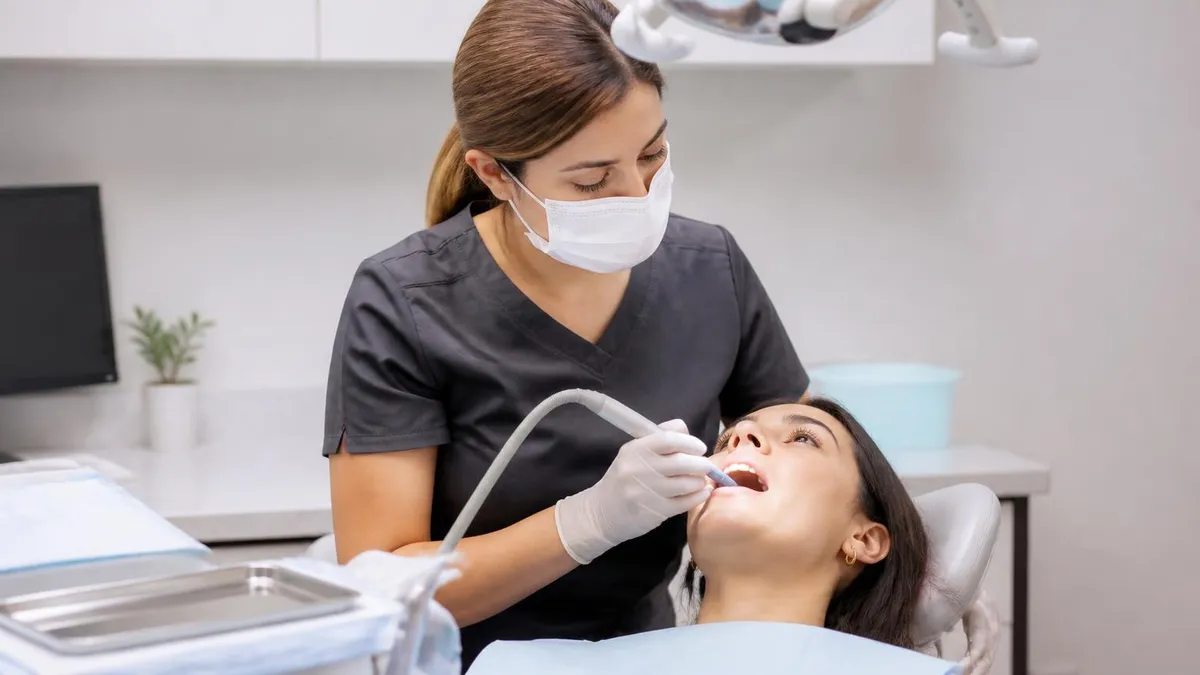
RDA Certification: Complete Guide to Becoming a Registered Dental Assistant in 2026

RDA (Registered Dental Assistant) Test: Your Guide
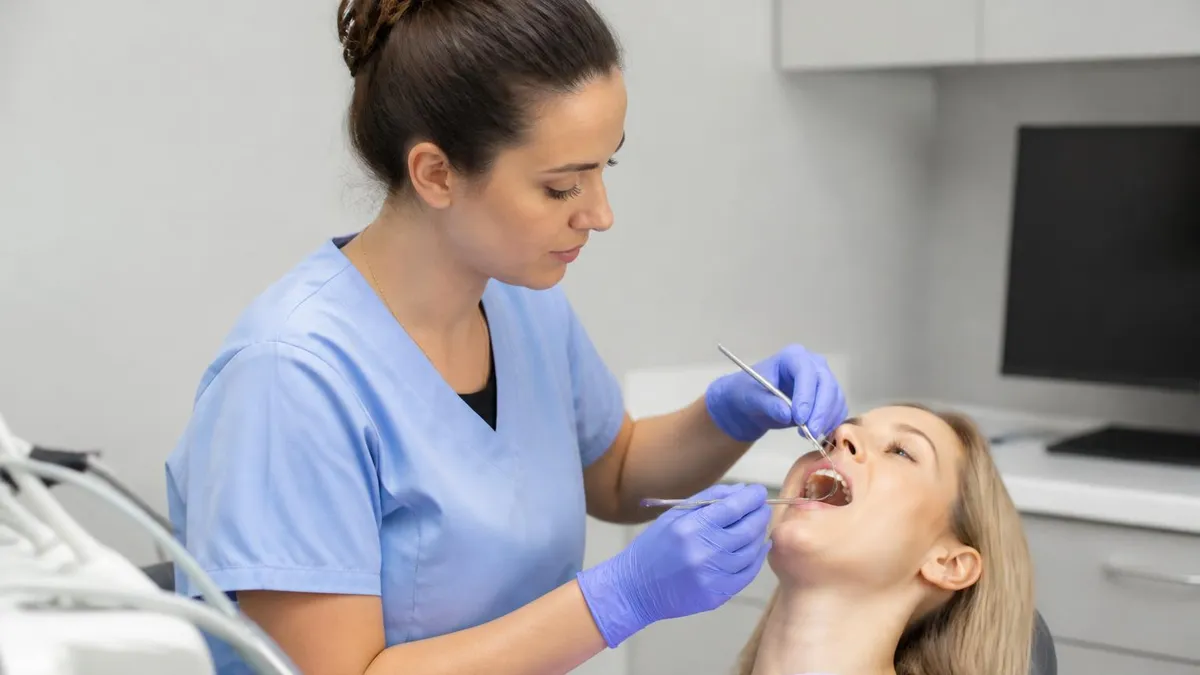
RDA Jobs: Complete 2026 Career Guide for Registered Dental Assistants
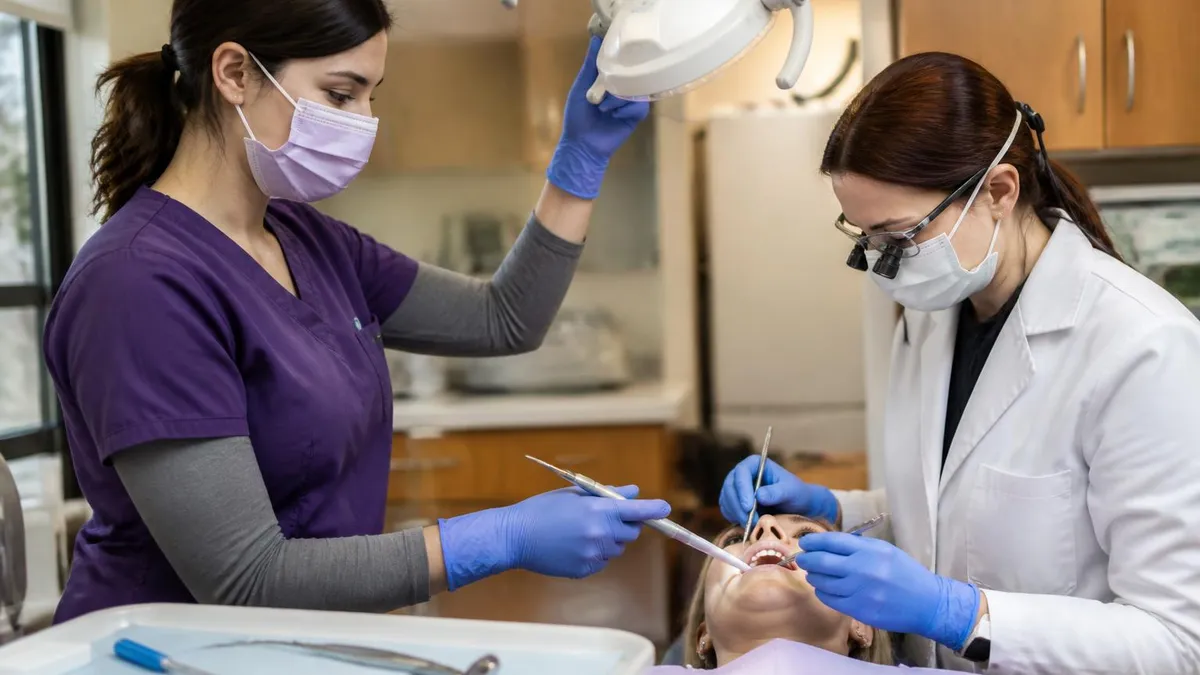
RDA Practice Test: Free Registered Dental Assistant Questions & Answers (2026)
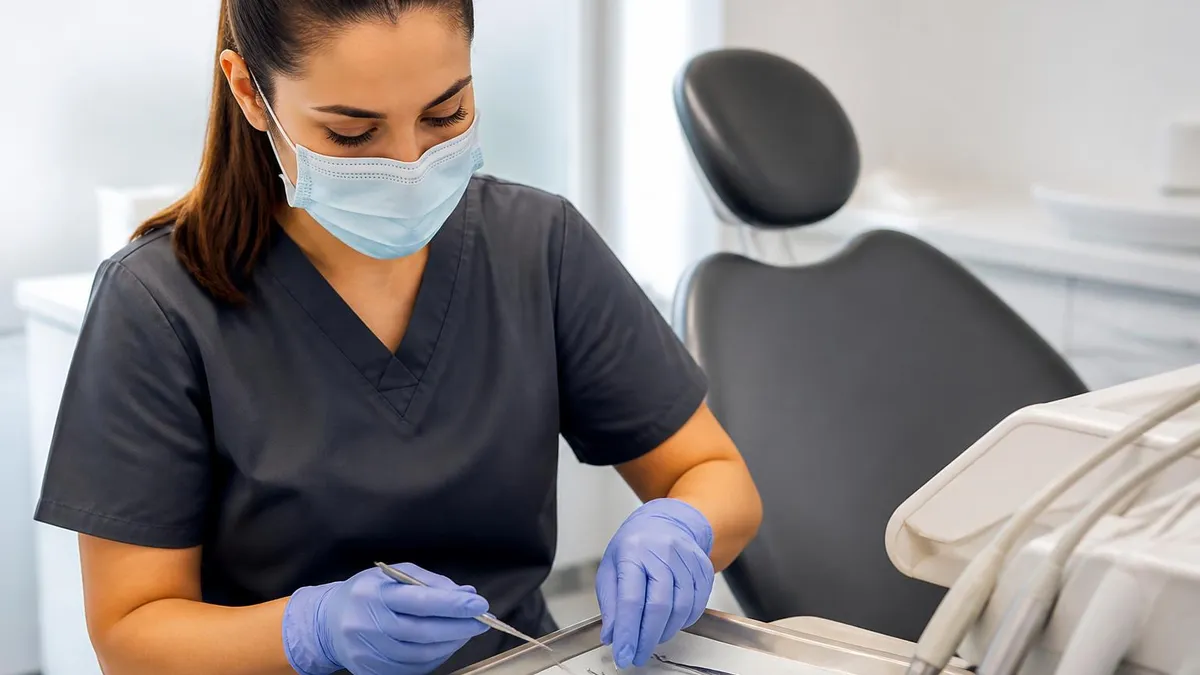
Registered Dental Assistant Jobs: Complete 2026 Career Guide
About the Author

Educational Psychologist & Academic Test Preparation Expert
Columbia University Teachers CollegeDr. Lisa Patel holds a Doctorate in Education from Columbia University Teachers College and has spent 17 years researching standardized test design and academic assessment. She has developed preparation programs for SAT, ACT, GRE, LSAT, UCAT, and numerous professional licensing exams, helping students of all backgrounds achieve their target scores.
Join the Discussion
Connect with other students preparing for this exam. Share tips, ask questions, and get advice from people who have been there.
View discussion (8 replies)