
Phlebotomy Training Programs in 2026 October
Compare phlebotomy training programs: community college, tech school, Goodwill, hospital routes. Costs, length, externships, NHA/ASCP/NPA certification. ⏳
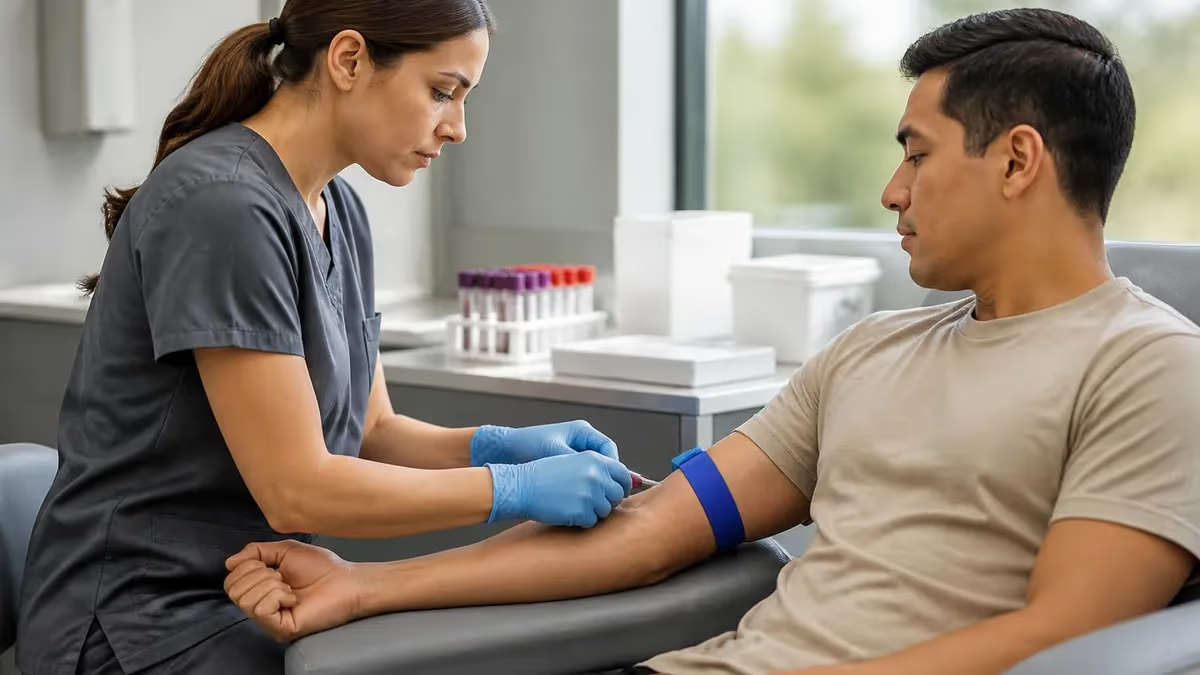
Picking a phlebotomy training program isn't just about finding the closest school — it's about matching the curriculum to the certification you want at the end. A short Goodwill workforce class, a Chaffey College semester course, and a Ballad Health hospital-based pathway all land you in the same career, but they don't all prepare you for the same exam, and they don't all cost the same money.
The differences matter. They affect whether you can legally draw blood in your state, whether hospitals will hire you straight out of class, and whether you'll be eligible for the higher-paying lab tech jobs three years down the road.
This guide walks you through the real options. Community colleges in California, Nevada, Texas, and Tennessee. Workforce nonprofits like Goodwill. Hospital-tied programs in Appalachia. Private tech schools like Expertise CPR and the Technical Institute of America. By the time you finish, you'll know what each route gives you, what it costs, and which national certification — NHA, ASCP, or NPA — sits at the end.
You'll also see why externship hours matter more than classroom hours. And why the cheapest program isn't always the smartest pick if your state requires a specific certification to draw blood legally. Phlebotomy is one of the fastest growing allied-health jobs in the US — the Bureau of Labor Statistics projects 8% growth through 2032, faster than average across all occupations. But growth doesn't help you if you pick the wrong program and end up unable to sit for the exam your local employers want.
How Phlebotomy Training Programs Are Structured
Every legitimate phlebotomy course covers the same three buckets: classroom theory, lab simulation, and a clinical externship. The mix is where schools differ. A traditional community college course like chaffey phlebotomy typically runs one full semester — 15 to 16 weeks — with two evenings of lecture, a Saturday lab, and an externship that starts after midterms.
You'll log around 40 hours of classroom time, another 40 of supervised lab sticks on mannequins and classmates, and then 80 to 100 externship hours at a contracted clinic or hospital. Classroom content includes anatomy of the venous system, blood collection equipment, additive theory (why a lavender top isn't a green top), patient identification protocols, infection control, and complications management.
Goodwill phlebotomy training compresses that timeline. Their accelerated workforce model — often grant-funded for unemployed or underemployed adults — runs 8 to 12 weeks full-time. Same content, same NHA exam at the end, but much faster pacing. The trade-off? You can't hold a job during the program.
Most students can though, because grant funding usually covers tuition and sometimes living costs. The Goodwill model intentionally front-loads classroom theory in weeks one and two so students start sticking arms by week three. That earlier exposure to real-patient nerves often produces graduates who handle exam-day stress better than students from longer, slower programs.
Hospital-based programs sit at the other extreme. Ballad Health phlebotomy program in Tennessee and Virginia, for example, hires you as a paid trainee. You learn on the job, draw real patients under preceptor supervision from week two, and sit for certification after about six months. The catch is competitive admission — Ballad accepts maybe one in eight applicants because they're investing real payroll dollars.
Most large hospital systems run something similar: HCA Healthcare's Galen College affiliated programs, Cleveland Clinic's Phlebotomy Training Program in Ohio, and Kaiser Permanente's apprenticeship in California all follow the same paid-trainee model. The volume of patient exposure at a hospital — sometimes 50+ sticks per shift — is unmatched anywhere else.
Tech schools fill the gap between these models. Technical Institute of America phlebotomy classes in New York City run on weekends or nights for working adults, lasting roughly 12 weeks. Expertise phlebotomy CPR bundles BLS certification with phlebotomy in a single weekend-intensive format — handy if your employer needs both credentials fast.
The convenience comes at a cost, both literal (tuition is usually 2-3x what a community college charges) and educational (cohort sizes are smaller but instructor-to-student ratio depends entirely on the campus). Visit before enrolling. Ask to sit in on a lab session. If the school refuses, that tells you something.

Accreditation Reality Check
What counts as "accredited" in phlebotomy? Unlike nursing or radiology, phlebotomy has no single national accreditor. Look instead for programs approved by NAACLS (National Accrediting Agency for Clinical Laboratory Sciences) or those whose graduates are eligible to sit for the NHA Certified Phlebotomy Technician (CPT), ASCP Phlebotomy Technician (PBT), or NPA Certified Phlebotomy Technician (CPT-NPA) exam. If the school can't tell you which exam its graduates sit for, walk away.
Community College Routes: Chaffey, CSN, Dallas College, TCAT
Community colleges remain the most reliable phlebotomy on-ramp in the United States. They're cheap. They're accredited. And they articulate into medical assisting or LPN programs if you decide to keep climbing. The accreditation question matters a lot here. Most regionally accredited community colleges automatically meet the standards required for NHA, ASCP, and NPA exam eligibility — meaning your transcript alone gets you a seat at the certification exam. Private schools, by contrast, often require additional documentation or proof of clinical hours.
Chaffey phlebotomy (Rancho Cucamonga, California) runs as PHLB-410 through the Chino Community Center. The fee structure is California-resident friendly — around $700 for tuition, books, and the externship placement. You'll log 80 hours of classroom plus 100 externship hours, which exceeds California's state minimum (CDPH requires 40 classroom + 40 clinical + 20 venipunctures + 10 skin punctures). Graduates sit for the NHA CPT. Chaffey's externship partners include Kaiser Permanente, San Antonio Regional Hospital, and a network of LabCorp draw stations across the Inland Empire — high-volume sites where students consistently exceed the 100-stick benchmark.
CSN phlebotomy — the College of Southern Nevada — offers a slightly longer route. Their PHLB 101 plus PHLB 102 sequence runs across two semesters but builds in more anatomy and patient-interaction coursework than Chaffey. Total cost runs about $1,200 for Nevada residents. CSN graduates are eligible for both NHA and ASCP exams. Las Vegas's tourism-heavy economy means CSN externships often land students at large outpatient labs serving traveling patients — odd hours, varied demographics, and unusually high stick volume. That clinical diversity translates directly into higher certification pass rates.
Dallas College phlebotomy (formerly Dallas County Community College District) runs PHLB 1009 across multiple campuses including Brookhaven, Eastfield, and Mountain View. The Texas program is unusually short — about 12 weeks — but it's intense, with 4-hour evening sessions twice a week plus weekend labs. Tuition sits around $900 for in-county students. Graduates typically test through ASCP. The fast pacing is deliberate. Dallas College built the program for adult learners who can't afford a full semester away from work, so they front-load anatomy and equipment training into the first three weeks and start lab sticks by week four.
TCAT phlebotomy program covers the Tennessee Colleges of Applied Technology system. Multiple campuses — Knoxville, Memphis, Murfreesboro, and Nashville among others — run rolling enrollment. TCAT's funding model is unique: many Tennessee residents qualify for free tuition through TN Reconnect or TN Promise. The program runs longer (6 months) but produces graduates with stronger lab skills than many shorter alternatives. TCAT campuses pair particularly well with Ballad Health and Vanderbilt University Medical Center for externship placements, and graduates from those partnerships often receive job offers before they sit for certification.
A handful of other community college options deserve mention. Mt. SAC in Walnut, California runs a CDPH-approved program similar to Chaffey. Programs for phlebotomy at Pima Community College in Tucson, Front Range in Colorado, and Wake Tech in North Carolina all produce NHA-eligible graduates at comparable price points. If you're not near one of the headline schools, search "phlebotomy" plus your nearest community college district — you'll almost certainly find an accredited option within commuting distance.
Training Routes by Geography
State requires 40 classroom hours, 40 clinical hours, 20 venipunctures, and 10 skin punctures. Chaffey College, Mt. San Antonio College, and many community college programs comply with the minimums. CDPH license is required before drawing blood on patients. License application costs an additional $100 on top of program tuition and the national certification exam fee.
No state license required. Employers ask for national certification through NHA, ASCP, or NPA. CSN phlebotomy and Dallas College phlebotomy programs both prepare graduates for either the NHA CPT or ASCP PBT exam, and most graduates sit for whichever exam local hospital employers prefer in their region.
TN Reconnect and TN Promise funding cover tuition for many adult learners across the Tennessee Colleges of Applied Technology network. The standard 6-month TCAT phlebotomy program includes 100+ externship hours at hospital partners like Ballad Health and Vanderbilt University Medical Center, and graduates often have offers before sitting for certification.
Goodwill phlebotomy and EOC phlebotomy training (Educational Opportunity Centers) target unemployed and underemployed adults. Often free with workforce grant funding, these programs include wraparound support — case management, transportation vouchers, childcare assistance, and direct employer partnerships with Quest Diagnostics, LabCorp, and regional hospital systems. NHA CPT at completion.
Workforce, Hospital, and Private Tech School Routes
Not everyone fits the community college calendar. If you're switching careers at 35, supporting a family, or unemployed and needing a credential fast, three alternative routes deserve a hard look. Each has its own pace, funding model, and trade-offs — and the right pick depends as much on your life situation as your career goals.
Goodwill phlebotomy programs run through Goodwill Industries' workforce development arm in cities including Houston, Indianapolis, Cincinnati, and Tampa. The curriculum is built to NHA exam standards but compressed into 8 to 14 weeks. What makes Goodwill unique is the wraparound support — case managers, transportation vouchers, childcare assistance, and job placement after graduation.
Employer partnerships with Quest Diagnostics, LabCorp, and regional hospital systems mean job offers often arrive before graduation. Goodwill phlebotomy training is generally free to qualifying applicants who meet income guidelines. Cohorts are small — typically 12 to 16 students — and seats fill fast when a new session is announced. Apply early.
EOC phlebotomy training — delivered through federally funded Educational Opportunity Centers — works similarly. EOCs are designed for low-income adults pursuing postsecondary education. Phlebotomy is one of their most popular short-credential offerings because of the strong return on investment. Like Goodwill, EOC programs include intensive case management and job placement support, and graduates often have jobs lined up before their certification exam date. The catch is geographic: EOCs operate in roughly 100 designated underserved regions, so you'll need to check whether one operates near you.
The hospital-paid route is the holy grail if you can get in. Ballad Health phlebotomy program serves the 21-county Appalachian Highlands region. Trainees are W-2 employees from day one, earning roughly $13-$15 an hour during training. After certification, starting wages jump to $16-$19 plus benefits. The application window opens twice yearly and competition is fierce.
Similar paid programs exist at HCA, Cleveland Clinic, and most large regional systems — search "phlebotomy trainee" rather than "phlebotomy student" on hospital career sites. The downside is geographic lock-in. Ballad operates only in eastern Tennessee and southwestern Virginia. HCA hires regionally. If you don't live where the hospital systems hire, you can't take this route without relocating.
Private tech schools fill the urgent-credential niche. Technical Institute of America phlebotomy in Manhattan and expertise phlebotomy CPR bundled courses run $1,400-$2,500 — pricier than CCs but with weekend formats, faster start dates, and direct exam scheduling. Worth it if community college timing doesn't work. TIA in particular has built a reputation for placing graduates at NYC hospital systems including Mount Sinai, NYU Langone, and the Hospital for Special Surgery, which is a meaningful pipeline if your goal is hospital lab work in a major metro.
One more option that's gained traction recently: online-hybrid programs. Several accredited schools now offer the theory portion online with a 1-2 week in-person clinical intensive at the end. These work especially well for rural students who can't commute to a campus daily. Look carefully at the clinical intensive site though — some are well-organized at major hospitals, others are quick-and-dirty arrangements at small clinics that won't give you enough volume to pass certification.
Phlebotomy Certification Exams
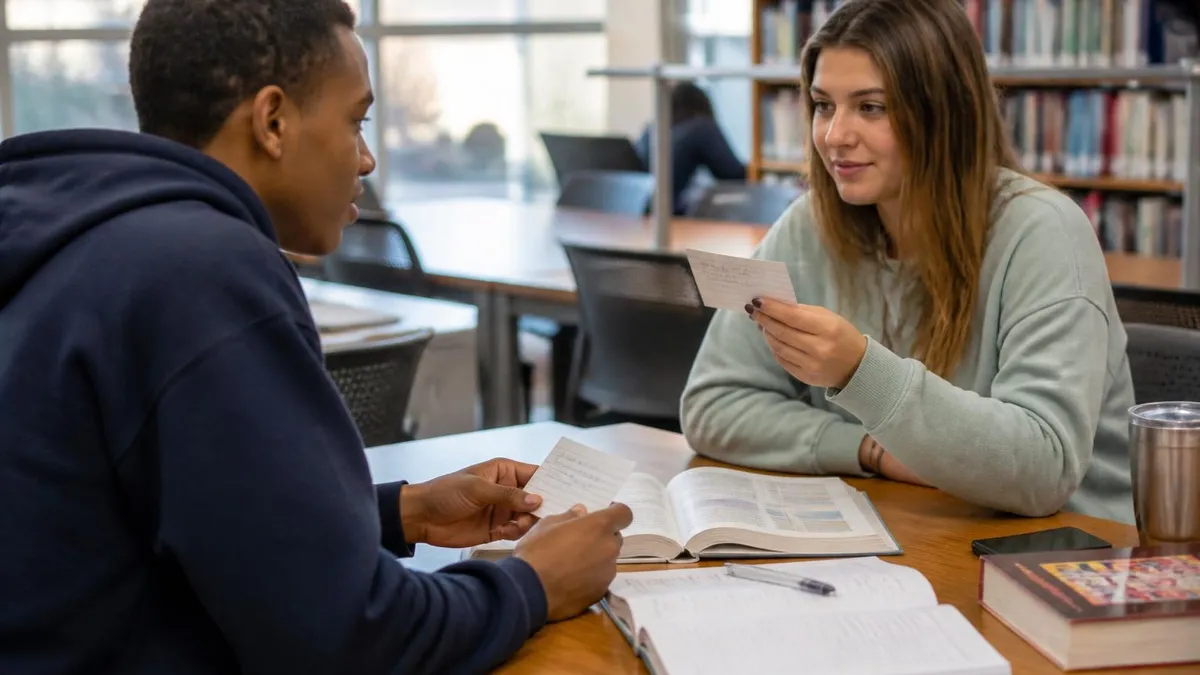
The National Healthcareer Association Certified Phlebotomy Technician exam is the most commonly accepted national certification across outpatient labs, urgent care, and physician offices. The exam has 100 scored questions plus 20 unscored pretest items, delivered in a 2-hour computer-based format at PSI testing centers nationwide. Eligibility requires completion of an NHA-approved training program OR documentation of one year of supervised phlebotomy work experience within the past three years. The first-time pass rate hovers around 78%. Cost is $117 as of 2026 with online study materials available for an additional $89. Recertification requires 10 continuing education hours every 2 years through NHA's CE portal or approved partner platforms.
Costs, Externships, and What Actually Determines Success
Tuition headlines mislead. The Goodwill program is "free" only if you qualify by income, and the $700 Chaffey price tag doesn't include the $117 NHA exam fee, the $50 background check, the $80 immunization records, or the $30 in scrubs you'll wear during externship. Real out-of-pocket for community college routes usually lands between $1,000 and $1,500 by the time you sit for certification. California adds another $100 for the CDPH license application, and if you fail the certification exam on the first try, the $117 retake fee adds up fast.
Private tech schools front-load the cost — TIA and similar programs charge $1,800-$2,800 inclusive of materials and exam vouchers. Some bundle CPR/BLS certification, which you'll need separately anyway at most employers, so the all-in price can actually beat community college once you add those extras. The math gets even more favorable if your employer offers tuition reimbursement, which many large healthcare systems do. Always ask HR before paying out of pocket.
The single biggest predictor of success isn't tuition though. It's externship quality. Programs for phlebotomy that place students at high-volume sites — major hospitals, large outpatient labs, plasma donation centers — produce graduates who pass certification first try and land jobs within 30 days of credentialing.
Programs that place students at quiet clinics where you draw 2-3 patients per shift produce graduates who struggle on the clinical portions of exams and take 90+ days to find work. The externship is where you build the muscle memory that gets you through a 12-patient morning rush at a hospital draw station. You can't fake that on a mannequin.
Ask the program coordinator the externship question directly: "How many sticks does your average student complete during the externship?" The answer should be 100 minimum. If they hedge or quote 25-50, look elsewhere. Also ask whether the externship site accepts graduates for paid positions. The best programs feed straight into the employers where their students train — that pipeline alone is worth more than any classroom feature.
One more cost factor worth flagging: continuing education. NHA recertification requires 10 CE hours every 2 years. ASCP requires participation in the Credential Maintenance Program every 3 years. Most CE coursework is free or low-cost (under $50 total) but you'll need to plan for it. Skipping recertification means your certification lapses and you can't legally work as a certified phlebotomist until you re-test.
Red flags when shopping phlebotomy schools: any program promising certification in under 4 weeks, any school that won't name which certification exam its graduates sit for, any program that doesn't include a supervised live-patient externship, and any school where the "certification" is issued by the school itself rather than NHA, ASCP, or NPA. School-issued "certificates" are not recognized by hospitals or labs and won't get you hired.
Test Your Phlebotomy Knowledge
Before you commit to a program — or while you're enrolled and prepping for certification — work through a few practice questions. They'll tell you fast whether your current study plan is solid or whether you've got gaps to close. Most students discover their weak areas aren't where they expected. Order of draw is rote memorization most people nail. The complications questions (hematomas, hemoconcentration, nerve damage, syncope) trip up more candidates than any other topic on the NHA and ASCP exams.

Pre-Enrollment Checklist
- ✓Confirm the program is accredited by NAACLS or approved by your state health department.
- ✓Ask which certification exam (NHA, ASCP, or NPA) graduates sit for.
- ✓Get the average externship stick count in writing — aim for 100+.
- ✓Verify externship sites are high-volume (hospital, large outpatient lab, or plasma center).
- ✓Check program length matches your schedule (8 weeks intensive vs. 16 weeks evening).
- ✓Confirm state licensing requirements if you're in CA, WA, LA, or NV.
- ✓Budget the full cost: tuition + exam fee + background check + immunizations + scrubs.
- ✓Ask about job placement rate at 30 and 90 days post-certification.
- ✓Schedule the certification exam within 30 days of program completion — recall fades fast.
Pros and Cons of Each Training Route
No phlebotomy program is universally best. The right fit depends on your timeline, budget, prior healthcare experience, and whether you need to keep working during training. Here's how the major routes stack up against each other. If you're choosing between two programs in the same price range, the tie-breaker should almost always be externship volume — not classroom hours, not instructor credentials, not facility appearance.
Training Route Comparison
- +Community college programs (Chaffey, CSN, Dallas College, TCAT) cost least and articulate into longer healthcare degrees
- +Goodwill and EOC routes often free with wraparound support — childcare, transportation, case management
- +Hospital-based programs (Ballad Health) pay you during training and guarantee employment after
- +Private tech schools (TIA, Expertise) offer weekend/night formats for working adults
- +Tennessee TCAT system stacks with TN Reconnect for free tuition for many adult learners
- +All accredited routes lead to the same NHA, ASCP, or NPA national certifications
- −Community college admission cycles are slow — semester start dates may delay you 4-5 months
- −Goodwill and EOC programs have income eligibility caps and limited cohort sizes
- −Hospital trainee positions like Ballad's are highly competitive and require relocation for some
- −Private tech schools cost 2-3x community college tuition with no transferable college credit
- −California's CDPH CPT-1 adds state license fees and continuing education on top of national cert
- −School-issued "certificates" (not NHA/ASCP/NPA) are useless for employment — verify before enrolling
Pros and Cons at a Glance
| Pros | Cons |
|---|---|
| Community college programs (Chaffey, CSN, Dallas College, TCAT) cost least and articulate into longer healthcare degrees | Goodwill and EOC programs have income eligibility caps and limited cohort sizes |
| Goodwill and EOC routes often free with wraparound support — childcare, transportation, case management | Hospital trainee positions like Ballad's are highly competitive and require relocation for some |
| Hospital-based programs (Ballad Health) pay you during training and guarantee employment after | School-issued "certificates" (not NHA/ASCP/NPA) are useless for employment — verify before enrolling |
Ready to Sit the Phlebotomy Exam?
Once you've picked your program — or even before you enroll — start drilling exam-style questions. Phlebotomy certification tests are heavy on order of draw, additive colors, patient identification protocols, and complications. Practice tests reveal which areas need extra study before you've sunk weeks into a course. The students who pass on the first attempt usually start practicing 4-6 weeks before exam day, not the night before. Build your study schedule around weak areas, retest until they're solid, and walk in confident.
You've got the lay of the land — community college, workforce nonprofit, hospital trainee, or private tech school. Each path leads to the same NHA, ASCP, or NPA certification at the end, and from there to a steady allied-health career with starting wages of $16-$22 an hour and clear ladders into medical assisting, lab tech, or nursing. Pick the program that matches your timeline and budget, ask the externship-volume question, and don't enroll until you know which certification exam you'll be taking.
The cheapest program isn't always the smartest one. The fastest program isn't always the right one. The program that puts you at a high-volume site with a great preceptor is the one that pays off — every time. Take your time on this decision. Six extra months of research now saves years of frustration later, and the certification you earn is a credential that travels with you anywhere in the country you decide to work.
Sample Phlebotomy Practice Questions
Try these questions from our free Phlebotomy practice tests. The correct answer and an explanation follow each question.
What organization accredits phlebotomy training programs recognized by the ASCP Board of Certification?
- A. NAACLS
- B. JCAHO
- C. CLIA
- D. CAP
Answer: A. NAACLS
NAACLS (National Accrediting Agency for Clinical Laboratory Sciences) accredits programs accepted by ASCP BOC.
What is the purpose of a chain of custody form in phlebotomy?
- A. To document the patient's insurance information
- B. To track specimen handling from collection to analysis for legal integrity
- C. To record the phlebotomist's certification number
- D. To list all tests ordered by the physician
Answer: B. To track specimen handling from collection to analysis for legal integrity
Chain of custody documents every person who handles a specimen, ensuring its integrity for legal proceedings such as drug testing.
Which organization specifically represents the interests of phlebotomy technicians in the UK?
- A. American Society for Clinical Pathology
- B. Association of Phlebotomy Technicians
- C. National Phlebotomy Association
- D. British Institute of Biomedical Science
Answer: B. Association of Phlebotomy Technicians
The Association of Phlebotomy Technicians (APT) is the professional body specifically dedicated to representing phlebotomists in the UK.
Which NHA certification is specifically designed for phlebotomy technicians?
- A. CPT (Certified Phlebotomy Technician)
- B. CMA (Certified Medical Assistant)
- C. CCMA (Certified Clinical Medical Assistant)
- D. CPB (Certified Professional Biller)
Answer: A. CPT (Certified Phlebotomy Technician)
The NHA awards the CPT credential to phlebotomy technicians who pass the national certification exam.
Phlebotomy Questions and Answers
About the Author

Registered Nurse & Healthcare Educator
Johns Hopkins University School of NursingDr. Sarah Mitchell is a board-certified registered nurse with over 15 years of clinical and academic experience. She completed her PhD in Nursing Science at Johns Hopkins University and has taught NCLEX preparation and clinical skills courses for nursing students across the United States. Her research focuses on evidence-based exam preparation strategies for healthcare certification candidates.