
PCA Careers: A Complete Guide to Becoming a Personal Care Assistant in 2026 September
Explore PCA careers: 📝 what a personal care assistant does, salary, training, daily duties, and how to start a rewarding healthcare career in 2026 September.

PCA careers offer one of the fastest, most accessible ways to enter the U.S. healthcare workforce, and demand has never been stronger. Search the letters PCA online and you will hit everything from pca skin and pca skincare lines to pca stats in sports analytics and the pca church, but in healthcare a PCA is a Personal Care Assistant.
This caregiver supports elderly, disabled, or chronically ill clients with the everyday tasks that let them live safely and with dignity at home. If you have wondered what is a pca in this sense and whether the role fits your goals, this guide walks through duties, pay, training, and the long-term opportunities that make this field a smart starting point for a healthcare journey.
The pca meaning is simple on the surface: a caregiver who provides hands-on, non-medical support. In practice, the role blends compassion, observation, and reliability. PCAs help clients bathe, dress, eat, move around the home, and stay connected to the world. Unlike many healthcare roles, you can often begin a PCA position with little or no prior experience, then build skills, credentials, and confidence over time while earning a paycheck and making a measurable difference in someone's daily life.
Understanding pca medical boundaries matters from day one. A PCA is not a nurse and does not perform clinical procedures like administering injections or changing sterile dressings. Instead, PCAs handle activities of daily living, light housekeeping, meal preparation, and companionship. They also serve as the eyes and ears of the broader care team, noticing changes in a client's mood, appetite, skin, or mobility and reporting them quickly. That observational role makes PCAs indispensable to families and agencies alike across the country.
The numbers behind PCA careers are striking. The U.S. Bureau of Labor Statistics projects home health and personal care aide employment to grow far faster than the average for all occupations through the early 2030s, driven by an aging population and a strong preference for aging in place. That growth translates into steady job security, flexible scheduling, and abundant entry points whether you live in a major city or a rural county. For many workers, a PCA role is the doorway to a lifelong healthcare career.
Reading about pca careers is a useful first step, but the day-to-day reality is what truly defines the job. PCAs typically work one-on-one with clients in private homes, group homes, assisted living facilities, or adult day centers. Schedules range from a few hours a week to full-time, live-in arrangements. This flexibility appeals to students, parents, career changers, and retirees who want meaningful work that fits around other commitments without sacrificing income or purpose.
Throughout this article we will explore salary ranges, required training, certification rules by state, the realistic pros and cons of the work, and concrete tips for landing your first position. We will also point you toward free practice questions that mirror the topics you will encounter on the job and in any certification testing. By the end, you should have a clear, honest picture of whether a PCA career matches your strengths, your schedule, and the future you want to build in healthcare.
PCA Careers by the Numbers

PCA Career Paths and Work Settings
The most common path, where PCAs visit clients in private homes to assist with bathing, dressing, meals, and mobility. Schedules are flexible, ranging from short daily visits to live-in arrangements for clients needing round-the-clock support.
PCAs work alongside nurses and aides in residential facilities, supporting multiple residents per shift. This setting offers structured hours, team support, and steady supervision, making it ideal for newcomers building confidence in the field.
These programs let PCAs help clients with social activities, light exercise, and meals during daytime hours. The role suits caregivers who prefer predictable daytime shifts and a lively, group-oriented environment over solo home visits.
Some PCAs focus on clients with intellectual or developmental disabilities, spinal injuries, or chronic conditions. These roles often pay more and may require extra training, but they offer deep, long-term relationships with the people you serve.
Salary is one of the first questions anyone exploring PCA careers asks, and the honest answer is that pay varies widely by state, setting, and experience. National figures place median pay for personal care and home health aides in the low-to-mid thirty-thousands annually, but hourly rates range from around $13 in lower-cost regions to $20 or more in states with higher minimum wages and stronger union representation. Live-in roles, overnight shifts, and specialized disability care typically command premiums above the standard base.
Geography drives much of the difference. PCAs in states like Washington, California, Massachusetts, and New York often earn meaningfully more than peers in the South or Midwest, reflecting both cost of living and state Medicaid reimbursement rates. Many PCAs also boost their income through overtime, weekend differentials, and holiday pay. Because the work is hourly and demand is high, picking up additional clients or shifts is usually straightforward for reliable, well-reviewed caregivers who build a reputation with their agency.
The job outlook is where PCA careers truly shine. The Bureau of Labor Statistics consistently ranks home health and personal care aides among the fastest-growing occupations in the entire economy, projecting roughly 700,000 new positions over a decade. An aging baby-boomer population, longer life expectancy, and a strong cultural preference for aging at home rather than in institutions all fuel this surge. For job seekers, that means low unemployment risk and the freedom to relocate almost anywhere and find work.
Beyond the headline numbers, PCA work offers benefits that pure salary figures miss. Agencies increasingly offer health insurance, paid time off, mileage reimbursement, and free or subsidized training to attract and keep workers. Some states have raised wage floors specifically for caregivers funded through Medicaid waiver programs. These improvements reflect a broader recognition that personal care is essential infrastructure, not optional labor, and that retaining experienced caregivers saves money on costly hospital and nursing-home admissions.
It is worth understanding how reimbursement shapes pay. A large share of PCA hours are funded by Medicaid, Veterans Affairs programs, or long-term-care insurance rather than out-of-pocket family spending. When state legislatures raise reimbursement rates, caregiver wages tend to follow. Tracking your state's policy environment, and choosing agencies that pass funding increases through to staff, can make a real difference in your take-home pay over the course of a multi-year career in this field.
Reviewing the detailed PCA certification requirements for your state will also clarify whether credentials can raise your pay. In many regions, completing a recognized training program or earning a certified nursing assistant credential opens doors to higher hourly rates and supervisory roles. Even where certification is optional, employers frequently reward it because trained caregivers are safer, stay longer, and require less oversight, which lowers an agency's overall costs and liability.
Finally, remember that compensation in PCA careers is not purely financial. Workers consistently report high job satisfaction tied to the relationships they build and the visible impact they have on clients' lives. While no one should ignore wages, the combination of steady demand, flexible hours, low barriers to entry, and genuine meaning makes personal care a uniquely rewarding choice for people who value purpose alongside a reliable paycheck and clear paths to grow.
PCA Medical Training and Certification Explained
Most PCA careers begin with a short training program covering safety, hygiene, body mechanics, and client rights. Agencies funded through Medicaid often require a federally aligned minimum of around 75 hours, blending classroom instruction with supervised hands-on practice. Topics include infection control, transferring clients safely, recognizing emergencies, and respecting confidentiality. Many programs are free when offered directly by an employer eager to fill open positions quickly.
Training is designed for beginners, so you do not need a medical background to succeed. Instructors focus on practical, repeatable skills you will use every shift, from helping a client out of bed without injuring either of you to spotting early signs of dehydration. By the end, new PCAs feel confident handling the everyday situations that define the pca medical support role in homes and facilities nationwide. Most programs combine roughly forty hours of classroom learning with supervised clinical practice, and many run on flexible evening or weekend schedules so working adults can complete them without quitting an existing job. Completion certificates are typically recognized by local agencies immediately, letting graduates begin paid shifts within days rather than months of finishing the coursework.
Is a PCA Career Right for You? Pros and Cons
- +Low barrier to entry — many roles need no prior experience or degree
- +Strong job security with some of the fastest projected growth nationwide
- +Flexible scheduling, including part-time, overnight, and live-in options
- +Deeply meaningful work with visible daily impact on clients' lives
- +A clear stepping stone toward CNA, LPN, and RN healthcare careers
- +Available almost everywhere, from major cities to rural communities
- −Pay can be modest, especially in lower-reimbursement states
- −Physically demanding — lifting, transferring, and long hours on your feet
- −Emotionally taxing when clients decline or pass away
- −Limited benefits at some smaller or non-agency employers
- −Schedules may include weekends, holidays, and unpredictable shifts
- −Exposure to illness requires consistent infection-control discipline
Essential Skills Checklist for PCA Careers
- ✓Communicate clearly and patiently with clients and family members.
- ✓Assist safely with bathing, grooming, dressing, and toileting.
- ✓Use proper body mechanics to transfer and reposition clients.
- ✓Prepare simple, nutritious meals and monitor hydration.
- ✓Recognize and promptly report changes in a client's condition.
- ✓Follow infection-control and hand-hygiene protocols every shift.
- ✓Respect client privacy, dignity, and confidentiality at all times.
- ✓Keep accurate notes and complete required documentation.
- ✓Stay calm and act quickly during emergencies or falls.
- ✓Manage time well across multiple tasks and clients.
PCA work is the most common on-ramp to nursing
A large share of CNAs, LPNs, and even RNs began their healthcare journey as personal care assistants. The role lets you confirm that caregiving is your calling, earn while you learn, and build references and clinical exposure that strengthen later applications. If you are unsure about committing to years of schooling, starting as a PCA is a low-risk, high-insight first step.
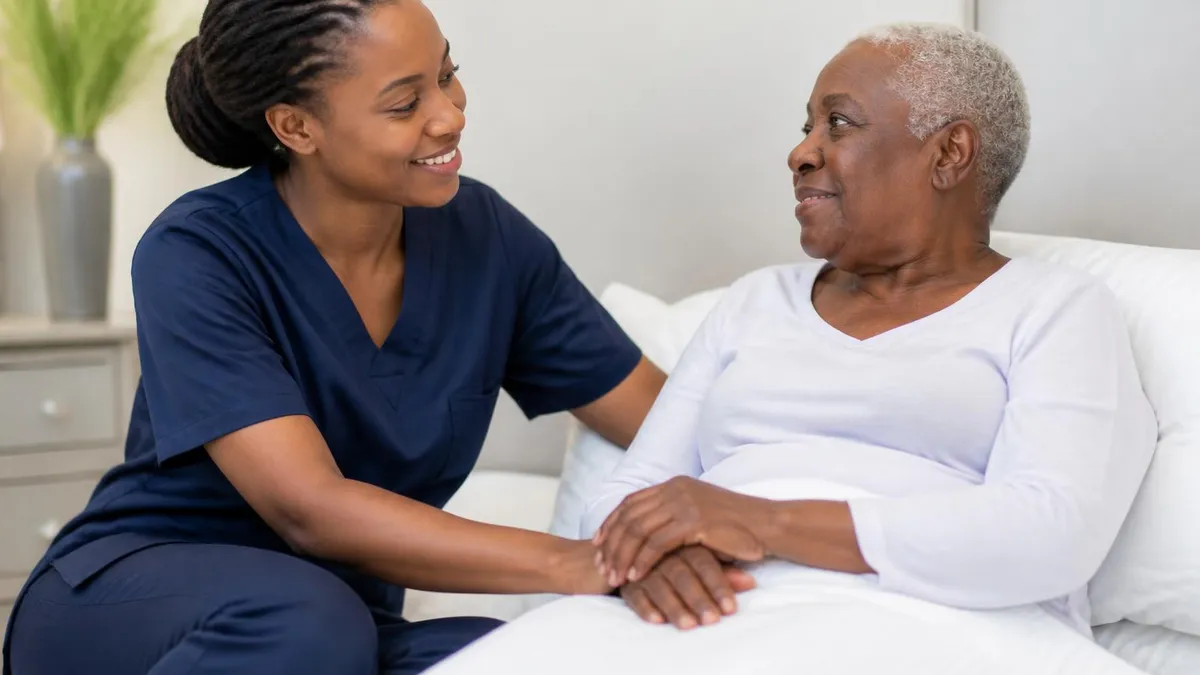
The daily reality of PCA careers revolves around activities of daily living, often abbreviated as ADLs. These are the fundamental tasks that healthy adults complete without thinking but that clients with age, illness, or disability cannot safely manage alone. A PCA helps with bathing, dressing, grooming, toileting, eating, and moving from bed to chair. Done with patience and skill, this support preserves a client's dignity and independence while preventing falls, infections, and the complications that lead to costly hospital stays.
A typical home-care shift begins with a check-in. The PCA reviews the care plan, greets the client warmly, and assesses how they are feeling that day. Morning routines often include helping the client wash, dress, and take any prescribed reminders, followed by preparing breakfast and tidying the immediate living space. Throughout, the PCA watches for subtle changes: a new bruise, reduced appetite, confusion, or shortness of breath that might signal an emerging health problem worth reporting.
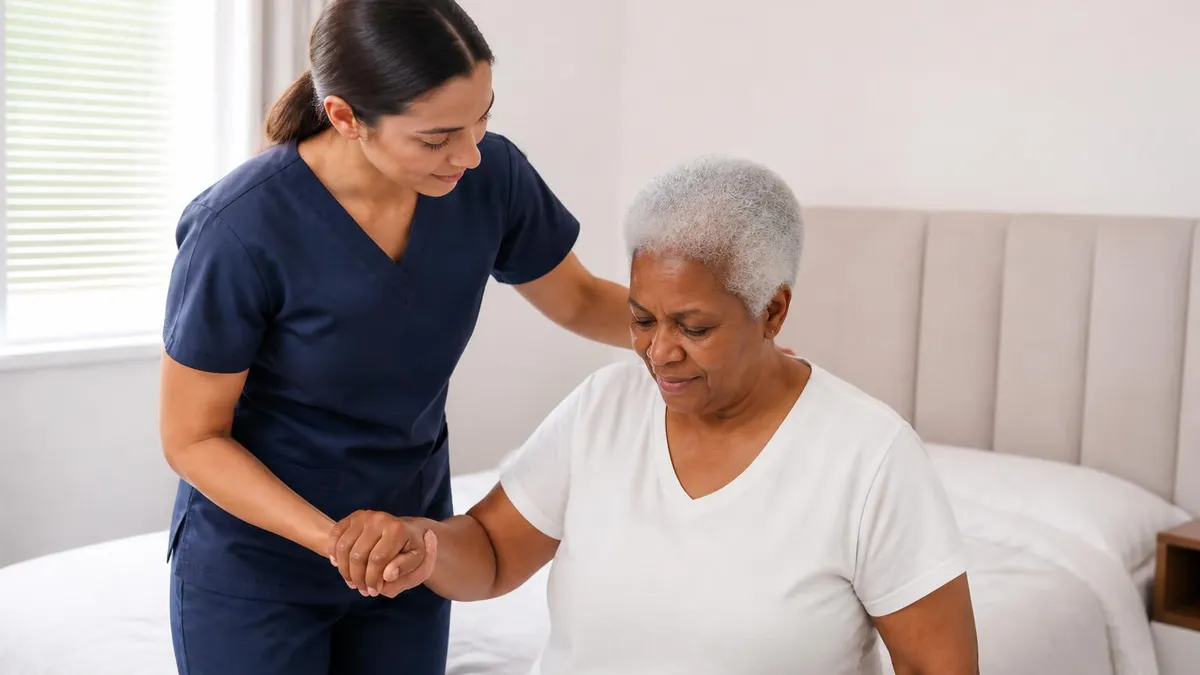
Mobility assistance is one of the most physically important parts of the job. PCAs learn to transfer clients safely using gait belts, proper footing, and good posture to protect both parties from injury. Repositioning bedbound clients every couple of hours helps prevent painful pressure sores, a complication that PCAs are specifically trained to guard against. These tasks demand strength, attentiveness, and technique, which is why training emphasizes body mechanics so heavily from the very first day.
Companionship is an underrated but vital duty. Many clients live alone and see their PCA as their primary daily human contact. Conversation, shared activities, a walk outdoors, or simply listening can lift a client's mood and combat the isolation that worsens both mental and physical health. Skilled PCAs understand that emotional support is not a distraction from the job; it is a core part of the care that keeps clients engaged, motivated, and healthier over time.
Documentation closes the loop on every shift. PCAs record what care was provided, how the client responded, what they ate, and any concerns to flag for nurses, supervisors, or family. Accurate notes create a continuous record that protects the client, supports the broader care team, and provides legal and billing evidence. Sloppy or skipped documentation can lead to missed health changes and compliance problems, so attention to detail here matters as much as hands-on care.
Light housekeeping and errands round out the role. PCAs may wash dishes, do laundry, change linens, or pick up groceries and prescriptions, always within the boundaries of their care plan. These tasks keep the home safe and sanitary, reducing trip hazards and infection risk. The goal is never deep cleaning but maintaining an environment where the client can live comfortably and safely, which directly supports the medical and quality-of-life outcomes everyone is working toward.
No two clients are identical, and adaptability defines the best PCAs. One client may need quiet, methodical help managing a chronic condition, while another thrives on lively conversation and outings. A PCA learns each person's preferences, routines, and triggers, then tailors care accordingly. This personalized approach, repeated faithfully day after day, is what separates a merely adequate caregiver from one whose clients and families come to trust them completely and request them by name.
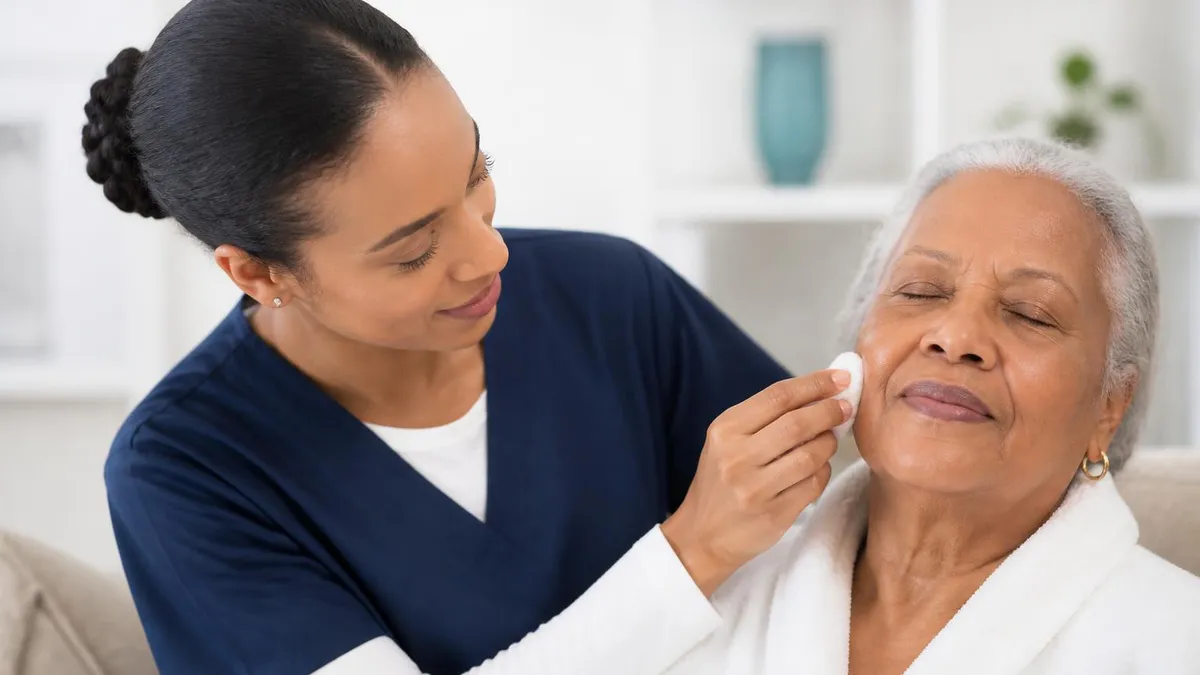
PCA scope of practice and certification requirements differ by state and even by funding program. Before accepting a role, confirm what tasks you are legally allowed to perform and whether a credential is required for paid Medicaid-funded work. Operating outside your authorized scope can put your client's safety and your own eligibility at risk.
One of the most attractive features of PCA careers is that the role is rarely a dead end. For ambitious caregivers, personal care is the first rung on a tall ladder. The experience you gain, the references you build, and the clinical exposure you accumulate all translate directly into the next credential. Many workers move from PCA to certified nursing assistant within a year or two, taking on more responsibility and earning higher pay as they expand the medical tasks they are permitted to perform.
The CNA step is the most natural progression. A CNA program typically adds clinical skills like taking vital signs, assisting with medical procedures under supervision, and working in hospitals and skilled nursing facilities. Because PCAs already understand client care, hygiene, and documentation, they often find CNA coursework more intuitive than peers starting cold. Some employers even sponsor this training, recognizing that promoting from within retains reliable staff and fills hard-to-staff clinical roles.
From the CNA level, the path continues toward licensed practical nurse and registered nurse roles. These require formal nursing education and licensure exams, but they dramatically raise earning potential and responsibility. Reviewing how the PCA nurse relationship works on modern care teams helps clarify how each role fits together and where you might aim. Understanding the full ladder early lets you make smart choices about which credentials to pursue and when.
Specialization is another route to advancement. PCAs who develop expertise in dementia care, hospice support, pediatric care, or disability services become more valuable and can often command premium rates. These niches require additional training and emotional resilience, but they reward caregivers with deeper relationships and a clear professional identity. Building a reputation in a specialty can also lead to lead-caregiver or trainer positions where you mentor newer staff while still working directly with clients.
Leadership and administrative roles open up for experienced PCAs as well. After years on the front line, some move into scheduling coordination, care-plan oversight, quality assurance, or agency management. These positions trade some hands-on caregiving for organizational responsibility and steadier hours. They value exactly the qualities PCAs develop daily: reliability, empathy, clear communication, and a deep understanding of what frontline caregivers and clients actually need to succeed together.
Geographic and entrepreneurial flexibility add even more options. Because personal care skills are in demand everywhere, experienced PCAs can relocate with confidence or even build independent client rosters as private caregivers, subject to local rules and liability considerations. Some launch small caregiving businesses or agencies of their own. The combination of universal demand and transferable skills means a PCA career can adapt to almost any life stage, location, or ambition you bring to it.
The key to advancement is treating each shift as both a job and an investment. Show up reliably, document carefully, pursue every training opportunity, and ask supervisors about growth paths. Keep a running record of your hours, skills, and client outcomes to strengthen future applications. Caregivers who approach PCA work with this long-term mindset rarely stay entry-level for long; they steadily climb toward the credentials, pay, and roles that match their evolving goals.
Landing your first PCA position is more achievable than many newcomers expect, but a focused approach speeds things up. Start by deciding what schedule and setting suit your life: in-home visits, assisted living, adult day programs, or specialized disability care. Then target agencies and facilities actively hiring in your area. Because turnover is high and demand is constant, many employers interview quickly and may even cover your training, so applying broadly and promptly improves your odds significantly.
Prepare a simple, honest resume that highlights any caregiving experience, even informal family care, plus soft skills like patience, reliability, and communication. Employers value dependability above almost everything, because a no-show caregiver leaves a vulnerable client without help. Gather references who can vouch for your character and follow-through. If you have completed any training, CPR, or first-aid courses, list them prominently; these certifications reassure hiring managers that you take client safety seriously from day one.
Before interviews, study the fundamentals so you can speak confidently about the role. Know the basic activities of daily living, infection-control principles, and the importance of client dignity and confidentiality. Free practice questions are an excellent way to rehearse this knowledge in a low-pressure setting. Reviewing realistic scenarios about duties, qualifications, and working conditions helps you anticipate interview questions and demonstrate that you genuinely understand what the job requires before you ever set foot in a client's home.
During interviews, emphasize empathy paired with practicality. Hiring managers want caregivers who are warm with clients but also disciplined about safety, documentation, and boundaries. Share specific examples of how you stayed calm under pressure, solved a problem, or supported someone in need. Ask thoughtful questions about training, supervision, scheduling, and advancement, which signals that you are serious about building a real career rather than just filling a short-term gap in your employment.
Once hired, your first weeks set the tone for everything that follows. Arrive early, listen carefully to supervisors and experienced coworkers, and never hesitate to ask questions when unsure. Follow each client's care plan exactly, document thoroughly, and report any concerns immediately. Building a reputation as reliable and teachable in those early shifts earns you better assignments, more hours, and the trust that leads to raises and recommendations down the road in your career.
Protect your own well-being to avoid burnout, a real risk in caregiving. The work is physically and emotionally demanding, so practice good body mechanics, take your breaks, and lean on coworkers and support resources when shifts are tough. Caregivers who manage stress, sleep, and physical health last far longer in the field and provide better care. Treating your own health as part of the job is not selfish; it is what makes a sustainable career possible.
Finally, keep learning and stay curious about the broader healthcare landscape. Every training course, every challenging client, and every conversation with a nurse or therapist expands your competence and your options. The PCA caregivers who thrive are those who view each day as a chance to grow. With steady demand, flexible entry, and clear advancement paths, a PCA career rewards persistence and heart with stability, purpose, and a genuine future in healthcare.
PCA Questions and Answers

Personal Care Assistant Job Description: Complete Guide to PCA Duties, Skills, and Responsibilities in 2026

PCA - Personal Care Assistant: Complete Study Guide 2026

Do You Have to Be Certified to Be a PCA? Complete 2026 Guide to PCA Certification Requirements by State
PCA Nurse: Complete Guide to the Personal Care Assistant Role in Modern Nursing Teams
PCA Training Near Me: How to Find Local Programs, Certification Requirements, and What to Expect in 2026
About the Author

Registered Nurse & Healthcare Educator
Johns Hopkins University School of NursingDr. Sarah Mitchell is a board-certified registered nurse with over 15 years of clinical and academic experience. She completed her PhD in Nursing Science at Johns Hopkins University and has taught NCLEX preparation and clinical skills courses for nursing students across the United States. Her research focuses on evidence-based exam preparation strategies for healthcare certification candidates.