
PCA Help: Complete Guide to Personal Care Assistant Support, Training, and Resources in 2026 September
Learn what PCA help means, PCA skin care, PCA medical roles, and how to get certified. ✅ Real stats, resources, and free practice quizzes inside.

Understanding pca help starts with knowing what the acronym actually covers. PCA stands for Personal Care Assistant, and the role touches nearly every aspect of daily living support for individuals who need assistance due to age, disability, or chronic illness. Whether you are exploring pca skin care products, looking into pca medical certifications, or trying to understand what a PCA caregiver actually does on the job, this guide brings all of those threads together into one authoritative resource you can rely on heading into 2026.
The demand for personal care assistants has grown dramatically across the United States. The Bureau of Labor Statistics projects that home health and personal care aide positions will grow by 22 percent through 2032, adding more than 700,000 new jobs to the workforce. This is one of the fastest-growing occupational categories in the country, driven by an aging baby boomer population and a strong national preference among older adults to receive care at home rather than in institutional settings. If you are considering entering this field, the timing has never been better.
When people search for pca help, they are often looking for very different things. Some want to understand the pca meaning in a healthcare context: what duties a personal care assistant performs, what qualifications are required, and how compensation is structured. Others are seeking information about PCA Skin, the professional-grade skincare brand that uses gentle formulations designed for sensitive and post-treatment skin. Still others may be researching the PCA church (Presbyterian Church in America) or the Porsche Experience Center. This article focuses primarily on the personal care assistant role while also clarifying those other common meanings.
PCA medical training requirements vary significantly from state to state. In Massachusetts, for example, the MassHealth PCA program requires that assistants complete a specific orientation and skills checklist before working independently. In Minnesota, PCAs must complete 40 hours of training within 60 days of hire. California's In-Home Supportive Services (IHSS) program has its own distinct enrollment process. Understanding your state's specific requirements is one of the most important early steps any aspiring PCA should take before entering the workforce.
The pca skin connection is worth understanding for any healthcare professional, because PCA Skin products are frequently recommended by dermatologists and estheticians for clients who have undergone medical procedures, chemical peels, or laser treatments. The brand's pca hydrating toner, for instance, is formulated with hyaluronic acid and antioxidants to soothe and restore the skin barrier after professional treatments. Understanding these products helps PCAs who work in dermatology-adjacent roles or assisted living facilities where skincare is part of resident care plans.
This guide is also designed to help you prepare for any PCA certification exams or competency assessments your employer or state agency requires. We will walk through the core knowledge areas, provide real exam prep strategies, and point you toward free practice quizzes that mirror the format and difficulty of actual assessments. Whether you are a first-time caregiver or a seasoned healthcare professional looking to formalize your credentials, pca help resources throughout this article will give you a structured path forward.
Finally, this article addresses the realities of working as a PCA — the rewarding aspects of building meaningful relationships with clients, the physical and emotional demands of the work, and the practical steps you can take to protect your own wellbeing while delivering exceptional care. The most effective caregivers are those who invest in their own ongoing education, maintain clear professional boundaries, and stay informed about changes in state regulations that affect their work. Let this guide be your starting point for that ongoing learning journey.
PCA Help by the Numbers

The Many Meanings of PCA: What You Need to Know
The most common PCA meaning in healthcare: a trained caregiver who assists individuals with disabilities, chronic illness, or aging-related needs in performing activities of daily living such as bathing, dressing, grooming, and mobility support.
PCA Skin is a professional-grade skincare brand founded in 1990. Known for its pca hydrating toner and chemical peel solutions, it is sold exclusively through licensed skin care professionals and medical offices, not retail stores.
In clinical settings, PCA can refer to Patient-Controlled Analgesia — a method of pain management where patients self-administer IV pain medication via a pump system. This pca pump device is commonly used post-surgery to give patients control over pain relief.
The PCA church refers to the Presbyterian Church in America, a conservative Reformed denomination founded in 1973. With over 1,800 congregations across the United States, it is a significant Christian denomination with a strong emphasis on Reformed theology.
The Porsche Experience Center (PCA or PEC) offers driving programs at facilities in Atlanta and Los Angeles where enthusiasts and new owners can explore Porsche vehicle performance on closed tracks with professional instruction.
Training requirements for personal care assistants vary considerably depending on the state where you work and the funding source paying for care. Medicaid-funded PCA programs — which make up the majority of home-based personal care services in the United States — each set their own competency standards. Understanding these differences is essential whether you are hiring a PCA for a family member, enrolling as a new caregiver, or preparing for a state-administered competency evaluation. The core knowledge areas, however, are consistent across almost every state program.
In most states, PCA training covers six primary domains: personal hygiene and grooming assistance, mobility and transfer techniques, medication reminders (note: PCAs typically cannot administer medications, only remind clients to take them), nutrition and meal preparation, household safety and fall prevention, and documentation and reporting. Some states add modules on cognitive impairment and dementia care, communication skills, and client rights. The depth of each module varies, but these six domains form the backbone of virtually every PCA curriculum in the country.
Massachusetts operates one of the most well-known self-directed PCA programs in the nation through MassHealth. Under the Massachusetts model, the consumer (the person receiving care) acts as the employer of record for their PCA. This means the consumer hires, trains, schedules, and — when necessary — fires their PCA directly, with support from a Fiscal Intermediary organization. Tempus Unlimited is one of the most widely used Fiscal Intermediaries in Massachusetts, providing payroll processing, tax administration, and consumer support services for thousands of PCA employer-consumers across the state.
Minnesota's PCA Choice program similarly emphasizes consumer direction. PCAs in Minnesota must complete 40 hours of training: six hours before they begin working and the remaining 34 hours within 60 days of their start date. The training covers topics including communication with clients who have cognitive disabilities, safe transfers and positioning, recognizing and reporting abuse or neglect, and universal precautions for infection control. Minnesota also requires annual training updates to keep PCA credentials current.
California's In-Home Supportive Services (IHSS) program is the largest publicly funded home care program in the United States, serving over 650,000 recipients with a workforce of approximately 550,000 individual providers. California IHSS providers are represented by the SEIU Local 2015 union, which has negotiated substantial wage increases for caregivers over the past decade. As of 2025, IHSS provider wages in Los Angeles County reach up to $18.50 per hour, with additional increases scheduled under the state's minimum wage trajectory.
For caregivers who want to go beyond entry-level PCA work, additional certifications can significantly increase earning potential and career opportunities. The Certified Nursing Assistant (CNA) credential is a common next step, requiring state-approved training programs of 75 to 150 hours depending on the state. Home Health Aide (HHA) certification adds Medicare-specific training requirements. Both credentials allow caregivers to perform a broader scope of clinical tasks and typically command higher hourly wages. If you are already working as a PCA and looking to advance, these credentials offer a clear pathway to increased responsibility and compensation.
Documentation is one of the most consistently underemphasized skills in PCA training, yet it is critically important for both client safety and caregiver protection. Accurate, timely documentation of care activities, observations about client health status, and any incidents or concerns creates a legal record that protects everyone involved.
Many state Medicaid programs now use Electronic Visit Verification (EVV) systems that require PCAs to clock in and out electronically, often using a smartphone app or telephone check-in system. Understanding your documentation obligations is part of delivering professional-grade care. For a detailed breakdown of daily responsibilities, see this resource on what PCAs are expected to handle on the job.
PCA Skin, PCA Medical, and PCA Meaning: Key Distinctions
PCA Skin is a professional skincare line trusted by dermatologists and estheticians across the United States. The brand's pca hydrating toner is one of its most popular products, formulated with hyaluronic acid, ceramides, and antioxidants to soothe inflammation and restore moisture to skin that has undergone chemical peels, laser treatments, or microdermabrasion. Unlike drug-store toners that often contain alcohol and synthetic fragrances, PCA Skin formulations are fragrance-free and clinically tested for post-procedure use. The brand's pca skincare philosophy centers on science-backed ingredients at effective concentrations.
Understanding PCA Skin products is increasingly relevant for PCAs who work in medical spa settings, dermatology offices, or assisted living facilities where residents have complex skincare needs. Many elderly clients take medications that cause skin dryness or increased photosensitivity, making gentle, professional-grade skincare an important part of their overall care plan. PCAs who develop familiarity with product categories — hydrating vs. exfoliating, SPF-containing vs. treatment-focused — can communicate more effectively with supervising nurses and dermatologists about client skin health observations.

Is Becoming a PCA the Right Career for You?
- +High job security with 22% projected growth through 2032 — one of the fastest-growing occupations
- +Meaningful work building genuine long-term relationships with clients and their families
- +Flexible scheduling options including part-time, full-time, overnight, and weekend shifts
- +Low barrier to entry — most positions require only a high school diploma and on-the-job training
- +Clear advancement path toward CNA, HHA, LPN, and RN credentials with additional education
- +Growing wage improvements in many states due to union organizing and Medicaid rate increases
- −Median wages remain below the national living wage in many states, creating financial stress
- −High physical demand including lifting, transferring, and assisting with mobility for clients
- −Emotional labor of caring for clients with dementia, terminal illness, or significant disability
- −Irregular hours and on-call expectations can disrupt personal schedules and family life
- −Limited or no employer-sponsored health insurance and retirement benefits in many positions
- −High burnout and turnover rates reflect the unsustainable working conditions many PCAs face
PCA Certification Readiness Checklist
- ✓Confirm your state's specific PCA training hour requirements before enrolling in any program.
- ✓Complete a state-approved background check, including criminal history and abuse registry screening.
- ✓Obtain CPR and First Aid certification from an accredited provider such as the American Red Cross.
- ✓Review your state Medicaid program's specific competency evaluation format and passing score requirements.
- ✓Practice safe body mechanics and transfer techniques to protect both yourself and your clients from injury.
- ✓Study the six core PCA knowledge domains: hygiene, mobility, nutrition, medication reminders, safety, and documentation.
- ✓Understand your scope of practice limitations — know what tasks PCAs are not authorized to perform in your state.
- ✓Learn Electronic Visit Verification (EVV) procedures required by your state's Medicaid program.
- ✓Create a professional reference list including prior supervisors, instructors, or community leaders who can verify your character.
- ✓Take at least two full-length PCA practice exams under timed conditions before your actual assessment.
The Most-Missed PCA Exam Topics Aren't Clinical — They're Legal
Candidates who score below passing on PCA competency assessments most often miss questions related to client rights, mandatory reporting obligations, and scope of practice limits — not hands-on care skills. Knowing when and how to report suspected abuse or neglect, understanding HIPAA basics, and clearly identifying what tasks fall outside a PCA's authorized scope will add meaningful points to your assessment score.
The pca stats that matter most to working caregivers are not just wage figures — they are the on-the-ground realities that shape daily job quality. Injury rates among home care workers are among the highest of any occupational category.
The Bureau of Labor Statistics reports that home health and personal care aides experience musculoskeletal injuries at rates significantly above the national average, primarily from lifting and transferring clients without mechanical assistance. Proper body mechanics training and the use of transfer belts, mechanical lifts, and slide boards are not optional luxuries — they are fundamental safety tools that every PCA should demand access to.
Client-to-caregiver ratios in home care are typically one-to-one, which is both a professional strength and a vulnerability. The intense, sustained relationship between a PCA and their client creates remarkable opportunities for person-centered care — you come to know your client's preferences, rhythms, fears, and joys in a way that institutional caregivers rarely can. However, this same intensity can create unhealthy dependency dynamics or blur professional boundaries if not carefully managed. Professional boundaries do not mean emotional distance; they mean maintaining clarity about the caregiver-client relationship so that both parties are protected.
Geographic variation in PCA working conditions is substantial. Urban PCAs in states like California, New York, and Massachusetts typically have access to union representation, employer-sponsored transportation subsidies, and more robust Medicaid reimbursement rates. Rural PCAs frequently face long drives between clients, limited access to supervision and peer support, and lower wages due to weaker Medicaid funding in their states. The lack of paid travel time between client visits is one of the most commonly cited financial complaints among home-based PCAs, effectively reducing their take-home hourly wage well below the posted rate.
Technology is changing the PCA landscape in meaningful ways. Electronic Visit Verification (EVV) systems, now mandated in all states for Medicaid-funded personal care services under the 21st Century Cures Act, use GPS tracking and biometric check-ins to verify that care visits occur as documented. While EVV improves program integrity and reduces fraud, many caregivers report that it increases the administrative burden of their work and raises privacy concerns, particularly for live-in PCAs whose presence at a client's home is constant. Understanding how your state's EVV system works is now an essential part of PCA job preparation.
Mental health support for PCAs remains one of the most underfunded areas in the home care sector. Studies consistently show elevated rates of anxiety, depression, and compassion fatigue among caregivers who work with clients experiencing dementia, terminal illness, or severe disability. Yet fewer than 20 percent of home care employers offer any form of structured emotional support, employee assistance programs, or peer counseling. Caregivers who proactively build support networks — whether through peer groups, professional associations, or personal therapists — consistently report higher job satisfaction and longer tenure in the field.
Advocacy for better PCA working conditions is growing. Organizations like the National Domestic Workers Alliance, PHI (Paraprofessional Healthcare Institute), and state-level caregiver unions have won significant policy victories in recent years, including wage floors, paid sick leave provisions, and mileage reimbursement requirements in several states. Staying informed about these advocacy efforts and understanding your rights as a PCA worker is part of being a professional in this field, not just a passive recipient of whatever conditions an employer offers.
For families seeking PCA help for a loved one, the selection and supervision of a personal care assistant is one of the most consequential decisions they will make. The best PCAs are not simply technically competent — they are reliable, communicative, genuinely compassionate, and adaptable enough to adjust their approach as a client's needs evolve over time. References from prior clients or employers, a clear and specific care plan, and regular check-ins between the family, the client, and the PCA create the conditions for a successful long-term caregiving relationship.

Every state that accepts Medicaid funding for PCA services requires background checks for all personal care assistants before they begin working. Most states check the FBI criminal history database, the state sex offender registry, and the state adult protective services abuse registry. A disqualifying finding — which varies by state but typically includes violent felonies, sex offenses, and financial exploitation of vulnerable adults — will result in automatic disqualification from Medicaid-funded PCA work, regardless of other qualifications.
Preparing for a PCA competency assessment or employer-administered skills test requires a structured study approach, not just a quick review the night before. Most PCA evaluations combine a written knowledge test with a practical skills demonstration observed by a trained evaluator. The written portion typically covers client rights, infection control, emergency procedures, reporting obligations, and basic anatomy relevant to personal care. The skills demonstration usually requires the candidate to perform two to four hands-on tasks — such as hand washing, assisting with a simulated transfer, or applying a non-sterile dressing — while the evaluator scores technique and safety practices.
The most effective PCA exam preparation strategy integrates multiple learning methods over a period of at least two weeks. Reading your state's official PCA training curriculum or study guide is the essential foundation. Many states post these materials online through their Medicaid agency or Department of Health websites.
Supplementing that reading with free practice quizzes helps you identify knowledge gaps before the actual exam rather than discovering them during it. Watching videos of correct care techniques on platforms like the American Red Cross or PHI Learning Center bridges the gap between knowing something conceptually and being able to perform it correctly under observation.
Time management during the written exam is a skill that many first-time test-takers underestimate. PCA written assessments typically allow 60 to 90 minutes for 50 to 100 questions. That works out to approximately 45 to 90 seconds per question — enough time if you move efficiently but not enough time if you dwell on difficult questions at the expense of ones you know well. The correct strategy is to answer every question you know confidently first, mark uncertain questions for review, and then return to marked questions with your remaining time.
Client rights questions appear on nearly every PCA certification exam and are frequently the most challenging for candidates who come from informal caregiving backgrounds. Key client rights principles include the right to privacy and confidentiality (including HIPAA protections for health information), the right to refuse care, the right to participate in care planning, the right to be treated with dignity and respect regardless of medical condition or personal history, and the right to file complaints without fear of retaliation.
These rights apply in all care settings — home, residential, and institutional — and PCA candidates should be able to identify specific examples of each.
Infection control is another high-weight topic area on most PCA assessments. Standard Precautions, previously called Universal Precautions, require that PCAs treat all blood and bodily fluids as potentially infectious regardless of a client's known health status.
Proper hand hygiene — washing with soap and water for at least 20 seconds, or using alcohol-based hand rub when soap is unavailable — is the single most effective infection control measure available to PCAs. Gloves must be worn when contact with blood, body fluids, non-intact skin, or mucous membranes is anticipated. Proper donning and doffing of personal protective equipment is a frequently evaluated skills demonstration item.
Safe client handling is both a competency exam topic and a critical on-the-job safety skill. The most common injuries PCAs sustain occur during transfers — moving a client from a bed to a wheelchair, from a wheelchair to a toilet, or from a sitting to a standing position.
Correct transfer technique includes assessing the client's functional ability before each transfer (abilities can change day to day), positioning the transfer destination before moving the client, using a gait belt properly, communicating each step of the transfer to the client, and keeping your own base of support wide and your back in neutral alignment throughout the movement. Never transfer a client alone if the weight or difficulty level exceeds your safe handling capacity — requesting assistance is always the correct professional response.
After passing your PCA competency evaluation, ongoing professional development keeps your skills sharp and your credentials current. Many state programs require annual training updates ranging from four to eight hours. Beyond mandatory updates, voluntary continuing education in topics like dementia care, mental health first aid, motivational interviewing, and palliative care principles distinguishes exceptional PCAs from adequate ones. Employers and clients alike recognize and value caregivers who invest in their own learning. For comprehensive support navigating these requirements and advancing your career, explore the resources available through pca help articles across this site.
Building a sustainable, rewarding career as a personal care assistant requires more than technical competence — it requires intentional self-management and strategic career planning. The caregivers who thrive long-term in this field are those who treat it as a profession with specific knowledge requirements, ethical standards, and growth opportunities rather than as a temporary job. This final section brings together the practical guidance scattered throughout this article into a coherent career development framework you can apply starting today.
Setting clear professional goals is the first step. Are you aiming to work in home care, assisted living, or a hospital environment? Do you want to specialize in working with clients who have dementia, pediatric disabilities, or traumatic brain injuries? Would you like to eventually move into a supervisory or care coordinator role?
Answering these questions helps you make targeted decisions about which additional certifications to pursue, which employers to prioritize, and which skills to develop proactively. The PCA role is a valid long-term career, but it is also an excellent launching point for advancement in nursing, social work, occupational therapy assistance, and healthcare administration.
Financial planning matters deeply for PCA workers, particularly given the wage levels that characterize much of the field. Building an emergency fund equivalent to three months of expenses provides a buffer against the schedule irregularities that affect hourly caregivers. Understanding your eligibility for public benefits — including the Earned Income Tax Credit, healthcare subsidies under the Affordable Care Act, and SNAP food assistance — ensures that you are not leaving resources on the table. Some caregivers also benefit from income-driven student loan repayment plans if they are pursuing additional credentials while working.
Networking with other PCAs and caregiving professionals creates both practical support and career opportunities. State and local chapters of caregiver organizations like PHI, SEIU Healthcare, and the National Domestic Workers Alliance offer peer learning opportunities, advocacy training, and sometimes direct support services for members. Online communities through platforms like Facebook Groups (search for terms like your state plus PCA or caregiver) connect you with thousands of peers who share experiences, answer questions, and offer solidarity through the challenging moments that every caregiver eventually encounters.
Understanding your legal rights as a PCA worker — separate from your competency requirements — is essential for protecting yourself professionally. Home care workers in most states are covered by federal Fair Labor Standards Act protections including minimum wage and overtime requirements.
The Department of Labor's 2015 Home Care Rule extended these protections to most home care workers who were previously excluded. Your right to a safe workplace under OSHA applies in home care settings, including the right to refuse unsafe client handling tasks. Knowing these rights does not make you a difficult employee — it makes you an informed professional.
Documentation habits built early in your career will protect you throughout it. Always document care activities as close to the time of service as possible — memory degrades quickly and detail fades. Use objective, descriptive language rather than interpretive or judgmental language in your notes. Document what you observed, not what you concluded.
If a client refuses a scheduled care task, document the refusal and who you notified. If you observe a change in a client's condition — new bruising, confusion, shortness of breath, changes in skin integrity — document it immediately and notify the supervising nurse or care coordinator. Your documentation is your professional record and your legal protection.
Finally, do not underestimate the value of practicing PCA exam and competency questions repeatedly as part of your ongoing professional development, not just pre-exam preparation. Returning to structured knowledge assessments periodically helps you identify areas where your understanding has drifted from best practice, reinforces the reasoning behind care protocols you perform from habit, and keeps you sharp for the employer assessments that accompany job changes. The free practice resources available throughout this site — organized by topic and aligned to real PCA certification content — give you a flexible, low-cost way to stay current without taking time off from work.
PCA Questions and Answers

PCA Duties: Complete Guide to Personal Care Assistant Responsibilities, Daily Tasks, and Care Standards in 2026
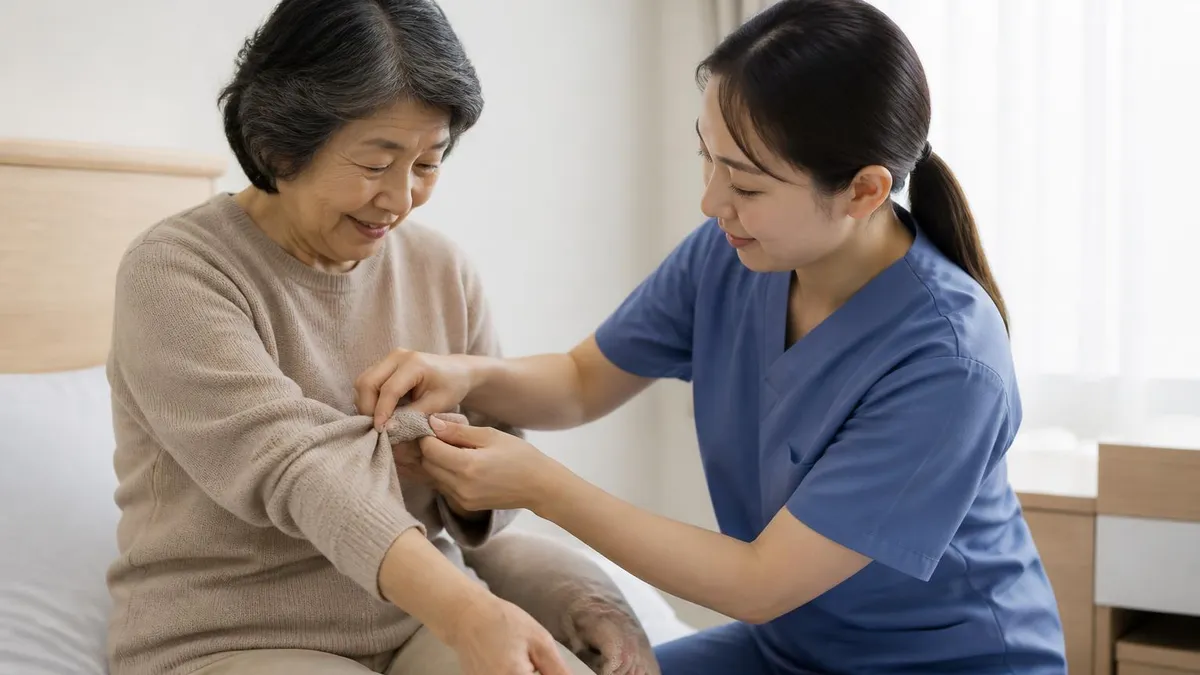
Personal Care Assistant Jobs Near Me: How to Find Local PCA Positions, Apply Successfully, and Start Your Caregiving Career in 2026
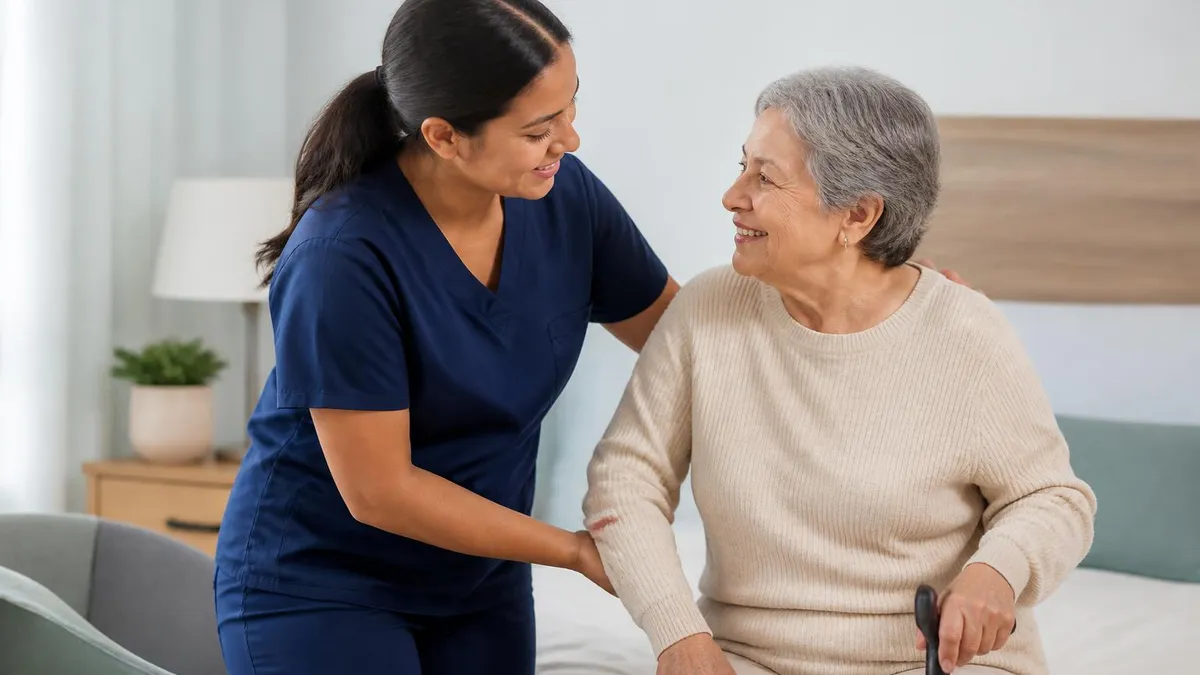
Personal Care Assistant Salary 2026: Complete Pay Guide by State, Experience, and Setting

Tempus Unlimited PCA: Complete Guide to Personal Care Assistant Services, Eligibility, and How to Get Started in 2026

Massachusetts PCA Directory: Complete Guide to the PCA Skin, Medical, and Personal Care Assistant Landscape
About the Author

Registered Nurse & Healthcare Educator
Johns Hopkins University School of NursingDr. Sarah Mitchell is a board-certified registered nurse with over 15 years of clinical and academic experience. She completed her PhD in Nursing Science at Johns Hopkins University and has taught NCLEX preparation and clinical skills courses for nursing students across the United States. Her research focuses on evidence-based exam preparation strategies for healthcare certification candidates.