
PCA Care: Complete Guide to Personal Care Assistant Roles, Skills, and Career Opportunities in 2026 September
🎯 PCA care explained: roles, PCA skin basics, PCA medical duties, pca meaning & career tips. Full 2026 September guide for aspiring care assistants.

PCA care is one of the fastest-growing fields in the United States healthcare landscape, combining compassionate hands-on support with a wide range of practical skills that directly improve clients' quality of life. Whether you are exploring pca care as a brand-new career path or looking to deepen your understanding of what a personal care assistant does day to day, this guide covers everything you need — from pca skin care routines and pca hydrating toner use in personal hygiene protocols to pca medical tasks and the broader pca meaning in a healthcare context.
The term PCA stands for Personal Care Assistant, and understanding the full pca meaning is the first step to appreciating why this role is so valued. A PCA works directly with individuals who have physical disabilities, chronic illnesses, or age-related challenges that limit their ability to perform activities of daily living independently. PCAs may support clients in their own homes, in assisted living facilities, or through community-based programs funded by Medicaid waiver programs across the country. The breadth of environments makes PCA care uniquely flexible and deeply impactful.
From a skincare perspective, the phrase pca skin shows up frequently in care contexts because many PCA clients require regular skin assessments and moisturizing routines to prevent pressure injuries and dryness. Proper pca skincare practices — including the use of gentle cleansers, pca hydrating toner formulations, and barrier creams — are a standard part of the bathing and grooming assistance a PCA provides. Knowing which products to use and how to apply them safely distinguishes a skilled PCA from a minimally trained one.
The pca pump, whether referring to a medication pump, a lotion dispenser, or an enteral feeding pump, is another concept PCAs must be familiar with depending on their assignment. Medical-grade pca pumps deliver precise doses of pain medication, and while PCAs typically do not program these devices, they are often the first to notice when a pump alarm sounds or when a client reports discomfort. Understanding equipment at a basic level is a cornerstone of competent pca medical support.
Many people researching what is a pca are surprised to discover how wide the role's scope can be. In some states PCAs perform skilled tasks under registered nurse delegation; in others they are limited strictly to custodial care. Regardless of scope, all PCAs share a commitment to preserving client dignity, following individualized care plans, and reporting changes in condition to supervising clinicians. This awareness-level guide exists to help prospective PCAs understand the landscape before committing to training or certification.
Beyond the clinical side, PCA care intersects with cultural competence, mental health awareness, and even community involvement. Some PCAs operate through pca church-affiliated nonprofits or faith-based home care agencies that serve underserved populations. Others find positions through state-run programs like Consumer Directed Care, where clients themselves hire and direct their PCA workers. Either pathway requires a solid grasp of care fundamentals, strong interpersonal communication, and a genuine desire to serve others.
If you are preparing for a PCA certification exam or simply want to understand pca stats related to workforce demand, salary ranges, and job growth projections, you have come to the right place. This guide is organized to walk you through every major aspect of PCA care — from what a PCA actually does each shift to the pros and cons of the career, the essential skills to develop, and the study resources that will help you pass any required competency evaluation. Let us start with the numbers that define this vital profession.
PCA Care by the Numbers

Core Responsibilities of PCA Care
PCAs help clients with bathing, grooming, oral care, and skincare routines including pca skin moisturizing protocols, pca hydrating toner application, and pressure injury prevention measures tailored to each individual care plan.
Safe client transfers from bed to wheelchair, repositioning to prevent skin breakdown, and assistance with ambulation using walkers or canes are daily PCA tasks that require proper body mechanics training and practice.
While PCAs do not administer medications independently in most states, they provide reminders, observe for side effects, and monitor pca pump alarms — a key element of pca medical support roles in home and facility settings.
Preparing balanced meals aligned with dietary restrictions, assisting with feeding when needed, and monitoring fluid intake are foundational duties that support client health outcomes and prevent hospitalization.
PCAs provide meaningful social engagement, accompany clients to appointments, assist with light housekeeping, and serve as the first line of observation when a client's physical or emotional condition changes unexpectedly.
Understanding what is a pca requires looking beyond a simple job description. A Personal Care Assistant occupies a unique position in the healthcare continuum — not a nurse, not a family member, but a trained professional who bridges the gap between clinical care and everyday life. The pca meaning encompasses a commitment to person-centered care, which means every task, from morning bathing routines to evening medication reminders, is performed in a way that respects the client's individual preferences, cultural background, and stated goals for independence. This philosophy distinguishes excellent PCAs from those who simply complete tasks mechanically.
The pca medical dimension of the role has expanded significantly over the past decade. As healthcare systems push toward home-based and community-based care models — partly driven by the Supreme Court's Olmstead decision requiring states to serve people with disabilities in the least restrictive settings — PCAs have taken on responsibilities once reserved for clinical staff. Under nurse delegation protocols, PCAs in many states can now assist with insulin injections, gastric tube feedings, wound care, and pca pump monitoring. Each additional skill requires documented training and written authorization from a supervising RN.
The pca stats paint a compelling picture of where the profession is heading. The Bureau of Labor Statistics projects that home health and personal care aide positions will grow by 22 percent between 2022 and 2032, adding over 700,000 new jobs — more than almost any other occupation in the country. This growth is driven primarily by the aging of the Baby Boomer generation, with the number of Americans over 65 expected to reach 80 million by 2040. For anyone considering a career in care, the demand signal could not be clearer.
Compensation for PCA care work varies considerably by state, employer type, and skill level. Entry-level PCAs working through Medicaid waiver programs may earn close to minimum wage in some states, while experienced PCAs employed by hospitals or skilled nursing facilities can earn $18 to $22 per hour or more. States like California, Washington, and Massachusetts have led the way in raising PCA wages through collective bargaining and state budget initiatives. Understanding your local compensation landscape is essential before accepting a position.
The distinction between consumer-directed and agency-directed PCA care is also worth understanding. In consumer-directed models, sometimes called self-directed care, the client or a designated representative acts as the employer — hiring, training, scheduling, and in some cases firing their PCA directly. This model gives clients maximum control over who enters their home and how care is delivered. In contrast, agency-directed models route employment through a home care agency that manages scheduling, payroll, and oversight. Both models have advantages, and many PCAs have worked in both during their careers.
Faith-based and nonprofit providers have historically played a major role in PCA care delivery. The pca church connection is real in many communities — congregations sponsor home care programs that employ PCAs to serve elderly and disabled parishioners and their neighbors, often supplementing what public programs provide. These positions may offer a particularly mission-driven work environment, though compensation and benefits vary widely. Checking your local area for faith-affiliated care programs can open employment doors that do not appear in standard job board searches.
For those seeking to understand pca skin care as a specialization within the broader PCA role, it is worth noting that skincare tasks go far beyond cosmetic application. Skin integrity is a major clinical concern for bedridden or wheelchair-dependent clients.
PCAs who can accurately assess skin color, temperature, and texture — and who know when to alert a nurse about a developing pressure ulcer — provide measurably better care outcomes. Training in pca skincare fundamentals, including the proper use of pca hydrating toner and barrier products, is an investment that pays dividends for both the client and the PCA's professional reputation.
PCA Skin & Medical Care: What PCAs Need to Know
PCA skin care is a critical component of daily client support. Personal care assistants routinely assist clients with bathing, applying pca hydrating toner and moisturizers, and inspecting skin folds and bony prominences for early signs of pressure injury. A quality pca skincare routine uses pH-balanced cleansers, fragrance-free barrier creams, and gentle wiping techniques to prevent friction damage. PCAs document any new skin changes — redness, blistering, or open areas — in the client's care log immediately.
Effective pca skin protocols are individualized to each client's skin type, continence status, and mobility level. For clients who use incontinence products, pca skincare routines emphasize moisture-wicking pads, regular perineal cleansing, and zinc-oxide barrier cream to prevent incontinence-associated dermatitis. PCAs should never apply unfamiliar products without checking the care plan, as some clients have documented allergies or sensitivities. Consistent documentation and communication with the supervising nurse ensure that skin concerns are caught early and addressed before they escalate.

Pros and Cons of a PCA Care Career
- +Extremely high demand — 22% job growth projected through 2032 ensures strong employment security
- +Deep personal fulfillment from making a tangible difference in clients' daily lives and independence
- +Flexible scheduling options including part-time, full-time, overnight, and live-in arrangements
- +Low barrier to entry — most states require only a high school diploma plus 75 hours of training
- +Clear pathways to advancement into CNA, LPN, and RN roles for those who pursue further education
- +Diverse work environments including private homes, adult day programs, hospitals, and assisted living facilities
- −Relatively low base wages in many states, particularly for Medicaid-funded consumer-directed positions
- −Physical demands are high — lifting, transferring, and repositioning clients creates injury risk without proper body mechanics
- −Emotional labor can be significant, especially when working with clients who have dementia or terminal diagnoses
- −Benefits such as health insurance and paid time off are inconsistent across agency and consumer-directed models
- −Scheduling unpredictability — client hospitalizations, cancellations, or care plan changes can reduce weekly hours with little notice
- −Limited professional recognition compared to licensed clinical roles, despite the complexity of care PCAs provide daily
PCA Care Competency Checklist: Are You Ready?
- ✓Complete state-required PCA or home health aide training (typically 75–120 hours minimum)
- ✓Pass a written and practical skills competency evaluation administered by a qualified trainer or nurse
- ✓Obtain a clear criminal background check through your state's registry screening program
- ✓Learn and consistently apply proper body mechanics when assisting with transfers and repositioning
- ✓Demonstrate accurate vital signs measurement including blood pressure, pulse, respiration, and temperature
- ✓Practice safe pca skincare routines — skin assessment, moisture barrier application, and pressure injury staging
- ✓Understand your state's scope of practice rules for pca medical tasks including medication reminders and wound care
- ✓Complete CPR and First Aid certification through an accredited provider such as the American Red Cross
- ✓Familiarize yourself with Mandatory Reporter laws — all PCAs are required to report suspected abuse or neglect
- ✓Set up a professional development plan to pursue CNA or advanced certification within your first two years
The #1 Skill Employers Actually Test For
Surveys of home care agency directors consistently rank communication skills — not technical tasks — as the most important quality they look for when hiring PCAs. Being able to clearly describe a client's change in condition to a supervising nurse, document care provided accurately, and speak respectfully with family members is what separates high-performing PCAs from average ones. Technical skills can be taught in training; professional communication is a habit built over time.
Building the skills that employers want in a PCA care role starts long before your first shift. While formal training programs cover the mandatory technical competencies — bathing assistance, transfer techniques, vital signs, pca skincare protocols — the soft skills that determine your long-term success require intentional cultivation. Time management, for example, is critical: a PCA juggling multiple clients in a day must complete comprehensive care efficiently without cutting corners, and doing so requires planning each visit with care plan priorities in mind from the moment you park your car.
Cultural humility is another underrated skill in PCA care. The United States is an increasingly diverse nation, and PCAs routinely work with clients whose cultural backgrounds, religious beliefs, and personal preferences differ significantly from their own. A PCA who approaches each client relationship with genuine curiosity and respect — asking how the client prefers to be addressed, honoring dietary restrictions tied to faith traditions, and understanding that some clients may be uncomfortable with care provided by someone of a different gender — will build stronger therapeutic relationships and face fewer care refusals during difficult moments.
Documentation is a skill that many new PCAs underestimate. Every shift, PCAs are expected to record care provided, any changes in the client's condition, and any incidents or refusals of care in the official care log or electronic health record system. Poor documentation creates legal liability for both the PCA and the employing agency, and it disrupts continuity of care when other team members rely on incomplete records. Practicing clear, objective, time-stamped documentation from your very first shift sets a professional standard that will follow you throughout your career.
Physical conditioning is a practical skill that PCAs rarely discuss but universally need. Back injuries are the leading cause of work-related disability among home care workers, according to the Centers for Disease Control and Prevention. PCAs who invest time in core strengthening exercises, practice proper transfer mechanics with a trainer before applying them independently, and consistently use mechanical lift equipment when available dramatically reduce their injury risk. Staying physically healthy is not vanity — it is a professional obligation that allows you to sustain a long, productive career in PCA care.
Technology literacy is becoming increasingly important in modern PCA care. Many agencies now require PCAs to use smartphone-based apps for electronic visit verification (EVV), which records the start and end times of each visit using GPS and biometric confirmation. Other agencies use telehealth platforms that allow PCAs to connect clients with nurses or physicians via video call during home visits. PCAs who are comfortable with basic smartphone navigation, photo documentation, and secure messaging platforms are far more attractive to employers operating in the current digital-first care environment.
Conflict resolution skills matter more in PCA work than most training programs acknowledge. Family members who disagree about a loved one's care plan, clients who refuse essential hygiene tasks due to cognitive decline, and supervisors who change schedules at the last minute are all common sources of friction in this field. PCAs who can stay calm, communicate boundaries professionally, and escalate concerns through appropriate channels rather than reacting emotionally will build reputations as reliable team members that agencies compete to retain and promote.
Finally, the ability to recognize and respond to mental health crises is a growing competency need in PCA care. Many clients served by PCAs live with depression, anxiety, or grief related to their functional losses. PCAs are often the first to notice behavioral changes that signal a mental health crisis — social withdrawal, refusal to eat, expressions of hopelessness. Knowing when and how to contact a supervisor, crisis hotline, or emergency services in response to these signals is a potentially life-saving skill that belongs in every PCA's professional toolkit, alongside their knowledge of pca skin care and transfer techniques.

Performing tasks outside your documented training and state-authorized scope of practice — such as administering IV medications, independently adjusting a pca pump setting, or making medical diagnoses — exposes you to serious legal liability and can result in license revocation, civil lawsuits, and criminal charges. Always verify with your supervising nurse before performing any task you have not been specifically trained and authorized to complete. When in doubt, stop and call your supervisor immediately.
Advancing your PCA care career requires a strategic approach that balances continuing education, professional networking, and targeted skill development. The most common pathway upward from a PCA role leads to Certified Nursing Assistant (CNA) certification, which typically requires 75 to 150 additional training hours beyond PCA prerequisites and includes both a written and clinical skills examination administered by the state. CNAs earn higher wages, have a wider scope of practice, and often find employment in hospitals and long-term care facilities that pay significantly better than home care agencies.
Beyond CNA, PCAs with ambition can pursue Licensed Practical Nurse (LPN) programs, which run 12 to 18 months at community colleges and prepare graduates for clinical nursing roles with an even broader scope of practice and median salaries above $55,000 per year. Some states offer bridge programs specifically designed for CNAs and experienced PCAs that award credit for prior learning and reduce the total time needed to earn an LPN or RN degree. Researching bridge program availability in your state is a practical first step for any PCA considering further education.
Specialty certifications can also boost a PCA's earning potential and marketability without requiring a full nursing degree. Certifications in dementia care (such as the National Council of Certified Dementia Practitioners credential), hospice and palliative care support, traumatic brain injury assistance, and pediatric personal care are all recognized by employers who serve those specific populations. Earning one of these credentials signals professional commitment and often qualifies you for higher pay tiers within agency compensation structures or for positions with higher-acuity clients who generate more billable hours.
Networking within your professional community is a career advancement strategy that many PCAs overlook. Attending local home care association meetings, joining online PCA forums and Facebook groups, and connecting with care coordinators and social workers in your area can surface job opportunities before they are publicly posted. Many of the best PCA positions — particularly private-pay cases with generous hourly rates and consistent hours — are filled through word-of-mouth referrals from care coordinators and discharge planners who trust specific PCAs they have seen perform well in the field.
The consumer-directed care model offers a particularly entrepreneurial opportunity for experienced PCAs. In states that allow it, skilled PCAs can support multiple self-directing clients simultaneously, effectively operating as independent contractors who manage their own schedules, track their own hours, and potentially earn more per hour than agency employees. PCAs interested in this model should research their state's fiscal intermediary program, which handles payroll processing and tax withholding on behalf of consumer-directed clients, and understand the self-employment tax implications before making the transition.
Mentoring newer PCAs is another underutilized career advancement strategy. Agencies that see PCAs take initiative in welcoming and orienting new hires often fast-track those individuals into informal lead PCA or care coordinator roles. Demonstrating leadership capacity — showing up reliably, handling difficult situations calmly, and proactively communicating with supervisors — positions you for advancement into salaried supervisory positions that remove you from the physical demands of direct care while keeping you connected to the mission that drew you to PCA work in the first place.
Whatever trajectory you pursue, keeping your training current is non-negotiable. Most states require PCAs to complete annual or biennial in-service training hours covering topics such as infection control updates, medication management changes, pca medical protocols, and mandatory reporter refreshers. PCAs who complete continuing education proactively — rather than scrambling to meet deadlines — demonstrate the kind of professional self-management that supervisors and clients remember. If you are ready to explore formal career pathways, learning more about available positions and credentials in the broader pca care field is an excellent next step toward a fulfilling long-term career.
Practical preparation for a PCA care role goes well beyond memorizing a list of duties. The most effective new PCAs enter their first assignment having rehearsed key skills physically, not just studied them on paper. If your training program offers hands-on lab time with mannequins, transfer belts, and Hoyer lifts, prioritize that time above all other class activities. If your program is primarily online, seek out a local skills lab, ask a nursing school to let you observe a skills day, or practice transfers with a cooperative family member before your first real client shift.
Shadowing an experienced PCA before working independently is one of the single most valuable preparation strategies available to new workers. Many agencies offer or require an orientation shift where a new PCA accompanies a seasoned colleague on their route. Treat this time seriously: observe how the experienced PCA communicates with the client during care, how they sequence tasks to respect the client's energy and routine, how they handle a refusal, and how they document the visit. These real-world nuances rarely appear in textbooks but define the difference between adequate and excellent PCA care delivery.
Building a personalized reference toolkit for your early months in PCA care will pay dividends. A small binder or digital folder containing your state's scope of practice summary, a body mechanics quick-reference card, a list of common medical abbreviations used in care plans, and the contact numbers for your agency supervisor and nurse on call gives you immediate access to critical information during high-stress moments on shift. Being organized signals professionalism and prevents the kind of uncertainty that leads to scope-of-practice errors or missed care steps.
Time management on shift is a practical skill with a learning curve. During your first weeks, you may find that morning care routines take significantly longer than your client's care plan allocates. This is normal. Most experienced PCAs develop a mental choreography for each client — knowing, for instance, that this particular client needs 20 minutes to wake up before being assisted to the bathroom, or that beginning breakfast preparation before completing the last grooming step saves overall time without compromising care quality. These efficiencies come with experience, and they are worth observing and borrowing from senior colleagues whenever possible.
Self-care is a professional responsibility, not a luxury, for people working in PCA care. Compassion fatigue — the emotional and physical depletion that comes from sustained caregiving — affects a substantial percentage of home care workers. PCAs who establish clear work-life boundaries, maintain social connections outside of work, seek supervision when client situations feel emotionally overwhelming, and access employee assistance program resources when available sustain their effectiveness over time. Agencies that ignore PCA burnout face high turnover rates; PCAs who address it proactively build long, meaningful careers.
Understanding the documentation ecosystem in which you operate is equally important for practical daily performance. Care plans, daily logs, incident reports, and EVV records are not busywork — they are the legal and clinical record of your client's care. Insurers, state auditors, and oversight agencies review these records during audits, and a pattern of incomplete or inaccurate documentation can trigger a corrective action plan for the entire agency. Every note you write reflects on you professionally and contributes to — or detracts from — the quality oversight infrastructure that protects vulnerable clients.
Finally, never underestimate the power of simply showing up — reliably, on time, and with a positive attitude. Home care clients frequently tell researchers that consistency is the quality they value most in their PCAs. A PCA who arrives at the same time each day, who greets the client warmly and follows the established routine, and who takes a genuine interest in the client's day provides something that no pca skin product or pca medical protocol can replicate: a sense of security and trusted human connection that is, ultimately, the heart of what PCA care is all about.
PCA Questions and Answers

PCA Careers: A Complete Guide to Becoming a Personal Care Assistant in 2026

PCA Duties: Complete Guide to Personal Care Assistant Responsibilities, Daily Tasks, and Care Standards in 2026

PCA Benefits Center: Complete Guide to Personal Care Assistant Programs, Eligibility, and How to Apply in 2026
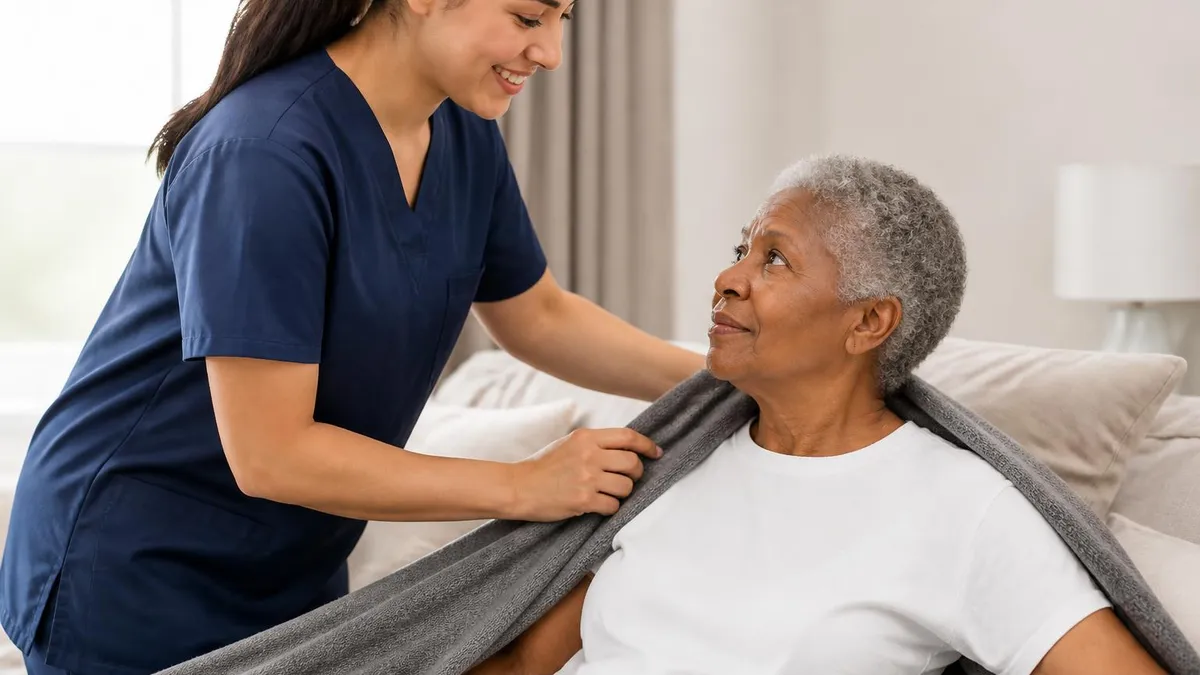
Personal Care Assistant: Duties, Salary & How to Become a PCA

PCA Agency: Complete Guide to Personal Care Assistant Agencies, Roles, and Career Pathways
About the Author

Registered Nurse & Healthcare Educator
Johns Hopkins University School of NursingDr. Sarah Mitchell is a board-certified registered nurse with over 15 years of clinical and academic experience. She completed her PhD in Nursing Science at Johns Hopkins University and has taught NCLEX preparation and clinical skills courses for nursing students across the United States. Her research focuses on evidence-based exam preparation strategies for healthcare certification candidates.