
Pediatric Nurse Practitioner Programs: Requirements, Curriculum, Costs, and How to Choose the Right PNP Path in 2026 September
Compare pediatric nurse practitioner programs, admission requirements, curriculum, clinical hours, costs, and certification paths to launch your PNP ✏️

Pediatric nurse practitioner programs prepare registered nurses to deliver specialized, advanced care to infants, children, and adolescents across primary and acute settings. If you love working with young patients and their families, earning a pediatric nurse practitioner (PNP) credential lets you diagnose illnesses, manage chronic conditions, order and interpret diagnostics, prescribe medications, and coordinate developmental care. Most candidates enter through a Master of Science in Nursing (MSN) or Doctor of Nursing Practice (DNP) track, both of which culminate in national certification and state licensure as an advanced practice nurse.
The pediatric NP role splits into two recognized population tracks: Primary Care Pediatric Nurse Practitioner (PNP-PC) and Acute Care Pediatric Nurse Practitioner (PNP-AC). Primary care PNPs work in clinics, pediatric offices, and community health centers, focusing on wellness visits, immunizations, and routine illness. Acute care PNPs treat children with complex, unstable, or critical conditions in hospitals, emergency departments, and intensive care units. Choosing your track early matters because it shapes your coursework, your clinical placements, and ultimately the certification exam you will sit for after graduation.
Demand for pediatric nurse practitioners continues to climb as pediatric subspecialties expand and primary care shortages widen across rural and underserved communities. The U.S. Bureau of Labor Statistics projects nurse practitioner employment to grow roughly 40 percent through the early 2030s, far outpacing nearly every other profession. PNPs command competitive salaries, enjoy strong job security, and frequently report high satisfaction because they build long-term relationships with families and watch their patients grow up over many years of continuous care.
Before applying, you will need an active RN license, a Bachelor of Science in Nursing (BSN), and typically a competitive grade point average. Many programs also value direct pediatric bedside experience, though some bridge and direct-entry options welcome nurses from other backgrounds. Understanding the full landscape of accredited programs, prerequisite coursework, clinical hour requirements, and financing options helps you avoid costly missteps and select a school that aligns with your schedule, budget, and long-term career goals.
This guide walks you through everything you need to evaluate pediatric nurse practitioner programs with confidence. We cover admission requirements, MSN versus DNP decisions, online versus on-campus delivery, curriculum components, clinical placement expectations, tuition ranges, and the certification process administered by the Pediatric Nursing Certification Board. You will also find practical comparisons, a step-by-step application checklist, and answers to the questions prospective students ask most often when researching pediatric advanced practice education.
Whether you are a new BSN graduate planning your next move or a seasoned pediatric nurse ready to expand your scope, the right program is an investment that pays dividends for decades. By the end of this article you will know exactly what separates a strong PNP program from a mediocre one, how to budget realistically, and which steps to take this year so you can enter clinicals prepared and graduate ready to pass your boards on the first attempt.
Pediatric NP Programs by the Numbers

Pediatric NP Program Types and Pathways
The traditional master's track for BSN-prepared RNs, typically two to three years. It delivers the fastest route to certification and licensure at a lower total cost than a doctorate.
A doctoral pathway combining advanced clinical training with leadership, systems, and evidence-based practice coursework. Expect three to four years and more clinical hours, but a terminal degree.
For nurses who already hold an MSN in another specialty and want to add the pediatric population focus. These shorter programs bridge the gap to PNP certification eligibility.
Every pathway requires choosing PNP-PC for clinic-based wellness care or PNP-AC for hospital and critical-care settings. Some schools offer dual tracks for broader scope.
Admission to pediatric nurse practitioner programs is competitive, and understanding the baseline requirements early gives you time to strengthen weak spots in your application. Nearly every accredited program requires an active, unencumbered RN license and a BSN from a regionally accredited institution. Most schools set a minimum cumulative GPA of 3.0, though the most selective programs admit candidates averaging 3.5 or higher. If your undergraduate GPA falls short, a strong graduate certificate, recent science coursework, or a compelling clinical record can help offset that number considerably.
Clinical experience expectations vary widely. Some programs admit new graduates directly, while others require one to two years of pediatric or acute-care bedside nursing before you begin advanced coursework. Direct pediatric experience signals readiness and makes your clinical rotations smoother, but it is not always mandatory. If you currently work in adult medicine, consider transferring to a pediatric unit before applying, because admissions committees value demonstrated commitment to the population you intend to serve as an advanced practitioner.
Prerequisite coursework typically includes undergraduate statistics, health assessment, and pathophysiology. Many programs ask for these within the past five to seven years, so older transcripts may require refresher courses. Standardized tests like the GRE have largely been phased out across nursing graduate admissions, but a handful of programs still request scores. Always confirm current testing policies directly with each school, since requirements change frequently and outdated online information can cause you to over-prepare or miss a deadline.
Your application package generally includes official transcripts, two or three professional references, a current resume or CV, a personal statement, and proof of licensure. The personal statement carries significant weight; use it to articulate why pediatrics specifically, what experiences shaped your decision, and how the program's mission aligns with your goals. Generic essays that could apply to any specialty rarely impress reviewers who read hundreds of applications each cycle and look for authentic, population-specific motivation.
Many prospective students compare PNP admission standards with other advanced practice routes such as the Family Nurse Practitioner track, which covers patients across the lifespan rather than focusing exclusively on children. While the FNP scope is broader, the pediatric focus offers deeper expertise in childhood development, congenital conditions, and family-centered care. Decide whether you want specialized pediatric mastery or generalist flexibility, because that choice determines which programs you should target and how you frame your application narrative.
Finally, pay close attention to accreditation. Legitimate programs hold approval from the Commission on Collegiate Nursing Education (CCNE) or the Accreditation Commission for Education in Nursing (ACEN). Graduating from a non-accredited program can disqualify you from certification exams and state licensure, wasting years of effort and tens of thousands of dollars. Verify accreditation status on the official commission websites before submitting any application or paying a deposit, regardless of how impressive a school's marketing materials may appear.
NP Practice Test Questions
Prepare for the NP - Nurse Practitioner exam with our free practice test modules. Each quiz covers key topics to help you pass on your first try.
NP Adult-Gerontology Acute Care Nurse Prac...
NP Exam Questions covering Adult-Gerontology Acute Care Nurse Practitioner. Master NP Test concepts for certification prep.
NP Family Nurse Practitioner
Free NP Practice Test featuring Family Nurse Practitioner. Improve your NP Exam score with mock test prep.
NP Pediatric Nurse Practitioner
NP Mock Exam on Pediatric Nurse Practitioner. NP Study Guide questions to pass on your first try.
NP Case Studies & Practical Application
NP Test Prep for Case Studies & Practical Application. Practice NP Quiz questions and boost your score.
NP Communication & Stakeholder Relations
NP Questions and Answers on Communication & Stakeholder Relations. Free NP practice for exam readiness.
NP Diagnosis & Clinical Decision-Making
NP Mock Test covering NP Diagnosis & Clinical Decision-Making. Online NP Test practice with instant feedback.
NP Patient Education & Health Promotion
Free NP Quiz on NP Patient Education & Health Promotion. NP Exam prep questions with detailed explanations.
NP Pharmacology & Prescribing
NP Practice Questions for NP Pharmacology & Prescribing. Build confidence for your NP certification exam.
NP Professional Standards & Competencies
NP Test Online for Professional Standards & Competencies. Free practice with instant results and feedback.
NP Quality Control & Assurance
NP Study Material on Quality Control & Assurance. Prepare effectively with real exam-style questions.
NP Regulatory Frameworks & Compliance
Free NP Test covering Regulatory Frameworks & Compliance. Practice and track your NP exam readiness.
NP Research & Evidence-Based Practice
NP Exam Questions covering Research & Evidence-Based Practice. Master NP Test concepts for certification prep.
Pediatric Nurse Practitioner Programs Curriculum
The foundation of every pediatric NP program rests on the advanced practice trio: advanced pathophysiology, advanced pharmacology, and advanced health assessment. These graduate-level courses build directly on undergraduate knowledge but go far deeper, equipping you to interpret labs, prescribe safely, and conduct comprehensive physical exams across pediatric age groups from neonate to adolescent.
You will study growth and development extensively, learning normal milestones and red-flag deviations that signal developmental delay or pathology. Genetics, immunology, and pediatric-specific pharmacokinetics receive heavy emphasis because children metabolize medications differently than adults. Mastering these sciences early is critical, since later clinical courses and your certification exam assume fluency with the underlying physiological principles.
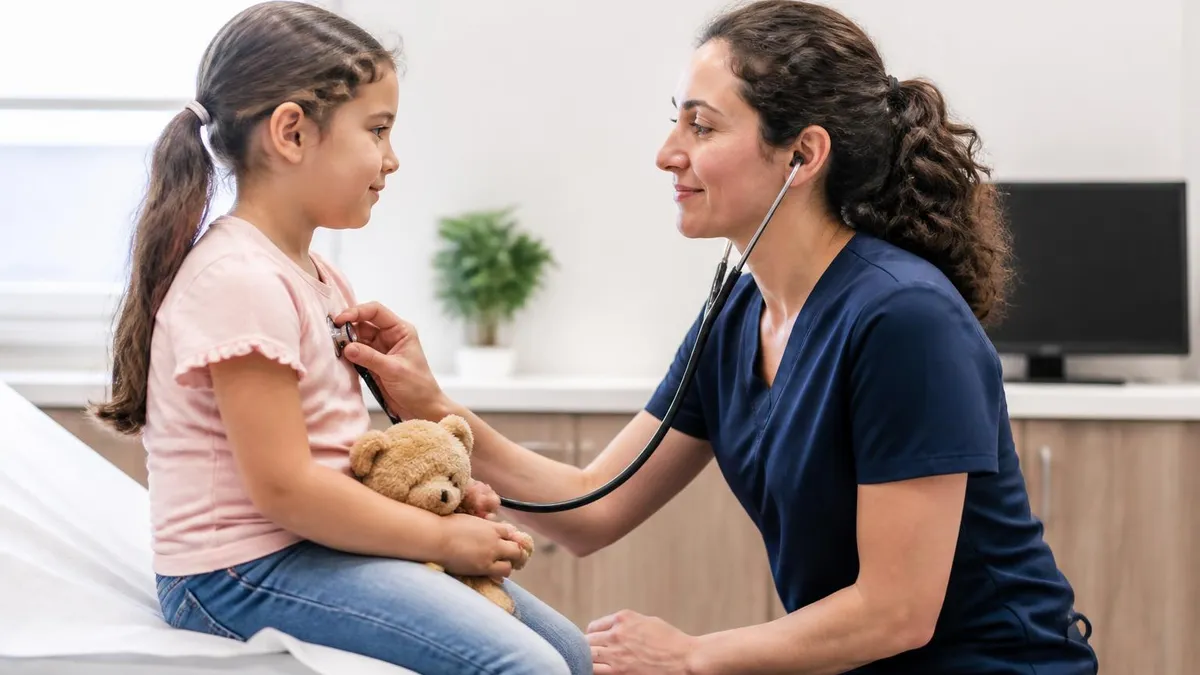
Online vs On-Campus Pediatric NP Programs: Weighing Your Options
- +Online programs offer flexibility to keep working as an RN while studying
- +Lower commuting and relocation costs compared to on-campus attendance
- +Asynchronous lectures let you learn at your own pace around shifts
- +Wider selection of accredited schools regardless of geographic location
- +Many hybrid models combine online theory with local clinical placements
- +Recorded content allows review of difficult material multiple times
- −Online students often must secure their own clinical preceptors
- −Less spontaneous faculty and peer interaction than campus settings
- −Requires strong self-discipline and time-management skills to succeed
- −Hands-on skills labs may require periodic on-site intensive visits
- −Some employers and states scrutinize fully online program reputations
- −Technical issues and isolation can hinder struggling students' progress
Pediatric Nurse Practitioner Programs Application Checklist
- ✓Verify your target program holds CCNE or ACEN accreditation.
- ✓Confirm your RN license is active and unencumbered in your state.
- ✓Request official BSN transcripts from all institutions attended.
- ✓Calculate your cumulative and science GPA against program minimums.
- ✓Complete any missing prerequisites like statistics or pathophysiology.
- ✓Secure two to three strong professional reference letters.
- ✓Draft a pediatrics-focused personal statement and revise thoroughly.
- ✓Update your resume highlighting relevant pediatric clinical experience.
- ✓Decide between primary care and acute care population tracks.
- ✓Note all application deadlines and submit well before the cutoff.
Choose your population track before you apply, not after
Your primary care versus acute care decision determines your coursework, clinical placements, and which Pediatric Nursing Certification Board exam you can sit for. Switching tracks mid-program often means lost credits and extra tuition. Reflect honestly on whether you thrive in clinic wellness visits or fast-paced hospital critical care before committing.
Cost is one of the most significant factors prospective students weigh when comparing pediatric nurse practitioner programs, and the range is wide. Public, in-state MSN programs may total $25,000 to $45,000, while private universities and out-of-state tuition can push costs past $80,000 or even $100,000. DNP programs cost more because they require additional credits and clinical hours, but they deliver a terminal degree that may command higher long-term earnings and expanded leadership opportunities throughout your career.
Beyond tuition, budget for hidden expenses that catch many students off guard. These include textbooks, clinical lab fees, malpractice insurance, background checks, immunization documentation, certification exam fees, and travel to clinical sites. Online students sometimes pay technology fees, and those who must find their own preceptors occasionally encounter sites that charge placement fees. Mapping out the total cost of attendance, not just the sticker tuition price, gives you a realistic picture of your financial commitment.
Financial aid for graduate nursing students comes in several forms. Federal Direct Unsubsidized and Grad PLUS loans are widely available, but scholarships and grants reduce debt without repayment. The Health Resources and Services Administration funds the NURSE Corps Scholarship and Loan Repayment Program, which forgives substantial debt in exchange for service in underserved areas. Pediatric-focused organizations, state nursing associations, and individual universities also offer targeted scholarships that many eligible students never apply for simply because they do not search.
Employer tuition assistance is an underused resource worth investigating. Many hospital systems and pediatric practices reimburse advanced degree coursework for nurses who commit to staying after graduation. Some will sponsor your entire education in exchange for a multi-year work agreement. If you currently work in healthcare, schedule a conversation with your human resources department before taking out loans, because employer benefits can dramatically reduce or eliminate your out-of-pocket education expenses.
When you analyze return on investment, consider that pediatric nurse practitioners earn strong, stable salaries with excellent benefits, and the credential rarely loses value. Comparing program costs against projected earnings, loan forgiveness eligibility, and your local job market helps you choose a financially sound path. A slightly more expensive program with guaranteed clinical placements, strong board pass rates, and robust career services may deliver far better value than a cheaper option that leaves you scrambling for preceptors.
Finally, weigh the opportunity cost of time. Faster MSN programs let you begin earning an advanced practice salary sooner, while longer DNP tracks delay that income but build a terminal credential. Calculate how reduced work hours during clinical rotations will affect your household budget, and build a financial cushion before starting. Students who plan their finances carefully experience far less stress and are more likely to complete their programs on schedule without accumulating unnecessary debt.
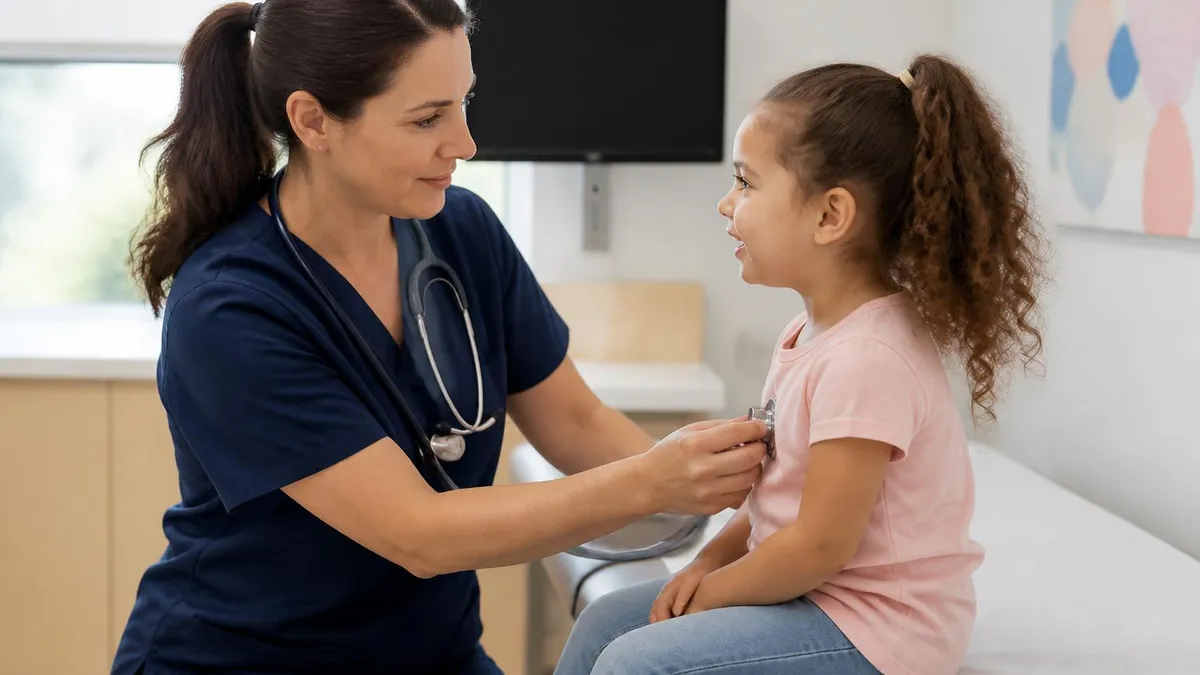
Enrolling in a program that lacks CCNE or ACEN accreditation can permanently bar you from sitting for the PNP certification exam and obtaining state licensure. No amount of completed coursework will fix this. Always confirm accreditation directly on the official commission websites before submitting an application or paying any deposit.
After graduating from an accredited pediatric nurse practitioner program, your next milestone is national certification. The Pediatric Nursing Certification Board (PNCB) administers the CPNP-PC exam for primary care graduates and the CPNP-AC exam for acute care graduates. The American Nurses Credentialing Center historically offered a primary care pediatric exam as well, though program graduates today most commonly pursue PNCB credentials. Passing your certification exam is mandatory before you can apply for advanced practice licensure in any state.
The CPNP-PC exam tests health promotion, disease prevention, assessment, diagnosis, and management of common pediatric conditions across developmental stages. The acute care exam emphasizes management of complex, critically ill children, including hemodynamic monitoring, ventilator management, and unstable presentations. Both exams use multiple-choice questions and require thorough preparation. First-time pass rates are generally strong among graduates of reputable programs, which is one reason board pass rate transparency should factor into your program selection.
Effective certification preparation begins well before graduation. Review your program's pharmacology, pathophysiology, and clinical management content systematically, and use question banks to identify knowledge gaps. Practice tests build exam stamina and reveal which content domains need more attention. Many candidates allocate eight to twelve weeks of dedicated study after finishing coursework, combining review books, online resources, and timed practice questions to simulate the pressure of the actual testing environment.
Once certified, you apply for licensure as an advanced practice registered nurse through your state board of nursing. Scope of practice varies dramatically by state. Full-practice-authority states allow PNPs to evaluate, diagnose, and prescribe independently, while reduced and restricted states require collaborative agreements or physician oversight. Researching the regulations in states where you intend to work, including Nurse Practitioner Jobs by State, helps you anticipate practice limitations and target markets that match your career ambitions.
Certification is not a one-time event; it requires ongoing maintenance. The PNCB uses a continuing competency model that requires annual recertification through continuing education modules rather than a single high-stakes renewal exam. You will also maintain your state APRN license through periodic renewal, continuing education hours, and prescriptive authority requirements. Staying organized with renewal deadlines and documentation prevents lapses that could interrupt your ability to practice and jeopardize your employment.
Many new PNPs benefit from formal onboarding or fellowship programs during their first year of practice. These structured transitions provide mentorship, graduated responsibility, and protected learning time as you move from student to independent provider. While not mandatory, completing a residency or fellowship can accelerate your confidence, expand your clinical skills, and make you a more competitive candidate for specialized roles in academic medical centers and children's hospitals down the road.
With your program selected and certification path mapped, success comes down to disciplined preparation and smart habits throughout your education. Start by building relationships with faculty and clinical preceptors early, because mentors open doors to placements, references, and job leads. Treat every clinical rotation as an extended interview, demonstrating reliability, curiosity, and strong communication. The pediatric advanced practice community is smaller than you think, and your reputation follows you into your job search and beyond.
Master time management from your first semester. Graduate nursing coursework, clinical hours, and often part-time work create relentless demands on your schedule. Build a weekly study routine, protect dedicated time for difficult subjects like pharmacology, and use spaced repetition rather than cramming. Students who fall behind in advanced pathophysiology or pharmacology struggle throughout the program because every subsequent clinical course assumes mastery of those foundational sciences and the reasoning skills they develop.
Leverage question banks and practice tests throughout your studies, not just before the certification exam. Working through realistic clinical scenarios sharpens diagnostic reasoning, reinforces treatment guidelines, and builds the test-taking stamina you will need on exam day. Identify your weakest content domains and target them deliberately. Pairing practice questions with your textbook readings cements knowledge far more effectively than passive review, and it makes your eventual board preparation dramatically less stressful.
Network actively within pediatric nursing organizations such as the National Association of Pediatric Nurse Practitioners. Membership offers conferences, continuing education, scholarship opportunities, and a community of practitioners who share clinical wisdom and job openings. Attending even one regional conference during school exposes you to emerging practice trends and connects you with potential employers. These professional relationships frequently prove more valuable than any single class in advancing your long-term career trajectory.
Document your clinical experiences meticulously as you accumulate hours. Maintain a personal log of diagnoses managed, procedures performed, and patient populations served beyond what your program's tracking system requires. This record becomes invaluable when applying for jobs, negotiating credentialing, or pursuing subspecialty roles. Detailed documentation also helps you reflect on your growth, recognize patterns in your learning, and identify areas where you want additional exposure before graduation.
Finally, protect your wellbeing throughout the demanding journey. Burnout is real in advanced practice education, and the students who finish strong are those who maintain sleep, exercise, and supportive relationships. Build in recovery time, lean on classmates facing the same challenges, and remember why you chose pediatrics in the first place. The families and children you will serve deserve a practitioner who is healthy, resilient, and genuinely present, and that begins with how you care for yourself in school.
NP Questions and Answers

Nurse Practitioner Jobs by State: Florida, Texas, California, and Beyond — A Complete 2026 Guide

Nurse Practitioner Day: Honoring NPs and Celebrating the Profession in 2026

Family Nurse Practitioner: Role, Salary & How to Become One
Psychiatric Mental Health Nurse Practitioner Guide

Nurse Practitioner Degree Online: BSN and MSN Programs, Specialties, Costs, and Career Path for Aspiring NPs
About the Author

Registered Nurse & Healthcare Educator
Johns Hopkins University School of NursingDr. Sarah Mitchell is a board-certified registered nurse with over 15 years of clinical and academic experience. She completed her PhD in Nursing Science at Johns Hopkins University and has taught NCLEX preparation and clinical skills courses for nursing students across the United States. Her research focuses on evidence-based exam preparation strategies for healthcare certification candidates.