
Nurse Practitioner Residency Programs: Complete Guide to Finding and Succeeding in NP Residencies
💯 Everything about nurse practitioner residency programs: what they are, how to apply, top programs, and how they launch your NP career.

Nurse practitioner residency programs have emerged as one of the most transformative steps a newly graduated NP can take to bridge the gap between academic training and independent clinical practice. These structured, post-graduate fellowship experiences typically last twelve months and immerse new NPs in supervised patient care, advanced clinical decision-making, and specialty-specific competencies that school simply cannot replicate. As demand for primary and specialty care grows across the United States, residency programs have gained significant traction among both graduates and healthcare systems eager to onboard confident, practice-ready providers.
Unlike physician residency programs, which are federally funded and essentially mandatory for independent practice, NP residency programs are voluntary and vary considerably in structure, specialty focus, and compensation. Some are hospital-based, others are tied to Federally Qualified Health Centers or community clinics, and a growing number are offered through academic medical centers seeking to groom talent for their own workforce. Regardless of format, they all share a common goal: giving new nurse practitioners the real-world clinical hours and mentorship needed to thrive from day one.
The decision to pursue a residency is not one-size-fits-all. Factors like specialty interest, geographic preference, financial considerations, and career goals all shape whether a residency is the right next step. Many NPs who complete programs report dramatically higher confidence in diagnosing complex conditions, managing medications independently, and communicating across the care team. These outcomes matter not only for the individual NP but for the patients who depend on high-quality, evidence-based care.
Understanding how nurse practitioner residency programs differ from traditional employment is essential for making an informed decision. Residents are technically employed — most programs pay a salary ranging from $55,000 to $75,000 annually — but their primary obligation is learning. They carry a lighter patient panel than fully independent NPs, receive regular feedback from supervising physicians and experienced NPs, and complete structured didactic components including case conferences, journal clubs, and simulation labs. This layered approach accelerates professional development in ways that standard orientation programs rarely achieve.
It is also worth noting that the comparison with other advanced practice careers shapes how NPs weigh their options. For those still deciding between pathways, a close look at how nurse practitioner residency programs compare to physician assistant training frameworks reveals important differences in scope of practice, autonomy timelines, and long-term earning potential. Understanding those distinctions helps new graduates choose the path that best aligns with their clinical interests and professional values.
Nationally, accreditation for NP residency programs remains a developing landscape. The National Nurse Practitioner Residency and Fellowship Training Consortium (NNPRFTC) sets standards for program quality, curriculum, and outcomes, though not all programs participate. The American Association of Nurse Practitioners (AANP) and other bodies have increasingly advocated for standardized training criteria to ensure that residency graduates meet a consistent benchmark of clinical readiness regardless of which program they complete.
This guide walks you through everything you need to know about NP residency programs in 2026: program types, application timelines, what to expect during your residency year, the pros and cons of committing to post-graduate training, and practical advice for maximizing your experience. Whether you are a graduating NP student or a practicing nurse considering a specialty transition, this article delivers the detail you need to make a confident, well-informed decision.
NP Residency Programs by the Numbers

Types of Nurse Practitioner Residency Programs
Focused on family medicine, internal medicine, or geriatrics, these programs train NPs to manage chronic disease, preventive care, and complex multi-morbidity panels in outpatient or community health settings. They are the most common program type nationwide.
Designed for AGACNP or ACNP graduates, these residencies place NPs in ICUs, hospital medicine, emergency departments, or surgical services. Emphasis is on rapid assessment, high-acuity management, and interprofessional team communication under attending supervision.
Covering areas like cardiology, oncology, psychiatry, dermatology, and women's health, specialty fellowships give NPs focused training in a single domain. Duration ranges from 6 to 24 months and often includes research or quality improvement projects.
Jointly funded by HRSA and host FQHCs, these programs prioritize underserved communities. Graduates often receive loan repayment eligibility and are positioned for public-sector careers serving Medicaid and uninsured populations in rural or urban safety-net settings.
The Department of Veterans Affairs operates one of the largest NP residency networks in the country. These programs offer structured training in primary care, mental health, and specialty services for veteran populations, with robust didactic and simulation components.
Applying to an NP residency program requires preparation that mirrors the rigor of graduate school applications. Most programs open their application cycles six to nine months before the program start date, which is typically July or August. Prospective residents should begin gathering materials — transcripts, licensure documentation, letters of recommendation, and a personal statement — well in advance of the deadline. Some of the most competitive programs, including those affiliated with academic medical centers and VA facilities, receive far more applicants than they have slots, making a polished application essential.
The personal statement is often the single most important component of your application. Unlike a resume, it gives you space to explain why you are pursuing a residency rather than direct employment, which specialty draws you, and what specific experiences have shaped your clinical philosophy. Admissions committees want to see self-awareness, genuine curiosity, and a concrete sense of how the residency will prepare you for your intended career trajectory. Vague statements about "wanting to learn more" rarely distinguish candidates; specific anecdotes from clinical rotations or nursing experience are far more persuasive.
Letters of recommendation carry significant weight, particularly when they come from clinical supervisors who observed you providing patient care. Preceptors who can speak to your diagnostic reasoning, communication with patients, and ability to handle uncertainty under pressure will serve you far better than faculty who only know your academic record. Aim for at least one letter from a practicing NP or physician who supervised you in a clinical setting closely aligned with your target residency specialty.
Interview formats vary widely across programs. Some conduct a single panel interview with the program director and clinical faculty; others use multiple mini-interviews (MMIs) modeled on medical school practices. Common topics include clinical scenarios, ethical dilemmas, questions about managing uncertainty, and behavioral questions about teamwork and conflict resolution. The best preparation combines reviewing common clinical presentations in your specialty with honest reflection on challenging patient encounters from your rotations. Arriving with questions for the program signals genuine engagement and investment.
Once accepted, residents typically begin with an intensive orientation period spanning two to four weeks. This phase covers electronic health record training, institutional policies, credentialing requirements, and introductions to supervising preceptors. Early weeks usually involve observing experienced clinicians before gradually assuming more autonomous responsibility for patients. The pace of autonomy expansion differs by program, but most residents are managing a full (though reduced) patient panel by month three or four, with close feedback loops built in throughout.
Didactic components run concurrently with clinical duties throughout the residency year. These sessions typically occur weekly or biweekly and may include case conferences, grand rounds attendance, pharmacology deep-dives, procedure workshops, and quality improvement projects. Many programs require residents to complete a capstone project — a QI initiative, evidence-based practice change, or case study presentation — that demonstrates their ability to synthesize clinical evidence and apply it to real-world practice problems. This academic layer is what separates residencies from standard new-hire orientation and directly supports long-term competency development.
It is important to manage expectations about workload during your residency year. Most residents report the experience as both the most demanding and most rewarding period of their early career. The combination of clinical hours, didactics, capstone work, and ongoing feedback can feel overwhelming at times. Building strong relationships with co-residents and program faculty, seeking feedback proactively rather than waiting for formal evaluations, and maintaining clear boundaries around personal time are all practical strategies for sustaining performance and wellbeing across the full twelve months.
NP Residency Specialties: Primary Care, Acute Care, and Mental Health
Primary care NP residencies are the most widely available program type in the United States. Housed in FQHCs, VA clinics, academic medical centers, and private health systems, they train family, adult-gerontology, and women's health NPs to independently manage chronic disease panels, acute episodic visits, and preventive care. Residents typically carry 10–14 patients per half-day session by mid-program, compared to 18–22 for a fully independent NP, giving them time to build clinical reasoning habits before reaching full productivity expectations.
Programs with a primary care focus often include behavioral health integration, social determinants of health screening, and care coordination training — skills that are increasingly expected of primary care providers serving complex community populations. Many FQHC-based residencies also provide loan repayment eligibility through the National Health Service Corps, making them financially attractive for graduates carrying significant student debt. Completion rates for primary care residencies consistently exceed 90%, and the majority of graduates are hired directly by their host institution upon program completion.
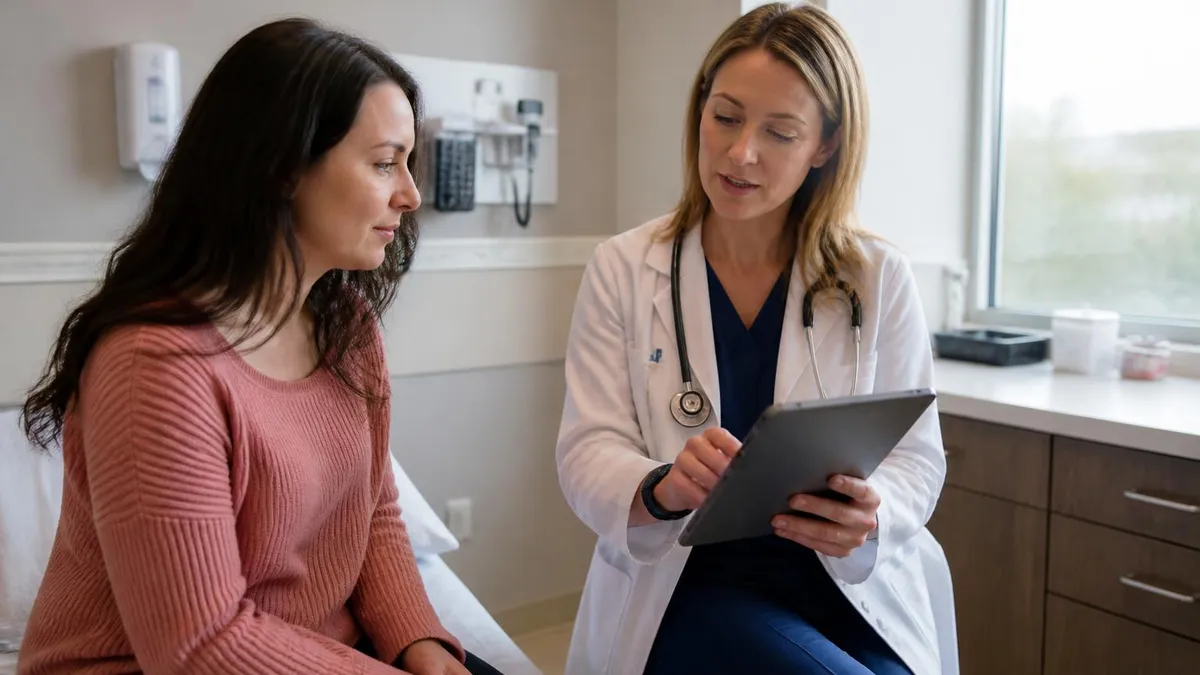
Is an NP Residency Worth It? Pros and Cons
- +Builds clinical confidence faster than standard employment orientation, especially for complex or high-acuity cases
- +Provides structured mentorship from experienced NPs and physicians in your target specialty
- +Improves long-term salary trajectory — residency graduates often reach full productivity and senior-level pay faster
- +Increases eligibility for competitive specialty and hospital-based positions that prefer or require post-graduate training
- +Offers dedicated time for QI projects, research, and professional development without full patient-load pressure
- +Strengthens board exam preparation, particularly for specialty certifications beyond your initial NP credential
- −Resident salaries ($55K–$75K) are typically lower than direct-hire NP salaries ($95K–$120K) for the same period
- −One-year commitment limits geographic flexibility if your personal situation changes during the program
- −Not all programs are accredited or recognized by national bodies, making quality highly variable
- −Some programs in undersupplied regions use residency structures to extract below-market labor without true educational intent
- −Loan repayment begins during a period of reduced income, which can create financial stress
- −Voluntary nature means no standardized matching system, requiring significant self-directed research and application effort
NP Residency Application Checklist
- ✓Confirm your target specialty and identify 5–10 programs that align with your clinical goals and geographic preferences
- ✓Verify that each program is affiliated with NNPRFTC or another recognized accrediting body before applying
- ✓Request official transcripts from your NP program at least six weeks before application deadlines
- ✓Secure three letters of recommendation — prioritize clinical supervisors who observed your patient care directly
- ✓Draft a specialty-specific personal statement that includes concrete clinical anecdotes and a clear career rationale
- ✓Obtain your RN and APRN licenses in all states where target programs are located, including compact state coverage
- ✓Complete your NP board certification (AANP or ANCC) before program start dates — most programs require this at acceptance
- ✓Prepare a professional CV that highlights clinical rotation hours, procedures performed, and any QI or research experience
- ✓Research program salary, benefits, loan repayment eligibility, and post-residency hiring rates before ranking choices
- ✓Practice clinical interview scenarios using real patient cases from your rotations and review current clinical guidelines
Programs That Hire Their Own Residents Have the Best ROI
Over 85% of NP residency programs that track placement data report hiring their own graduates upon program completion. Choosing a program at an institution where you genuinely want to work long-term is not just a career strategy — it is the single most reliable predictor of whether your residency investment pays off financially within three years of graduation.
The financial calculus of pursuing an NP residency is nuanced and depends heavily on individual circumstances. At first glance, the salary differential appears stark: a new NP hired directly into practice might earn $95,000 to $115,000, while a resident in the same city earns $60,000 to $70,000. That gap of $30,000 to $50,000 over twelve months represents a real opportunity cost. However, the calculation shifts substantially when you account for what residents gain in return: structured mentorship, protected learning time, didactic education, and a credentialed record of post-graduate training that many employers now treat as a differentiator.
NP residents at FQHC-based programs may also qualify for National Health Service Corps loan repayment — up to $50,000 in tax-free loan forgiveness over two years of service in a Health Professional Shortage Area. When this benefit is factored in, the net financial outcome for a residency graduate with federal student loans can actually exceed that of a non-residency NP within three to four years, even accounting for the lower resident salary during program year. For graduates with six-figure loan balances, this pathway is genuinely compelling.
VA-affiliated NP residency programs offer a distinct financial profile. Federal employment comes with the full suite of civil service benefits: defined-contribution retirement plans with agency matching, comprehensive health insurance, paid leave, and Thrift Savings Plan access. These benefits are rarely replicated in private practice settings and represent significant total compensation above base salary. VA residents also have access to the VA's extensive continuing education infrastructure, which supports ongoing specialty certification at no personal cost.
Hospital-based residencies in academic medical centers typically offer the highest base salaries among NP residency programs, often in the $68,000 to $78,000 range, along with access to institutional tuition benefits, malpractice coverage, and employee health plans. These programs tend to be housed in high-cost urban markets — Boston, New York, San Francisco — so cost of living adjustments matter when evaluating true compensation. Still, the pathway from hospital residency graduate to senior NP within two to three years is well-documented and frequently results in total compensation packages that surpass direct-hire NP peers within five years.
Beyond the numbers, there is a qualitative dimension to the ROI of residency training that is difficult to capture in salary comparisons. Residency graduates consistently report higher job satisfaction at the one-year and five-year marks compared to NPs who entered practice without structured post-graduate training.
They report feeling more confident in handling diagnostic uncertainty, more comfortable escalating and de-escalating care, and more connected to their professional identity as an NP rather than a nurse who happened to get an advanced degree. These outcomes are not trivial: NP burnout and early career attrition are real problems in the profession, and residency training appears to be a meaningful buffer.
Employer demand for residency-trained NPs has also increased noticeably over the past five years. Health systems that once viewed post-graduate NP training as a novelty now actively recruit residency graduates for leadership positions, advanced specialty roles, and care model redesign initiatives. Academic medical centers in particular are beginning to treat NP residency completion as a preferred qualification for hospital-based roles, mirroring a trend that has long existed in physician hiring. This market shift suggests that the short-term salary sacrifice of residency is increasingly justified by long-term career differentiation.
Planning for the financial realities of residency year requires proactive budgeting and loan management strategy. Work with your loan servicer to explore income-driven repayment options that scale payments to your resident salary, and determine whether Public Service Loan Forgiveness (PSLF) eligibility applies if your host site is a nonprofit or government entity. The intersection of PSLF and NP residency at qualifying institutions is one of the most powerful debt-reduction pathways available to new graduate NPs and deserves careful attention before program selection.
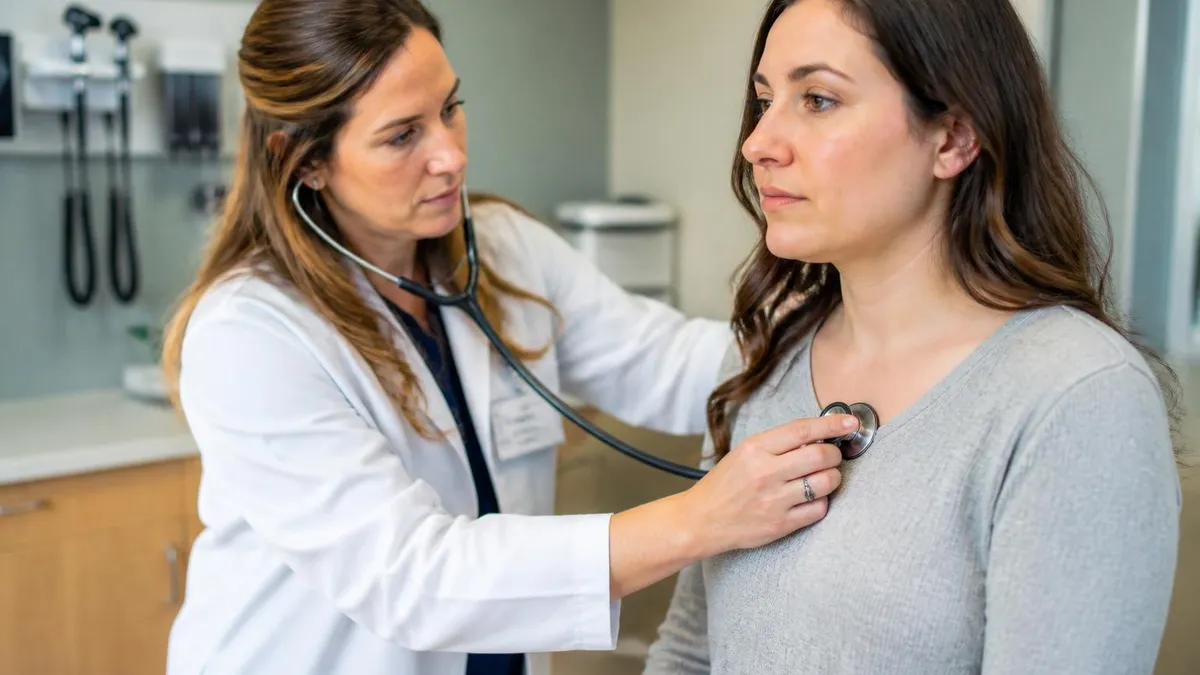
Not all programs labeled as "residencies" offer genuine educational value. Some health systems use the residency framework to pay new NPs below-market wages without providing the mentorship, reduced panels, or structured curriculum that define legitimate post-graduate training. Before accepting any offer, verify that the program has a documented curriculum, formal preceptor assignments, a capstone requirement, and measurable competency benchmarks. Programs unaffiliated with any accrediting body and offering salaries below $55,000 with no educational infrastructure warrant significant scrutiny.
Life after completing an NP residency looks meaningfully different from the experience of NPs who entered practice without post-graduate training. Residency graduates typically step into their first independent position with a defined competency record, a professional network that includes supervising physicians and experienced NP mentors, and a credential that signals to employers they can be trusted with greater responsibility sooner. Many host institutions convert their residents to full-time staff positions at completion, which eliminates the stress of a post-training job search and provides immediate salary continuity at the full-NP pay scale.
The clinical confidence that residency training builds translates directly into measurable practice outcomes. Studies published in the Journal of the American Association of Nurse Practitioners and other peer-reviewed outlets have found that residency-trained NPs order fewer unnecessary tests in their first year, have lower rates of inappropriate antibiotic prescribing, and receive higher patient satisfaction scores compared to non-residency peers matched for specialty and setting. These data points matter not only for quality metrics but for the professional credibility NPs need to advocate for broader scope-of-practice authority at the state and institutional levels.
Career advancement after residency moves along an accelerated trajectory for many graduates. Hospital-based residency completers frequently move into lead NP or senior clinician roles within three to five years. Primary care residency graduates often take on clinical educator, preceptor, or program faculty roles — feeding back into the pipeline of NP residency training as the field matures. Specialty fellowship completers in areas like cardiology, oncology, and critical care are increasingly appointed to NP-led service lines where they hold near-attending levels of autonomous authority within their specialty domain.
Advanced certification is a natural next step for many residency graduates. The structured clinical exposure of residency provides ideal preparation for specialty board examinations beyond the initial NP certification. Acute care residents commonly sit for the Acute Care Certification of Competency (ACCC) or subspecialty boards in critical care or cardiology. Primary care graduates may pursue Geriatric or Diabetes certification. Psychiatric NP residents often complete additional competency frameworks in psychotherapy modalities. These layered credentials strengthen the case for advanced specialty practice and can unlock additional compensation in competitive markets.
Leadership development is another trajectory that opens more readily for residency graduates. The QI project, case conference, and reflective practice components of most residency curricula create early habits of evidence-based practice improvement that align naturally with health system leadership expectations. Many large health systems have formal NP leadership development programs — clinical ladder systems, administrative fellowships, or population health management roles — that preferentially recruit from the pool of residency-trained NPs who have already demonstrated commitment to structured professional growth.
The broader trajectory of NP residency programs as a field suggests continued expansion and increasing standardization through the late 2020s. Federal investment through HRSA's Advanced Nursing Education Workforce (ANEW) program has directed funding specifically toward NP residency development in underserved settings, and bipartisan congressional interest in the Graduate Nurse Education (GNE) Demonstration program signals appetite for expanded federal support. As these programs grow, the matching infrastructure, accreditation standards, and salary norms that have long characterized physician GME training may begin to take shape in the NP space as well.
For NPs considering a specialty transition mid-career, residency programs and structured fellowships offer a credentialed pathway that is often more effective than self-directed continuing education or informal preceptorships. A practicing family NP who wants to move into cardiology or critical care, for example, will find that a formal fellowship carries far more weight with prospective employers than a series of CME courses. The field is slowly developing mechanisms to support these mid-career transitions, and monitoring program announcements from NNPRFTC and specialty professional organizations is the most reliable way to find suitable opportunities.
Getting the most out of an NP residency requires more than showing up and completing required hours. The residents who emerge from these programs as genuinely practice-ready providers share a set of habits and mindsets that distinguish active learners from passive participants. First and foremost, they approach every patient encounter — even routine ones — as a diagnostic reasoning exercise. Rather than accepting a preceptor's assessment without engagement, they form their own differential diagnosis before presenting the case and use discrepancies between their thinking and the attending's plan as learning prompts rather than sources of embarrassment.
Feedback-seeking behavior is another consistent differentiator among high-performing residents. Many new NPs wait passively for their formal mid-year and end-of-year evaluations, missing dozens of smaller feedback opportunities in between. The most effective residents ask specific, behaviorally focused questions after complex encounters: "Was my physical exam approach efficient for this presentation?" or "What would you have done differently when she reported the chest pain?" This kind of targeted inquiry signals professional maturity and extracts far more useful developmental information than generic requests for feedback.
Maximizing your didactic experience within the program requires treating case conferences and journal clubs with the same seriousness as clinical shifts. Come prepared with recent evidence on the featured topic, volunteer to present cases, and push yourself to apply the research to specific patients you have seen that week. The integration of academic content with real clinical experience is where residency training diverges most sharply from graduate school — and taking full advantage of that integration is a skill that compounds over the residency year.
Building relationships with co-residents is an underappreciated component of residency success. Your cohort is a peer-learning resource, a mutual support network during challenging stretches, and a professional network that will span your entire NP career. Share difficult cases, debrief after high-stakes encounters, and normalize uncertainty with each other. The interprofessional relationships you build with residents and interns in medicine, pharmacy, and other health professions are equally valuable — these are the colleagues you will collaborate with throughout your career in whatever health system you ultimately join.
Selecting your capstone project topic early and working on it consistently throughout the residency year — rather than scrambling in the final two months — is practical advice that experienced program directors universally offer. Choose a QI question that is genuinely relevant to your clinical setting, ideally one that your supervising physicians or program director will find valuable. A well-executed capstone not only fulfills a graduation requirement but creates a concrete work product you can reference in future job applications and leadership conversations as evidence of your ability to drive practice improvement.
Documentation and billing competency are areas where many NP residents underinvest their learning energy, often because these topics feel less clinically exciting than diagnostic reasoning or procedural skills. However, accurate and complete documentation is foundational to patient safety, legal protection, care continuity, and reimbursement. Use your residency year to build strong documentation habits under close supervision, when the consequences of errors are cushioned by oversight and before billing compliance responsibility falls entirely on your shoulders as an independent provider.
Finally, prioritize your own wellbeing throughout the residency year with the same intentionality you bring to your patients' health. Residency is demanding, and the combination of clinical pressure, reduced pay, and ongoing academic requirements creates a genuine risk of burnout if left unmanaged.
Establish non-negotiable personal recovery routines, whether that means regular exercise, connection with friends and family outside healthcare, creative outlets, or access to counseling. The most valuable thing you can bring to your patients — both during residency and throughout your career — is a provider who is present, rested, and genuinely engaged with the human beings in front of them.
NP Questions and Answers
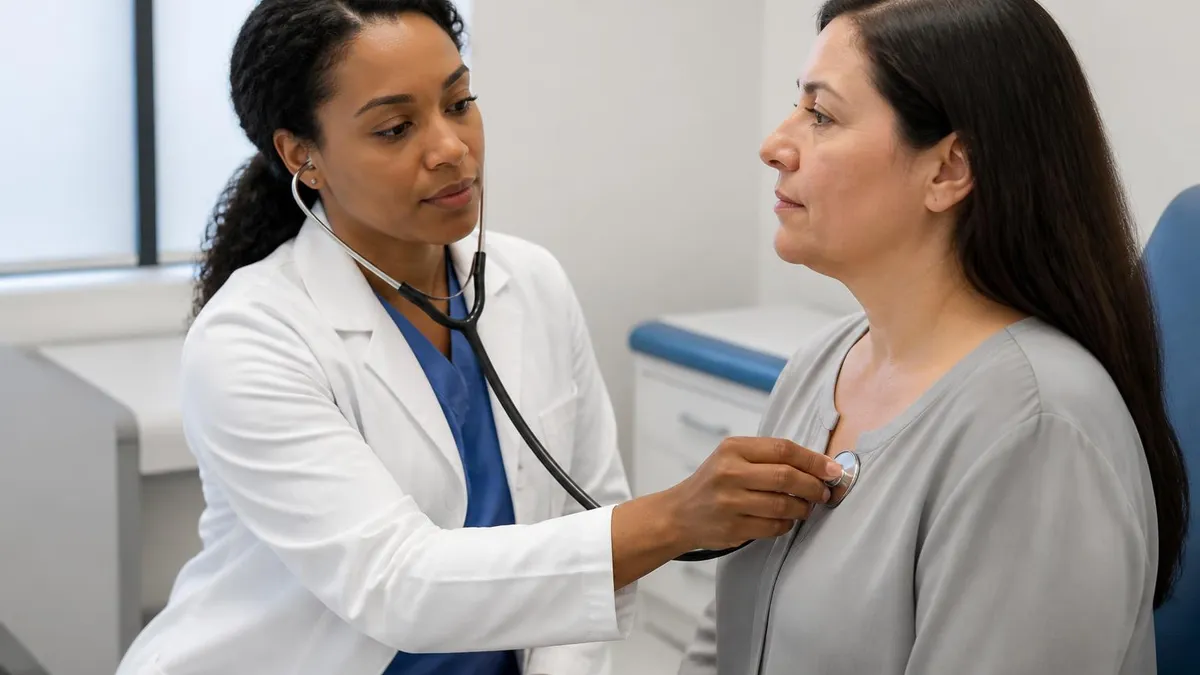
Nurse Practitioner vs Physician Assistant: Side-by-Side
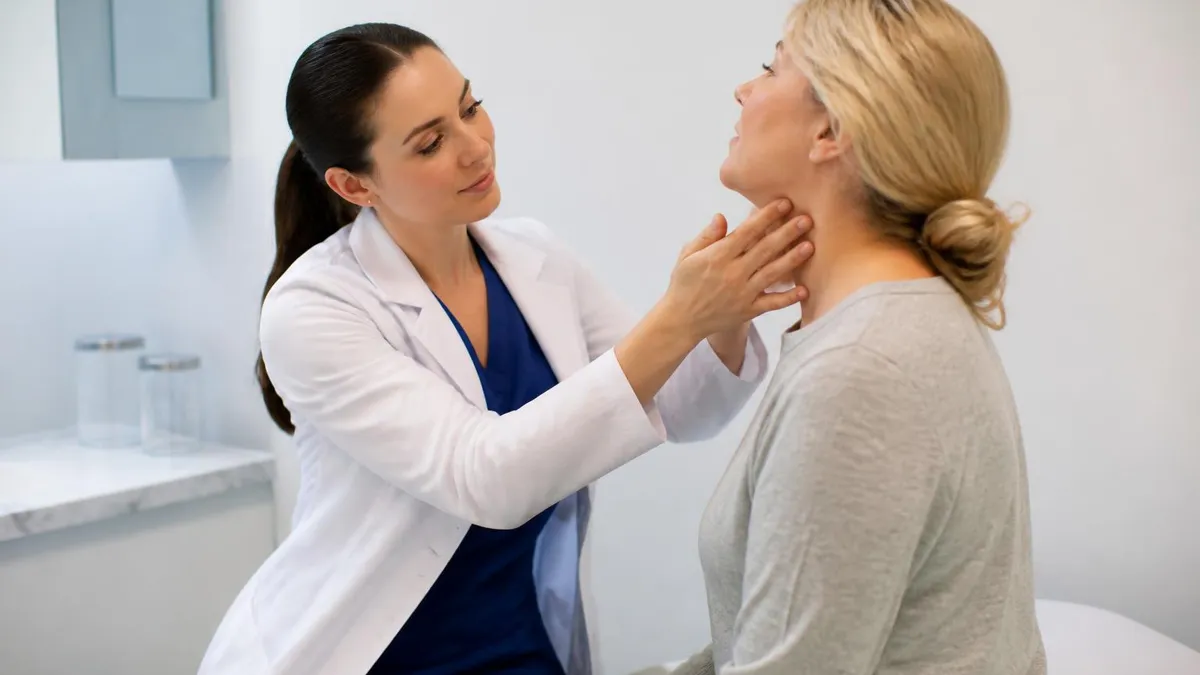
How Long to Become a Nurse Practitioner: 6-8 Year Timeline

Travel Nurse Practitioner Salary: 2026 Pay Guide, Contract Rates, Stipends, and How to Maximize Your Earnings

Nurse Practitioner Taxonomy Code: Complete 2026 Guide to NPI Classification, Specialty Codes, and Billing Compliance

Nurse Practitioner to MD Degree: Complete 2026 Guide to Bridge Programs, Costs, and Career Paths
About the Author

Registered Nurse & Healthcare Educator
Johns Hopkins University School of NursingDr. Sarah Mitchell is a board-certified registered nurse with over 15 years of clinical and academic experience. She completed her PhD in Nursing Science at Johns Hopkins University and has taught NCLEX preparation and clinical skills courses for nursing students across the United States. Her research focuses on evidence-based exam preparation strategies for healthcare certification candidates.