
Online Nurse Practitioner School: The Complete 2026 October Guide to Earning Your NP Degree Online
✅ Explore nurse practitioner schooling online in 2026 October. Learn about accredited programs, clinical requirements, costs, specialties, and how to choose
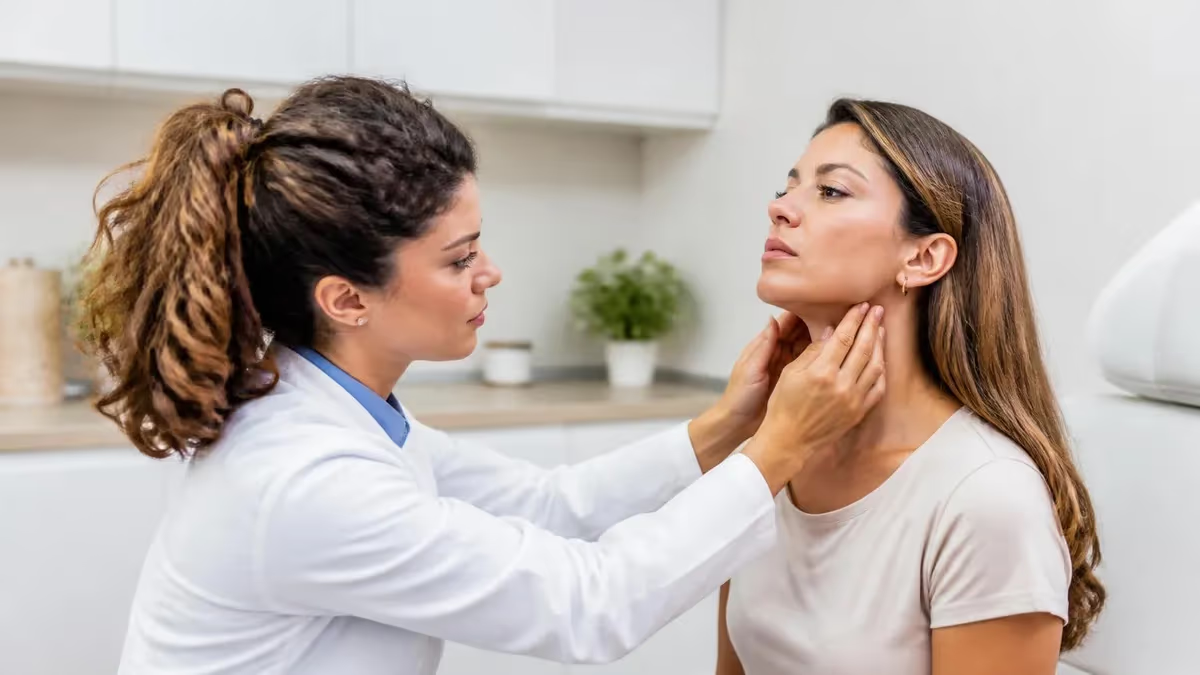
Pursuing nurse practitioner schooling online has become one of the most practical pathways for registered nurses seeking advanced practice roles in 2026. With the growing demand for primary care providers across every region of the United States, online NP programs offer the flexibility needed to earn a graduate degree while maintaining clinical employment. Whether you are a bedside nurse ready for the next step or a recent BSN graduate exploring advanced options, understanding how online programs work is essential for making a well-informed decision about your career trajectory and long-term goals.
The landscape of online NP education has evolved dramatically over the past decade, driven by technological advances and changing workforce needs. Accredited universities now deliver rigorous master's and doctoral-level curricula through sophisticated learning platforms that combine asynchronous coursework with synchronous virtual sessions. Students can access recorded lectures, participate in threaded discussion boards, and complete graded assignments from any location, making it possible to study from rural communities or underserved areas where nurse practitioner shortages are most critical and where new graduates are needed the most.
One of the most important factors to consider when evaluating online NP programs is accreditation status from a recognized national body. The Commission on Collegiate Nursing Education and the Accreditation Commission for Education in Nursing are the two primary organizations that evaluate nursing programs in the United States. Choosing a program with proper accreditation ensures your degree will be recognized by state boards of nursing and national certification organizations such as the American Academy of Nurse Practitioners Certification Board and the American Nurses Credentialing Center.
Online NP programs typically require between two and four years to complete, depending on whether you enroll full-time or part-time and which degree level you pursue. Most programs include between 500 and 1,000 direct clinical hours that must be completed in person at approved practice sites near your home. Students are generally responsible for securing their own clinical placements, though many programs offer placement assistance or maintain formal partnerships with healthcare facilities across multiple states to help students locate appropriate preceptors.
The cost of online nurse practitioner education varies widely based on institution type, residency status, and geographic location of the university. Public university programs may charge between twenty thousand and forty-five thousand dollars for total tuition, while private institutions can range from fifty thousand to over one hundred thousand dollars. Financial aid options including federal student loans, merit-based scholarships, employer tuition reimbursement programs, and loan repayment initiatives through the National Health Service Corps can significantly reduce the overall financial burden of your graduate nursing education.
Choosing the right NP specialty track is another critical decision that will shape your entire career trajectory and daily clinical practice. Common specializations include family nurse practitioner, adult-gerontology primary care, adult-gerontology acute care, pediatric nurse practitioner, psychiatric mental health, and neonatal nurse practitioner. Each track has distinct curriculum requirements, clinical hour expectations, and national certification exam pathways. Your choice should align with both your professional interests and the healthcare needs of the community you ultimately plan to serve after graduation.
Throughout this comprehensive guide, we will explore every aspect of pursuing your NP degree online, from admission requirements and program structures to clinical placement strategies and certification preparation. Whether you are comparing MSN and DNP pathways, trying to understand how clinical rotations work in an online format, or evaluating which specialty best matches your goals, each section provides detailed insights and actionable advice to help you navigate the entire process of becoming a nurse practitioner through an accredited online program in 2026 and beyond.
Online NP Education by the Numbers

Steps to Becoming a Nurse Practitioner Online
Earn Your BSN and RN License
Gain Clinical Nursing Experience
Research and Apply to Accredited Programs
Complete Didactic Coursework Online
Fulfill Clinical Rotation Requirements
Pass National Certification and Apply for State Licensure
Accreditation is the single most important factor to verify before enrolling in any online nurse practitioner program, because it directly impacts your eligibility for licensure and certification. Programs accredited by the Commission on Collegiate Nursing Education or the Accreditation Commission for Education in Nursing have undergone rigorous evaluation of their curriculum, faculty qualifications, student outcomes, and clinical training standards. Attending a non-accredited program could result in wasted tuition dollars and an inability to sit for national certification exams, which are mandatory for practice in every state.
When evaluating program quality beyond accreditation status, prospective students should examine several key metrics that indicate educational excellence and graduate success. Look for programs that publish their first-time certification exam pass rates, graduation rates, and employment outcomes for recent alumni. Programs with pass rates above eighty-five percent typically indicate strong didactic instruction and effective clinical training. Additionally, consider the student-to-faculty ratio, as smaller ratios generally translate to more personalized academic advising and better support throughout the demanding graduate curriculum.
The mode of online instruction varies significantly between programs, and understanding these differences will help you choose a format that fits your learning style and schedule. Fully asynchronous programs allow students to complete all coursework on their own timeline within weekly deadlines, making them ideal for nurses who work rotating shifts or have unpredictable schedules. Hybrid programs may require periodic on-campus intensives lasting two to five days per semester, where students complete simulation lab sessions, skills competency evaluations, and networking opportunities with faculty and fellow students.
Faculty expertise is another crucial indicator of program quality that is sometimes overlooked by applicants focused primarily on tuition costs and convenience factors. The best online NP programs employ faculty members who hold doctoral degrees, maintain active clinical practices, publish research in peer-reviewed journals, and bring real-world patient care experience into the virtual classroom. Programs where faculty members are accessible for virtual office hours, provide timely feedback on assignments, and mentor students through clinical challenges consistently produce more confident and competent graduates prepared for independent practice.
Technology infrastructure and student support services play a vital role in the online learning experience and should be carefully evaluated during your program search. Top-tier programs use strong learning management systems with integrated video conferencing, virtual simulation platforms, electronic health record training modules, and mobile-friendly interfaces that allow studying from tablets and smartphones. Support services should include dedicated academic advisors for graduate nursing students, technical support available during evening and weekend hours, writing centers, library access, and career services that assist with job placement after graduation.
Regional versus national accreditation is another distinction that matters significantly for nursing programs, and students should understand the practical implications of each type. Regional accreditation from organizations like the Higher Learning Commission or the Southern Association of Colleges and Schools is considered the gold standard for institutional accreditation. National accreditation from vocational or faith-based accrediting bodies is generally viewed as less rigorous, and credits earned at nationally accredited institutions may not transfer to regionally accredited universities if you later pursue doctoral education or additional certifications.
State authorization requirements add another layer of complexity for online NP students who may be studying across state lines from where their program is based. Under the State Authorization Reciprocity Agreement, most states allow institutions to offer distance education to students in other member states without obtaining separate authorization. However, clinical placement regulations vary by state, and some states require specific approval for out-of-state students to complete clinical rotations within their borders. Verify that your program holds authorization in your state of residence before submitting your application to avoid enrollment complications.
NP Practice Test Questions
Prepare for the NP - Nurse Practitioner exam with our free practice test modules. Each quiz covers key topics to help you pass on your first try.
NP Adult-Gerontology Acute Care Nurse Prac...
NP Exam Questions covering Adult-Gerontology Acute Care Nurse Practitioner. Master NP Test concepts for certification prep.
NP Family Nurse Practitioner
Free NP Practice Test featuring Family Nurse Practitioner. Improve your NP Exam score with mock test prep.
NP Pediatric Nurse Practitioner
NP Mock Exam on Pediatric Nurse Practitioner. NP Study Guide questions to pass on your first try.
NP Case Studies & Practical Application
NP Test Prep for Case Studies & Practical Application. Practice NP Quiz questions and boost your score.
NP Communication & Stakeholder Relations
NP Questions and Answers on Communication & Stakeholder Relations. Free NP practice for exam readiness.
NP Diagnosis & Clinical Decision-Making
NP Mock Test covering NP Diagnosis & Clinical Decision-Making. Online NP Test practice with instant feedback.
NP Patient Education & Health Promotion
Free NP Quiz on NP Patient Education & Health Promotion. NP Exam prep questions with detailed explanations.
NP Pharmacology & Prescribing
NP Practice Questions for NP Pharmacology & Prescribing. Build confidence for your NP certification exam.
NP Professional Standards & Competencies
NP Test Online for Professional Standards & Competencies. Free practice with instant results and feedback.
NP Quality Control & Assurance
NP Study Material on Quality Control & Assurance. Prepare effectively with real exam-style questions.
NP Regulatory Frameworks & Compliance
Free NP Test covering Regulatory Frameworks & Compliance. Practice and track your NP exam readiness.
NP Research & Evidence-Based Practice
NP Exam Questions covering Research & Evidence-Based Practice. Master NP Test concepts for certification prep.
MSN vs. DNP vs. Post-Master's Certificate: Choosing Your NP Pathway
The Master of Science in Nursing is the traditional entry-level degree for nurse practitioner practice and remains the most popular pathway for RNs pursuing advanced practice roles. MSN programs typically require between 36 and 50 credit hours of graduate coursework and can be completed in two to three years of full-time study. The curriculum covers advanced pathophysiology, clinical pharmacology, health assessment, research methods, and specialty-specific clinical courses designed to prepare you for national certification.
Graduates with an MSN degree are eligible to sit for all national certification exams and obtain APRN licensure in every state. The MSN pathway is generally the most cost-effective route to becoming a nurse practitioner, with total tuition ranging from twenty thousand to sixty thousand dollars at most accredited institutions. Many employers do not differentiate between MSN and DNP-prepared nurse practitioners for clinical positions, though some academic and leadership roles may prefer or require doctoral preparation in the coming years.

Advantages and Disadvantages of Online NP Programs
- +Flexible scheduling allows you to continue working full-time as an RN while completing coursework around your shifts
- +Geographic freedom means you can attend top-ranked programs regardless of your physical location across the country
- +Often more affordable than on-campus programs due to reduced commuting costs and lower campus-based fees
- +Self-paced learning in asynchronous formats lets you review complex material as many times as needed
- +Access to diverse clinical placement sites near your home rather than being limited to one university's region
- +Technology-enhanced learning tools including virtual simulations and electronic health record training modules
- −Requires strong self-discipline and time management skills without the structure of scheduled in-person classes
- −Clinical placement sites must be secured independently in many programs which can be challenging in competitive areas
- −Limited face-to-face interaction with faculty and peers may reduce networking and mentorship opportunities
- −Hands-on skills like physical examination techniques are harder to practice without regular in-person lab sessions
- −Some employers or states may view online degrees with skepticism despite equivalent accreditation standards
- −Technical issues such as internet outages or platform glitches can disrupt exam schedules and live sessions
Application Checklist for Online NP Programs
- ✓Verify the program holds CCNE or ACEN accreditation and is authorized in your state of residence.
- ✓Confirm you have an active unencumbered RN license and meet minimum clinical experience requirements.
- ✓Request official transcripts from all previously attended colleges and universities.
- ✓Obtain three professional references from nursing supervisors or faculty who can attest to your clinical competence.
- ✓Write a compelling personal statement explaining your motivation for pursuing the NP role and chosen specialty.
- ✓Submit your current resume or curriculum vitae highlighting relevant clinical and leadership experience.
- ✓Complete any prerequisite courses such as undergraduate statistics or health assessment if required by the program.
- ✓Prepare for and schedule any required standardized entrance exams such as the GRE if applicable.
- ✓Research financial aid options and submit the FAFSA by your program's priority deadline.
- ✓Gather documentation of any additional certifications such as BLS ACLS or specialty nursing certifications.
Clinical Hours Cannot Be Completed Remotely
Even in fully online NP programs, all 500 to 1,000 required clinical hours must be completed in person at approved healthcare facilities under the direct supervision of a qualified preceptor. Begin researching potential clinical sites and preceptors at least six months before your first clinical course to avoid delays in your academic progression. Many programs will not allow you to advance until clinical placements are confirmed.
Clinical hours represent the most logistically challenging component of any online nurse practitioner program, requiring careful planning and proactive communication with both your academic institution and local healthcare facilities. Most programs require between 500 and 1,000 supervised clinical hours depending on the specialty track and degree level, with DNP programs typically requiring more hours than MSN programs. These hours must be completed at approved sites under preceptors who hold active NP or physician credentials in the same specialty you are studying, ensuring you receive appropriate mentorship and training.
Securing clinical placements is often the responsibility of the student in online NP programs, which distinguishes the experience from traditional on-campus programs where the university typically arranges all rotations. Start your search early by reaching out to local clinics, hospitals, community health centers, and private practices at least four to six months before your clinical courses begin. Prepare a professional introduction letter explaining your program requirements, the number of hours needed, your availability, and any liability insurance coverage provided by your institution to make the process smoother for potential preceptors.
Building relationships with potential preceptors is essential because many experienced practitioners receive numerous requests from students at multiple programs and must be selective about whom they mentor. Approach the process as a professional networking opportunity rather than simply a requirement to fulfill. Attend local nursing conferences, join your state's nurse practitioner association, and participate in professional development events where you can meet practicing NPs and physicians who may be willing to serve as preceptors for your clinical rotations throughout the duration of your program.
Some online programs have recognized the difficulty students face in securing placements and have developed formal clinical placement assistance services to address this challenge directly. These programs maintain databases of preceptor contacts organized by specialty and geographic region, negotiate affiliation agreements with healthcare systems on behalf of their students, and employ clinical coordinators who actively match students with available sites. When comparing programs, the quality and responsiveness of clinical placement support should be weighted heavily in your decision-making process alongside tuition costs and academic reputation.
The types of clinical experiences you pursue during your rotations will directly shape your competence and confidence as a new nurse practitioner entering independent or collaborative practice. Seek diverse patient populations, practice settings, and clinical scenarios that expose you to the full breadth of conditions you will encounter after graduation. A family nurse practitioner student, for example, should aim to complete rotations in pediatric clinics, adult primary care offices, urgent care centers, and geriatric practices to develop comprehensive skills across the entire lifespan that certification boards expect you to demonstrate.
Documentation of clinical hours must be careful and contemporaneous to satisfy both program requirements and future licensing applications that will request verification of your training. Most online programs use electronic logging systems such as Typhon or Meditrek where students record each patient encounter including demographics, chief complaint, diagnoses, procedures performed, and time spent. Faculty preceptors must verify and approve logged hours regularly, and any discrepancies or gaps in documentation can delay your graduation or create problems during the state licensure application process months later.
Telehealth clinical experiences have become increasingly accepted as a portion of required clinical hours following the expansion of virtual care during the pandemic. Many programs now allow students to complete a limited percentage of their total hours, typically ten to twenty-five percent, through supervised telehealth encounters. These experiences provide valuable exposure to the growing field of virtual healthcare delivery and teach students how to conduct effective remote assessments, manage chronic conditions through video visits, and recognize when patients require in-person evaluation for appropriate clinical decision-making and safe patient outcomes.
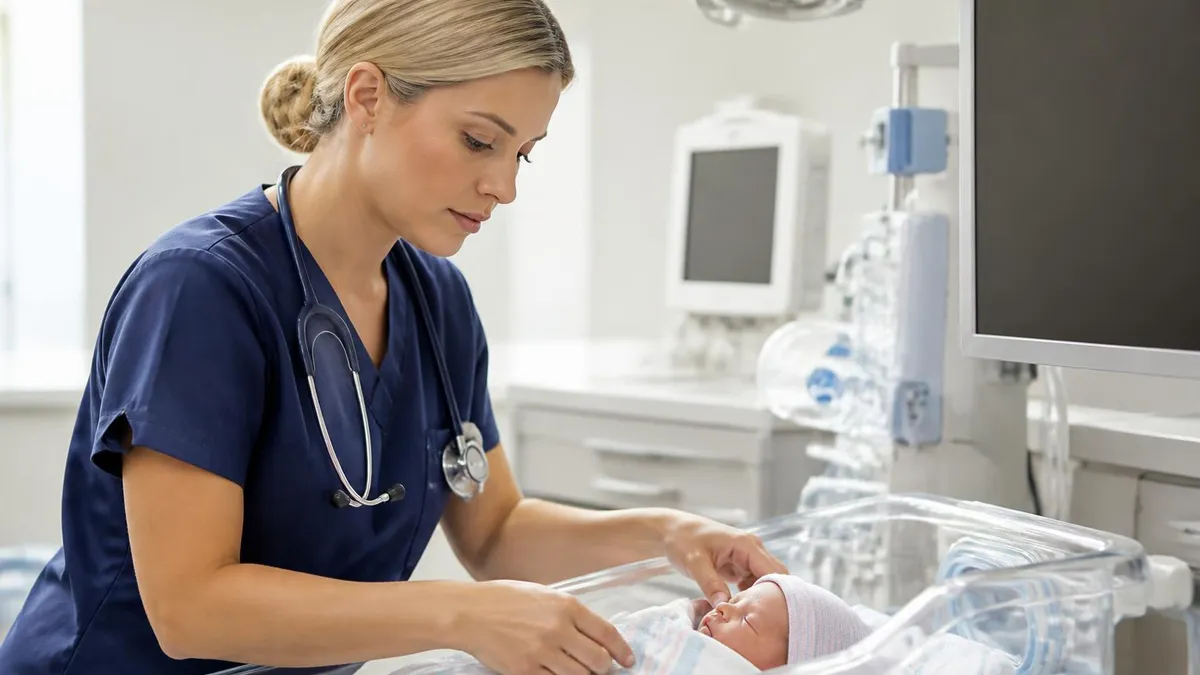
The Commission on Collegiate Nursing Education is implementing updated accreditation standards effective fall 2026 that include enhanced requirements for clinical simulation integration and interprofessional education components. Students enrolling in online NP programs should verify that their chosen institution has received or is actively pursuing reaccreditation under the new standards to avoid potential disruptions to program status or certification eligibility upon graduation.
Financing your online nurse practitioner education requires a strategic approach that combines multiple funding sources to minimize long-term debt while maintaining your ability to focus on rigorous graduate coursework. The total cost of an online NP program varies dramatically based on whether you attend a public or private institution, your residency status, and the degree level you pursue. Public universities with in-state tuition rates typically offer the most affordable options, with total program costs ranging from twenty thousand to forty-five thousand dollars, while private universities can charge sixty thousand to over one hundred thousand dollars for comparable programs.
Federal financial aid remains the primary funding source for most graduate nursing students and should be your first step in building a comprehensive financing plan. Complete the Free Application for Federal Student Aid as early as possible to maximize your eligibility for federal direct unsubsidized loans, which offer fixed interest rates and income-driven repayment options after graduation. Graduate students can borrow up to twenty thousand five hundred dollars per academic year in direct unsubsidized loans, with additional funding available through Graduate PLUS loans for students who need to cover remaining costs beyond what standard loans provide.
Scholarship opportunities specifically targeted to nurse practitioner students are more abundant than many applicants realize, and a dedicated search effort can yield significant tuition reductions. National organizations such as the American Association of Nurse Practitioners, the National Black Nurses Association, and the Nurses Educational Funds offer competitive scholarships ranging from one thousand to ten thousand dollars per award cycle. State nursing associations, hospital foundations, and community organizations frequently offer additional scholarships with smaller applicant pools, increasing your chances of receiving funding for your graduate education.
Employer tuition reimbursement programs represent an often-underutilized funding source that can dramatically reduce your out-of-pocket costs for NP education. Many hospitals, health systems, and large clinical employers offer tuition assistance benefits ranging from two thousand to ten thousand dollars per year for employees pursuing advanced degrees in nursing. Some organizations provide full tuition coverage in exchange for a work commitment of two to four years after graduation, which can eliminate student loan debt entirely while guaranteeing employment in a familiar healthcare setting upon completing your program.
Loan repayment programs offered through federal and state agencies provide powerful incentives for nurse practitioners who commit to practicing in medically underserved areas after graduation. The National Health Service Corps Loan Repayment Program offers up to fifty thousand dollars in student loan repayment for NPs who complete a two-year service commitment at an approved site in a Health Professional Shortage Area. Many states operate similar programs with additional funding, and combining federal and state loan repayment benefits can eliminate over one hundred thousand dollars in educational debt over several years.
Tax benefits available to graduate students can further offset the cost of online NP education and should be factored into your overall financial planning. The Lifetime Learning Credit provides a tax credit of up to two thousand dollars per year for qualified tuition and education expenses. Additionally, student loan interest payments of up to two thousand five hundred dollars per year are tax-deductible, and employer-provided tuition assistance up to fifty-two hundred fifty dollars annually is excluded from taxable income under current federal tax law, providing additional financial relief during your years of graduate study.
Creating a detailed budget that accounts for both direct educational costs and indirect expenses will help you avoid financial surprises throughout your online NP program. Beyond tuition and fees, budget for required textbooks and course materials averaging five hundred to one thousand dollars per semester, technology requirements such as a reliable laptop and high-speed internet, professional liability insurance for clinical rotations, certification exam fees of approximately three hundred to four hundred dollars, and state licensure application costs that vary by jurisdiction but typically range from one hundred to three hundred dollars per state.
Preparing for national certification examinations should begin well before you complete your final semester of online NP coursework, as a structured study plan significantly improves first-time pass rates and reduces the anxiety associated with high-stakes testing. The two primary certification bodies for nurse practitioners are the American Academy of Nurse Practitioners Certification Board and the American Nurses Credentialing Center, each offering specialty-specific exams that are required for state APRN licensure. Understanding the format, content domains, and scoring methodology of your target exam will allow you to allocate study time effectively across all tested areas.
Most certification exams consist of between 150 and 200 multiple-choice questions administered over a three to four hour testing window at computerized testing centers nationwide. Questions are designed to assess clinical decision-making rather than simple factual recall, presenting complex patient scenarios that require you to synthesize information from history, physical examination, and diagnostic findings to arrive at the most appropriate diagnosis or management plan. Practice with questions formatted in this clinical scenario style is essential for developing the test-taking strategies and cognitive stamina needed to perform well on exam day.
Developing a structured study schedule that spans eight to twelve weeks before your exam date is considered optimal for most NP graduates balancing preparation with other professional and personal obligations. Divide your study time proportionally across the major content domains weighted on your specific certification exam, dedicating more hours to areas where you feel less confident or where your clinical rotation experience was more limited. Include regular practice test sessions that simulate actual exam conditions, including timed sections and no reference materials, to build endurance and identify knowledge gaps early enough to address them.
Review courses and comprehensive study resources designed specifically for NP certification exams can provide structured frameworks that supplement your graduate coursework and clinical experience. Popular options include the Fitzgerald Health Education Associates review course, Barkley and Associates certification review, and the Leik review book series, each offering different approaches to content review and test preparation. Many students find that combining a live or recorded review course with a dedicated question bank practice platform produces the strongest results and highest first-attempt pass rates on their certification examination.
Clinical pharmacology consistently ranks as one of the most challenging content areas on NP certification exams and deserves special attention in your study plan regardless of specialty track. You should be prepared to identify appropriate medications for common conditions, calculate dosing adjustments for special populations such as pediatric and geriatric patients, recognize significant drug interactions, and understand pharmacokinetic principles that influence prescribing decisions. Creating organized drug reference sheets organized by medication class can help you review and retain the extensive pharmacological knowledge tested on every NP certification exam.
After passing your certification exam, the state licensure application process represents the final administrative step before you can begin practicing as a nurse practitioner. Requirements vary by state but generally include submitting proof of graduation from an accredited program, certification verification from AANPCB or ANCC, a completed application with fees, background check clearance, and in some states a collaborative practice agreement with a supervising physician. Processing times range from two weeks to three months depending on the state, so submit your application promptly after receiving your certification results to minimize delays.
Continuing education requirements for maintaining both national certification and state licensure are ongoing obligations that begin as soon as you receive your credentials and continue throughout your entire career. Most certification bodies require between seventy-five and one hundred continuing education hours per five-year renewal cycle, including pharmacology-specific hours. State requirements may differ from certification requirements, so familiarize yourself with both sets of obligations and develop a systematic approach to tracking and completing required education hours annually rather than scrambling to accumulate them near your renewal deadline each cycle.
NP Questions and Answers
Nurse Practitioner Jobs by State: Florida, Texas, California, and Beyond — A Complete 2026 Guide

Nurse Practitioner Day: Honoring NPs and Celebrating the Profession in 2026

Mental Health Nurse Practitioner Salary: 2026 Pay, Bonuses, Setting Breakdowns, and How to Earn More as a PMHNP

VA Nurse Practitioner Jobs: Complete 2026 Guide to Veterans Affairs NP Careers, Salary, and Application Process
Nurse Practitioner Specialties: Complete 2026 Guide to Every NP Track
About the Author

Registered Nurse & Healthcare Educator
Johns Hopkins University School of NursingDr. Sarah Mitchell is a board-certified registered nurse with over 15 years of clinical and academic experience. She completed her PhD in Nursing Science at Johns Hopkins University and has taught NCLEX preparation and clinical skills courses for nursing students across the United States. Her research focuses on evidence-based exam preparation strategies for healthcare certification candidates.