
Makeup Artist Techniques: Essential Skills and Methods Every Pro MUA Must Master
Learn essential makeup artist techniques used by professionals. 🔎 Discover pro tips for contouring, color theory, and building a successful MUA career.
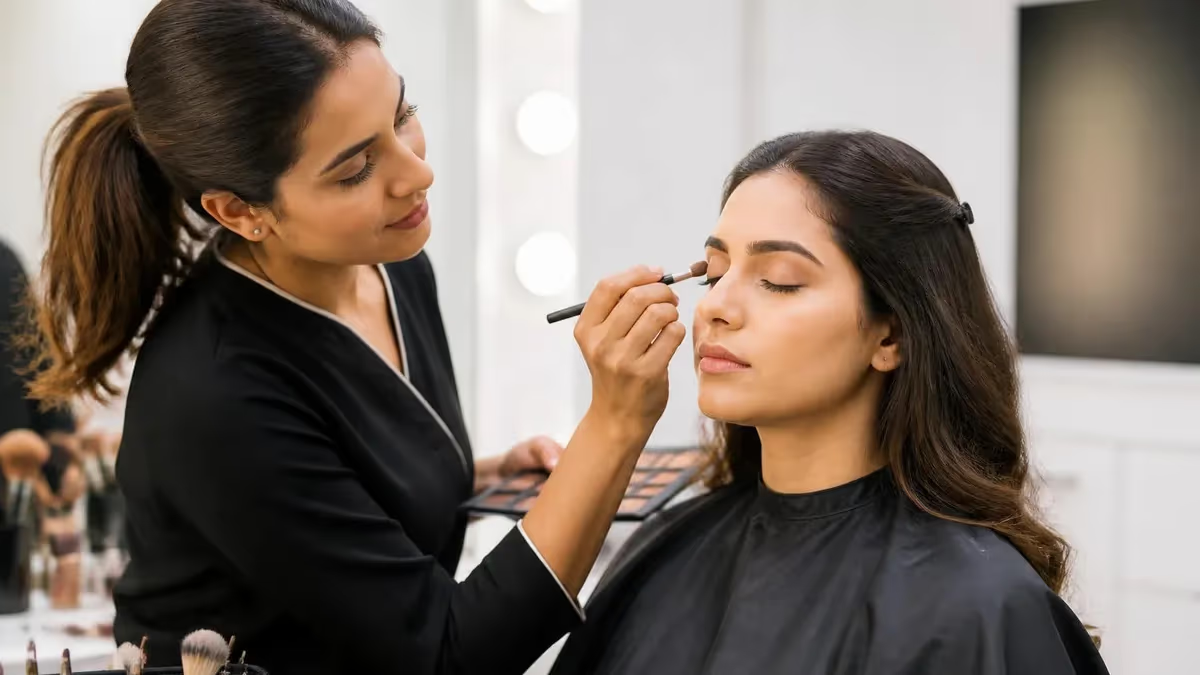
Mastering makeup artist techniques is the single most important factor that separates working professionals from hobbyists in the beauty industry. Whether you are a seasoned makeup artist looking to refine your craft or a newcomer eager to build a portfolio, understanding foundational and advanced techniques gives you the creative vocabulary needed to serve every client confidently. From flawless skin preparation to dramatic editorial looks, the techniques you practice daily define your reputation and earning potential in a competitive field that continues to grow each year across the United States.
If you have been searching for a makeup artist near me to learn from or collaborate with, you already know that technical skill is what clients evaluate first. The beauty services market in the US surpassed twelve billion dollars in 2025, and demand for highly skilled makeup artists continues to climb. Wedding seasons, film productions, editorial shoots, and social media content creation all require professionals who can adapt their technique to different skin types, lighting conditions, and creative briefs without hesitation or rework.
Color theory stands at the foundation of every technique a makeup artist employs. Understanding the color wheel, complementary shades, and undertone analysis allows you to select products that enhance natural features rather than mask them. A professional who grasps warm versus cool undertones can match foundation flawlessly, create eyeshadow palettes that make eye color pop, and choose blush and lip shades that harmonize with overall skin tone rather than competing against it.
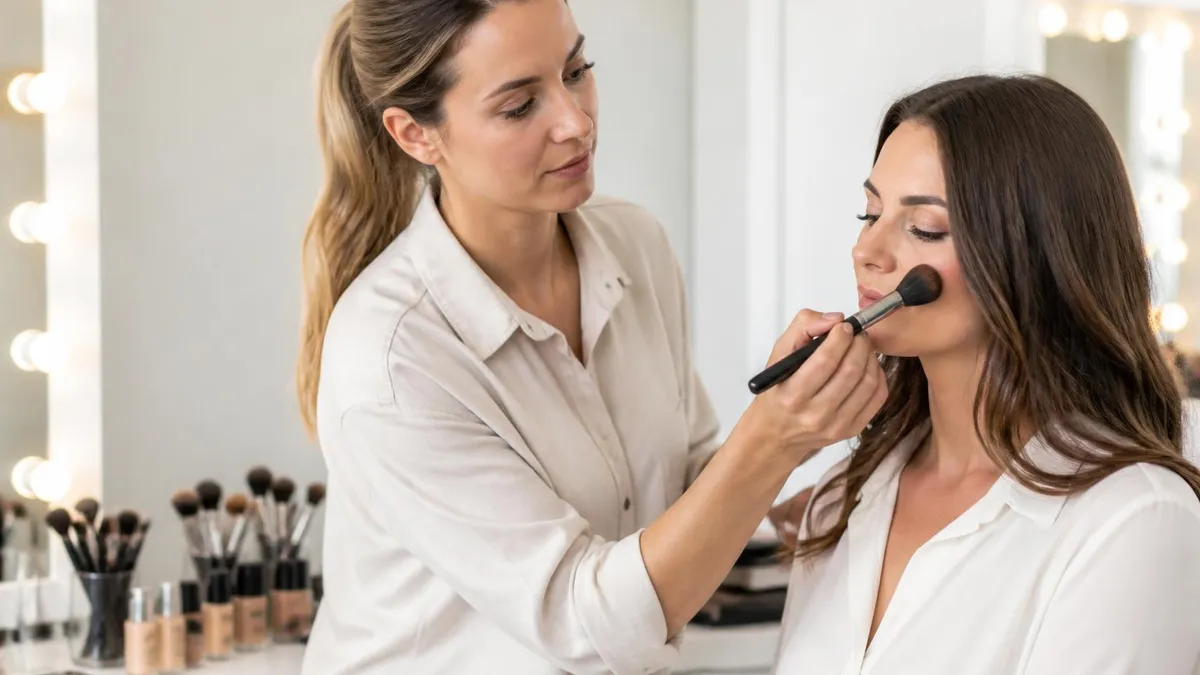
Contouring and highlighting techniques have evolved dramatically over the past decade, moving from heavy Instagram-style sculpting toward softer, skin-like finishes that translate well on camera and in person. Modern contouring uses cream and liquid products blended with damp sponges or dense brushes to create dimensional illusions that reshape facial features subtly. Learning where to place shadow and light based on individual bone structure rather than following a one-size-fits-all diagram is what distinguishes a trained artist from an amateur.
Eye makeup techniques represent another core competency that requires extensive practice. Blending eyeshadow seamlessly, creating crisp winged liner, applying individual lashes with precision, and cutting creases for editorial drama all demand steady hands and an understanding of eye shapes. A professional makeup artist adapts these techniques based on whether the client has hooded eyes, monolids, deep-set eyes, or prominent brow bones, ensuring flattering results every time regardless of facial anatomy.
Skin preparation techniques form the invisible backbone of every stunning makeup application. Professional artists invest significant time in cleansing, exfoliating, priming, and hydrating skin before any color product touches the face. This preparation ensures longer wear time, smoother product application, and a more natural finish that photographs beautifully under any lighting condition. Skipping proper prep is the number one mistake that leads to cakey, patchy, or short-lived makeup results.
Mastering these makeup artist techniques ultimately determines your career trajectory, client satisfaction rates, and ability to command premium pricing in your local market. Professionals who continually invest in learning new methods, practicing on diverse skin types, and staying current with industry trends position themselves for long-term success whether they work freelance, in salons, on film sets, or in the booming bridal industry that generates billions in annual revenue across the country.
Makeup Artist Techniques by the Numbers
Core Technique Development Timeline
Foundation Matching and Application
Eye Makeup Fundamentals
Contouring and Sculpting
Bridal and Event Techniques
Editorial and Creative Methods
Specialization and Portfolio Building
Advanced application methods separate competent makeup artists from truly exceptional ones who command top-tier pricing and attract high-profile clients. Once you have mastered foundational techniques like blending, color matching, and basic contouring, the next phase involves developing signature methods that deliver consistently stunning results across varied conditions. Working as a makeup artist and creative professional in major markets demands this improved skill set because competition is fierce and clients expect perfection on the first attempt.
Airbrush application represents one of the most sought-after advanced techniques in the professional makeup artist toolkit. Using specialized equipment that atomizes liquid foundation into a fine mist, airbrush artists can create impossibly smooth, flawless skin that photographs like porcelain. The technique requires understanding air pressure settings, proper distance from the skin, layering methods for building coverage, and maintenance procedures that keep expensive equipment performing optimally throughout demanding twelve-hour shoot days.
Cream product sculpting has largely replaced the powder-heavy contouring methods that dominated social media tutorials in previous years. Professional makeup artists now work primarily with cream contour sticks, liquid highlighters, and emollient blushes that melt into skin for a dimensional finish that looks natural rather than painted. This technique demands rapid blending before products set, precise placement based on individual bone structure, and layering skills that build intensity without disturbing underlying base products already applied.
Color correction techniques address specific skin concerns before foundation application, creating a neutral canvas that requires less coverage overall. Using color theory principles, artists apply green correctors to neutralize redness, peach tones to counteract dark circles on lighter skin, and orange correctors to cancel hyperpigmentation on deeper complexions. Mastering color correction reduces the amount of foundation needed, resulting in a more natural, skin-like finish that clients increasingly demand from professional makeup artists.
Texture management techniques have become essential as the industry moves toward natural, skin-positive aesthetics that celebrate rather than conceal the complexion. Professional artists now use targeted concealing methods that address specific imperfections without blanketing the entire face in heavy product. Techniques like stippling concealer onto blemishes, using thin layers of product on textured areas, and strategic powder placement only where needed create polished results while maintaining visible skin texture that reads as authentic.
Lip techniques extend beyond simple color application to include reshaping, gradient effects, and long-wear methods that survive meals and drinks. Professional artists use lip liners to subtly adjust lip shape, overline strategically for fullness, create ombre effects that add dimension, and apply specialized sealants that lock color in place for hours. Korean-inspired gradient lip techniques and precise cupid's bow definition have become standard skills that clients expect from any competent working professional.
Lash application methods vary dramatically depending on the desired effect and client comfort level. Individual lash clusters create a natural, customized look that fills gaps without appearing obviously false. Strip lashes deliver more dramatic impact suitable for events and photography. Professional artists must master adhesive application timing, precise placement along the lash line, blending false lashes with natural ones using mascara, and removing lashes safely without pulling natural lash hairs or irritating delicate eyelid skin.
MUA Practice Test Questions
Prepare for the MUA - Makeup Artist exam with our free practice test modules. Each quiz covers key topics to help you pass on your first try.
MUA Makeup Artist MCQ
MUA Exam Questions covering Makeup Artist MCQ. Master MUA Test concepts for certification prep.
MUA Makeup Artist
Free MUA Practice Test featuring Makeup Artist. Improve your MUA Exam score with mock test prep.
MUA Professional Makeup Artist
MUA Mock Exam on Professional Makeup Artist. MUA Study Guide questions to pass on your first try.
MUA Bridal & Special Occasion Makeup
MUA Test Prep for Bridal & Special Occasion Makeup. Practice MUA Quiz questions and boost your score.
MUA Color Theory & Skin Tone Analysis
MUA Questions and Answers on Color Theory & Skin Tone Analysis. Free MUA practice for exam readiness.
MUA Product Knowledge & Cosmetic Ingredients
MUA Mock Test covering Product Knowledge & Cosmetic Ingredients. Online MUA Test practice with instant feedback.
Makeup Artists: Techniques by Specialization
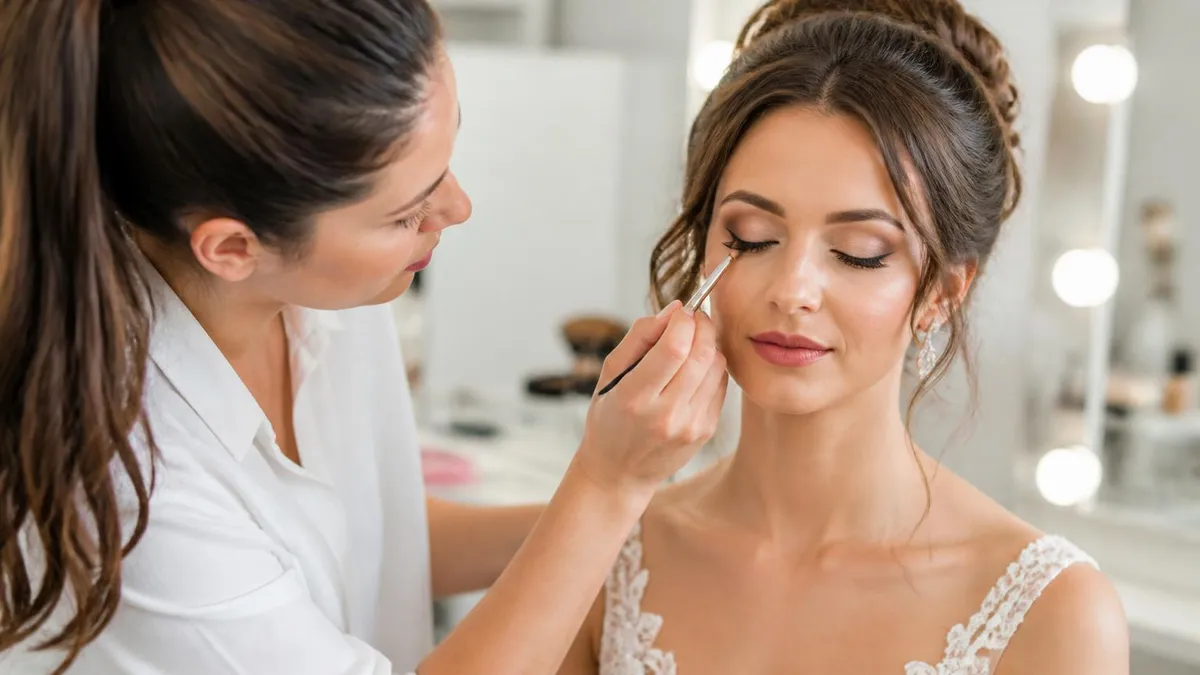
Bridal makeup techniques prioritize longevity, photograph-readiness, and emotional durability above all else. Professional wedding makeup artists use waterproof formulas, setting sprays with polymers that resist humidity and tears, and layering methods that build coverage gradually without appearing heavy. Every product choice considers the twelve-plus-hour wear time from morning preparation through late-night reception dancing, ensuring the bride looks flawless in both flash photography and natural outdoor lighting throughout the entire celebration day.
Event makeup artists must also master quick-change techniques for fashion shows, theatrical performances, and multi-look editorial shoots where time between applications is extremely limited. Building a systematic workflow that moves efficiently from skin prep through eyes, complexion, and lips reduces application time without sacrificing quality. Professional bridal artists typically charge between two hundred and eight hundred dollars per application because the techniques involved require specialized training that general cosmetology programs rarely cover in sufficient depth.
Self-Taught vs. Formally Trained Makeup Artists
- +Self-taught artists develop unique creative approaches not constrained by traditional curriculum standards
- +Online tutorials and practice allow flexible scheduling around existing work or family commitments
- +Lower upfront investment compared to cosmetology school tuition ranging from five thousand to twenty thousand dollars
- +Freedom to specialize immediately in areas of personal interest without completing unrelated coursework
- +Portfolio-based hiring in many markets values demonstrated skill over formal educational credentials
- +Social media platforms provide free exposure and client acquisition without requiring school placement services
- −Lack of structured curriculum may result in fundamental technique gaps that are difficult to identify independently
- −No hands-on instructor feedback means mistakes can become ingrained habits requiring costly correction later
- −Many states require cosmetology licenses for paid work regardless of demonstrated skill level or portfolio quality
- −Networking opportunities and industry connections from school programs are difficult to replicate independently
- −Insurance providers and high-end venues often require proof of formal training for liability coverage purposes
- −Advanced techniques like airbrush, prosthetics, and color correction are difficult to master without guided instruction
Essential Makeup Artist Techniques Mastery Checklist
- ✓Practice shade matching on at least twenty different skin tones using multiple foundation brands and formulas.
- ✓Master three distinct contouring methods including cream sculpting, powder contour, and draping techniques.
- ✓Complete at least fifty full-face applications on diverse clients before seeking professional employment.
- ✓Learn proper sanitation protocols including brush cleaning frequency, product decanting, and single-use applicator usage.
- ✓Develop speed by timing applications and working to reduce full-face completion time below forty-five minutes.
- ✓Build proficiency with both natural and dramatic eye looks including cut creases, smokey eyes, and graphic liner.
- ✓Practice lash application until you can place strip and individual lashes within two minutes per eye consistently.
- ✓Study facial anatomy and bone structure to customize placement for different face shapes and feature proportions.
- ✓Create detailed face charts documenting your work for portfolio building and client consultation reference purposes.
- ✓Master at least two lip techniques beyond basic application including ombre lips and long-wear sealing methods.
The 10,000-Hour Benchmark for Professional Mastery
Industry research consistently shows that makeup artists who log over ten thousand hours of deliberate practice across diverse client types achieve significantly higher client satisfaction scores and earn forty percent more than peers with fewer practice hours. Focused repetition on specific techniques—not just casual application—drives the neural pathway development required for the speed and precision that professional settings demand.
Building a strong technique portfolio requires strategic documentation of your work across multiple categories and client types. Professional makeup artists understand that their portfolio functions as their primary sales tool, demonstrating technical range, consistency, and artistic vision to potential clients and employers. Every application you complete represents a portfolio opportunity when photographed properly under controlled lighting conditions that accurately represent your work without misleading filters or heavy photo editing.
Portfolio photography for makeup artists demands understanding of lighting setups that showcase your technique accurately. Ring lights provide even, shadow-free illumination ideal for beauty close-ups. Side lighting reveals dimension created through contouring and highlighting. Natural window light produces the most flattering, realistic representation of skin texture and color accuracy. Investing in basic photography skills or collaborating regularly with photographers ensures your technical abilities translate accurately into portfolio images that win client confidence.
Categorizing your portfolio work strategically demonstrates versatility while allowing potential clients to find relevant examples quickly. Create distinct sections for bridal work, editorial looks, natural beauty applications, dramatic evening looks, and any specializations you have developed. Within each category, include examples across different skin tones, age groups, and face shapes to prove your techniques adapt successfully to diverse clientele rather than only working on one particular demographic.
Before-and-after documentation provides compelling evidence of your technical skill that words alone cannot communicate. Photograph clients in identical lighting and positioning before any products are applied, then capture the completed look from the same angles. These comparisons showcase your ability to enhance natural features, correct skin concerns, and create significant results while maintaining a natural, polished appearance that flatters rather than masks individual beauty.
Digital portfolio platforms have become essential for modern makeup artists seeking visibility in competitive markets. Dedicated portfolio websites, Instagram grids curated for visual cohesion, and platforms like Behance or The Dots allow potential clients to browse your work conveniently. Maintaining consistent posting schedules with high-quality imagery keeps your work visible in algorithmic feeds and demonstrates active professional engagement that reassures clients you remain current with evolving techniques and trends.
Client testimonials paired with portfolio images add credibility that visual evidence alone cannot provide. When satisfied clients describe their experience working with you—mentioning your professionalism, technique explanation, comfort during application, and final result satisfaction—potential clients gain confidence in booking your services. Request written reviews or video testimonials after every session and display them prominently alongside corresponding portfolio images for maximum persuasive impact.
Collaborative creative shoots with photographers, hairstylists, and models provide opportunities to produce portfolio content that showcases your most ambitious technical work without client constraints. These test shoots allow experimentation with advanced techniques, editorial concepts, and creative risks that paying clients might not request. Schedule regular creative collaborations to continuously expand your portfolio range and push your technical boundaries beyond the commercial work that pays your bills.
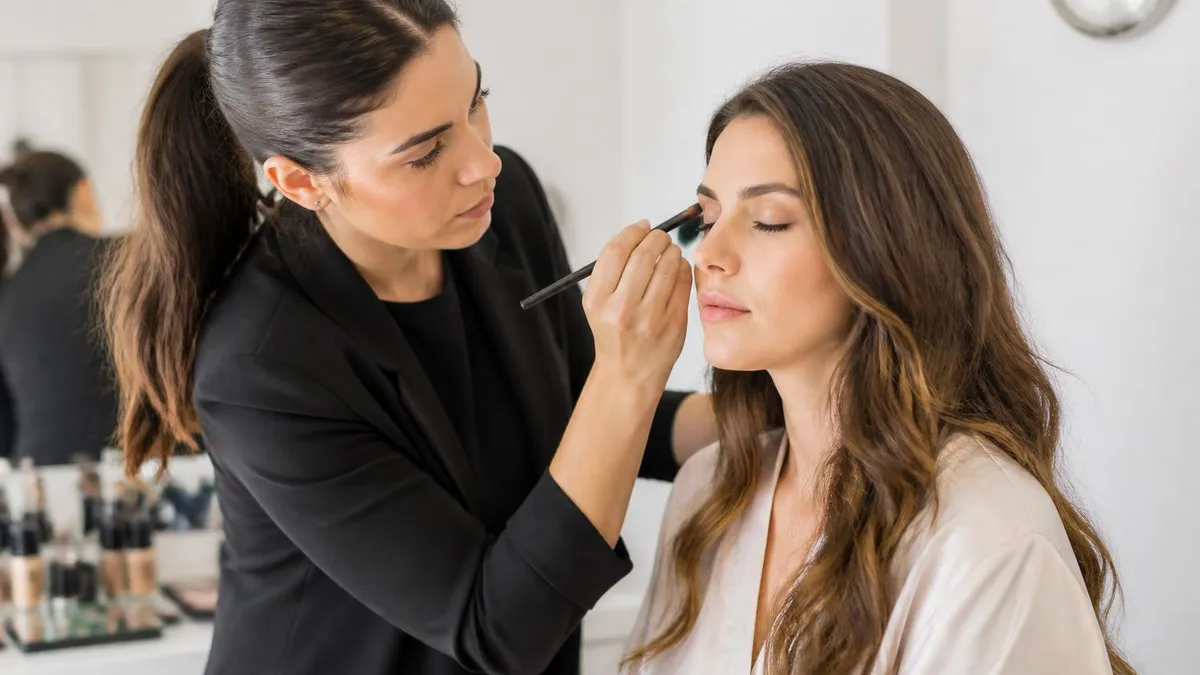
Most US states require a valid cosmetology or esthetician license to perform makeup services for compensation. Technique mastery alone does not satisfy legal requirements—verify your state's specific licensing mandates before accepting paid work. Penalties for unlicensed practice can include fines exceeding one thousand dollars and permanent barriers to future licensure.
Digital age techniques and evolving trends have transformed how makeup artists learn, practice, and deliver their services in ways unimaginable just a decade ago. The integration of technology into traditional beauty techniques creates opportunities for artists who embrace innovation while maintaining the foundational hand skills that no app or device can replace. Understanding how to use digital tools alongside physical technique gives modern makeup artists a significant competitive advantage in markets where clients expect both artistry and technological sophistication from their chosen artist makeup artist professional.
Virtual consultation techniques have become standard practice for makeup artists serving bridal clients, destination events, and remote celebrity clientele. Using video calls to assess skin conditions, discuss preferences, analyze facial features, and plan product selections before the actual appointment day reduces application time and increases client satisfaction. Artists who master virtual communication skills can serve clients across geographic boundaries, expanding their market reach beyond the traditional radius limitation of in-person-only services.
Social media content creation techniques now function as essential marketing skills for independent makeup artists. Understanding how to film application tutorials, capture time-lapse transformation videos, create engaging before-and-after content, and write educational captions drives organic client acquisition without advertising costs. Artists who combine technical excellence with content creation skills build personal brands that generate consistent booking inquiries through platform algorithms rather than relying solely on word-of-mouth referrals.
Augmented reality try-on technology has begun influencing client consultations, with apps allowing customers to preview different looks before committing to a specific style. Professional makeup artists who understand these tools can use them during consultations to align expectations, demonstrate technique possibilities, and close bookings by showing clients exactly how they will look. This technology reduces revision requests and increases client confidence in the artist's vision for their specific features.
Sustainability techniques address growing client demand for eco-conscious beauty practices. Modern makeup artists are adopting reusable applicator systems, choosing brands with refillable packaging, minimizing single-use products where sanitation protocols allow, and selecting formulas with cleaner ingredient profiles. Communicating your sustainability practices to environmentally conscious clients differentiates your services in markets where multiple qualified artists compete for the same bookings.
Inclusive technique development ensures your services welcome clients across the full spectrum of gender identities, skin tones, abilities, and age groups. Progressive makeup artists invest in learning techniques specific to mature skin, darker complexions historically underserved by mainstream beauty education, transgender clients seeking feminization or masculinization effects, and individuals with skin conditions like vitiligo, rosacea, or acne scarring that require specialized approach and product knowledge.
Continuing education through masterclasses, industry conferences, brand training programs, and online certification courses keeps your techniques current as products evolve and trends shift. The most successful makeup artists dedicate at least twenty hours monthly to skill development, whether through formal education, practice sessions on willing models, or studying the work of artists they admire. This commitment to perpetual growth separates thriving careers from those that plateau after initial success.
Practical application tips can accelerate your technique development far more effectively than passive study alone. Every professional makeup artist who achieves mastery-level skill has developed specific practice habits, workspace configurations, and mindset approaches that support consistent improvement over time. Implementing these proven strategies into your daily routine transforms sporadic progress into measurable skill advancement that clients notice and reward with repeat bookings and enthusiastic referrals to their networks.
Deliberate practice sessions structured around specific technique challenges produce faster improvement than general application practice. Instead of completing random full-face looks, dedicate entire sessions to single techniques—spend one hour perfecting winged liner on different eye shapes, another session mastering seamless eyeshadow blending with various brush types, and separate practice blocks for contouring techniques on diverse face shapes. This targeted approach builds muscle memory more efficiently than unfocused repetition.
Lighting experimentation during practice sessions prepares you for the varied conditions encountered during professional work. Practice applying makeup under warm tungsten bulbs, cool fluorescent lighting, harsh overhead fixtures, and natural daylight from different angles. Understanding how each lighting condition affects color perception, shadow visibility, and product appearance ensures your technique delivers consistent results regardless of the environment where clients will be seen after leaving your chair.
Product knowledge directly enhances technique execution because understanding formula behaviors allows you to select optimal tools and methods for each application step. Test new products extensively before using them on clients—note how foundations oxidize over time on different skin types, how various setting powders interact with cream products underneath, and which primer and foundation combinations create the smoothest canvas. This research prevents embarrassing on-client discoveries that damage your professional reputation.
Speed development comes naturally through repetition but can be accelerated by timing yourself during practice sessions and identifying bottlenecks that slow your workflow. Most artists find that eye makeup consumes disproportionate application time, making this area particularly valuable for efficiency practice. Developing consistent brush loading habits, standardized blending sequences, and muscle memory for liner application reduces per-client time without sacrificing quality, ultimately allowing you to book more appointments per day.
Client communication techniques deserve practice alongside physical application skills because managing expectations, explaining your process, and guiding nervous clients through their experience significantly impacts satisfaction outcomes. Practice describing what you are doing and why during applications, asking clarifying questions about preferences without overwhelming clients with choices, and diplomatically redirecting requests that would produce unflattering results. These soft skills complement technical excellence to create memorable client experiences.
Investing in quality tools and maintaining them properly supports technique execution in ways that inferior equipment cannot replicate. Professional-grade brushes with appropriate fiber density, well-maintained sponges replaced frequently, sanitized palettes organized for efficient workflow, and proper storage that protects bristle shape all contribute to cleaner, more precise application. Budget constraints are real for emerging artists, but strategically prioritizing key tools—particularly blending brushes and foundation applicators—yields immediate technique improvement that justifies the investment.
MUA Questions and Answers

About the Author
Licensed Cosmetologist & Beauty Licensing Exam Specialist
Paul Mitchell SchoolsMichelle Santos is a licensed cosmetologist with a Bachelor of Science in Esthetics and Salon Management from Paul Mitchell School. She has 16 years of salon industry experience and 8 years preparing students for state cosmetology board exams in theory, practical skills, and sanitation. She specializes in licensure preparation for cosmetologists, estheticians, and nail technicians.
Join the Discussion
Connect with other students preparing for this exam. Share tips, ask questions, and get advice from people who have been there.
View discussion (7 replies)