
Colorado Hair and Makeup Artist: Pricing, Licensing, and How to Find the Right Pro
🎯 Colorado hair and makeup artist guide: pricing, licensing, bridal booking tips, and how to find or become a makeup artist near you in Denver and beyond.
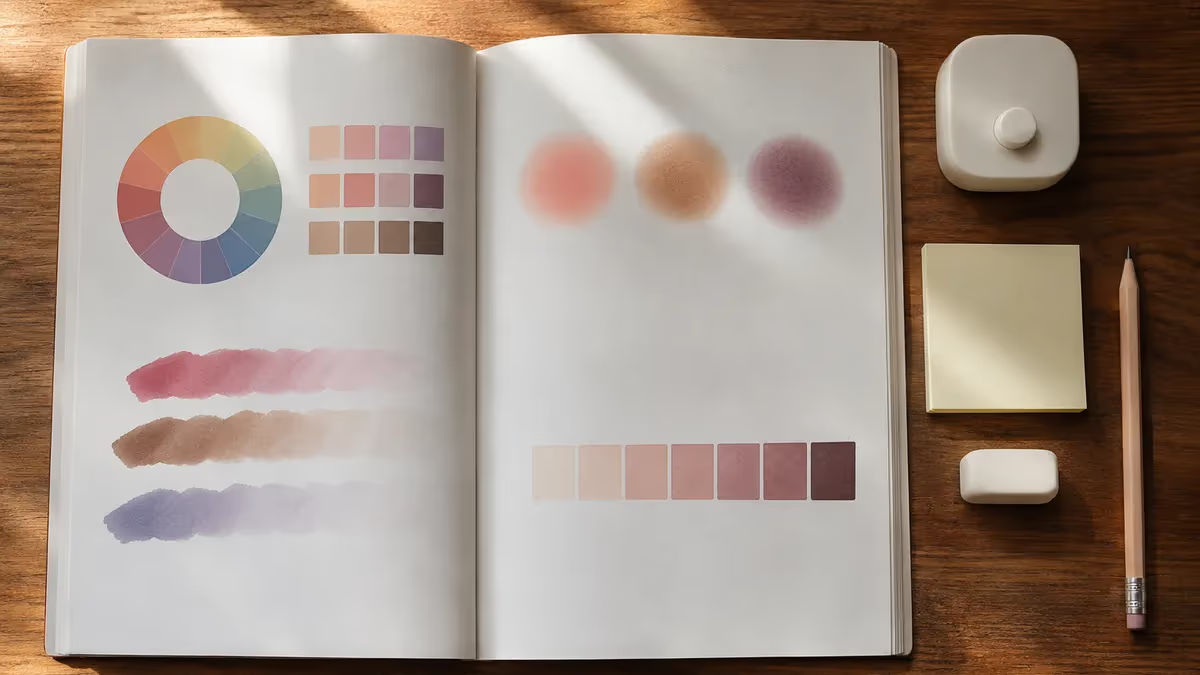
Searching for a makeup artist near me usually starts with a deadline: a wedding in six weeks, a photo shoot on Friday, or a prom season that books out early. In Colorado, the search has extra wrinkles because the state's dry, high-altitude climate changes how foundation wears, how lashes hold, and how hair behaves. A skilled Colorado hair and makeup artist plans for thin air, low humidity, and strong mountain sunlight before ever opening a kit. Practice with the free MUA - Makeup Artist practice test on PracticeTestGeeks (11 questions with answer explanations).
This guide is written for two audiences. Clients want to know what to expect, what to ask, and how to avoid a bad booking. Aspiring artists want to understand the licensing picture, the money, and the skills that separate a hobbyist from a working professional. Both groups benefit from the same fundamentals: color theory, skin prep, sanitation, timing, and clear communication. Knowing how a professional thinks makes it far easier to hire one or become one.
Colorado is a strong market for beauty work. Denver, Boulder, Colorado Springs, and Fort Collins support steady bridal, editorial, film, and event demand, while mountain towns like Aspen, Vail, and Breckenridge fuel destination weddings with premium rates. Seasonality matters, too. Summer and early fall are peak wedding months, and holiday party season creates a smaller second wave. Artists who understand these cycles price smarter, and clients who book early get better dates and more flexible trial appointments.
Many people assume anyone with a nice brush set can work professionally, but the reality is more layered. Makeup application, hair styling, and skincare services can fall under different rules, and the details depend on which services you actually perform. Colorado handles beauty licensing through its Division of Professions and Occupations, so always confirm current requirements before taking paid work. If you want to see how a makeup artist for bride clients builds a steady book of business, our jobs guide breaks down pay and training.
Names matter in this industry. People search for celebrity artists, brand ambassadors, and local favorites, and queries such as lori anne allison makeup artist show how often clients look up a specific professional before they book. The lesson for newcomers is that reputation is portable. A strong portfolio, consistent reviews, and a recognizable style let clients find you by name, not only through a generic makeup artists near me search. Build that reputation deliberately from your very first paid job.
Hair and makeup are often sold together because wedding-day timing is tight. A bride with a ten o'clock ceremony needs hair finished first, makeup second, and photos by noon. A single artist who handles both services can save the client real coordination headaches, though larger parties usually need a team. Colorado teams typically split roles, with one lead managing makeup and another handling updos, curls, and braids, so everyone is camera-ready and on schedule.
Throughout this article you will find pricing ranges, a practical vetting checklist, a licensing overview, and prep advice for practice tests. Use the quizzes to check your knowledge of sanitation, color matching, and bridal technique. Whether you are hiring for a once-in-a-lifetime event or building a career behind the chair, the goal is the same: understand the craft well enough to make confident, informed decisions about the people and products you trust with a face.
You can continue preparing with the do you tip makeup artist, which includes answer explanations for every question.
Free MUA - Makeup Artist Study Tools
Interactive MUA - Makeup Artist resources on PracticeTestGeeks, free to start:
- Free Makeup Artist Questions and Answers — 11 questions with instant scoring and answer explanations
- MUA - Makeup Artist flashcards — review key terms and concepts card by card
- MUA - Makeup Artist study guide — topic-by-topic overview of what the exam covers
- MUA - Makeup Artist cheat sheet — one-page printable summary for last-minute review

Colorado Hair and Makeup Artist Work by the Numbers
Services a Colorado Hair and Makeup Artist Offers
The core service for many Colorado artists. It includes a trial run, wedding-day application for the bride and party, and long-wear techniques built for outdoor ceremonies, photography, and dry mountain air.
Day-rate work for photographers, brands, and local agencies. Artists create looks to a creative brief, keep skin camera-ready between setups, and coordinate with stylists and lighting teams on set.
Shorter appointments for proms, galas, graduations, and holiday parties. Clients usually want polished, comfortable looks that last several hours, so speed and accurate color matching matter most.
Stage, film, Halloween, and drag artist makeup call for bold color, heavy coverage, and durable products. This specialty rewards strong contouring skills and a deep understanding of how stage lighting changes pigment.
Colorado Hair and Makeup Artist Pricing and Booking
Pricing varies widely across Colorado. In Denver and Boulder, bridal makeup commonly runs $125 to $300 per person, and hair styling lands in a similar range. Destination weddings in Aspen or Vail often add travel fees, early-morning surcharges, and minimum party sizes. Editorial and commercial day rates can run $400 to $1,200 depending on usage and experience. Treat these as typical ranges, not guarantees, because every artist sets rates by training, demand, and kit costs.
To understand what drives those numbers, read our breakdown of makeup artist makeup pricing, which covers trials, travel, and add-ons. The short version is that you pay for expertise, insurance, sanitation supplies, and reserved time, not just product. A premium foundation and a full brush set are a small part of the cost compared with the years of practice behind a flawless, photo-ready application that survives hours of dancing.
Booking lead time is the factor clients underestimate most. Popular Colorado artists often fill Saturdays in June, July, September, and October a year ahead. Plan to inquire six to twelve months before a wedding and three to four weeks before a smaller event. Most artists require a signed contract and a non-refundable deposit, commonly 25 to 50 percent, to hold the date. The remaining balance is usually due on or before the day.
A trial appointment is the best money you will spend. Trials commonly cost $75 to $150 and let you test foundation shades under natural light, confirm lash comfort, and practice the hairstyle with your veil or accessories. Bring inspiration photos, but also bring honest notes about your skin, such as dryness, sensitivity, or breakouts. A good artist will adjust the plan, explain why, and take photos so the wedding-day look is repeatable.
Add-ons can change the final invoice quickly. Common extras include false lash application, airbrush foundation, mother-of-the-bride services, flower girl styling, and on-site touch-up time during photos. Many artists offer a small touch-up kit with blotting papers, lipstick, and powder instead of staying the whole day. Ask for an itemized quote that lists every service, per-person pricing, travel charges, and any parking or early-start fees so there are no surprises at checkout.
A realistic timeline protects the whole day. Bridal makeup often takes 60 to 90 minutes, while bridesmaids need 30 to 45 minutes each, and hair takes about the same. A six-person party can need four to five hours with a single artist, or half that with two. Build in a 30-minute buffer for delays. Sending your photographer a finish-time estimate also helps them plan getting-ready shots without rushing the artist.
Cancellation and tipping policies deserve a quick conversation. Most contracts spell out what happens if the date changes, a party member drops out, or weather forces a venue move. Tipping is customary in the beauty industry, and many clients leave 15 to 20 percent for strong service, though it is optional. If you are happy, a written review and a tagged photo are worth just as much to a small business owner.
Makeup Artist and Hair Specialties: Which Fits Your Event?
Bridal work is the most requested specialty for any makeup artist wedding makeup booking. It combines a trial, a detailed timeline, and long-wear products that must look good in person and in photos. Colorado brides often choose natural, glowing skin with soft definition because outdoor light is unforgiving. Artists use hydrating primers, cream blush, and setting sprays so the finish stays fresh through a ceremony, portraits, and a late reception.
Expect a consultation covering your dress, venue, season, and photography style. Mountain weddings need wind-proof hair and warm-weather touch-ups, while ballroom events allow more dramatic lashes and lips. Professional bridal artists also manage the group, keeping the schedule on track and calming nerves. If the artist can handle both hair and makeup, you gain a single point of contact and a smoother morning.

Freelance Artist or Salon Team: Which Is Better for You?
- +Freelance artists travel to your home, hotel, or venue
- +Personalized consultations and dedicated trial time
- +Flexible scheduling around ceremony and photography timelines
- +One artist often handles hair and makeup consistently
- +Portfolios and reviews are easy to compare directly
- +Pricing is often negotiable for larger parties
- −Popular freelancers book up a year ahead for peak dates
- −A single artist may need extra help for large bridal parties
- −Insurance and licensing vary and require your own checking
- −Travel fees apply for mountain and rural venues
- −No backup is available if the artist gets sick
- −Quality can vary more than in an established salon
Pros and Cons at a Glance
| Pros | Cons |
|---|---|
| Freelance artists travel to your home, hotel, or venue | Popular freelancers book up a year ahead for peak dates |
| Personalized consultations and dedicated trial time | A single artist may need extra help for large bridal parties |
| Flexible scheduling around ceremony and photography timelines | Insurance and licensing vary and require your own checking |
| One artist often handles hair and makeup consistently | Travel fees apply for mountain and rural venues |
| Portfolios and reviews are easy to compare directly | No backup is available if the artist gets sick |
| Pricing is often negotiable for larger parties | Quality can vary more than in an established salon |
Checklist for Hiring a Makeup Artist Near Me
- ✓Review a portfolio that matches your skin tone and desired style.
- ✓Read recent reviews on at least two separate platforms.
- ✓Confirm the artist is licensed where required and ask for proof.
- ✓Ask about liability insurance and venue requirements.
- ✓Book a trial at least four weeks before your event.
- ✓Request an itemized quote with travel, trial, and deposit details.
- ✓Sign a written contract that includes a cancellation policy.
- ✓Share your photographer's name and the event timeline.
- ✓Ask how the artist sanitizes brushes and palettes between clients.
- ✓Confirm hair and makeup start times, with a 30-minute buffer.
The trial is where bookings succeed or fail
A trial reveals shade accuracy, lash comfort, and chemistry long before the big day. Take photos in daylight and again with flash, because many foundations look different on camera. If something feels off, say so. A good Colorado artist will adjust the plan instead of defending it.
Makeup Techniques for Colorado's Dry, High-Altitude Climate
Denver sits a mile above sea level, and many Colorado venues are far higher. Thin air means lower humidity, stronger ultraviolet exposure, and faster evaporation from skin. Makeup that wears perfectly at sea level can crack, cling to dry patches, or fade in a few hours here. Professional artists adjust their product choices, application order, and finishing steps to account for these conditions, and they explain why before the wedding or shoot day arrives.
Skin prep carries more weight than any single product. A hydrating cleanser, a light serum with humectants like hyaluronic acid, and a moisturizer that fully absorbs create a smooth base. Artists often allow five to ten minutes between moisturizer and foundation. Exfoliating gently the week before the event, never the day of, removes flakes without irritation. Clients with sensitive skin should avoid trying new treatments in the final week.
Product texture is the next adjustment. Cream and liquid formulas generally outperform heavy powders in dry air, because powder can emphasize texture and settle into fine lines. Many artists build coverage in thin layers, press products into the skin with a sponge, and set only the areas that get shiny, such as the center of the face. A finishing mist can melt layers together and keep the face looking fresh rather than flat.
Sun protection matters for outdoor ceremonies, but there is one photography trap. Some sunscreens containing zinc oxide or titanium dioxide can cause a pale cast, called flashback, under flash photography. Professionals usually recommend applying sunscreen early, letting it settle, and testing the final look with a flash photo during the trial. Brides who plan an outdoor ceremony at altitude should also bring a lip balm with SPF for touch-ups between portraits.
Eyes and lashes behave differently in dry, windy conditions. Contact lens wearers often experience irritation, and tears can threaten mascara. Waterproof formulas and well-applied lash adhesive help, and many artists suggest strip lashes or individual clusters only after a trial confirms comfort. Tightlining with a waterproof pencil can add definition without heavy liner. Pack a small bottle of preservative-free eye drops, since they ease dryness without disturbing a carefully blended eye look.
Hair faces its own set of problems. Static is common in low humidity, and mountain winds can ruin a loose style within minutes. Stylists often prep with a light leave-in conditioner or anti-static spray, then build lasting texture with pins, flexible-hold spray, and braided bases. For outdoor ceremonies they lock the crown in place and leave face-framing pieces slightly longer so wind movement looks intentional. Clients should bring their veil, headpiece, and any accessories to the trial.
Temperature swings add another challenge. A morning ceremony in the mountains can start at 45 degrees and reach the seventies by the reception, so makeup must hold through both chilly and warm conditions. Blotting papers, a travel-size powder, and a lip color go in the clutch. Ask your artist for a short, written touch-up guide with product names, so a friend can refresh your look without smudging or over-applying.

Colorado requirements can differ depending on whether services involve hair styling, skincare, or makeup application alone. Check the Division of Professions and Occupations website for current rules, and ask any artist you hire for their license number. Rules change, so rely on the official source.
Licensing, Sanitation, and Professional Standards
Professional standards are what separate a trusted Colorado hair and makeup artist from a casual hobbyist. Licensing in the state is overseen through the Division of Professions and Occupations, part of the Department of Regulatory Agencies. Hair styling for pay typically falls under cosmetology rules, while skincare services such as waxing, facials, and lash services may be covered by esthetician rules. Makeup application alone can be treated differently, so confirm your situation with the state.
Aspiring professionals often study big names, and searches such as gucci westman makeup artist show how many people want to follow that path. Our wedding guide explains the realistic first steps: assisting established artists, building a portfolio, and earning trust locally before chasing national brands. Credentials, whether a state license, a certificate from a beauty school, or brand training, support your reputation but never replace consistent, high-quality work.
Sanitation is the core of safe practice. Eye infections, cold sores, and skin reactions can spread through shared products, so professionals follow strict routines. They use disposable applicators for mascara and lip products, scrape product onto a clean palette with a spatula rather than dipping a brush into the pot, and clean brushes between clients with a professional sanitizer. Hands are washed or sanitized before touching each new face.
Clients should feel free to ask about these practices. An artist who is proud of their process will explain it clearly, from how they sanitize airbrush tips to how they store pressed powders. Look for a visibly clean station, labeled spray bottles, sealed tools, and disposable sponges. If you see a double-dipped mascara wand or a brush used without cleaning between faces, treat that as a serious warning and consider canceling your booking.
Insurance protects both sides. Most professional artists carry general liability coverage, often starting at one million dollars per occurrence, and many venues require a certificate of insurance before vendors can work on site. Insurance helps cover an allergic reaction or accident, and it signals that the artist treats the work as a real business. Ask for proof of coverage when booking, particularly for large events or hotel and resort venues in mountain towns.
Running the business side matters just as much. Freelancers usually need a business registration, a sales tax license for taxable sales, and a bookkeeping system that tracks income, mileage, and supply costs. Colorado state sales tax is 2.9 percent, with local taxes added in many cities, so understanding what applies to services versus products helps avoid problems at filing time. A short consultation with an accountant is a smart early investment.
Finally, professionalism includes inclusivity and consent. Artists should stock a wide range of foundation shades and undertones, ask before touching hair or face, and respect religious, cultural, and personal preferences. Clear communication about allergies, medications, and skin conditions protects everyone. Artists who treat every client with respect often earn the strongest referrals, and referrals remain one of the most reliable sources of new bookings in the beauty industry.
Practical Tips Before You Hire, Train, or Test
If you are hiring, start your search early and use more than one source. Instagram portfolios show style, but Google reviews, wedding directories, and referrals from venues and photographers show reliability. Search both the term makeup artist and your city, then narrow by specialty. Message three to five artists, compare their responses, and note who answers clearly and quickly. Communication during the inquiry stage is usually a strong predictor of communication on the wedding morning.
Prepare your skin for at least a month before the event. Drink water, use a gentle routine, and avoid new products or aggressive treatments in the final two weeks. Schedule brow shaping, facials, and lash services well ahead of time, since redness and irritation take days to fade. Tell your artist about any skin conditions or allergies, and bring a list of products that have caused reactions in the past.
Create a simple inspiration folder with five to eight photos, including looks you love and a few you dislike. Artists learn a lot from what you do not want. Add a photo of your dress and accessories so the artist can balance neckline, hair, and color. Keep your expectations realistic; makeup enhances your features and cannot change bone structure or erase every blemish, but a skilled professional can produce a noticeably polished result.
If you are training to become an artist, build skills in a deliberate order. Start with skin analysis and color theory, then master foundation matching, eye shapes, and brow structure. Practice on a variety of faces and skin tones, not only your own. Photograph your work in natural and flash lighting, then review it critically. Join local workshops, assist working artists, and collect testimonials that you can use to build a professional website and portfolio.
Invest wisely in your kit. A starter professional kit can cost a few thousand dollars, but you can begin with versatile essentials: a wide range of foundation shades, concealers, neutral palettes, cream blush, brow products, mascara, lip colors, and clean, sanitary tools. Our guide to jane roe makeup artist style kits and tools shows how to prioritize. Buy fewer, better products first, and add specialty items only when clients ask for them.
For practice tests, treat each quiz as a diagnostic tool, not a verdict. Take a timed set, review every missed question, and write down the underlying concept, such as undertones, sanitation order, or bridal timeline. Repeat weak areas the next day, then retake the full set after a week. Studying a little each day beats a long cram session, and mixing multiple-choice questions with hands-on practice makes theory stick.
Finally, keep learning after you pass the test or book the artist. Trends shift, products reformulate, and clients bring new questions every season. Follow reputable education sources, attend industry events, and review your own work after every job. Whether you are the client or the professional, the best results come from preparation, honest communication, and respect for the craft, and Colorado's strong beauty community offers plenty of opportunities to grow.
Sample MUA - Makeup Artist Practice Questions
Try these questions from our free MUA - Makeup Artist practice tests. The correct answer and an explanation follow each question.
Which product is best for trying to set facial hair or eyebrows?
- A. Clear mascara
- B. Hair spray
- C. Water
- D. Gel
Answer: A. Clear mascara
Clear mascara is the ideal product for setting facial hair or eyebrows because it provides a flexible hold without adding color or stiffness. Its formula is specifically designed to tame and keep individual hairs in place, making it perfect for grooming brows or even a mustache. Unlike hairspray or regular gel, clear mascara is gentle and safe for use on the face, ensuring a natural and polished look.
Which eyebrow shaping technique uses a series of small, hair-like strokes to mimic natural brow hairs?
- A. Powder brow fill
- B. Microblading or feathering technique
- C. Block-filling with brow pomade
- D. Brow lamination
Answer: B. Microblading or feathering technique
Feathering or microblading-style strokes with a fine brow pencil or liner mimic individual hairs for the most natural-looking brow fill.
The three main types of bases are:
- A. Cream, liquid, dual-finish
- B. Cream, solid, liquid
- C. Cream, solid, dual-finish
Answer: A. Cream, liquid, dual-finish
The three main types of foundation bases commonly used in makeup artistry are cream, liquid, and dual-finish. Each type offers distinct coverage levels, finishes, and application methods, allowing artists to cater to various skin types and desired aesthetic outcomes. Understanding these differences is key to selecting the appropriate product for each client.
For a South Asian bridal client requesting traditional looks, a makeup artist should be aware that which feature is often emphasized?
- A. Matte lips and minimal eye makeup
- B. Bold, dramatic eyes with rich lip color
- C. Barely-there natural brows
- D. Dewy skin with no contouring
Answer: B. Bold, dramatic eyes with rich lip color
Traditional South Asian bridal makeup typically features elaborate eye makeup and rich, vibrant lip colors for formal ceremonies.
MUA Questions and Answers
Makeup Artist Tools: The Complete Pro Kit Guide for 2026
Makeup Artist Cost: What You Pay for Pro MUA Services in 2026
Makeup Artist Jobs: Real Pay, Training Paths, How to Get Hired
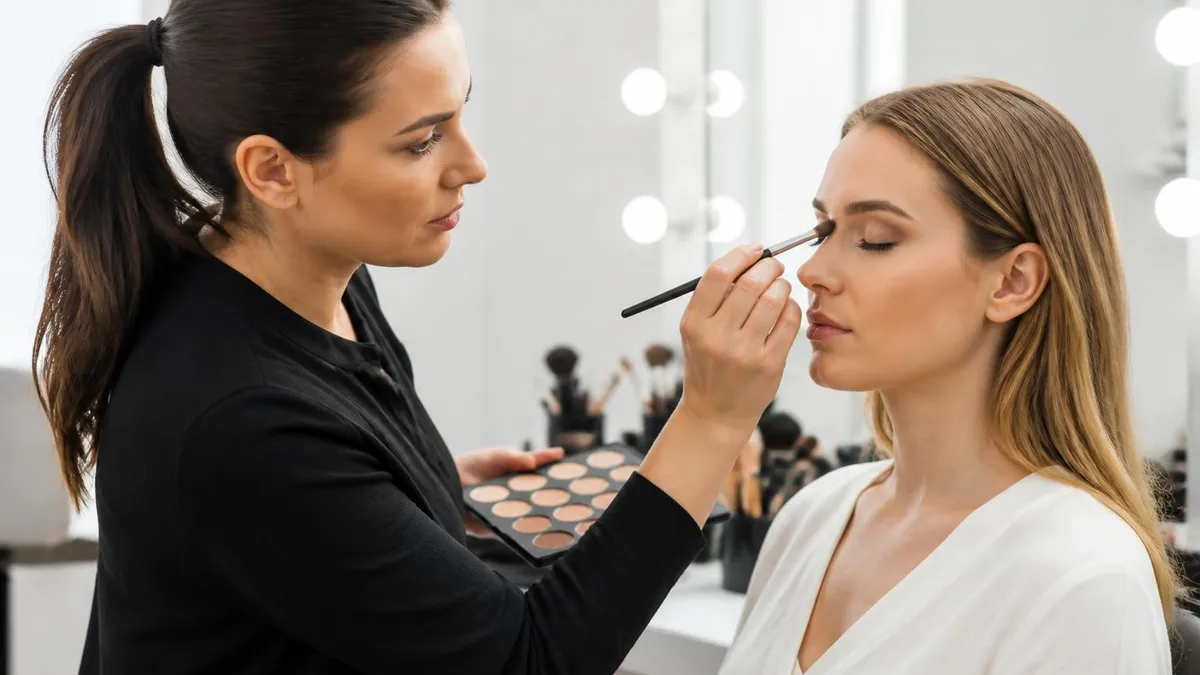
Wedding Makeup Artist 2026: Pay, Bookings, and How to Become One
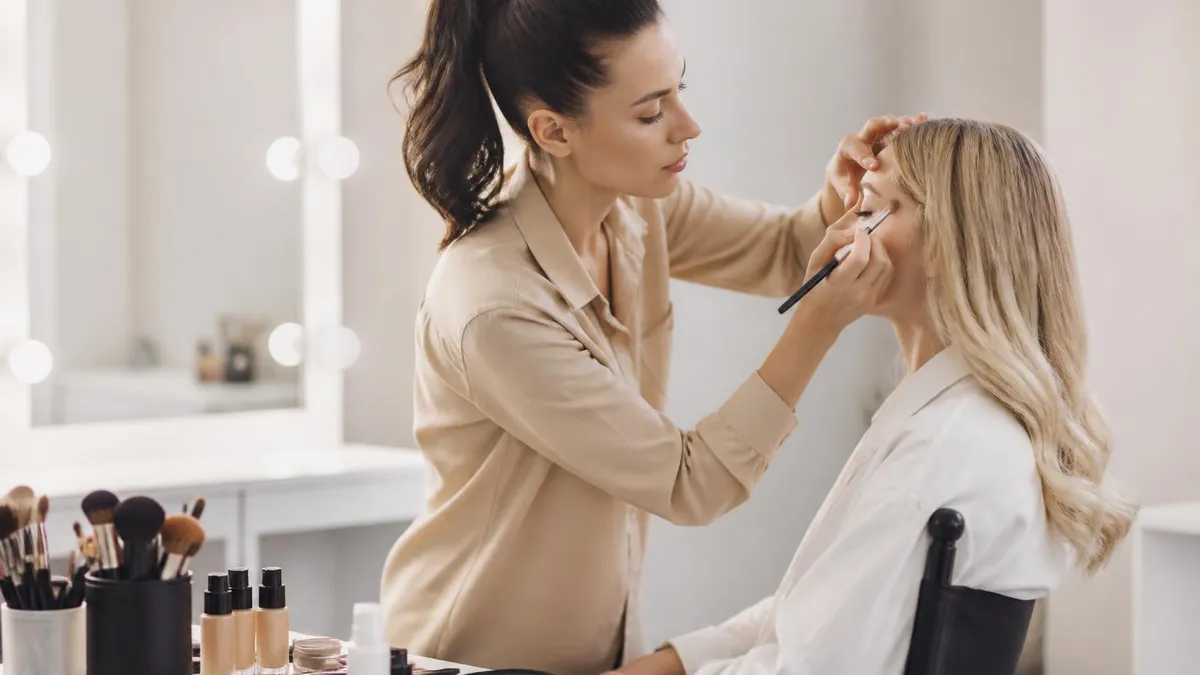
How to Become a Celebrity Makeup Artist: The Complete Career Guide
Written and edited by Nathan Beja, founder of Practice Test Geeks, with AI assistance. We have not yet matched this exam's facts to an official source, so confirm fees, dates and rules with the exam body. Editorial policy