
MRI With Contrast Prep: The Complete Patient and Technologist Guide to Safe, Successful Gadolinium-Enhanced Scans
MRI with contrast prep guide covering fasting, kidney labs, 💡 gadolinium safety, allergy screening, and what to expect before, during, and after your scan.
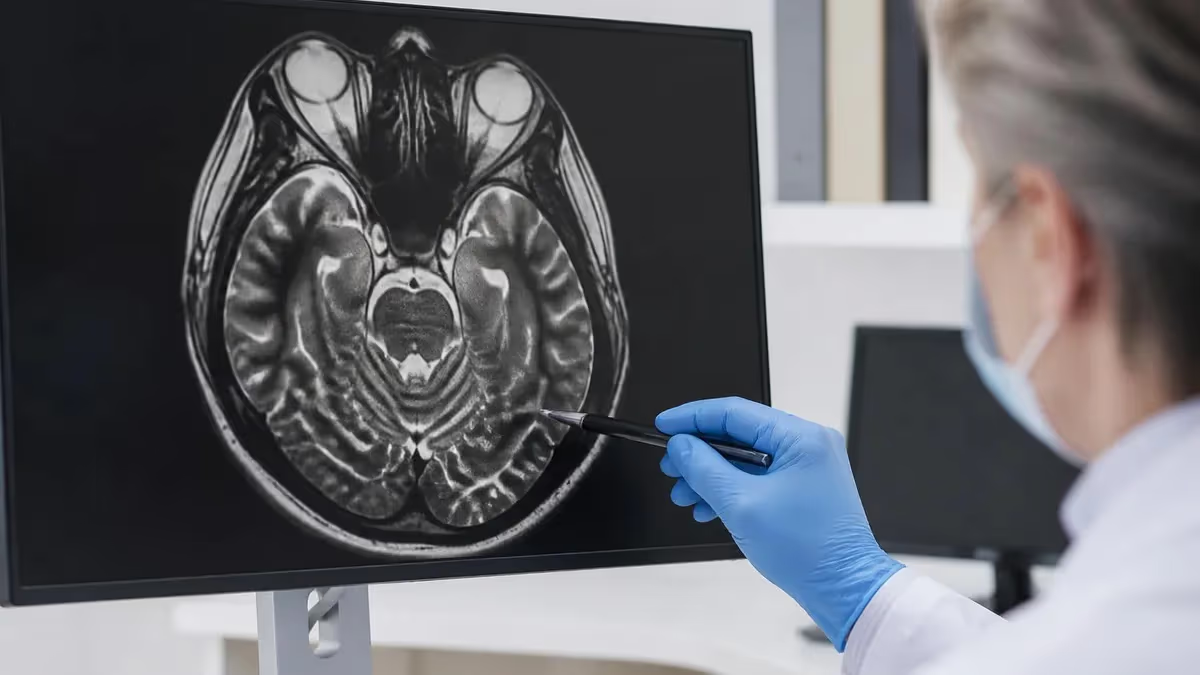
Proper mri with contrast prep is the single most important factor that separates a smooth, diagnostic-quality scan from a delayed appointment, a repeat study, or a serious adverse event. Whether you are a patient scheduled for your first gadolinium-enhanced exam or a technologist refining your screening protocol, understanding the full preparation pathway — fasting rules, kidney function labs, allergy history, medication reconciliation, and same-day logistics — protects both safety and image quality. This guide walks through every step in order, with current ACR Manual on Contrast Media guidance and real-world clinical practice.
Gadolinium-based contrast agents (GBCAs) are paramagnetic compounds that shorten T1 relaxation times, dramatically brightening vascular structures, inflamed tissues, and tumors on post-contrast sequences. Roughly one-third of all MRI examinations performed in the United States use contrast, and the majority of those scans are diagnostic the first time when prep is done correctly. When prep fails — a missed creatinine, an undeclared shellfish-unrelated allergy panel, or a forgotten IV access — the radiologist may be unable to confirm or exclude pathology.
The phrase mri with contrast prep covers more than just "don't eat after midnight." It encompasses a 24-to-48-hour window of screening, lab review, hydration planning, medication adjustments (especially metformin and nephrotoxic drugs in some cases), claustrophobia management, and arrival logistics. Skipping any one step can cascade: a patient who arrives with unknown renal function may need a same-day eGFR draw, pushing the appointment back two hours and bumping the next three patients off the schedule.
Modern MRI departments rely on macrocyclic gadolinium agents like gadobutrol, gadoteridol, and gadoterate meglumine because of their high kinetic stability and dramatically lower risk of nephrogenic systemic fibrosis (NSF) compared with older linear agents. This shift, combined with the ACR's updated 2024 risk stratification, has changed how prep is structured — particularly for patients with stage 4 or 5 chronic kidney disease, who are no longer automatically excluded from contrast studies. Knowing which agent your facility uses shapes the conversation you have with the patient.
This guide is organized so you can follow it sequentially or jump straight to a section: the 48-hour pre-scan checklist, fasting and hydration specifics, lab requirements by patient category, allergy and premedication protocols, what actually happens on the day of the scan, and what to do after the injection. Tables, checklists, and FAQ entries address the questions that come up most often at the screening desk, in the prep area, and on the phone the night before.
Finally, remember that prep is a shared responsibility. Ordering providers, schedulers, screening nurses, technologists, and patients each own a piece. When the handoffs are crisp — labs faxed, allergies flagged, NPO instructions confirmed by phone the day before — gadolinium MRI is one of the safest contrast-enhanced studies in radiology, with a serious reaction rate around 1 in 10,000. Sloppy prep multiplies that risk and degrades the diagnostic yield of an expensive, time-intensive study.
Use the table of contents to navigate, and treat the checklists as living tools you can adapt to your facility's specific GBCA, patient population, and scanner workflow.
MRI With Contrast Prep by the Numbers
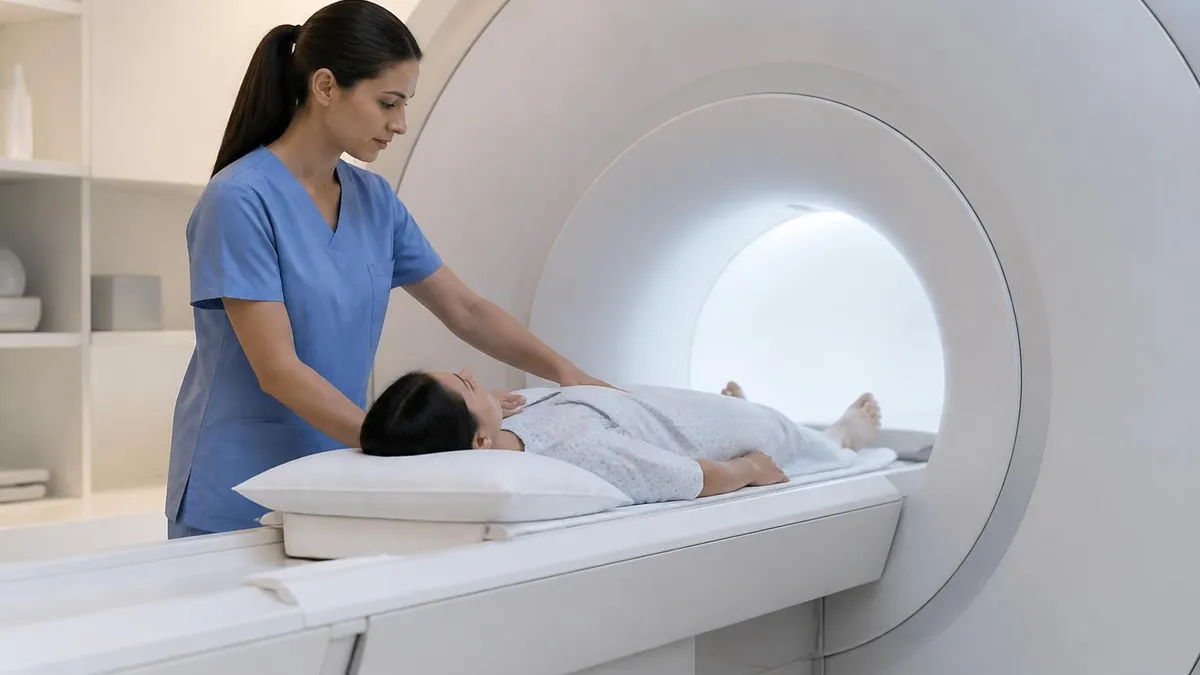
The 48-Hour Pre-Scan Preparation Timeline
48 Hours Before: Screening Call
24 Hours Before: Hydration and Medication Review
Morning of Scan: NPO and Arrival Prep
Check-In: Final Screening and Consent
Scan and Injection: 30-60 Minutes
Post-Scan: Observation and Discharge
Fasting and hydration sit at the center of most mri with contrast prep protocols, yet the rules are more nuanced than the blanket "NPO after midnight" instruction many patients still receive. The American College of Radiology recommends withholding solid food for approximately four hours before a contrast-enhanced MRI, primarily to reduce the small but real risk of nausea or vomiting after gadolinium administration. Clear liquids — water, black coffee without cream, apple juice, plain tea — are generally permitted up to two hours before the scan.
Why fast at all if gadolinium rarely causes nausea? The answer is risk stratification. While modern macrocyclic agents like gadobutrol have a much lower nausea profile than older agents, sedation may be added for claustrophobic patients, and aspiration risk climbs sharply with a full stomach. A consistent four-hour solid food window covers both scenarios and aligns with anesthesia society guidelines, simplifying training and handoffs across departments.
Hydration is the second pillar and often the most under-emphasized. Patients arriving dehydrated have smaller, more collapsed peripheral veins, making IV placement harder and increasing the chance of extravasation. Adequate hydration also supports renal clearance of the gadolinium chelate, which is excreted almost entirely unchanged by the kidneys within 24 hours in patients with normal function. Encourage patients to drink 16-24 ounces of water in the two hours before arrival, unless contraindicated by a fluid-restricted condition.
Diabetic patients require additional attention. Holding food for four hours can destabilize blood glucose, particularly in patients on insulin or sulfonylureas. The standard approach is to schedule diabetic patients early in the morning, instruct them to take half their usual long-acting insulin dose, hold short-acting insulin until after the scan, and bring a snack to eat immediately afterward. Patients should always bring their glucometer and emergency glucose source to the appointment.
Metformin is a special case. The historical concern about metformin and contrast-induced nephropathy applied primarily to iodinated CT contrast, not gadolinium. Current ACR guidance does NOT require holding metformin before or after a standard-dose gadolinium MRI in patients with normal renal function. This is one of the most common patient questions, and getting the answer right prevents unnecessary medication interruptions that can worsen glycemic control for days.
Caffeine, smoking, and supplements rarely affect gadolinium pharmacokinetics, but anxious patients sometimes load up on caffeine the morning of the scan, which worsens claustrophobia and improves heart rate during cardiac MRI sequences. A gentle pre-scan call advising patients to skip the second cup of coffee can meaningfully improve the experience, especially for long protocols like multiparametric mri or breast MRI. Reviewing the mri machine noise with anxious patients also reduces day-of surprises.
Finally, document the actual last meal time on the worksheet — not the time the patient was instructed to fast from. A patient told "nothing after midnight" who finished a 3 AM snack still meets the four-hour solid food window for a 9 AM scan; one who ate at 7 AM for an 8:30 AM appointment does not. Real times prevent unnecessary cancellations and protect the radiologist's diagnostic confidence.
MRI Practice Test Questions
Prepare for the MRI - Magnetic Resonance Imaging exam with our free practice test modules. Each quiz covers key topics to help you pass on your first try.
MRI Knowledge
MRI Exam Questions covering Knowledge. Master MRI Test concepts for certification prep.
MRI Physics
Free MRI Practice Test featuring Physics. Improve your MRI Exam score with mock test prep.
MRI Anatomy and Pathology
MRI Test Prep for MRI Anatomy and Pathology. Practice MRI Quiz questions and boost your score.
MRI Anatomy and Positioning
MRI Questions and Answers on MRI Anatomy and Positioning. Free MRI practice for exam readiness.
MRI Contrast Agents
Free MRI Quiz on MRI Contrast Agents. MRI Exam prep questions with detailed explanations.
MRI Patient Care and Positioning
MRI Practice Questions for MRI Patient Care and Positioning. Build confidence for your MRI certification exam.
Kidney Function Labs and eGFR Thresholds for MRI With Contrast Prep
Not every patient needs a fresh creatinine before a gadolinium MRI. Current ACR guidance recommends labs within 6 weeks for patients with known chronic kidney disease, diabetes, hypertension on multiple agents, age over 60, prior renal surgery, or active use of nephrotoxic medications. Routine outpatients without those risk factors may proceed without labs at many facilities, provided they answer screening questions honestly.
Inpatients and emergency department patients are a different story. Their renal function can change quickly due to dehydration, sepsis, contrast load from a recent CT, or new medications. Most inpatient protocols require an eGFR drawn within 24-48 hours of the MRI. Document the source of the eGFR value clearly — "reported by patient" is not equivalent to a verified lab result on the chart.
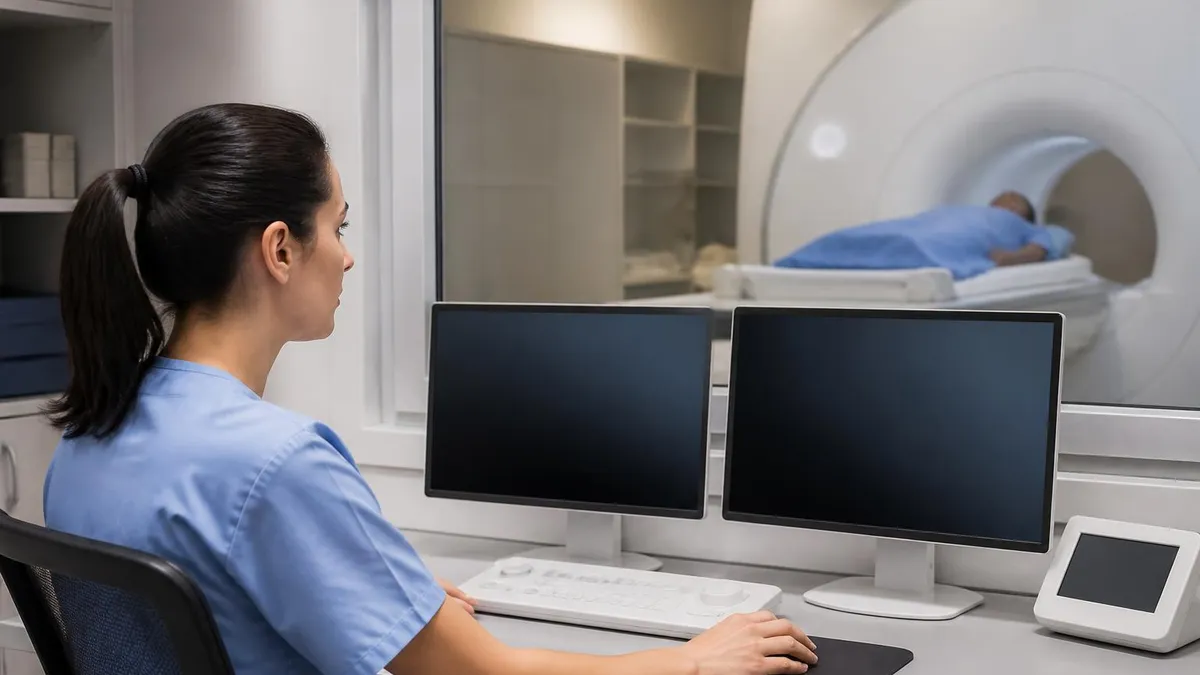
MRI With Contrast vs. Non-Contrast MRI: Trade-offs
- +Dramatically improved detection of tumors, abscesses, and active inflammation
- +Essential for vascular imaging, MR angiography, and perfusion studies
- +Differentiates active from chronic multiple sclerosis lesions
- +Improves characterization of liver, kidney, and adrenal masses
- +Enables dynamic post-contrast imaging for breast and prostate MRI
- +Critical for evaluating recurrent disease after surgery or radiation
- +Helps distinguish post-treatment changes from residual tumor
- −Requires IV access and a 30-60 minute observation period
- −Small risk of immediate allergic-like reactions and warmth or nausea
- −Contraindicated or restricted in severe renal impairment without justification
- −Adds cost and time compared to a non-contrast study
- −Gadolinium deposition in brain tissue, though clinical significance unclear
- −Requires fasting and may complicate diabetic medication schedules
- −Cannot be safely repeated in rapid succession without dose tracking
Pros and Cons at a Glance
| Pros | Cons |
|---|---|
| Dramatically improved detection of tumors, abscesses, and active inflammation | Small risk of immediate allergic-like reactions and warmth or nausea |
| Essential for vascular imaging, MR angiography, and perfusion studies | Contraindicated or restricted in severe renal impairment without justification |
| Differentiates active from chronic multiple sclerosis lesions | Adds cost and time compared to a non-contrast study |
| Improves characterization of liver, kidney, and adrenal masses | Gadolinium deposition in brain tissue, though clinical significance unclear |
| Enables dynamic post-contrast imaging for breast and prostate MRI | Requires fasting and may complicate diabetic medication schedules |
| Critical for evaluating recurrent disease after surgery or radiation | Cannot be safely repeated in rapid succession without dose tracking |
Day-of-Scan MRI With Contrast Prep Checklist
- ✓Confirm last solid food was at least 4 hours before the scheduled scan time
- ✓Drink 16-24 ounces of water in the 2 hours leading up to arrival
- ✓Bring a complete, current medication list including supplements and inhalers
- ✓Bring implant cards for any pacemaker, stent, aneurysm clip, or neurostimulator
- ✓Remove all metal jewelry, hair pins, body piercings, and watches before changing
- ✓Take off transdermal patches that contain metal foil unless approved to keep
- ✓Wear comfortable clothing without metallic zippers, hooks, or embedded threads
- ✓Disclose any prior contrast reactions, asthma history, or severe seasonal allergies
- ✓Arrive 30 minutes early to complete screening forms and have IV access placed
- ✓Bring a snack and glucose source if you are diabetic or prone to hypoglycemia
- ✓Have a driver available if oral sedation or anti-anxiety medication is planned
- ✓Confirm pregnancy status and the date of your last menstrual period if applicable
Hydration is not just a kidney concern — it determines IV success.
Well-hydrated patients have larger, more elastic peripheral veins, dramatically reducing the rate of failed sticks, blown veins, and contrast extravasation. A single failed IV attempt can delay a scan by 15 minutes; an extravasation can cancel the study entirely and require ice, elevation, and documentation. The simplest intervention — two glasses of water before arrival — pays for itself in workflow efficiency many times over.
Allergy screening is the second most consequential prep step after kidney function, and it is the area where small communication failures cause the largest preventable reactions. The single most important question is not "are you allergic to shellfish?" — that myth persists despite zero evidence linking iodine in shellfish to gadolinium reactions — but rather "have you ever had a reaction to MRI contrast, CT contrast, or any IV medication?" A prior reaction to gadolinium is the strongest predictor of a future reaction, increasing risk roughly eight-fold.
Patients with a history of moderate or severe reactions to a previous gadolinium-based contrast agent should be premedicated and, when possible, switched to a different class of GBCA. The standard Greenberger protocol involves prednisone 50 mg orally at 13 hours, 7 hours, and 1 hour before the scan, plus diphenhydramine 50 mg one hour before. An accelerated protocol using IV hydrocortisone exists for urgent studies but is less effective and reserved for emergencies.
Mild reactions — limited hives, brief nausea, transient warmth — generally do not require premedication for future studies if a different agent is used, though documentation should travel with the patient. Asthma, multiple drug allergies, and a history of anaphylaxis to any cause raise baseline risk and warrant a careful conversation about whether contrast is essential for the diagnostic question being asked. Many studies can be answered without gadolinium if the clinical question is reframed.
The screening conversation should also cover anxiety and claustrophobia. Roughly 10-15% of patients experience significant anxiety during MRI, and unmanaged anxiety leads to motion artifact that ruins post-contrast sequences. Options include oral lorazepam 0.5-1 mg taken one hour before the scan, prism glasses, mirror systems, music, weighted blankets, and patient companions in the scan room when policy allows. Address anxiety in screening, not at the magnet.
Pregnancy deserves its own paragraph. Gadolinium crosses the placenta, is excreted into amniotic fluid, and may be swallowed and re-excreted by the fetus over an indeterminate period. The ACR and ACOG recommend against routine use of GBCAs in pregnancy unless the diagnostic benefit clearly outweighs the unknown fetal risk. Always confirm pregnancy status with a urine or serum test in women of reproductive age, not just verbal report, before contrast administration.
Medication reconciliation rounds out the screening visit. Beta-blockers can blunt the response to epinephrine if a severe reaction occurs and should be flagged, though they are not a contraindication. Patients on biologics, recent chemotherapy, or experimental drugs should have those medications documented for the radiologist's awareness. Reviewing the mri medical abbreviation on the order ensures the right protocol is loaded.
Document everything. A clean screening form — with allergies in checkbox form, prior reactions described in free text, current medications listed, and the technologist's signature — is your single best defense against both adverse events and the medico-legal consequences of one. Audit your screening forms quarterly to identify gaps before they become incidents.
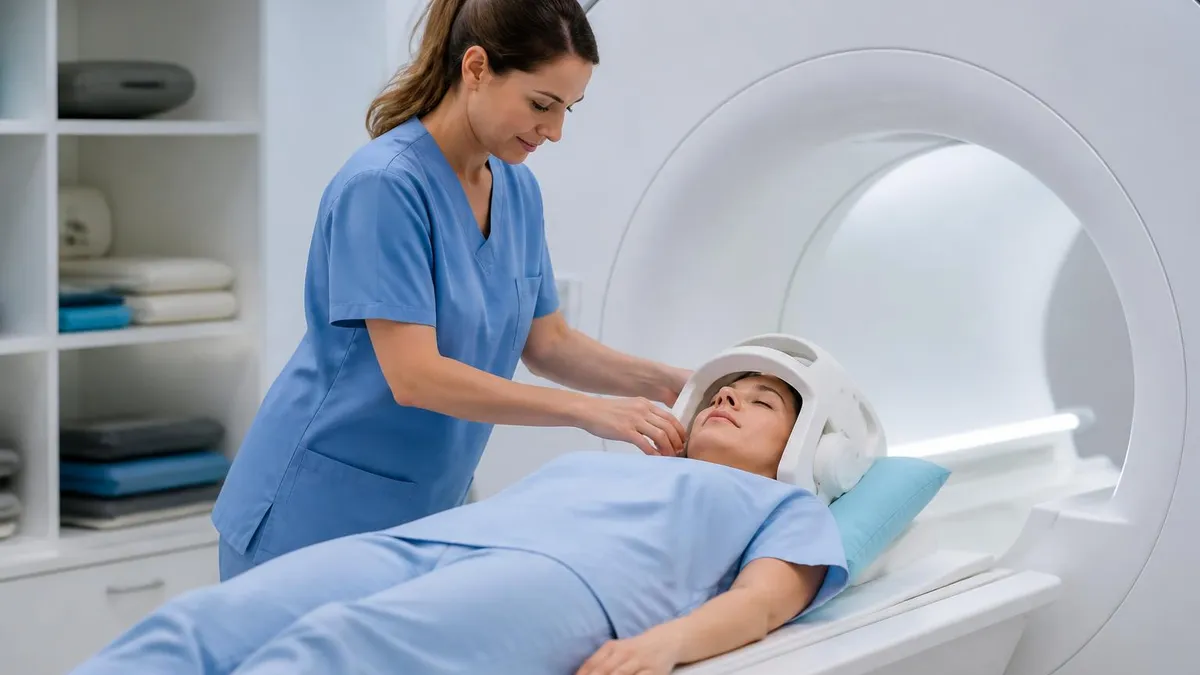
The persistent myth that shellfish or iodine allergy increases gadolinium reaction risk has no scientific basis. Shellfish allergy is to tropomyosin, not iodine. Patients should be screened specifically for prior reactions to gadolinium-based agents, severe asthma, and multi-drug allergies — not seafood. Misclassifying patients leads to unnecessary premedication, delays, and erodes trust when patients learn the truth later.
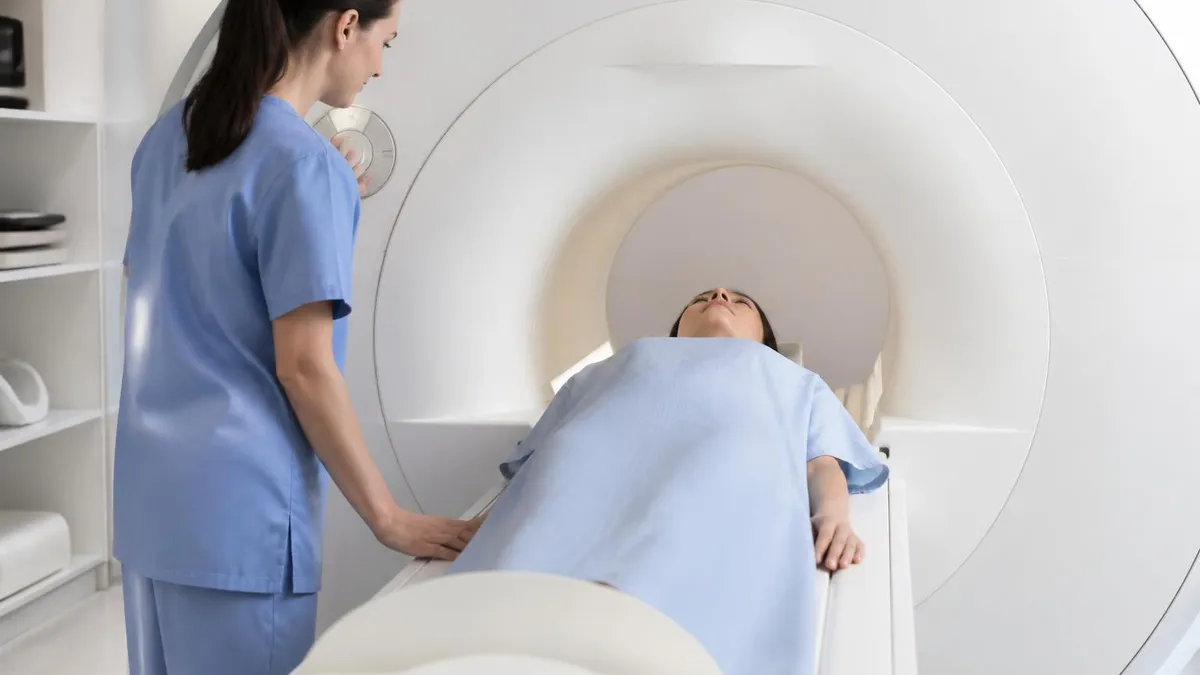
Once preparation is complete and the patient is on the scanner, the injection itself is straightforward but unforgiving of inattention. The technologist confirms the GBCA agent, the calculated dose (0.1 mmol/kg standard, double-dose only for specific protocols like MR angiography or cardiac viability), the syringe label, and the IV site patency before connecting the power injector. A quick saline test flush at the same rate as the planned injection verifies the vein can tolerate the bolus without extravasation.
During injection, the technologist observes the patient through the control room window and via in-bore camera if available. Most patients feel a cool sensation traveling up the arm and a brief metallic taste — these are normal and do not indicate a reaction. Warmth that becomes burning, throbbing arm pain, sudden anxiety, urticaria visible on the chest or face, or any complaint of throat tightness requires immediate cessation of the injection and rapid evaluation by the supervising radiologist.
Extravasation — gadolinium escaping into subcutaneous tissue rather than the vein — occurs in roughly 0.05-0.5% of injections and is usually self-limited because the volumes are small (typically 10-20 mL). Apply a cold compress, improve the arm, document the estimated volume, mark the area, and notify the radiologist. Most patients have full resolution within 24-48 hours, but compartment syndrome is rare and possible with very large extravasations, so swelling, neurologic symptoms, or persistent pain warrant surgical consultation.
Post-contrast imaging captures dynamic enhancement, delayed enhancement, or both depending on the protocol. Liver MRI, breast MRI, and cardiac MRI rely on precisely timed acquisitions, so the patient must remain still and continue breath-hold instructions through the post-contrast phase. Motion at this stage often cannot be salvaged by post-processing and may require a repeat injection at another visit — an outcome prevented by clear pre-scan coaching about breath-holds and stillness.
After the final sequence, the IV is flushed, removed, and the access site is held with pressure for 2-3 minutes. Patients are observed in the prep area for 15-30 minutes, with longer observation for higher-risk patients or those who received premedication. The observation window is when delayed reactions — typically appearing 30 minutes to several hours after injection — first manifest, though severe delayed reactions are rare with modern agents.
Discharge instructions should be both verbal and written. Cover continued hydration over the next 24 hours, signs of delayed reaction (new rash, swelling, breathing changes, persistent nausea), expected timeline for results, and clear contact numbers for both the imaging center and an after-hours service. For breastfeeding mothers, reinforce that current evidence supports continued nursing without interruption. For patients who received oral sedation, confirm a driver and home support are in place.
Finally, close the loop on documentation. Record the agent name, lot number, dose in mL and mmol, injection site, rate, any reaction, and the technologist signature in the radiology information system. For patients with reduced renal function, document the medical necessity discussion. Compare your workflow to MRI alternatives when discussing repeat studies, since cumulative dose tracking is becoming a quality metric at many institutions.
Practical mri with contrast prep tips emerge from thousands of patient encounters, and the small details often matter more than the protocols printed on the wall. Build a screening script that flows naturally rather than reading like a checklist — patients answer more honestly when the conversation feels human. Lead with the implants questions, transition to allergies, then medications, then pregnancy and breastfeeding. Closing with "is there anything else you'd want your doctor to know?" frequently surfaces details the structured questions miss.
Train every front-desk staff member to handle the three most common patient questions: what to eat, what to wear, and what to bring. Patients call the day before with these questions whether or not they were addressed at scheduling, and inconsistent answers erode confidence. A one-page patient-facing summary — printed and emailed at scheduling — eliminates 80% of these calls and reduces no-shows because patients arrive feeling prepared.
For technologists, develop a personal pre-injection pause. Before pressing inject, silently confirm five items: patient name and date of birth on the order, agent name on the syringe, dose calculated to actual body weight, IV site visible and flushing easily, and no new symptoms since you started the scan. This five-second ritual catches the rare but consequential errors — wrong patient, wrong dose, wrong vein — that no automated system catches every time.
Schedule strategically. Group contrast studies in dedicated time blocks when possible, because the workflow rhythm — screen, IV, scan, observe — is different from non-contrast cases. Place anxious or claustrophobic patients early in the day when staff energy is highest and delays are minimal. Reserve late-day slots for inpatients whose labs take longer to result. These scheduling patterns reduce same-day cancellations dramatically.
Track your metrics. Extravasation rate, reaction rate by agent, average IV attempts per patient, and same-day cancellations for missing labs are leading indicators of prep quality. Most departments find that focused intervention on one metric — for example, mandatory hydration coaching at scheduling — moves multiple metrics simultaneously. Share the data quarterly with the team to maintain attention.
Communicate with the ordering provider when prep reveals a problem the order didn't anticipate. A patient with eGFR of 28 who arrives for a screening MR angiogram may benefit from a non-contrast MRA technique like time-of-flight or quiescent-interval slice-selective imaging. A two-minute call between the radiologist and the ordering provider often produces a better study than mechanically proceeding with the original plan. Patients notice when their care team coordinates.
Finally, build in feedback loops with patients themselves. A short post-scan text message — "how was your experience?" — surfaces issues that staff never see: a confusing parking sign, a cold gown, a screening question that felt invasive. Small fixes accumulate into a reputation for thoughtful care, and a thoughtful reputation drives referrals more reliably than any marketing campaign. Prep is care, and care is what patients remember when they choose where to return.
Sample MRI - Magnetic Resonance Imaging Practice Questions
Try these questions from our free MRI - Magnetic Resonance Imaging practice tests. The correct answer and an explanation follow each question.
Gadolinium contrast extravasation at the IV injection site is classified as which type of adverse event?
- A. Allergic-like reaction
- B. Non-allergic physiologic reaction
- C. Local injection site reaction (extravasation)
- D. Vascular reaction
Answer: C. Local injection site reaction (extravasation)
Extravasation occurs when contrast leaks from the vein into surrounding tissue; it is a local injection site reaction, not a systemic allergic event.
When performing MR arthrography of the hip, the patient is typically positioned with the hip in which orientation?
- A. 30° internal rotation
- B. Neutral or slight internal rotation
- C. Maximum external rotation
- D. Frog-leg lateral position
Answer: B. Neutral or slight internal rotation
Neutral to slight internal rotation during hip MR arthrography places the femoral neck parallel to the imaging plane and optimizes labral visualization.
For a contrast-enhanced MRA of the aorta, the bolus tracking technique monitors contrast arrival in which vessel to trigger the 3D acquisition?
- A. Superior mesenteric artery
- B. Abdominal aorta or descending thoracic aorta at the level of interest
- C. Right atrium
- D. Femoral artery
Answer: B. Abdominal aorta or descending thoracic aorta at the level of interest
A monitoring slice is placed at the aorta at the target level; when the contrast bolus arrives (signal threshold), the 3D acquisition is automatically triggered.
Which MRI technique uses magnetically labeled water protons as an endogenous tracer to measure cerebral blood flow without contrast injection?
- A. Dynamic Contrast Enhanced (DCE) MRI
- B. Arterial Spin Labeling (ASL)
- C. Dynamic Susceptibility Contrast (DSC) MRI
- D. Blood Oxygen Level Dependent (BOLD) fMRI
Answer: B. Arterial Spin Labeling (ASL)
ASL uses RF inversion of arterial water protons proximal to the imaging plane as a flow tracer, enabling non-invasive perfusion measurement.
Take the full MRI - Magnetic Resonance Imaging practice test
MRI Questions and Answers
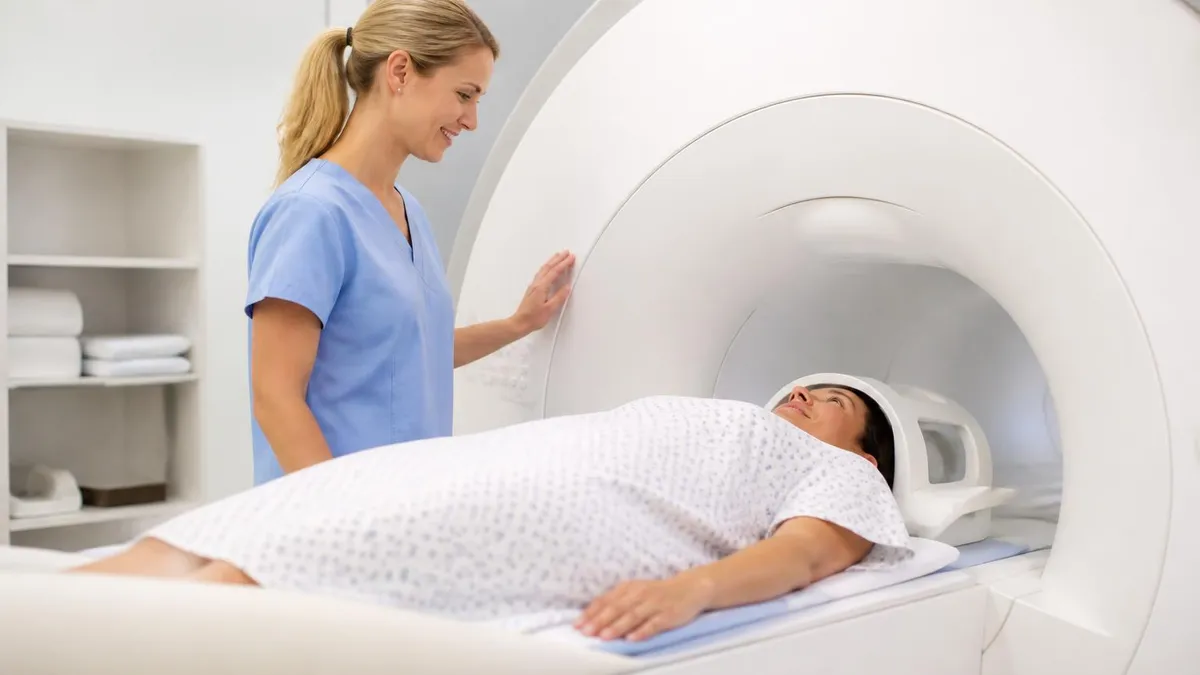
MRI Medical Abbreviation: What MRI Stands For and Why It Matters
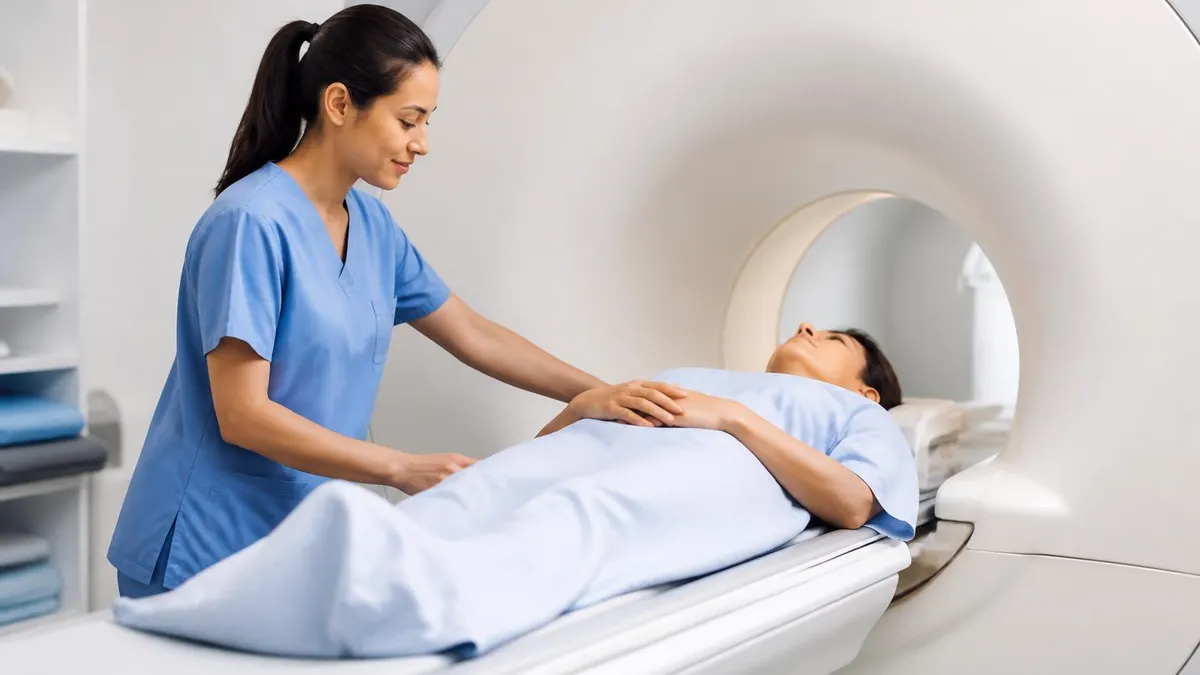
The History of MRI: From Discovery to Modern Medicine
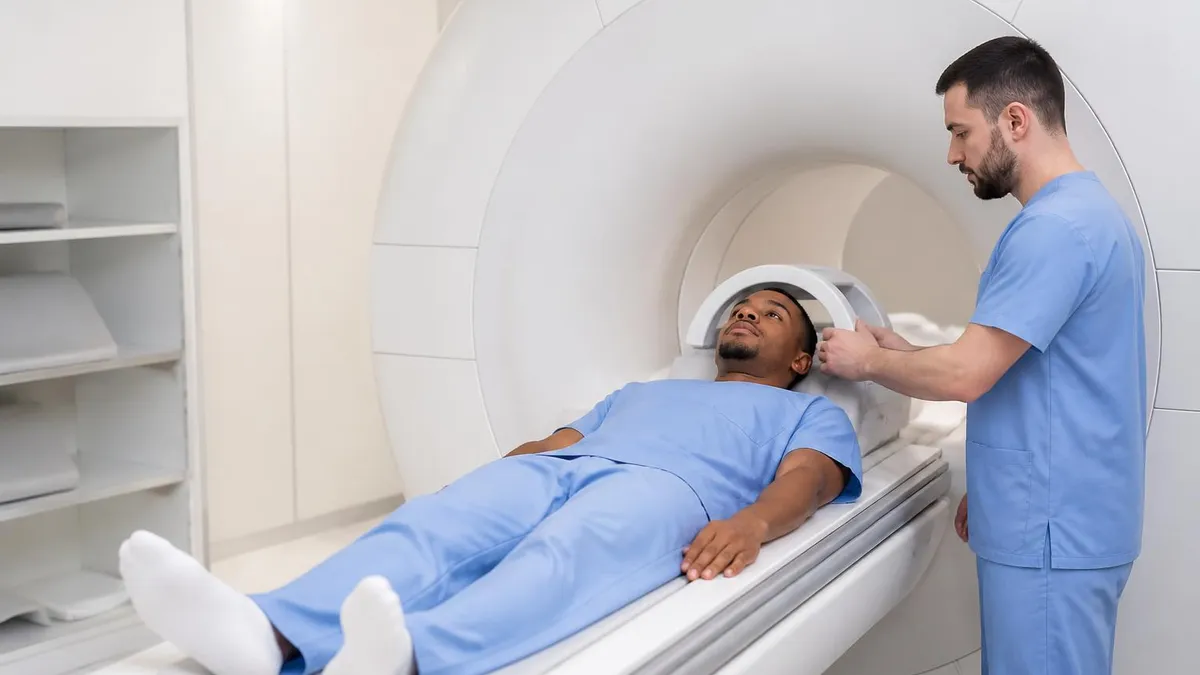
Knee MRI Images: A Complete Guide to Reading, Understanding, and Interpreting Knee Scans
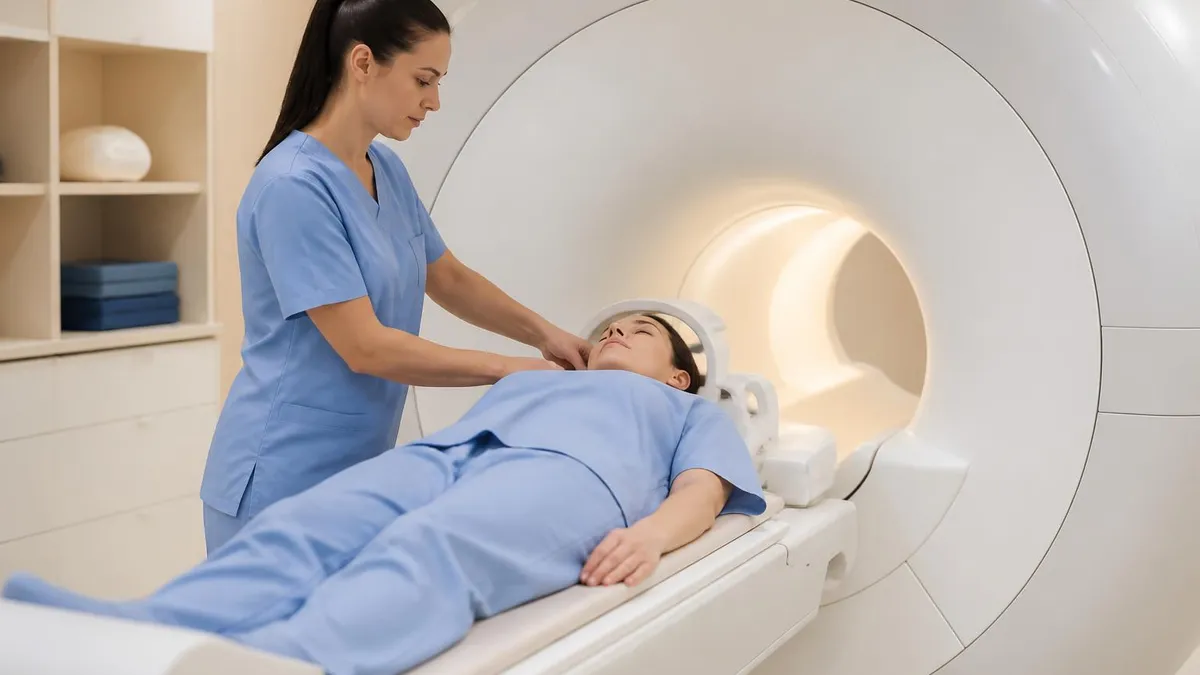
Noise of MRI Machine: Why MRI Scanners Are So Loud and What to Expect
MRI Alternatives: When CT, Ultrasound, X-Ray, and PET Make More Sense Than an MRI
About the Author

Medical Laboratory Scientist & Clinical Certification Expert
Johns Hopkins UniversityDr. Sandra Kim holds a PhD in Clinical Laboratory Science from Johns Hopkins University and is certified as a Medical Technologist (MT) and Medical Laboratory Scientist (MLS) through ASCP. With 16 years of clinical laboratory experience spanning hematology, microbiology, and molecular diagnostics, she prepares candidates for ASCP board exams, MLT, MLS, and specialist certification tests.
Join the Discussion
Connect with other students preparing for this exam. Share tips, ask questions, and get advice from people who have been there.
View discussion (8 replies)