
MRI Tech Salary by State: Complete 2026 September Pay Guide for All 50 States
MRI tech salary colorado averages $89K. Compare MRI technologist pay across all 50 states, cost of living, top-paying cities, and career outlook for 2026 September. 🔎

If you are researching mri tech salary colorado figures or comparing pay across the country, you are stepping into one of the most financially rewarding corners of allied health imaging. The national median wage for MRI technologists climbed past $86,000 in late 2025, with Colorado specifically averaging around $89,400 annually thanks to a healthy mix of hospital systems, outpatient imaging centers, and academic medical campuses along the Front Range corridor stretching from Fort Collins down through Colorado Springs.
State-by-state salary variation for MRI technologists is far more dramatic than most healthcare specialties. A registered MRI tech in California earns nearly double what the same credentialed professional makes in Mississippi or West Virginia, and these differences are not always explained by cost of living adjustments. Unionization, certificate-of-need laws, urban hospital density, trauma center concentration, and state Medicaid reimbursement rates all play measurable roles in the final paycheck.
This guide breaks down current MRI technologist salary data for every U.S. state, covering base pay, overtime, on-call differentials, shift bonuses, and metro-specific premiums. We pull from Bureau of Labor Statistics Occupational Employment Statistics, ASRT wage surveys, AMRIT salary reports, and verified job postings from major hospital networks like HCA, Kaiser, Banner, and Intermountain Health across the 2025 reporting year.
Whether you are a CT technologist considering cross-training, a new graduate weighing relocation offers, or a seasoned MRI tech looking to negotiate your next contract, understanding the geographic pay landscape gives you genuine leverage. The numbers in this guide reflect verified employer offers, not aspirational marketing figures from for-profit schools.
Beyond raw salary, we examine total compensation packages including sign-on bonuses (which routinely hit $15,000 to $25,000 in shortage markets), relocation assistance, tuition reimbursement, retirement matching, and the increasingly important quality-of-life calculation around 12-hour shifts versus 8-hour rotations. A $95,000 California offer may net less in your pocket than an $82,000 Texas role once taxes, housing, and commute are factored in.
We also address travel MRI tech compensation, which has stabilized after the 2021-2022 surge but still offers gross weekly packages between $2,400 and $3,800 for credentialed ARRT(MR) or ARMRIT registered technologists willing to take 13-week assignments. Travel pay structures are fundamentally different from staff roles and deserve their own analysis.
Finally, we look forward. Career trajectory, specialty pay (cardiac MRI, breast MRI, functional MRI), lead tech and supervisor pathways, and the emerging field of MRI safety officer all represent paths to push compensation well past the $120,000 mark before age 40 for technologists who plan strategically and stack credentials intentionally.
MRI Tech Salary by the Numbers (2026)
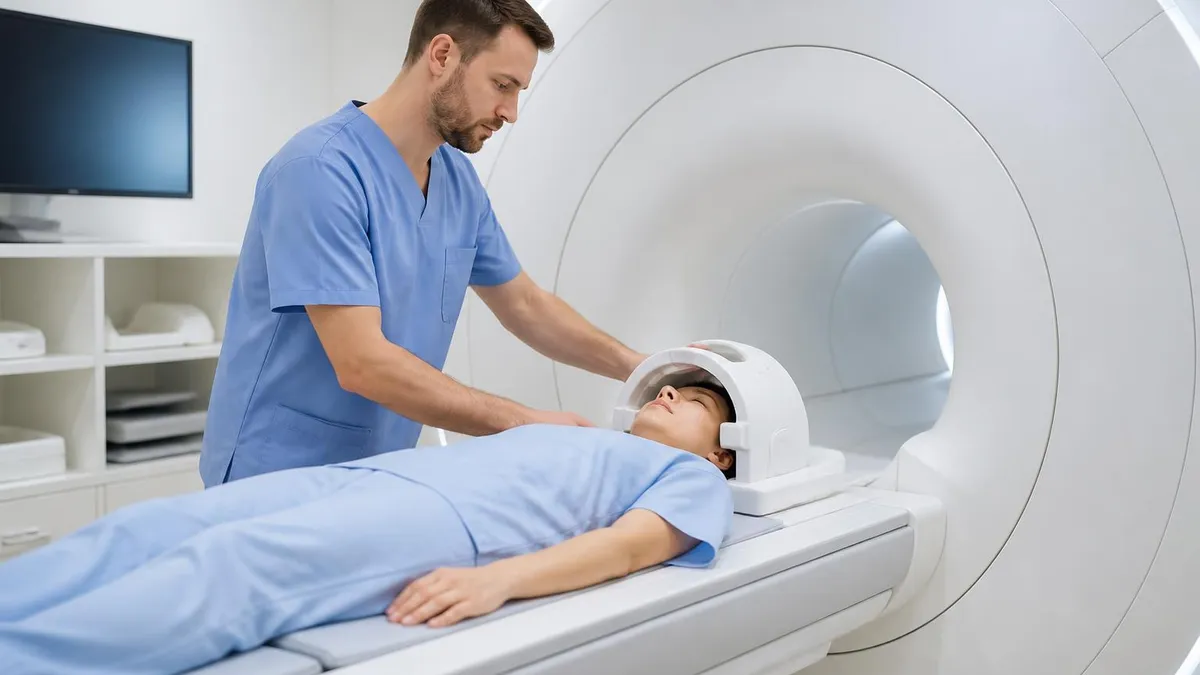
Top 5 Paying States: Average Annual MRI Tech Salary
California sits at the apex of MRI technologist compensation in the United States, with the statewide average crossing $133,000 in 2025 and Bay Area roles routinely listed at $145,000 to $160,000 for experienced registered technologists. This is not purely a cost-of-living phenomenon. California Nurses Association affiliations, SEIU-UHW representation across Kaiser and Sutter Health systems, and statutory meal-and-rest break enforcement all push effective hourly rates above what employers in right-to-work states must offer.
Hawaii follows California closely at approximately $112,800 annually, though the islands present a unique calculus. Housing costs in Honolulu and Maui erode the apparent wage premium quickly, and credentialing requirements through the Hawaii Board of Radiologic Technology add an extra licensing layer compared to ARRT-only states. Many Hawaii MRI techs supplement income with locum coverage on neighbor islands, where helicopter or inter-island flight time is often compensated.
The Pacific Northwest, anchored by Washington at $108,400 and Oregon at $102,600, has emerged as the second great pay cluster outside California. Seattle's concentration of UW Medicine, Swedish, Virginia Mason, and Providence facilities creates genuine wage competition. Spokane and Tacoma trail Seattle by roughly 12 to 18 percent, but housing affordability often makes them the smarter financial choice for new graduates building savings.
New England represents the third major high-pay region. Massachusetts leads at $104,900, with Boston's academic medical centers including MGH, Brigham and Women's, Beth Israel Deaconess, and Boston Children's all competing for cardiac MRI and neurological imaging specialists. Connecticut, Rhode Island, and New Hampshire all post averages between $89,000 and $96,000, with New Hampshire benefiting from zero state income tax for residents commuting to Massachusetts facilities.
The Mountain West, including Colorado at $89,400, Utah at $84,100, and Nevada at $88,700, has seen the steepest year-over-year growth in MRI tech wages since 2022. Denver, Salt Lake City, and Las Vegas all expanded outpatient imaging capacity dramatically during the post-pandemic backlog, and the resulting tech shortage drove base pay up by 11 to 14 percent over three years. Many Colorado hospitals now offer four-day, ten-hour scheduling to retain staff.
The Midwest paints a more nuanced picture. Illinois at $82,300 and Minnesota at $86,800 anchor higher pay around Chicago and Minneapolis-St. Paul, while Iowa, Nebraska, Kansas, and the Dakotas cluster between $68,000 and $74,000. The trade-off is dramatic housing affordability and shorter commutes, which many technologists value over headline salary numbers. A solid understanding of MRI procedures remains the universal currency regardless of geography.
The Southeast and South Central regions occupy the lower end of the pay spectrum, with Mississippi at $62,800, Alabama at $66,400, Arkansas at $65,900, and West Virginia at $64,200 representing the floor of MRI technologist compensation nationally. Texas and Florida are outliers in this region, with Texas averaging $79,800 (driven by Houston, Dallas, and Austin metros) and Florida at $76,500 (Miami and Tampa leading). The absence of state income tax in both states improves take-home meaningfully.
MRI Practice Test Questions
Prepare for the MRI - Magnetic Resonance Imaging exam with our free practice test modules. Each quiz covers key topics to help you pass on your first try.
MRI Knowledge
MRI Exam Questions covering Knowledge. Master MRI Test concepts for certification prep.
MRI Physics
Free MRI Practice Test featuring Physics. Improve your MRI Exam score with mock test prep.
MRI Anatomy and Pathology
MRI Test Prep for MRI Anatomy and Pathology. Practice MRI Quiz questions and boost your score.
MRI Anatomy and Positioning
MRI Questions and Answers on MRI Anatomy and Positioning. Free MRI practice for exam readiness.
MRI Contrast Agents
Free MRI Quiz on MRI Contrast Agents. MRI Exam prep questions with detailed explanations.
MRI Patient Care and Positioning
MRI Practice Questions for MRI Patient Care and Positioning. Build confidence for your MRI certification exam.
Regional MRI Tech Pay Breakdown
The West Coast remains the undisputed leader in MRI technologist compensation. California's three major metros, San Francisco Bay Area, Los Angeles-Long Beach, and San Diego, all post average MRI tech salaries above $125,000 with senior cardiac MRI specialists at academic centers like UCSF and Stanford crossing $165,000 with shift differentials and call pay included. Union representation across Kaiser Permanente facilities adds approximately $8,000 to $12,000 annually compared to non-union equivalents.
Washington and Oregon follow closely with Seattle averaging $115,200, Portland at $106,800, and even smaller markets like Eugene and Bellingham posting $92,000 to $98,000. The Pacific Northwest's blend of strong base pay, robust benefits packages including retirement matching at 6 to 8 percent, and progressive scheduling makes the region attractive for technologists seeking long-term career stability without California's housing cost burden.

Relocating for Higher MRI Tech Salary: Worth It?
- +California and Pacific Northwest offer the highest absolute wages, often $25,000 to $45,000 above national median
- +Sign-on bonuses in shortage markets routinely reach $20,000 to $25,000 with two-year commitments
- +High-cost states often include superior benefits packages, retirement matching, and continuing education stipends
- +Union representation in California, Washington, and Oregon provides predictable raises and protected break time
- +Academic medical centers offer specialty MRI exposure (cardiac, breast, functional, intraoperative) that accelerates career growth
- +States with no income tax (Texas, Florida, Washington, Nevada, Tennessee) preserve more take-home pay than headline numbers suggest
- −California housing costs can consume 45 to 60 percent of gross pay in coastal markets, erasing wage advantages
- −Hawaii and Alaska require expensive licensing transfers and significant relocation costs not always covered by employers
- −Cost of living calculators often underestimate the true expense gap between metros like Boston and Birmingham
- −Multi-state licensing for travel positions costs $200 to $500 per state and adds administrative burden
- −Establishing residency in high-tax states like New York or California creates long-term tax exposure beyond your tenure
- −Top-paying urban roles often require swing shifts, weekend rotations, and trauma call that erode quality of life
MRI Tech Salary Negotiation Checklist
- ✓Pull BLS Occupational Employment Statistics data for your specific metro area, not state average
- ✓Document all ARRT credentials, advanced certifications (MR safety, cardiac MRI), and continuing education hours
- ✓Request written breakdown of base pay, shift differentials, call pay, weekend premiums, and overtime rates
- ✓Compare retirement matching percentages and vesting schedules across competing offers
- ✓Calculate true take-home using state and local tax rates, not gross salary alone
- ✓Ask about tuition reimbursement caps and whether they cover advanced imaging certificates
- ✓Verify on-call frequency, response time requirements, and minimum call-back hour guarantees
- ✓Negotiate sign-on bonus structure including clawback terms if you leave before two years
- ✓Request relocation assistance covering moving costs, temporary housing, and license transfer fees
- ✓Confirm continuing education leave days separate from PTO and any annual conference budget
Shift differentials can add $12,000 to $18,000 annually
A registered MRI tech working a permanent 7p-7a rotation in a Level I trauma center typically earns 18 to 28 percent above day-shift base pay. Combined with weekend differentials of 10 to 15 percent and on-call rates of $4 to $7 per hour, night shift technologists in major metros routinely gross $108,000 in markets where day-shift averages sit at $84,000.
Experience level remains the single largest driver of MRI tech compensation after geography. New graduates fresh from a JRCERT-accredited program with passing ARRT(MR) scores typically start at 70 to 78 percent of their market's median wage. In Colorado, that means a first-year MRI tech might begin at $66,000 to $72,000, advancing to the full $89,400 average within three to four years as they accumulate scan volume and demonstrate proficiency across MSK, neuro, body, and cardiac protocols.
The credentialing pathway directly impacts earning potential at every career stage. Technologists who hold both ARRT(R) and ARRT(MR) registrations earn roughly 8 percent more than MR-only credentialed peers because they can flex between modalities during low-volume shifts. Adding ARRT(CT) creates a three-modality cross-trained profile that some employers compensate with additional $4,000 to $7,000 annual stipends in markets where staffing flexibility is critical.
Advanced specialty certifications drive the next pay tier. The ARRT(BS) breast sonography credential, when paired with MRI training in breast imaging, opens roles at dedicated women's imaging centers paying $95,000 to $108,000 nationally. Cardiac MRI certification through SCMR (Society for Cardiovascular Magnetic Resonance) qualifies technologists for academic cardiac imaging positions starting at $105,000 in major metros and frequently exceeding $130,000 at top quaternary centers.
The MR Safety Officer (MRSO) credential from the American Board of Magnetic Resonance Safety has become increasingly valuable as accreditation bodies require formal safety oversight. MRSO-credentialed technologists at large health systems often receive $5,000 to $10,000 annual stipends or step into hybrid safety officer roles that pay $98,000 to $118,000. This credential is particularly portable across states and modalities.
Functional MRI (fMRI) and intraoperative MRI experience represent the rarest skill sets and command corresponding premiums. Research-grade fMRI technologists at academic medical centers and pharmaceutical research facilities often earn between $102,000 and $128,000, with industry roles at companies like Siemens Healthineers, GE HealthCare, and Philips routinely paying $115,000 to $145,000 plus equity for applications specialists with three to five years of clinical experience.
Travel MRI technologists occupy a separate compensation universe entirely. As of late 2025, 13-week contracts in shortage markets pay gross weekly packages between $2,400 and $3,800 (annualized $124,000 to $197,000), but the structure heavily favors tax-free stipends for housing, meals, and incidentals over taxable hourly wages. Travelers must maintain a legitimate tax home, document duplicate expenses, and accept the lifestyle realities of relocating every three months without paid time off or employer retirement matching.
Lead technologist and supervisor roles offer the most durable income growth for MRI techs who prefer staying in one location. A lead MRI tech overseeing scheduling, protocol optimization, and junior staff training typically earns 12 to 18 percent above staff base pay. Imaging supervisor roles managing 8 to 20 technologists across modalities range from $98,000 to $135,000 depending on facility size, and director of imaging positions at hospital systems commonly exceed $150,000 with bonus structures tied to volume and quality metrics.

Indeed, Glassdoor, and ZipRecruiter salary aggregators routinely overstate MRI tech wages by 10 to 22 percent because they pull from job postings (which list maximum bands) rather than actual W-2 data. For accurate benchmarking, use BLS Occupational Employment Statistics, ASRT Wage and Salary Survey, or AMRIT compensation reports. Cross-reference at least two sources before accepting or declining an offer based on perceived market rate.
Career trajectory planning matters more for lifetime earnings than any single negotiation. A Colorado MRI tech who starts at $68,000, advances to lead technologist at $94,000 by year six, completes MRSO certification and moves into a hybrid safety officer role at $108,000 by year ten, and eventually transitions to imaging supervisor at $128,000 by year fifteen will out-earn a static California staff tech by roughly $340,000 over a 20-year career despite the California position appearing more lucrative on paper at any single point.
Specialty subdivision within MRI represents the most reliable path to top-quartile earnings. Cardiac MRI remains the highest-paying clinical specialty, with experienced cardiac MRI technologists at academic centers like Cleveland Clinic, Mayo, Johns Hopkins, and Duke earning $115,000 to $148,000. The learning curve is steep, often requiring two to three years of dedicated mentorship after general MRI proficiency, but cardiac-credentialed techs face near-zero unemployment risk and substantial portability across major metros.
Breast MRI specialization, driven by expanded screening guidelines for high-risk patients, has created a parallel premium pathway. Dedicated breast imaging centers and women's health facilities pay $94,000 to $112,000 for technologists comfortable with high-resolution dynamic contrast mri-enhanced protocols, MRI-guided biopsies, and silicone implant evaluation imaging. The work-life balance in outpatient breast centers, with no nights, weekends, or call, attracts many mid-career technologists trading peak earnings for predictable hours.
Pediatric MRI at children's hospitals operates on its own compensation logic. Base pay at facilities like Boston Children's, CHOP, Texas Children's, and Seattle Children's typically runs 5 to 10 percent above adult hospital averages in the same metros, but the specialized skill set required for sedation coordination, anesthesia case management, and feed-and-swaddle infant imaging creates strong job security and clear advancement pathways into pediatric imaging supervisor roles.
Industry transition represents a frequently overlooked career pivot. After five to eight years of clinical experience, MRI technologists become attractive candidates for applications specialist, clinical education specialist, and field service roles at GE HealthCare, Siemens Healthineers, Philips, Canon Medical, and United Imaging. Total compensation packages including base salary, bonus, equity, company car, and benefits routinely exceed $145,000 with significant travel requirements but Monday-through-Friday daytime schedules. Understanding the history of mri becomes a daily asset in these roles.
Research and academic roles offer the most variable compensation but the strongest intellectual environment. Research MRI technologists at NIH-funded laboratories, university imaging cores, and pharmaceutical research organizations typically earn $84,000 to $118,000 depending on institution and grant funding. The trade-off includes irregular study schedules, frequent protocol development work, and exposure to cutting-edge sequences like 7T imaging, hyperpolarized contrast, and AI-assisted reconstruction not yet available in clinical practice.
Finally, MRI technologist entrepreneurship remains an underexplored frontier. Independent contractor work providing protocol consultation, MRI safety auditing, accreditation preparation services to outpatient imaging centers, and locum tenens coverage can generate $150,000 to $250,000 for technologists who build genuine business skills alongside their clinical expertise. This pathway requires LLC formation, professional liability insurance, and active marketing, but offers complete schedule autonomy and the highest hourly equivalents available in the profession.
Practical salary research starts with collecting at least three data points before any conversation with a recruiter or hiring manager. Pull the BLS Occupational Employment Statistics page for MRI technologists (SOC code 29-2035) filtered to your specific metropolitan statistical area, not state-wide figures. Request the most recent ASRT Wage and Salary Survey through your professional membership, and cross-reference with one verified employer offer from a peer in your target market for ground-truth calibration.
Document your credentials, productivity metrics, and specialty competencies before opening negotiations. Hiring managers respond to specifics. A statement like "I consistently complete 18 to 22 quality scans per shift across MSK, neuro, and abdominal protocols with under 2 percent repeat rate" carries more negotiating weight than "I work hard." Bring quantitative evidence of your value, including scan volume reports, quality assurance metrics, and any process improvement projects you have led.
Time your job search strategically. Healthcare hiring follows predictable cycles, with the strongest negotiating leverage occurring in late summer (August-September) as fiscal year budgets reset and in early spring (February-March) when annual budget approvals release new positions. Avoid December and early January, when hiring freezes and budget uncertainty weaken your position. Approach negotiations from a place of patience rather than urgency whenever possible.
Build genuine relationships with MRI-specific recruiters at firms like Aureus Medical, Med Travelers, Cross Country Allied, and AMN Healthcare even when you are not actively job searching. These specialists understand modality-specific compensation nuances better than general healthcare recruiters and can provide real-time market intelligence on shifting pay bands, sign-on bonus inflation, and which health systems are quietly increasing budgets for experienced MRI staff. Their information is free; their placement fees are paid by employers.
Consider the full compensation picture, not just base salary. A $4,000 annual difference in retirement matching compounds to over $180,000 across a 30-year career assuming 7 percent average returns. Tuition reimbursement covering an MRSO certification or post-baccalaureate imaging informatics certificate creates earning power that compounds for decades. Health insurance premium differences between high-deductible and traditional plans can swing $3,000 to $6,000 annually in either direction depending on family size and health needs.
Negotiate the offer letter terms, not just the salary number. Pay attention to non-compete clauses (increasingly unenforceable but still psychologically restrictive), sign-on bonus clawback periods, training agreement repayment terms, and call requirements. Request explicit language defining maximum on-call frequency, minimum staffing ratios for safety, and continuing education leave separate from PTO. These contractual specifics protect you long after the headline salary becomes routine.
Maintain salary research as an ongoing professional discipline, not a once-every-five-years activity. Set quarterly reminders to review BLS updates, monitor job postings in your market for unusual pay bands signaling shortage conditions, and have informational conversations with peers at competing facilities. Technologists who treat compensation knowledge as a continuous competency rather than a transactional negotiation skill consistently out-earn equally credentialed colleagues by 12 to 18 percent over their careers, simply by knowing what their work is genuinely worth.
MRI Questions and Answers
What Is an MRI Test? How Magnetic Resonance Imaging Scans Diagnose Disease in 2026
MRI Medical Abbreviation: What MRI Stands For and Why It Matters
The History of MRI: From Discovery to Modern Medicine
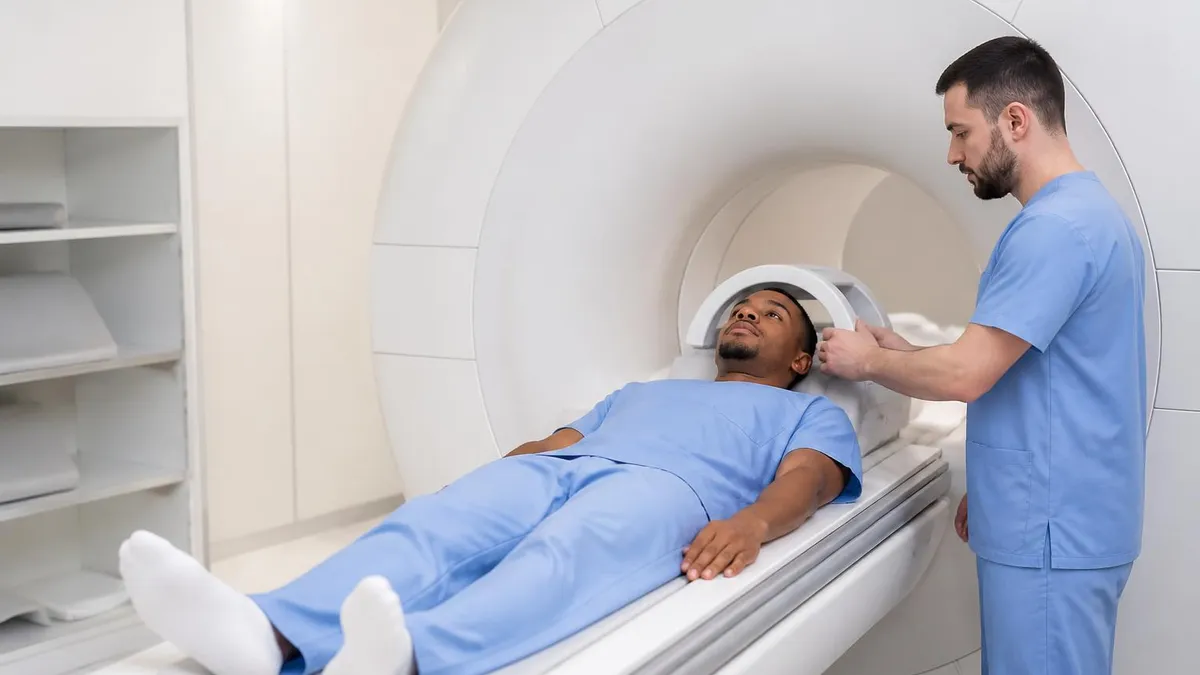
Knee MRI Images: A Complete Guide to Reading, Understanding, and Interpreting Knee Scans
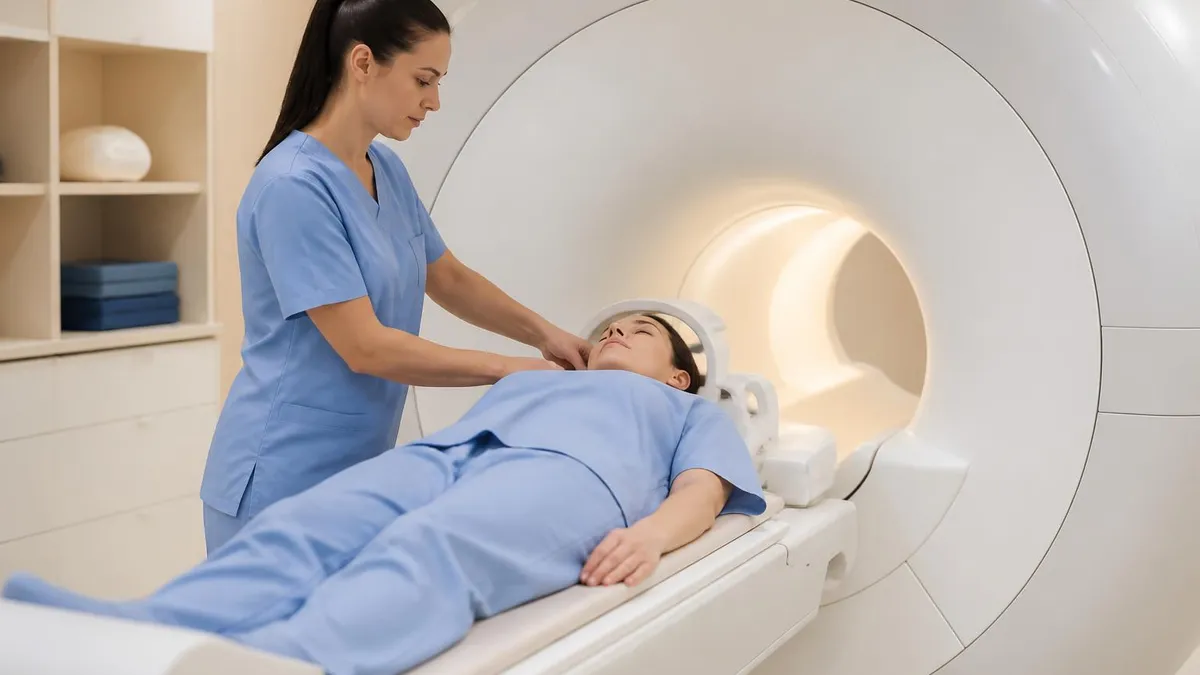
Noise of MRI Machine: Why MRI Scanners Are So Loud and What to Expect
Join the Discussion
Connect with other students preparing for this exam. Share tips, ask questions, and get advice from people who have been there.
View discussion (8 replies)