
Does MRI Take Long? A Complete Guide to MRI Procedure Duration, Scan Times, and What to Expect
Does MRI take long? Learn typical MRI scan times by body part, what affects duration, and how to prepare so your exam goes faster and smoother. 🎯
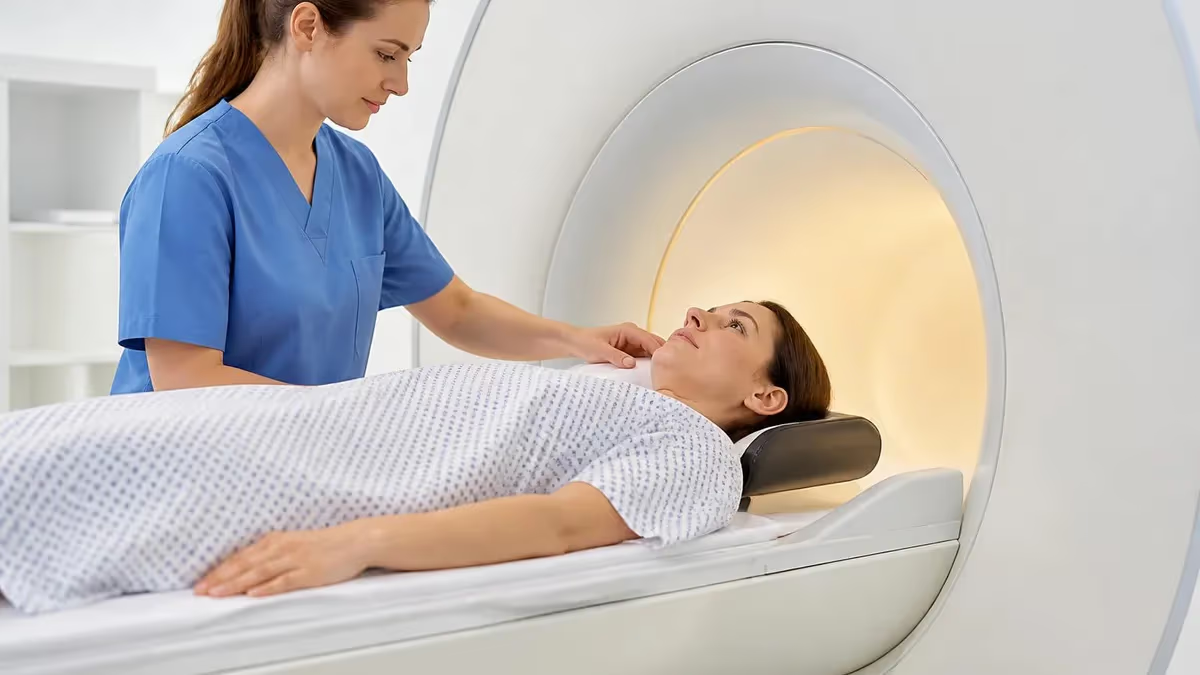
If you have a scan booked, the first thing you probably want to know is simple: does MRI take long? The honest answer is that it depends on what is being imaged, but most routine MRI procedures run between 15 and 60 minutes from the moment you lie down until the table slides back out. A single body part, such as a knee or a brain scan without contrast, often finishes in 20 to 30 minutes, while complex multi-region studies can stretch past an hour.
MRI, or magnetic resonance imaging, uses a powerful magnet and radio waves rather than ionizing radiation to build detailed cross-sectional pictures of soft tissue, bone, and organs. Because the machine captures images in a series of timed sequences, the total appointment is really a stack of shorter acquisitions added together. Each sequence may last anywhere from one to eight minutes, and your radiologist orders only the ones needed to answer the clinical question your doctor asked.
It also helps to separate scan time from appointment time. The actual imaging might take 25 minutes, but check-in, changing into a gown, screening for metal, positioning, and post-scan instructions add another 20 to 40 minutes. When contrast dye is involved, a technologist places an IV line and may run a second set of images afterward, so plan for extra time. Most facilities ask you to arrive 15 to 30 minutes early for exactly this reason.
The body region matters enormously. A pituitary or internal auditory canal study is small and focused, yet it may require thin, high-resolution slices that take longer per image. By contrast, a large field such as the abdomen needs breath-holding sequences that depend on your ability to follow instructions. Spine imaging is another common request, and you can read more about region-specific protocols like an MRI of cervical spine to understand why some studies need more sequences than others.
Patient cooperation is one of the biggest hidden variables. MRI is extremely sensitive to motion, so if you move during a sequence, the technologist often has to repeat it, adding several minutes each time. Staying still, breathing as instructed, and remaining calm inside the bore all shorten the total duration. People who feel claustrophobic may need short breaks, which is completely normal but does extend the appointment slightly.
Finally, the type of scanner affects speed. Modern high-field 3 Tesla magnets and newer software can acquire images faster than older 1.5 Tesla units, and accelerated techniques now trim minutes off many protocols. Throughout this guide we will break down realistic timing by body part, explain what makes a scan run long, and give you concrete steps to prepare so your visit is as quick and stress-free as possible.
MRI Procedure Duration by the Numbers
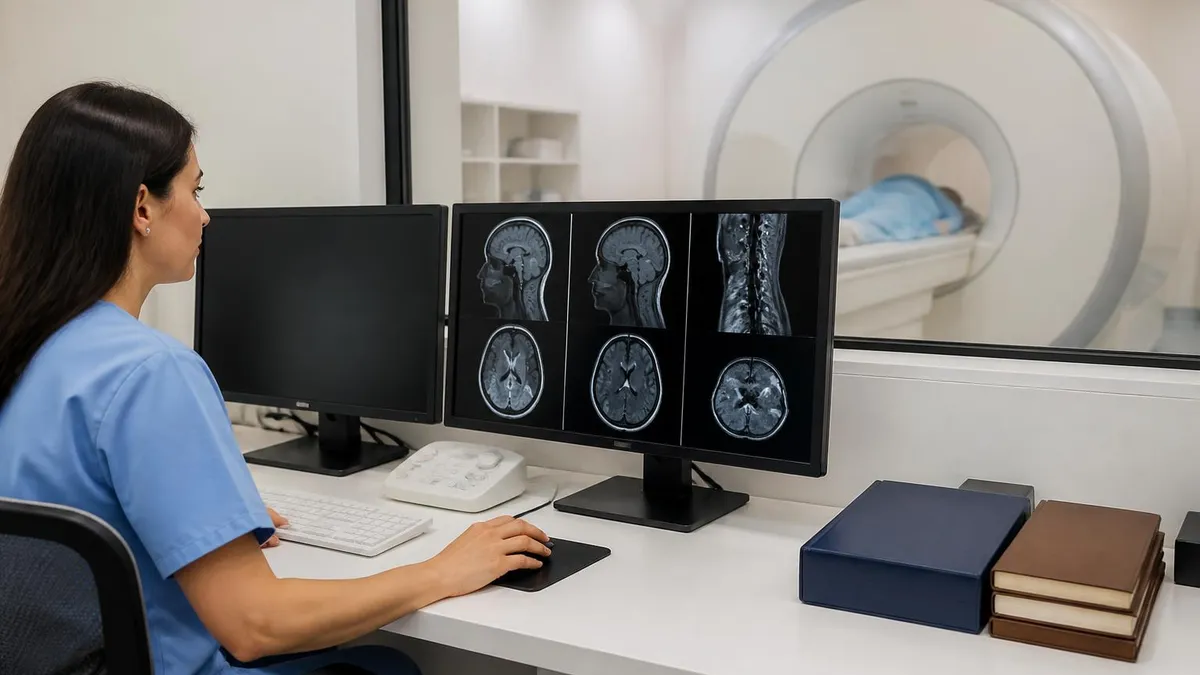
Typical MRI Scan Times by Body Part
A standard brain study without contrast usually takes 20 to 40 minutes. Adding contrast for tumor, stroke, or infection workups pushes it to 45 to 60 minutes including IV placement and post-contrast sequences.
Each spinal region (cervical, thoracic, lumbar) runs 30 to 60 minutes. Imaging two or three regions in one sitting can extend the appointment well past an hour because each segment needs its own sequence set.
Knees, shoulders, ankles, and wrists typically finish in 20 to 30 minutes. MR arthrograms with injected contrast take longer because of the injection step performed before imaging begins.
These exams take 30 to 60 minutes and rely on breath-holding. Liver, kidney, and pelvic studies often need both pre- and post-contrast phases, adding time for the dye to circulate.
Specialized cardiac MRI and breast MRI are among the longest, often 45 to 90 minutes, because they require gating, multiple dynamic phases, and very high-resolution imaging sequences.
Understanding the procedure itself helps explain why timing varies so much. When you arrive, the first step is safety screening. A technologist reviews a detailed questionnaire about implants, pacemakers, surgical clips, metal fragments, and prior surgeries. This matters because the magnet is always on, and certain devices are unsafe in the bore. If you understand what the MRI medical abbreviation actually represents, you will appreciate why magnetic compatibility screening is non-negotiable before anyone enters the scan room.
Next, you change into a gown and remove anything metallic: jewelry, watches, hearing aids, hairpins, and clothing with zippers or underwire. Even small metal objects can distort the images or become projectiles, so this step is thorough. You may be asked to empty your pockets into a locker and leave phones and credit cards outside, since the magnetic field can erase magnetic strips. These preparation steps usually take five to ten minutes but are essential for safety and image quality.
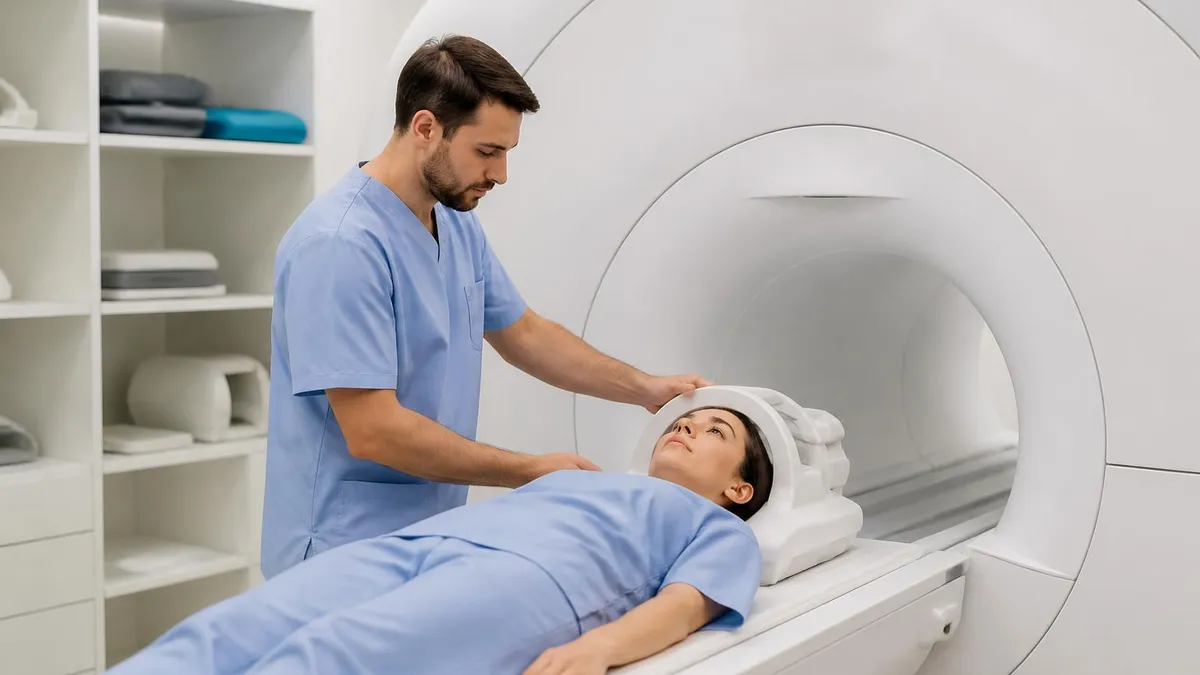
Once cleared, the technologist positions you on a padded, motorized table. Depending on the body part, a coil, which is a special antenna that receives signals, is placed around or near the region being imaged. For a knee, the coil wraps the joint; for a brain, a helmet-like coil surrounds the head. Proper positioning is critical because even a few degrees of misalignment can require repositioning and repeated sequences, both of which add minutes to the exam.
The table then slides into the cylindrical bore. You will hear loud knocking, buzzing, and humming sounds as the gradient coils switch on and off, which is completely normal. Earplugs or headphones are provided, and many centers offer music. The technologist watches you through a window and communicates over an intercom, telling you when each sequence starts and roughly how long it lasts so you know exactly how long to hold still.
During imaging, you must remain motionless. Each sequence produces a set of images, and the scanner runs several back to back. For some sequences you breathe normally; for abdominal or chest work you hold your breath for 15 to 25 seconds on command. The technologist may pause to review images and decide whether additional sequences are needed, which is one reason the total time is not always predictable to the minute.
When the scan is complete, the table slides out and the coil is removed. If contrast was used, the IV is taken out and you may be asked to wait briefly to ensure no reaction occurs. There is no recovery period for a standard MRI, so most patients walk out and resume normal activities immediately. A radiologist later interprets the images and sends a report to your referring physician, typically within 24 to 72 hours.
MRI Practice Test Questions
Prepare for the MRI - Magnetic Resonance Imaging exam with our free practice test modules. Each quiz covers key topics to help you pass on your first try.
MRI Knowledge
MRI Exam Questions covering Knowledge. Master MRI Test concepts for certification prep.
MRI Physics
Free MRI Practice Test featuring Physics. Improve your MRI Exam score with mock test prep.
MRI Anatomy and Pathology
MRI Test Prep for MRI Anatomy and Pathology. Practice MRI Quiz questions and boost your score.
MRI Anatomy and Positioning
MRI Questions and Answers on MRI Anatomy and Positioning. Free MRI practice for exam readiness.
MRI Contrast Agents
Free MRI Quiz on MRI Contrast Agents. MRI Exam prep questions with detailed explanations.
MRI Patient Care and Positioning
MRI Practice Questions for MRI Patient Care and Positioning. Build confidence for your MRI certification exam.
Factors That Affect How Long an MRI Takes
The single biggest driver of scan time is how many sequences your radiologist orders. A simple screening study might use three or four sequences, while a detailed diagnostic workup can use eight or more. Each sequence emphasizes different tissue properties, such as T1, T2, FLAIR, or diffusion-weighted imaging, and each takes its own block of time ranging from one to eight minutes.
Protocols are not random. They are tailored to the clinical question, so a scan looking for multiple sclerosis lesions runs different sequences than one searching for a torn ligament. More complex questions require more images, and that directly lengthens the appointment. This is why two people scanning the same body part can have very different durations depending on their diagnosis.
Is a Longer, More Detailed MRI Worth It?
- +Captures higher-resolution images that reveal subtle pathology
- +Allows contrast phases that detect tumors and inflammation
- +Reduces the chance of a repeat scan due to incomplete imaging
- +Provides multiple sequence types for a confident diagnosis
- +Improves accuracy for complex or multi-region conditions
- +Gives the radiologist enough data to avoid follow-up studies
- −Requires lying still for a longer, sometimes uncomfortable period
- −Increases exposure to loud scanner noise over time
- −May heighten anxiety for claustrophobic patients
- −Adds appointment time and IV placement for contrast
- −Higher chance motion artifacts force sequence repeats
- −Can be tiring for patients in pain or with limited mobility
Pros and Cons at a Glance
| Pros | Cons |
|---|---|
| Captures higher-resolution images that reveal subtle pathology | Requires lying still for a longer, sometimes uncomfortable period |
| Allows contrast phases that detect tumors and inflammation | Increases exposure to loud scanner noise over time |
| Reduces the chance of a repeat scan due to incomplete imaging | May heighten anxiety for claustrophobic patients |
| Provides multiple sequence types for a confident diagnosis | Adds appointment time and IV placement for contrast |
| Improves accuracy for complex or multi-region conditions | Higher chance motion artifacts force sequence repeats |
| Gives the radiologist enough data to avoid follow-up studies | Can be tiring for patients in pain or with limited mobility |
How to Prepare for a Faster MRI Scan
- ✓Arrive 15 to 30 minutes early to complete safety screening.
- ✓Tell staff about any implants, pacemakers, or metal fragments.
- ✓Leave jewelry, watches, and piercings at home when possible.
- ✓Wear comfortable clothing without zippers, snaps, or underwire.
- ✓Remove makeup, as some cosmetics contain metallic particles.
- ✓Follow any fasting instructions for abdominal or pelvic scans.
- ✓Use the restroom before the scan begins to avoid interruptions.
- ✓Ask about earplugs or headphones if noise concerns you.
- ✓Mention claustrophobia in advance so options can be arranged.
- ✓Practice slow, steady breathing to help you stay relaxed and still.
Staying perfectly still is your fastest route out of the bore
MRI is exquisitely sensitive to motion, and a blurred sequence almost always has to be repeated. Each repeat can add three to eight minutes. By holding still and following breathing instructions precisely, most patients shave significant time off their total scan and avoid the frustration of doing sequences twice.
Contrast, sedation, and certain special cases all change how long an MRI takes, sometimes dramatically. Gadolinium-based contrast is the most common addition. After the initial non-contrast images, a technologist injects the dye through an IV and then captures post-contrast sequences while the agent circulates. For a brain or spine study this adds roughly 10 to 15 minutes, but for dynamic liver or breast imaging, where timing of multiple phases is critical, the contrast portion can dominate the entire exam and add 20 minutes or more.
Sedation is occasionally necessary, and it reshapes the appointment timeline significantly. Patients with severe claustrophobia, young children, or individuals who cannot stay still due to pain or movement disorders may receive oral or IV sedation. This requires pre-scan preparation, monitoring during the exam, and a recovery period afterward. The imaging time itself may be unchanged, but the overall visit can extend by an hour or more, and you will need someone to drive you home.
Pediatric MRI deserves special mention. Children often need either sedation or general anesthesia to remain motionless, especially for brain and spine studies. Anesthesia teams coordinate with the MRI staff, and protocols are sometimes shortened to the essentials to limit the time under sedation. Family-centered centers may use video goggles, mock scanners, and child-life specialists to help older kids complete scans awake, which avoids anesthesia but requires patience and extra coaching time.
Functional and specialized studies are inherently longer. Functional MRI, which maps brain activity, requires the patient to perform tasks during imaging and can run 45 to 90 minutes. MR spectroscopy, MR angiography, and cardiac MRI with gating to the heartbeat all add complexity and time. Diffusion tensor imaging used to map nerve tracts is another lengthy add-on. These advanced techniques generate enormous diagnostic value but should be expected to take considerably longer than a routine scan.
Multi-region orders are a frequent source of long appointments. When a physician requests imaging of the cervical, thoracic, and lumbar spine together, each region is essentially its own scan with its own sequence set. The same applies to bilateral joint imaging or whole-body protocols used in cancer staging. Booking these as a single appointment is efficient, but patients should mentally prepare for 60 to 120 minutes inside the scanner rather than the usual half hour.
Finally, the urgency and setting influence timing. Emergency MRI performed for stroke or spinal cord compression often uses abbreviated protocols designed to answer one urgent question quickly, sometimes in under 10 minutes. By contrast, a comprehensive outpatient diagnostic study optimizes for detail rather than speed. Understanding which type of exam you are scheduled for helps set realistic expectations and reduces the anxiety that comes from not knowing how long you will be lying inside the machine.
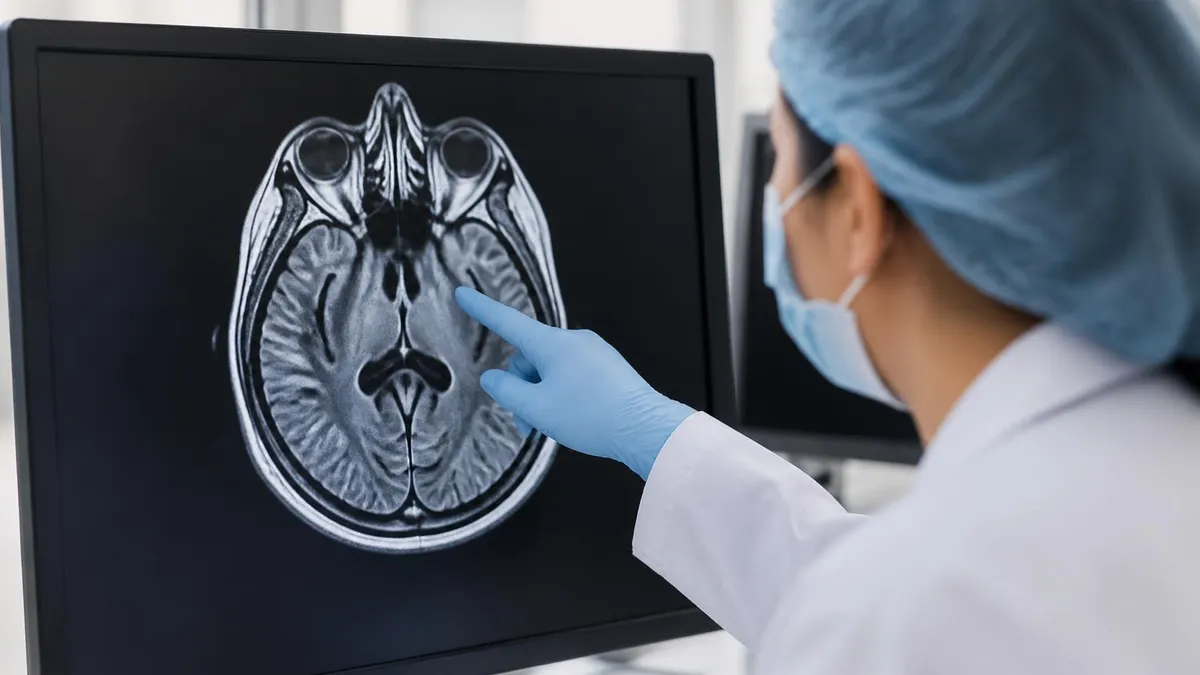
The MRI magnet is always active, even between scans. Failing to disclose implants, pacemakers, aneurysm clips, or embedded metal fragments can cause serious injury and will delay or cancel your exam. Always answer the safety questionnaire completely and honestly, and bring documentation for any implanted device if you have it.
Staying calm and still is the most reliable way to keep your MRI on schedule, and it is a skill you can prepare for in advance. The enclosed bore and loud noises catch many first-timers off guard, but knowing what to expect removes most of the surprise. Before the scan, ask the technologist to walk you through the sounds and the approximate length of each sequence so the experience feels predictable rather than overwhelming once you are inside the machine.
Breathing technique is more powerful than most patients realize. Slow, diaphragmatic breathing lowers your heart rate and reduces the urge to fidget. For abdominal and chest scans you will be coached to hold your breath on command, so practicing comfortable 15 to 20 second breath-holds at home can make those sequences smoother. When you breathe consistently, the images are sharper and the technologist is far less likely to repeat a sequence, which keeps your total time down.
If you tend toward claustrophobia, plan ahead rather than hoping it will not bother you. Tell the scheduling team in advance so they can offer a wide-bore scanner, allow a support person in the room, or arrange a mild sedative prescribed by your doctor. Many centers let you keep your eyes closed, use an eye mask, or position you feet-first when the body part allows, all of which reduce the sensation of being enclosed and help you finish without breaks.
Use the equipment that is offered. Earplugs and headphones dramatically cut the noise, and music or even a podcast can make the minutes pass faster. Some facilities provide mirrors angled so you can see out of the bore, prism glasses, or video screens. A washcloth over the eyes is a simple trick that helps many people. The squeeze ball or call button is your lifeline; knowing you can pause the scan at any moment paradoxically makes most patients feel calm enough to never use it.
Comfort positioning before the scan starts pays off later. Tell the technologist if your back, neck, or shoulders hurt, and ask for extra padding, a bolster under the knees, or a blanket. Once imaging begins you should not move, so getting comfortable in the first minute prevents the small shifts that ruin sequences. Empty your bladder beforehand, since the urge to urinate during a 40-minute scan is both distracting and a common cause of motion.
Mental strategies round out your toolkit. Counting breaths, visualizing a calm place, or mentally rehearsing the number of remaining sequences gives your mind a focus other than the confined space. Remind yourself that the loud knocking means the machine is working and that each noisy burst brings you closer to finishing. Patients who go in with a plan consistently report shorter, calmer experiences, and they spend less total time in the scanner because fewer images need to be repeated.
With the basics covered, a few practical strategies can make your MRI day genuinely easier. Start by confirming the exact exam ordered when you book. Ask the scheduler whether contrast is required, whether you need to fast, and roughly how long the scan should take. Knowing in advance that you are scheduled for, say, a 45-minute lumbar spine with contrast lets you plan your day, arrange a ride if sedation is involved, and arrive with realistic expectations rather than being surprised at check-in.
Bring the right paperwork. If your doctor ordered the scan, make sure the facility has the referral and any prior imaging for comparison. Carrying implant cards for devices like stents, joint replacements, or heart valves speeds up the safety review and prevents last-minute delays while staff verify MRI compatibility. If you have had a previous reaction to contrast dye, tell the team before the appointment so they can plan accordingly or premedicate you if necessary.
Dress strategically. Wearing soft, metal-free clothing such as athletic wear without zippers can sometimes let you skip the gown entirely, saving a few minutes. Leave valuables, jewelry, and electronics at home or with a companion. Remove dentures, hearing aids, and removable dental work when asked. The fewer metallic items you bring into the suite, the smoother the transition from the waiting room to the scanner table will be.
Manage food, fluids, and medication thoughtfully. Most MRIs do not require fasting, but abdominal, pelvic, and some specialized studies do, so follow the instructions you are given. Take your regular medications unless told otherwise, and if you are diabetic or take metformin, ask whether any adjustments are needed around contrast. Staying normally hydrated helps the technologist place an IV quickly if contrast is part of your protocol, which keeps the appointment moving.
Think about timing and logistics. Early morning appointments often run closer to schedule because the day's delays have not yet accumulated. Build in a buffer so you are not anxious about being late to another commitment, since rushing raises stress and makes it harder to stay still. If you are nervous, consider bringing a trusted friend or family member who can sit with you beforehand and, at some centers, remain in the room during the scan.
After the scan, ask when and how you will receive results. A radiologist interprets the images and sends a report to your ordering physician, usually within one to three business days. Many patients can access images and reports through an online portal. If your study used contrast, watch for any delayed reaction, though serious reactions are rare. Understanding the follow-up process closes the loop and helps you move forward with whatever next steps your care plan requires.
Sample MRI - Magnetic Resonance Imaging Practice Questions
Try these questions from our free MRI - Magnetic Resonance Imaging practice tests. The correct answer and an explanation follow each question.
What does the acronym STIR stand for, and what tissue does it primarily null?
- A. Short-T1 Inversion Recovery — nulls fat signal
- B. Steady-state T1 Inversion Recovery — nulls water signal
- C. Short-TE Inversion Recovery — nulls fat signal
- D. Standard Tissue Inversion Recovery — nulls all tissue equally
Answer: A. Short-T1 Inversion Recovery — nulls fat signal
STIR (Short-T1 Inversion Recovery) applies an inversion pulse with a TI timed to null fat signal (TI ≈ 150 ms at 1.5T), providing robust fat suppression independent of B0 homogeneity.
What does 'isotropic voxel' mean in MRI acquisition?
- A. Voxel with equal field strength in all dimensions
- B. Voxel with equal dimensions in all three spatial directions
- C. Voxel that produces equal signal in T1 and T2 sequences
- D. Voxel aligned with the main magnetic field
Answer: B. Voxel with equal dimensions in all three spatial directions
An isotropic voxel has identical length, width, and height, allowing high-quality multiplanar reformats without resolution loss.
What does the term 'repetition time' (TR) refer to in MRI pulse sequences?
- A. The time between the RF pulse and the echo
- B. The time between successive RF excitation pulses applied to the same slice
- C. The total scan duration
- D. The time for magnetization to return to equilibrium after T2 decay
Answer: B. The time between successive RF excitation pulses applied to the same slice
TR is the interval between the beginning of one RF excitation pulse and the beginning of the next for the same slice, controlling T1 contrast.
In MRI, what does the term 'k-space' represent?
- A. The raw frequency-domain data before Fourier transformation into an image
- B. The final reconstructed image space
- C. The physical space inside the MRI bore
- D. A map of gradient field inhomogeneities
Answer: A. The raw frequency-domain data before Fourier transformation into an image
K-space is the mathematical frequency domain where raw MRI data is stored; a Fourier transform converts k-space data into the final spatial image.
Take the full MRI - Magnetic Resonance Imaging practice test
MRI Questions and Answers
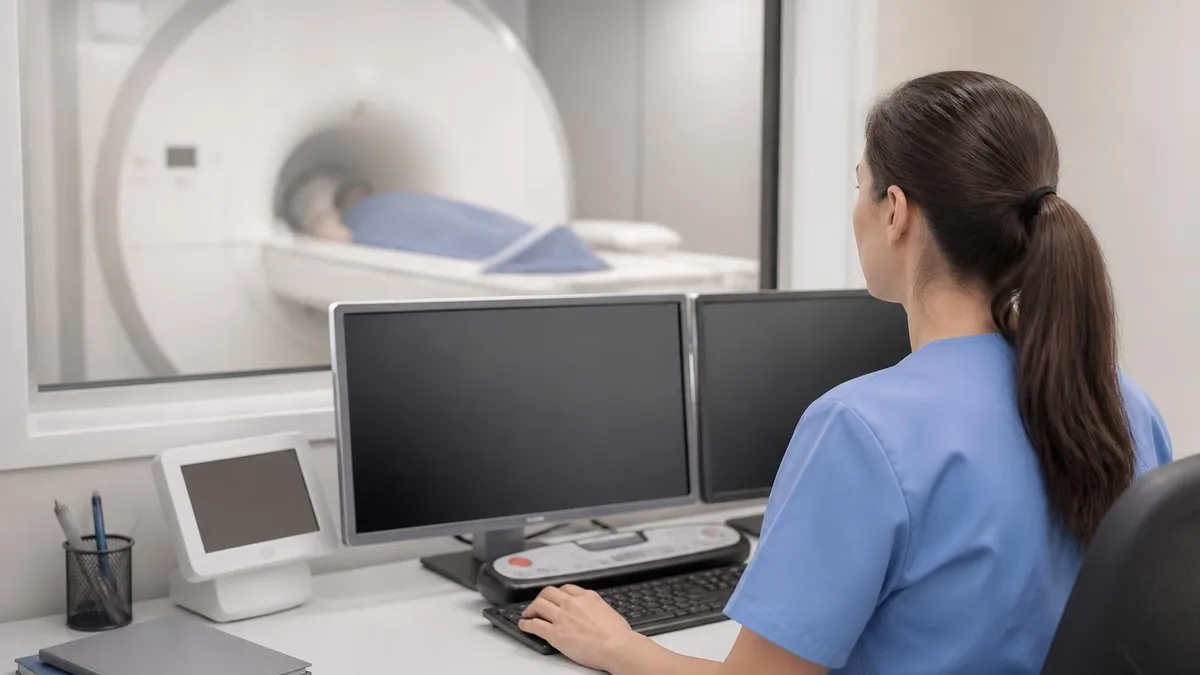
MRI of Cervical Spine: Complete Guide to Imaging, Anatomy, Pathology, and Patient Preparation
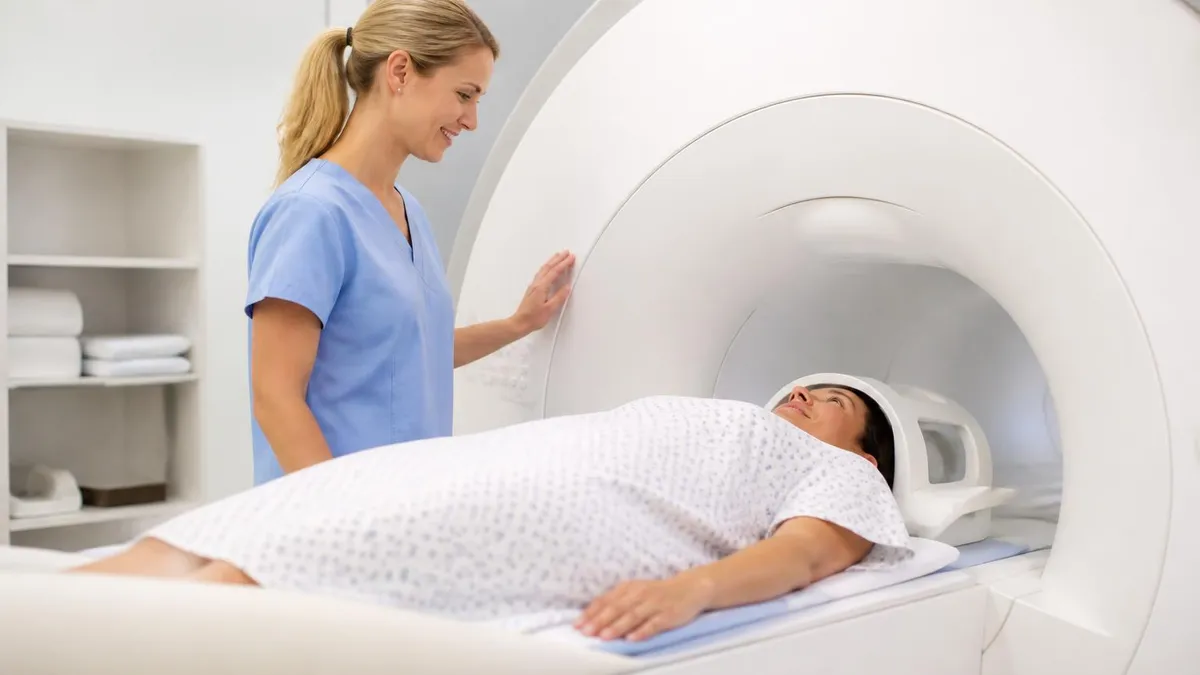
MRI Medical Abbreviation: What MRI Stands For and Why It Matters
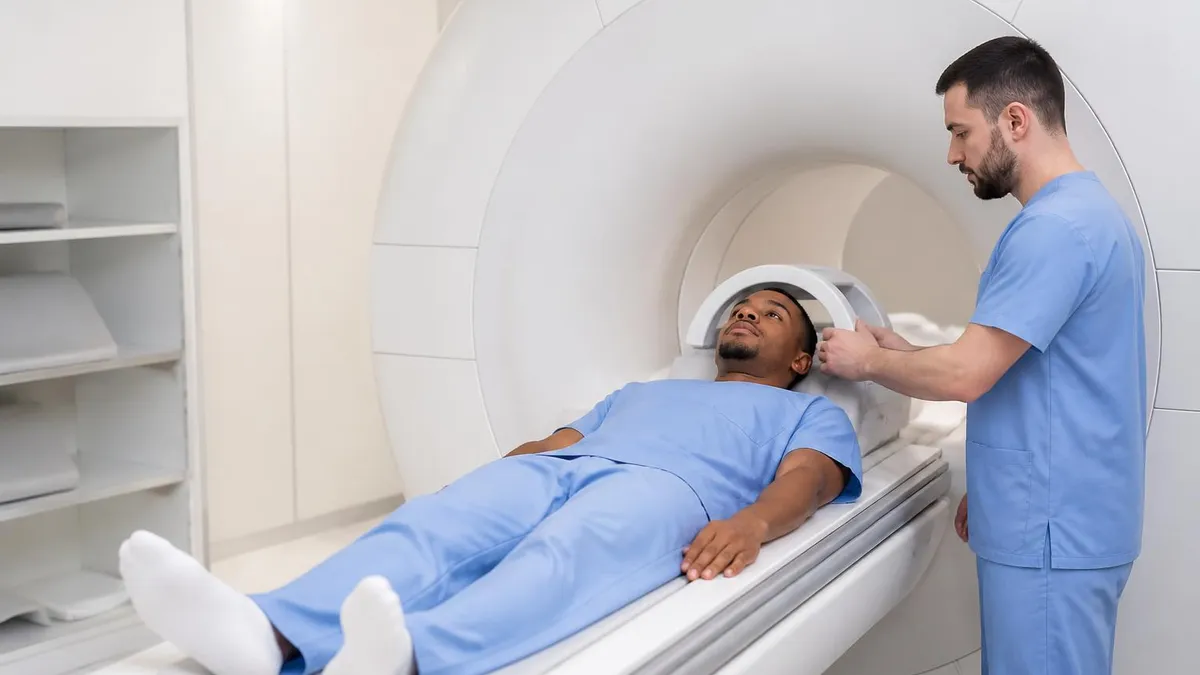
Knee MRI Images: A Complete Guide to Reading, Understanding, and Interpreting Knee Scans
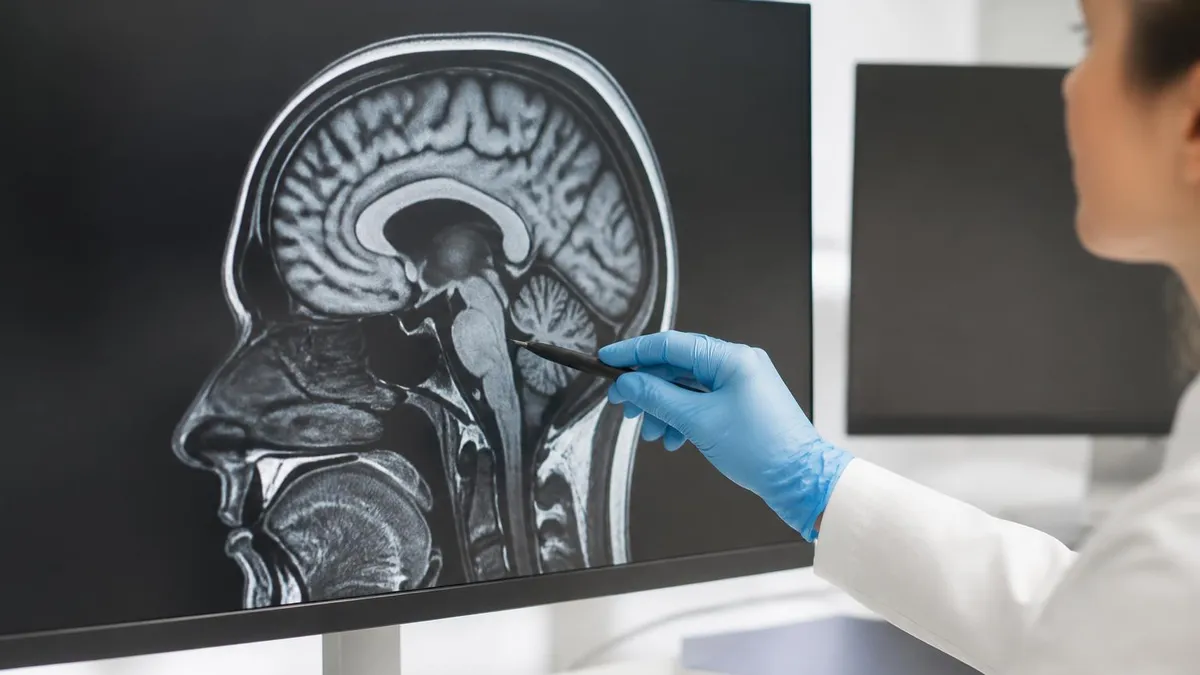
ICD 10 Codes for MRI: Complete Guide to Abnormal MRI Coding, Documentation, and Reimbursement
Is Nickel Titanium MRI Compatible? A Complete Guide to MRI Safety Materials
About the Author

Medical Laboratory Scientist & Clinical Certification Expert
Johns Hopkins UniversityDr. Sandra Kim holds a PhD in Clinical Laboratory Science from Johns Hopkins University and is certified as a Medical Technologist (MT) and Medical Laboratory Scientist (MLS) through ASCP. With 16 years of clinical laboratory experience spanning hematology, microbiology, and molecular diagnostics, she prepares candidates for ASCP board exams, MLT, MLS, and specialist certification tests.
Join the Discussion
Connect with other students preparing for this exam. Share tips, ask questions, and get advice from people who have been there.
View discussion (8 replies)