
Can I Be Sedated for an MRI? A Complete Guide to Sedation Options, Preparation, and What to Expect
Can I be sedated for an MRI? Learn about oral, IV, and general sedation options, preparation steps, costs, risks, and what to expect during your scan. ❓
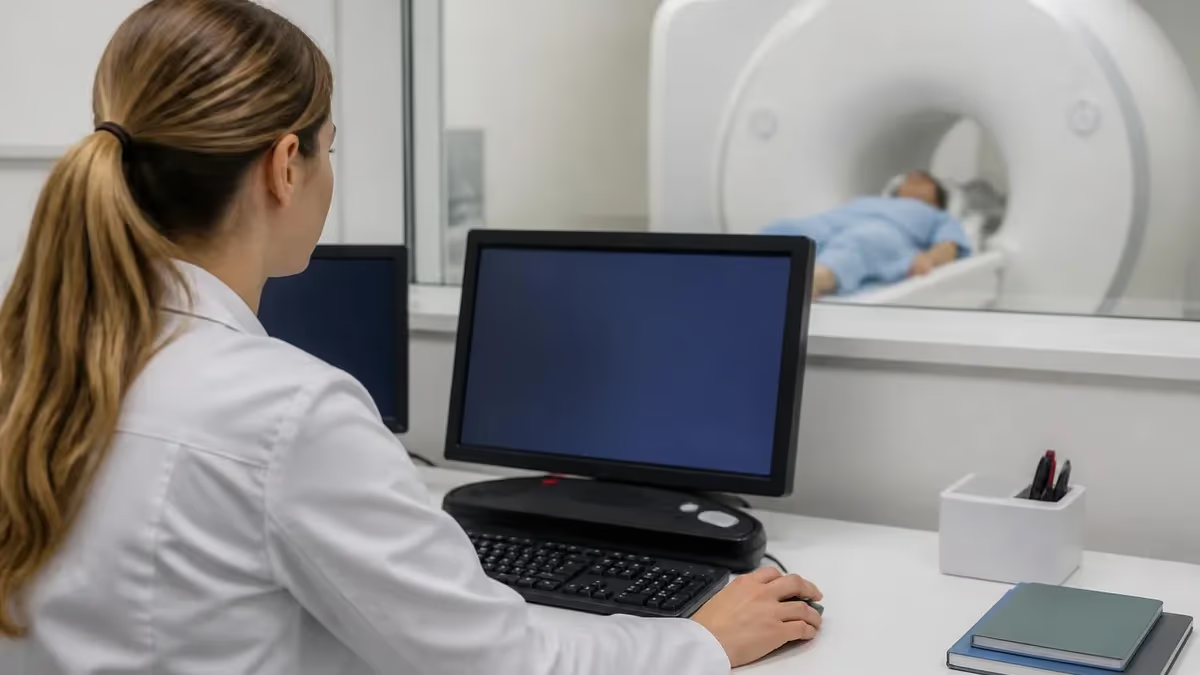
If you have ever asked yourself, can i be sedated for an mri, the short answer is yes. Sedation is widely available for patients who struggle with claustrophobia, anxiety, severe pain, involuntary movement, or pediatric scans where stillness is impossible to achieve without help. Most large hospitals and imaging centers in the United States offer at least one form of sedation, and many offer three or four different levels depending on patient need, scan length, and underlying medical conditions that might affect drug metabolism. Practice with the free MRI - Magnetic Resonance Imaging practice test on PracticeTestGeeks (200+ questions with answer explanations).
MRI sedation is far more common than most patients realize. According to data published by the American College of Radiology, roughly one in twenty adult MRI patients receives some form of pharmacologic anxiety relief, and that percentage climbs to nearly ninety percent for children under six years old. The reasons range from the obvious — a long, loud, tube-shaped scanner that can trigger panic — to the subtle, like patients with chronic back pain who simply cannot lie flat for forty-five minutes without medication assistance.
Understanding your sedation options before the day of your scan saves time, reduces stress, and often improves image quality. A patient who moves even one millimeter during a crucial sequence can force the technologist to repeat that sequence, adding ten to fifteen minutes to the appointment. Worse, motion artifact can make a study non-diagnostic, meaning you have to come back another day. Sedation, when used appropriately, prevents these problems and makes the entire experience dramatically more comfortable.
This guide walks through every aspect of MRI sedation, from the mildest oral anti-anxiety pill taken thirty minutes before your appointment, all the way to deep IV sedation administered by an anesthesiologist. We cover what each option feels like, who qualifies, how much it costs, what insurance typically covers, how long recovery takes, and what you need to arrange ahead of time — including transportation home, which is mandatory for almost every sedation tier.
We also address the practical preparation steps that apply whether you choose sedation or not. These include fasting rules, medication adjustments, clothing choices, removing metal, screening forms, and the surprisingly important question of what to do with contact lenses, hearing aids, dentures, and tattoos. Each of these has caused real delays and cancellations in radiology departments across the country, and a small amount of forethought eliminates almost all of them.
Finally, we share what experienced MRI technologists wish every patient knew before they walked through the door. Small things — like emptying your bladder right before scanning, choosing a comfortable bra without underwire, or asking for a warm blanket — can make a forty-minute scan feel half as long. By the end of this article, you will know exactly what to expect, what to ask for, and how to advocate for yourself if claustrophobia or anxiety threatens to derail your imaging study.
MRI: upcoming dates and official changes
- Aug 17, 2026: ARRT launched a separate entry-level Imaging Assistant, Magnetic Resonance (I.A.) credential. A reduced $75 fee applied to applications made Aug. 17–Oct. 14, 2026, for testing Oct. 15–Nov. 30, 2026. Later applicants pay $225 and can test on or after Jan. 1, 2027.[4]
- The ARRT MRI exam for postprimary-pathway candidates has 220 questions: 200 scored and 20 unscored pilot items.[1]
- The ARRT MRI exam for primary-pathway candidates has 230 questions: 200 scored and 30 unscored pilot items.[2]
- Postprimary-pathway candidates get 210 minutes for the ARRT MRI exam, inside a 230-minute (3 hours, 50 minutes) appointment.[1]
- Primary-pathway candidates get 230 minutes for the ARRT MRI exam, inside a 250-minute (4 hours, 10 minutes) appointment that also covers the tutorial, the NDA and a survey.[2]
- To pass the ARRT MRI exam you need a total scaled score of 75 on ARRT's 1–99 scale. This is not a percentage.[3]
- The ARRT MRI exam through the postprimary pathway costs $225, or $450 for candidates whose supporting credential is from NMTCB or ARDMS.[4]
- The ARRT MRI certification exam costs $225 to apply for through the primary eligibility pathway.[4]
- ARRT MRI candidates have three attempts to pass the exam, all within three years of the date their first exam window opens.[2]
- ARRT MRI certification and registration lasts 10 years, even with annual renewal. After that, holders must complete Continuing Qualifications Requirements (CQR).[5]
Numbers in brackets link to the official sources listed under Sources & last verified. Dates that have passed are removed automatically.
MRI Exam at a Glance
| Item | Detail | Source · Verified |
|---|---|---|
| Number of questions (Postprimary pathway) | 220 questions (200 scored + 20 unscored pilot)[1] | assets-us-01.kc-usercontent.com · Oct 15, 2026 |
| Number of questions (Primary pathway) | 230 questions (200 scored + 30 unscored pilot)[2] | assets-us-01.kc-usercontent.com · Oct 15, 2026 |
| Time limit (Postprimary pathway) | 210 minutes test time (230-minute appointment)[1] | assets-us-01.kc-usercontent.com · Oct 15, 2026 |
| Time limit (Primary pathway) | 230 minutes test time (250-minute appointment)[2] | assets-us-01.kc-usercontent.com · Oct 15, 2026 |
| Passing score | Scaled score of 75 (scale 1–99)[3] | The American Registry of Radiologic Technologists · Oct 15, 2026 |
| Exam fee (Postprimary pathway) | $225 application fee ($450 with an NMTCB or ARDMS supporting credential)[4] | The American Registry of Radiologic Technologists · Oct 15, 2026 |
| Exam fee (Primary pathway) | $225 application fee[4] | The American Registry of Radiologic Technologists · Oct 15, 2026 |
| Retake policy | 3 attempts within 3 years of the first exam window[2] | assets-us-01.kc-usercontent.com · Oct 15, 2026 |
| Validity | 10 years, then Continuing Qualifications Requirements (CQR)[5] | assets-us-01.kc-usercontent.com · Oct 15, 2026 |
| Renewal | Annual renewal, $65/year; 24 CE credits every 2 years[5] | assets-us-01.kc-usercontent.com · Oct 15, 2026 |
| Delivery | Computer-based at Pearson VUE test centers[2] | assets-us-01.kc-usercontent.com · Oct 15, 2026 |
| Eligibility (Postprimary pathway) | Supporting ARRT credential (or NMTCB/ARDMS) + structured education + clinical experience[1] | assets-us-01.kc-usercontent.com · Oct 15, 2026 |
| Eligibility (Primary pathway) | ARRT-recognized MRI program + associate degree or higher + ethics[2] | assets-us-01.kc-usercontent.com · Oct 15, 2026 |
| Score release | Preliminary score at the test center; official results in about 10 business days[3] | The American Registry of Radiologic Technologists · Oct 15, 2026 |
| Testing window | One-year (365-day) exam window per application[2] | assets-us-01.kc-usercontent.com · Oct 15, 2026 |
Free MRI - Magnetic Resonance Imaging Study Tools
Interactive MRI - Magnetic Resonance Imaging resources on PracticeTestGeeks, free to start:
- Free MRI Knowledge Questions and Answers — 11 questions with instant scoring and answer explanations
- MRI - Magnetic Resonance Imaging flashcards — review key terms and concepts card by card
- MRI - Magnetic Resonance Imaging study guide — topic-by-topic overview of what the exam covers
- MRI - Magnetic Resonance Imaging cheat sheet — one-page printable summary for last-minute review
MRI Sedation by the Numbers
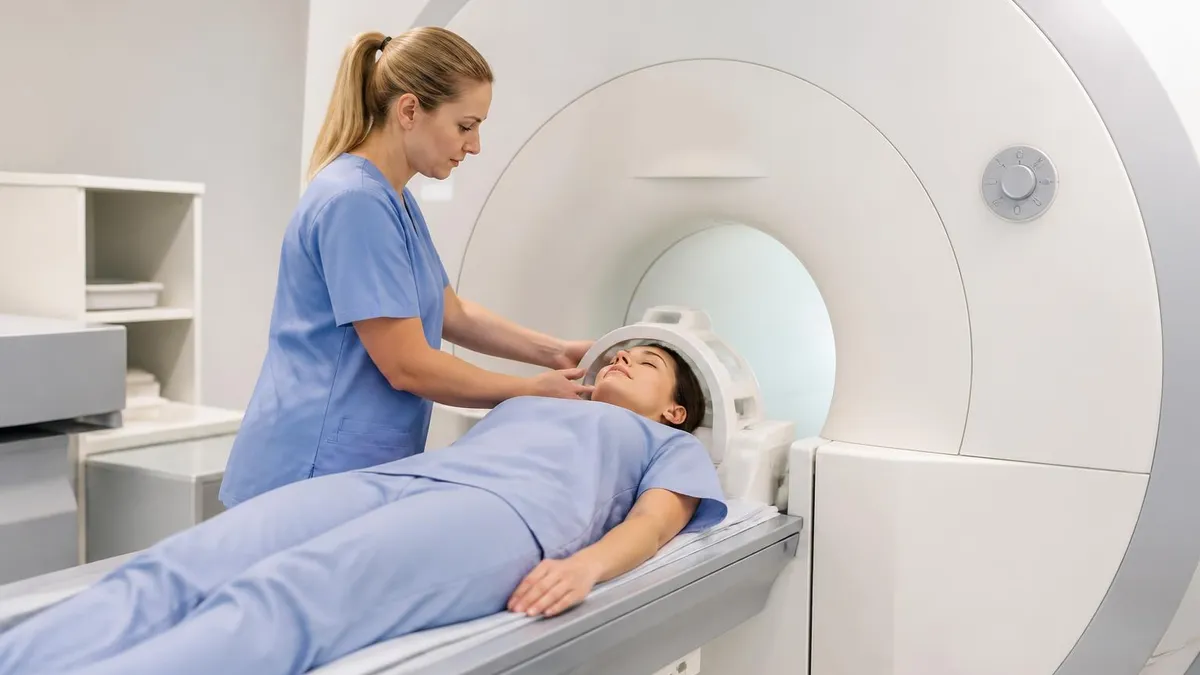
Sedation Options Available for MRI
Mild medications like lorazepam (Ativan) or diazepam (Valium) taken 30-60 minutes before your scan. Reduces anxiety while keeping you awake and responsive. Most common form requested by adult outpatients.
Midazolam or fentanyl delivered intravenously by a nurse. You remain conscious but deeply relaxed and often have no memory of the scan afterward. Requires monitoring of vitals throughout.
Propofol administered by an anesthesiologist or CRNA. You are unconscious but breathing on your own. Used for severely claustrophobic patients or those who cannot tolerate IV sedation.
Full anesthesia with airway support. Reserved for pediatric patients, intellectually disabled adults, or those with movement disorders. Performed in MRI-compatible anesthesia suites.
Inhaled laughing gas offered at some specialty centers. Wears off within minutes of removing the mask. Good middle option for moderate anxiety without the hangover of oral medication.
Not every patient qualifies for every level of sedation, and understanding eligibility helps you have a productive conversation with your ordering provider. The first screening criterion is medical stability. Patients with severe sleep apnea, advanced cardiac mri clinical topics, recent strokes, or unstable airways are generally not candidates for deep sedation in a standard outpatient MRI suite. Instead, they are scheduled at hospitals with on-site anesthesiology coverage and emergency response capabilities, which adds cost and scheduling complexity but provides the safety net required for higher-risk individuals.
Age plays a significant role in eligibility decisions. Children under six years old almost always require sedation because asking a four-year-old to lie perfectly still for forty minutes inside a loud tube is unrealistic. Pediatric radiology departments have dedicated sedation teams, child-life specialists, and often offer mock MRI machines where kids can practice the experience first. Adolescents between seven and seventeen may or may not need sedation depending on temperament, scan length, and the body part being imaged. Adults over seventy face additional considerations around drug clearance, fall risk during recovery, and interactions with chronic medications.
Body weight and medication tolerance also factor into the calculation. Patients on long-term benzodiazepines or opioids for chronic conditions often require higher than standard doses to achieve the same level of sedation as a medication-naive patient. Conversely, very small or elderly patients metabolize these drugs more slowly, requiring lower doses to avoid prolonged grogginess. Honest disclosure of all current medications, including over-the-counter supplements and recreational substances, is essential during the pre-sedation screening. Withholding this information can lead to dangerous interactions or undersedation that wastes the appointment.
Claustrophobia is the single most common reason adults request MRI sedation, and the good news is that claustrophobia alone almost always qualifies you for at least oral anxiolytics. If you have a documented history of panic attacks, prior MRI cancellations, or severe anxiety in enclosed spaces, your ordering physician can write a prescription before the appointment so you can take it at home and arrive already relaxed. Some patients only need to know the option exists; the psychological safety net is enough to get them through without actually filling the prescription.
Movement disorders represent another major indication for sedation. Patients with Parkinson disease, essential tremor, restless legs syndrome, dystonia, or chronic pain syndromes often physically cannot hold still long enough for high-resolution sequences. Even small involuntary movements blur the images and can render an expensive scan diagnostically useless. For these patients, IV sedation or short-acting muscle relaxants are frequently used, particularly for brain or spine imaging where motion artifact is most destructive.
Finally, certain procedures done inside the MRI scanner — like MR-guided biopsies, focused ultrasound treatments, or interventional pain procedures — routinely require sedation regardless of patient preference. These are not diagnostic scans but rather treatments where the patient must remain absolutely motionless and pain-free for an extended period. The sedation plan for these procedures is built into the appointment from the start, and patients receive detailed instructions days in advance about fasting, medication holds, and arrival times.
You can continue preparing with the cpt 72195, which includes answer explanations for every question.
You can continue preparing with the totally open mri near me, which includes answer explanations for every question.
You can continue preparing with the mri machine images, which includes answer explanations for every question.
MRI Practice Test Questions
Prepare for the MRI - Magnetic Resonance Imaging exam with our free practice test modules. Each quiz covers key topics to help you pass on your first try.
MRI Knowledge
MRI Exam Questions covering Knowledge. Master MRI Test concepts for certification prep.
MRI Physics
Free MRI Practice Test featuring Physics. Improve your MRI Exam score with mock test prep.
MRI Anatomy and Pathology
MRI Test Prep for MRI Anatomy and Pathology. Practice MRI Quiz questions and boost your score.
MRI Anatomy and Positioning
MRI Questions and Answers on MRI Anatomy and Positioning. Free MRI practice for exam readiness.
MRI Contrast Agents
Free MRI Quiz on MRI Contrast Agents. MRI Exam prep questions with detailed explanations.
MRI Patient Care and Positioning
MRI Practice Questions for MRI Patient Care and Positioning. Build confidence for your MRI certification exam.
Comparing Oral, IV, and General Sedation for MRI
Oral sedation is the simplest and most widely used option for adult MRI patients. A single dose of lorazepam, diazepam, or alprazolam is taken thirty to sixty minutes before the scan. The medication produces a calm, drowsy feeling without putting you to sleep, and you remain able to communicate with the technologist throughout the scan. Most patients describe the sensation as similar to having two glasses of wine on an empty stomach.
The drawbacks of oral sedation are predictability and depth. Absorption varies from person to person, so the effect may be stronger or weaker than expected. It also does not work well for severe claustrophobia or for patients who require absolute stillness. Recovery is straightforward — most patients feel normal within four to six hours — but you cannot drive home, and you should avoid important decisions or signing legal documents for the rest of the day.
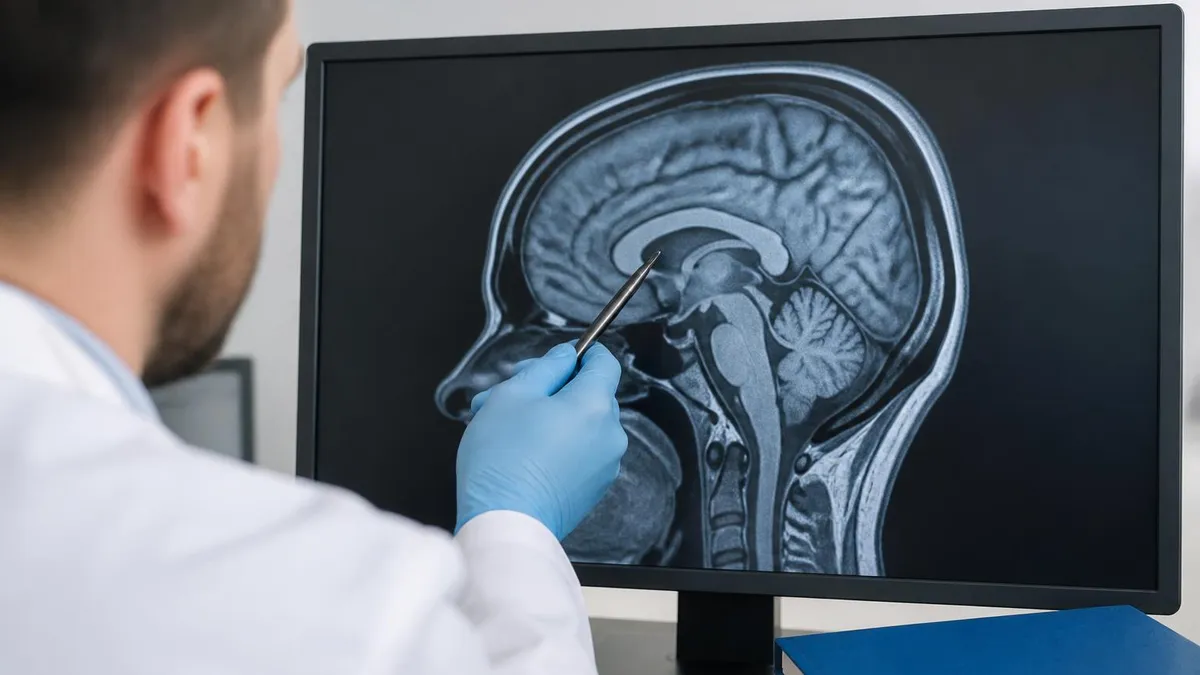
Is Sedation Right for Your MRI? Weighing the Tradeoffs
- +Eliminates panic attacks and claustrophobic episodes that can cancel a scan mid-sequence
- +Produces sharper images by preventing involuntary movement and breathing irregularity
- +Reduces the perceived duration of long scans, making 60-minute studies feel like minutes
- +Allows completion of complex protocols like cardiac MRI or whole-body imaging
- +Provides amnesia so traumatic memories of the tube do not develop
- +Makes pediatric and special-needs imaging possible without restraint
- +Reduces need for repeat appointments due to motion artifact
- −Requires a responsible adult driver for the entire day after sedation
- −Adds $150 to $1,500 to the cost of an already expensive scan
- −Requires fasting for 4-8 hours before deeper sedation levels
- −Carries small risks of respiratory depression, allergic reaction, or paradoxical agitation
- −Extends the appointment by 1-3 hours including pre-screening and recovery
- −May not be covered by insurance for claustrophobia alone without documentation
- −Cannot be combined with certain chronic medications without physician approval
Pros and Cons at a Glance
| Pros | Cons |
|---|---|
| Eliminates panic attacks and claustrophobic episodes that can cancel a scan mid-sequence | Requires a responsible adult driver for the entire day after sedation |
| Produces sharper images by preventing involuntary movement and breathing irregularity | Carries small risks of respiratory depression, allergic reaction, or paradoxical agitation |
| Allows completion of complex protocols like cardiac MRI or whole-body imaging | May not be covered by insurance for claustrophobia alone without documentation |
| Provides amnesia so traumatic memories of the tube do not develop | Cannot be combined with certain chronic medications without physician approval |
Day-Of MRI Sedation Preparation Checklist
- ✓Stop eating solid food at least 6 hours before deep sedation appointments
- ✓Stop drinking clear liquids 2 hours before any sedated MRI
- ✓Arrange a responsible adult driver to take you home and stay with you for 4 hours
- ✓Bring a complete list of all prescription, over-the-counter, and herbal medications
- ✓Wear loose, metal-free clothing or plan to change into a hospital gown
- ✓Remove all jewelry, piercings, watches, hearing aids, and dental appliances before scanning
- ✓Confirm with your provider which morning medications to take or skip
- ✓Complete the MRI safety screening form before arriving to save time
- ✓Avoid alcohol, marijuana, and recreational drugs for 24 hours before sedation
- ✓Notify staff immediately of any pregnancy, kidney disease, or implanted devices
Always Arrange Your Ride Home in Advance
Imaging centers will cancel your sedated MRI on the spot if you arrive without a designated driver who can stay through recovery. Rideshare services like Uber or Lyft are not accepted by most facilities because there is no responsible adult to receive discharge instructions or monitor you afterward. Arrange a family member, friend, or medical transport service at least 48 hours before your appointment.
Sedation is generally very safe when administered by trained personnel in an appropriate setting, but it is not risk-free, and patients deserve a clear picture of what can go wrong. The most common side effect is prolonged drowsiness, which is more of an inconvenience than a danger. About one in five patients receiving IV midazolam reports feeling foggy or fatigued for the rest of the day, and a small percentage feel mildly off through the next morning. This is normal and resolves with rest, hydration, and a light meal once you are fully awake.
More significant risks include respiratory depression, where breathing slows or becomes shallow. This is why continuous pulse oximetry and capnography are standard for any IV or deep sedation. Trained nurses watch these monitors throughout the scan and can quickly administer reversal agents like flumazenil for benzodiazepines or naloxone for opioids if breathing becomes inadequate. The risk is highest in patients with untreated sleep apnea, obesity, or chronic lung disease, which is why honest pre-screening is so important.
Paradoxical reactions occur in roughly one to five percent of patients given benzodiazepines, particularly elderly patients and young children. Instead of becoming sleepy and calm, these patients become agitated, confused, restless, or even combative. The reaction is unpredictable and not something you can know about in advance unless you have had a documented prior episode. If it happens, the scan is usually paused, the medication is reversed, and the appointment is rescheduled with a different sedation plan.
Allergic reactions are rare but possible with any medication, including the contrast agents that may be used during your MRI. Patients with known allergies to eggs, soy, or propofol should specifically mention this during screening because some sedatives contain these components. True anaphylaxis to MRI sedation drugs is extremely uncommon, but imaging centers stock emergency medications and have protocols in place for any reaction, which is part of why sedation adds to the total cost of the appointment.
Recovery time varies dramatically by sedation tier. Oral anxiolytics generally require thirty to sixty minutes of supervised recovery in the imaging center, then four to six hours at home before driving or working. IV moderate sedation typically requires one to two hours of monitored recovery with documented return to baseline alertness, vital signs, and the ability to walk safely. General anesthesia recovery can extend to two to four hours and sometimes includes a brief observation period to ensure complete return of swallowing reflexes before discharge.
Cost varies enormously based on geography, insurance coverage, and sedation level. A simple oral lorazepam prescription might add fifteen to fifty dollars to your MRI bill. IV moderate sedation usually adds three hundred to eight hundred dollars in nursing and monitoring fees. General anesthesia for MRI can add fifteen hundred to three thousand dollars when you factor in the anesthesiologist, CRNA, recovery nurse, and additional facility time. Most insurance plans cover sedation when medically documented as necessary, but prior authorization is often required, and denial rates are higher for claustrophobia alone without a corresponding mental health diagnosis.
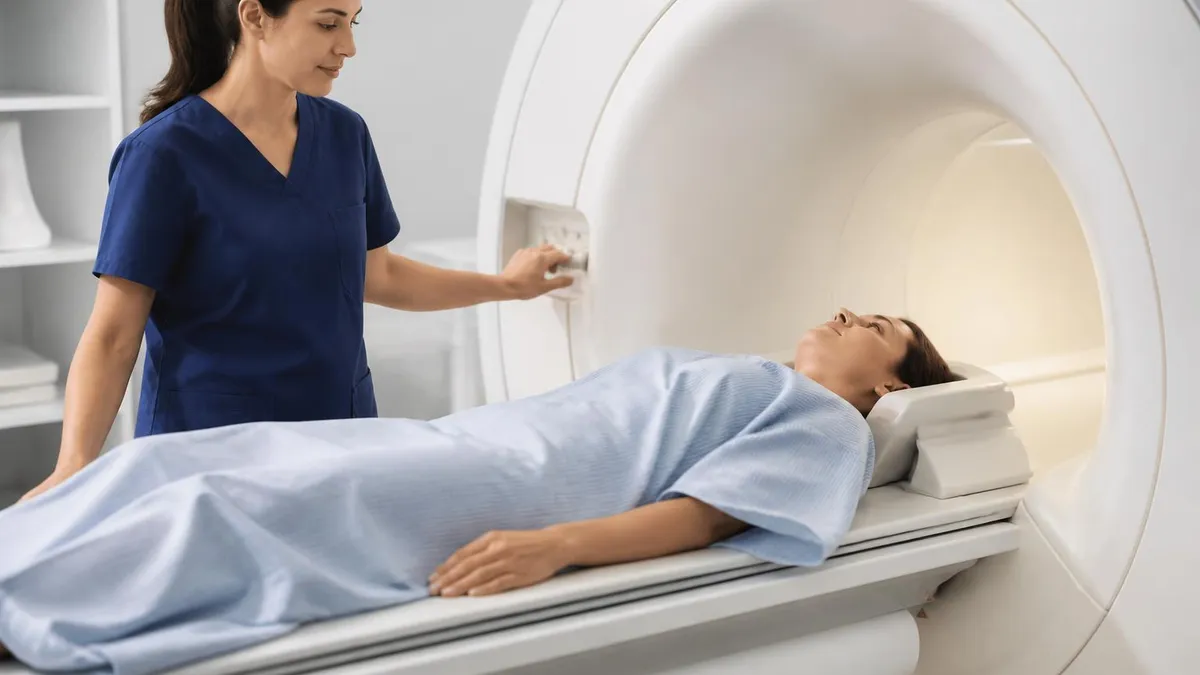
Eating or drinking within the fasting window before deep sedation creates a serious risk of aspiration pneumonia if you vomit while sedated. Imaging centers will cancel your appointment if you admit to eating, and they often ask repeatedly to make sure. Coffee, gum, mints, and even hard candy count as food. When in doubt, wait — a rescheduled MRI is far better than an emergency room visit.
Sedation is not the only solution to MRI anxiety, and many patients prefer to try non-pharmacologic strategies first. The simplest is open or wide-bore MRI scanners, which use a shorter, larger tube design that dramatically reduces claustrophobic feelings. Wide-bore scanners maintain the high field strength needed for diagnostic-quality images while accommodating patients up to about 550 pounds, and they are now standard at most major hospitals and many outpatient centers. If your facility offers both options, request the wide-bore scanner when you schedule.
Truly open MRI machines exist as well, with no tube at all — just two horizontal plates above and below you. These are excellent for severe claustrophobia but typically run at lower field strengths, meaning longer scan times and somewhat lower image resolution. For most musculoskeletal and basic brain imaging, open scanners produce acceptable diagnostic images. For complex cardiac, abdominal, or oncologic imaging, the resolution tradeoff is usually not worth it, and sedation in a high-field closed bore is the better choice.
Distraction techniques are surprisingly effective for mild to moderate anxiety. Most modern MRI suites offer headphones with music streaming, and some advanced centers provide MRI-compatible video goggles that play movies or guided imagery during the scan. Studies in radiology journals have shown that even basic music distraction reduces patient-reported anxiety by twenty to thirty percent and reduces motion artifact significantly. Bring a playlist of calming music you already know and love, and ask the technologist whether they can play it through the system.
Communication tools help enormously. Every MRI scanner is equipped with a two-way intercom and a squeeze ball that triggers an alarm if you need to stop. Knowing you can pause the scan at any moment is psychologically powerful, and many anxious patients never actually use the squeeze ball but find comfort in holding it. Ask the technologist to talk you through the first few sequences, explaining what each one will sound like and how long it will last. Predictability reduces anxiety.
Mindfulness, breathing exercises, and cognitive behavioral therapy work well for patients who have time to prepare. Even a single session with a therapist focused on imaging anxiety can teach techniques that get you through a scan without medication. Apps like Calm and Headspace have specific tracks designed for medical procedures, and listening to one in the waiting room or even during the scan itself can be remarkably effective. If you have a few weeks before your appointment, this investment pays off across many future medical experiences. You might also explore MRI alternatives if anxiety makes any closed-bore scan impossible.
Finally, consider mock MRI experiences. Many academic medical centers and pediatric hospitals have practice scanners — non-magnetic mockups that look and sound exactly like the real machine. Walking through a practice run, hearing the noise, feeling the table move, and learning the breath-hold commands removes most of the unknown. For children and severely anxious adults, mock MRI sessions reduce the need for sedation by an estimated forty to fifty percent. Ask your scheduler whether this resource is available locally before assuming sedation is your only option.
Once you have decided whether to use sedation, focus the remaining preparation on logistics. Confirm the date, time, and location at least two days before your appointment, and ask whether you should arrive thirty minutes early — most sedated MRIs require additional paperwork, IV placement, and a brief medical evaluation by the supervising provider. Showing up early prevents the cascade of delays that can otherwise back up an entire imaging schedule and frustrate everyone involved, including you.
Wear practical clothing. Soft cotton sweatpants and a t-shirt without metal snaps or zippers usually pass MRI safety screening and let you skip the gown. Avoid sports bras with metal underwires, hooks, or reflective threads. Leave jewelry and watches at home rather than in a locker — this reduces stress and removes any chance of forgetting an item during a sedated state. Bring slippers or thick socks because MRI rooms are kept cold to protect the scanner electronics, and warm feet make the experience more pleasant.
Pack a small bag with essentials for the recovery period: a phone charger, a bottle of water for after the fasting window ends, a light snack like crackers or a banana for once you are cleared to eat, sunglasses if you tend to feel light-sensitive after sedation, and your insurance cards and identification. If you wear contact lenses, bring your case and solution because the technologist may ask you to remove them depending on the body part being scanned and whether any contrast or magnetic field interactions are anticipated.
Tell your driver exactly when to arrive and where to park. Some imaging centers have a designated pickup area for sedated patients, separate from the main entrance. Your driver should plan to stay onsite during your scan or be reachable within fifteen minutes by phone. They will receive verbal and written discharge instructions, so they need to be the same person who picks you up, not a relay of helpers. This is a strict policy at almost every accredited imaging facility in the United States.
Follow medication instructions carefully. Most blood pressure medications, thyroid medications, and antiseizure drugs should be taken with a small sip of water even on a fasting day. Diabetes medications often need to be held or adjusted because of the fasting window — call your endocrinologist forty-eight hours before for specific guidance. Blood thinners like warfarin, apixaban, or clopidogrel usually continue normally for diagnostic MRI but may need to be held for interventional MRI procedures. Never stop a prescribed medication without checking first.
After the scan, give yourself the rest of the day off. Even mild oral sedation impairs judgment and reaction time for longer than most patients expect, and the combination of an early wake-up, fasting, anxiety, and medication is genuinely exhausting. Plan a quiet afternoon with familiar food, light entertainment, and an early bedtime. Avoid making important decisions, sending consequential emails, or operating any machinery until you have slept and feel completely back to baseline the following morning.
If your provider ordered the MRI to evaluate a specific symptom or diagnosis, ask before leaving when and how you will receive your results. Most imaging reports are finalized within twenty-four to forty-eight hours and delivered to the ordering physician, who then contacts you. Patient portals often show the radiology report before your doctor calls, which can be stressful if you read it without context. Decide in advance whether you want to look or wait for the conversation.
Sample MRI - Magnetic Resonance Imaging Practice Questions
Try these questions from our free MRI - Magnetic Resonance Imaging practice tests. The correct answer and an explanation follow each question.
What is the maximum number of times a candidate may attempt the ARRT MRI registry examination?
- A. 3 times total
- B. 6 times total
- C. Unlimited attempts
- D. 5 times within 5 years
Answer: B. 6 times total
ARRT limits candidates to 6 total examination attempts for any given credential.
What differentiates T2 from T2* is
- A. The combination of changing molecular magnetic field inhomogeneity and static magnetic field inhomogeneity is represented by T2*, which equals T2.
- B. The combination of changing molecular magnetic field inhomogeneity and static magnetic field inhomogeneity is represented by T2*, or T2*.
- C. The combination of changing molecular magnetic field inhomogeneity and static magnetic field inhomogeneity, or T2*, is represented by T2.
- D. T2* is the product of changing molecular magnetic field inhomogeneity and static magnetic field inhomogeneity, which is represented by T2.
Answer: A. The combination of changing molecular magnetic field inhomogeneity and static magnetic field inhomogeneity is represented by T2*, which equals T2.
T2 relaxation describes the decay of transverse magnetization due to intrinsic molecular interactions and microscopic magnetic field inhomogeneities. T2* relaxation, however, encompasses both these intrinsic T2 effects and additional macroscopic static magnetic field inhomogeneities inherent to the scanner and patient. Therefore, T2* is always shorter than or equal to T2, as it accounts for more dephasing factors.
What is the Specific Absorption Rate (SAR) a measure of in MRI?
- A. Rate of image data acquisition in k-space
- B. Rate at which radiofrequency energy is absorbed by the patient's tissue per unit mass
- C. Speed of gradient switching in Tesla per meter per second
- D. Contrast agent uptake rate in tissue
Answer: B. Rate at which radiofrequency energy is absorbed by the patient's tissue per unit mass
SAR (W/kg) quantifies RF energy deposition in tissue and is a primary safety limit to prevent excessive tissue heating during MRI.
What score does ARRT use to determine passing on the MRI registry examination?
- A. A raw score of 75%
- B. A scaled score of 75 out of 99
- C. A criterion-referenced passing standard set by content experts
- D. A norm-referenced score based on the current testing cohort
Answer: C. A criterion-referenced passing standard set by content experts
ARRT uses a criterion-referenced passing standard established by a panel of content experts, not a simple percentage or norm-based cut score.
Take the full MRI - Magnetic Resonance Imaging practice test
MRI Questions and Answers
Sources & last verified
- assets-us-01.kc-usercontent.com — number of questions, time limit, eligibility (official source). “MRI Scored Items 200 Pilot Items 20 Total Items 220 Test Time 210 min” Verified Oct 15, 2026.
- assets-us-01.kc-usercontent.com — number of questions, time limit, retake policy, delivery (official source). “MRI Scored Items 200 Pilot Items 30 Total Items 230 Test Time 230 min” Verified Oct 15, 2026.
- The American Registry of Radiologic Technologists — passing score, score release (official source). “Our exam scoring scale ranges from 1 to 99, and you’ll need a total score of 75 to pass the exam.” Verified Oct 15, 2026.
- The American Registry of Radiologic Technologists — exam fee, other (official source). “Postprimary (M, CT, MR, BD, CI, VI, VS, BS, R.R.A.): $225 Postprimary (CT, MR, BD, or VS—using NMTCB as supporting category): $450 Postprimary (MR, VS,…” Verified Oct 15, 2026.
- assets-us-01.kc-usercontent.com — validity, renewal (official source). “ARRT certification and registration—even with annual renewal—is limited to 10 years.” Verified Oct 15, 2026.
How we verify: editorial & fact-checking policy. Report an error: contact us.
MRI Medical Abbreviation: What MRI Stands For and Why It Matters
The History of MRI: From Discovery to Modern Medicine
Knee MRI Images: A Complete Guide to Reading, Understanding, and Interpreting Knee Scans
Noise of MRI Machine: Why MRI Scanners Are So Loud and What to Expect
MRI Alternatives: When CT, Ultrasound, X-Ray, and PET Make More Sense Than an MRI
How this page was made: written with AI tools. Exam facts are checked against the official sources listed below. Not reviewed by a subject-matter expert. Editorial policy
Sources & references
Exam facts on this page (fees, format, dates, passing scores) are checked against these official sources; the date is our last check. Editorial policy
- arrt.org — Passing score, score release, fees, exam information · verified Oct 2026
- assets-us-01.kc-usercontent.com — Renewal, score validity, test delivery, eligibility, exam format, test dates, time limit · verified Oct 2026