
Cardiac MRI in Heart Failure: Clinical Topics, Protocols, and Diagnostic Power
📝 Cardiac MRI in heart failure: protocols, late gadolinium enhancement, T1/T2 mapping, ejection fraction, and clinical decision-making in CMR.
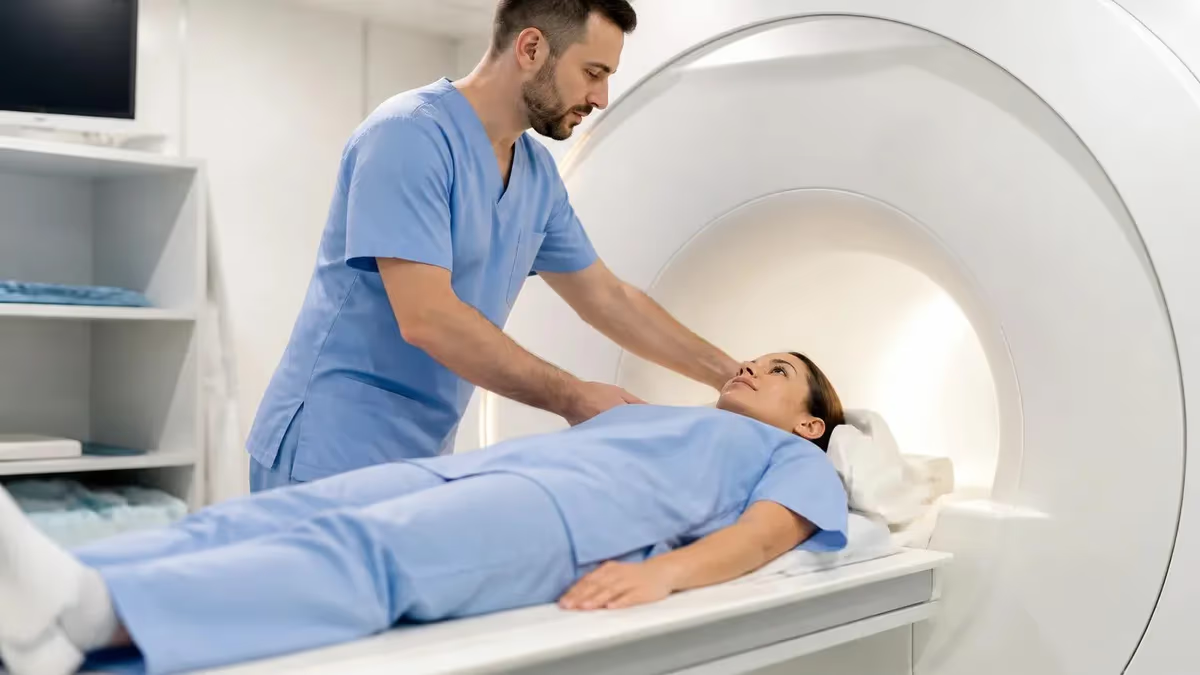
Cardiac MRI in heart failure has moved from a specialty research tool to a frontline imaging modality used by cardiologists, radiologists, and MR technologists every single day. Cardiovascular magnetic resonance (CMR) offers something no other test can: simultaneous, highly accurate measurement of chamber volumes, myocardial function, perfusion, viability, and tissue characterization in one 45 to 60 minute exam. For technologists studying clinical applications, mastering cardiac MRI is one of the most rewarding and reimbursement-relevant skill sets you can develop in modern imaging.
Heart failure affects roughly 6.7 million American adults, and that number is projected to climb past 8 million by 2030. The diagnostic challenge is enormous because heart failure is not a single disease but a syndrome with dozens of underlying causes ranging from ischemic cardiomyopathy and amyloidosis to myocarditis, sarcoidosis, and hypertrophic cardiomyopathy. Cardiac MRI is uniquely positioned to differentiate these etiologies, and that etiologic clarity directly changes patient management, medication choices, and device decisions.
The clinical power of CMR rests on three pillars: cine imaging for function, late gadolinium enhancement (LGE) for scar, and parametric mapping (T1, T2, and extracellular volume) for diffuse tissue characterization. When combined, these sequences provide a comprehensive fingerprint of the myocardium that echocardiography and nuclear imaging simply cannot match. Reading an MRI medical abbreviation report from a cardiac study becomes far easier once you understand what each pillar contributes.
For the registered technologist, cardiac MRI is also one of the most demanding modalities to perform. ECG gating, breath-hold coaching, contrast timing, and arrhythmia management all matter, and small protocol errors can render entire sequences unusable. The ARRT MRI registry exam, ASRT advanced certification, and most clinical orientation programs now expect candidates to know cardiac protocols cold. Cluster competency here directly translates to higher pay, more interesting cases, and broader job mobility.
This guide walks through the clinical topics most frequently tested and most frequently encountered in practice. We cover indications, protocols, ejection fraction quantification, viability assessment, ischemic versus non-ischemic patterns, infiltrative cardiomyopathies, stress perfusion CMR, and the practical safety questions that arise when scanning heart failure patients with devices, renal disease, or claustrophobia. Each section is written to support both registry preparation and bedside competence.
By the end you should be able to explain why CMR is the gold standard for left and right ventricular volumes, how LGE patterns localize disease, when T1 mapping changes management, and what protocol modifications you should make for a patient in atrial fibrillation. We also include practice quiz tiles, a clinical FAQ, and links to related modality articles so you can build a complete mental model of where cardiac MRI fits in the broader cardiovascular workup.
Whether you are a first-year MRI tech, a seasoned cardiac sonographer cross-training into CMR, or a registry candidate two weeks out from your exam, the material below is structured to give you both the conceptual depth and the practical recall you need. Read it once for understanding, then revisit the checklist and FAQ for spaced repetition.
Free MRI - Magnetic Resonance Imaging Study Tools
Interactive MRI - Magnetic Resonance Imaging resources on PracticeTestGeeks, free to start:
- Free MRI Knowledge Questions and Answers — 11 questions with instant scoring and answer explanations
- MRI - Magnetic Resonance Imaging flashcards — review key terms and concepts card by card
- MRI - Magnetic Resonance Imaging study guide — topic-by-topic overview of what the exam covers
- MRI - Magnetic Resonance Imaging cheat sheet — one-page printable summary for last-minute review
MRI: upcoming dates and official changes
- Aug 17, 2026: ARRT launched a separate entry-level Imaging Assistant, Magnetic Resonance (I.A.) credential. Applications made Aug. 17–Oct. 14, 2026 paid a reduced $75 fee for testing Oct. 15–Nov. 30, 2026. Applicants after Oct. 14, 2026 pay $225 and can test on or after Jan. 1, 2027. The I.A. exam also requires a scaled section score of 7.5 or higher in MRI Screening and Safety.[3]
- The ARRT MRI postprimary exam has 220 questions: 200 scored and 20 unscored pilot items.[1]
- The ARRT MRI postprimary exam allows 210 minutes of test time within a 230-minute (3 hour 50 minute) appointment.[1]
- ARRT exams, including MRI, are scored on a 1–99 scale, and candidates need a total scaled score of 75 to pass.[2]
- The ARRT MRI postprimary application fee is $225, or $450 for candidates using an NMTCB or ARDMS credential as the supporting category.[3]
All verified MRI facts and sources
Numbers in brackets link to the official sources listed under Sources & last verified. Dates that have passed are removed automatically.
Cardiac MRI in Heart Failure by the Numbers
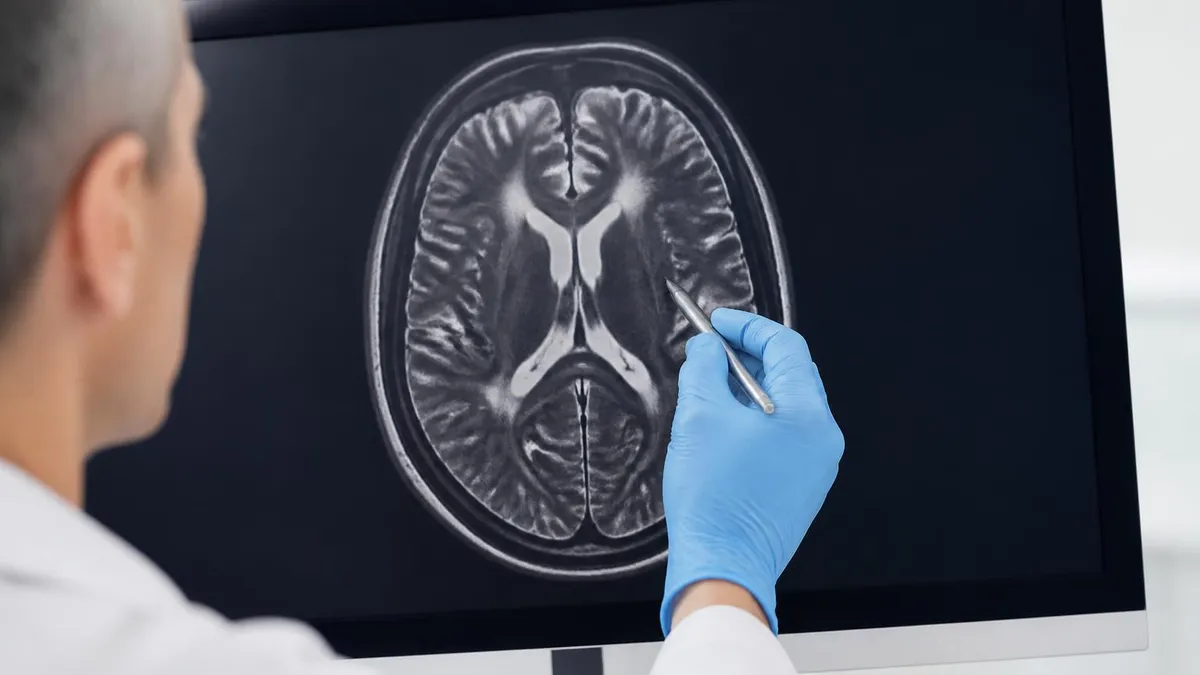
Core Indications for Cardiac MRI in Heart Failure
Patients with new-onset heart failure of unclear cause benefit from CMR to differentiate ischemic from non-ischemic cardiomyopathy. LGE patterns localize scar to coronary territories or non-coronary mid-wall distributions, directly changing therapy.
Before revascularization in patients with reduced EF and known CAD, CMR quantifies transmural extent of scar. Segments with less than 50% transmurality have a high probability of functional recovery after CABG or PCI.
Suspected cardiac amyloidosis, sarcoidosis, hemochromatosis, or Fabry disease all have characteristic CMR signatures. T1 mapping and ECV calculation detect diffuse fibrosis invisible to echo and nuclear imaging.
Ventricular tachycardia, sudden cardiac death survivors, and unexplained syncope often need CMR to identify scar substrate. Findings inform ICD candidacy, ablation planning, and risk stratification for primary prevention.
Adult congenital heart disease, complex valvular regurgitation, and post-surgical anatomy are imaged with phase-contrast flow quantification and 3D volumetric assessment that echo cannot reliably provide.
Heart failure with reduced ejection fraction (HFrEF) and heart failure with preserved ejection fraction (HFpEF) represent fundamentally different physiologic problems, and cardiac MRI excels at disentangling them. In HFrEF, the central question is usually whether the cardiomyopathy is ischemic or non-ischemic. That distinction drives whether the patient needs coronary revascularization, guideline-directed medical therapy alone, or workup for an alternative diagnosis like myocarditis or peripartum cardiomyopathy.
Ischemic cardiomyopathy on CMR shows late gadolinium enhancement in a subendocardial or transmural pattern that respects coronary artery territories. A LAD infarct produces anteroseptal and apical LGE; a circumflex lesion produces lateral wall enhancement; an RCA infarct lights up the inferior wall and often the right ventricular free wall. The pattern is almost always subendocardial first, because that layer is most vulnerable to ischemia, with progression outward as the insult worsens.
Non-ischemic patterns are dramatically different. Dilated cardiomyopathy classically shows a linear mid-wall stripe of LGE in the septum, sometimes called the "septal stripe" or "mid-myocardial septal enhancement." This finding carries prognostic weight: patients with mid-wall fibrosis have higher rates of sudden death and heart failure hospitalization independent of ejection fraction. Reviewing the history of MRI shows how rapidly LGE evolved from research curiosity to standard of care between 2000 and 2015.
Myocarditis presents with subepicardial or mid-wall LGE most often in the lateral free wall, accompanied by edema on T2-weighted or T2 mapping images and hyperemia on early gadolinium enhancement. The 2018 Lake Louise Criteria require at least one T1-based marker (LGE or native T1 elevation) and one T2-based marker (edema or elevated T2) to make a confident imaging diagnosis. CMR has essentially replaced endomyocardial biopsy for most suspected myocarditis cases.
Cardiac amyloidosis produces a distinctive global subendocardial LGE pattern, often with difficulty nulling the myocardium on the TI scout because of the abnormal contrast kinetics. Native T1 values are markedly elevated, and ECV is typically above 40 percent compared with a normal value near 25 percent. These findings can clinch the diagnosis before bone scintigraphy or genetic testing returns, allowing earlier initiation of tafamidis or other disease-modifying therapy.
Hypertrophic cardiomyopathy (HCM) shows asymmetric septal hypertrophy with patchy mid-wall LGE at the right ventricular insertion points and within the most thickened segments. The amount of LGE correlates with arrhythmic risk and is one of the modifiers used in current ICD decision algorithms. CMR also identifies apical HCM, a phenotype that echo frequently misses because the apex is foreshortened.
Finally, sarcoidosis can mimic almost any pattern, but classic findings include patchy mid-wall or epicardial LGE in the basal septum and lateral wall, sometimes with concurrent edema. When sarcoidosis is suspected, a combined FDG-PET and CMR strategy is often used to separate active inflammation from chronic scar, guiding immunosuppression decisions.
MRI Practice Test Questions
Prepare for the MRI - Magnetic Resonance Imaging exam with our free practice test modules. Each quiz covers key topics to help you pass on your first try.
MRI Knowledge
MRI Exam Questions covering Knowledge. Master MRI Test concepts for certification prep.
MRI Physics
Free MRI Practice Test featuring Physics. Improve your MRI Exam score with mock test prep.
MRI Anatomy and Pathology
MRI Test Prep for MRI Anatomy and Pathology. Practice MRI Quiz questions and boost your score.
MRI Anatomy and Positioning
MRI Questions and Answers on MRI Anatomy and Positioning. Free MRI practice for exam readiness.
MRI Contrast Agents
Free MRI Quiz on MRI Contrast Agents. MRI Exam prep questions with detailed explanations.
MRI Patient Care and Positioning
MRI Practice Questions for MRI Patient Care and Positioning. Build confidence for your MRI certification exam.
Cardiac MRI Sequences for Heart Failure Evaluation
Steady-state free precession cine imaging is the workhorse of every cardiac MRI. Acquired in short-axis, two-chamber, three-chamber, and four-chamber orientations, SSFP cines provide unmatched blood-to-myocardium contrast and form the basis for ejection fraction, stroke volume, cardiac output, and mass calculations. A typical short-axis stack covers the ventricles from base to apex in 10 to 14 slices of 6 to 8 mm thickness.
Modern scanners acquire each slice in a 6 to 10 second breath-hold using segmented k-space techniques with 25 to 30 cardiac phases. Compressed sensing and real-time cine sequences now allow free-breathing acquisitions in patients who cannot hold their breath, which is common in advanced heart failure. Quantification is done by manually or semi-automatically tracing endocardial and epicardial borders at end-diastole and end-systole.
Cardiac MRI vs Echocardiography in Heart Failure
- +Highly accurate and reproducible chamber volumes and ejection fraction with sub-5% variability
- +Tissue characterization via LGE, T1, T2, and ECV mapping that no other modality offers
- +No ionizing radiation, allowing serial imaging over years
- +Excellent right ventricular assessment for ARVC, pulmonary hypertension, and congenital disease
- +Phase-contrast flow quantification for valvular regurgitation and shunts
- +3D coverage avoids geometric assumptions and foreshortening errors
- +Identifies infiltrative diseases like amyloid and sarcoid before clinical decompensation
- −Longer exam time (45–60 minutes) compared to a 15-minute echocardiogram
- −Higher cost and lower availability, especially in rural and community hospitals
- −Requires breath-holding and ECG gating, problematic in dyspneic or arrhythmic patients
- −Gadolinium contraindicated or relative caution in advanced renal failure (eGFR <30)
- −Pacemakers, ICDs, and other implants may complicate or contraindicate scanning
- −Claustrophobia and weight limits restrict some patients
- −Requires specialized technologist training and physician interpretation expertise
Pros and Cons at a Glance
| Pros | Cons |
|---|---|
| No ionizing radiation, allowing serial imaging over years | Higher cost and lower availability, especially in rural and community hospitals |
| Excellent right ventricular assessment for ARVC, pulmonary hypertension, and congenital disease | Requires breath-holding and ECG gating, problematic in dyspneic or arrhythmic patients |
| Phase-contrast flow quantification for valvular regurgitation and shunts | Pacemakers, ICDs, and other implants may complicate or contraindicate scanning |
| Identifies infiltrative diseases like amyloid and sarcoid before clinical decompensation | Claustrophobia and weight limits restrict some patients |
Pre-Scan Cardiac MRI Checklist for Heart Failure Patients
- ✓Confirm clinical indication and review the referring cardiologist's specific question
- ✓Screen for MR-conditional or unsafe implants including pacemakers, ICDs, and neurostimulators
- ✓Verify renal function with a recent eGFR before administering gadolinium contrast
- ✓Apply ECG electrodes in the correct vector for optimal R-wave detection and gating
- ✓Practice breath-hold instructions with the patient before entering the bore
- ✓Place the cardiac surface coil centered over the heart with adequate posterior coverage
- ✓Establish IV access in the antecubital fossa with at least 20-gauge for contrast injection
- ✓Review medication list for beta-blocker status if stress perfusion is planned
- ✓Document baseline heart rate and rhythm; flag atrial fibrillation for arrhythmia rejection
- ✓Brief the patient on scan duration, noise, and the need to remain still throughout
CMR is the gold standard for ventricular function
Left ventricular ejection fraction drives device decisions, medication titration, and prognosis in heart failure. CMR delivers EF measurements with less than 5 percent interstudy variability, compared with 8 to 15 percent for 2D echocardiography. For a patient hovering near the 35 percent threshold for primary-prevention ICD implantation, that precision can be the difference between getting a life-saving device and being deemed ineligible.
Reading late gadolinium enhancement is a pattern-recognition skill that improves rapidly with case volume. Start every LGE assessment with the question: does the enhancement involve the subendocardium? If yes, the diagnosis is ischemic until proven otherwise, even when angiography is unremarkable, because spontaneous coronary thrombolysis and microvascular obstruction can leave scar without persistent obstruction. Subendocardial enhancement that respects a coronary territory is the imaging hallmark of prior myocardial infarction.
Transmural extent is the next question. Quantify the percentage of wall thickness occupied by scar in each of the 17 AHA segments. Segments with less than 25 percent transmurality have over 80 percent likelihood of functional recovery after revascularization; segments with 50 to 75 percent transmurality have intermediate recovery potential; and segments with more than 75 percent transmurality are unlikely to recover. This grading directly informs the surgical and interventional team's decisions about CABG, PCI, or medical therapy.
Non-ischemic patterns require careful localization. Mid-wall septal stripe suggests dilated cardiomyopathy. Sub-epicardial enhancement of the lateral wall suggests prior myocarditis. Patchy mid-wall enhancement at RV insertion points with septal hypertrophy points to HCM. Diffuse subendocardial enhancement with difficulty nulling the myocardium suggests amyloidosis. Each pattern has prognostic and therapeutic implications, so accurate description in the radiologist's report matters enormously.
Ejection fraction quantification on CMR is performed by contouring endocardial and epicardial borders on the short-axis cine stack. Papillary muscles and trabeculations are conventionally excluded from the myocardium and included with the blood pool, although some labs include them as part of mass. Consistency within a department matters more than which convention is chosen, because serial comparisons depend on identical methodology.
End-diastolic volume index (EDVi), end-systolic volume index (ESVi), stroke volume, cardiac output, and LV mass are all derived from the same contours. Normal values are sex- and body-surface-area-indexed. For example, normal LV EDVi in men is approximately 66 to 100 mL/m² and in women 56 to 92 mL/m². Values above these ranges combined with reduced EF establish dilated cardiomyopathy.
Right ventricular assessment is one of the great strengths of CMR. Echo struggles with RV geometry because the chamber is crescent-shaped and partially hidden behind the sternum. CMR provides true volumetric measurement of RV EDV, ESV, and EF, which is critical for arrhythmogenic right ventricular cardiomyopathy, congenital heart disease, pulmonary hypertension, and right-sided heart failure.
Phase-contrast flow imaging adds another dimension. Through-plane velocity encoding at the aortic and pulmonic valves quantifies forward and regurgitant flow, allowing precise grading of valvular regurgitation. The ratio of pulmonary to systemic flow (Qp/Qs) identifies and quantifies shunts in adult congenital disease. This functional information complements the anatomic and tissue characterization data and rounds out the comprehensive heart failure workup.
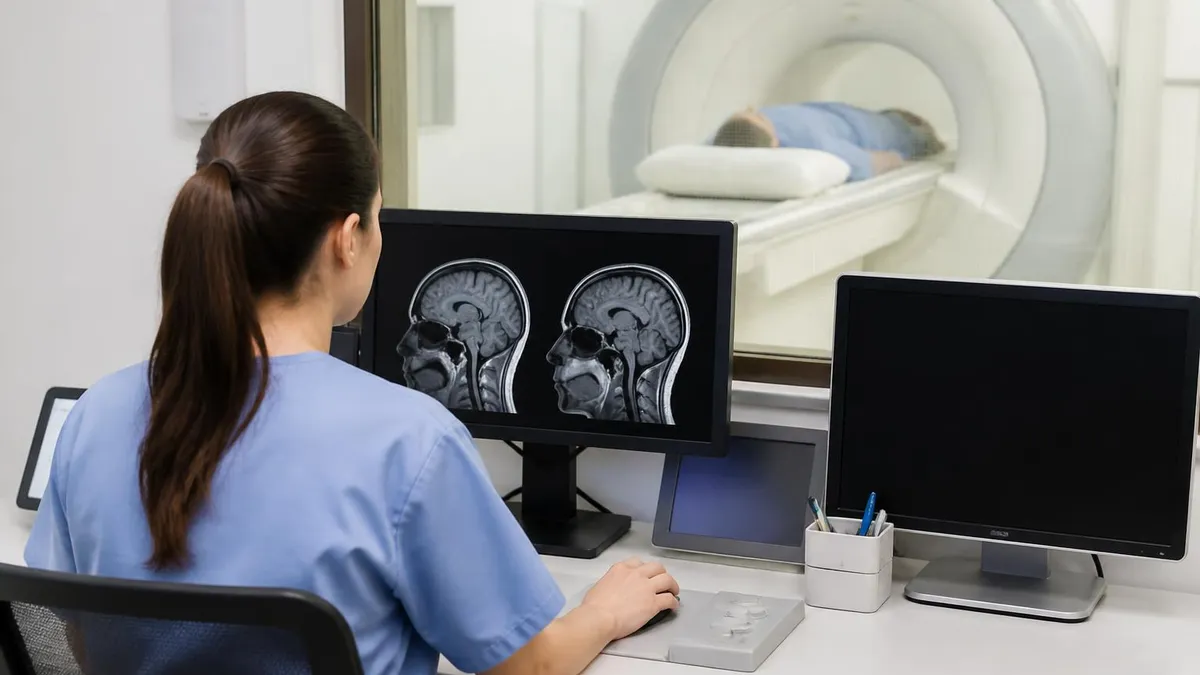
Use caution with gadolinium-based contrast agents in patients with eGFR below 30 mL/min/1.73m² because of historical concerns about nephrogenic systemic fibrosis. Modern macrocyclic agents (gadobutrol, gadoteridol, gadoterate) have an extremely low NSF risk, but informed consent, hydration, and consultation with the referring physician are still recommended. Linear agents should generally be avoided in advanced CKD.
Stress perfusion cardiac MRI is increasingly used as a non-invasive alternative to SPECT and invasive coronary angiography for evaluating ischemia in heart failure patients. The protocol uses vasodilator stress, most commonly regadenoson 0.4 mg IV bolus or adenosine 140 mcg/kg/min infusion, followed by first-pass perfusion imaging during gadolinium injection. The test detects regional perfusion defects that suggest hemodynamically significant coronary stenosis.
Patient preparation matters. Caffeine must be withheld for 12 to 24 hours because it antagonizes adenosine receptors and blunts vasodilation. Beta-blockers should be considered carefully, although they do not absolutely contraindicate vasodilator stress. Theophylline, aminophylline, and dipyridamole-containing medications also interfere. The technologist must confirm these holds during pre-scan screening and document the timing precisely.
Safety during stress CMR demands close monitoring. ACLS-capable personnel, emergency drugs including aminophylline as a regadenoson reversal agent, defibrillator access, and oxygen must all be immediately available. Continuous ECG and blood pressure monitoring throughout the stress and recovery phases are mandatory. Most centers have a cardiologist or supervising physician immediately available for stress portions of the exam.
Patients with arrhythmias present unique challenges. Atrial fibrillation with rapid ventricular response degrades cine quality because of inconsistent R-R intervals. Strategies include arrhythmia rejection (discarding beats outside a defined window), real-time imaging, and rate control with IV metoprolol before scanning. Frequent PVCs can be managed similarly. For patients with implanted devices, MR-conditional protocols and post-scan device interrogation are essential. The mri machine noise also matters for patient comfort, particularly during mri results wait time protocols.
Claustrophobia is common in heart failure patients who may already be anxious and short of breath. Pre-medication with low-dose oral benzodiazepine, careful patient coaching, prone positioning when feasible, and the use of wide-bore 70 cm scanners can all help. For obese patients, body habitus may exceed bore diameter or table weight limits, which need to be confirmed before scheduling. Some 3T systems offer higher signal-to-noise but at the cost of more susceptibility artifact, which can complicate LGE near devices.
Common protocol pitfalls include incorrect TI selection on LGE leading to inadequate myocardial nulling, breath-hold variability causing slice misregistration, suboptimal ECG gating from poor electrode placement, and inadequate contrast timing on perfusion. Quality control checks at the scanner—reviewing each sequence for artifacts before the patient leaves—are essential because repeat visits are costly and inconvenient. Senior technologists develop a mental checklist that catches these issues in real time.
Finally, the value of CMR in heart failure depends on integration with the multidisciplinary team. The imaging report must answer the referring clinician's specific question, not just describe findings. Was the cardiomyopathy ischemic or non-ischemic? Is there viable myocardium for revascularization? Is the LGE burden high enough to support ICD implantation? Is there evidence of active inflammation that might respond to immunosuppression? Clear, clinically actionable reporting is what makes CMR change patient outcomes.
Many readers pair this guide with the open bore mri to check their readiness before exam day.
Practical preparation for cardiac MRI competence and registry success follows a predictable path. Start with the foundational physics: ECG gating, k-space segmentation, inversion recovery, and contrast kinetics. Understanding why a TI of 300 ms nulls myocardium 15 minutes after gadolinium injection, or why arrhythmia rejection windows are necessary, transforms protocols from rote memorization into logical sequences you can troubleshoot in real time. Physics first, protocols second, pathology third—this order accelerates learning.
Build a case bank. Even if you are not yet performing cardiac MRI in your clinical practice, request access to your facility's PACS for retrospective review of completed exams. Compare reports against the images. Identify the LGE pattern before reading the impression. Quantify EF mentally and compare to the cardiologist's measurement. This deliberate practice builds the visual library that distinguishes a competent CMR tech from a great one.
Use spaced repetition for memorizing normal values. Native T1 at 1.5T is approximately 1000 ms; ECV normal is 25 percent; LV EDVi upper limit is around 100 mL/m² in men. These numbers come up repeatedly on registry exams and in daily practice. Flashcard apps like Anki are effective because the algorithm surfaces values just before you forget them. A 15-minute daily session is more effective than two-hour weekly cramming sessions.
Practice breath-hold coaching. Heart failure patients frequently struggle with 8 to 10 second breath holds, and your coaching technique determines image quality. Demonstrate, practice with the patient in the holding area, and use respiratory navigators or free-breathing sequences when needed. Some technologists develop scripts that guide patients through inspiration depth, hold timing, and gentle release. These soft skills are invisible on a resume but obvious to every cardiologist who reads your studies.
Cross-train on related imaging modalities. Understanding how cardiac CT, nuclear perfusion, and echocardiography complement CMR makes you a better translator between the imaging team and the referring clinicians. When you can explain why a particular heart failure workup needs both CMR and PET, or why CT is preferred over CMR for a specific patient, you become an indispensable member of the cardiac imaging team. Reviewing MRI alternatives deepens that comparative knowledge.
Stay current with guidelines. The Society for Cardiovascular Magnetic Resonance (SCMR) publishes consensus protocol papers approximately every two to three years, and indications evolve as new evidence emerges. The 2020 SCMR protocol update introduced standardized recommendations for T1 and T2 mapping; the 2018 Lake Louise update changed myocarditis criteria. Following SCMR, ACC, and AHA publications keeps you ahead of the curve and improves your registry performance because exam questions track guidelines.
Finally, do not underestimate the value of repeated, focused quiz practice. Question banks expose gaps in your knowledge that passive reading cannot. After each missed question, write down the concept being tested and add it to a personal review document. Within 6 to 8 weeks of consistent quiz work alongside clinical exposure, most candidates develop both the speed and accuracy needed to pass advanced registry exams and contribute meaningfully to cardiac MRI workflows from day one.
Sample MRI - Magnetic Resonance Imaging Practice Questions
Try these questions from our free MRI - Magnetic Resonance Imaging practice tests. The correct answer and an explanation follow each question.
The ARRT MRI exam content category 'Procedures' would most likely include a question about which topic?
- A. Larmor frequency calculations
- B. Brain MRI protocol selection for stroke evaluation
- C. Cryogen quench valve operation
- D. Patient screening form design standards
Answer: B. Brain MRI protocol selection for stroke evaluation
Procedures covers clinical protocols such as selecting the appropriate MRI protocol for specific pathologies.
In MRI, what does the term 'bandwidth' typically refer to in clinical practice?
- A. The range of flip angles used in a sequence
- B. The range of frequencies sampled during readout, affecting SNR and chemical shift
- C. The number of phase-encode steps acquired
- D. The RF pulse duration in milliseconds
Answer: B. The range of frequencies sampled during readout, affecting SNR and chemical shift
Receiver bandwidth is the range of frequencies digitized during readout; wider bandwidth reduces chemical shift and distortion but decreases SNR.
Which property of hydrogen makes it the most commonly used nucleus in clinical MRI?
- A. High natural abundance and large magnetic moment
- B. Low atomic mass and zero spin
- C. Absence of electron cloud interference
- D. High atomic number and radioactivity
Answer: A. High natural abundance and large magnetic moment
Hydrogen (¹H) is abundant in the body and has a large gyromagnetic ratio, producing strong MRI signals.
The term 'T1 mapping' in cardiac MRI using gadolinium is used to quantify which clinically important tissue property?
- A. Myocardial perfusion rate
- B. Extracellular volume fraction (ECV) as a marker of fibrosis
- C. Ejection fraction
- D. Coronary artery stenosis grade
Answer: B. Extracellular volume fraction (ECV) as a marker of fibrosis
Pre- and post-contrast T1 mapping allows calculation of the extracellular volume (ECV), which is an established quantitative biomarker of diffuse myocardial fibrosis.
Take the full MRI - Magnetic Resonance Imaging practice test
MRI Questions and Answers
Sources & last verified
- assets-us-01.kc-usercontent.com — number of questions, time limit (official source). “MRI Scored Items 200 Pilot Items 20 Total Items 220 Test Time 210 min” Verified Oct 16, 2026.
- The American Registry of Radiologic Technologists — passing score (official source). “Our exam scoring scale ranges from 1 to 99, and you’ll need a total score of 75 to pass the exam.” Verified Oct 18, 2026 · source checked Oct 18, 2026.
- The American Registry of Radiologic Technologists — exam fee, other (official source). “Postprimary (M, CT, MR, BD, CI, VI, VS, BS, R.R.A.): $225 Postprimary (CT, MR, BD, or VS—using NMTCB as supporting category): $450 Postprimary (MR, VS,…” Verified Oct 18, 2026 · source checked Oct 18, 2026.
How we verify: editorial & fact-checking policy. Report an error: contact us.
MRI Medical Abbreviation: What MRI Stands For and Why It Matters
The History of MRI: From Discovery to Modern Medicine
Knee MRI Images: A Complete Guide to Reading, Understanding, and Interpreting Knee Scans
Noise of MRI Machine: Why MRI Scanners Are So Loud and What to Expect
MRI Alternatives: When CT, Ultrasound, X-Ray, and PET Make More Sense Than an MRI
How this page was made: written with AI tools. Exam facts are checked against the official sources listed below. Not reviewed by a subject-matter expert. Editorial policy
Sources & references
Exam facts on this page (fees, format, dates, passing scores) are checked against these official sources; the date is our last check. Editorial policy
- arrt.org — Passing score, score release, fees, exam information · verified Oct 2026
- assets-us-01.kc-usercontent.com — Renewal, score validity, test delivery, eligibility, exam format, test dates, time limit · verified Oct 2026