
Effusion Knee MRI: How Radiologists Identify, Grade, and Report Joint Fluid
Effusion knee mri imaging guide: sequences, grading, causes, and what your radiology report means. Learn signs, pitfalls, and follow-up steps. 📗
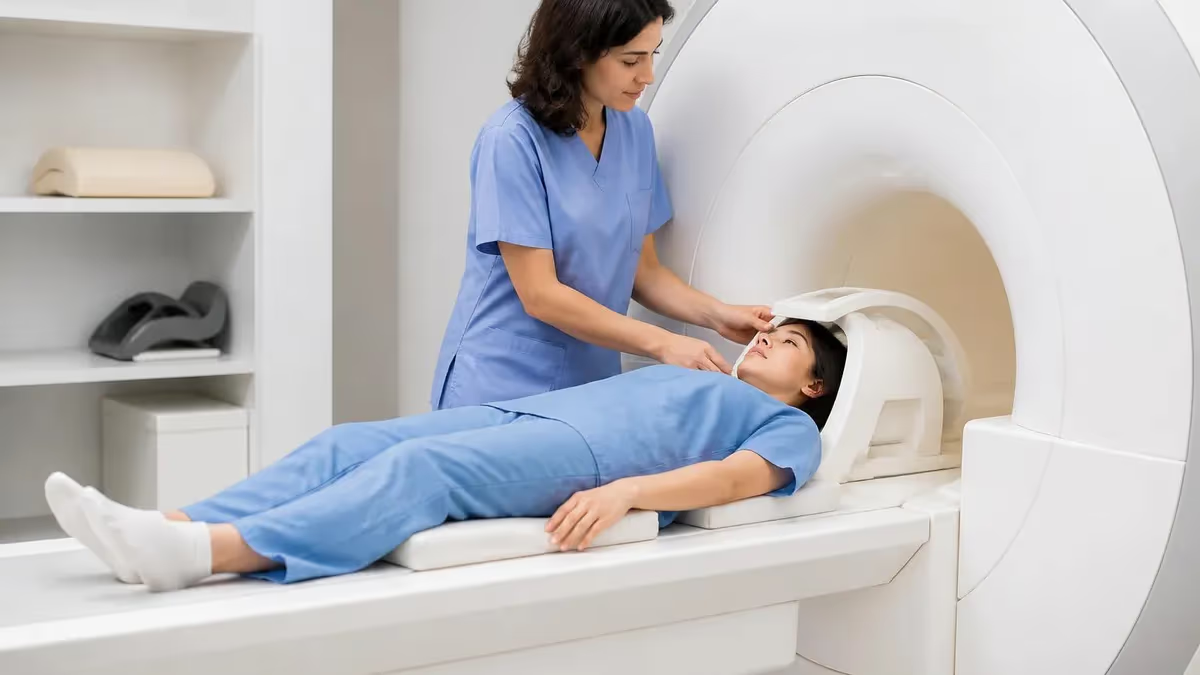
An effusion knee mri is one of the most common findings reported in musculoskeletal radiology, and understanding what it means can change how clinicians approach pain, swelling, and functional loss. The term refers to abnormal fluid accumulation in the synovial spaces of the knee, captured by magnetic resonance imaging in exquisite detail. While a simple physical exam may suggest swelling, MRI quantifies the volume, distribution, and character of the fluid in ways no other modality can match for both diagnostic precision and follow-up.
Effusions develop when synovial inflammation, mechanical injury, infection, or systemic disease disturbs the balance between fluid production and resorption. The MRI appearance varies depending on whether the fluid is simple serous transudate, hemorrhagic, lipohemarthrosis, or purulent. Each of these has different signal characteristics on T1-weighted, T2-weighted, proton density fat-saturated, and gradient echo sequences. A skilled radiologist uses this multi-parametric data to suggest the most likely etiology before any aspiration is performed.
The suprapatellar recess is the largest synovial reflection of the knee and the first location where excess fluid collects. On sagittal T2 fat-saturated images, even a small physiologic amount of fluid is visible as a thin bright stripe behind the quadriceps tendon. When the fluid measures more than four millimeters in anterior-to-posterior depth, most musculoskeletal radiologists call this a small effusion. Larger volumes distend the medial and lateral gutters, the popliteal recesses, and eventually the entire joint capsule.
Beyond simply confirming fluid presence, MRI helps identify the cause of the effusion. Internal derangement such as a meniscal tear, an anterior cruciate ligament rupture, a chondral defect, or a bone marrow contusion frequently produces a sympathetic effusion. Inflammatory arthropathies including rheumatoid arthritis and psoriatic arthritis produce thicker synovium and proliferative changes, while septic arthritis demands urgent recognition because of the dramatic clinical consequences of delayed treatment.
This guide explains how radiologists protocol, interpret, grade, and report an effusion knee mri in real-world practice. We will cover the sequences that matter, the grading systems used in clinical and research reports, the common etiologies, the imaging pitfalls that produce false positives, and the workflow that follows the report. Whether you are a technologist optimizing scan parameters, a resident preparing for boards, or a clinician trying to translate a report into a treatment plan, the following sections offer practical detail.
The interpretation also intersects with adjacent findings such as bursitis, popliteal cysts, ganglia, synovial plicae, and loose bodies. Recognizing whether a posterior fluid collection is in continuity with the joint or represents a separate Baker cyst with potential rupture changes management. Distinguishing medical co from a hemarthrosis requires attention to gradient echo blooming. The radiologist must therefore think systemically and not stop at the suprapatellar recess.
Finally, accurate communication of these findings matters. A structured report that quantifies fluid, describes character, lists likely sources, and recommends next steps gives ordering physicians actionable information. Throughout this article, we link to broader resources on related topics including a deeper dive into Common MRI Findings: Brain, Spine and Joints Guide. Use the table of contents to navigate the sections that matter most to you and your workflow.
Knee Effusion MRI by the Numbers
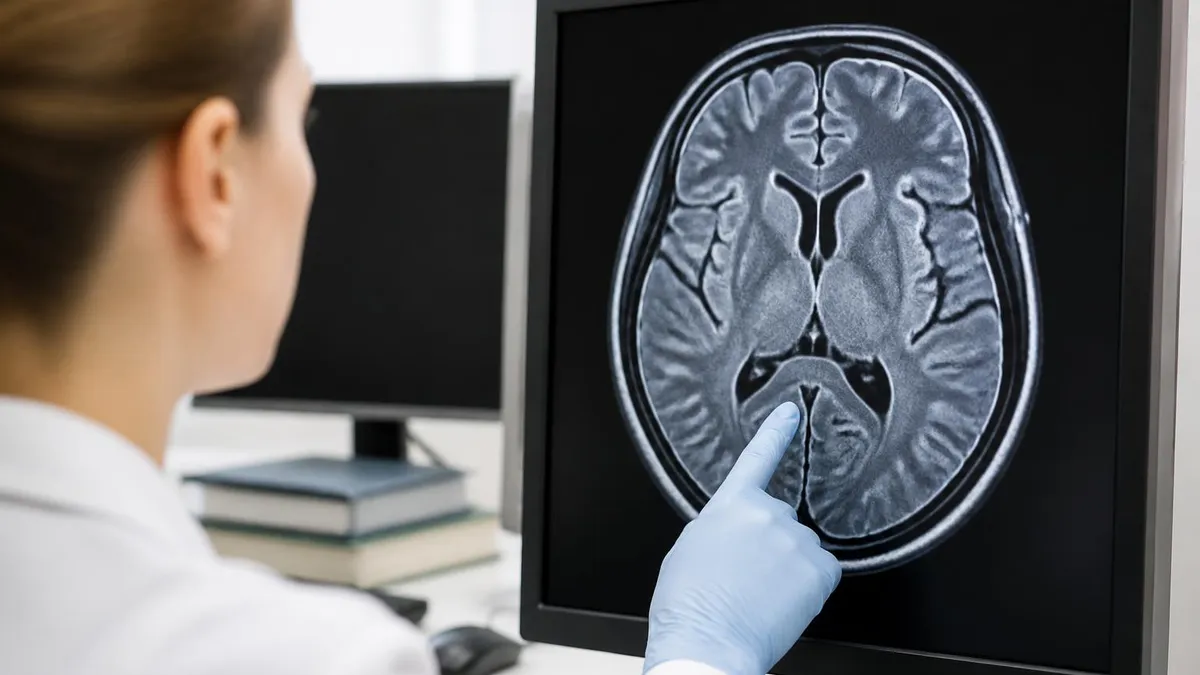
MRI Protocol and Sequences for Knee Effusion
The workhorse sequence for fluid detection. Proton density imaging with fat suppression makes joint fluid bright and clearly outlines menisci, ligaments, and articular cartilage. Slice thickness of 3 mm with no gap is standard, and this sequence is reviewed first when assessing effusion.
Best for assessing the medial and lateral gutters, the patellofemoral recess, and posterior fluid collections such as Baker cysts. Axial imaging also demonstrates synovial thickening and helps identify popliteal masses that communicate with the joint space.
Provides anatomic reference and shows bone marrow signal, subchondral cysts, and erosions. Although fluid is dark on T1, the sequence is essential for differentiating fluid from fat, hemorrhage, or proteinaceous material that may appear similar elsewhere.
Useful when hemarthrosis, pigmented villonodular synovitis, or loose bodies are suspected. Hemosiderin blooms as dark susceptibility artifact, helping distinguish chronic blood products from simple synovial fluid. Increasingly replaced by susceptibility-weighted variants on modern 3T systems.
Reserved for suspected infection, tumor, or inflammatory arthropathy. Gadolinium highlights synovial enhancement and helps differentiate inflamed pannus from bland effusion. Routine effusion workups rarely require contrast, but it remains valuable in equivocal cases.
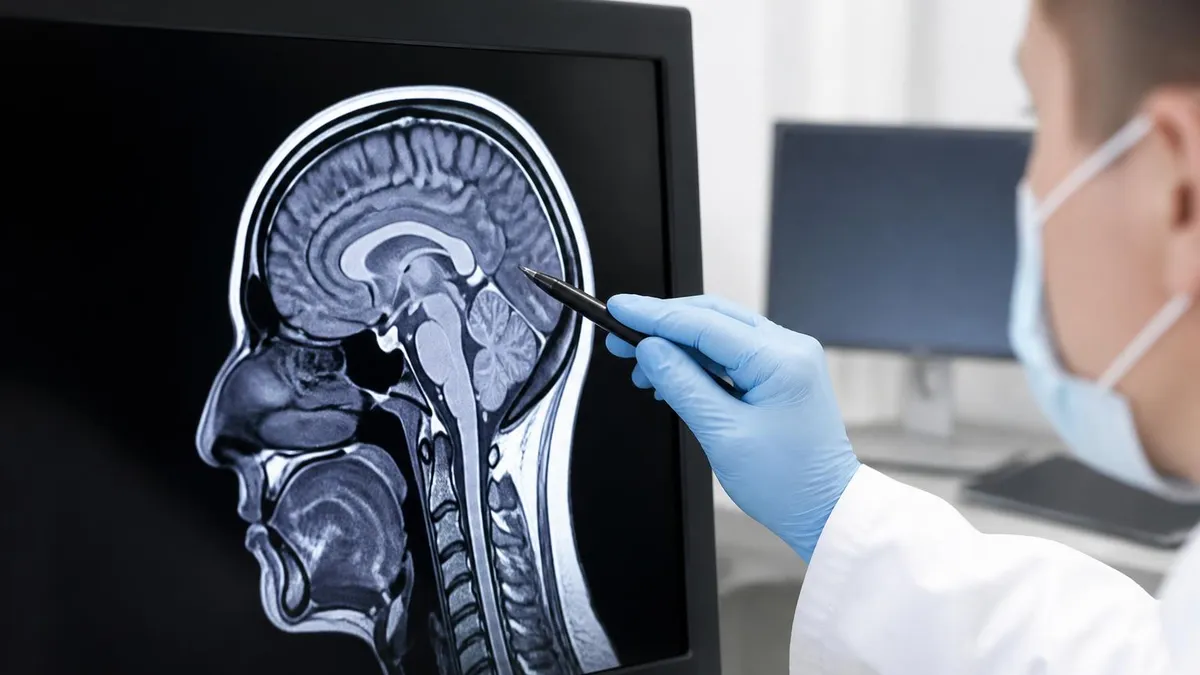
Grading a knee effusion on MRI begins with measuring the fluid in the suprapatellar recess on a midline sagittal image. Most musculoskeletal radiologists use a three-tier system: small, moderate, and large. A small effusion measures roughly four to ten millimeters in anterior-to-posterior depth, distends only the suprapatellar pouch, and rarely produces clinical symptoms in isolation. Moderate effusions extend into the medial and lateral gutters and may push the patellar fat pad anteriorly. Large effusions distend the entire capsule and bulge the joint contours.
Volume estimation can also be performed with semi-automated software that segments the synovial space across all slices. Research protocols sometimes report milliliters of fluid, with normal knees containing less than four milliliters, mild effusions five to twenty, moderate effusions twenty to fifty, and large effusions above fifty. This quantitative approach is invaluable for longitudinal studies of inflammatory arthritis and for tracking response to disease-modifying therapy in clinical trials.
Distribution patterns matter just as much as volume. Fluid confined to the suprapatellar pouch suggests a simple effusion. Extension into the popliteal recess raises the possibility of a Baker cyst, especially when the neck of the cyst passes between the medial head of the gastrocnemius and the semimembranosus tendon. Posterolateral fluid pockets can represent proximal tibiofibular joint communication. Lobulated, septated collections suggest chronicity or complex synovial disease such as pigmented villonodular synovitis.
Signal characteristics inform the differential. Simple effusions are uniformly hyperintense on T2 and PD fat-sat, hypointense on T1, and lack internal complexity. Hemorrhagic effusions show heterogeneous signal with fluid-fluid levels, sometimes with a lipohemarthrosis sign of fat floating above serum and red blood cells settling below — a classic finding in occult intra-articular fracture. Proteinaceous or purulent fluid is mildly hyperintense on T1 and shows debris and synovial enhancement after contrast.
Synovial thickening is the next variable. A normal synovium is barely visible. Thickened, frond-like synovium that enhances avidly suggests inflammatory arthritis. Nodular hypointense synovium that blooms on gradient echo strongly suggests pigmented villonodular synovitis. Diffuse, low-signal masses with fat density suggest lipoma arborescens. Each pattern produces a different recommendation in the impression, from rheumatology referral to surgical synovectomy. Familiarity with the broader spectrum is covered in our overview of What MRI Can Detect: Conditions & Diagnostic Capabilities.
Associated findings deserve equal attention. The radiologist scans for meniscal tears, cruciate and collateral ligament injuries, chondral defects, bone marrow edema patterns, osteochondral fragments, and patellofemoral malalignment. A traumatic effusion without an obvious structural injury should prompt careful review for occult fractures, particularly tibial plateau insufficiency fractures in older adults and avulsion injuries in adolescents.
Finally, comparison with prior studies is invaluable. A persistent or enlarging effusion in a patient under treatment may indicate inadequate disease control, mechanical loosening of a prosthesis, or new pathology. A shrinking effusion supports successful therapy. Documenting the trajectory in the report, with measurements on identical slices when possible, transforms the MRI from a snapshot into a meaningful clinical timeline.
MRI Practice Test Questions
Prepare for the MRI - Magnetic Resonance Imaging exam with our free practice test modules. Each quiz covers key topics to help you pass on your first try.
MRI Knowledge
MRI Exam Questions covering Knowledge. Master MRI Test concepts for certification prep.
MRI Physics
Free MRI Practice Test featuring Physics. Improve your MRI Exam score with mock test prep.
MRI Anatomy and Pathology
MRI Test Prep for MRI Anatomy and Pathology. Practice MRI Quiz questions and boost your score.
MRI Anatomy and Positioning
MRI Questions and Answers on MRI Anatomy and Positioning. Free MRI practice for exam readiness.
MRI Contrast Agents
Free MRI Quiz on MRI Contrast Agents. MRI Exam prep questions with detailed explanations.
MRI Patient Care and Positioning
MRI Practice Questions for MRI Patient Care and Positioning. Build confidence for your MRI certification exam.
Causes of Knee Effusion Visualized on MRI
Acute traumatic effusions develop within hours of injury and most often reflect bleeding from torn ligaments, fractures, or peripheral meniscal tears with vascular zones. The classic example is an ACL tear, where MRI shows a large effusion, bone bruising in the lateral femoral condyle and posterolateral tibial plateau, and discontinuity of the cruciate fibers. The presence of fluid alone in a young athlete after a pivot injury should heighten suspicion.
Lipohemarthrosis on an axial cross-table image is pathognomonic for an intra-articular fracture, even when the cortical break is subtle. Radiologists should systematically search the tibial plateau, the patella, and the femoral condyles when this sign is present. Hemarthrosis without fracture can also be seen with patellar dislocation, where medial patellofemoral ligament avulsion produces bleeding and a characteristic kissing contusion pattern across the joint.
MRI Versus Ultrasound for Knee Effusion
- +Higher anatomic resolution and full visualization of all joint recesses
- +Detects associated meniscal, ligamentous, and chondral injuries simultaneously
- +Quantifies fluid volume and characterizes signal complexity reliably
- +Demonstrates bone marrow edema and occult fractures not seen on ultrasound
- +Less operator dependent for reproducibility across institutions
- +Provides a permanent dataset for serial comparison over months or years
- −Higher cost and longer scan times than focused ultrasound
- −Limited availability in emergency or bedside settings
- −Contraindicated in some patients with implants or severe claustrophobia
- −Cannot perform dynamic stress maneuvers in real time
- −Image-guided aspiration is harder than under ultrasound guidance
- −Motion artifact in uncooperative patients can degrade fluid quantification
Effusion Knee MRI Reporting Checklist
- ✓Measure suprapatellar fluid depth in anterior-to-posterior dimension on midline sagittal
- ✓Grade the effusion as small, moderate, or large using consistent thresholds
- ✓Describe signal characteristics on T1, T2, PD fat-sat, and gradient echo
- ✓Note any fluid-fluid levels suggestive of lipohemarthrosis or hemarthrosis
- ✓Assess synovial thickness, nodularity, and enhancement when contrast is used
- ✓Document extension into popliteal recesses and Baker cyst formation
- ✓Identify associated meniscal, ligamentous, and cartilage injuries
- ✓Search for bone marrow edema, contusions, and occult fractures
- ✓Compare with prior imaging when available and quantify interval change
- ✓Provide a focused impression that links findings to a likely etiology
The 4-millimeter rule
A suprapatellar fluid stripe under four millimeters is physiologic and does not require reporting as an effusion. Fluid greater than four millimeters AP in the suprapatellar recess on sagittal PD fat-sat is the most reproducible threshold for a small effusion. Always measure on a true midline slice to avoid overestimation.
Pitfalls and mimics complicate every effusion knee mri interpretation. The first and most common error is overcalling physiologic fluid as a small effusion. The normal knee contains a few milliliters of synovial fluid that lubricates articulation, and this is visible as a thin, bright stripe on T2 fat-sat imaging. Reporting this as pathology can drive unnecessary follow-up imaging, aspiration, or patient anxiety. Stick to the four-millimeter threshold and measure on a true midline slice.
Fluid-fluid levels can be subtle and are best seen on cross-table or true horizontal patient imaging. In supine MRI, gravity-dependent layering may be partial or absent depending on the orientation of the recess. Tilting the slice or correlating with a CT performed in trauma can clarify ambiguous findings. Missing a lipohemarthrosis sign is a missed occult fracture, and this often involves the lateral tibial plateau in older adults who fell from standing height.
Synovial proliferation can mimic a complex effusion when imaged without fat suppression. Always confirm that the bright signal you see represents fluid and not edematous synovium by comparing T1 and T2 sequences. Real fluid is dark on T1 and bright on T2 with intermediate signal on PD. Inflamed synovium has higher T1 signal and enhances avidly after gadolinium. Mistaking pannus for effusion underestimates inflammatory disease activity.
Baker cysts can rupture and produce calf edema that mimics deep vein thrombosis on physical exam. On MRI the ruptured cyst shows a distorted contour, fluid tracking inferiorly into the medial gastrocnemius, and surrounding subcutaneous edema. Reporting the rupture is critical because the clinical picture overlaps with venous thrombosis and inappropriate anticoagulation may follow if imaging is misread or unavailable. Always trace posterior fluid back to its joint origin when possible.
Bursal collections around the knee can be confused for joint effusions when adjacent to the capsule. The pes anserine bursa, the iliotibial bursa, the prepatellar bursa, and the deep and superficial infrapatellar bursae each have characteristic locations. Fluid in these spaces is not a joint effusion and reflects friction, repetitive trauma, or local inflammation. Misclassifying them changes the differential and the recommended treatment significantly, especially for prepatellar bursitis in floor-laying workers.
Synovial cysts, ganglia, and meniscal cysts produce focal fluid collections that may or may not communicate with the joint. A parameniscal cyst points toward a horizontal meniscal tear and may require arthroscopic intervention. A ganglion adjacent to the cruciate ligament is usually incidental but can cause mechanical symptoms when large. Distinguishing these from a true intra-articular effusion changes the surgical planning conversation entirely.
Finally, post-operative knees produce confusing fluid patterns. After arthroscopy, fluid persists for weeks. After ligament reconstruction, tunnels can fill with synovial fluid and bone graft material that mimics complex effusion. Knowledge of the surgical history, including the date and type of procedure, is essential. Without it, a radiologist may overcall recurrence of injury or infection when the findings are expected post-operative evolution.
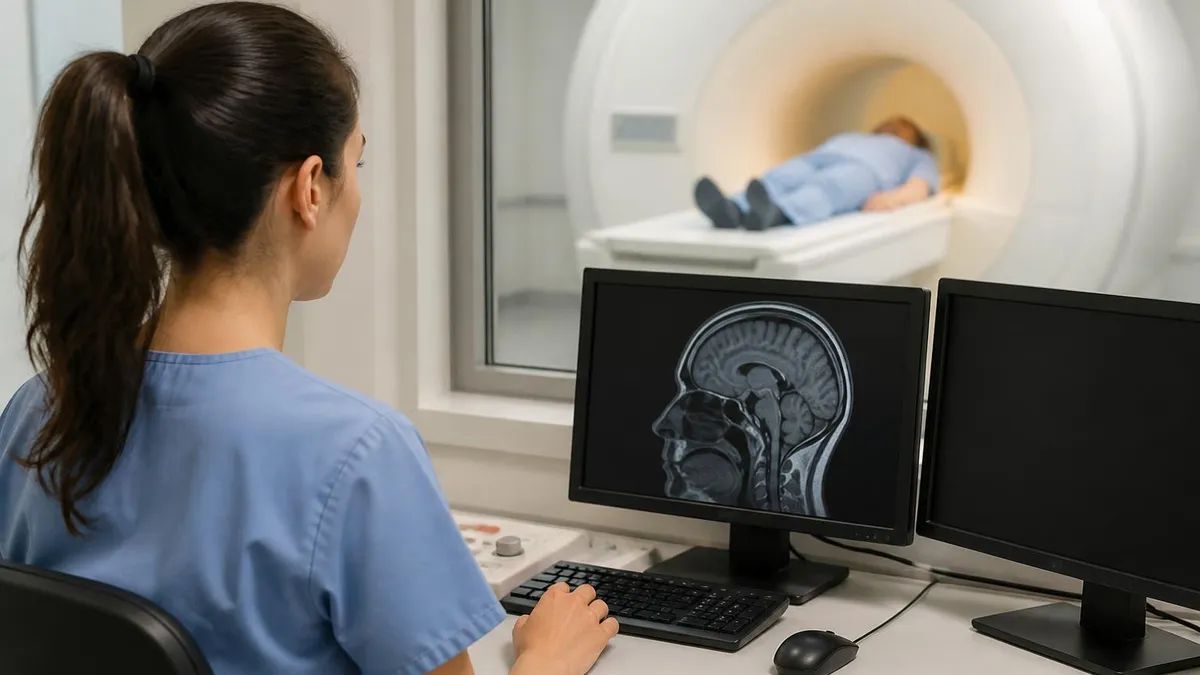
A complex effusion with synovial enhancement, debris, and bone marrow edema in a febrile patient should prompt urgent joint aspiration before antibiotics are started. Delays of even 24 hours in septic arthritis are associated with worse functional outcomes. Communicate directly with the ordering clinician when these findings are present.
Clinical follow-up after an effusion knee mri depends on the underlying etiology, the patient's symptoms, and the goals of care. A small reactive effusion in a patient with mild osteoarthritis usually does not require any specific intervention beyond activity modification, weight management, and non-steroidal anti-inflammatory medication. Imaging follow-up is unnecessary unless new symptoms develop or conservative treatment fails. The radiologist's report should state this clearly to avoid unwarranted serial scans.
A moderate effusion with internal derangement typically prompts orthopedic referral. Meniscal tears causing mechanical symptoms may benefit from partial meniscectomy or repair, especially in younger patients with peripheral tears. Cruciate ligament tears are often reconstructed in active individuals, while collateral ligament injuries usually heal with bracing. The effusion itself often resolves as the underlying injury heals, and progress is best monitored clinically rather than with repeat MRI in most cases.
Inflammatory effusions require rheumatology involvement. Patients with new-onset polyarticular swelling, morning stiffness, and elevated inflammatory markers are evaluated for rheumatoid arthritis, psoriatic arthritis, ankylosing spondylitis, and crystal arthropathies. MRI plays a role in baseline assessment and follow-up of disease activity. Synovial thickness, bone marrow edema scores, and erosion counts are tracked in standardized scoring systems used in research and increasingly in clinical practice.
Septic effusions are surgical emergencies. Once aspirated and confirmed by Gram stain or culture, treatment usually involves arthroscopic washout, intravenous antibiotics, and serial imaging or aspiration to confirm resolution. MRI is helpful for mapping osteomyelitis, abscesses, and joint capsule disruption. Communication with the orthopedic team should be immediate when imaging features suggest infection, even before laboratory confirmation, because of the morbidity associated with delayed care.
Patients with persistent or recurrent effusions of unclear cause may undergo synovial biopsy, especially if pigmented villonodular synovitis, synovial chondromatosis, or malignancy is suspected. MRI guidance can target nodular synovium for biopsy and avoid sampling error. In these cases the radiologist often communicates directly with the surgeon to identify the optimal biopsy site, demonstrating the role of imaging far beyond a written report. Career paths into this specialized work are described in our guide on How to Become an MRI Technician: Schools, Certification, Salary.
Imaging follow-up intervals vary. For inflammatory disease, repeat MRI every six to twelve months is reasonable when monitoring biologic therapy. For surgical patients, post-operative MRI is usually reserved for new or worsening symptoms rather than routine surveillance. For tumor patients, oncology protocols dictate interval. Documenting recommended follow-up in the report helps ordering clinicians and reduces unnecessary repeated imaging that adds cost without improving outcomes for the patient.
Patient communication also matters. When patients receive a report mentioning effusion, they often search online and become anxious. A short, plain-language summary at the end of the impression — explaining that the fluid is a sign and not a disease — can reduce unnecessary follow-up calls and emergency department visits. Many institutions now offer patient-friendly report addenda that contextualize findings without compromising the technical accuracy of the radiology document itself.
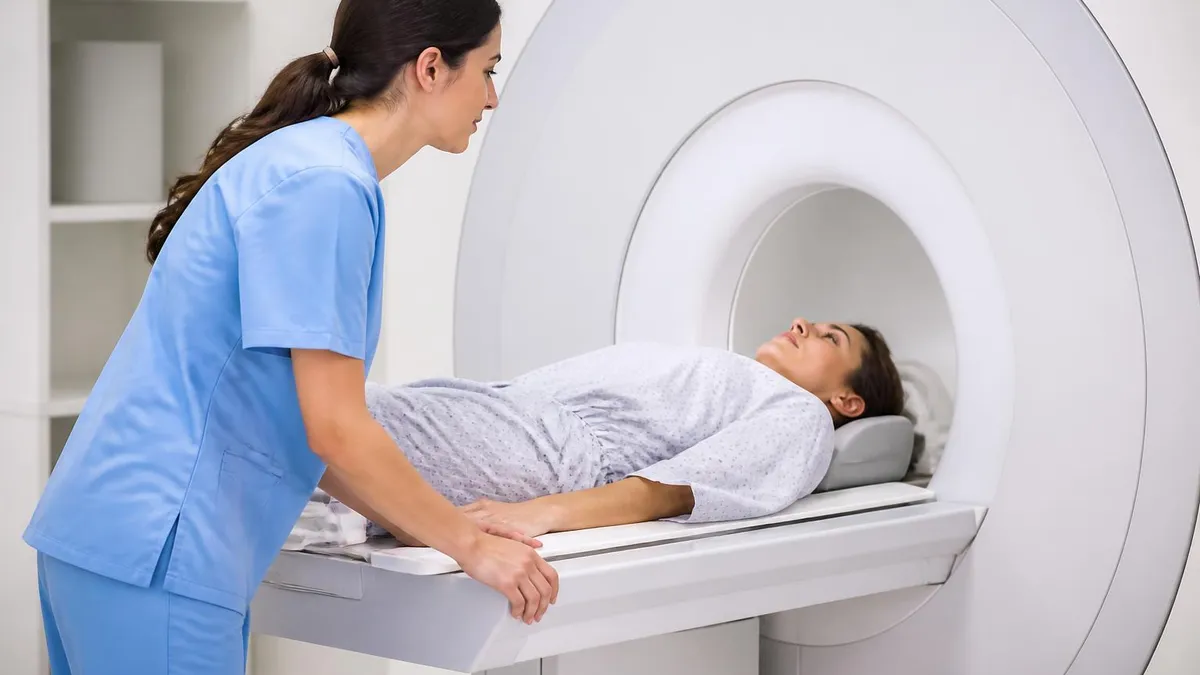
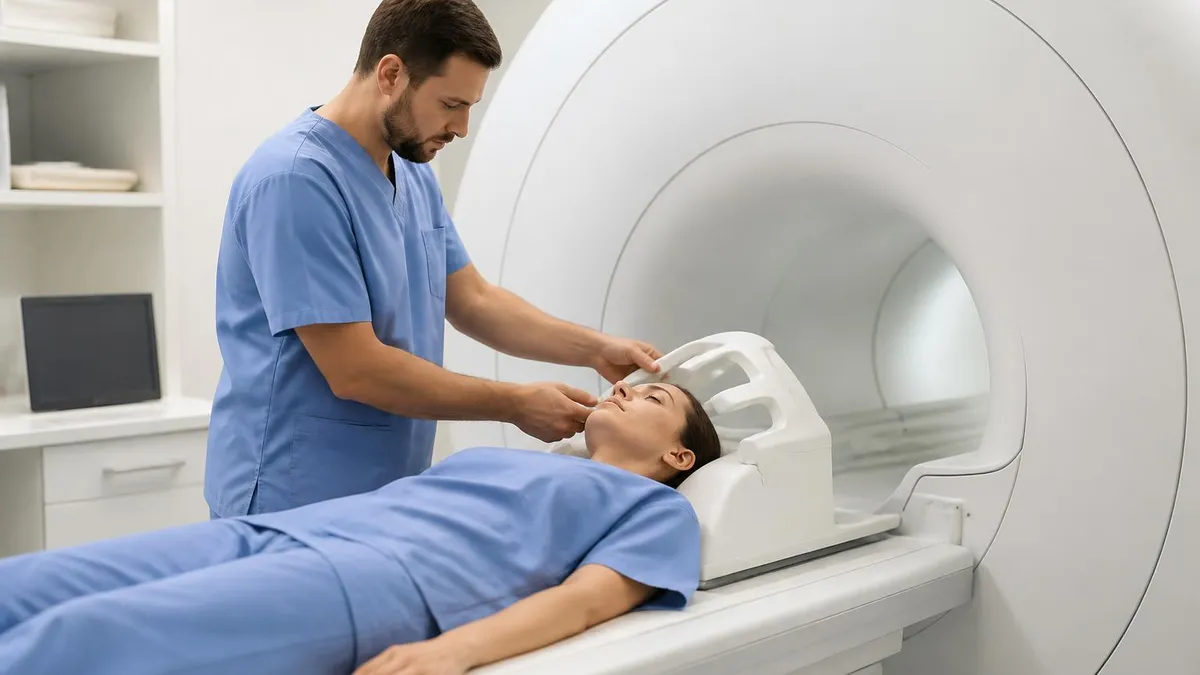
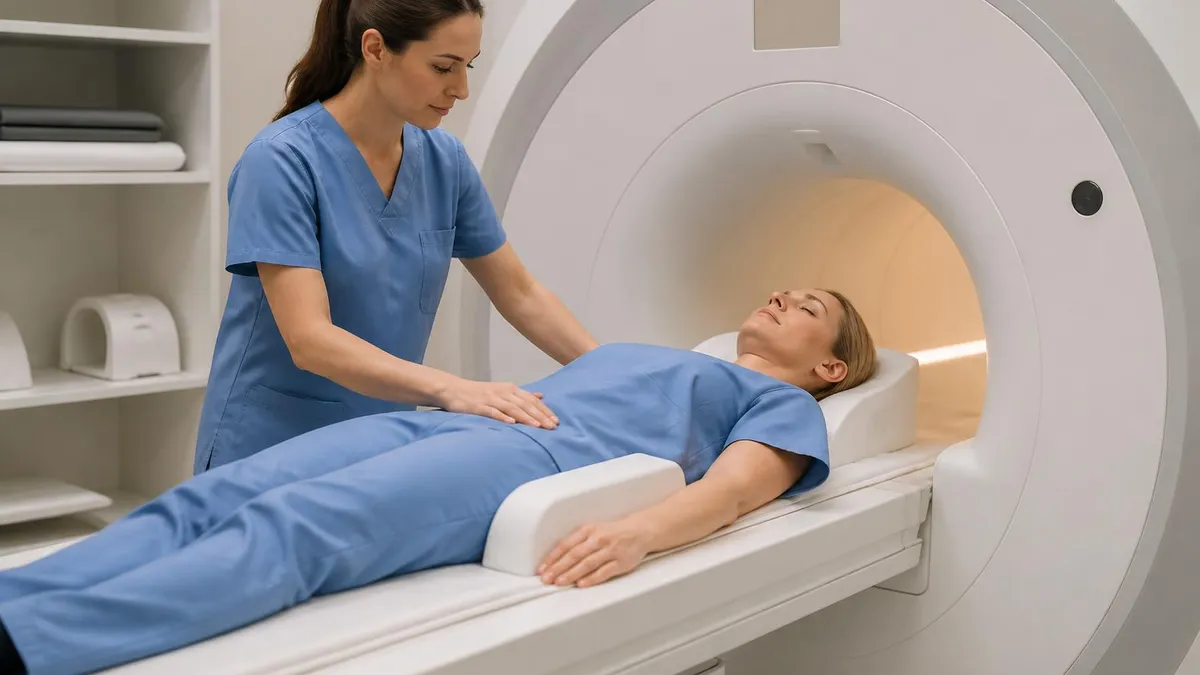
Practical tips for technologists and trainees can substantially improve the quality of every effusion knee mri performed in a busy department. The first tip is patient positioning. The knee should be in slight external rotation of about ten to fifteen degrees, with the patella facing straight up. This aligns the ACL with the sagittal oblique plane and gives the most reliable view of the anterior compartment fluid distribution. A foam wedge under the knee can reduce strain and decrease motion during the scan.
Coil selection is critical. A dedicated knee coil with at least eight channels is the standard for diagnostic-quality imaging at 1.5T or 3T. The signal-to-noise advantage over body coils is enormous, and modern multi-channel designs allow for parallel imaging acceleration that shortens scan times. Make sure the coil is centered on the joint line, with the patella roughly in the middle of the coil's anatomic sensitivity profile.
Sequence parameters should be optimized for the clinical question. For routine effusion and internal derangement, slice thickness of three millimeters with no gap, in-plane resolution under five hundred microns, and at least four contrasts (T1, T2, PD fat-sat, gradient echo) are standard. Three-dimensional isotropic sequences such as 3D PD CUBE or SPACE allow multiplanar reformats and are increasingly used as time-saving substitutes for multiple two-dimensional acquisitions in high-volume practices.
Artifact control is the final technical concern. Motion artifact destroys diagnostic quality, especially on fat-suppressed sequences. Coach the patient briefly before scanning and use foam padding to immobilize the leg without compressing the coil. Susceptibility artifact from metallic implants near the joint can obscure findings, and metal-suppression sequences such as MAVRIC or SEMAC should be available for patients with hardware. Chemical-shift fat suppression failure on the lateral edges of the field of view can be minimized with shimming and proper isocenter placement.
For trainees preparing for boards, the most reliable way to consolidate knowledge is repeated case review with structured reporting practice. Use departmental teaching files, online case repositories, and structured templates to develop a personal reading rhythm. Time yourself, and aim to read a standard knee MRI in under fifteen minutes without sacrificing the systematic review of all compartments. Speed comes naturally once the pattern of review is internalized through hundreds of cases.
Pediatric and elderly populations deserve special protocols. Children have unossified cartilage that appears T2-bright and can mimic fluid. Use age-appropriate references and rely on radial cartilage measurements to avoid overcalling effusion. Elderly patients often have small physiologic effusions and degenerative changes that require careful clinical correlation. For both groups, consultation with the referring clinician adds context that the imaging alone cannot provide and shapes a more meaningful final report.
Finally, embrace structured reporting. Templates with mandatory fields for fluid volume, signal, distribution, synovium, internal derangement, and impression reduce omission errors and produce reports that downstream clinicians can read quickly. They also support data mining for quality improvement and research. Even radiologists who prefer narrative reporting can adopt a structured impression with discrete bullet points for each major finding, providing the best of both styles in a single document.
MRI Questions and Answers
About the Author

Medical Laboratory Scientist & Clinical Certification Expert
Johns Hopkins UniversityDr. Sandra Kim holds a PhD in Clinical Laboratory Science from Johns Hopkins University and is certified as a Medical Technologist (MT) and Medical Laboratory Scientist (MLS) through ASCP. With 16 years of clinical laboratory experience spanning hematology, microbiology, and molecular diagnostics, she prepares candidates for ASCP board exams, MLT, MLS, and specialist certification tests.
Join the Discussion
Connect with other students preparing for this exam. Share tips, ask questions, and get advice from people who have been there.
View discussion (8 replies)