
How Long Does It Take to Be an MRI Tech? Complete 2026 September Timeline Guide
🎯 How long does it take to be a MRI tech? Most paths take 2-4 years. Compare certificate, associate, and bachelor's routes plus ARRT certification timelines.
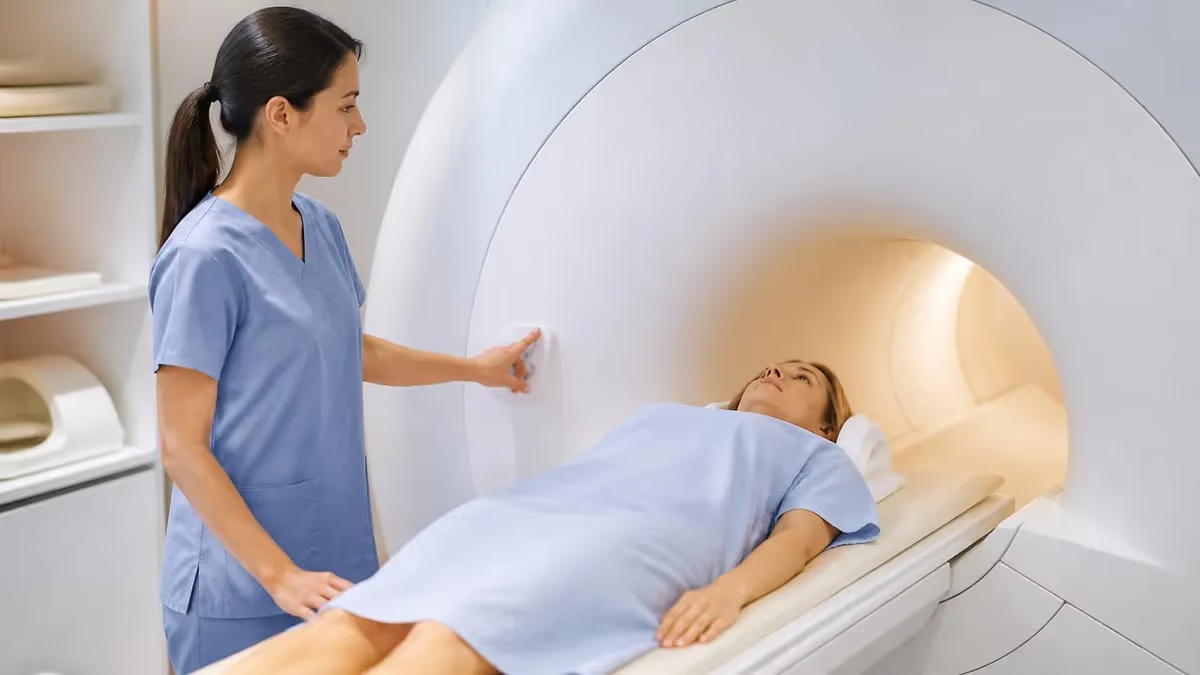
If you are wondering how long does it take to be a MRI tech, the honest answer is that most people reach licensed, employable status in two to four years, though the exact timeline depends heavily on the educational path you choose and whether you already hold a related healthcare credential. The fastest route typically takes about 12 to 18 months of post-secondary training for those who already have ARRT certification in radiography, while complete beginners usually need a full associate degree plus clinical hours before sitting for the registry exam.
The journey from high school graduate to working MRI technologist involves several distinct phases: completing prerequisite coursework, earning an accredited degree or certificate, accumulating supervised clinical hours, and passing the American Registry of Radiologic Technologists (ARRT) MRI certification exam. Each of these phases has its own timeline, and skipping or compressing one stage often means extending another. Understanding the full picture before you enroll helps you budget time, tuition, and energy realistically rather than discovering surprises mid-program.
For most U.S. students entering directly from high school, the standard path runs roughly 24 months for an associate degree in radiologic technology, followed by an additional 12 to 18 months of MRI-specific training and clinical rotations. That totals about three to three-and-a-half years before you can legally call yourself a certified MRI technologist and accept full clinical responsibility. Bachelor's degree holders may invest four years upfront but often command higher starting salaries and faster promotions into lead tech roles.
A meaningful shortcut exists for working radiographers. If you already hold ARRT certification in radiography, nuclear medicine, or radiation therapy, you can pursue a post-primary pathway in MRI that often takes only 12 to 18 months part-time. This route combines documented clinical experience hours with structured didactic coursework, and many technologists complete it while continuing to work full-time in their existing modality, earning a paycheck throughout the transition.
State licensure rules add another layer of timing complexity. About 75% of U.S. states require some form of credentialing or registration to practice MRI, and processing your initial license can take anywhere from two weeks to three months after you pass the ARRT exam. Some states accept ARRT certification directly, while others require a separate application, fingerprinting, and background check that can delay your first day of paid work even after you have officially passed your boards.
Finally, factor in clinical hours, which cannot be rushed. The ARRT requires documented experience performing specific MRI procedures across head, spine, musculoskeletal, body, and vascular categories before you can sit for the exam. Most programs build these hours into the curriculum over 12 to 24 months, but if you switch programs, change states, or take a leave of absence, those hours may not transfer cleanly. Plan for continuity from the start to keep your timeline tight.
This guide breaks down every path, every requirement, and every realistic timeline so you can pick the route that matches your current credentials, financial situation, and life schedule. Whether you are starting from zero or already work in radiography, you will leave this article knowing exactly what to expect month by month from enrollment to your first MRI tech paycheck.
MRI Tech Timeline by the Numbers
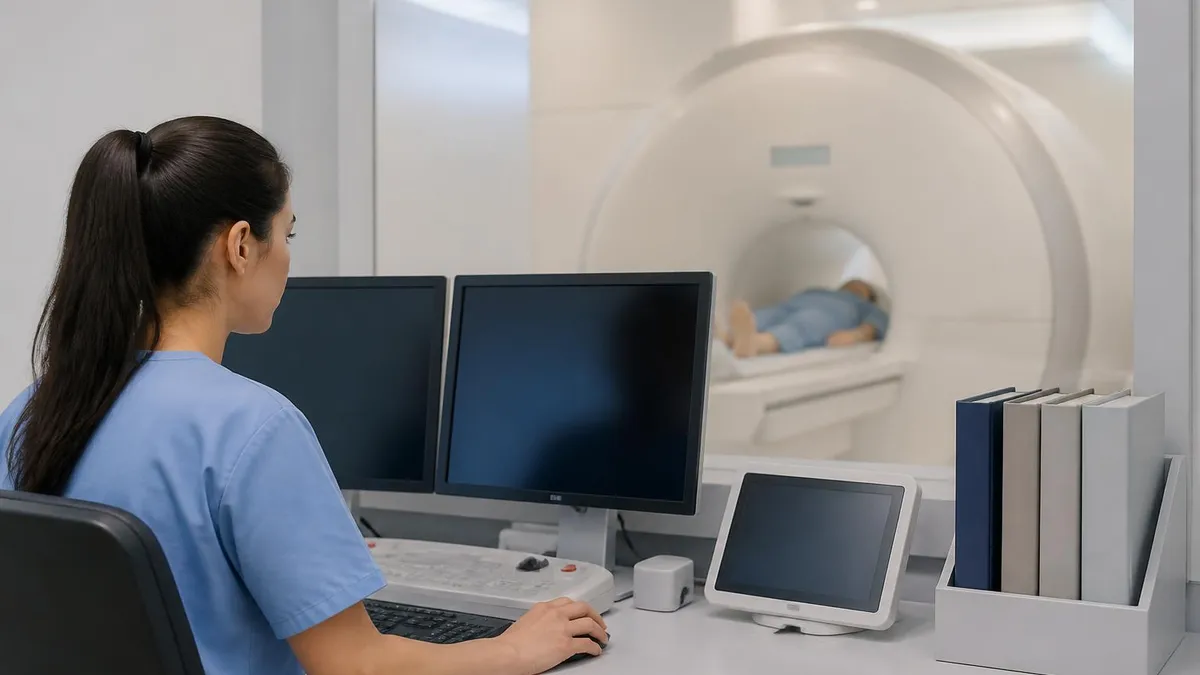
Your Path to MRI Certification: Step by Step
Prerequisites & Application
Core Radiography Education
MRI Specialty Training
Clinical Hours Documentation
ARRT Examination
State License & Employment
The standard educational route to becoming an MRI technologist begins with an accredited associate degree in radiologic technology, typically taking 21 to 24 months of full-time study at a community college or hospital-based program. This degree forms the foundation because MRI is considered an advanced imaging modality that builds on core radiography skills like patient positioning, contrast administration, cross-sectional anatomy, and clinical workflow. You cannot legitimately specialize in MRI without first establishing competency in general imaging principles.
During the first year of radiography school, expect heavy coursework in human anatomy, radiographic positioning, image production, radiation physics, patient care, and medical ethics. You will spend roughly 60% of your time in classroom and lab settings, learning to handle equipment and recognize quality images. The remaining 40% involves clinical rotations at affiliated hospitals where you practice on real patients under direct supervision, slowly building the procedural confidence that no textbook can provide.
The second year intensifies clinical hours, often requiring 30 to 40 hours per week at clinical sites in addition to ongoing classroom work. Students rotate through specialty areas including fluoroscopy, surgery, trauma imaging, pediatrics, and increasingly through CT and MRI departments. This exposure helps you decide whether MRI truly fits your career goals or whether another modality like interventional radiology or mammography might suit you better before you commit to specialty training.
After earning your associate degree, you must pass the ARRT radiography certification exam before pursuing MRI specialization through the post-primary pathway. This intermediate certification step typically takes 4 to 8 weeks of focused study after graduation. Once certified in radiography, you become eligible to either work as a general radiographer while completing MRI requirements part-time or enroll in a dedicated MRI certificate program that consolidates the specialty training into 12 to 18 months.
An alternative route bypasses the radiography requirement entirely by completing a 24-month primary MRI program at certain accredited schools. These programs allow students to enter MRI directly without prior X-ray certification, combining all foundational and specialty training into one curriculum. However, primary MRI programs are less common, more competitive, and may limit your career flexibility since you cannot easily cross into other imaging modalities later without additional credentialing work.
Bachelor's degree programs in medical imaging or radiologic sciences offer a third path, typically lasting four years and providing deeper coursework in healthcare management, research methods, and advanced imaging theory. While not required for entry-level MRI positions, a bachelor's often accelerates promotion into lead technologist, supervisor, MRI safety officer, or applications specialist roles. Hospitals increasingly prefer bachelor's-prepared technologists for management tracks and may reimburse degree completion costs.
Throughout any path, you must maintain documented clinical hours that the ARRT will verify before issuing certification. The current requirement includes specific procedural counts across anatomical categories, and any gaps require remediation that can extend your timeline by months. Track every procedure meticulously from day one, have clinical instructors sign logbooks consistently, and keep digital backups, because lost documentation has derailed more certification timelines than failed exams ever have.
MRI Practice Test Questions
Prepare for the MRI - Magnetic Resonance Imaging exam with our free practice test modules. Each quiz covers key topics to help you pass on your first try.
MRI Knowledge
MRI Exam Questions covering Knowledge. Master MRI Test concepts for certification prep.
MRI Physics
Free MRI Practice Test featuring Physics. Improve your MRI Exam score with mock test prep.
MRI Anatomy and Pathology
MRI Test Prep for MRI Anatomy and Pathology. Practice MRI Quiz questions and boost your score.
MRI Anatomy and Positioning
MRI Questions and Answers on MRI Anatomy and Positioning. Free MRI practice for exam readiness.
MRI Contrast Agents
Free MRI Quiz on MRI Contrast Agents. MRI Exam prep questions with detailed explanations.
MRI Patient Care and Positioning
MRI Practice Questions for MRI Patient Care and Positioning. Build confidence for your MRI certification exam.
How Long to Become an MRI Tech: Compare Three Routes
The fast-track route is reserved for technologists who already hold ARRT certification in radiography, nuclear medicine, or radiation therapy. Through the post-primary pathway, you can earn MRI credentials in just 12 to 18 months by completing structured didactic coursework combined with documented clinical experience. This route lets you continue working in your current modality while training, which preserves income and accelerates the transition without taking on additional student debt.
Total time investment averages 1,500 hours of clinical experience plus roughly 35 structured education credits in MRI topics. Some technologists complete this on an aggressive 12-month timeline by training nights or weekends, while others stretch it to 24 months part-time. Either way, the cost typically runs $3,000 to $8,000, far below a full degree, and most hospitals offer tuition reimbursement to existing employees pursuing cross-modality credentialing within their own departments.
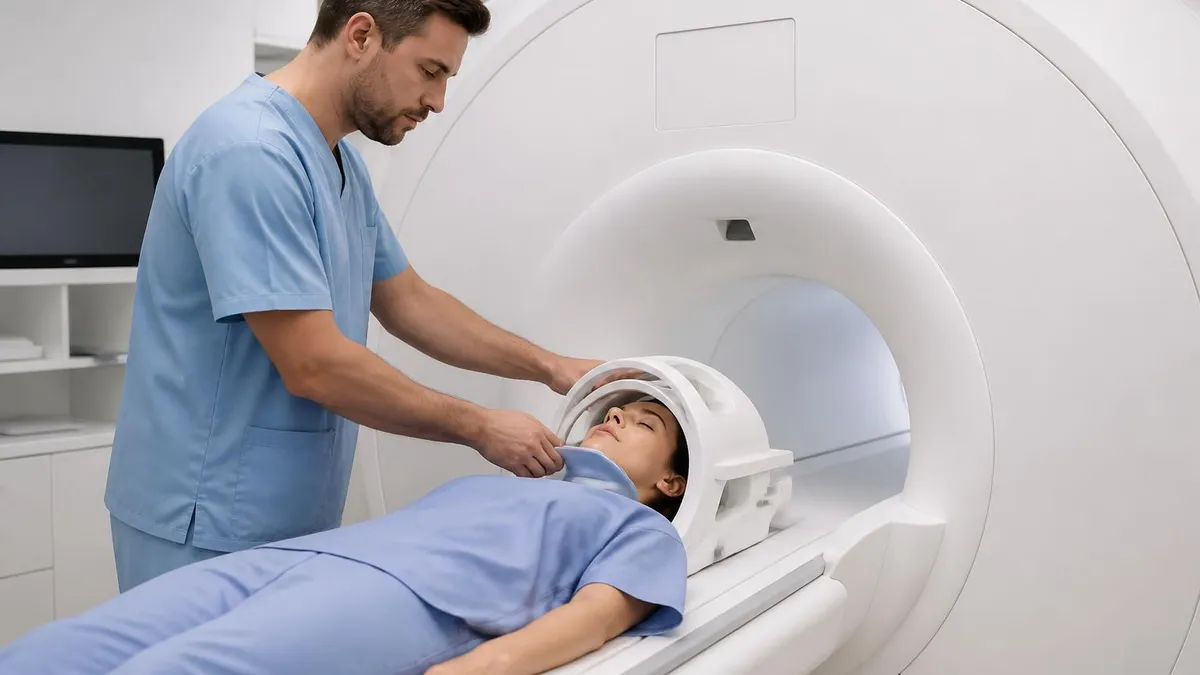
Is Becoming an MRI Tech Worth the Time? Pros and Cons
- +Strong median salary of $83,740 with top 10% earning over $107,000 annually
- +Faster-than-average 6% job growth projected through 2033 nationwide
- +Multiple entry pathways accommodate different educational backgrounds and budgets
- +Per-diem and travel positions pay $50-$90 per hour for flexible schedules
- +Indoor, climate-controlled work environment with limited radiation exposure
- +High patient interaction and meaningful clinical impact in diagnosis
- +Cross-modality credentialing creates strong job security and mobility
- −Two to four years of education required before earning full tech wages
- −Clinical rotations are unpaid and demand 30-40 hours weekly during school
- −ARRT exam fees, license fees, and continuing education add ongoing costs
- −Some shifts include nights, weekends, and on-call coverage for emergencies
- −Heavy lifting and patient transfers can strain back and shoulders over time
- −State license processing delays can postpone your start date by months
- −Strict safety protocols and high-stakes errors create constant cognitive load
Steps to Become an MRI Tech: Complete Action Checklist
- ✓Research JRCERT-accredited radiologic technology programs in your state and budget
- ✓Complete prerequisite courses: anatomy, physiology, college algebra, and medical terminology
- ✓Submit applications with transcripts, observation hours, and required entrance exam scores
- ✓Enroll in a 21-24 month associate degree program or 4-year bachelor's program
- ✓Maintain a 3.0+ GPA throughout clinical rotations and didactic coursework
- ✓Pass the ARRT radiography certification exam within 6 months of graduation
- ✓Apply to a post-primary MRI certificate program or accumulate clinical MRI hours
- ✓Document required ARRT procedural counts across all five anatomical categories
- ✓Schedule and pass the ARRT MRI certification exam after eligibility verification
- ✓Apply for state licensure if required and renew ARRT credentials biennially with CE credits
The single fastest legitimate path is post-primary MRI for existing radiographers
If you are already an ARRT-certified radiographer, you can become a fully credentialed MRI technologist in just 12 months while continuing to earn your current salary. This is by far the fastest, cheapest, and most stable route. Any program claiming faster timelines for complete beginners likely lacks JRCERT accreditation or ARRT eligibility, so verify accreditation status before paying tuition.
When evaluating how long it takes to become an MRI tech, the cost-versus-time calculation matters as much as the calendar. A community college associate degree in radiologic technology typically runs $6,000 to $20,000 total tuition, while private hospital-based programs charge $15,000 to $40,000 and bachelor's programs at state universities range from $30,000 to $80,000 depending on residency status. Each pricing tier comes with different completion timelines, financial aid options, and job placement support that affect your true cost.
Beyond tuition, hidden costs add up quickly during the two-to-four-year journey. Textbooks and digital resources average $1,200 annually, ARRT exam fees total $425 across two registries, state license application fees range from $35 to $150, scrubs and clinical equipment cost $400 to $800, immunizations and background checks add another $200 to $500, and CPR certification renewal recurs every two years at $80 to $120. Budget realistically for these recurring expenses across your training years.
Lost wages during clinical rotations represent the largest hidden cost most students overlook. Unlike traditional college, radiography and MRI clinicals require 30 to 40 hours per week of unpaid work for 12 to 24 months. If you could earn $18 per hour in your current job, that represents roughly $25,000 to $35,000 of foregone income annually. Many students bridge this gap by working evening or weekend shifts at unrelated jobs, but burnout becomes a serious risk that can extend timelines through medical leave or program withdrawals.
The payoff justifies the investment for most graduates. Entry-level MRI technologists typically start at $58,000 to $72,000 annually, with experienced techs earning $85,000 to $105,000 and travel MRI techs commanding $2,500 to $3,800 weekly in high-demand markets. Most students recoup their total educational investment within 18 to 30 months of starting full-time work, and lifetime earnings advantages over careers requiring only high school easily exceed $1.5 million over a 30-year span.
Financial aid options can substantially reduce out-of-pocket costs and accelerate your timeline by reducing the need to work outside jobs. Federal Pell Grants provide up to $7,395 annually for undergraduates with financial need, and state-specific grants often add $2,000 to $5,000 more. Many hospital systems offer scholarship-for-service programs that fully cover tuition in exchange for 2 to 3 year employment commitments after graduation, effectively converting your education into a paid apprenticeship.
Military veterans gain significant advantages through the GI Bill, which covers full tuition at public schools and up to $27,120 annually at private institutions. Veterans Health Administration facilities actively recruit MRI technologists and often hire candidates before they finish school. Tribal scholarships, employer tuition reimbursement, and Workforce Innovation and Opportunity Act funding for displaced workers represent additional pathways many students overlook when planning their financial timelines and total cost projections.
Comparing your total time-and-cost investment to other healthcare careers puts MRI in favorable light. Becoming a registered nurse takes a similar two to four years but often involves higher tuition and more grueling shift work. Becoming a sonographer takes a comparable timeline but offers slightly lower median salaries. The full body MRI cost trend shows growing patient demand for advanced imaging, which translates directly into expanding job opportunities and signing bonuses for newly certified MRI technologists nationwide.
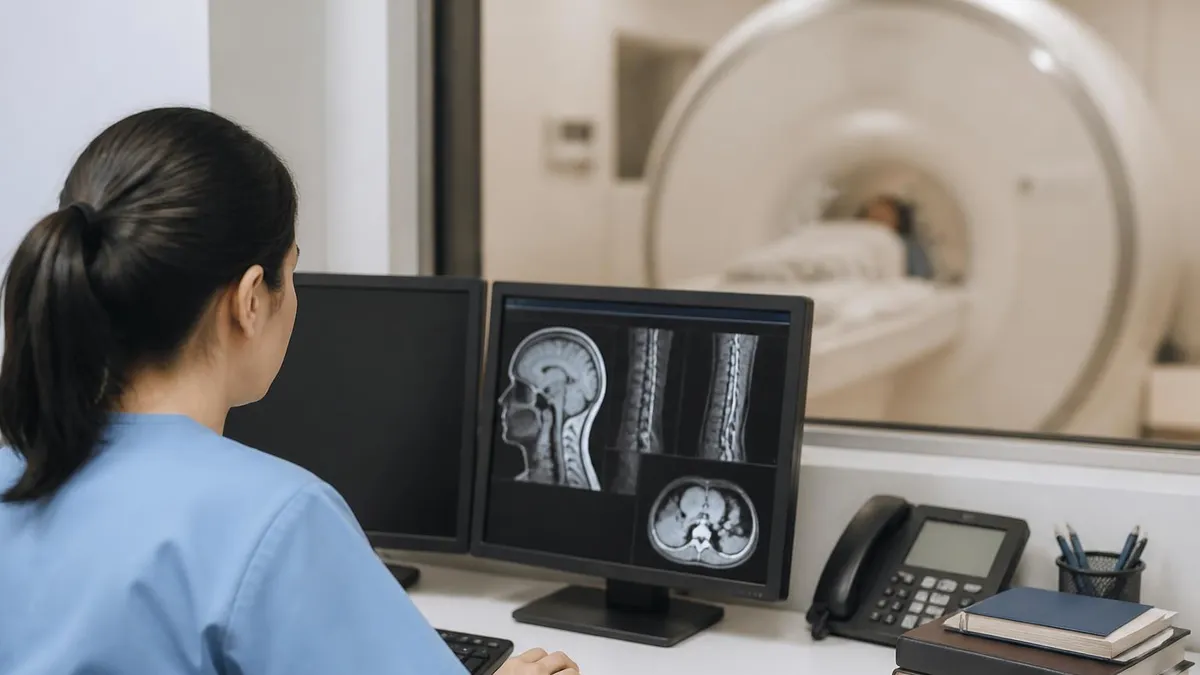
The ARRT only accepts applicants from JRCERT-accredited programs. Enrolling in a non-accredited program can extend your timeline by years if you have to redo coursework at an accredited institution. Always verify accreditation status at jrcert.org before paying any tuition deposits, and confirm the program leads to ARRT exam eligibility, not just a non-credentialed certificate.
Once you pass the ARRT MRI examination, the journey from certified technologist to employed technologist still requires intentional effort, though the timeline is usually fast. Most graduates accept job offers within 30 to 90 days of certification, and many secure conditional offers during their final clinical rotation contingent on passing boards. The current job market favors candidates strongly, with many hospitals offering signing bonuses of $5,000 to $15,000 plus relocation assistance to fill open positions in suburban and rural markets.
Start your job search aggressively during your final clinical semester. Visit the human resources office of every hospital where you rotate, request informational interviews with MRI department managers, and ask clinical instructors to provide written references early. These local connections frequently convert into offers before you even apply formally because hiring managers prefer known candidates over resume strangers. Many students underestimate how much their clinical performance functions as an extended job interview during school.
National job boards like Indeed, LinkedIn, and specialty radiology sites such as AuntMinnie and Radworking list thousands of MRI tech openings at any given time. Filter aggressively by location, shift preference, and benefits to avoid wasting time on poorly matched roles. Major health systems like HCA Healthcare, Ascension, Kaiser Permanente, and Tenet Healthcare maintain new graduate programs specifically designed to onboard recently certified MRI technologists with structured 90-day orientation periods.
Negotiate salary thoughtfully, even as a new graduate. Many hospitals post starting wages on job descriptions, but signing bonuses, shift differentials, on-call pay, education reimbursement, and PTO accrual rates remain negotiable. A 10% shift differential for evenings or weekends can add $7,000 to $10,000 annually, and committing to an on-call rotation often adds another $4,000 to $8,000 yearly. Compare total compensation packages, not just base salaries, when weighing multiple offers.
Travel MRI technologist roles offer significantly higher pay but typically require at least 12 to 18 months of full-time staff experience before agencies accept your application. Travel contracts run 8 to 13 weeks and pay $2,500 to $3,800 weekly including tax-advantaged housing stipends and meal allowances. If your goal is travel work, plan to spend your first 1 to 2 years building experience at a major teaching hospital with diverse case mix, then transition into travel for accelerated earnings.
Continuing education begins immediately after certification. ARRT requires 24 CE credits every two years to maintain your credentials, plus 16 hours of mandatory MRI-specific topics covering safety, contrast agents, and emerging imaging techniques. Many employers provide free CE through online platforms like RAD-AID, MEDIC Lab, or vendor-sponsored training. Schedule CE consistently throughout each two-year cycle rather than cramming before your renewal deadline to avoid lapse penalties and reinstatement fees.
Career advancement opportunities expand rapidly with experience and additional credentials. After two to three years of MRI experience, consider adding CT certification, MRI safety officer training, applications specialist roles with equipment vendors, or pursuing a bachelor's degree completion program for management track positioning. Many technologists eventually transition into education, research, sales, informatics, or healthcare administration, with the MRI tech credential serving as a launching pad rather than a final destination throughout a long and flexible career.
Practical preparation strategies separate students who finish on schedule from those whose timelines stretch unexpectedly. Build your study habits during the prerequisite phase, before the academic pressure intensifies. Successful students typically study 15 to 25 hours weekly outside class hours during the first year, gradually increasing to 25 to 35 hours during clinical-heavy semesters. Consistent daily study beats marathon weekend sessions, particularly for visual-spatial subjects like cross-sectional anatomy and pulse sequence physics that require repeated exposure to build intuition.
Form study groups with classmates during week one, not week ten. Working radiographers and MRI technologists consistently report that classmates became their most reliable professional network over the next 20 years, providing job leads, second opinions on imaging cases, and emotional support during difficult shifts. The friendships formed during clinical rotations often outlast individual hospital jobs and carry through to leadership roles when classmates move into management or applications positions at different facilities nationally.
Invest early in registry review materials rather than waiting until the final semester. The Mosby's Comprehensive Review of Radiography, Lange Q&A MRI, and online platforms like RegistryReview.com and ScrubBee provide thousands of practice questions that double as ongoing study tools during regular coursework. Working 25 to 50 practice questions weekly throughout your final year dramatically increases ARRT pass rates compared to cramming. Most successful candidates complete 3,000 to 5,000 practice questions before sitting for boards.
Document your clinical experiences with meticulous attention to detail. Keep both a paper logbook and a digital backup of every procedure you perform, including patient demographics, sequence parameters, contrast administration, and supervising technologist signatures. Photograph completed pages periodically as insurance against lost documentation. The ARRT can audit clinical experience claims, and incomplete documentation has forced candidates to repeat months of clinical work before sitting for the exam, derailing timelines by entire semesters.
Prioritize physical and mental health throughout the training timeline. Clinical days frequently run 10 to 12 hours including commute time, classroom days demand sustained focus, and exam preparation adds another layer of stress. Maintain consistent sleep schedules, schedule weekly exercise sessions even when busy, and use campus mental health resources before burnout sets in. Students who medicalize their burnout through urgent care visits and crisis interventions almost always extend their timeline by at least one semester through medical withdrawals.
Cultivate professional relationships with clinical preceptors and program faculty from day one. These are the people who will write your recommendation letters, sign your clinical competency forms, alert you to job openings, and potentially hire you directly. Show up early, stay engaged during slow periods, ask thoughtful questions, and follow through on assignments. Technologists notice which students treat clinicals like real jobs versus those who treat them like passive observations, and they tell hiring managers about both groups freely.
Finally, plan for life after certification before you finish school. Update your resume during your last clinical semester, secure references in writing, prepare for behavioral interview questions, research salary ranges in your target geography, and identify three to five hospitals where you genuinely want to work. The graduates who land their first-choice positions within 60 days of certification are almost always the ones who treated the job search as a parallel project running alongside exam preparation, not a task to begin after passing boards.
MRI Questions and Answers
MRI Medical Abbreviation: What MRI Stands For and Why It Matters
The History of MRI: From Discovery to Modern Medicine
Knee MRI Images: A Complete Guide to Reading, Understanding, and Interpreting Knee Scans
Noise of MRI Machine: Why MRI Scanners Are So Loud and What to Expect
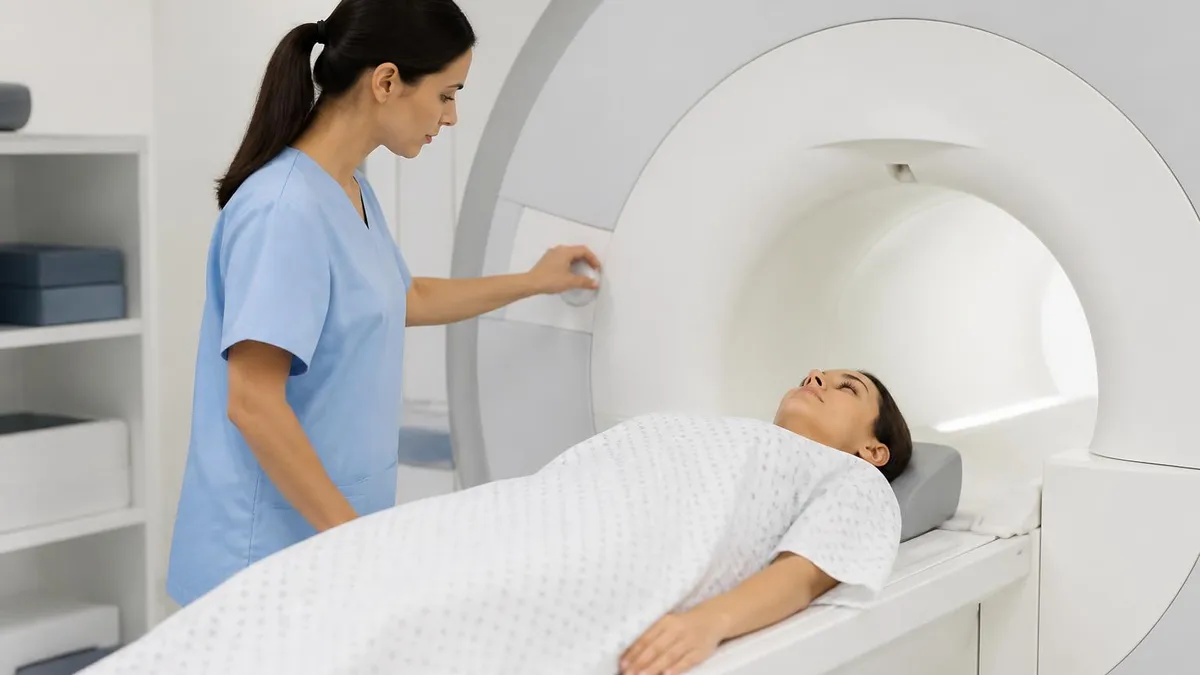
Full Body MRI Cost: What You'll Pay in 2026 and Why
About the Author

Medical Laboratory Scientist & Clinical Certification Expert
Johns Hopkins UniversityDr. Sandra Kim holds a PhD in Clinical Laboratory Science from Johns Hopkins University and is certified as a Medical Technologist (MT) and Medical Laboratory Scientist (MLS) through ASCP. With 16 years of clinical laboratory experience spanning hematology, microbiology, and molecular diagnostics, she prepares candidates for ASCP board exams, MLT, MLS, and specialist certification tests.
Join the Discussion
Connect with other students preparing for this exam. Share tips, ask questions, and get advice from people who have been there.
View discussion (8 replies)